Sabrina Martinez

Chart The Waters

Explore insights on SEO, AI, and digital marketing strategies designed to help your business grow, stay visible, and adapt in a constantly evolving online landscape.
Beacon_Icon_resouse

Originally published by Beacon Media + Marketing. Updated and revised by Jennifer Gracey, Web Content Strategist & Writer on 07/24/23.

Behavioral health services really make a big difference in helping people improve their physical and mental well-being. For example, whether someone’s dealing with addiction, substance abuse, food disorders, or negative relationship patterns, there are so many people out there struggling. The good news is that a lot of these issues can be resolved with professional treatment — which is where behavioral health services come in.

Truth be told, marketing for mental health services is no walk in the park. It’s a tough nut to crack. First, some people who desperately need help simply don’t know how to seek the help they need. And then there’s the stigma surrounding mental illness and behavioral health care that acts as a roadblock for many people who really need help.

But that’s where Beacon Media + Marketing comes in! We’re experts in behavioral marketing services, and our goal is to help you shine brighter than the competition. We’ll work with you to create a strong brand and develop content that not only educates but also engages — and builds a framework of trust with your ideal clients.

Now, here are five key elements you’ll want to include in your marketing strategy for behavioral health. These tips will take your clinic to the next level and help you reach the people who really need your help. Let’s get started!

Ready to work with a Behavioral Health Marketing Agency that really gets your industry? Learn about our full suite of mental health marketing services.

Why Should You Market Your Behavioral Health Service?

The marketing of behavioral health services holds significant importance for several compelling reasons.

First, a primary objective is to attract a larger client base to your practice or clinic. Through the implementation of a robust digital marketing strategy, you can enhance your client roster — thereby opening doors to opportunities for service expansion, the recruitment of additional staff members, and even the establishment of new locations. This growth enables you to extend your reach and provide a path of assistance to a greater number of individuals in need.

Second, behavioral marketing assumes critical importance in aiding the local community. For example, when individuals confront challenges in their behavioral health, they often grapple with the confusion of where to seek assistance. Whether they are in their youth or an adult ready to pursue professional treatment, it is imperative that your practice assumes the role of a dependable resource. Failing to optimize your website’s navigability or lacking a substantial online presence deprives those in need of the opportunity to access vital support precisely when it is most crucial.

By effectively marketing your behavioral health services, you position your practice as a primary destination for individuals seeking assistance. Through a well-crafted online presence, you contribute to raising awareness and empowering those grappling with behavioral health issues.

By being readily available and visible to those in need, you extend a lifeline to individuals seeking guidance and promote a sense of hope and self-empowerment.

There are people who need your services, and we’re here to help you reach them. Contact Beacon Media + Marketing for your personalized behavioral health marketing strategy. 

What Elements Should You Include in Your Behavioral Health Marketing Strategy?

Now that we’ve gone over why you should market your behavior health service, it’s time to dig into the specifics. The following elements are ways to help effectively market your practice, clinic, or facility to have you appear at the top of searches and make an impact on the people you’re to help. 

In other words, creating a strong and persistent online presence will ensure that you will always be one of the top considerations for help. You won’t need to rely on physician recommendations which still helps — and can tap into a new client base. So, here are five elements to consider when creating your marketing strategy. 

1. Website
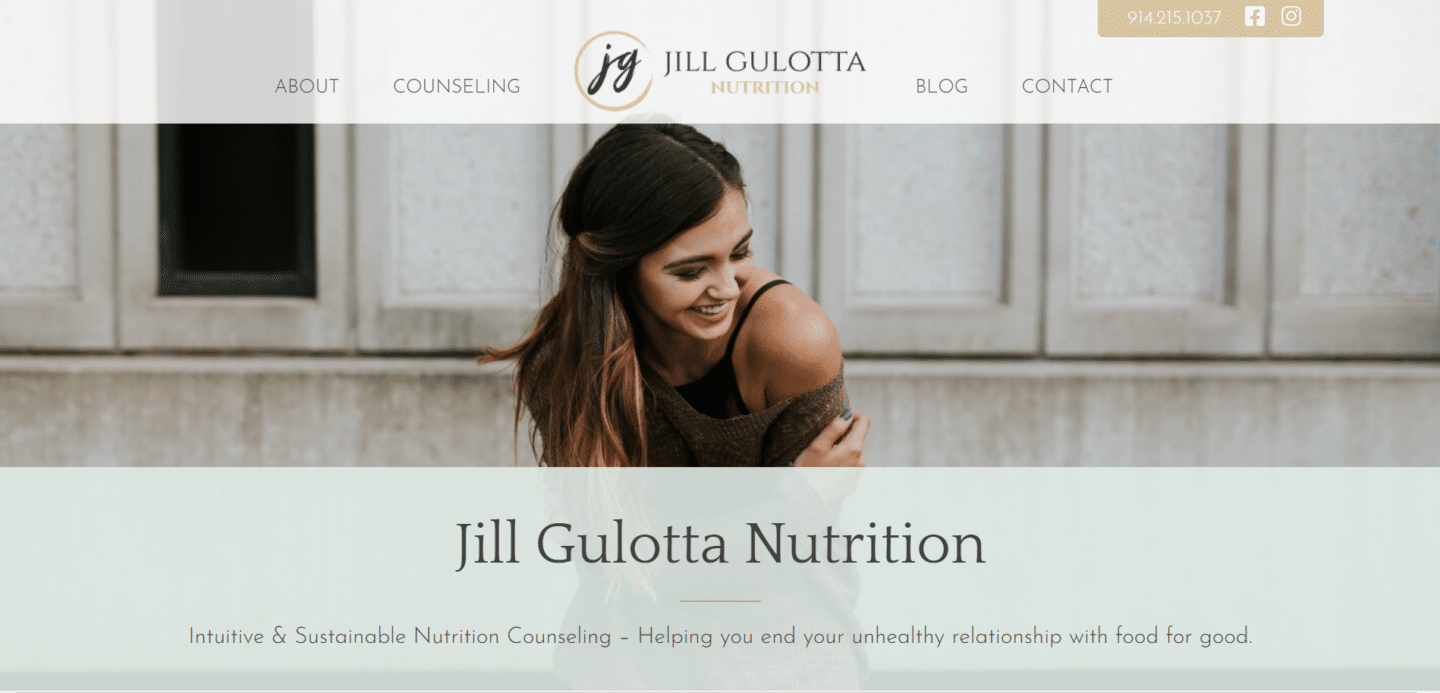
Screenshot of Jill Gulotta Nutrition website

In today’s digital age, having an online presence is essential for any business, including mental health clinics. And your website serves as a virtual storefront — allowing potential clients to find and learn about your clinic, services, and approach. Additionally, your site also establishes credibility and legitimacy, demonstrating that your clinic is professional and trustworthy.

  • Accessibility and Convenience: A website makes your mental health clinic easily accessible to a wider audience. This enables prospective clients to find information about your services at any time, from anywhere, allowing them to learn about your clinic and make informed decisions about seeking treatment. At the end of the day, it saves time for both clients and staff, as routine inquiries can be addressed through the website’s content, FAQs, and contact forms.
  • Appointment Booking: A well-designed website can offer online appointment booking functionality, streamlining the scheduling process for potential clients. This feature allows individuals to conveniently book appointments based on their preferences, increasing the likelihood of conversion. It also reduces phone calls, administrative work, and improves overall customer experience.
  • Educational Resources: Your behavioral health website can also serve as an educational resource for individuals seeking information about various mental health conditions, treatment options, coping strategies, peer support services, and general well-being. And by providing informative articles, blog posts, or downloadable resources, you can position your clinic as a trusted authority and nurture potential clients, even before they become clients.
  • Branding and Differentiation: Your website enables you to showcase your clinic’s brand identity, values, and unique selling points. Through web design elements, color schemes, imagery, and a unique tone of voice, you can create a distinct brand image that resonates with your target audience. And a well-crafted website helps you to differentiate your clinic from competitors — and establish a memorable presence in the minds of visitors.
  • Trust and Privacy: Privacy and confidentiality are paramount in mental health treatment. And a website can emphasize your clinic’s commitment to patient privacy and data security. You can also highlight the measures you have in place to protect client information and ensure HIPAA compliance — fostering trust among potential clients who may be concerned about sharing sensitive information.

Want to learn how Beacon can take your website to the next level? Learn more about our website design services.

 2. Local SEO
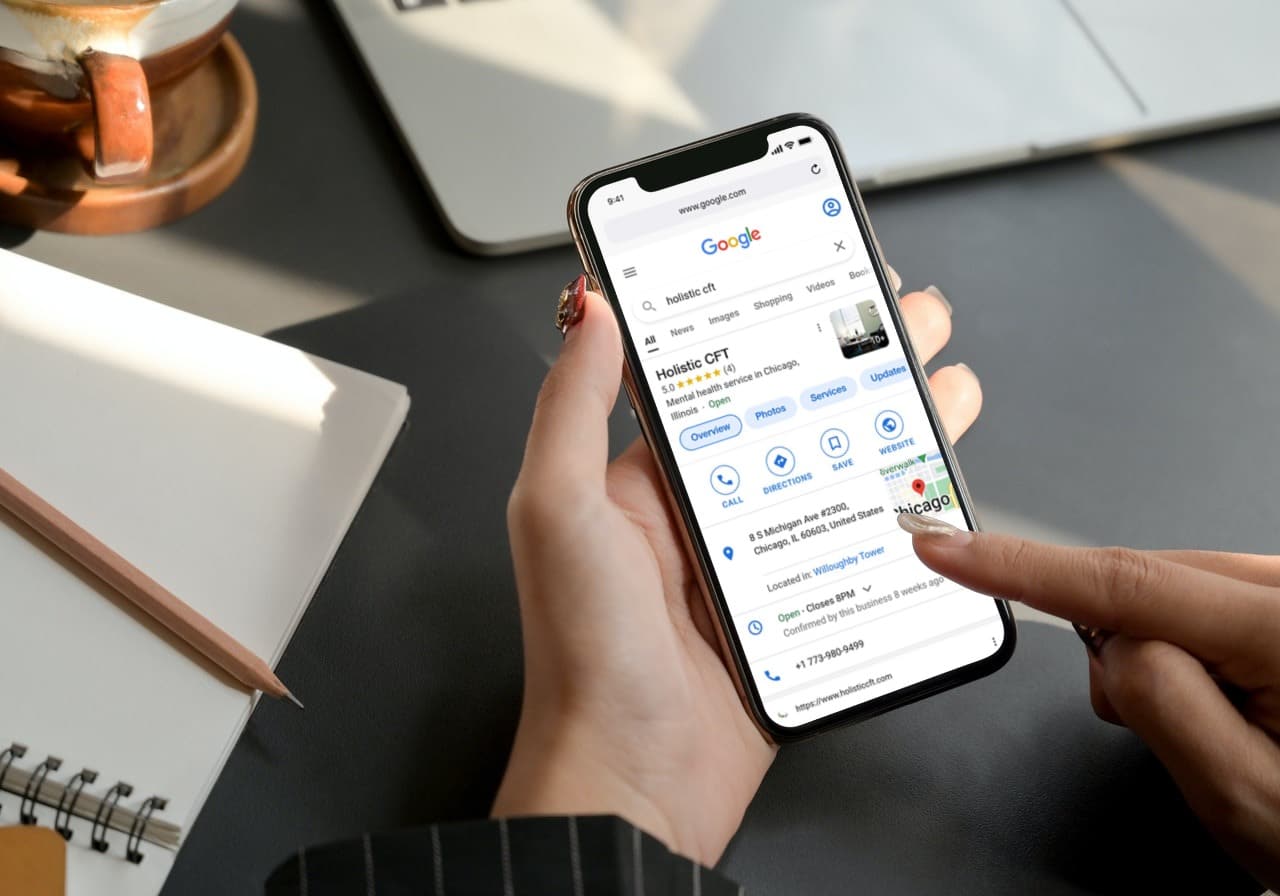
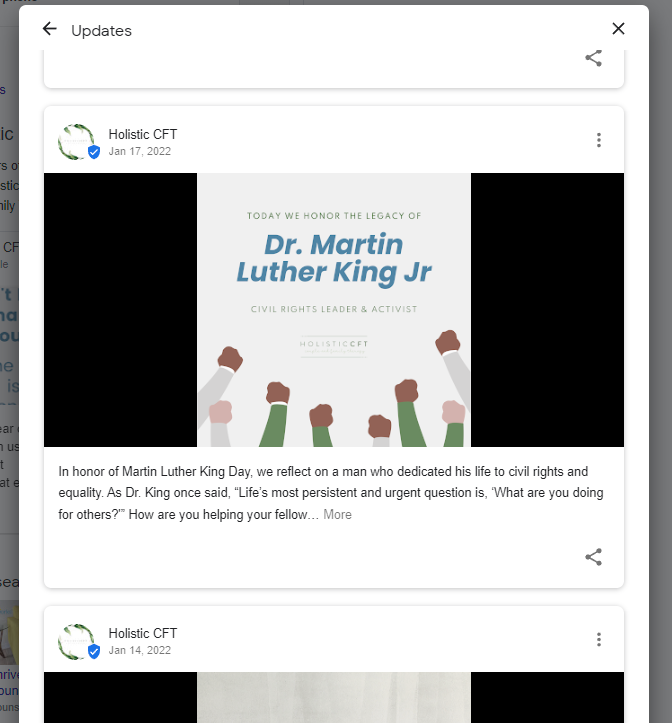
Person researching Holistic CFT - a behavioral health clinic - on Google My Business on their mobile phone.

One of the most important factors you have to consider for your marketing strategy is targeting local SEO. Even if you’ve identified your target audience, being one of the top resources when someone searches for behavioral health services in their area is critical. 

Local SEO is also crucial for marketing a behavioral health clinic because it helps you reach your target audience effectively within your local community. Here are some reasons why local SEO is important:

  • Targeted Visibility: Local SEO strategies aim to optimize your clinic’s online presence for local searches. Basically, when potential clients search for mental health or behavioral health services in your area, a well-implemented local SEO strategy increases the visibility of your clinic in search engine results. This helps your clinic to be prominently displayed to individuals actively seeking mental health services near their location.
  • Increased Web Traffic and Conversions: By optimizing your website and online listings for local searches, you can attract more relevant traffic to your clinic’s website. Local SEO focuses on incorporating location-specific keywords, creating localized content, and optimizing your online profiles, such as a Google Business Profile listing. As a result, your clinic becomes more discoverable to local users who are more likely to convert into clients.
  • Competition in Local Market: The mental health field can be highly competitive, especially in densely populated areas. And local SEO helps your clinic stand out from the competition by increasing your visibility in local search results. When potential clients are presented with multiple options, appearing at the top of search results enhances your clinic’s chances of being chosen and sets you apart as a trusted and accessible local provider.
  • Online Reviews and Reputation: Local SEO strategies often involve managing and leveraging online reviews and ratings. But positive reviews from satisfied clients play a significant role in attracting new clients. Local SEO helps you monitor and respond to reviews on platforms like Google, Yelp, and Healthgrades, allowing you to build a positive online reputation and establish trust with potential clients who heavily rely on reviews for decision-making.
  • Mobile and Voice Search: With the increasing popularity of smartphones and voice assistants, local searches have become more prevalent. The fact is, many individuals use voice commands or mobile devices to find nearby mental health services. And local SEO ensures that your clinic’s website and online profiles are optimized for mobile and voice search — making it easier for potential clients to find and contact your clinic while on the go.

3. Branding
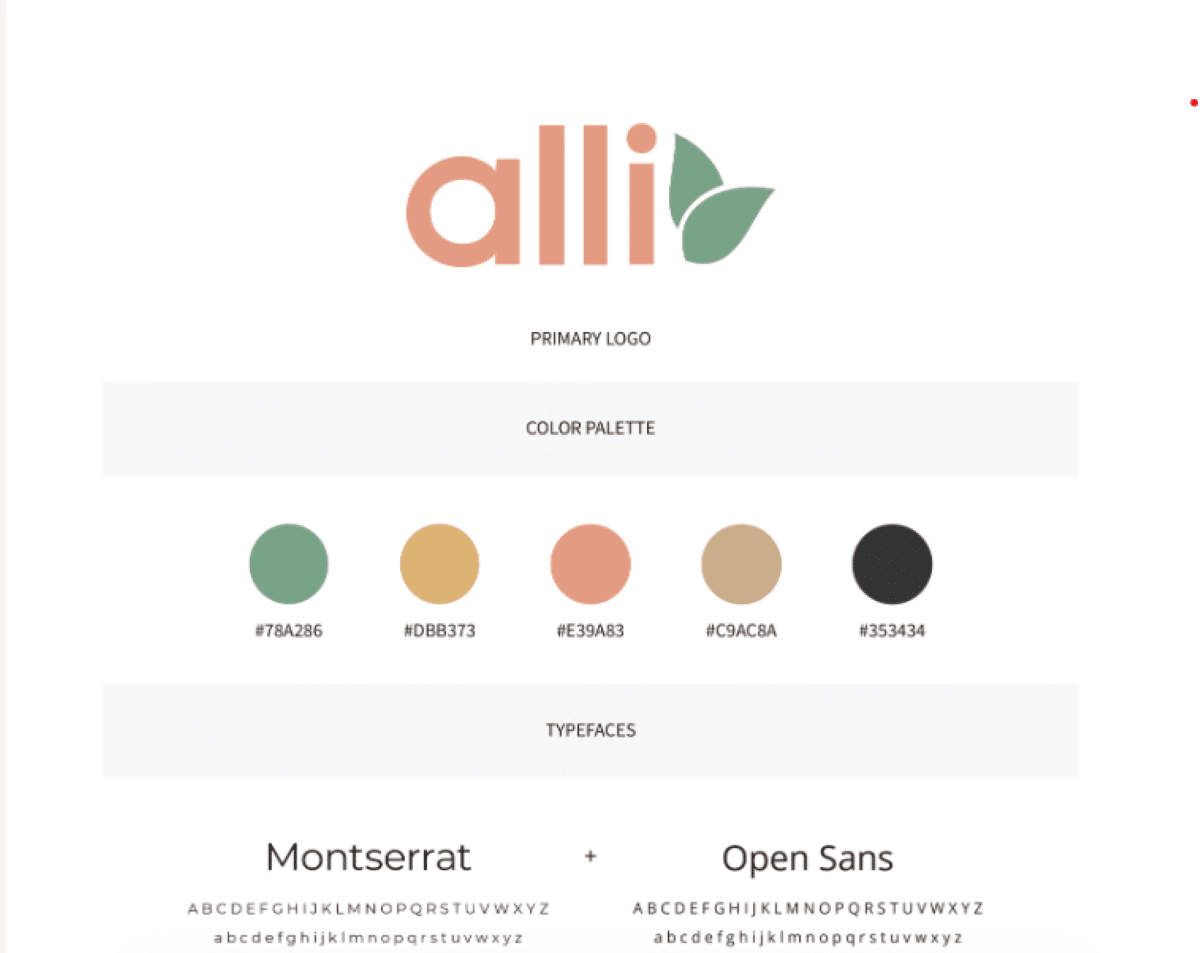
Alli Mental Health branding guide

The branding of your practice, clinic, or facility is crucial to drawing people in. Whether this includes community-based services or other programs, branding is an excellent opportunity to figure out your behavioral health service and why it’s important to you. 

Branding is also essential for marketing a behavioral health clinic because it helps create a strong and recognizable identity for your clinic, establishes trust, and differentiates your clinic from competitors.

A few reasons why branding is important in the context of marketing a behavioral health clinic include:

  • Trust and Credibility: Effective branding builds trust and credibility among potential clients. And this is critical because as mental health is a sensitive and personal matter, individuals seeking behavioral health services are often looking for a clinic they can trust. Thus, a well-defined brand identity with clear messaging, professional design elements, and consistent communication helps establish trust, conveying that your clinic is reliable, reputable, and capable of providing high-quality care.
  • Differentiation: In a competitive market, branding helps your clinic stand out from the crowd. By developing a unique brand positioning and identity, you can differentiate your clinic from other behavioral health providers. Branding allows you to communicate what makes your clinic special, whether it’s a specific approach to therapy, specialized treatment programs, a focus on holistic care, or a particular target population. Effective branding helps potential clients understand the unique value and benefits your clinic offers.
  • Emotional Connection: Behavioral health is deeply connected to emotions and personal well-being. A strong brand identity helps you forge an emotional connection with potential clients. By creating a brand that aligns with their values, aspirations, and needs, you can resonate with individuals on a deeper level. Emotional connection through branding increases the likelihood of individuals choosing your clinic as they feel understood, supported, and confident in your ability to address their mental health concerns.
  • Consistency and Recognition: Consistency in branding across all touch-points, including your website, social media, print materials, and physical space, creates recognition and reinforces your clinic’s identity. A consistent visual identity, including logos, color schemes, typography, and imagery, helps people associate these elements with your clinic, making it easier for them to remember and recognize your brand. Consistency also extends to the tone of voice and messaging, reflecting your clinic’s values and personality.
  • Patient Loyalty and Referrals: Building a strong brand not only attracts new clients but also fosters patient loyalty. When individuals have a positive experience with your clinic, they are more likely to become loyal clients and recommend your services to others. A strong brand identity, positive reputation, and memorable experiences contribute to patient loyalty and generate valuable word-of-mouth referrals, which can be a significant source of new clients for your clinic.
  • Professionalism and Perception: A well-crafted brand identity conveys professionalism and expertise. It enhances the perception of your clinic as a trusted and reliable mental health provider. A cohesive and polished brand image instills confidence in potential clients, as it signals that your clinic is committed to delivering high-quality care, adhering to professional standards, and investing in creating a positive client experience.
  • Effective Marketing and Communication: Branding provides a solid foundation for all your marketing and communication efforts. A well-defined brand identity guides your marketing strategies, ensuring that your messaging, visuals, and promotional materials are aligned with your clinic’s values and goals. It helps you communicate your unique value proposition, effectively reach your target audience, and build recognition and recall in the minds of potential clients.

Are you not sure how to brand your behavioral health service? Contact Beacon Media + Marketing so we can help you discover your brand.

 4. Content Management
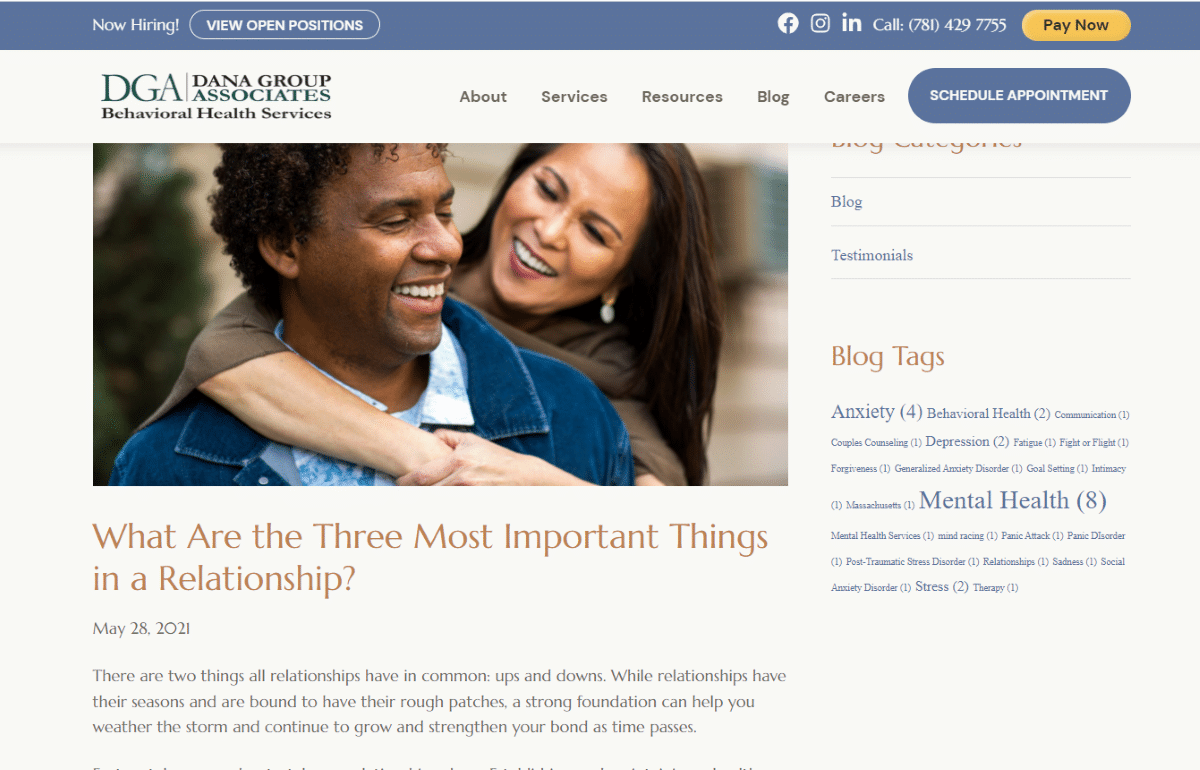
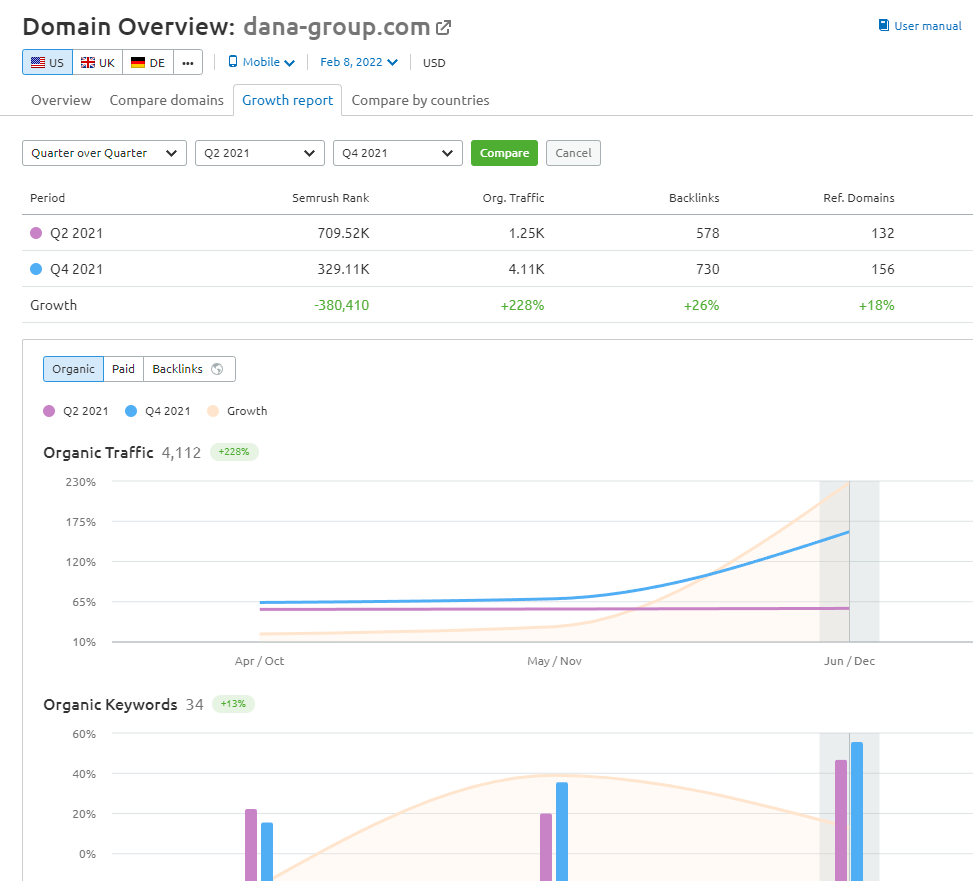
Screenshot of Dana Group Associates Behavioral Health Services website blog

The content offered on your website holds immense value for individuals or families seeking support. By accessing the information provided, visitors can gain a comprehensive understanding of the extensive assistance your services can offer.

In addition, incorporating blogging into your marketing strategy has the potential to profoundly impact someone’s life. Acknowledging behavioral health issues, whether personal or concerning children or loved ones, can be challenging for many individuals. Correspondingly, knowing when and how to seek help becomes a formidable task.

Blogs also serve as a powerful tool to establish yourself as a valuable community resource. As individuals inevitably have questions regarding behavioral health, creating and sharing informative blog posts can assist you in addressing these inquiries efficiently.

A few great impacts of regular blogging include:

  • Increased web traffic
  • Establishing expertise
  • Establishing brand awareness
  • Audience engagement
  • Thought leadership
  • Lead generation
  • Long-term value

By optimizing your blogs to rank highly in search engine results, people searching for answers will be directed to your blog as a prominent resource. Not only does this provide them with the desired information, but it also enhances your brand awareness and credibility. In sum, developing a well-thought-out blogging strategy for your marketing endeavors will elevate your clinic’s dependability — and drive increased traffic to your website.

5. Organic Content 
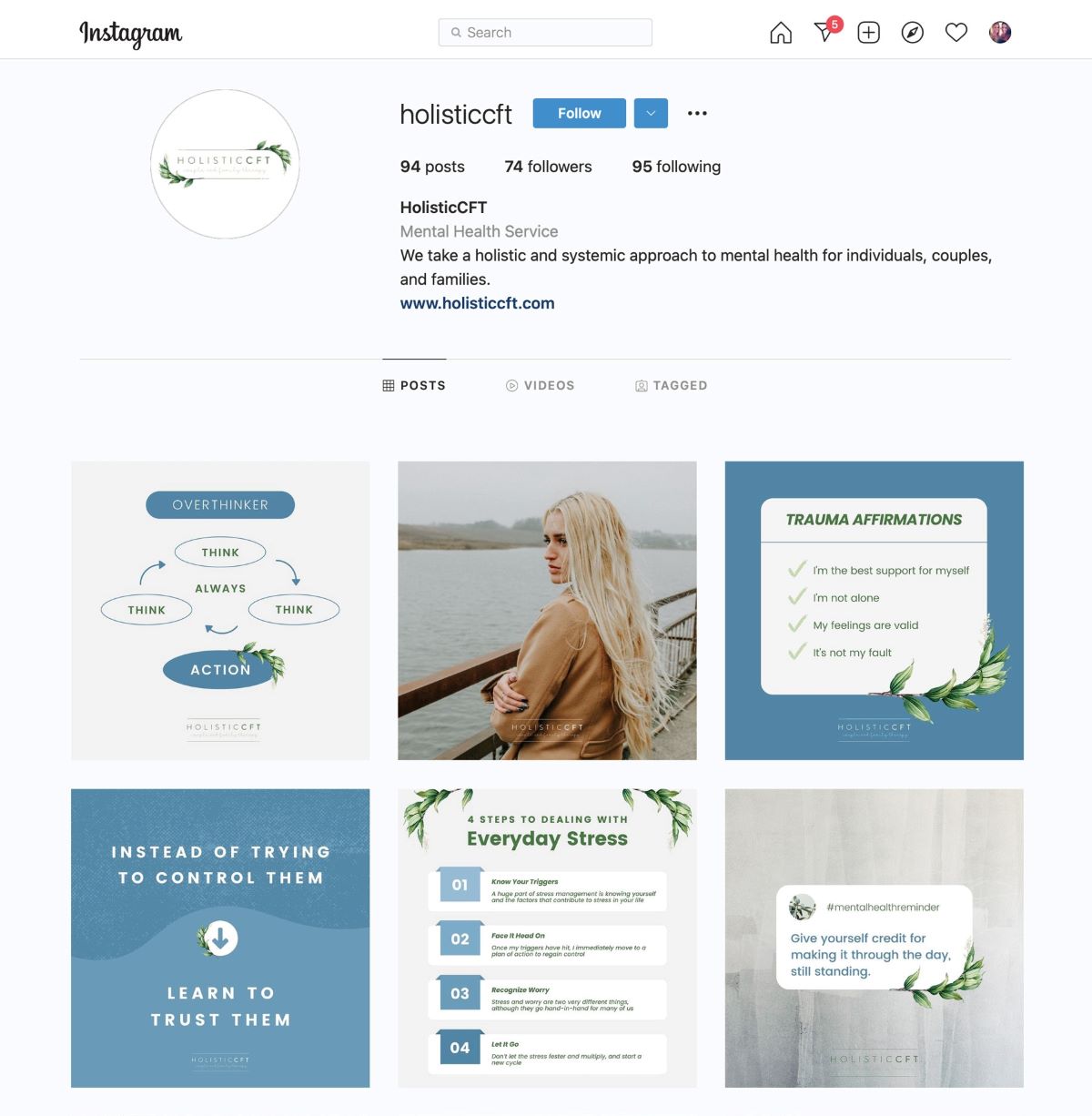
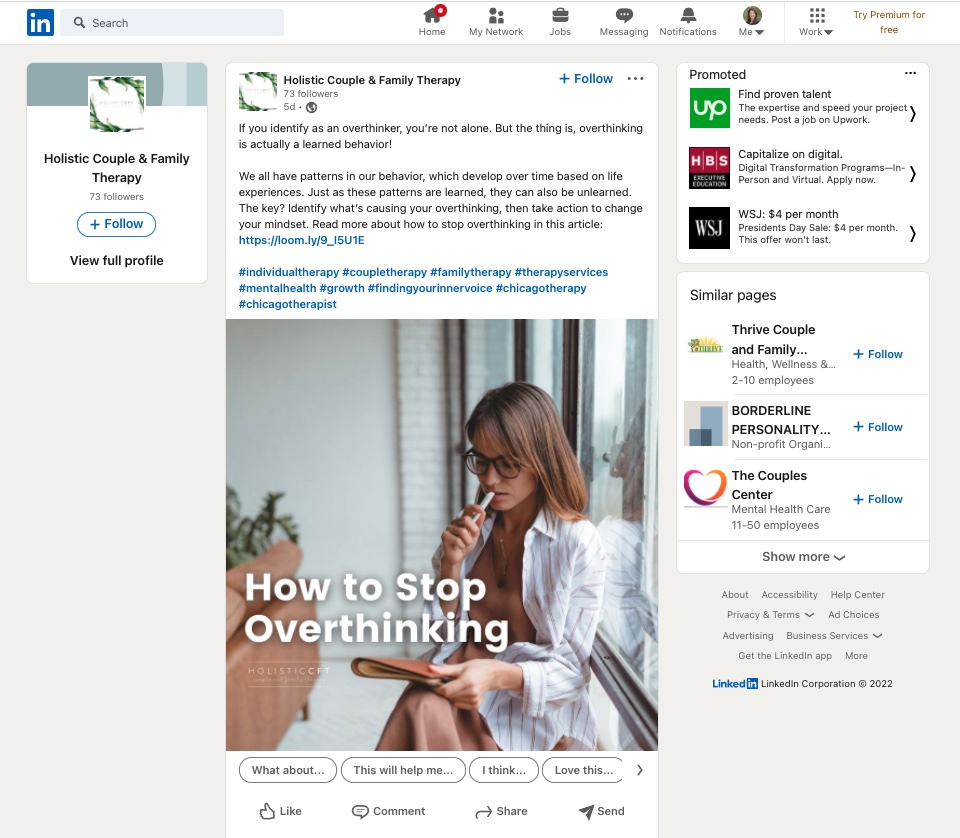
Screenshot of Holistic CFT Mental Health's Instgram

It’s no secret that the internet is a powerful platform of influence, and establishing your online presence holds immense potential for normalizing conversations surrounding behavioral health. By leveraging social media marketing, you can enhance your credibility, expand your reach, and actively contribute to destigmatizing behavioral health issues.

Through strategic social media campaigns, you can create organic educational content that fosters a deeper understanding of behavioral health, ultimately breaking down barriers and building a sense of connection within your community. This positions you as a trusted resource, prompting individuals to turn to you for guidance and support, above other alternatives.

While traditional advertising can be an avenue for reaching new audiences, it is essential to navigate the intricate stipulations and restrictions pertaining to alcohol and drug addiction. This can present challenges in effectively reaching adolescents and adults who may be in need of your assistance. Consequently, your online presence through social media becomes crucial in reaching and engaging with individuals who may not yet realize they require help.

Your organic social media content serves as a reflection of your brand and professional identity. It also presents an invaluable opportunity to establish a profound bond with individuals seeking assistance. When the time comes for them to seek help, your clinic will be the trusted service they turn to, owing to the connection you have fostered through your compelling and informative social media presence.

At the end of the day, the internet’s influence is significant, and harnessing its power through social media marketing can play a pivotal role in normalizing individual or family behavioral health conversations. By creating educational content, building credibility, and reaching a broader audience, you can help to destigmatize behavioral health issues, establish trust, and position yourself as a go-to resource. Leveraging your online presence through social media becomes essential for reaching individuals who may be unaware of their need for help, ultimately solidifying your clinic’s role in their journey toward recovery and well-being.

Why Should You Choose a Marketing Agency to Help You?

Bringing in the expertise of a dedicated marketing agency can work wonders for your practice, clinic, or facility, allowing you to focus on what truly matters — your clients. This is because marketing efforts demand considerable time and energy, which is better spent on providing top-notch care to those who rely on you.

In addition, juggling projects and responsibilities such as managing your website, social media presence, blogging, and advertising can feel overwhelming. And it’s crucial for all these elements to work harmoniously, aligned with a cohesive and effective marketing strategy. However, staying on top of each aspect can be a constant challenge as marketing practices continuously evolve — requiring ongoing learning and adaptation.

But that’s where the fun begins! By partnering with a dynamic marketing agency like Beacon Media + Marketing, we take the weight off your shoulders, allowing you to focus on your true passion. We’ll craft an innovative and impactful marketing strategy that propels your business to new heights.

Our comprehensive range of services includes captivating website design and development, memorable branding, engaging social media management, attention-grabbing advertising campaigns, captivating blogging, and so much more. Whatever aspect you need assistance with, we’re with you every step of the way. And our talented team will not only handle the technicalities of your program but also provide valuable insights into the data behind your marketing efforts — enabling continuous improvement and growth.

So, let the experts handle your marketing endeavors while you dedicate yourself to what you do best. With Beacon Media + Marketing, you’ll experience the thrill of watching your business flourish, as our partnership unleashes the full potential of your practice, clinic, or facility.

If you’re ready to focus on your passions and let someone help you through your marketing strategy, get a free consultation to learn how we can help you!
*Originally published by*Beacon Media + Marketing. Updated and revised by Sara Jokela December 19th, 2024.

Marketing can pose quite a challenge for any business, requiring a blend of creativity and effectiveness. However, when it comes to mental health marketing, things can get even trickier to grasp and execute successfully.

Notably, the pandemic of 2020 ushered in a significant shift in marketing strategies, especially for practitioners who had previously relied on in-person services. Many have transitioned to providing fully remote care, necessitating a change in how they promote themselves.

Given that you’re now operating solely online, your digital presence will play a pivotal role in every aspect of your practice. It’s crucial to have a well-thought-out digital marketing strategy to attract potential clients and nurture existing ones. To get you started, here are ten invaluable tips to market your online counseling practice.

Are you interested in how we’ve helped mental health practices like yours? Learn more about how we can help you!
Why Do You Need To Change Your Marketing? 

Are you curious about why it’s crucial to adapt your marketing strategies if you’re transitioning to a remote practice? It’s possible that signs of ineffective marketing haven’t revealed themselves yet for mental health professionals. However, sticking to old methods might hinder your ability to attract new clients.

Google Always Changes the Rules

Here’s the thing: Google implemented changes to how healthcare professionals can utilize their tools, including Google My Business. Unfortunately, without a physical location, your mental health practice and website won’t be able to leverage this tool.

The Google Search Pitfall for Virtual and Telehealth Mental Health Practices

Consequently, when individuals search for “therapists in my area,” or search by location, your practice won’t appear as one of the leading providers. Instead, it will display practices with physical, brick and mortar locations nearby.

But don’t worry, falling behind some competitors doesn’t mean it’s all doom and gloom. Many people have discovered that online or teletherapy suits their preferred therapy treatment method. There’s a significant demand for your services; you and other therapists in your practice or collective just need to know how to effectively market to this target audience.

10 Tips on How To Market Your Online Counseling Private Practice

To effectively market your online mental health practice, it’s crucial to prioritize your online presence and optimize your website, blogs, and overall content for search engine optimization (SEO). Boost your chances of being discovered by being active on social media, sharing educational videos on YouTube, or even creating an educational podcast.

Additionally, consider investing in paid advertising on platforms like Google Ads and social media to specifically target potential clients who are actively searching for therapy services.

One key strategy for marketing your online service is leveraging search engine tools to improve your ranking on search engines. Are you ready to learn some valuable tips on how to enhance your online marketing efforts for your mental health practice? Let’s dive in!

1. Identify Your Niche and Your USP

Discovering and clearly identifying your niche is crucial for successful online marketing. By doing so, you not only determine the services you’ll offer, but also scope of educational content you’ll share with the world. Focusing your expertise and knowledge and then highlighting it to potential clients establishes credibility and ensures that when people think about that specific topic, you’ll be the first name that comes to mind.

Additionally, it’s vital to identify your unique selling proposition (USP). With numerous options available to potential clients, it’s important to answer, “What sets you apart from the competition?” Whether it’s your comprehensive medication management services, patient-centered care or additional above and beyond resources you provide, it’s your distinct qualities that truly represent your practice and make you stand out. Embrace your uniqueness and let it be the driving force behind your success. For those in a private therapy practice, this means staying updated with marketing trends and focusing on quality services to attract and retain clients.

2. Identify Your Target Audience and Strategize

Discovering your target audience is absolutely crucial to understanding who would be genuinely interested in your services. This can be determined by focusing on your areas of expertise, such as offering support to individuals dealing with depression, anxiety, PTSD, trauma, and more. Once you have a clear idea of the people you want to assist, formulating your marketing strategy to reach potential clients becomes a smoother process.

It is equally important to consider the type of clientele that you work exceptionally well with and vice versa. Establishing a safe and connected environment, particularly in an online setting, can pose its challenges. Dedicate time to envisioning your ideal client, and tailor your marketing efforts to effectively target that specific audience.

By implementing these practices, you can truly captivate and engage with your intended audience, while providing the level of support they need.

3. Create a Great Website and Position Your Practice

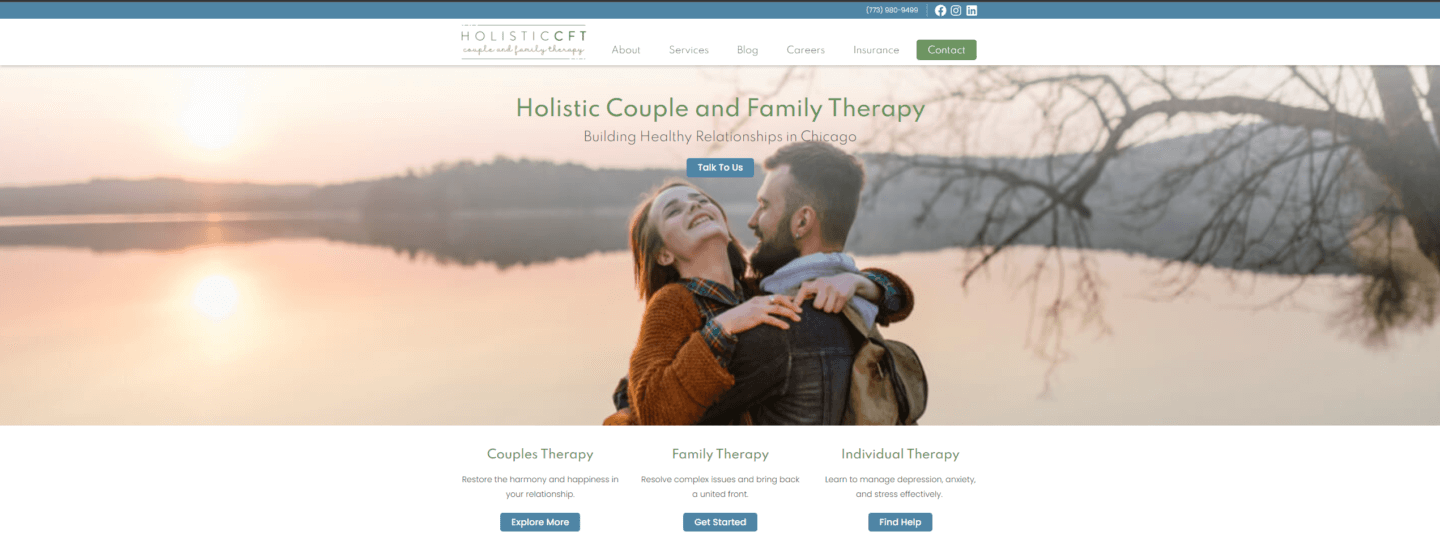
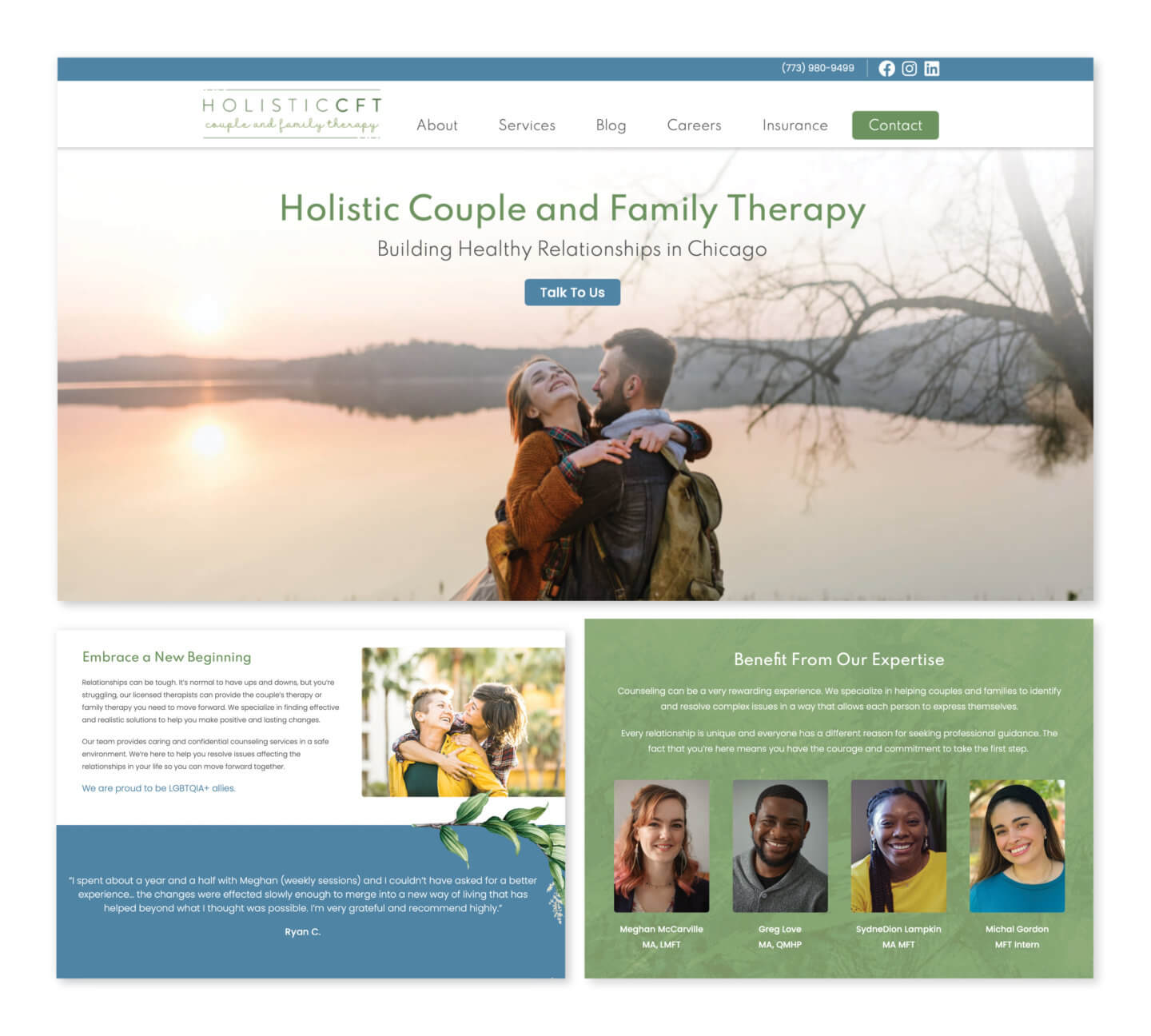
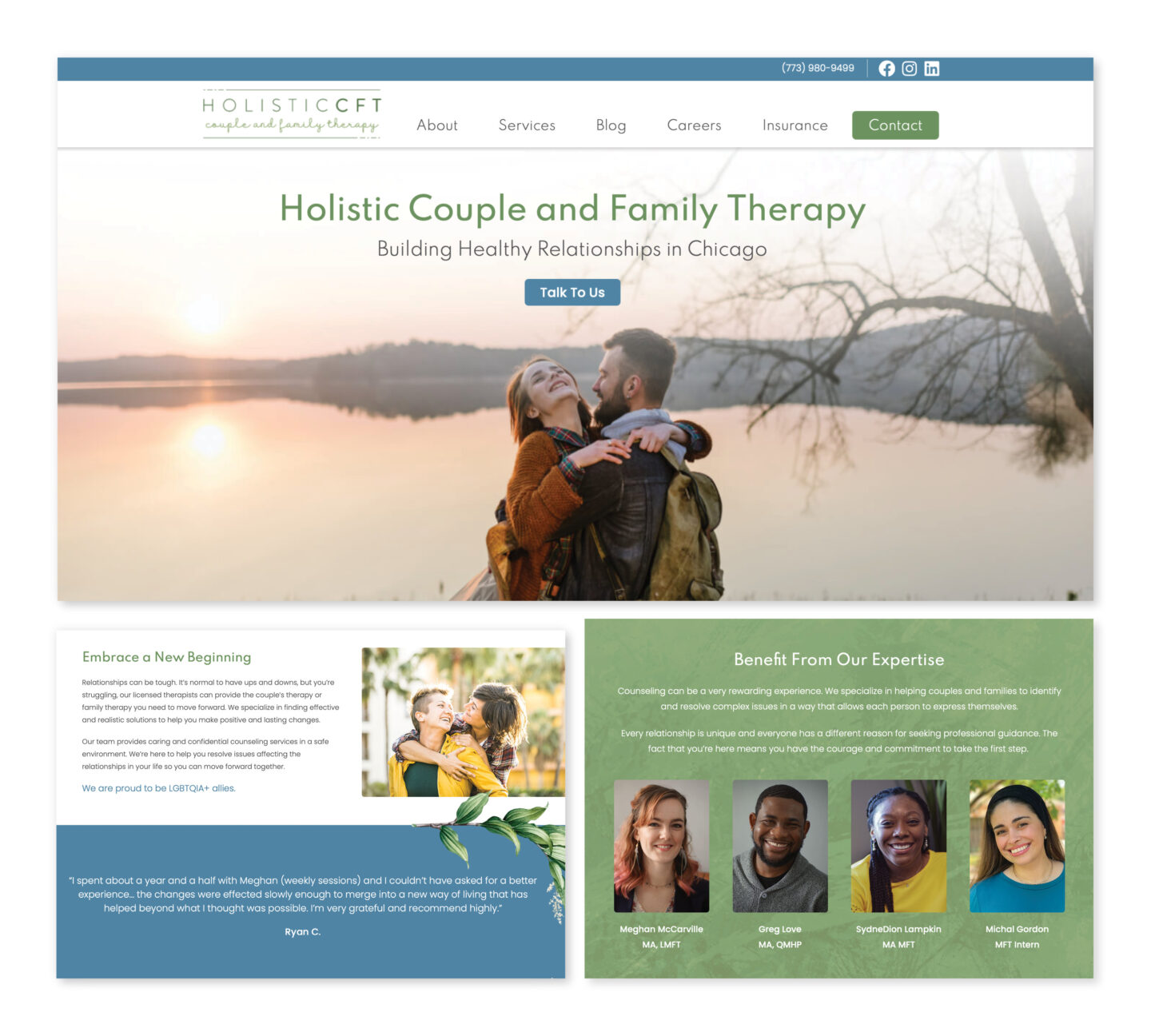
Screenshots from Holistic CFT's website by Beacon Media + Marketing

When it comes to finding a mental health provider, most individuals turn to online search engines. That’s why it’s crucial to create a stellar website that truly showcases who you are and how you can assist these potential clients.

Your website should not only offer a clear depiction of your services and modalities, but also provide easy navigation that guides visitors towards scheduling an appointment. Don’t forget to include an online contact page, as many people prefer this method over making phone calls due to anxiety. Additionally, ensure that your website has SEO-optimized pages, loads quickly, and contains helpful information that resonates with your brand. And of course, make it simple for visitors to get in touch with you.

By following these strategies, you can enhance your online presence and make a lasting impression on those seeking mental health support.

Do you need help creating a great website? Learn more about how we can help you

4. Support Your SEO By Blogging Regularly

Blogging is an exceptional method for turbocharging your overall SEO efforts. Search engines recognize your page as a valuable resource that can address clients’ burning inquiries. To captivate readers further, ensure high quality content on your blogs incorporate compelling calls-to-action that entice them to book an appointment with you.

If you’re ever grappling with writer’s block, fear not! Crafting a mental health blog marketing strategy tailored to your services and offering educational and useful content is always a wise move. Remember, your blogs should showcase your expertise to establish credibility and position yourself as their ultimate choice. Oh, and don’t forget to amplify your reach by sharing these captivating blogs on social media platforms, driving traffic to your articles and, ultimately, your esteemed website. Collaborating with other mental health professionals can also enhance your content and broaden your audience.

5. Use Social Media To Facilitate Engagement

Social media is an invaluable tool for cultivating your online practice and promoting therapy services. It offers myriad possibilities to attract people to your services, such as bolstering brand awareness, sharing client testimonials, and spotlighting your remarkable online therapy team.

Harnessing and utilizing the power of social media goes beyond promotional efforts — it extends to educating others about mental health and establishing credibility in the field. Envision captivating posts, encompassing vibrant visuals or thoughtful videos, where you break down complex mental health topics and beckon readers to explore your blog for a deeper understanding. Remember: success lies in generating consistent and compelling content across various platforms. Those platforms include the big five:

  • Facebook
  • Instagram
  • LinkedIn
  • Pinterest
  • YouTube

Use Google Ads To Reach More Potential Clients

Google ads offers a powerful solution to amplify your online presence for your private practice. Imagine capturing the attention of potential clients seeking licensed online counselors in their state — your website appears right at the top of Google’s SERP. By leveraging the Google ads function intelligently and strategically, you can achieve this coveted position.

Additionally, your Google Analytics provides invaluable insights into your audience. Understanding what your audience looks at when coming to your website empowers you to fine-tune your ad strategy based on their preferences. Unlocking the potential of this dynamic tool can help bolster your reach and achieve impactful results.

Are you interested in how we can help you advertise? Learn more about how we can help you!

7. Network to Earn Clout and Build Credibility

When it comes to networking, there are numerous social platforms available such as Facebook groups. However, if you’re looking to build a solid professional network, really establish your credibility, showcase your expertise in your field, and enhance the visibility of your practice online, LinkedIn reigns supreme. For medical professionals and therapists, it’s a phenomenal digital tool that enables meaningful connections within the industry.

Connecting with like-minded individuals in your medical community not only keeps you informed but also opens doors for potential recommendations and referrals. It also offers a glimpse into the professional and technical side of your practice, allowing others to witness your expertise.

As a platform, with LinkedIn, you have the opportunity to address crucial mental health issues and promote valuable education in a way that differs from the more casual interactions on other platforms. And leveraging this platform as excellent way to make a lasting impact in the mental health field is a longterm marketing move that just makes sense.

8. Use Social Proof to Show and Tell

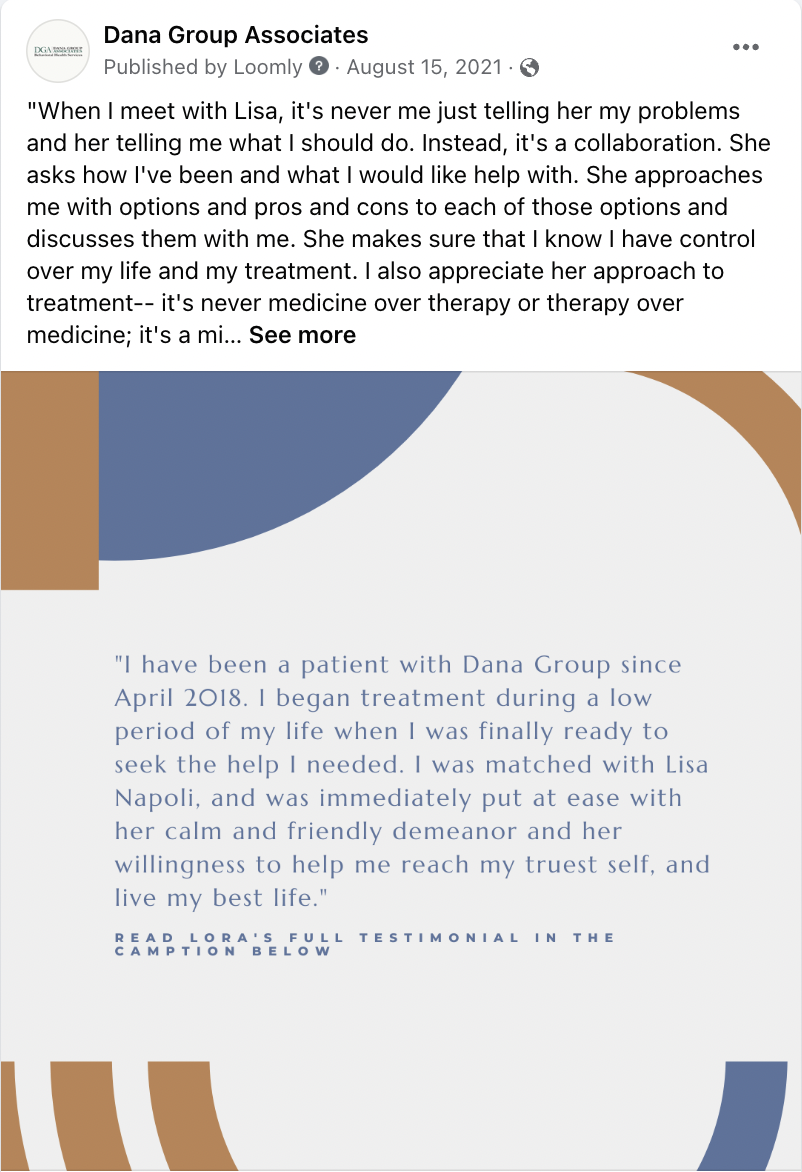
Testimonial from Dana Group Associates social media

Are you looking for a foolproof strategy to attract new clients to your therapy practices? Well, here’s a rock solid tip: Testimonials are gold! By showcasing how you’ve helped people, testimonials can do wonders to bolster your social clout and business reputation. This is especially true if you primarily offer or are looking to shift to online or telehealth services. In these cases, you’ll definitely need to take it up a notch to establish your credibility.

In this digital age, social reviews play a huge role in people’s decision-making process. And when it comes to online services, they’re even more crucial. Because let’s face it, we’ve all been — at one time or another — the skeptic out there questioning the quality of a service or product we’ve seen online. By using solid evidence that proves you’re capable and that you genuinely care about your clients, you’ll win them over in no time! So, no matter what, make you’re sharing those awesome testimonials from your past clients on your website, social media posts, and wherever else you can think of!

9. Utilize Video to Showcase Your Personality

Effective and meaningful connections can be challenging to establish through online platforms, as judging someone’s character and personality is often easier in person. However, there are ways to overcome this hurdle and showcase your true self. Utilizing videos on your social media accounts and website can serve as a powerful tool to convey your unique personality.

By allowing people to catch a glimpse of your genuine self, you significantly increase the likelihood of potential clients scheduling an appointment. Consider creating interview-style videos or engaging in candid conversations to demonstrate your comfort and professionalism, ultimately assuring clients that they will feel at ease during their sessions with you. Let your personality shine through the lens, and watch as your connections with ideal clients deepen and flourish.

10. Set the Tone By Creating a Positive Atmosphere

Even though you may not be physically present in an office, maintaining a professional appearance is crucial. As a significant portion (if not all) of your client and business transactions take place online, consider investing in high-quality equipment such as a camera, microphone, reliable internet, and HIPAA-compliant video call software.

Remember the power of first impressions: an uncluttered, tidy and professional-looking background, as well as appropriate attire, play a significant role in your client’s overall experience with you as their mental health provider. Neglecting these aspects may lead potential clients to lose trust and turn away. Every tiny detail contributes to the marketing of your online presence, so ensure you pay careful attention to each one.

Enhance Your Online Presence

Establishing a strong online presence is crucial for therapists to reach a wider audience and attract potential clients. A well-optimized online presence can help therapists build trust, credibility, and visibility in the competitive mental health industry.

Claim and Optimize Your Google Business Profile

Claiming and optimizing your Google Business Profile is an essential step in enhancing your online presence. A complete and accurate Google Business Profile can help you appear in local search results, Google Maps, and other Google services. This can increase your visibility, credibility, and attract more potential clients to your therapy practice.

To optimize your Google Business Profile, make sure to:

  • Claim your business listing and verify your identity
  • Complete your profile with accurate and up-to-date information
  • Add high-quality photos and videos to showcase your practice
  • Respond promptly to reviews and feedback from clients
  • Use relevant keywords in your profile to improve search engine optimization (SEO)

By taking these steps, you can ensure that your therapy practice stands out in local searches, making it easier for potential clients to find and trust your services.

Create a Consistent Visual Brand

A consistent visual brand is essential for building recognition, trust, and credibility with potential clients. A well-designed visual brand can help you stand out from the competition and establish your therapy practice as a professional and reputable business.

To create a consistent visual brand, consider the following:

  • Develop a unique and recognizable logo that reflects your practice’s values and mission
  • Use a consistent color scheme and typography across all your online platforms
  • Create a style guide to ensure consistency in your branding across all materials
  • Use high-quality images and graphics to showcase your practice and services

By maintaining a consistent visual brand, you can create a cohesive and professional image that resonates with potential clients and reinforces your practice’s credibility.

Expand Your Reach and Credibility

Expanding your reach and credibility is crucial for attracting new clients and growing your therapy practice. By getting listed in top directories and leveraging other online marketing strategies, you can increase your visibility, credibility, and attract more potential clients to your practice.

Get Listed in Top Directories

Getting listed in top directories is an effective way to increase your visibility, credibility, and reach a wider audience. By listing your therapy practice in reputable directories, you can:

  • Increase your online presence and visibility
  • Improve your search engine optimization (SEO)
  • Attract more potential clients to your practice
  • Establish your practice as a reputable and trustworthy business

Some top directories to consider include:

  • Psychology Today
  • GoodTherapy
  • BetterHelp
  • Yelp
  • Google My Business

Make sure to complete your listings with accurate and up-to-date information, and use relevant keywords to improve your SEO. By doing so, you can ensure that your therapy practice is easily discoverable by those seeking mental health services, ultimately helping you attract new clients and grow your practice.

Why You Should Choose Beacon Media + Marketing to Help

Are you struggling to put your marketing ideas into action? Not sure where to begin or how to create an effective mental health marketing strategy? Look no further!

At Beacon Media + Marketing, we specialize in helping online counseling practices (like yours) thrive. By entrusting us with your marketing needs, you can focus on what truly ignites your passion: helping people by providing quality mental health counseling services. We understand that marketing effectively can be a time-consuming endeavor, and that’s why we’re here to lend a hand.

With our wide range of services — from social media management and paid ads to SEO optimization, blogging, web design and development, branding, graphic design, photography, and video — we have everything you need to boost your mental health branding and reach the top of search results. All of which help with attracting potential clients.

Let us take care of your mental health marketing and branding needs so you can dedicate more time to what matters most: making a difference in people’s lives through counseling. Partner with us at Beacon Media + Marketing and experience the power of effective marketing.

Are you ready to take your online counseling practice to the next level? Get your free consultation!

Your website is one of the most important factors to gain new clients. It’s essential to have a website that leaves a good impression, exuberates your brand, and allows potential clients to schedule an appointment with you easily. 

Your website should be the top-ranked result when people search for therapists in their area. And most of all, it should convert visitors into clients with engaging content that drives people to contact you.

 But how do you achieve that? With an SEO-optimized website, you’ll have headers and pages that allow people to learn about your practice and want to meet with you. 

It’s essential to have a fantastic website because while it’s not always first impression of your practice, it’s almost always the last. Whether someone clicks on a social media ad or lands on one of your blogs, most people will end up on your website before they make the decision to call and schedule a session.

 If your current website isn’t getting you the results you want and is making it hard to gain new clients, it’s time to refresh. Here is a guide on ten signs your mental health practice needs a new website. 

Want to know how we can help your mental health practice? Learn how we can help you

Why Does Your Mental Health Practice Need an Updated Website?

Nearly everyone tries searching for a mental health therapist online, making it crucial to have an online presence. However, this means that you need to be active on a few valuable platforms such as: 

  • Google My Business
  • Google ads
  • Instagram
  • Facebook
  • LinkedIn

These platforms allow you to be easily accessible to people and rank on the top of searches. It’s important to remember that you should be including your location as a part of your mental health marketing strategy as it will help rank you higher in location searches. 

Many people will take an extended amount of time searching for a therapist that best suits them. When your website is up to date, it gives potential clients the most accurate, up to date information about your practice. 

A modern, well-branded website will show clients that you’re professional and know what you’re doing. An updated site also has several technical benefits, ensuring that everything runs smoothly. 

10 Signs Your Mental Health Website Is Ready For a Refresh

Having a website that isn’t up to date can cause several problems for your clinic. It will make it hard for people to understand the mission and vision behind your practice. Also, potential clients will be turned away if they can’t get the information they need and can’t easily book an appointment. 

Here are ten signs that your mental health website needs a refresh. 

1. Your Website Is Unresponsive

Responsive website graphic

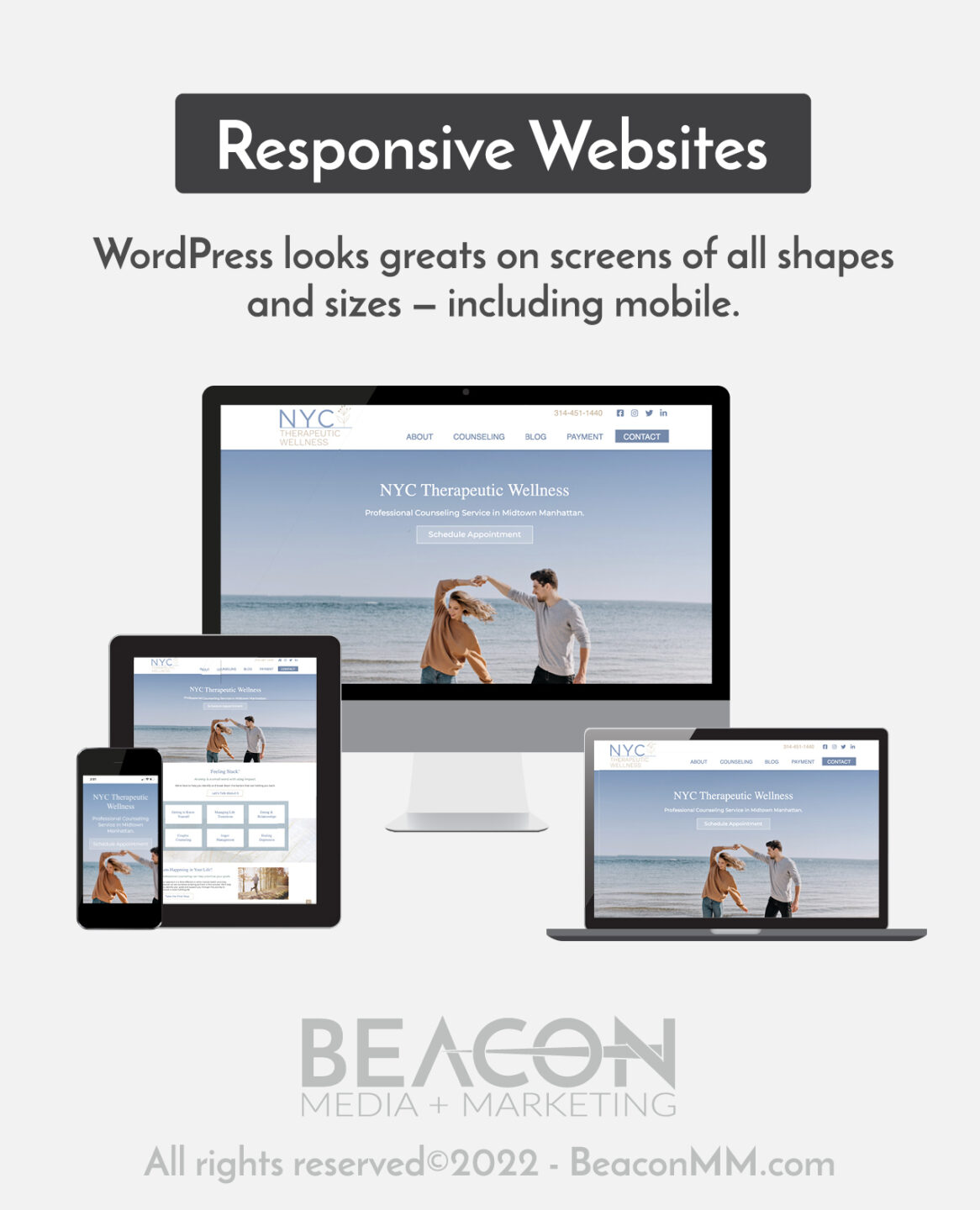
One of the most significant signs that it’s time for a website refresh is when your site is not responsive or mobile-friendly. This is a major turn away for potential clients who are accessing your website on their phones. A responsive site starts with a web design that fits for a variety of screen sizes. This includes elements such as: 

  • Information that loads easily 
  • Large enough font sizes
  • Well-placed buttons and links 
  • A simple, clean design 
  • Limited pop-ups 
  • Easy-to-find information 

2. High Load Times

The load time of your website is a significant factor in if someone will stick around to view your content. In a world where everything is at our fingertips, many have become accustomed to the immediate delivery of their wants. When people wait for long periods, they can get frustrated and leave, leading to high bounce rates. 

With a new website that is designed to function quickly, you’ll be able to create faster load times that won’t turn people away. 

3. High Bounce Rate

Similar to high load times, your bounce rate is a significant indicator of low conversations and issues with your website. Bounce rates can be attributed to several factors. One common factor is having a website that is too cluttered with images, content, or ads, so you should keep in mind the design of your site. 

Another major factor has to do with the content on your page. If there isn’t something that catches their eye and engages them within the first few seconds, they’re likely to leave. Your website should include quality content that gives potential clients all of the information they need and a strong call-to-action (CTA) to keep them on your website longer and turn them into clients. 

4. Poor Content

To further emphasize bounce rates and low conversions, poor content is a significant indicator for when you need a website refresh. Your content is a combination of your titles, available information, weak CTAs, and lack of images, videos, and blogs. 

The content on your website should be engaging, catchy, and represent who you are. When you have these elements together, it creates a great impression on your clients and allows them to feel excited about the decision they’re making about choosing you as their mental healthcare provider. 

Do you need help with a great first impression? Learn more about how we can help

5. Poor Navigation

Your website is the center of all the information on you, your practice, and your clinic. If people are struggling to find the pages they need to learn more, they’ll likely leave. 

Your service pages and contact information should be readily available. Your website should have an engaging homepage that lets the potential client know who you are with buttons that allow them to schedule an appointment with you. Having a menu bar that will enable them to access other pages about your services is essential for creating a website with excellent navigation. 

6. Website Is Old or Outdated

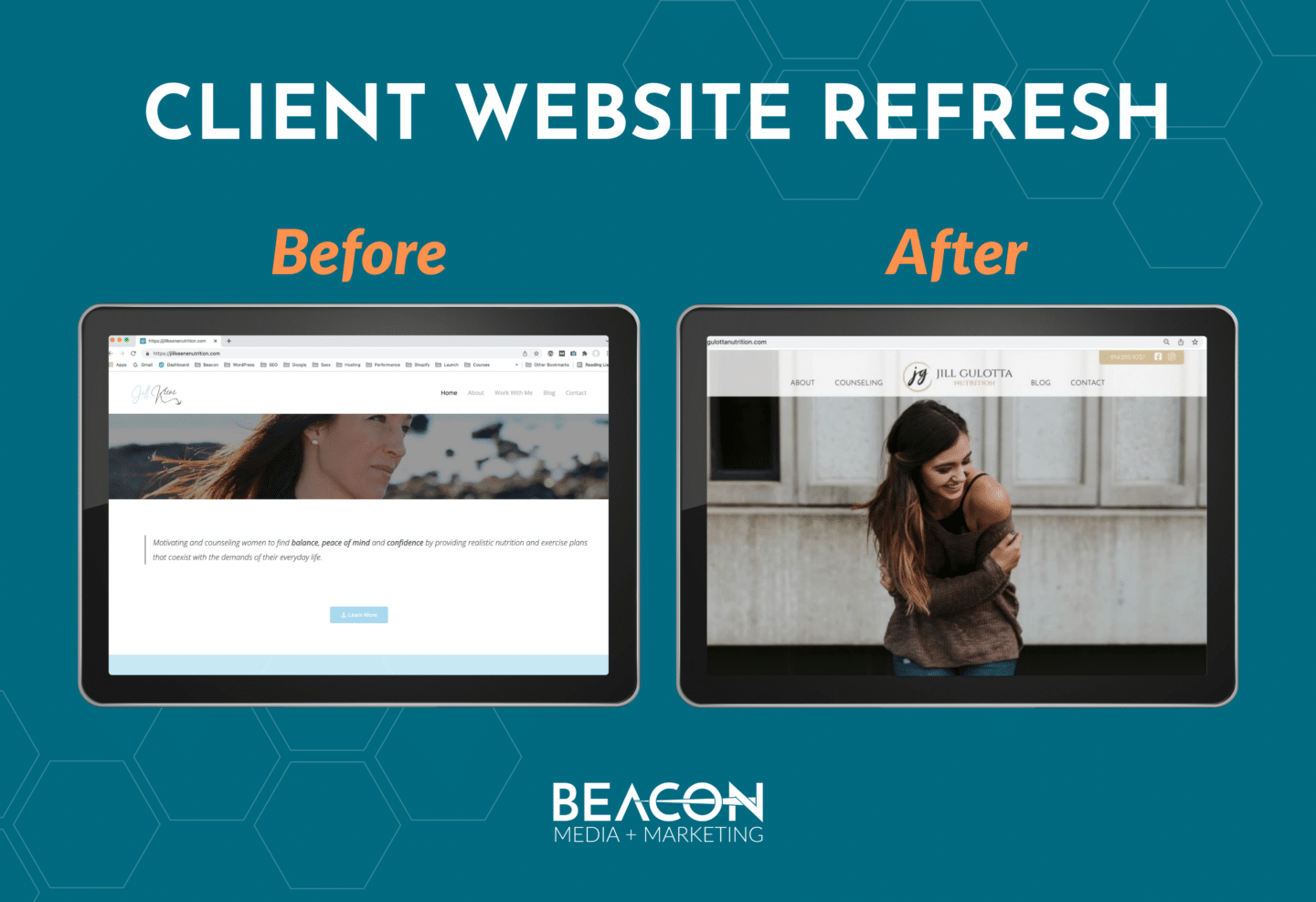
Before and After of client website refresh

Although the content is essential to converting clients, the design of your website is crucial. If your website looks old or doesn’t represent your brand, people will be likely to turn away. Most websites have a lifespan of two years and seven months before people feel as if it’s outdated. 

Having a website redesign will help people feel attracted to your site. When every page is consistent and looks clean and professional, it gives people the feeling that you know what you’re doing. So, if your website looks like it’s from the 2010s, it’s time to refresh. 

7. Rebrand

Moving away from what your website consists of, it must reflect who you are. If you’ve had a rebrand that has changed your practice’s name, color, font, or feel, it’s time to update your website. 

Since your website is usually the first thing that people see for your mental health clinic, it’s essential that you provide them with the appropriate representation of who you are. This will ensure that you avoid any confusion regarding your practice’s name, mission, or feel. 

8. Service Changes

Similar to the rebrand, your website must reflect the current services you provide. If you’ve either added or taken away services, your website needs to reflect that. This will ensure that all your clients know precisely what you can and can’t do for them. 

When you update your services, ensure that you refresh your services pages. You need to make sure the names are all correct and that your service descriptions are informational and clear. These changes can be a constant update that takes place independently, rather than a whole website redesign if needed. 

9. Website Isn’t Ranking

With so many competitors out there, you need to ensure that your website is one of the top-ranked websites when people search for mental healthcare providers in their area. To achieve this, you should ensure that all of your content is SEO-optimized. That’s the best way to help rank your website higher than other clinics. 

Blogging can also be one of the best ways to accomplish this besides your web pages’ content. With blogging, you position your website as a relevant answer to your client’s questions. So not only should your website have a section for blogs, but it should also be constantly updated with blogs that come from your marketing strategy. 

Are you ready to convert more clients through your website? Learn how we can help

10. Your Competitors Have Better Websites

If your competitor has a better website than you, they will rank higher on searches and leave you with less of a chance to gain clients. When your website isn’t one of the first available options, it’s a sign that your website is ready to be updated. 

When considering how your website should look and function, one of the best things that you can do is research what your competitors are doing. Looking at their websites allows you to understand what is functioning well on their website and what things may not be doing well. It can help you understand what a potential client may be looking for on your website. 

Why Should You Choose Beacon Media + Marketing For Your Website Update?

If your website falls under those criteria, or you’re ready to get a fresh start, we’re here to help you. At Beacon Media + Marketing, we value your work and want you to be as passionate about it as we are for our work. We want you to look at your brand and website and feel proud of the thing that you’ve built. 

We’re the best option for you because we’ll work with you through the whole process. It’s important to us that we deliver a product that represents who you are and why you do what you do. 

Many of our mental health clients have local SEO-optimized websites designed well and represent the client’s brand. Their website is the gateway to meeting new clients. 

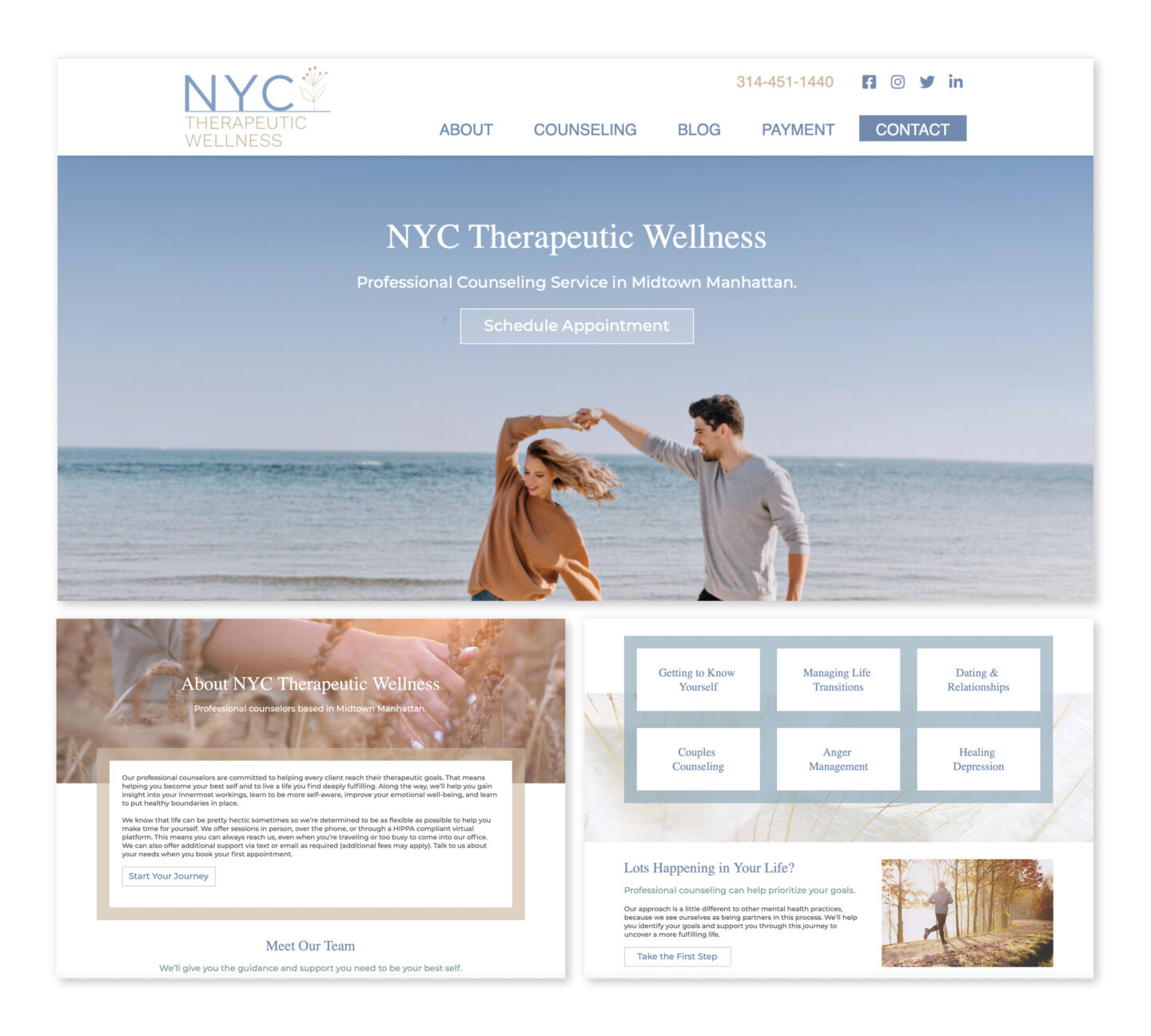
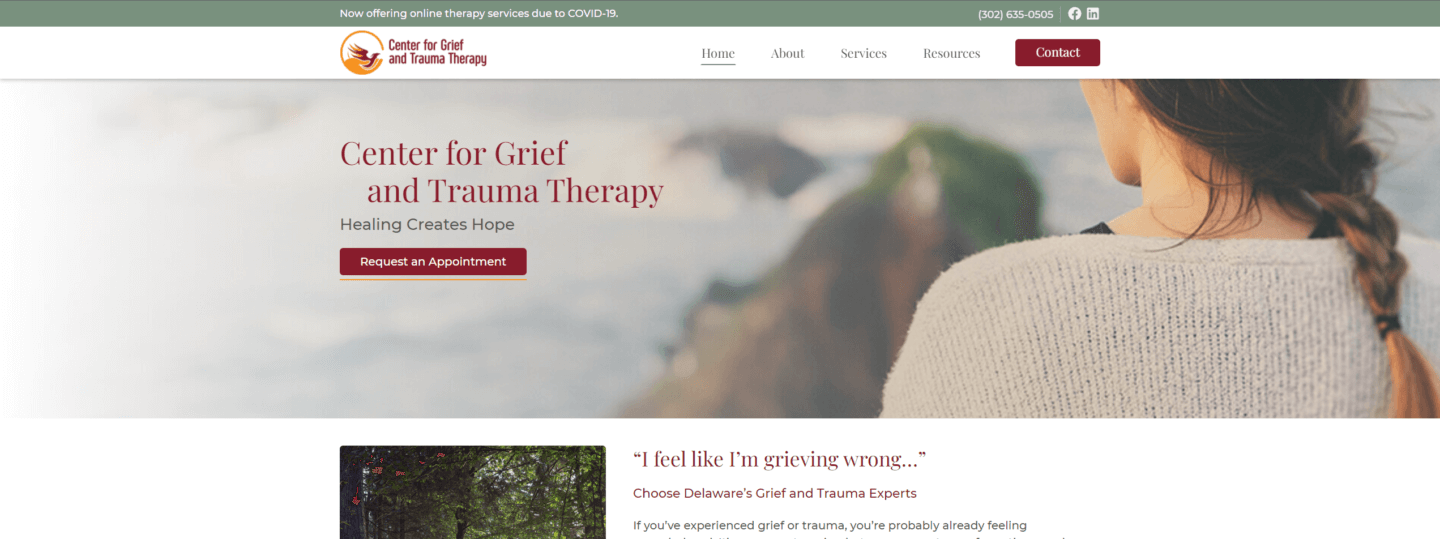
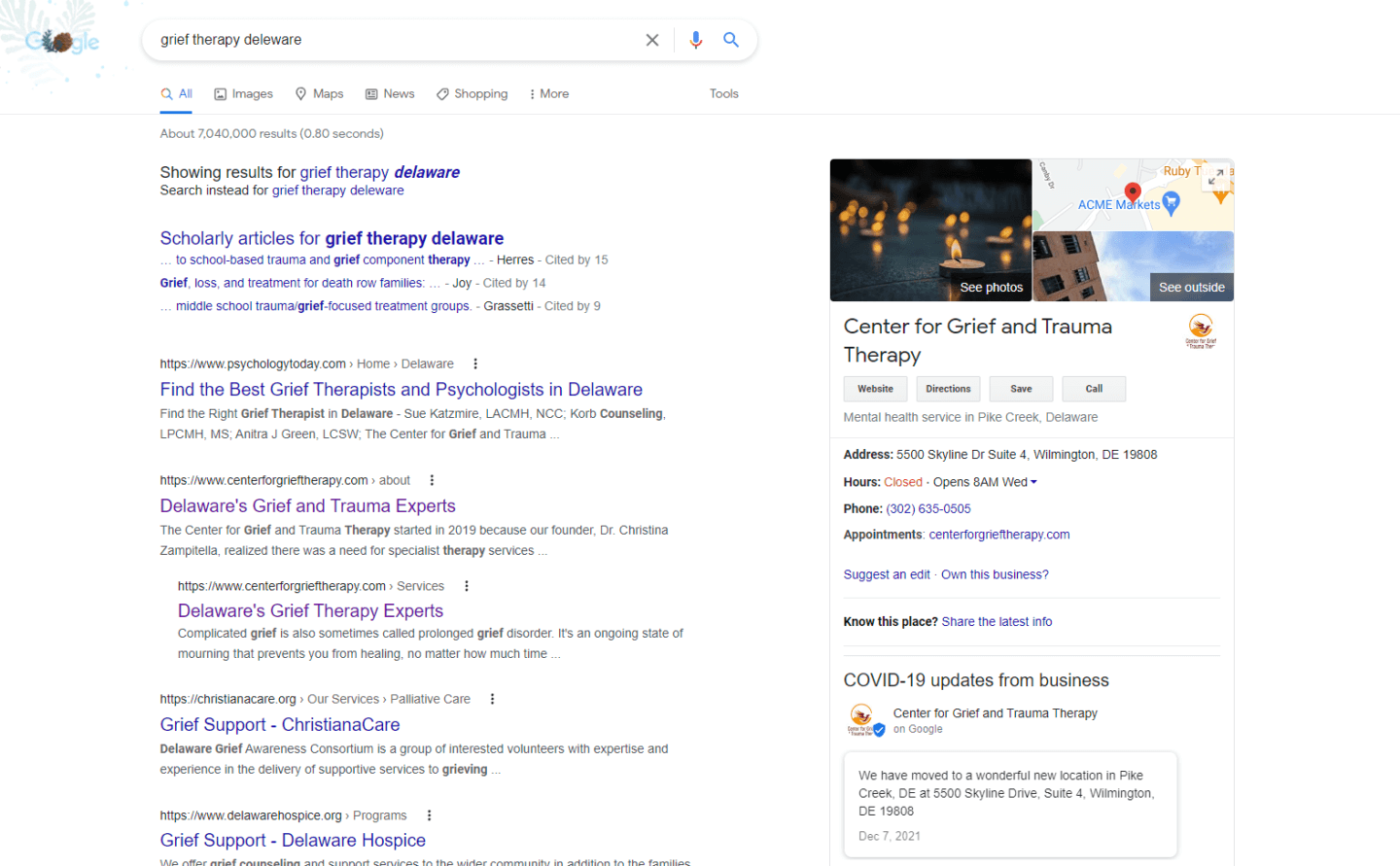
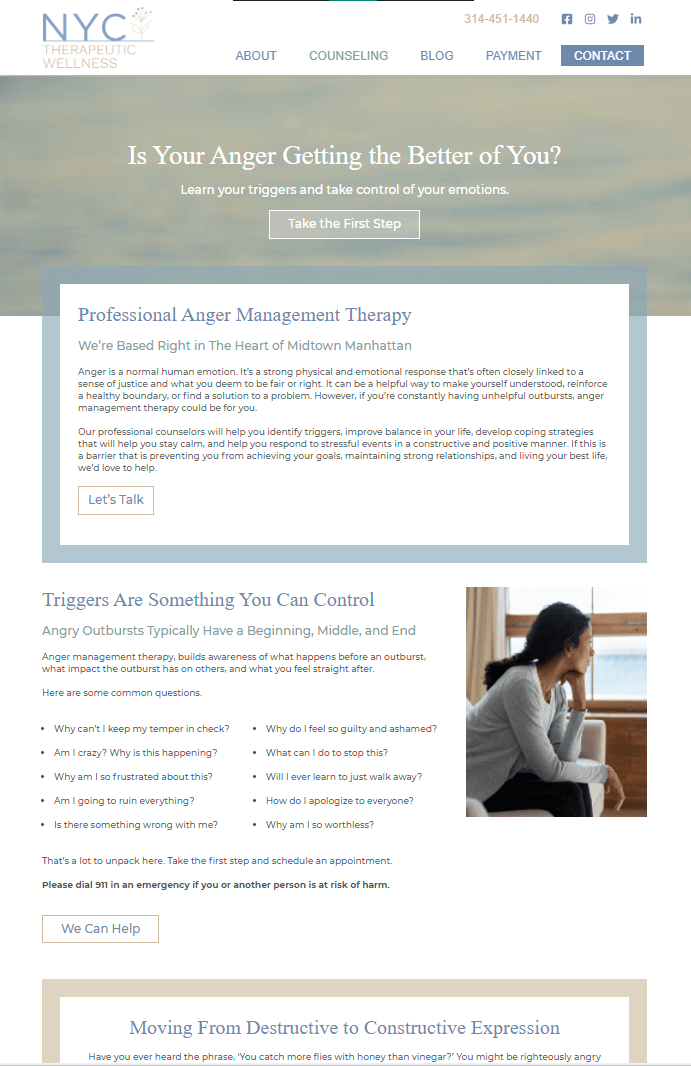
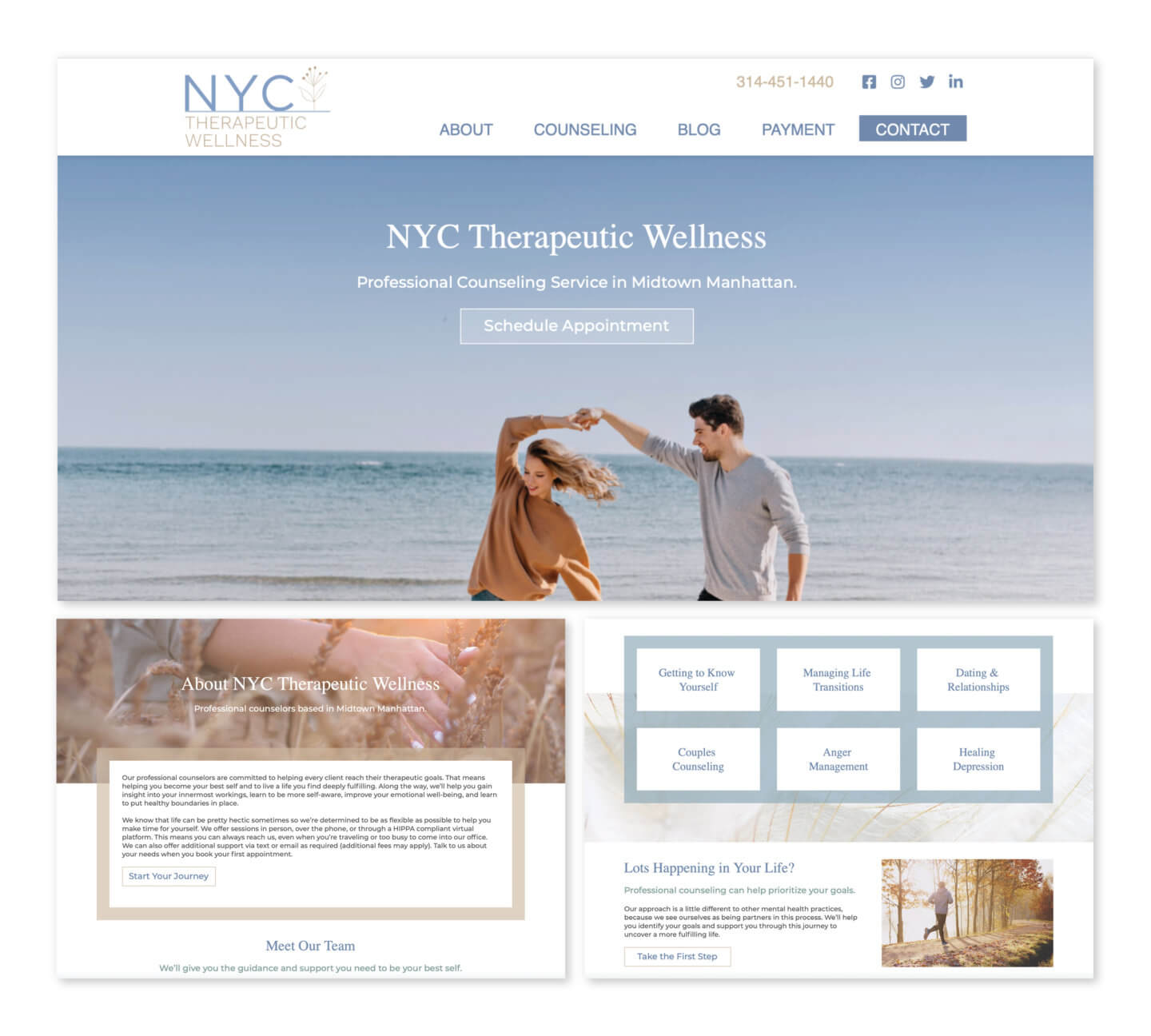
Our clients, like Center for Grief and Trauma Therapy, NYC Therapeutic Wellness, Holistic CFT, and more, have websites that work well for being educational and converting clients. Our goal is to help your practice rank first when people search for mental health therapists in their area, like Center for Grief and Trauma Therapy. 

Let us help you create the website of your dreams. From branding, website design, website maintenance, blogging, ads, and social media, Beacon Media + Marketing can help bring your practice to the top. 

Ready to see how we can refresh your website? Get your free consultation today

Many therapists can use therapist directories to help gain new clients. It can be an effective way to reach people actively looking for help. 

However, this may not be enough to reach new clients in your area or people who need help. Online tools like Google My Business can help people find your clinic when searching for therapists in their area. But without dynamic content, it can be hard to reach the top results of searches. 

So, why is a therapist directory listing not enough? Here is a breakdown of why therapists should invest in digital marketing and how it can transform your practice. 

Do you need help with mental health marketing? Learn more about how Beacon Media + Marketing can help you.

Why a Therapist Directory Listing Isn’t Enough

Although a therapist directory listing is a great place to start, it won’t be enough to reach your target client base and generate leads. When trying to find a therapist, many people spend extended amounts of time researching different therapist options in their area to see who might be their best fit. 

They need to know that the person they’re choosing can be trusted and is knowledgeable. It can be difficult opening up to people about their mental health, trauma, or anything else going on in their life. You can’t fully convey your trustworthiness and knowledge about your specific practice through a therapist directory. 

A therapy marketing strategy will be extremely beneficial to your practice. A strong marketing plan will allow you to reach your target audience effectively. 

Your mental health marketing plan should include using different online tools to promote your clinic. When people research your practice, you should give them a library of content that provides them with your mission, a clear brand, how you can help them, and why you should be their choice.

This can include: 

  • Organic social media posting
  • Google My Business
  • Google ads
  • Facebook ads
  • YouTube videos
  • Blogging
  • Effective website

Utilizing these other tools will create content that will reach new people. It will also allow people to research and learn more about your mental health therapy service. Adding these tools into your strategy can help reach new mental health clients that a therapy directory couldn’t. 

Why Therapists Should Invest In Digital Marketing

Digital marketing is a great way to reach new clients and be a resource for people. Utilizing these online platforms and tools will bump up the SEO on your website and allow you to be at the top of therapy searches. 

Here are a few reasons why you should invest in digital marketing. 

1) Develop Your Brand and Stand Out

With digital marketing for your mental health practice, you need to develop a look and message that is unique to your business and stands out to your target audience. Your brand is a way for your potential clients to know who you are, why you practice, and how you can help them. 

Your brand includes several elements, including your colors, fonts, tag lines, key messaging, and logos. All of those factors combine to give someone a feeling and idea behind your business that goes beyond just how it looks. For your mental health brand, you should be trying to show that you’re educated in your field, trustworthy, and welcoming. 

Having a welcoming brand will invite potential clients to choose you for their mental health services. Your brand should be unique to you and stand out. 

2) Expand Your Reach

Another excellent reason to invest in digital marketing is that it will expand your reach. A great way to achieve that is through an SEO-optimized website. But even if you’re using helpful tools like Google My Business, it can be hard to reach an audience that isn’t actively searching for mental health therapists. Paid ads are another great way to show up at the top of searches and geolocated advertising in your area. 

With digital marketing, you can utilize platforms like social media to increase your reach. Organic posting can help display your brand and act as a way for potential clients to learn more about you and have a contact outlet. With organic posting, you can be authentic, reach new people, and build brand awareness. 

Want help with your social media marketing? Check out our social media services. 

3) Find People Where They Are

Although teletherapy has emerged, in-person therapy is still the way to go for many clients. It’s essential that you rank high when people search for therapists in their area. You also need to consider how effective your local SEO is with voice searches.

Organic content is an excellent way to get people in your area to find you. With the help of social media, you can join local communities that will show people that you’re offering a great service being provided in their area. 

Blogging is also a great way to reach people in your area or online. You’ll be able to answer commonly asked questions and provide helpful tips and tools for your client’s mental health. Providing unique content like podcasting is a great way to reach a broader target audience. 

4) Guide Them Towards Making an Appointment

Choosing a therapist is a big decision. Many people spend extended amounts of time researching providers in their area and consider a few therapists before choosing. If you have a better online presence than your competitors, they’ll likely be drawn to make an appointment with you. 

You can achieve these leads through effective branding and a great website. Having an updated and easy-to-use website is an excellent way for people to feel more inclined to work for you. 

Your mental health website conveys to people that you are professional and want to help them. It’s the first impression that will stick with your potential clients the most. So your website should be clean and allow them to book an appointment with you through the website easily. 

5) Be a Resource For People

Not only is your content a way to rank high on search engines, but it’s also a way to be a resource for people. Many people will search online for medical advice and trust the first thing they see. As an expert in your field or mental health niche, you need to show that you provide valuable, trustworthy information. 

Putting out content allows you to educate people searching for mental health services and those who may not realize that they need help. Creating educational content for people is a great way to establish your credibility and show people that you are knowledgeable about the field and can help them. 

YouTube videos or ads are a great way to provide educational content to reach people. Many people use videos to get information, and people have a higher retention rate with videos. So, providing educational content will help you maximize your credibility and allow you to reach new people. 

Do you need help creating videos? Check out our video production service to learn more! 

Why Should Therapists Partner With a Digital Marketing Agency?

Even with an excellent mental health marketing strategy, it can be hard to balance on top of running your practice. It’s hard to manage all of the moving pieces of your website, social media accounts, advertisements, and being there for your clients. Here are a few key reasons why you should partner with a digital marketing agency. 

Focus on Your Expertise

Even though you’re an expert in your field, it doesn’t mean you’ll have much experience in SEO, blog writing, or making videos. Partnering with a digital marketing agency allows experts like us to figure out what your ideal client is cooling for and how to reach them best. 

Choosing someone to help you with your marketing will take the burden of learning and juggling everything off your plate. Your primary focus should be your clients, and choosing to partner with an agency will allow you to do so. 

Creating a Cohesive Marketing Strategy

Understanding and creating a cohesive mental health marketing strategy can be complex. You may not know which keywords to target or how your content can work cohesively together. 

Partnering with an agency will help build and maintain your brand. We will create an organized plan that combines website design, social media, Google advertising, SEO, and more to grow your online presence. 

Marketing Takes Time

Running your practice takes up a lot of time, and with the growing demand for mental health therapists, it can be hard to keep up on your client appointments. You might think that you can save a lot of money by doing your marketing yourself (or not doing any marketing at all). However, marketing means new clients, which means growth, and increased ROI. 

At Beacon Media + Marketing, we’ve had clients that grew their practice so much that they had to add additional counselors to their team, move to larger buildings, and expand their offerings. When you entrust a marketing agency to help you, we will take care of all the content creation and heavy lifting so you can focus on what you’re most passionate about. 

Why Should You Choose Beacon Media + Marketing? 

When you choose to partner with Beacon Media + Marketing, you’re choosing to grow your practice. We will help you optimize your SEO and create real client conversions. Not only that, we’ll help you stay passionate about your work. 

Since we’re passionate about what we do, we want to ensure that your brand reflects how you feel. We can help create a logo and brand that suits you with our amazing team. We want you to focus on the “why” behind your mission and embrace your passion for helping your clients. 

You won’t need to research how to create an excellent website or effectively use social media; we’ll do that for you. Our web team can help create the website of your dreams and allow potential clients to feel more empowered to book an appointment with you. We’ll also take care of the organic content that is true to your brand and educational, from social media to blogging. 

At Beacon Media + Marketing, we want you to be passionate about your work the way we are. We provide great marketing for therapists that will help you grow your clinic. By choosing to partner with us, you’ll be able to focus on your clinic and not worry about how effective your marketing is. 

Ready to see how we can help you? Get your free consultation! 

Originally published by Beacon Media + Marketing. Updated and revised by Jennifer Gracey, Web Content Strategist & Writer on 07/17/23.

Developing a well rounded healthcare marketing strategy for a business in the health and wellness sphere poses many budget vs. capacity vs. quality challenges. The interplay and dynamics between each of those areas require navigating a delicate balance between brand representation and one’s professional obligations to their patient base.

Amidst your standing commitment as a healthcare practitioner, finding time and availability to really sharpen digital marketing strategies can be difficult. Which subsequently creates space for many missed client acquisition opportunities.

The question to ask here is, “How can I harness the power of my established brand to captivate new audiences and not miss client acquisition opportunities?” One definitive, results oriented answer is: Level up on video.

Video Serves Multiple Purposes

Incorporating engaging videos into a company’s healthcare advertising and marketing strategy regularly proves instrumental when working towards forging meaningful connection with online audiences. For optimal impact, however, exploring the most effective avenues to maximize the reach of your videos in the online sphere is essential to overall success.

Leverage Paid YouTube Ads

One compelling approach? Leveraging YouTube ads to expand your reach and tap into a broader audience base. As per Statista, YouTube ranks as the second most popular social network, trailing only behind Facebook. And considering “YouTube Shorts surpassed 50 billion daily views in February 2023″ the data speaks for itself. By integrating videos into your marketing arsenal, you gain an innovative and engaging means of connecting with your target audience. This, in turn, enables you to attract potential patients, while effectively achieving your healthcare and marketing strategies and objectives.

Do you need help creating videos? Learn more about how we can help you

Why Video Is Effective for Mental & Behavioral Health Marketing

Videos play a significant role in dominating internet traffic, captivating and alluring people like no other medium can. The dynamic fusion of moving visuals, compelling narrative, and harmonious soundtracks creates an irresistible allure for countless individuals.

Videos Help Expand Brand Reach

Weaving videos into your healthcare brand’s strategy presents a golden opportunity to captivate fresh audiences and expand your reach. YouTube, a treasure trove of knowledge, is a vibrant platform that inspires curiosity and satiates inquisitive minds. By providing enriching content about healthcare journey, your identity, brand ethos, comprehensive services, and more, you can forge a stronger connection with potential clients, encouraging them to initiate contact.

The creative possibilities for video creation are limitless. Be it dispensing expert medical advice or offering educational insights, you will undoubtedly reach your target audience, diligently seeking out your exceptional services.

Video Boosts Brand Awareness

Embracing videos is an effective strategy for boosting brand awareness, as they foster higher retention rates among viewers. In the ever-evolving landscape of Google advertising, it proves challenging to unearth the precise audience that will drive lead generation. Nonetheless, with the magnetic appeal of videos, you will continue to mesmerize, leaving an indelible mark on the hearts and minds of discerning viewers.

Why YouTube Is a Great Place to Advertise Videos

While widely recognized as a prominent video entertainment platform, did you know YouTube offers several advantages for promoting your healthcare clinic through video advertising? On YouTube, advertisements can appear at the beginning, middle, and end of videos. These placement options present numerous opportunities to capture your target audience’s attention.

Why is this significant? Well, according to March 2021 data from Statistica, the average time spent per visit on YouTube worldwide was nearly 30 minutes! That means viewers have ample time to discover your healthcare clinic’s message. Depending on the length of your advertisement, you can either provide a quick glimpse of your services or present an engaging, longer video that holds their interest.

Here’s the secret: Longer ads are more effective when they manage to captivate the audience, preventing them from skipping the ad. On the other hand, shorter ads often limit viewers’ ability to skip the content altogether. With users dedicating extended periods to exploring YouTube and the frequency of ad placements, investing in this platform can greatly benefit your own healthcare marketing campaign and strategy.

So, what’s the main goal of these advertisements? To raise awareness about your brand and provide viewers with compelling content that encourages them to learn more about the unique medical services your clinic has to offer.

How To Start Advertising on YouTube

Are you ready to take your YouTube advertising to the next level? Let’s dig into the essential steps below to help set you up for success. But before we do, it’s crucial to ensure that you have an established brand that truly reflects your own healthcare system and clinic.

Fine Tune Your Brand

Your brand encompasses everything from your business model, logo, colors, fonts, and more. By having a strong, established brand, you can create a truly professional and visually appealing YouTube channel. This is incredibly important for brands that want to instill confidence and trust in their potential clients and make them more likely to choose your services. Now that we’ve covered branding, let’s explore the following steps to maximize your YouTube marketing efforts.

1. Create Your Google Account

The first thing you will need to do is create a Google account. You won’t be able to create your own YouTube channel without one. Because of how the Google ecosystem works, your Google account and YouTube channel are tied together. There are benefits to this and we’ll explain more below. 

2. Create Your YouTube Channel

Your branding plays a vital role in capturing attention. Incorporating an eye-catching image for your YouTube banner, draws viewers to your channel. This gives you the opportunity to showcase your tagline and other relevant information, establishing a strong social media presence, for your healthcare clinic.

To further enhance recognition, make use of your logo as your profile picture. This simple yet effective step helps individuals easily identify and remember you, which proves invaluable for your advertisement efforts. With this YouTube channel, you can create and share a multitude of engaging videos that have the potential to convert leads.

Don’t forget to leave a lasting impression by adding a watermark to all your videos and advertisements. This ensures your branding is consistently showcased across all your content.

3. Create Google Ads Account

Are you ready to take your clinic to the next level? It all starts with creating your very own Google Ads account. This powerful tool will help you reach a wider audience and drive more traffic to your healthcare website. By using the Google Ads portal, you can easily push your ads out and get them seen on platforms like YouTube, where millions of potential clients are waiting to discover your clinic.

But that’s not all! With your Google Ads account, you can also create targeted ads that will appear on popular websites and in search results on Google. The conversion rates for Google Ads speak for themselves — it’s a proven investment that can yield impressive results for your marketing strategy. Don’t miss out on this opportunity to boost your clinic’s online visibility and attract more customers.

4. Create Your YouTube Campaign

This is where everything will tie together to use YouTube advertising. Once you’ve created your video, the following steps will be publishing and disseminating the content. 

  1. Publish the video on YouTube: Once your advertisement is ready to go, it’s time to publish it on your YouTube channel. You need to create a title for your video, a description, and choose the right thumbnail. Make sure to publish the video for the public to see when they visit your channel. 
  2. Copy the link: Next, copy the link off YouTube to your video and go into your Google Ads account. This is where you’ll create your YouTube campaign and make your advertisement. Paste the URL of your video into the ad so that Google Ads will know which video to use for your new ad. 
  3. Create the headline and description: So people know what they’re looking at, create a punchy headline and informative description for your advertisement. This is useful for when they want to read more information and learn how to contact you. 
  4. Choose your target audience: Choose the target audience you’d like your ad to reach. Keep in mind, with Google ads you have to rely on broad audience targeting and geotargeting with healthcare ads. However, you can specify a few demographics like age and gender.
  5. Launch your ad: Now it’s time to launch your ad! Your ads will now be shown to people in your area or within the demographic you specified earlier. While your ad plays, your logo and descriptions pop up. This is so people can learn more about who the advertisement is for and where they can find out more information about you. 
  6. Choose your budget: Choose your monthly budget for your advertisement. Whatever you set as your maximum spend for the month, divide dollar amount by 30.4. This will be your daily ad spend (ex. $500 monthly Google Ads spend ÷ 30.4 = $16.45 daily Google Ads spend.) Be aware: YouTube may spend less or more than your daily spending limit. However, they won’t go above or over your pre-set maximum Google Ads monthly spend budget. 

Ideas For Healthcare YouTube Ads

Now that you know how to create a YouTube ad, you may wonder about the kinds of videos you can make for your online advertising. When planning out your video content, keep in mind: these videos provide content for people to get to know you. Below are a few common advertisements healthcare businesses use: 

The “Why Us” Video

This overview style video gives people a peek at your office, your staff, and your services. This is the type of that ad should capture your clinic’s mission and specifically emphasize what sets you apart from other practices. 

Educational Videos

Educational videos are a great way to cultivate understanding around your specialty. Educational videos are good tools to help your audience recognize their need to seek help and prompt them to do so.

Patient and Client Testimonials

Patient and client testimonials are an excellent way to build credibility and inspire trust among your target audience. They work particularly well to convince people that investing in themselves by engaging your services is the right step forward at the right time. People often trust the opinions and reviews of others making them more likely to seek your services IF you have good reviews. 

Campaign Videos

For ongoing marketing campaigns, a video ad that garners interest and drives people to learn more works great for a YouTube Ad. With these types of videos, having a specific tagline or concrete idea you want to get across and generate creative content with should be your primary focus. Especially if you want the campaign to appeal to your target audience. 

Using these types of video models will help craft your advertisement. When filming, as a good rule of thumb, close-up shots on people’s faces are fantastic! Additionally, don’t extend any one specific frame beyond the five second mark, and ensure your music reflects the overall mood of your video and more importantly — your brand.

Video Tips for Specific Healthcare Industries 

The tips below are designed to help shape video content for specific fields inside of the healthcare industry umbrella. 

Mental Health Videos 

Video advertisements for mental health should focus on two points:

  1. Educating people
  2. Driving them to action

Taking a step toward getting care for mental health issues is daunting for many — especially for the first time. With video testimonials and educational content, you creating a campaign that encourages people to seek out your mental health services is a good place to start. 

Want to learn more about our mental health marketing services? Learn more here!

Functional Medicine Videos 

Functional medicine advertisements should focus on two points:

  1. In-depth education
  2. Testimonials

Incredibly effective for this field, creating content for the two categorizations above will help ensure potential clients are educated about your services before reaching out.

You may also want to consider explaining how functional medicine is different than conventional healthcare and addressing how you take a personalized approach to treating chronic conditions.  

Dentists

Dental anxiety is very real to many regardless of how many times they’ve visited a dentist in the past. Combat this by framing your office as a safe, welcoming space with compassionate staff. Show off your great team and explain why someone should choose you for dental care over the competition.  

Orthodontists

Advertisements for orthodontic clinics do well by including a combination of patient testimonials, meeting the staff clips, and before and after footage. You should also highlight:

  1. State-of-the-art technology your office utilizes or has.
  2. Special orthodontic offerings you provide (ex. clear aligners or specialized diagnostics).
  3. Any special value added services or patient comfort amenities to help set your clinic apart from competitors.

Chiropractors

Videos of chiropractic sessions have increased in popularity. Sharing educational videos depicting how a chiropractor helps ease pain or aids in recovery from injuries (or sports activities) is a way to attract interest and inspire engagement. 

Family Medicine

Advertisements should show why you’re a good family doctor. Highlighting the fact you have a welcoming environment is always a good idea. So is taking some time to explain why being a family physician is important to you and why potential patients should anticipate feeling comfortable coming to your clinic. As most family doctors care for people across age groups and treat various conditions, spotlighting your practice’s inclusiveness is a great strategy.  

Med Spa

Video advertising that depicts people relaxing in your facility or having a procedure done is an excellent way to help potential clients visualize themselves undergoing similar treatments. Testimonials or pictures showing the results you can provide your clients also serves to draw in new clients. 

Why You Should Choose a Marketing Agency for Your YouTube Advertising

Keeping up with your marketing strategy while running your clinic can feel overwhelming. That’s where Beacon Media + Marketing steps in.

You can focus on your clinic and patient experience while we take care of the rest. We’ll guide you through the entire process, from creating captivating videos to running effective advertisements. We’ll even go the extra mile by analyzing your Google Analytics to identify your target audience.

At Beacon Media + Marketing, we deeply understand the needs of our healthcare clients. We’ll assist you with everything from YouTube advertising to developing engaging content and executing paid ad campaigns. We’ll also help you uncover your brand identity, the driving force behind your work, and the unique value you provide to your patients.

Together, we’ll shine a spotlight on the important work you’re doing and how you can help your community. Let us empower you with a solid foundation for your successful healthcare marketing strategy now, and propel you further, faster.

Want to learn more about how we can help you? Get your free consultation

One of the most effective ways to get new clients is your online presence. People are looking for everything on the internet, including mental health services. This makes it essential for your mental health clinic to be active and available for their use. 

Mental health clinics can benefit from several tools to extend your reach to new clients. Thoroughly understanding your brand is critical for reaching the demographic you want to target and maintaining consistency across all online platforms. Once you establish your brand, it’ll be easier to get more clients interested in your clinic and become patients.

However, many other mental health clinics are using the same tactics. So, how do you create unique quality content that will reach more potential clients? Here are ten effective ways that your online presence can generate leads.

Beacon Media + Marketing has helped mental health clinics just like yours. Explore our full suite of mental health marketing services. 

1. Establish Yourself on Google My Business

Google is one of the most used search engines. When looking for businesses in a specific region, Google will show the closest, most relevant, and most prominent locations through a Google My Business listing. This is an excellent way for potential clients to find your clinic, consider researching it further, or contact you right away. 

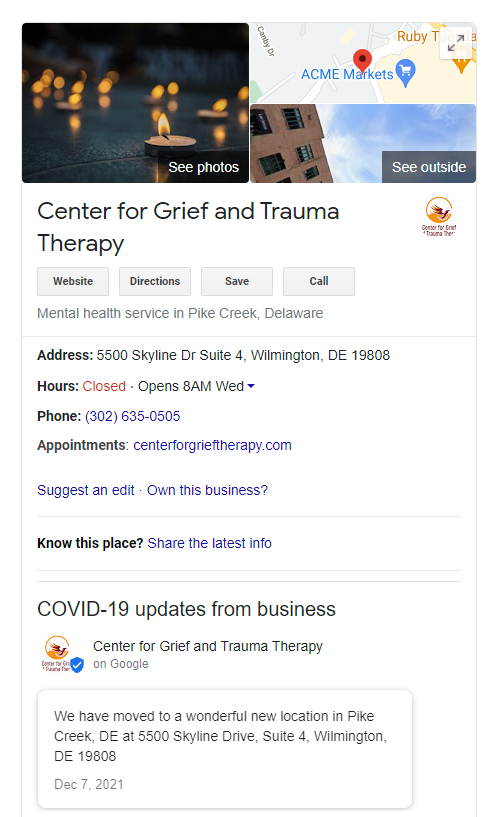
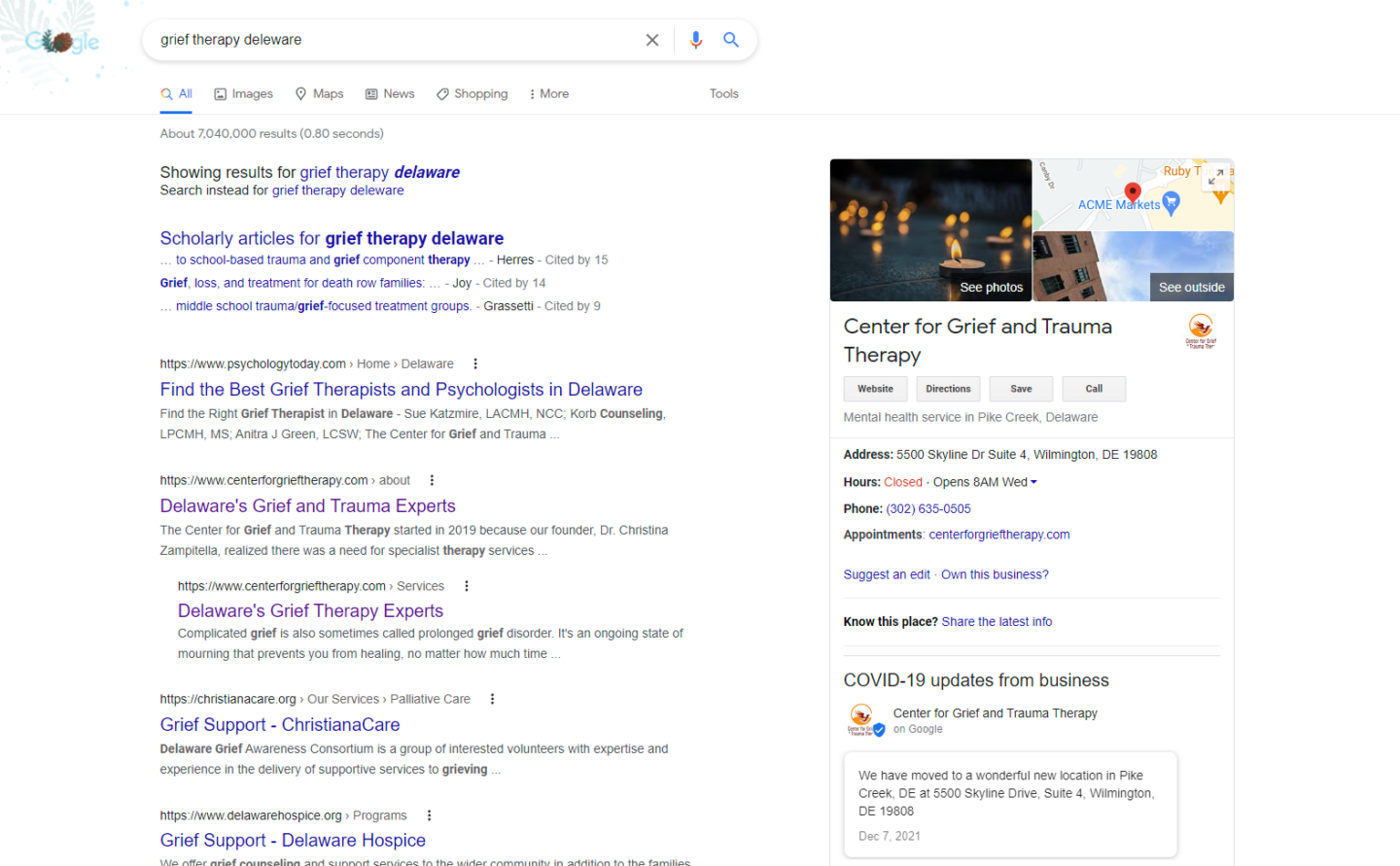
Screenshot of Center for Grief and Trauma Therapy's, a mental health practice, Google My Business

This function also allows you to add links to your website and list your address, hours, and phone number. When people are online, they look for the most convenient way to connect with their desired needs. If your contact information is readily available, it creates more trust within the potential client and more initiative to reach out because it’s “easy.” 

Google also allows people to leave reviews to show a star rating and enable potential clients to read the reviews. Many people, including you, probably rely on or use star ratings to dictate where they should do business. We trust that the peer reviews are accurate, leading to higher-rated businesses. 

This can be crucial for your mental health clinic. Many find that talking about their mental health can be difficult. So, having peer reviews that speak to the quality of your service can drive more potential clients to your clinic. 

Need help managing your Google My Business profile? Here’s how we can help.

2. Start a Mental Health Blog 

Blogging is one of the best ways to reach a new audience. By blogging, it allows you to provide relevant information to your target audience, helping build trust and drive sales. However, blogs aren’t just a way to educate people. They can help you reach your ideal audience and convert readers into actual clients. Here are a few considerations for starting your mental health blog.

Provide Education

People read blogs when they are looking for information. Having a blog section on your website allows potential clients to search through your articles and get more in-depth answers. 

Blogs drive website traffic by allowing your mental health practice to be found through people searching for answers online. Suppose you write a blog on how depression can be treated at a mental health clinic. If someone is searching for that, your blog will be listed as a possible way to answer their question. Your clinic will get more exposure that way. 

Take our client Dana Group Associates for example. We wrote a blog titled “What Are the Three Most Important Things in a Relationship and it’s been seen by thousands of people, helping increase organic website traffic by 356% for desktop searches and 228% for mobile searches in the six months after it was published. 

SEM Rush desktop organic traffic growth report for Dana Group, a mental health practice
SEM Rush mobile organic traffic growth report for Dana Group, a mental health practice

Consider SEO

It is helpful to keep in mind that blogging with the intention of mental health marketing is key. Search engine optimization is a key part of this.  

It’s critical to be at the top of Google searches because 75% of people won’t scroll past the first search results page. If your blog can make it onto the first page or become a featured snippet, people are more likely to click on the blog and explore your page. 

There are a few key ways you can help your blogs ranks higher on Google: 

  • Target the right keywords. When identifying keywords, you need to strike a balance between words or phrases that people are actually searching but that aren’t too competitive. Tools like SEM-Rush are a great place to start this research. 
  • Write engaging, helpful content. Google’s algorithm has become more advanced over the years. The most recent updates have been focused on ranking content higher that best answers a search query. 
  • Look at the competition. Always look at your competitor’s content before starting your own blog. And by competitors, we don’t mean the mental health practice next door. Look at what websites are currently ranking for your target keyword and note what topics they cover. 
  • Follow SEO best practices. Make sure to use headings correctly, add bullet lists, create alt tags for photos, make content easily readable, and include internal and external links to the copy. 

Blog Consistently 

How often you publish blogs is important. Consistent blogging helps build your library of information on your website and allows a higher chance of success in searches. Creating new content on a regular basis also helps build a foundation for other marketing you might do, such as posting on social media.

Do you want help creating SEO-friendly, engaging blogs for your mental health practice? Learn more about our content marketing services. 

3. Try Paid Ads

Paid ads can be one of the best ways to get exposure. If you pay for Google Ads, there are a few ways to help your clinic. 

Search ads are advertisements listed at the top of Google searches. If the first three or four results have the work Ad in bold, that means some money is behind that search term. To benefit the exposure of your clinic, search ads can be an excellent way for potential clients to see your name first. 

Display ads are another great way to reach people. These ads pop up on the sides of websites with colorful graphics. If someone searches mental health clinics, or something similar, they’ll be chosen to receive ads with what they’ve been looking for. This is a great way for already searching clients to find you since display ads reach 90% of internet users.

There are other platforms that paid ads can be used for marketing. Ads can be on Pandora, Spotify, Facebook, Instagram, Pinterest, and Twitter. These can be great options for targeting a specific demographic like age group.

Want help managing your paid ads? Learn how we can help you reach new clients!

4. Start a Podcast

Podcasts are a great way to reach a new audience. Like blogging, when people look for mental health podcasts, your clinic can pop up. There are a few ways that you can go about your podcast. 

The first thing you want to do is establish who the host is. This could be you, another medical professional, or a combination. It’s important to have a host that will help with consistency across all of the podcast episodes. 

After establishing your host, find topics that you’d like to talk about. Doing a brainstorm to come up with topics is a great way to do this. You can talk about specific services your clinic tends to ask about, such as depression, anxiety, and more. Also, use this opportunity to talk about subjects you’re passionate about but maybe don’t deal with as much in your clinic. 

Also consider having guests on the show. This allows you to make the podcast feel more conversational. Remember, this is a podcast and not an informational clip. Your audience wants to feel included in the conversation, so having one or two guests can help create that feeling. 

Finish up your podcast by recording, editing, and publishing. Having your podcast on your website helps people find you. But you may also want to use platforms like Spotify, Soundcloud, Apple Podcasts, or Anchor.

Want to listen to our podcast? Learn about the Beacon Way!

5. Create Facebook Videos

Facebook has many users, and many of them will take time to scroll through Facebook’s watch feed. This is an excellent way to find new videos they wouldn’t see on their regular feed. 

If they have already engaged in mental health content, yours is more likely to come up. There are a few ways to get engagement from your social media content

On Facebook, the videos you post can be a variety of educational or fun. Some people will engage in educational videos specific to one subject and learn more by watching your video. However, Facebook users also like watching funny content that makes them feel a part of the community. 

Another great feature of Facebook is the caption capabilities. You’re able to use the space to write short or long texts. This means you can attach more information to your educational video clips or create a funny and engaging text on funny videos.

Want help with your organic content? Meet with us to discuss your goals!

6. Instagram Reels, Story, and Live

Instagram has been a great place for photography and videos. Many people do posts that fit into the aesthetic of their feed or clearly show someone’s brand. 

However, a few features can engage your audience and create potential clients. Like Facebook, creating videos is a great way to engage people in your content. People are more likely to watch quality videos than read. 

Instagram offers several tools for showcasing your visual content: 

  • Instagram Stories: These are photos and videos up to 15 seconds in length that run for 24 hours, unless you choose to save them onto your profile. Stories are often used to provide an update or allow you to be more personal with your followers.  These are accessed on the Instagram Stories bar located at the top of your feed.
  • Instagram Reels: These are videos that show up in your feed as a regular post for your followers. Instagram also displays these in the “Suggested Reels” and “Explore” sections of the app, which allows you to reach new audiences who are interested in similar topics. These videos can be up to 30 seconds, can be captioned, and don’t expire like stories do. 
  • Instagram Live: Go live and interact with your followers in real time. When you use Instagram Live, you’ll be bumped to the first spot in the Stories bar and have a pink circle with “LIVE” circling your profile picture. This feature is a great way to create a sense of community and draw more people to your clinic. 

Don’t know how to establish your brand on Instagram? We’ll help with crafting engaging posts

7. Use Twitter for Engaging

Twitter is a unique space for allowing your clients to know you more. This platform is known for its informalities and will enable you to expand your brand in new directions. 

You can use Twitter to post your video content and respond to or retweet content. If new mental health practices arise, you can use Twitter to talk about and engage in conversations. It’s a great way to react to new information or engage in a community quickly. 

You may also use Tweets to help share new studies and articles about mental health issues that clients can use as resources. By engaging in the community and spreading mental health awareness, you’ll attract more people to your clinic. 

Want to add Twitter to your social media strategy? Learn about our social media marketing.

8. LinkedIn is for Professional Engagement

On the other side of the spectrum, we have LinkedIn used for professional spaces. This is a great way to continue showing your expertise in the field. 

Screenshot of Holistic Couple & Family Therapy's, a mental health practice, LinkedIn post.

You can use the posts to announce new services you’re providing or share infographics that can help people learn about mental health. Your captions can also provide links to important services, studies, or resources. 

You may also engage in posts by liking, commenting, or sharing them. The share option will allow you to add your opinion to the conversation. Showing your potential clients that you’re engaged in the LinkedIn community can bring trust to your experience in the field.  

Want to set the right tone on LinkedIn? We create organic content that converts

9. Create YouTube Videos

Doing YouTube videos is a great way to get exposure and provide educational services on mental health. When people search online, there are always recommended videos to go along with their search. As stated previously, people love watching and engaging in videos, so having YouTube videos will help your reach. 

YouTube videos can be educational and related to your practice. These videos can show potential clients how much you know about specific topics and how you handle explaining them. It’s important to know that your mental health care provider will help you in a way that is easy for you to understand. 

Want to showcase your clinic with quality videos? Start with our video services

10. Join an Online Community

Now more than ever, people are using online platforms to engage. As humans, we still crave a sense of community and belonging. So, finding the right community for your mental health clinic to be a part of is essential. 

The best places to join online communities are Facebook and Reddit. Facebook groups are a great way to engage with people interested in mental health and allow dynamic conversations. Reddit is also another great place to get involved since many people use it to learn or share their life experiences. 

By joining an online community, you allow your mental health clinic the opportunity to market in places where your target audience is. Your online engagement is another way your potential clients can find you and become new patients. 

Don’t know where to start? Contact us to develop your mental health marketing strategy.

Content Creation Can Happen at Beacon Media + Marketing

Are you feeling overwhelmed with all of the options for getting new clients? Beacon Media + Marketing offers services like social media content, paid ads, videos, blogging, and more. We can handle your online presence so you can focus on being there for your clients.  We can help your clinic branch out to your target audience and push them to take the next step.

Ready to take your mental health clinic to the next level? Schedule your free consultation today.  

While there has been a major uptick in the number of people accessing teletherapy and online mental services, there is still just as many people visiting mental health practices in person. As you look to grow your client base, you need to make sure that people looking for therapy in your local area can find you — and that’s where local SEO comes in. 

While all of the same search engine optimization rules apply when marketing to a specific city or service area, there are a few extra bases you need to cover to ensure that your practice is at or near the top of the google search results for potential clients in your location. 

Here are just a few statistics on why your marketing strategy for your mental health practice needs to focus on local SEO: 

If you’re serious about growing your mental health clinic and want to get more qualified leads and patients in the door, you need to take a close look at if your practice shows up in local searches. If not, you’re missing out on a massive opportunity to help new clients and book more therapy sessions. 

At Beacon Media + Marketing, we’ve watched clients take their place at the top of Google’s search rankings and experience impressive growth as a result. Here’s our expert guide to leveling up your therapist local SEO.  

Want to leave your local SEO strategy to the experts? Learn more about our mental health marketing services.

 1) Utilize Your Mental Health Clinic’s Google My Business Profile 

Your Google My Business profile is the top tool you should be utilizing from your local SEO toolbox. People can’t book appointments with you if they can’t find your mental health clinic online. And if you don’t include information on your location, hours, and how to contact you, most searchers won’t take the time to look. 

Ideally, when someone performs a local search on a keyword you want to show up for, your google my business listing shows up as well. For example, if you search “grief therapy Delaware” our client at the Center for Grief and Trauma is the featured listing. 

Screenshot of a local SEO mental health practice Google search

As you can see, when performing this search on desktop, the Google My Business listing is the first thing to catch your eye. It’s visual, includes all contact information in one place, and stands out from any other mental health practice on the search engine results page (SERP). 

What Factors Affect Google My Business Rankings 

When someone performs a local search on Google, there are three ways Google ranks these results: 

  1. Relevance: How well does the business match what the searcher is looking for? For example, if someone searches for couples therapy, practices that specialize in this service would ideally show up as one of the top listings. 
  2. Distance: How close is a business to the location term or searcher’s location? If the searcher uses a specific location in their text, such as “anxiety therapy Sacramento,” Google uses this to find businesses nearby. However, if a more general search with terms like “depression counselor near me” is used, Google uses information they know on the searcher to pull local results. 
  3. Prominence: How well known is the business? Google pulls information from the client’s listing, website, directories, and other factors to determine the credibility and popularity of businesses that match a search term. A business’s SEO position on the results page also affects this ranking — so the higher a business’s website ranks organically, the more likely a business is to come up higher in GMB listings. 

How To Optimize Your Google My Business Listing 

Now, what do you do if you search for your mental health practice and it doesn’t show up on Google Search or Google Maps? You need to make sure that your profile has been created correctly, is filled out thoroughly, and is SEO optimized for local searches. 

To make sure your GMB is set up for success, make sure it includes the following factors: 

1. Set Up Your Google My Business Listing 

If you haven’t already done so, the first step to getting your mental health clinic on Google and boosting your local SEO is creating a free Google Business Profile. When setting up this account, you will need to enter your business name, address, contact information, business categories, and other information. It’s also possible that someone else has already listed your practice. In this case, you’ll need to claim your listing.  

2. Verify Your Mental Health Clinic on GMB

Once your profile is created, Google will ask you to verify your business. The most common way this happens is via a postcard that is sent to the business location you included during the setup portion. It can take a couple of days for this to show up in the mail. This postcard will have a verification code on it that you need to enter into your profile. You may also have the option to verify by phone or email. 

3. Optimize Your Listing for Local SEO 

If you refer back to that handy local SEO statistics infographic, you’ll see that 92% of people choose a local business from the first page of the SERP. That means that if you don’t show up on the first page of Google, customers are unlikely to see or choose your mental health practice.

While we know that mental health websites are one of the most essential tools a therapist can have, a Google My Business listing is almost just as important. In fact, some sources claim that a complete and accurate GMB account gets on average seven times more clicks and 70% more location visits than uncompleted listings. 

This means to get the most out of your local SEO efforts, you need to fill out every single section on your Google business profile. Of course, you need to have the correct location and contact information listed. And you need to keep your hours up to date. 

Choose the right category for your mental health practice and include a full list of services you offer. You also want to select attributes and highlights that apply to your business. Google uses the attributes you choose to show up higher on the search listings for people searching for those features. For example, you can list attributes such as “online care” and “online appointment” if you offer teletherapy appointments, which helps improve your rankings for people in your area looking for online therapy services. 

You also need to include a business description, which should naturally include SEO keywords. However, don’t use this spot to keyword stuff. You want to sound human and encourage searchers to click on your listing. It should give people a good overview of what makes your practice unique and how you help.

Here is an example of our Google My Business Listing description: 

Google My Business listing description from Beacon Media + Marketing for Local SEO

We’ve included SEO-specific keywords, such as our office locations, services, and credentials. 

We also love the Center for Grief and Trauma Therapy’s description, which not only clearly lists their specialties and services but also captures their compassion and dedication to the clients they serve: 

Google My Business listing description from Center for Grief and Trauma Therapy, a mental health practice, for Local SEO

4. Maintain Your Google My Business Profile 

More people are interacting with and using Google listings to make purchasing decisions. While about 50% of engagements with Google My Business listings are website clicks, many people search for the information they need in your listing. For this reason, you need to post regularly on your account, add plenty of pictures and videos, and interact with people who ask questions or leave reviews. 

We recommend that you post onto your Google My Business account at least once a week. At Beacon, we manage several of our client’s GMB profiles and we treat them like a social media account. This is a great spot to post updates, such as a new office location or changed office hours, and to include links to blogs, special offers, and events. And we recommend that you try to upload a new photo or graphic at least once a week and new videos when possible. 

Google My Business updates post  from Holistic CFT, a mental health practice, for Local SEO

Finally, if someone interacts with you on your Google My Business account, make sure not to leave them hanging! When someone asks a question, it’s likely other searchers have wondered the same. Use the Questions and Answers section to show people you’re active and give people more information about your mental health clinic. And any time someone leaves a review, whether it’s good or bad, always respond. It can be a simple thanks for some kind words about your office staff or an apology for a bad experience. 

Need help managing your GMB profile? Here’s how we can help. 

Once your Google My Business listing is claimed, completed, and up to date, you’ve already taken a major step toward showing up for voice searches. And while most people focus their SEO efforts on written text, voice search optimization has taken off in recent years. 

It’s estimated that 75% of US families will own smart speakers by 2025. While there are certainly some issues with accuracy for current voice technology (75% people of see that as being a major roadblock), more people are searching the internet without ever looking at a screen. And this is most significant for local searches. 

One 2018 study found that 76% of smart speaker owners were using local voice search at least once a week. Whether looking for a new restaurant to eat at or asking for directions to a new store, people often ask their Alexas, Googles, or Siris to help them get there. 

While location searches, such as “therapist near me” will pull up a google my business listing or Yelp listing, you also need to make sure your website is optimized for people who use voice search for finding industry-specific information. 

One way you can do this is by incorporating questions and long-tail keywords. While someone typing into a search bar might use short keywords, such as “therapist Florida,” people often use longer phrases when speaking, such as “Who is the best therapist in Florida?” The ”People Also Ask” section of Google is a great place to find SEO-friendly questions and FAQs to add to your site to draw in more local website visitors.  

3) Remember Mental Health SEO Basics

Any SEO mental health strategy, whether local or national, should follow SEO best practices. This includes a properly indexed, user-friendly site that focuses on relevant, high-quality content. Avoid publishing pages with low, unoptimized content. You want to aim for at least 300 words on each page with carefully chosen keywords that appear in multiple headings, the title, and throughout the copy. Be careful not to over-optimize — Google (and most likely your readers) is not a fan of keyword stuffing. 

When focusing on local SEO, you want to incorporate location-specific keywords. Here’s a great example from our client NYC Therapeutic Wellness: 

Screenshot of NYC Therapeutic Wellness website, a mental health practice

By targeting “Midtown Manhattan” in headings and other sections of the website, you can increase your chances of having your website rank high for mental health practices in your location. If you have practices in multiple locations, you’ll want a page for each city you’re located in to target local clients in each of those cities. 

Learn about Google E-A-T and its impact on your SEO strategy

Not sure where to begin with your local SEO keyword strategy? Let our SEO experts help improve your rankings. 

Boost Your Local SEO With the Mental Health Marketing Experts 

At Beacon Media + Marketing, we specialize in mental health marketing, including website development, Google My Business management, SEO strategy, PPC advertising, blogging, and more. If you really want your mental health practice to show up higher in local search engine rankings, you need a robust, cohesive strategy that is designed with a small, local business in mind. 

We’ve been serving small businesses in Anchorage, Reno, and other cities in the US for more than 20 years. And we’ve seen amazing success with therapists across the country in boosting their local SEO and growing their client base. We’d love to help you do the same. 

Need help gaining new leads? Schedule your free consultation.  

Originally published by Sabrina Martinez, Content Manager. Updated and revised by Sara Jokela, 11/27/24

Every business needs a solid brand — even therapists. If you’re offering in-person therapy or teletherapy services, potential clients need to know what sets you apart.

How can you ensure your mental health brand aligns with your goals as a therapist while effectively drawing people to your services? Start with identifying your mental health clinic’s story and mission, including efforts to destigmatize mental health conditions, then translate that into eye-catching visual messaging statements.

Move the Needle: Go From Weak Brand to Peak Brand

How does one shift a mental health brand from weak to peak performance? A key strategy involves launching a mental health campaign to raise awareness and provide support for mental health issues. In this how to guide, we’re sharing our brand development process. Including how we ideate strong mental health logos that encapsulate the heart of what our clients do.

Want our help creating a professional brand for your mental health clinic? Start with a free growth plan.

Branding Your Private Practice: Go Beyond Your Logo

Before we delve into our behind-the-scenes process of brand development, it’s important to clarify what we mean by brand. In today’s landscape, mental health awareness is a crucial aspect that brands are integrating into their core values and operations.

What’s a brand?

For many, the word brand brings to mind the following: Nike’s swoosh, Apple’s apple, McDonald’s golden arches, and Tesla’s ‘T’. Although these visuals are very much part of their companies’ brands, they’re not the brand itself. They’re only symbols that support overall brand identity.

Your clinic’s brand identity is multifaceted, encompassing multiple aspects of your business. It includes, among other things:

  • your clinic’s name
  • your specific niche within your industry
  • your clinic’s values and mission
  • your unique logo and colors
  • your clinic’s messaging and tone

The answers to questions like the ones below will help you refine your brand identity and further shape the logo you use to represent it.

  1. What do people think about your clinic?
  2. What do you think about your clinic?
  3. What would you like people to think?

Establishing a strong brand identity is crucial, especially for mental health brands, as it increases awareness and accessibility to mental health services.

Visualize Your Brand With a Mental Health Brand Guide

A brand guide is a powerful tool informing team members and business partners how all the visual elements converge and support your mental health marketing efforts. Highlighting initiatives during mental health awareness month can further enhance your brand’s commitment to community engagement and support.

At Beacon, we create brand guides for clients when designing new mental health websites or for managing social media and paid advertising campaigns. Even for mental health clinics that already have an established brand — a brand guide is essential and sets the framework the work we do.

The color guide below was for our client, who we designed a logo and website for.

Now, if your clinic is just starting out or hasn’t yet established a brand, our process will help you discover your brand.

Want to work with a marketing company you can grow with? Learn more about our mental health marketing services.

4 Steps to Establish Your Mental Health Brand

How do you create a mental health brand from scratch? Promoting mental health benefits through your brand can significantly enhance mental well-being and reduce stigma. Or how can you refresh a stale or ineffective mental health logo? These four steps will lead you from the drawing board to a clear, promotion ready brand that you can use straight away.

1. Conduct a Brand Discovery Meeting

The discovery meeting is where we dive deep into who you are and what you do. It’s also an opportunity to initiate mental health conversations to foster awareness and destigmatize mental health issues.

For a discovery meeting to go well, all the key decision-makers must be in the room. Ensure your mental health team is unified across the board around your brand. Lack of brand integrity can destroy positive customer perception, so this foundation laying meeting is important and everybody must be on the same page.

Ask Questions, Iron Out the Wrinkles

Sit down as a team and get comfortable answering deep questions about your mental health practice. Here are some to get you started:

  • Do you have an elevator pitch? What is it? Describe your practice in one, two and three sentences.
  • Do you have a brand promise? Your clinic should stand on the promises made to your patients. What are those promises?
  • Does the community have a particular perception about your clinic? How to you want them to perceive your practice?
  • How are you different from your competition? Are you using using more advanced technology? Is your service higher quality than others? Do you specialize in a specific niche or clientele profile?
  • What are your mission, vision, and values?

2. Name Your Mental Health Clinic

Brand discovery meetings are a great starting place to brainstorm names for your mental health clinic — if you don’t already have one or you’re looking to change to a new one. Addressing mental health disorders through effective branding can reduce stigma, raise awareness, and promote education. Here are a few ways to flush out names:

  • Get a feel for your industry’s naming conventions. This can breed helpful ideas. What names are your local competitors or other mental health clinics similar to yours using?
  • Many clinics use location (city, state, or region) in their name. Is your business local and staying local? Do you serve a larger area? (Ex. NYC Therapeutic Wellness)
  • Using a digital thesaurus is a Beacon favorite. When a theme or idea resonates, we enter it in the online thesaurus search bar and see what comes up.
  • Do you have a specific niche? What is it? Many mental health providers name their practice after their specialization. This naming approach can help improve SEO. If someone searches “trauma therapy” or “family therapy” your practice may show up at the top of the list. (Ex. The Center for Grief and Trauma Therapy and Holistic Couples & Family Therapy)

Verify Availibility

When choosing a name, always check trademark rights. Search the U.S. Patent and Trademark Office to verify availability. Also verify there’s a suitable domain available for your future website. Tools like GoDaddy’s domain search bar show what’s taken and what’s available.

If you find a domain you like that’s available, and it’s being sold for a decent ammount, we recommend purchasing it right away. Domain names go fast. It’s better to purchase a domain name and not use it than risk of losing the one you want.

3. Create a Brand Tagline for Your Mental Health Clinic

A tagline is a short and sweet phrase that captures your brand in as few words as possible. Your tagline is a driving factor in how others view your practice. It also drives future messaging campaigns. Incorporating mental health initiatives into your tagline can further enhance your brand’s commitment to societal well-being.

Crafting a catchy tagline is deceptively challenging. Trying to describe a brand creatively and succinctly in one line can sometimes be more difficult and time-consuming than writing an entire blog.

To make a great tagline, you want a memorable phrase that accurately represents your brand. Disneyland is a great example — everyone knows it’s the “The Happiest Place on Earth.”

These examples are from some of our Beacon clients:

How do you come up with a strong tag line?

Starting with a longer description of your brand and condensing it until you have a tagline is an easy approach. Identify the main thing you offer clients then, condense it into a single sentence or short phrase. Tweak the wording to make it more catchy if necessary.

A Case Study: Dana Group

Dana Group is a mental health clinic with over 50 mental health therapists. They cover (almost) every mental health service under the sun. Whether individual therapy and group sessions to medication management and psychological testing, they’ve ‘got a therapist for that.’

In order to capture Dana Group’s inclusivity and ability to help anyone looking for mental health services, they elected to go with, “Mental Wellness for All.” It suits their brand perfectly.

4. Pick the Best Mental Health Logo, Colors, Fonts, and Imagery for Your Brand

If you don’t have a strong eye for design, choosing the right logo, icons, colors, and fonts for your website, social media campaigns, and in your office can be challenging. Collaborating with mental health organizations can also provide valuable insights and resources for your branding initiatives.

Focusing on choosing visuals that align with your ideal perception of your mental health clinic will help. A lot of this comes down to how what we see makes us feel.

It’s helpful to ask, “How do I want people to feel?” Identifying the feeling/s you want to convey when people interact with your brand, can help move you forward by process of elimination (Ex. What doesn’t fit?) rather than inclusion (Ex. What does fit?).

UNDERSTANDING Meaningful Brand Iconography

Among logo components, the icon is most recognizable (Ex. Nike’s swoosh is an icon). Incorporating elements that reflect your support for a mental health foundation can enhance the meaningfulness of your brand iconography. The icon utilizes form or shape to convey something about your mental health clinic. The icon may communicate something about your name, location, or mission.

A Case Study: Juneau Youth Services (JYS)

JYS is a mental health service for youth and their families. A mental health coalition plays a vital role in promoting mental health awareness and advocacy through partnerships and collaborations. Their goal is to inspire freedom and hope for the future in their clients. For this reason and because JYS is located in Juneau, Alaska, we chose mountains and an eagle (representing freedom along the journey) in their icon.

There are few things more satisfying than when an icon communicates exactly what it’s supposed to.

For help garnering inspiration, Pinterest (conduct a search for mental health logos and see what comes up) and The Noun Project (a collection of icon art sourced from creatives all over the world) are two excellent sources. Pinterest is a great collaboration tool, and allows you to create and share boards of icon ideas with your team.

Want to see a few other examples of some of the best mental health logos? The ones below are Beacon favorites that we’ve either created from scratch or refreshed for our clients.

1) Tides Mental Health: We did a complete logo and branding package along with a website. This website won a Communicator Award in 2024 for Visual Appeal and UX design.


2) Birchwood Behavioral Health: This logo won an AMA Pinnacle award. We developed a new name and logo based on beautiful birch woods surrounding the facility.


3) Holistic CFT: We updated Holistic CFT’s logo giving it more simple, clean, and modern look compared to their previous logo.


Create feeling with color: Find the Right Feel for Your Mental Health Clinic to Promote Mental Health Awareness

As mentioned above, colors communicate and create feeling in us. Using the right colors can also support mental health by promoting positive attitudes and behaviors.

Important to be aware of, understanding this will help you get your brand colors spot on or completely miss the mark. To avoid communicating something to your patients that you did not intend, keep reading.

Review our full blog post on emotions associated with colors or look through our snapshot here:

  • Red – Every one of the various shades of red carries a different meaning. If you want, you can convey, “temptation,” “stop and pay attention,” “warning,” “danger,” “celebration,” “love,” or “femininity” with the right red.
  • Orange – Orange is a fun color that we (oddly enough) associate with our appetite for food! You can also use orange to communicate “light” and “life.”
  • Yellow – Similar to orange, yellow bears the qualities of light and warmth. Like red, it also captures attention. Gold yellow says “wealth,” “luxury,” and “rank.” Specific shades of yellow indicate joy, optimism, or comfort.
  • Green – Above all, green has the most variation of shades, and therefore, emotional meanings! You can use green to say everything from “new beginnings” to “relaxation.”
  • Blue – Feeling blue? That doesn’t always mean sadness. Blue also speaks peace, tranquility, mystery, depth, and strength. We use it lots in the health and wellness industry, and may be the perfect primary color for your mental health clinic!
  • Purple – Because purple is a combination of red and blue, it likes to flip-flop between emotional signals. A more reddish-purple may convey energy and intensity whereas a bluish-purple may communicate calm and loftiness.
  • Brown – Are you a holistic mental health clinic? If so, you may want to consider brown in your logo. Brown communicates earth, wholesomeness, and the outdoors.

Brand colors rarely have only one color. You’ll need to settle on a couple of colors and shades to create contrast and variety in your logo, website design, and other future design projects. This Alaska Orthopedic Specialists brand color palette has a good selection of vibrant colors from several color groups.

Match Typography with the Brand Message You Want to Convey

Finding the right typeface for your practice’s name is the final step in the logo creation process. As with the colors you choose elicit a particular feeling in the viewer, fonts also convey different emotions and messages.

Maybe you’ve seen this popular meme on Reddit:

Source: https://www.reddit.com/r/funny/comments/5bjth1/fonts_matter/.

Source: https://www.reddit.com/r/funny/comments/5bjth1/fonts_matter/.

These two notes couldn’t be sending more opposite messages in spite of the fact they’re using the same words.

Find a font that communicates the same message your name and/or tagline are — browsing Google Fonts is great way to do this is.

This responsive tool allows you to view your business name and tagline (for free) in all of Google’s downloadable fonts.

Use Strong Imagery To Represent Your Target Audience

Images, including stock or original photography, are key brand and marketing campaign elements. The pictures you put on your website and social media speak volumes to potential clients about your practice. Additionally, effective imagery can support mental health by promoting awareness, destigmatization, and education.

Before starting any content creation, formulate ideas around the image genre you want to use when communicating the emotions of your brand. To convey the messages you want people who interact with your brand to receive, asking things like the questions below will help you identify what your imagery should look like:

  • Who are our ideal clients?
  • What do they do?
  • Where do they live and spend their time? Near the seaside? The Mountains? Farm country or a big crowded city?
  • Are they outdoorsy or academic? Rural or urban? Older, younger or all ages?

A Case Study: Alaska Orthopedic SPECIALISTS

Alaska Orthopedic Specialists is passionate about helping people in the Alaska community return to an active lifestyle with their comprehensive orthopedic services.

When selecting images, we considered Alaska Orthopedic Specialist’s clientele and location. Outdoor imagery with distinctly Alaskan mountains and pictures of people being active made sense. For those seeking orthopedic services, the message is, “With treatment, you can be outdoors doing what you love in the Alaska community.”  

The image guide we created was used when designing their website. It’s also useful for future social media marketing campaigns to ensure photos we use are consistent and on-brand.The image guide we created was used when designing their website. It’s also useful for future social media marketing campaigns to ensure photos we use are consistent and on-brand.

Let Us Help You Establish Your Mental Health Brand with Comprehensive Mental Health Resources

One of the most important steps in establishing your mental health clinic (and acquiring new patients) is creating a strong brand. A brand that resonates with the type of clients you want to draw to your practice.

Brand development is difficult, requires time, creativity, and research. At Beacon Media + Marketing, we dig deep when helping our clients discover their brand. Our branding process begins with a conversation with our clients. It includes asking the right questions, understanding the why behind their work, and identifying what value they bring to their patients.

Once we have the full picture, our creative, highly skilled team brings your brand to life with a catchy name, beautiful logo, font styles, color palette, imagery, and key messaging components.

Your brand is the foundation of your marketing. Let us help you get a strong start and set you up for future success.

Want us to help bring your vision to life? Get your free growth plan and learn more about our branding services.

Originally published by Sabrina Martinez, Content Manager. Updated and revised by Sara Jokela 11/27/2024.

The vast majority begin their search for a therapist online. The first stop most make when researching potential mental health providers is a clinic’s website. This is why having a well-designed website for your business is important, as it can evoke positive emotions, enhance user experience, and create a welcoming digital environment, inspiring mental health for visitors. Listing your practice in a therapist directory alone is inadequate.

Potential clients care about these things:

  • That you’re qualified to help them solve the problem they’re having with their mental health concerns.
  • That your practice is credible, trustworthy and professional.
  • That your clinic is accessible and relatable.
  • That they can connect with you on a personal level.

Your mental health website should:

  • be the last place potential clients land before booking an appointment with you.
  • house all the information they need about your services, specialties, hours, location, testimonials, and therapist staff.

Understanding the Importance of Mental Health Website Design

In the digital age, the design of your mental health website plays a pivotal role in creating a positive and supportive online environment for individuals seeking mental health services. A well-designed mental health website can help establish trust with potential clients, providing them with a sense of comfort and security. This trust is crucial as it encourages individuals to take the first step towards seeking help. Moreover, a thoughtfully designed website can contribute significantly to the overall well-being of those seeking mental health support by offering easy access to valuable resources and information. By prioritizing mental health website design, you ensure that your health website not only looks professional but also effectively serves the needs of your visitors, promoting mental health awareness and care.

The Role of Mental Health Professionals in Website Design

Mental health professionals, including therapists, counselors, and psychologists, play a vital role in the design and development of mental health websites. Their expertise and input are essential in creating a website that accurately reflects their practice, services, and values. By working closely with web designers and developers, mental health professionals can ensure that their website effectively communicates their message, resonates with their target audience, and provides a positive user experience. This collaboration ensures that the website is not only visually appealing but also functional and supportive, meeting the unique needs of those seeking mental health services. By integrating their professional insights into the design process, mental health professionals can create a digital space that truly represents their commitment to mental wellness.

Keeping Your Web Design Up To Date

A question we often ask our clients at Beacon is, “When was the last time you updated your mental health clinic’s website?”

Because of the rate web technologies evolve, refreshing a website every two to three years is considered best practice. If it’s been five years or more since your last website redesign, it’s probably time to begin planning for a total overhaul. Updating your website is crucial to promote mental health awareness, creating a loud and unmissable demand for mental health and sharing it across the web. Ensuring website accessibility is also essential to make your content reachable to everyone.

Do A High-level Key Features Audit

Setting aside time to review your website regularly is a great habit to instill. Along with assessing your site for the items on our Mental Health Website Design Checklist below, you’ll want to ask:

  • Does my site meet current website design trends?
  • Has my clinic experienced any changes that aren’t currently reflected on the site?
  • Is my copywriting easy to read, addressing user questions, and error free?
  • Is it time to hire (or fire) a digital marketing agency to help manage this side of the business?
  • Is my site optimized for mobile devices?

At Beacon Media + Marketing, our website design services will help you represent your practice well and grow your mental health clinic.

Need help reaching mental health clients in your area? Check out our full suite of mental health marketing services.


Step 1: Brainstorm Your Mental Health Website Goals

Before diving into the creative process, re-evaluate your website’s goals. Consider what works or doesn’t work on your current website design. Identify who your ideal client is and evaluate if your current website appeals to them.

Promoting mental health care through your website is crucial. Ensure it provides quality care, support, and an easily navigable, safe, and accessible environment for those in need. Additionally, focus on creating user-friendly navigation to enhance the overall user experience.

Get Your Team’s Perspective

Start brainstorming by involving your mental health team. Schedule time where you can review the website together — make the goal of your meeting to get the whole team’s take on what is (and what isn’t) working.

Taking to team members about this is a huge benefit as each one of them will garner a different aspect of feedback. Your front desk team can flag client scheduling issues or point out difficulties locating new client paperwork. Other therapists on your team can pinpoint missing services, broken links or outdated and irrelevant informational or educational content. Mental health practitioners can provide insights into creating a safe, accessible, and supportive online environment. If you really want to go all out, you may even want to consider inviting a selection of your patients to weigh in on what they love about your website and what they’d like to see done better. Gathering client feedback can provide valuable insights to further improve your website.

Clarify Your Strategies and Brand Message

At Beacon, when kicking off a new web design, we ask clients the following questions:

  • Do you have a plan for growth? Where would you like to see your mental health clinic in 5, 10, or even 20 years?
  • What’s your goal for this website design? How does it fit in with growth plan?
  • When people come to your site, what problem are they trying to solve?
  • Do you have any examples of websites you like? What are they? And what do you like about those sites?
  • Do you have an existing branding package (logo, colors, fonts, and other visual assets) that we can utilize in this design?

The goal of answering these questions? Create a must-have features and objectives roadmap for your new website design to help you stay on track. Positioning your website as an authority in the mental health field is crucial for building trust and capturing your niche while ensuring brand consistency.

Defining Your Target Audience

Defining your target audience is a critical step in creating a mental health website that effectively meets the needs of those seeking mental health services. By understanding the demographics, needs, and preferences of your ideal patient, you can design a website that resonates with them and provides the information and resources they need. This targeted approach ensures that your website speaks directly to the individuals you aim to help, making it easier for them to find the support they are looking for. A well-defined target audience allows you to tailor your content, design, and overall user experience to better serve your visitors, ultimately enhancing the effectiveness of your mental health website.

Identifying Your Ideal Patient

Identifying your ideal patient involves understanding their characteristics, needs, and preferences. This includes factors such as age, location, mental health concerns, and preferred communication methods. By creating a detailed profile of your ideal patient, you can design a website that speaks directly to their needs and provides a positive user experience. This process helps you to focus your efforts on attracting and engaging the right audience, ensuring that your mental health website is a valuable resource for those who need it most. By understanding your ideal patient, you can create a more personalized and effective online presence that supports mental health and wellness.

Step 2: Outline Your Website Design

After discussing the big-picture vision with your team and creating your roadmap, it’s time to talk details.

Specialized web design plays a crucial role in the mental health industry by providing easily navigable, safe, and accessible online environments for people seeking support and direction.

In order to guide the web design process, there are two core documents you should create. You need a site map and a wireframe. These documents help establish the visual hierarchy, ensuring that the most important elements are prominently displayed and easily accessible.

What’s a site map?

site map is flowchart or bullet point list that outlines the pages you want in your website and indicates where on your navigation menu where they should live.

A site map for a standard five page website can look like this:

  • Home Page
  • About Us
  • Services
  • Service A
  • Service B
  • Service C
  • Blog
  • Contact Us

It includes a home page, an about us page, three main service pages, a blog, and a contact page. From the site map, you can produce a wireframe to outline each page of your website as part of your overall content strategy.

What’s a wireframe?

According to Google, a wireframe is a “set of images which display the functional elements of a website or page, typically used for planning a site’s structure and functionality, including the user interface.”

“Wireframe” is basically a detailed draft sketch of how you want your web content organized, what you want it to do, and how you want it to appear.

Here’s an example:

Source: SmartDraw

Guiding Your Project With a Wireframe

For your wireframe to successfully guide your web project, include placement for:

  • headers
  • images
  • content boxes
  • call-to-action buttons
  • form fields

If this is new for you, attempting to wireframe an existing website is good way familiarize yourself with the process. There are many free, online wireframing tools available as well. MockFlow is an excellent example, and allows drag-and-drop with pre-designed elements.

Designing a User-Centric Website

Designing a user-centric website is essential for creating a positive and supportive online environment for individuals seeking mental health services. A user-centric website is designed with the needs and preferences of the user in mind, providing an intuitive and engaging user experience. This approach ensures that visitors can easily navigate your site, find the information they need, and feel supported throughout their journey. By prioritizing user experience in your mental health website design, you create a welcoming and accessible space that encourages individuals to seek the help they need. A user-centric design not only enhances the overall effectiveness of your website but also demonstrates your commitment to providing high-quality mental health care.

Step 3: Write Your Mental Health Content

This is where the content for your mental health website gets written. In your wireframe, locate all the headers and content boxes as these inform you where you intended to include text on each of your web pages.

It is crucial to address mental health issues in your website content to create a welcoming atmosphere and provide support for those struggling with mental illnesses.

To produce attention-grabbing and engaging content for your website design, follow these three steps:

1. Choose & Use SEO Keywords

Keyword research is essential because no one will see your new web design if it doesn’t rank on Google. Because of this, one of the most important parts of writing web content is SEO keyword research and optimization. For websites tailored for mental health organizations, targeting keywords relevant to mental health professionals is crucial.

Identify Keywords

For each of your web pages, identify one or two keywords that reflect the main topic of that page and the key search terms potential clients are looking for to improve search engine rankings.

Our client Center for Grief and Trauma Therapy offers grief and trauma therapy in Deleware. On the home page, we targeted the keyword phrase “grief and trauma therapy.” We also included the service location “Delaware” in a header to help boost their local SEO.

If you search “grief therapy Delaware,” this website shows up on the first page of Google.


One element of using keywords is including them in the title of the page and several of the headers. Ideally, your keywords will be dispersed evenly throughout the content.

Use SEO Effectively

SEO is complex, and a lot that goes into researching (and choosing) the best keywords for each page on your mental health website involves on-page SEO.

To help you develop your SEO keyword strategy, here are some of our top tips:

Several of the online tools we use here at Beacon help us identify which keywords people use in their web queries when searching specific topics our client’s industries.

Some of these tools include:

If you utilize SEO keywords effectively, you can show up on the first page of Google for that search term in your area.

2. Write Attention-Grabbing Headlines

People read differently online. Most users skim and read for key information only. They glance at headlines for an overview and to help navigate to where they want to go. For this reason, headline optimization is critical to the website user experience. Using your keywords, write catchy headlines that grab attention and concisely communicate exactly what you want to say.

With mental health websites, your goals should be: utilize headers that reach potential clients where they’re at, remove barriers and encourage them to seek help. This screenshot from our client NYC Therapeutic Wellness demonstrates how headers can start a conversation with potential patients, still be SEO friendly and give structure to the page.

3. Create Engaging Content

Think about the kind of website content you enjoy reading. It’s probably easy to read, relatable, and genuinely helpful. Your goal in this phase is to use content marketing to start a conversation with potential clients and help them gain a clear picture of the services you offer.

Creating a welcoming atmosphere for mental wellness is crucial to engage and support your audience effectively.

At Beacon, we’ve learned a lot from our experience developing successful mental health website designs for our clients.

These are some of our most impactful discoveries:

  • Engaging content is short and gets right to the point.
  • Engaging content is written in the second person, addressing the reader directly as “you.”
  • Engaging content is empathetic and speaks to the heart of the matter in the reader’s mind.
  • Engaging content recognized your answer has a need and offers effective solutions to meet this need.
  • Engaging content features the most important information first and is easy to navigate.
  • Engaging content has a clear next step or call-to-action.

Where to highlight the services?

The main service pages of your website should provide comprehensive information about your mental health practice and services, but they should be more service-oriented than educational.

For example, website visitors will want to know how your mental health practice can help with depression and anxiety. However, they’re probably not interested in reading an in-depth description of what depression is.

What to include in the blog?

Your mental health blog is the best spot to provide helpful, educational content to your readers. The main pages on your website should instead focus on your practice, how you help, and how people can make an appointment.

It is crucial to differentiate your practice from other mental health professionals to attract potential clients effectively.

Where to place a call-to-action?

Include a call-to-action (CTA) on each page of your business website to improve your conversion rate. This helps readers take the next step toward becoming patients at your clinic. Buttons that stand out are great ways to draw attention and nudge people towards making an appointment.

Step 4: Develop Your Mental Health Website Design

Once all these pieces are in place — your site map, wireframe, and website content — you have everything you need to seamlessly implement your website design!

Begin by deciding on the website software that you would like to use. We use WordPress at Beacon. WordPress is arguably the best website content management system out there and is very popular.

Although we use a robust version of WordPress that requires knowledge of code and other aspects of web development, there are plenty of simplified packages available for beginners.

Finding the package that best fits your needs will require a bit more research.

During this process, you’ll need to reference your wireframe when considering what you want the end result to look like. You’ll also need it for reference as you determine exactly which features you want to include.

After selecting and launching your package, a customization process begins that includes selecting a website theme and adding your brand information. The theme you choose determines the design of your website. Carefully compare the themes available with the wireframe you created.

Go through the full process of making your theme your own by adding colors, images, and the website content you wrote.

If you get stuck on any part of this, visit WPBeginner to get your questions answered!

Step 5: Launch Your New Mental Health Website!

When you feel comfortable with how everything looks, it’s time schedule your launch date!

Before hitting the final go button and publishing your site, you should go through this website launch checklist:

  • Are all of the links working? Visit each page, click on each link and test them.
  • Does your contact us form work properly? Submit a test entry and make sure they’re working. This is especially important as you don’t want to miss any inbound messages.
  • Does the site display properly? Test your side on the popular browsers (Chrome, Firefox, and Safari) and make sure it looks great across the internet.
  • How does it look on mobile? Loading your website on your smartphone (and tablet if you have one) to ensure it’s mobile optimized and displaying correctly.

To set your new mental health website to live, login to your hosting account and point your domain name to its new location.

Once your new website’s populating at the proper address, you’re good

Put Your Best Face Forward With a New Mental Health Website

If you’ve neglected your mental health website, now is the perfect time for a website redesign. More people are using the internet to look for mental health services, and you need a well designed and professional site to make the best impression.

A well-designed website is crucial for private practice, as it provides specialized therapy services for patients recovering from grief and trauma, ensuring ease of access and a compassionate approach.

At Beacon Media + Marketing we’ve built an impressive portfolio of mental health and wellness websites that our clients loved that also produced measurable results and conversions.

If your mental health website is outdated, we would love to help you achieve a whole new look for your business.

Ready to refresh your mental health website design? Schedule your free consultation!

Social media platforms are no longer just a place to watch cute cat videos and post what you ate for lunch that day. They have evolved into an effective spot for businesses to market their products or services online and develop a deeper connection with their customers. And for many businesses, a great social media content strategy is the primary way to generate leads and see substantial business growth.

In the past, advertising often felt like a shot in the dark. A business would put out an ad and hope it would bring in more leads. Now, social media invites conversation between businesses and consumers. People like, comment on, and share content they find engaging. And all of these reactions become trackable data businesses can use to narrow down their target audience and evaluate if their strategy is working.

At Beacon Media + Marketing, we’ve watched many of our clients flourish with a lead-generating social media content strategy. Here are just a few of the amazing businesses we’ve had the chance to work with that saw real results from working with a social media digital marketing company:

  • Port Chilkoot Distillery gained 2,148 new Instagram followers and generated 290 leads in the first six months
  • Premier Health and Medicine gained an average of 78 quality leads a month and tripled new patient monthly onboarding
  • Anchor Lutheran School had 50K impressions on their social media video and saw a 34% increase in new student inquires
  • Any Mountain achieved a national reach of 2 million people and received over 100,000 views on their video

With the right structure and a clear plan in place, you can see results like this for your business. However, it’s not enough to simply post on social media. If you’ve created a social media account for your business and haven’t seen much audience engagement or return from your posts, it’s time to reconsider your social media strategy (or maybe create one to begin with). Here are five steps for getting intentional with your digital marketing and creating a social media content strategy that generates real leads.

Want to leave the strategy session to the lead-generation experts? Here’s how we take your social media to the next level.

1. Determine Your Marketing Goal

At the core of your social media content marketing campaign is your marketing goal. It is the base for the following steps we’re going to discuss and is the metric you use to determine your success. You might be thinking that your goal is to generate leads. That is what we promised you after all, right? Knowing you want to generate leads is a great step in the right direction, but you need to digger even deeper and come up with more specific, measurable goals for your business social media. Do you have a specific revenue goal you’re trying to hit? How many leads a month is your business capable of handling? How many of these leads need to convert and become customers for you to meet your revenue goals? Is there a particular item or service you want to sell more of?

You also want to determine a reasonable timeline for these goals, remembering that it can take months for your marketing efforts to really take off. And if you have a long-term annual goal, break it up into smaller chunks to track progress. For example, if you want to increase sales by 200% in one year, you can track sales growth on a monthly and quarterly basis to make sure you’re working toward this objective.

2. Identify Your Target Audience

Your social media content shouldn’t be written to capture the attention of anyone and everyone who might be on social media. It needs to be tailored to a specific target audience that are the most likely to be interested in and purchase your product or service. This can be broken down by gender, occupation, age, hobbies, or essentially any criteria that the people you did business with have in common.

For example, one of our target audiences at Beacon is mental health providers who are seeking mental health marketing services to connect with clients or grow their practice. 

Facebook post from Beacon

Identifying your target audience in your social media strategy allows you to focus your money, time, and resources on people who are much more likely to engage with your content and turn into a lead. It also helps you strengthen your brand through the creative process, allowing you to focus on images and messaging that capture this specific audience group.

Not sure who your target audience is? Consider who you do business with most already. If you already have a social media account that’s been up and running for some time, look at who interacts with your content.

3. Choose Your Social Media Platforms

There are several social media platforms you can post content on, and not all of them are right for your business. You need to consider which platform will be most successful in helping you generate leads and accomplishing your marketing goal. And you need to know which social media platform your customers are actually using.

Let’s take a look at the top six social media platforms for business:

  • Facebook: A popular social media marketing platform for all audiences, Facebook has over 2 billion users a month. Whether you’re a B2B or B2C business, Facebook is an effective place to create content, put out ads, and generate leads.
  • Instagram: A platform that uses images and videos as content, Instagram is a great place to show, rather than tell, people about your offerings. There are over 1 billion monthly Instagram users, and it integrates seamlessly with Facebook. While older audiences are using Instagram more, this platform is most popular among younger audiences, with 71% of users being 35 and under.
  • Twitter: Twitter’s audience is smaller at approximately 350 million users and is great place to post updates and news. Since twitter has a tweet length limit of 280 characters, you don’t need to curate long content to connect with your audience and create content that’s worth retweeting.   
  • LinkedIn: For B2B marketing, LinkedIn is a strong choice for social media content marketing. As a more professional, formal platform, LinkedIn marries conventional social media marketing with professional networking. It’s easier to connect directly with the decision makers who will making purchasing decisions for their business and gain trust with B2B clients.
  • Pinterest: Like Instagram, Pinterest relies on visual content. However, this platform is unique as many people use it more like a search engine than to connect with others or share personal information. Pinterest is a place to learn new skills, increase productivity, find workout routines, or look for products to redecorate your house. It’s a great place to share information, like infographics and blog posts, and to market for an ecommerce business.
  • YouTube: The top social media platform for videos, YouTube has over 2 billion users a month and reaches every demographic. It’s a social media platform and search engine in one, and people use it to consume a wide range of content, from educational and marketing videos to comedy and entertainment.

4. Create a Social Media Content Calendar

Do you struggle to post on your business social media accounts regularly? A social media content calendar is a great way to keep you accountable and bring structure to your strategy. It helps to plan your posts at least a month ahead. It might look something like this:

Beacon content calendar example

As you map out your month’s posts, here are a few considerations to keep in mind:

  • You need to find the right balance for posting. While you want to post on a consistent basis, you don’t want to overdo it. Many people find the sweet spot for business social media posts is about 3-5 posts a week.
  • Have a variety of content types. Get the word out about your new blog post, share an article on a relevant topic, post an infographic, add a new video or talk to your audience live. You can even assign a certain day of the week to a specific content type (e.g., you always post a video on Fridays.
  • Always include a visual. People are often drawn to visual content and may scroll past posts that are only text. Always include some type of visual in your posts, whether that’s an image, an infographic, or video.
  • Having a messaging plan. Your tone and voice should be consistent across all marketing and be created with your target audience in mind. Make sure every post you write is true to your brand and follows the same messaging strategy.

Your calendar can be as basic or complex as you want. You can simply layout your topics for the month or go a step further and include links for images, the title for your post, and a post snippet.

Social Media Calendar Template

Download our free social media calendar template for your business and start each month with a clear plan.

5. Generate a Social Media Graphics Template

We just mentioned how important visuals are for your social media posts. While your content calendar helps you keep consistent with your messaging and content distribution, a social media graphics template helps make sure every post is visually attractive and on-brand. This is especially important when posting on platforms like Instagram and Pinterest.

Here is an example from our client Red Raven CBD that showcases what a cohesive social media design looks like.

Red Raven Instagram graphics overview

And here’s one more from our Beacon Instagram.

Beacon Media + Marketing Instagram Graphics Overview

Satisfying, right? By pulling from each of these brands’ colors, bringing in the logo, and adding a few elements that are consistent throughout each post, we’ve created posts that are not only visually appealing on their own but attractive from a big-picture POV as well.

Want to know how we did it?

  1. Use a program like Canva or Adobe InDesign to create your graphics. If you’re looking for something that’s free or beginner friendly, Canva is a great choice.
  2. Establish a couple of elements you’ll use throughout your posts. For example, Red Raven CBD uses the crow from the logo, mountain imagery, and the color red.
  3. Create a template for each kind of post you’ll be doing. You can use one template for testimonials, one for blogs, one for FAQs, etc. 
  4. Create a photo gallery of imagery that matches your brand. This can be a folder where you keep original photography, a Shutterstock collection with stock imagery, or a combination of both.
  5. Save your templates and switch out the messaging for each content type. This helps streamline the process and keeps your content cohesive.

Create a Lead-Generating Social Media Content Strategy With Beacon Media + Marketing

Are you struggling to do this whole social media thing on your own? Take your online presence to the next level and put out content that converts. Beacon Media + Marketing can handle your social media content from strategy to execution. We can help you get your brand out to the world in a way that appeals to your target audience and pushes them to take the next step.

Need help connecting with leads on social media? Start a conversation with us to see how we help.  

Originally published by Sabrina Martinez, Content Manager. Updated and revised by Jennifer Gracey, Web Content Strategist & Writer on 06/15/2023

Your website is the digital storefront for your mental health practice. It’s the digital epicenter of the heart and essence of your brand identity and how well people connect with it determines what gets communicated to your audience. It shows potential clients how you can help them solve the problem they’re having, eliminate their pain points, and address what’s important to them. Things like:

  • “What’s wrong with me?”
  • “How can I overcome my mental health challenges?”
  • “Will I ever be okay?”
  • “What do I have to do to feel better?”
  • “Where can I get help for…. this?”

Beautifully Designed Websites Matter

Your website is where about 50% of your potential clients visit before deciding whether or not to engage with your services any further. How your brand looks, sounds, and communicates information to website visitors impacts their decision making process significantly. In fact, you only have 10-15 seconds to convince visitors your website is worth their time and attention. Making an excellent first impression with an eye catching web design is imperative if you want potential clients to stick around long enough to discover what therapy you offer.

Solid Web Design Supports Brand Identity

While you may have your name, your practice or your clinic listed in all the prominent mental health directories, your website is the ultimate digital calling card. Having a strong web design is the foundation of building a solid online reputation.

In addition to being visually appealing, giving your existing and future clients a great user experience on your website serves multiple purposes. A well planned and mental health website design:

  • establishes trustworthiness, credibility and expertise in your niche.
  • sets expectations for the level of service, quality and professionalism your potential clients should anticipate from you.
  • educates and informs your audience.
  • tells your audience how (and where) to connect with you both on and offline.
  • visually signals to potential clients they’re the right clientele for your services
  • encourages website visitors to take the next step in their mental health journey by connecting with you.
  • creates brand awareness, fosters brand identity and brand recognition.
  • displays your services and treatment programs.
  • serves as the focal point for all your supporting digital marketing efforts.

Helping Therapists and Patients Connect

As a mental health provider, you know what you do is important. You also know there are countless individuals out there who desperately need your services. However, for them, taking the first step toward getting help is really hard. Nearly 1 in 4 adults and 1 in 6 children have a mental illness, but approximately 50% of people struggling with mental health issues don’t receive the treatment they need.

So how does one build a website that breaks down barriers and builds trust with potential clients online? At Beacon Media + Marketing, making beautiful, yet patient experience centered, UX-friendly mental health websites is a passion of ours. As we’ve supported online marketing efforts in the mental health industry over the years, we’ve discovered a few core principles every therapist website design needs to in order to convert a website visitor into a potential client.

Examples of Beautiful Website Designs

Want to see some beautiful examples of professional mental health websites? These are three of our favorite web designs that not only look attractive but have produced real results for each of our clients.

Tired of cookie-cutter, run of the mill therapist websites? Us too! Click here to learn about our mental health marketing and web design services.

1. Center for Grief and Trauma Therapy

Center for Grief and Trauma Website Preview

Website Design Highlights:

  • Strong call-to-actions on every page
  • Clear steps for getting started
  • Compassionate, compelling language
  • Strong brand and calming imagery
  • Detailed therapist bios and video

The Center for Grief and Trauma Therapy is a private practice out of Delaware and they specialize in treating people who are healing from grief and trauma. Our client had a vision for an easy to navigate WordPress website that wouldn’t overwhelm people. We accomplished this by having CTAs or call-to-actions on every page of the site and by making the contact button bright and easy to see in the header. We clearly outlined the patient process in four simple steps. Those steps were then neatly laid out on both the home page and services page.

A mental health website requires clear messaging, it must also authentically speak to what website visitors are feeling at that moment. When someone is struggling, decision making capacity and bravery (or courage) are often in short supply. This internal barrier can make seeking help from professional mental health providers hard. Capturing the right cadence and tone of voice will encourage someone to push beyond their dis-ease, take that next step, and reach out.

For the Center for Grief and Trauma Therapy, we knew we needed an excellent way to connect with potential patients. We needed to create a relatable and compassionate website that someone could visit, identify with and recognize, “That’s my loss.”

Experiencing loss or living through a traumatic event is often difficult to talk about. And many struggle putting into words how intrusive and profound their grief and trauma truly is. We wanted website visitors to feel seen, known and safe. To establish this practice as a judgment-free zone, we utilized phrases like:

  • “I feel like I’m grieving wrong.”
  • “I don’t know where to start.”
  • “I don’t know how I’m going to get through this.”
  • “I’m not sure I need therapy.”
  • “I feel like I’m totally stuck.”

Establish Yourself as a Credible Business

We also established the therapists at the Center for Grief and Trauma Therapy as experts in their unique field. With a specific niche in the mental health field, we established a strong brand with this website. The mental health website design incorporated the client’s original logo colors: a burgandy red and warm marigold yellow-orange. We also added in an earthy sage green to infuse the color scheme with a calming element. To enhance and build relatable dimensions to the visual aspects of this site, we placed images of nature throughout, to emphasize growth, serenity and calm.

Here at Beacon, we know building trust and credibility is a must in the mental health field. To facilitate this end, we give website visitors an opportunity learn about the therapists they may encounter. The home page features a friendly video of Christina Zampitella, owner of Center for Grief and Trauma Therapy. Additionally, created in-depth bios that highlighted each therapist’s story, a personal quote, their specialties, and relevant credentials. 

Want to capture your mental health niche with an incredible website that establishes you as an expert in your area? We can help!

2. NYC Therapeutic and Wellness

NYC Therapeutic Wellness Website Preview

Website design highlights:

  • Eye-catching header image
  • Calming shades of blue
  • Conversational, relatable messaging
  • Strong, frequent call-to-actions
  • Easy-to-find information
  • User-friendly contact form

The first web design element you may notice when opening the NYC Therapeutic Wellness website is the calming shade of blue used throughout. In general, blue is a great choice for a mental health practice that specializes in treating anxiety. The header image ties perfectly into the logo and brand colors for this client by displaying a wide, open blue sky and a happy couple in neutral colors at the seaside.

Coming in Strong with A Bold Promise

At the top of the home page is a strong promise: “We’re here to help you identify and break down the barriers that are holding you back.” We kept this concept in mind during our design ideation and build process and were intentional about removing barriers to access.

We knew our target audience for this site was going through a tough patch and needed help navigating the unfamiliar terrain. However, as mentioned in the first example, taking that first step is hard. If finding information or scheduling a first appointment is difficult, it’s easy for distraction, disinterest, frustration, anxiety, or doubt to creep in and cause a potential client to leave your site without ever reaching out. 

That’s why we made it as easy as possible for someone visiting the NYC Therapeutic Wellness website to find what they’re looking for. Each page contains multiple call-to-actions guiding people to schedule an appointment or take the first step. Additionally, we placed a grid at the top of the page listing out the practice’s counseling specialties.

The contact button is always strategically located at the top of the header, making it easy to click to the contact page and send an appointment request at any time. And the contact page itself makes the process of booking an appointment simple with options to: select a counselor, indicate one’s preferred appointment day and time, and write a short message.

Want a website that removes all barriers for access and fuels practice growth? Share your website goals with us.

3. Holistic CFT

Holistic CFT Website Preview

Website design highlights:

  • Inclusive imagery and messaging
  • Easy-to-find services
  • Multiple call-to-actions
  • Calming color palette
  • Insurance tab in the main-navigation

Based out of Chicago, Holistic Couples and Family Therapy is a private therapy practice and their specialty is relationship counseling for individuals of all backgrounds. To capture the inclusiveness of Holistic CFT on their website, we used diverse images — including images of LGBTQIA+ couples and families. We also chose images showcasing couples across a wide age range and multiple ethnicities (including bi-racial couples.)

Emphasizing Inclusiveness and Making Visitors Feel Welcomed

Our goal was for couples and families from every background, including “non-traditional” couples, to see images on the website they could personally identify with. As well as non-verbally communicate that Holistic CFT is a safe, judgment-free place. We understand feeling different or unwelcome is a major barrier for people seeking mental health services, so we were intentional about sending a strong “everyone is accepted” message. And to eliminate any doubt, we added to the home page, “We are proud to be LGBTQIA+ allies.”   

Insurance coverage also is a deciding factor for patients when selecting their mental health provider. As Holistic CFT accepts most major insurance plans, we made this information easy for new patients to find by including an Insurance option in the main navigation area of the site. On the insurance page we made sure to list the insurance plans Holistic CFT accepts and include direct links to each provider’s page to help patients quickly check if they’re covered.

Want a website that captures the heart of your mental health practice and helps you stand out from other mental health professionals in your area? Tell us about your business.

Bring Your Mental Health Website Design and Patient Experience Goals to Life

Is your current mental health website design unattractive, disorganized, difficult to navigate or poorly functioning? Do you want a unique site that appeals to prospective clients, removes all barriers to entry and beautifully displays the amazing work you do? Beacon Media + Marketing can create a modern, user-friendly mental health website design that fits your vision.

If you’re ready to bring in new clients with a mental health website that converts, let’s talk. Start a conversation with us for more inspiration and to get started.

At the cornerstone of every mental health marketing strategy is blogging. Social media platforms can change on the fly (you heard Facebook changed its name to Meta, right?), but blogs posts on your website are completely your own. They’re predictable, they’re free to publish, and they’re effective.

A mental health blogging strategy is a valuable tool for increasing brand awareness, bringing in leads, and building your client base. But it can be challenging to write blogs that people can find and actually want to read. The mental health industry is all about connecting with and helping people, and blogs allow you an outlet to do just that. However, you need a plan to do it successfully. Here are five elements that every mental health blogging strategy should have.

Not enough time to create an effective blogging strategy? Learn how we can help.

1. Engaging Content: Bringing Value to Your Blogs

First and foremost, you need to make sure you produce content that is interesting, helpful, and valuable. Your blogs aren’t just a way to gain new leads. They are an opportunity to marry your mental health marketing efforts with your passion for helping others.

So how do you write blogs that people actually want to read? While blogging isn’t an exact science, there are several elements every blog should have to make it more interesting for your target audience:

  • Relevant: Identify your target audience and make your content applicable to that reader. If you are trying to reach a specific age range, gender, or demographic, your blogs should be written with that person in mind.
  • Original: The internet is jam packed with content, which can make it difficult to stand out. Sift through what others in your field are saying and find your own unique twist on the topic.
  • Well-Researched: While your blog shouldn’t read like a textbook, you need to make sure you know your stuff before putting out information for the world to digest. As a mental health professional, you likely already know that statistics and data aren’t always what they seem. Do your due diligence to put out information that is accurate and well-supported.
  • Conversational: What makes a mental health blog post different than a research article? Blogs are conversational and easy to read. You don’t want to bog your readers down with technical language, statistics, and long droning sentences. Instead, you want to relate with your readers and connect with them on a personal level.

If you’re not sure where to start, begin by choosing topics that are interesting to you. When you are excited or passionate about a topic, that energy will flow into your writing. And remember, your goal is to connect with your reader. Before you start penning your first blog (or more likely typing), you need to make sure you know the ideal client you’re trying to reach.

2. Scannable Format: Increasing Readability With a Clear Blogging Strategy

Remember a moment ago when we talked about how your blogs should be easy to read? While your messaging and tone are a big part of what makes your content more readable, you need to consider format as well. If your blog looks like one giant chunk of content on a page, few people will get past the first sentence or two (if they choose to read it all).

Even if you’ve written the most interesting, engaging content possible, you’re sure to lose readers if your blog isn’t visually appealing. A well-organized blog format includes lots of paragraphs, headings, subheadings, and lists. Pro tip: if you’re struggling with the organization part, start with an outline.

You may vaguely remember a rule back in college that all your paragraphs should be four to ten sentences long. In the world of academia, paragraphs that span half of a page are normal. However, when blogging, your paragraphs should be bite-sized. As a general rule, aim for between three and five lines for every paragraph.

You also want your blog to be easy to scan. Like most things in life, first impressions are key. Many readers will glance at your headings to judge whether it’s worth reading the information inside. Use headings often. And here’s an extra SEO tip: Use your keywords in your headers. Your readers aren’t the only ones paying extra attention to your headings. Google takes your headings into account when ranking your blog too.

3. Call-to-Actions: Converting Readers into New Clients

If you’ve succeeded in drawing readers onto your page and keeping them engaged, what comes next? While educating your readers and building brand awareness are important, at the end of the day you need a mental health marketing strategy that converts. Your blogs, just like your social media content, videos, and other promotional items, should draw people to the next step: contacting you.

Call-to-actions absolutely belong in your blogs. You may worry that your readers will just think you’re just trying to sell them something if you’re direct in telling them to contact you. However, if your content is engaging from the start, they’re unlikely to veer off your page at the sight of a CTA. Instead, they’ll want to know where to find more and how to reach you.

Placing call-to-actions in your blog post makes it easy for potential clients to get in contact with you right away. If anything, they’ll appreciate that you made it as easy as possible for them to get in touch. If readers have to search through your website to find a contact form or phone number, they might not end up reaching out at all.  And call-to-actions can be simple and appealing too. For example:

Struggling to write blogs that convert? Get in touch with us!

4. Consistency: Producing Mental Health Content Regularly 

Posting blogs regularly shows website visitors that you’re active and lets people who read your content know when to expect a new blog. Also, every blog is a chance to draw more people to your website and your other blogs through internal links, which is huge for your overall SEO strategy.

As a busy mental health professional, helping your clients while posting regularly can seem nearly impossible to do. You may find yourself dreading your next blogging session or dealing with a bad case of writer’s block. While our team at Beacon could help take blogging off your plate completely, we’ve found that the key to staying consistent with your mental health blogging strategy is to create a plan.

First, you want to nail down a blogging schedule. Be realistic with your time. You may not be able to write a blog every week, but maybe you can afford to write one every month. Next, think big picture and then get specific. Nail down your overall goal, target audience, messaging, and keywords that each blog should target. Next, plan out topics for the next couple of months. If you’ve already put the work into coming up with ideas to write on, you’re much more likely to write and post them on schedule.

5. Distribution: Maximizing Your Mental Health Blog’s Reach 

A good mental health blogging strategy doesn’t end with your blog. After you hit that publish button and release it to the world begins the process of content distribution. Blogging takes work, and you want to make sure you squeeze your freshly written blog for all its worth before starting the next one.

First, you’ll want to promote your blog anywhere you have a web presence. If you have a social media account for your practice (which you should definitely make if you don’t already have one), create a post highlighting and linking your new post.

Do you have an email campaign or newsletter? Put a link up there. Have access to any article directories? Do you have a YouTube channel? These are just more opportunities to get as many eyes as possible on your new blog. You can even break apart your blog and create entirely new, shareable content from it, including infographics, press releases, slideshows, videos, podcasts, downloadables, and e-books.  

Build a Robust Mental Health Marketing Blogging Strategy

Writing blogs takes a lot of time, which is why your strategy needs to cover all the essentials. The last thing you want is to spend time writing blogs that are stale, invisible, or ineffective. If you’re like most therapists, adding blogs to your already hectic schedule may be out of the question. We can help you create a blogging strategy that brings in real results.

Leave mental health blogging to the content experts. Schedule a free consultation today.