Beacon Media + Marketing Awarded 2023 INC 5000 + 2023 Communicator Award For Best Website in Healthcare Category + Best UX Design + 2023 Clutch Champion Award
Beacon Media + Marketing
The World Needs More of You
Make an Impact With a Mental Health Marketing Agency
We drive strategic growth, using data-driven digital marketing for mental and behavioral health providers that want to transform more lives!
Trusted by Leading Mental and Behavioral Health Brands
Launch Your Mental Health Clinic Into a New Phase of Growth
Mental health providers feel immense pressure to meet the growing need for their services. With the right mental health marketing agency by your side, you can focus on making an impact while getting results in your marketing that will allow you to grow, scale, thrive, and change lives.
Dr. Christina came to Beacon with the vision of building her private practice. She provides niche mental health services for an issue she’s deeply passionate about and wanted to expand her reach to help even more people within her specialty. We created a comprehensive mental health marketing strategy that focused on building awareness, attracting the right clients, and pushing conversions. The results were beyond what she ever expected.
Our mental health marketing methodology ignites growth and builds your client base from the ground up. When you choose Beacon as your digital marketing agency, you get access to a whole team of creative marketing experts dedicated to making your practice, clinic, or behavioral health center thrive. It can be intimidating to plunge into marketing, but our clients are proof that investing in marketing could be the best decision you ever make for your business.
We Specialize in Marketing for Mental + Behavioral Health Clinics and Practices
“Partnering with our Mental Health clients as digital account manager, I know the work we’re doing is making an impact in reaching more people. That’s one of the reasons I love working at Beacon.”
Sean Dryden, Account ManagerBeacon Media + Marketing
A Few of Our Mental + Behavioral Health Clients We Have Helped Grow
Partner With a Mental + Behavioral Health Marketing Agency With a Track Record of Success
The founders of Beacon Media + Marketing, Jennifer and Adrienne, chose to specialize in Mental Health Marketing because of their personal stories about how this industry has deeply affected their lives and the lives of their families. Jennifer has some education in the Mental Health field and a passion for the work practitioners do every day to make an impact.
We know that it is far more than growing a business and helping to transform lives in a positive way. It’s our honor to partner with the clients that we work with. Whether a single practice or a multi-location clinic, our entire team is dedicated to making a difference for you so that you can make a difference for others!
“Oh… my…. goodness!!!! All I can say is you nailed it!!! Our message is clear, the message is welcoming and hopeful, and it’s very personal and without doubt, professional!!!
Katie KostelykJuneau Youth Services
Website Design Best Practices
Drive Conversions With a Professional Mental Health Website
A professional website can be a game-changer for your mental health practice or clinic. Beacon Media + Marketing creates award-winning websites that increase your web presence and bring in substantial results. Here is what you can expect from your new mental health website:
Visually Stunning
Website visitors won’t be able to turn away. With striking visuals and beautifully designed web pages, your client will fall in love with your brand from the first click.
Empathetic Messaging
Seeking a mental health provider requires courage. We strive to meet people where they’re at in their journey and connect them with services that can help.
User Friendly
Web users prefer a simple, clean, and professional design over one that is overly complicated or hard to navigate. User experience is top of mind when creating your website.
Responsive Design
Over 50% of all web traffic is from mobile users. We’ll ensure your website looks great and functions well across all device types and screen sizes.
High Performance
Your website will have excellent load speeds and be optimized to meet or exceed industry standards. We’ll leave out any features that might bog down web performance.
Engaging Content
What use is a beautiful website if no one reads it? We’ll keep visitors hooked with content that’s compelling and informative on the services you offer.
Barrier Free
We’ll remove any barrier that comes in the way of someone being able to contact you. From clear CTAs to a seamless user path, we create websites designed to convert.
SEO Optimized
Most website users don’t scroll past the first few results on search engines. We do extensive SEO research to help boost your website to the top of the results page.
You’ll have access to a real person every step of the way. Your digital marketing account manager will meet with you to discuss your website goals and walk you through the next steps in the process.
02
Attend the Web Brief
We want you to share your vision with us. You’ll meet with our web development team to discuss the details of your website, including what content you want to be written, ideas on how it should look, and how it should function.
03
Receive Your Website Timeline
Once our team has all the assets they need from you to get started, you’ll receive a clear timeline of when each step in the process will be done. We’ll set realistic deadlines you can count on and will be transparent if we anticipate any delays.
04
Preview Your New Website
We’ll present a fully developed website built on a staging server for you to review. While not visible to the public, this preview will function and look like the real deal.
05
Receive Two Rounds of Edits
While we try to get it right the first time around, we work with you to ensure you’re happy with your new website.
06
Get Ready for Launch
Once you give us the green light, your website is ready to launch! You’ll have 100% ownership of your new site and count on us to provide top-tier hosting.
“The new website has streamlined intakes through the new layout and SEO plan, which has been fantastic. Intakes have increased dramatically and overall much more consistent and retention has been pretty high as a result.“
Meghan McCarville, MA, LMFTHolistic CFT
SEO Best Practices
Increase Website Traffic With Mental Health SEO Services
What good is a beautiful website if no one can find it? The main goal of search optimization is to have your website rank as high as possible on Google for the words and phrases your ideal client is searching for. Whether you are marketing for a multi-location behavioral health clinic, a small mental health practice, or a large counseling center, you need a customized SEO strategy that will get you the increase in website visitors you’re looking for. Once you get them there, you need an engaging, conversion-driven site that gets more clients in the door. Here is how we can help:
Keyword Research
Knowing which keywords to rank for is critical to a successful mental health SEO strategy. We’ll find the sweet spot between search volume and ranking difficulty.
Local SEO
Unless your services are 100% online, your SEO strategy needs to include the locations you’re serving. This includes marketing effectively for a multi-location practice.
Multi-Media Approach
While Google relies heavily on written content to rank website pages, videos, infographics, and other types of media can have a huge impact on your rankings.
Engaging Content
Engaging content wins every time when it comes to SEO – taking shortcuts can seriously hurt your rankings. Your content will be engaging and genuinely valuable to leads.
Technical Auditing
Google loves a fast, mobile-optimized, and easily crawlable website. Monthly technical SEO services ensure your website is always up to speed.
Competitor Analysis
Tired of being outranked by the competition? We’ll run a competitor analysis to identify the keyword opportunities you’re missing.
Website Optimization
Have an existing website that no one is visiting? We’ll optimize headers, keywords, and more to help boost your site rankings.
Linking Strategy
Internal links, outbound links, and backlinks are all key components of SEO. It’s okay if you don’t know the difference because we’ve got your back.
Have a million questions? Want to make sure that your mental health marketing is taken care of? You’ll have access to an account manager dedicated to ensuring your SEO strategy is well executed every step of the way.
02
Internal Brainstorm
Once you’ve met your account manager and discussed your SEO goals, your personal AM will relay this information to the rest of the SEO marketing team. We’ll evaluate your overall marketing campaign and develop a plan of attack.
03
Get Your Content Strategy
If you sign on with us for mental health blogging SEO services, we’ll provide you with a comprehensive SEO strategy. This document will include your target audience, SEO goals, blog keywords, and more.
04
Monthly SEO Auditing
We keep track of your website’s SEO performance and keep an eye out for any red flags. If your website is performing poorly or needs some TLC, we’ll fix meta descriptions, broken links, and other issues that impact your rankings.
05
Website Edits
If you want to give your website an SEO refresh, our web team will get to work optimizing your site to rank higher on Google. You’ll get the chance to tell us your website goals and you’ll be able to preview edits on a staging server before they go live.
06
Content Distribution
Backlinks are one way Google determines a site’s authority. We provide blog distribution with a custom press release.
07
Monthly Reporting
Every month you’ll receive a hosting report that gives clear insight into the technical performance of your site. You’ll also get to see web traffic insights straight from Google Analytics.
“We are so thrilled with the content calendar, training, quality of writing, and responsiveness of your team. The results speak for themselves. We couldn’t be more happy. Thank you!”
Miranda Barker, Executive ProducerEllie Mental Health
Social Media Best Practices
Bring Your Brand to Life With Mental Health Social Media
Over half of the population is on social media, and people don’t just interact with people and brands they already know. Almost half of these users actively use and search social media to discover new brands. As a mental health provider, you have a wealth of information to share with social media users, and more people are openly looking for therapy services than ever before. With mental health social media marketing, you can experience immense growth and make a difference in the lives of the people you’re passionate about helping. Here’s how we take your social media to the next level:
Strategic Campaigns
There’s a rhyme and reason behind your social media posts. We’ll brainstorm and run strategic campaigns that engage users and gain new clients.
Editorial Calendar
We use a user-friendly platform that gives you full access to your social media calendar. Easily review posts, leave notes, and see scheduled post dates.
Cohesive Marketing
We pull from all your marketing assets to make your posts stand out. Whether you sign on for blogs, videos, or photos, we’ll share them via social media.
Multi-Platform Posts
Our social media package includes up to five platforms, so you can reach new clients on Facebook, Instagram, LinkedIn, Twitter, Pinterest, or Google My Business.
Brand Awareness
Social media is where you can continue to give life to your brand. We’ll capture yours with branded graphics and custom messaging that feels just like you wrote it.
Client Engagement
We get that social media isn’t just about gaining new clients – your current clientele is important too. We’ll create content that attracts and engages your followers.
Multi-Media Posts
We make sure your mental health social media content stands out in a sea of posts. We use pictures, graphics, videos, and more to capture attention and add variety.
Educational Content
Providing valuable mental health information is vital to gaining trust and destigmatizing mental health services. We’ll share helpful, easily digestible educational content.
We want to hear your goals and ideas. After all, no one knows your mental health brand better than you. First things first, you’ll meet your account manager who will work closely with you on your marketing strategy.
02
Social Media Campaign Brainstorm
Our marketing team comes together and brainstorms every new client we onboard. Our team of creative experts will develop a social media campaign that captures your brand, targets your ideal client, and ties into your other marketing services.
03
Social Media Account Creation
If you don’t have an existing social media account, our team will take care of setting it up for you. This includes adding your profile picture, header, business details, and more. We’ll make sure you have access to your account, and it’s 100% yours – meaning you get to keep it even if we part ways.
04
Get Access to Your Editorial Calendar
You can choose how hands-on you’d like to be in the content creation process. We’ll provide you with access to your editorial calendar so you can see, review, and comment on posts before they go live on your social media platform.
05
Live Social Media Reports
Curious about how many people view and engage with your social media content? We’ll highlight essential or noteworthy social media stats in your live marketing report.
06
Post Management
We’ve seen our fair share of Facebook trolls causing a ruckus on social media accounts. Notice a nasty comment? We’ll keep an eye on your posts and report or hide any malicious comments.
“Beacon is a wonderful company to work with. We have been with Beacon for years now and what a difference they have made with our company marketing. Their team of specialists do it all, from content creation to ad management and optimization. With their help, our SEO and PPC have never looked better.“
Blue Ross, D.C., M.S.Excellence in Health
PPC Advertising Best Practices
Grow and Scale Your Clinic With Mental Health PPC Advertising
With PPC ads, you’re almost guaranteed to get your brand in front of people – especially when you utilize the right advertising channels, such as Google and Facebook. With a well-defined audience and strategic advertising campaign, you can experience significant growth that will allow you to make your business goals a reality. Dream of adding more clinicians to your staff, opening a second location, or becoming a national mental health brand? Mental health advertising can help fast-track your marketing, allowing you to quickly see an ROI as you grow and scale your services. Here’s how we can jumpstart your marketing with PPC ads:
Eye-Catching Visuals
Grow brand awareness and attract your ideal client with visually attractive Google Display and Facebook ads that make an impact from the first glance.
High-Ranking Search Ads
Want to be the first result that comes up on Google when someone searches for your services? We’ll pin down the keywords that will gain the best results.
Targeted Audiences
The key to a successful ad campaign is targeting the audience that best fits your budget, niche, location, and marketing goals.
Strategic Landing Page
A great ad is only the first half of your client’s buying journey. Your cohesive advertising strategy includes guiding leads to a conversion-driven landing page.
Ad Testing
We want to ensure every marketing dollar is well spent. We utilize beta testing for Google ads and run A/B tests to see test the waters and see what sticks.
Weekly Monitoring
We monitor and check in on your ad performance almost every day. If there’s an issue with your ad or it’s not performing well, we make adjustments as needed.
Content that Resonates
Mental health ads are unique. We’ll write ad copy that resonates with your ideal client and encourages them to seek help with your services.
What services do want to promote? What’s your target area? What niche or demographic do you serve? Your dedicated account manager will meet with you to learn more about your mental health practice or behavioral health clinic and dig into your marketing goals.
02
Paid Advertising Campaign Brainstorm
Our team of marketing experts meets to discuss your brand, your advertising goals, and creative copy for your advertisements. Our paid ads team will develop a campaign that appeals to your ideal audience and accelerates your growth.
03
Ad Account Access and Creation
If you’ve advertised in the past, we’ll want to take a peek at past campaigns to get the full picture of what’s worked for your marketing and what hasn’t. We’ll create your new ad account if needed and walk you through how to give us account access.
04
See and Approve Your Ad Preview
Before we officially launch any new ads, we’ll run them by you first. You’ll have the opportunity to review Facebook and Google ads and provide feedback before setting them live.
05
Ad Monitoring and Refreshes
Our PPC team constantly oversees the health and performance of your ads. Ran out of advertising budget? Not getting clicks? Have a poor conversion rate? Our ad team will fix any issues in record time and will refresh your ads when they go stale or aren’t getting the result we want.
06
Live Marketing Reports
Want to see how your PPC ads are running? We’ll provide you with a live dashboard so you never have to wonder if your mental health ads are performing well. If you see something concerning or have questions, your account manager can discuss the results in more detail.
“Beacon did a great job creating my logo and overall brand! They took care to understand what it was I wanted to convey with my brand and who my target market was. They were accommodating with changes to color and little tweaks I wanted to make. I am very happy with the outcome. They were all extremely professional, super friendly, and helpful! I would recommend them to anyone!!!”
Meghan McCarville, MA, LMFTHolistic CFT
Branding Best Practices
Make the Right Impression With Mental Health Branding
Do you feel the look and feel of your practice doesn’t appeal to the clients you’re trying to attract? Do your logo and other branding elements blend into a sea of other mental health companies? At Beacon, we excel at taking your ideas, story, and passions and capturing your brand with memorable branding that sets you apart. Here’s how we help capture your mental health brand:
Professional Logos
Modern logos are simple, clean, and easy on the eyes. We can bring new life to an outdated or distracting logo that gives the wrong impression.
Key Messaging
Your core messaging and taglines are just as much a part of your brand as your logo and colors. Your content and visuals will be a perfect match.
Longevity Check
Will your brand still resonate in 10 or even 20 years? While it’s okay to make tweaks, a good brand is timeless and can easily evolve as your practice shifts and grows.
Client Centric
Who is your ideal client? Once you know this answer, you can create a brand that resonates with the exact kind of person you want your brand to resonate with.
Cohesive Brand
Does your creative content look and feel different on different marketing platforms? With a brand guide, you can ensure your brand is consistent across the board.
Beautiful Color Combos
Brand colors are more than an artistic choice – colors convey a mood and message. We’ll choose colors that get the feeling right and complement each other.
Branded Graphics
With expert graphic design services, we can ensure all of your marketing materials – from your website to printed brochures — are true to your brand.
Do you have a vision for your mental health brand that you struggle to fully articulate or visualize? We’ll take you through our brand discovery meeting where we’ll ask questions that allow us to dig deep into your clinic’s unique offering and how to represent your brand.
02
Brand and Logo Creation
Our digital design team will take the information you provide during the brand discovery meeting and bring your brand to life. Our branding packages can be customized to meet your needs and can include helping you come up with a business name, logo, tagline, fonts, icons, colors, and more.
03
Choose Your Logo
We’ll create several logo options for you to choose from. We’ll present these logos and leave the choice to you. Once you’ve picked a logo you like, we can refine and make sure you end up with a final product you’re in love with.
04
Get Your Brand Guide
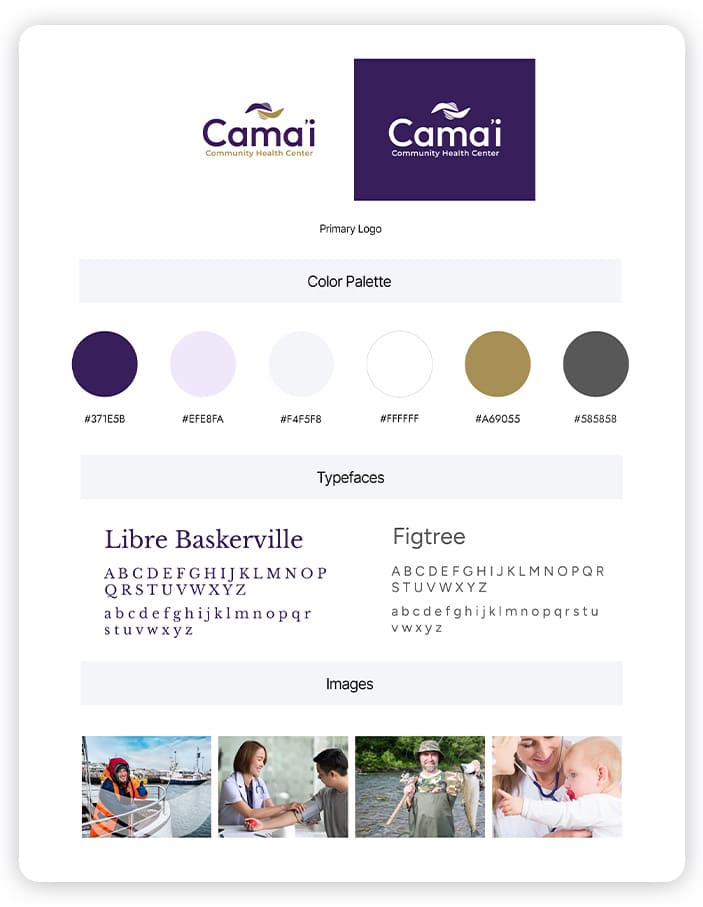
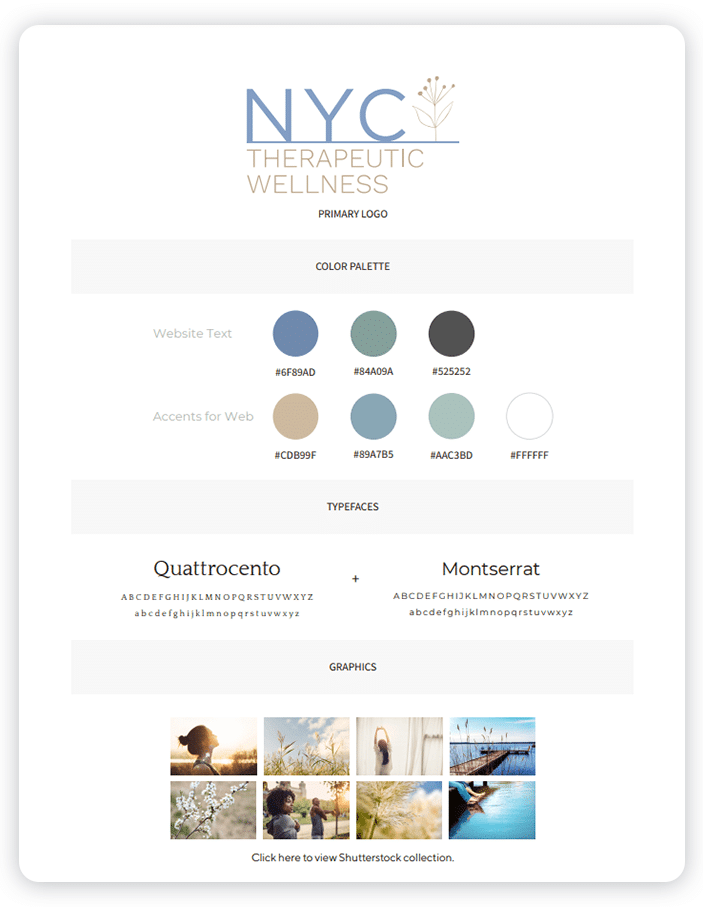
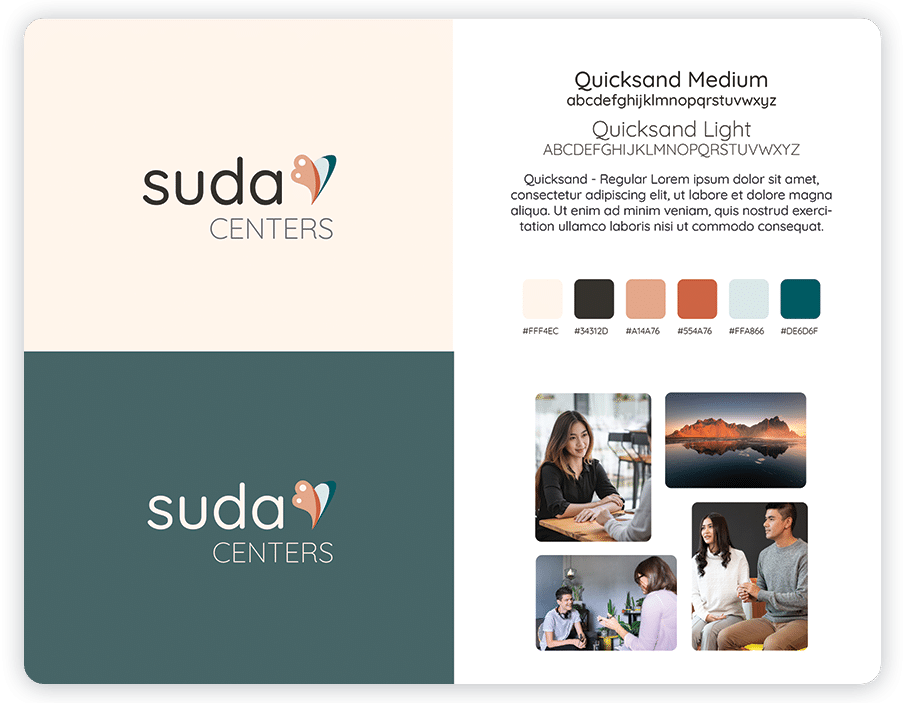
We’ll provide a full brand guide that encompasses the most essential visual elements of your brand. You’ll receive variations of your logo that can be used on different backgrounds, your brand color palette, font faces, and sample images. This is yours to keep, and our team will refer to it for all future marketing projects.
05
Revitalize Your Website
While a new website isn’t required when refreshing your brand, the two services often go hand-in-hand. If you’ve made a drastic change in your brand, our professional graphic design team can write, design, and develop a website that aligns with your new brand.
“The flexibility and patience with the onboarding process were exceptional. Everything has turned out so much better than I even imagined. I’m so thrilled with the growth.”
Christina Zampitella, Psy.D., FTCenter for Grief & Trauma
Content Marketing Best Practices
Educate and Inspire With Mental Health Content Marketing
The benefits of mental health content marketing are exponential. With a clear SEO blogging strategy, you can publish timeless content that drives website visitors and helps you rank for the keywords, phrases, and questions your potential clients are asking. With quality, conversion-driven content, you gain the trust of potential clients and encourage them to reach out. Here’s how we write informational, result-oriented blogs that complement your SEO goals:
Increase Web Traffic
Many Google searches lead to blog posts. We select keywords and topics people are searching for and are too competitive to rank for.
Content Strategies
We’ll compile a comprehensive content strategy so that every blog that goes out contributes to your overall marketing strategy.
Foundational Content
A single blog can be diced up and used in a graphic, white paper, social media post, or downloadable guide. Your blogs serve as a foundation for other marketing content.
Destigmatize Mental Health
How many people don’t reach out to you because they’re afraid of taking the first step? We aim to break down the barriers and stigma holding people back.
Branded Infographics
Every blog we write comes with a branded infographic that highlights the main points of the blog. This shareable content is great for SEO and user engagement.
SEO Details
Meta descriptions, title tags, alt tags, and SEO headings all make a difference in your Google rankings. We make sure the details are covered and follow best SEO practices.
Blog Publishing
We’ll take care of the technical work and publish all blogs on your website. We’ll upload all imagery, infographics, and SEO details too!
What services do you want to highlight? Are there specific keywords you’d like to rank for? Your account manager will meet with you and ask questions to better understand your brand and specific marketing goals.
02
Internal Creative Brainstorm
Our creative team will go over the nitty-gritty of your marketing and create a cohesive strategy that appeals to your audience, stays on brand, and drives numbers.
03
Review Your Content Strategy
Our content team will put together a six-month strategy that goes deep into your overall blogging plan, monthly topics, and SEO keywords we’re targeting. You’ll have the chance to review these topics and provide feedback before any writing begins.
04
Approve Blog Posts
Once we have a strategy, our writers will get to writing. If you want to stay involved in the process, you’ll have the chance to review all blogs before they are published on your website.
05
Content Distribution
After blogs are published, we distribute them across multiple channels to attract more traffic and add to your backlinking strategy. Blogs are distributed via a custom press release. If you have social media services, we’ll also share new blogs with your followers.
Face to face. Zoom. Phone. Email. Whatever you’re comfortable with. Give us a call at (907) 563-6008 or fill out the form below for a free consultation.




Katie KostelykJuneau Youth Services
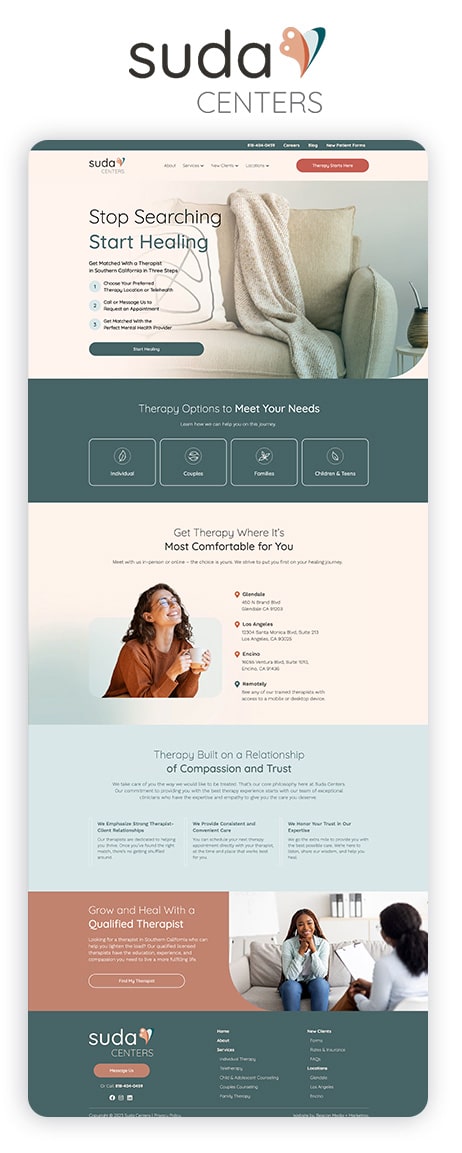
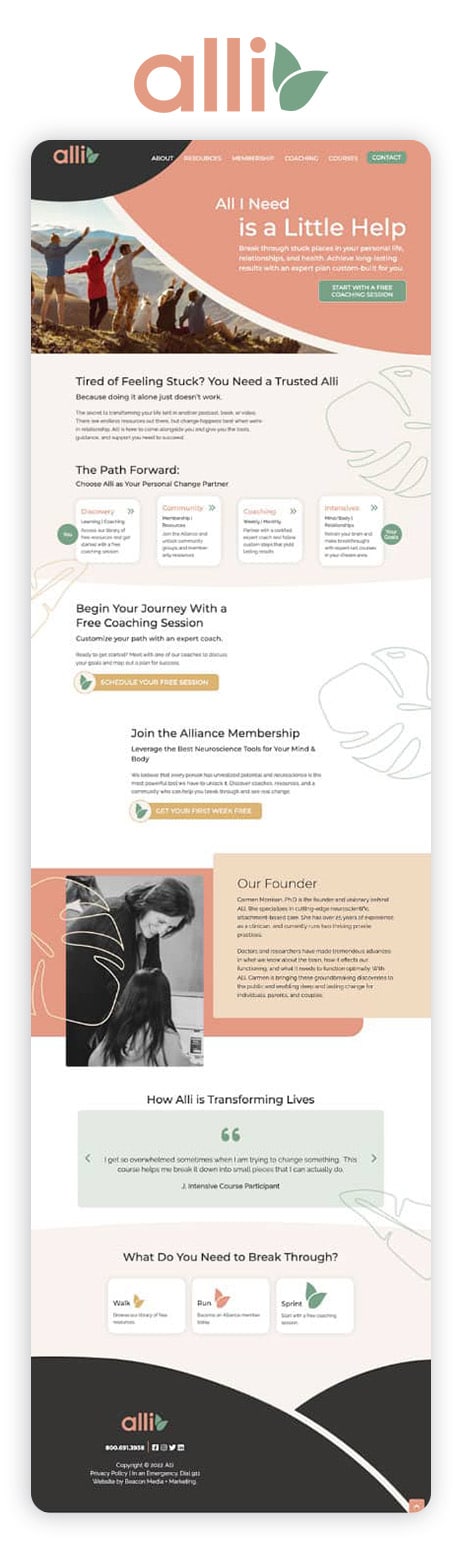
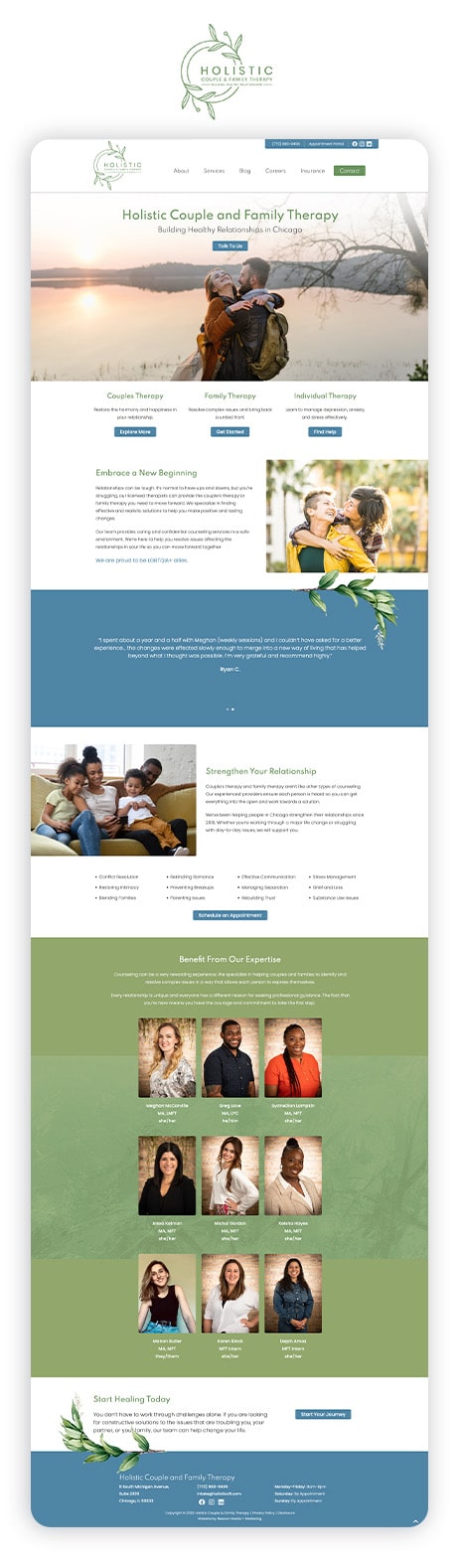
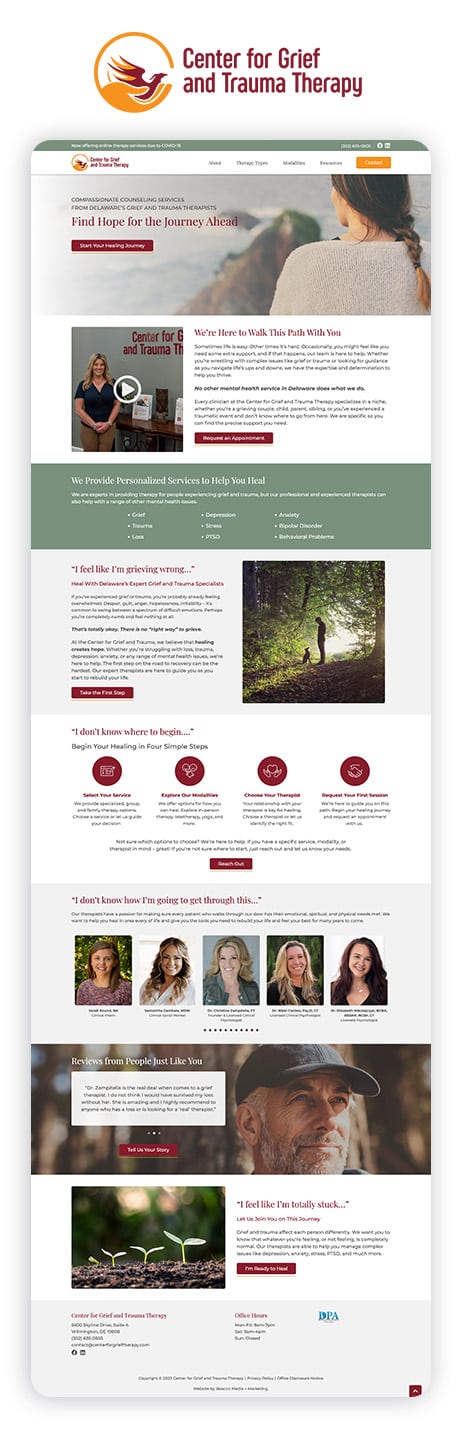











Mental Health Social Media
Social Media Best Practices
Bring Your Brand to Life With Mental Health Social Media
Over half of the population is on social media, and people don’t just interact with people and brands they already know. Almost half of these users actively use and search social media to discover new brands. As a mental health provider, you have a wealth of information to share with social media users, and more people are openly looking for therapy services than ever before. With mental health social media marketing, you can experience immense growth and make a difference in the lives of the people you’re passionate about helping. Here’s how we take your social media to the next level:
Strategic Campaigns
There’s a rhyme and reason behind your social media posts. We’ll brainstorm and run strategic campaigns that engage users and gain new clients.
Editorial Calendar
We use a user-friendly platform that gives you full access to your social media calendar. Easily review posts, leave notes, and see scheduled post dates.
Cohesive Marketing
We pull from all your marketing assets to make your posts stand out. Whether you sign on for blogs, videos, or photos, we’ll share them via social media.
Multi-Platform Posts
Our social media package includes up to five platforms, so you can reach new clients on Facebook, Instagram, LinkedIn, Twitter, Pinterest, or Google My Business.
Brand Awareness
Social media is where you can continue to give life to your brand. We’ll capture yours with branded graphics and custom messaging that feels just like you wrote it.
Client Engagement
We get that social media isn’t just about gaining new clients – your current clientele is important too. We’ll create content that attracts and engages your followers.
Multi-Media Posts
We make sure your mental health social media content stands out in a sea of posts. We use pictures, graphics, videos, and more to capture attention and add variety.
Educational Content
Providing valuable mental health information is vital to gaining trust and destigmatizing mental health services. We’ll share helpful, easily digestible educational content.
Social Media Next Steps
Our Mental Health Social Media Process
01
Talk Shop With Your Account Manager
We want to hear your goals and ideas. After all, no one knows your mental health brand better than you. First things first, you’ll meet your account manager who will work closely with you on your marketing strategy.
02
Social Media Campaign Brainstorm
Our marketing team comes together and brainstorms every new client we onboard. Our team of creative experts will develop a social media campaign that captures your brand, targets your ideal client, and ties into your other marketing services.
03
Social Media Account Creation
If you don’t have an existing social media account, our team will take care of setting it up for you. This includes adding your profile picture, header, business details, and more. We’ll make sure you have access to your account, and it’s 100% yours – meaning you get to keep it even if we part ways.
04
Get Access to Your Editorial Calendar
You can choose how hands-on you’d like to be in the content creation process. We’ll provide you with access to your editorial calendar so you can see, review, and comment on posts before they go live on your social media platform.
05
Live Social Media Reports
Curious about how many people view and engage with your social media content? We’ll highlight essential or noteworthy social media stats in your live marketing report.
06
Post Management
We’ve seen our fair share of Facebook trolls causing a ruckus on social media accounts. Notice a nasty comment? We’ll keep an eye on your posts and report or hide any malicious comments.
Social Media Portfolio