Industries

See Our Blogs

Explore insights on SEO, AI, and digital marketing strategies designed to help your business grow, stay visible, and adapt in a constantly evolving online landscape.

Beacon_Icon_resouse

Marketing your behavioral health business is a complicated and tricky field to navigate. You have to learn how to reach your target audience and make a connection with them. And if you’re using digital marketing, you have seconds to catch the attention of your potential clients.

If you’re not personally meeting these clients, it can be difficult to build a connection with them. And for a behavioral health clinic, gaining your clients’ trust is critical for your work’s effectiveness. The people you treat must build a solid foundation of trust with you to open up about their struggles. 

The marketing you invest in can build that relationship even before your sessions start. With effective marketing tools, you can show that you’re trustworthy and make it easy as possible for someone to take the next step and schedule an appointment. 

Beacon Media + Marketing has a podcast called The Beacon Way that discusses marketing tips for businesses. We talk about how important it is to build connections with your clients and how to do so in an accessible way. 

Here’s a brief guide sharing five concepts of removing barriers in your digital marketing and how to increase conversions for your behavioral health clinic. 

Are you interested in the work Beacon Media + Marketing has done for mental health practices? Learn how we can help you!

 1. The Importance of a Niche

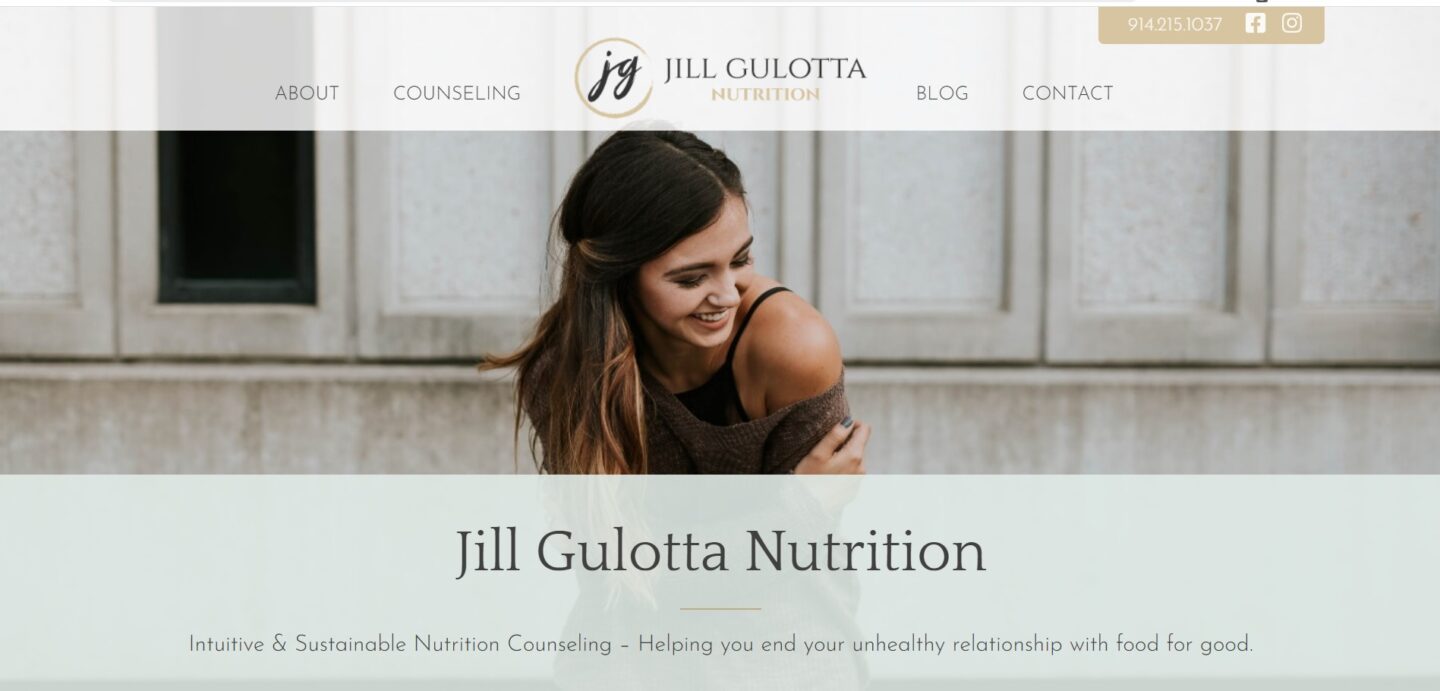
Screenshot of Jill Gulotta Nutrition website with nutrition counseling niche

Many businesses make the mistake of marketing themselves as a place that can fix every problem their client has. However, in reality, that’s an unlikely expectation. Even for behavioral health clinics, many clinicians aren’t certified and trained to deal with every behavioral health issue. 

Establishing your niche is an important healthy barrier to set with your potential clients. This means that you should be identifying the best clients for your services to allow you to provide the best quality care. Saying that you can work with any client– even ones that aren’t a great fit for your services– will likely lead to a poor outcome. 

Onboarding and offboarding clients can be timely and costly, so ensuring that you’re marketing your services to people who will benefit from your treatments is crucial. When you can be honest about how your services can or can’t help someone, it builds a deep level of trust that will entice them to seek your services. People can sense when you’re marketing in a way that is more about gaining as many clients as possible rather than providing a great service to those in need.

Some people seek specific services such as addiction recovery and will look for behavioral health clinics with that niche. So when you market your practice as an addiction center, people will think of you first for their needs. 

2. Not Using Unfamiliar Lingo

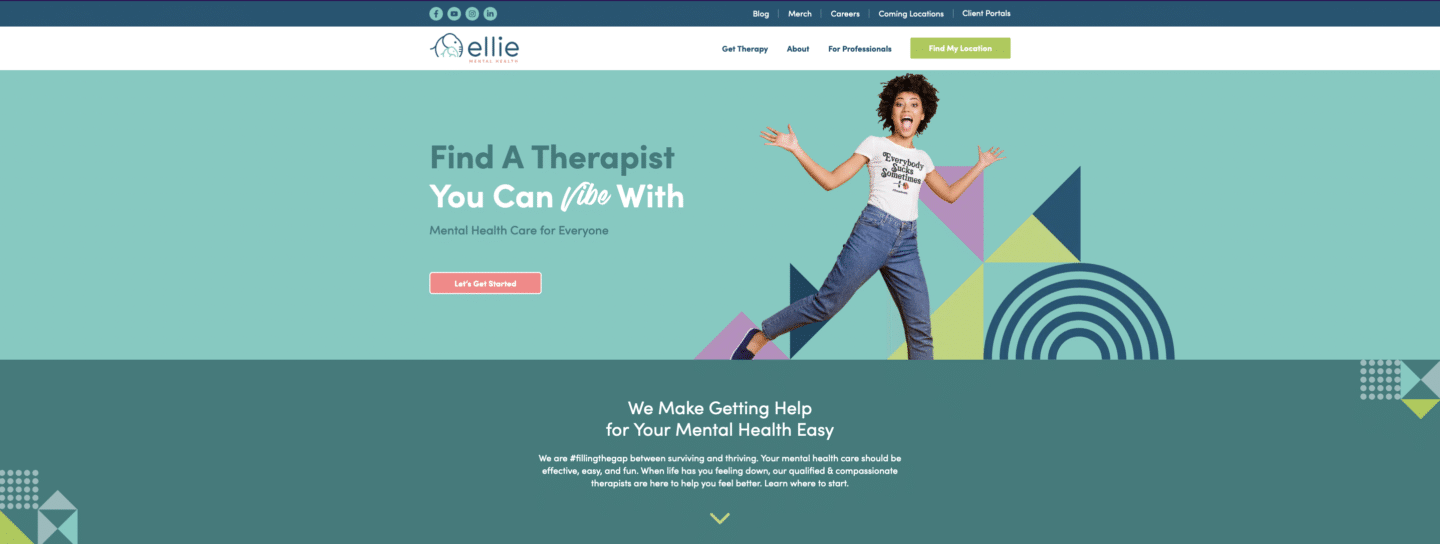
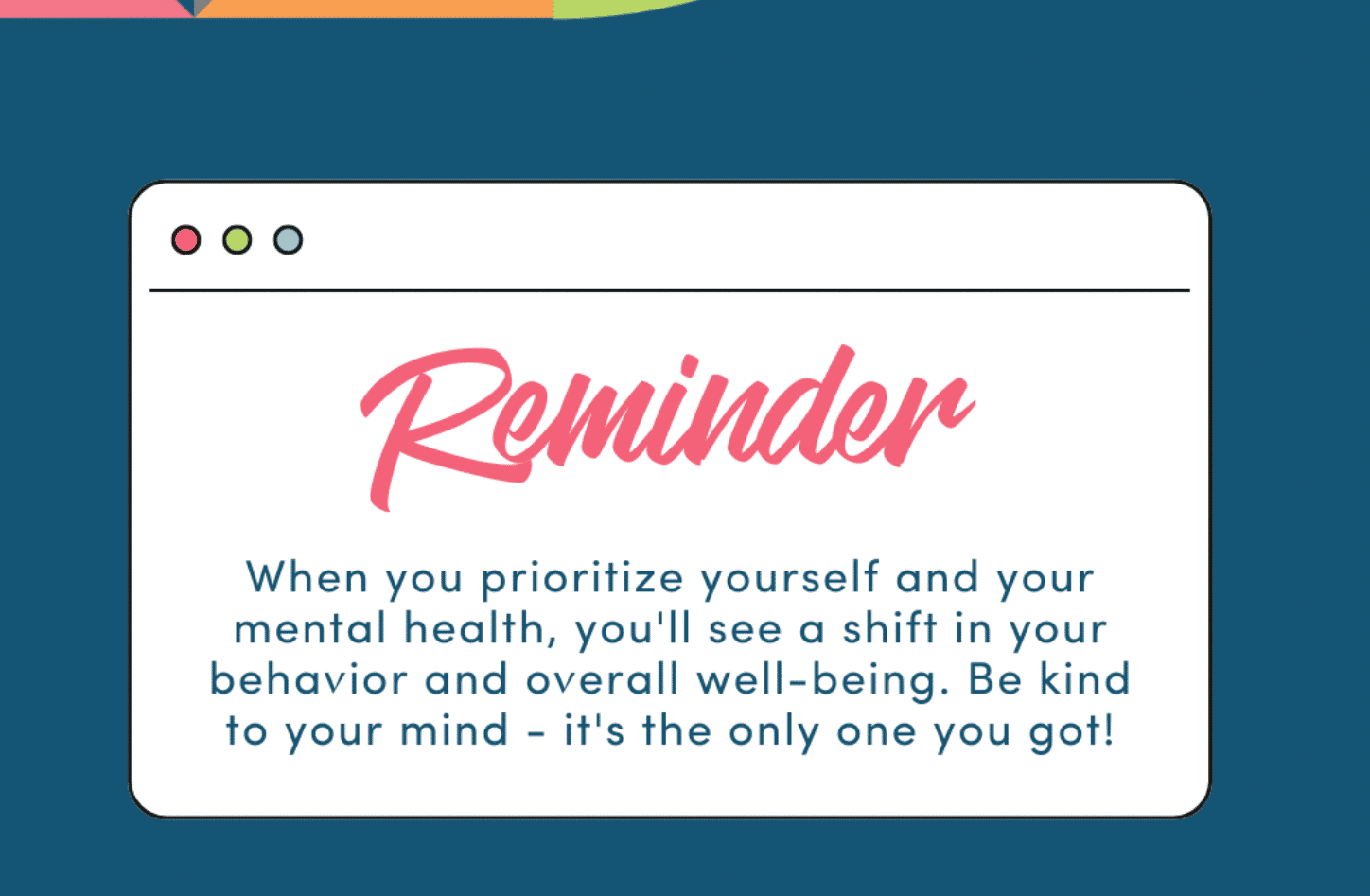
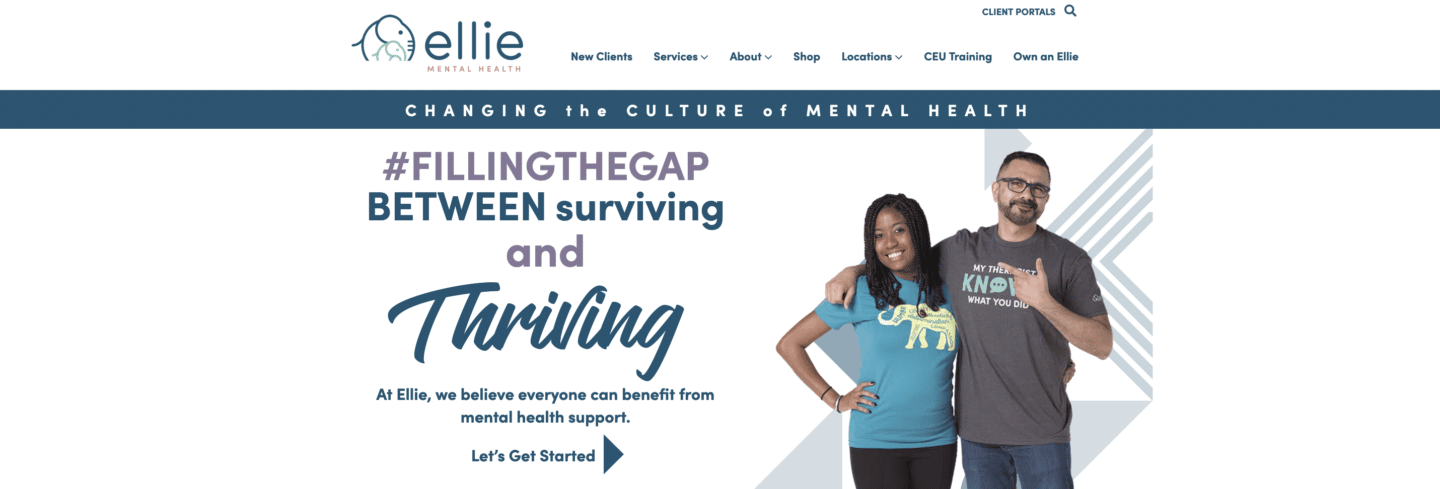
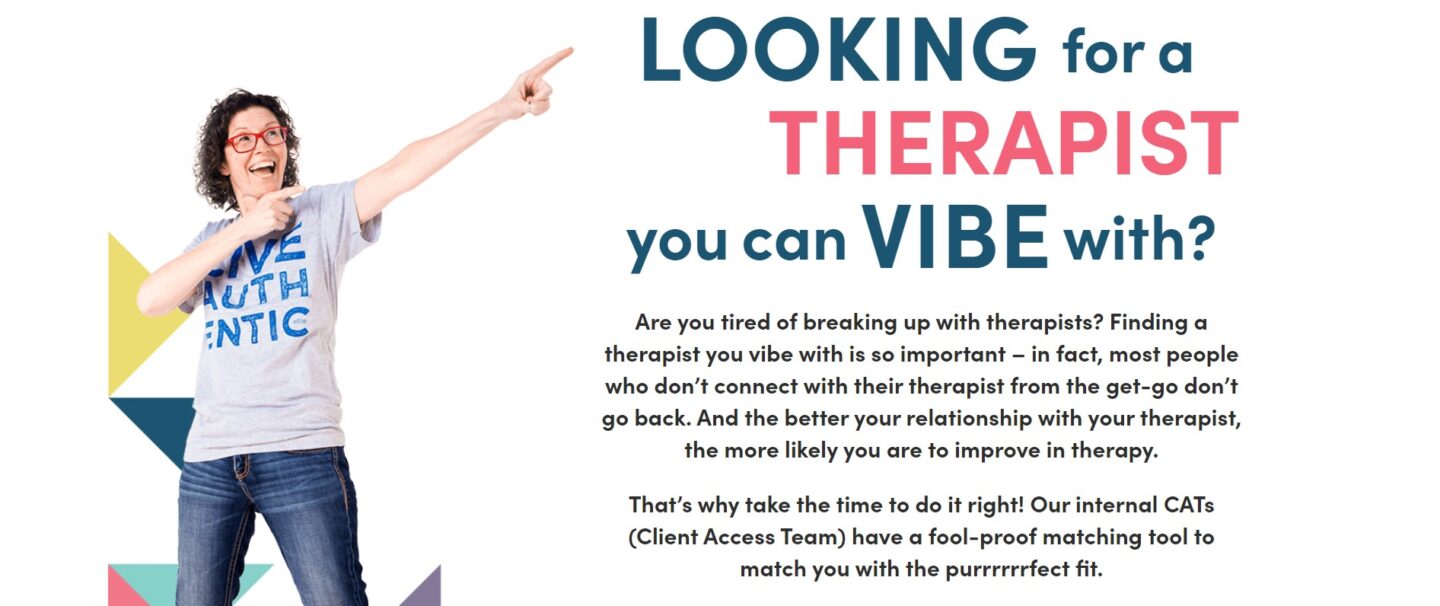
Screenshot of Ellie Mental Health website messaging

The words you use on your behavioral health website and for your marketing are crucial for building a relationship with your potential client. It would be best if you considered not using lingo that isn’t accessible to people unfamiliar with the behavioral health industry. 

Breaking down complex topics to make them accessible to people is crucial. Don’t assume they can comprehend topics on your level. Similar to your sessions, you should use relatable language that your clients can process. 

Paying attention to the language and thinking about things from the POV of your ideal client will help break down any barriers. If you have complex topics on your website pages, paid ads, or organic content, that can make potential clients feel intimidated and unwilling to learn more from you. 

The podcast explores the idea of letting the customer choose your services. Like your sessions, you want them to work through the problem themselves and then come to the answer. They won’t seek your services if you tell someone what they’re feeling and do not give them the freedom to see if that’s the truth. 

Your clients want to know that they’ve done the research and are comfortable making the right choice. Using words that make sense to them and letting them choose your services is the way to build a relationship with them and turn them into clients. 

3. The Payoff of Comprehensible Visuals

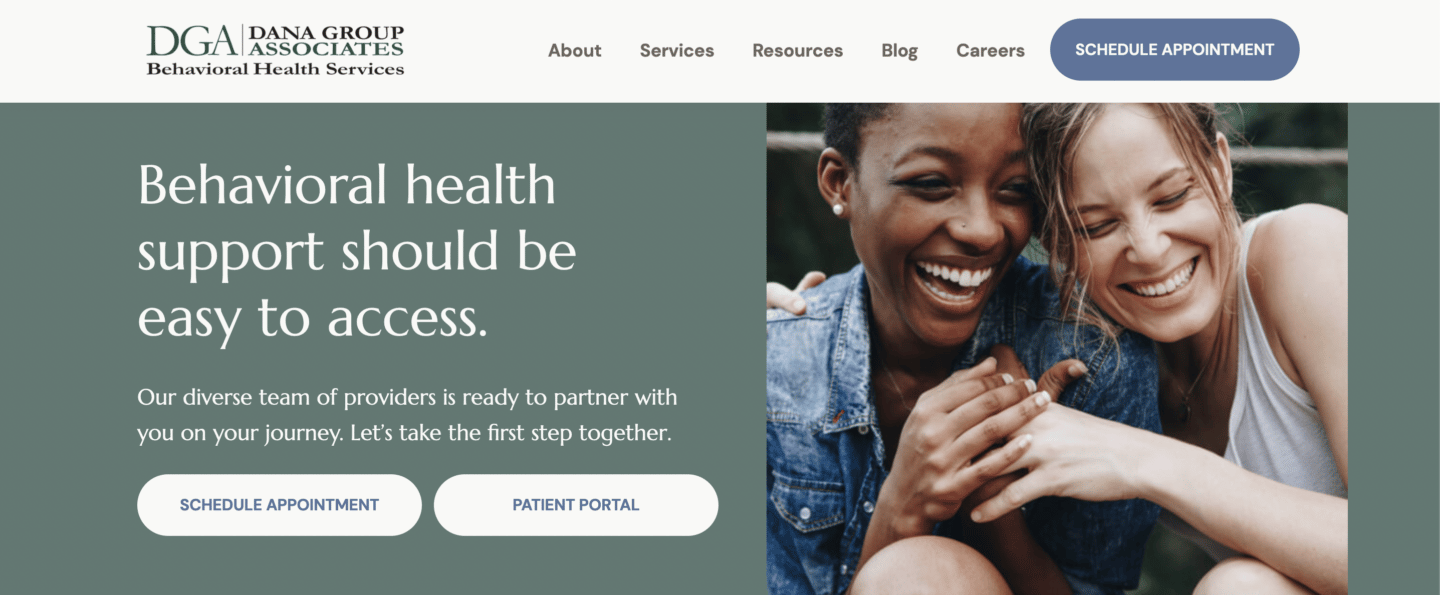
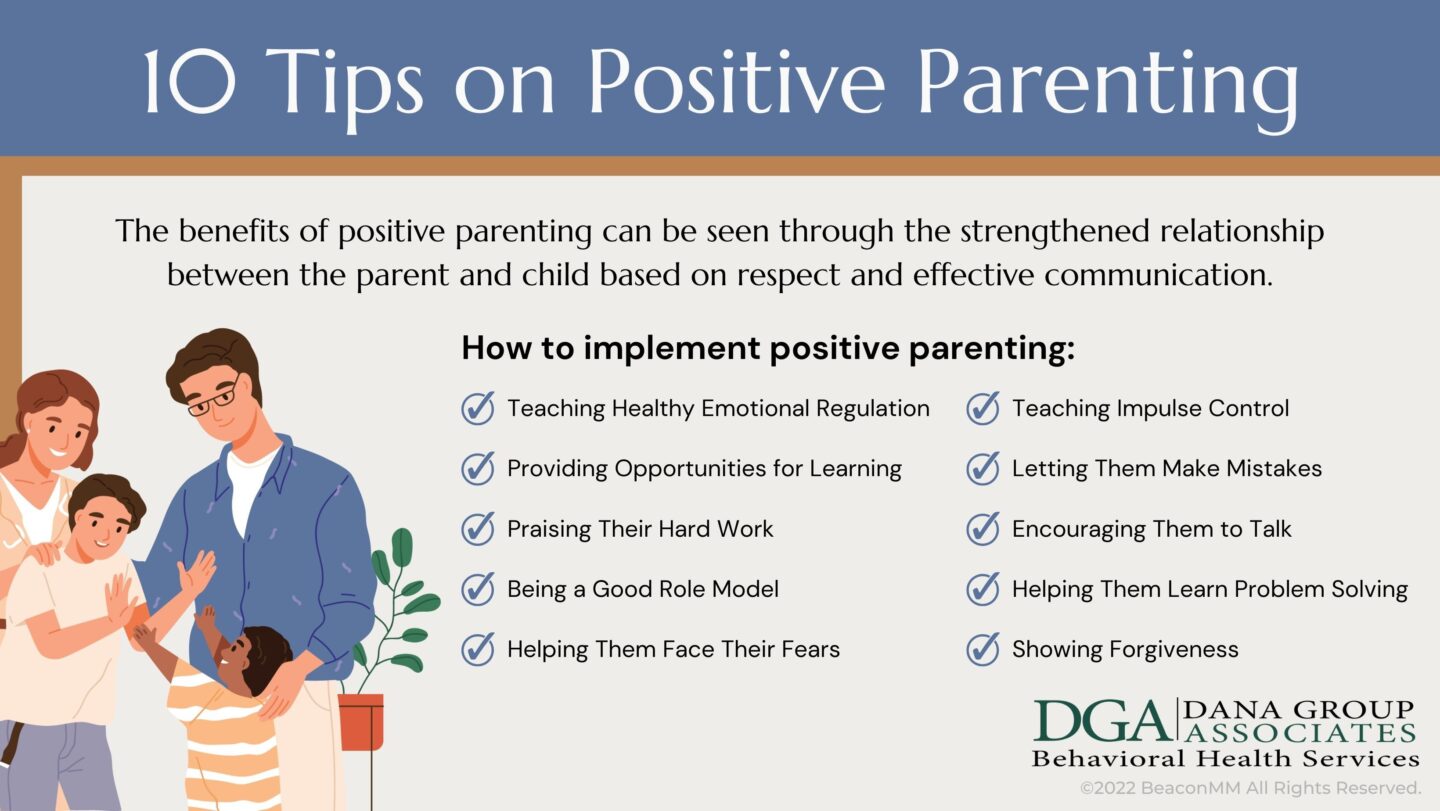
Dana Group Behavioral Health Comprehensive Visual Infographic

Using visuals that are easy to comprehend is a great way to connect with your clients. Using online tools such as videos, infographics, or social media graphics can be a great way to catch the attention of your clients and provide valuable information. 

People are drawn to visuals that are interesting and catch their attention. Many people will stay on a video for a few seconds to see if it’s something they’re interested in before scrolling past it or investing more time in it. 

Videos and graphics can be a great way to catch someone’s attention and provide them with the information they’re interested in. It can also help build trust with your potential clients. When they see statistics used in infographics backed by sources, it builds a level of trust. 

You can provide behavioral health education through these visuals that get people interested in the topic and possibly seeking services. However, you can also use it to be personable and show that you’re a person that can be trusted. They’ll learn more about you and feel more inclined to speak with you about their behavioral health struggles. 

Are you interested in updating your behavioral health website to an eye-catching platform? Learn how Beacon Media + Marketing can revamp your website!

 4. Provide Your Contact Information

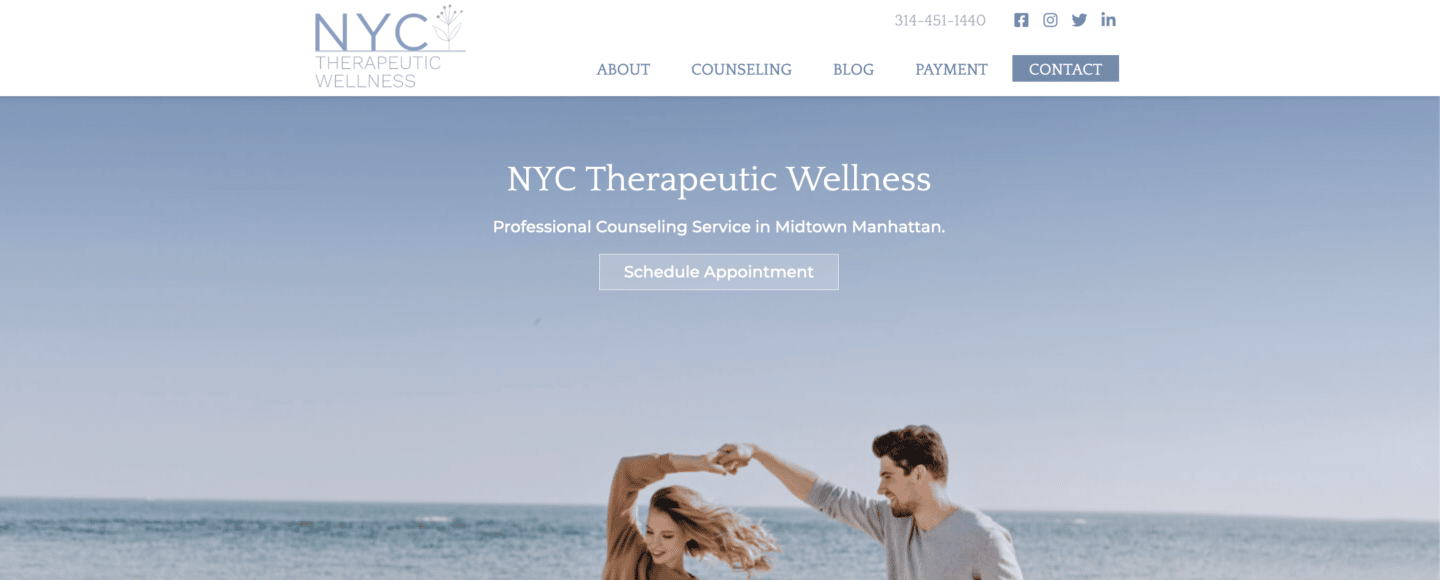
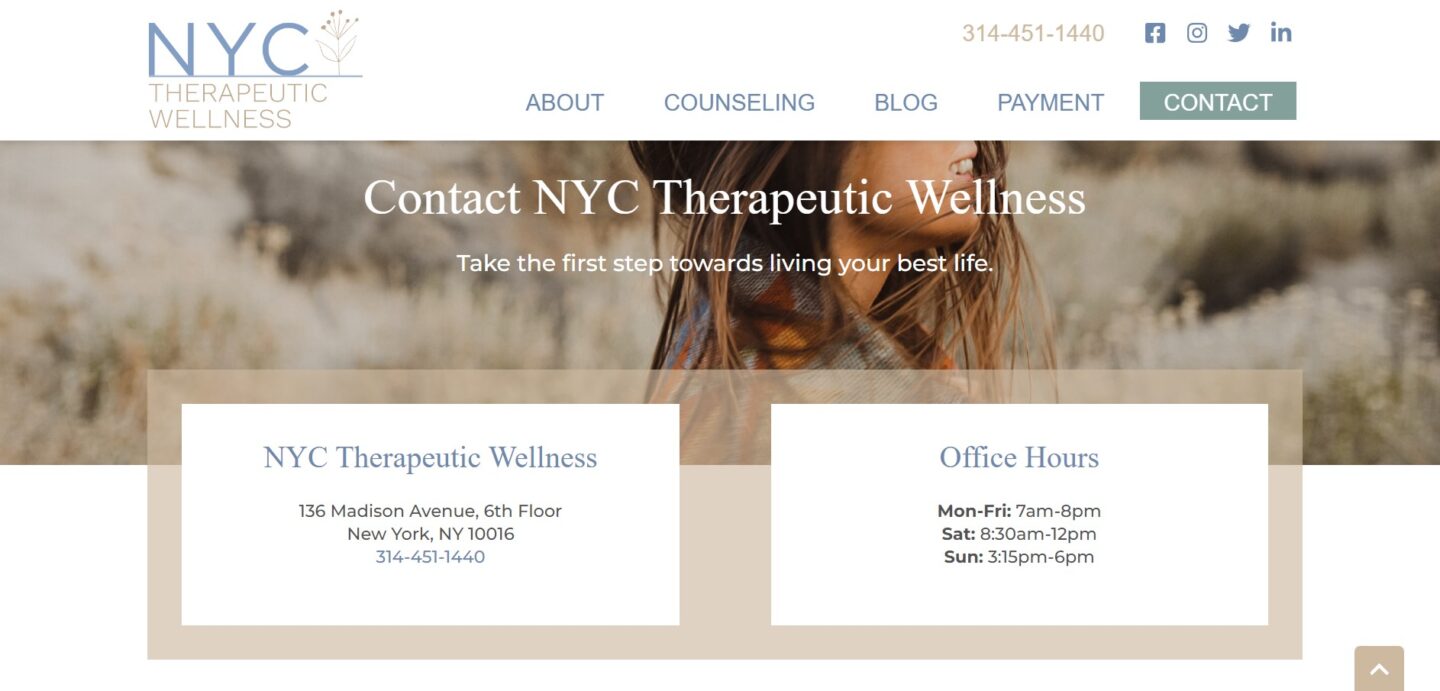
NYC Therapeutic Wellness website contact page screenshot

Many people may think that it’s obvious to provide a way of contacting your behavioral health clinic. However, some businesses overlook this small detail, which can be detrimental to your business. 

Providing all forms of contact on all platforms allows people to get in touch with you quickly. Your contact information should be easy to find with no complicated forms. You can provide your email, phone number, address, and website contact forms. They should be available to access on your social media, website, and Google My Business. 

A tool can also include a chatbot on your website to help direct people to book an appointment with you. You should also add plenty of website CTAs that entice someone to contact you. 

5. Transparency Is Key 

Screenshot of Ellie Mental Health's website showing transparent process

Being transparent is one of the most important factors for breaking through the digital barrier and connecting with your clients. Make your process and services clear from the get-go. 

Be transparent about whatever services you offer, who are your providers, what modalities you provide, if you take insurance, etc. These are important questions that your clients will be asking, so if you can honestly answer them, you’ll begin to build a great relationship with them. 

Don’t make clients have to dig deep into research or a call to find the answers. Having the information upfront and easy to find allows clients to make a decision more quickly and confidently. 

Part of your behavioral health clinic is ensuring that people are comfortable enough to open up to you. Being transparent from the start will avoid any confusion in the long run and ensure that your clients don’t get upset for lying to them. 

How Can Beacon Media + Marketing Help Your Behavioral Health Clinic?

Outsourcing your marketing can be a great investment for your behavioral health clinic. It allows you to take the time and focus on treating your patients rather than growing your client base. Our professional team can help with many marketing services, including website design and development, social media marketing, paid ads, content marketing, and more. 

Beacon Media + Marketing can help you achieve your marketing goals to convert clients through our many services. We want to help your behavioral health clinic thrive and for you to focus on what you’re passionate about. Let us help you break through barriers and connect with clients in need. 

Are you ready to expand your behavioral health clinic and connect with clients in your community? Schedule a free consultation with Beacon Media + Marketing! 

Knowing the effectiveness of your marketing can sometimes be hard to tell. Although numbers that come back from reporting can be an indicator of the effectiveness of your strategy, that isn’t always a clear indication of the whole picture. 

Many people use marketing tools such as Google or Facebook advertising and use the numbers that come from that as a benchmark for their marketing success. However, other valuable tools should be used for an effective marketing strategy. Companies within the healthcare industry that pair their paid marketing tools with organic content can often see the value of full marketing investment. 

But how can you see if your marketing is working? Besides the number of client conversions, you may not see the long-term effects that marketing can have on sustainable growth. Here’s a guide on how to measure your healthcare marketing ROI and what to do if it’s not meeting your goals. 

Are you interested in marketing services that can grow your clientele base? See how Beacon Media + Marketing has helped businesses in the healthcare industry!

 How to Measure Your Mental & Behavioral Health Marketing ROI

Marketing ROI (MROI) is a way of measuring the return on investment for your healthcare marketing. It’s a way to see if your spending is paying off. In the care of healthcare, it typically correlates between how much money you’re spending and how many client conversions you’re getting. 

Measuring your MROI is a great way to do a few things: 

  • Justify how much you’re spending on marketing.
  • Decide what to spend your money on.
  • Compare your marketing efficiency to competitors.
  • Hold yourself accountable for choosing the right marketing strategy. 

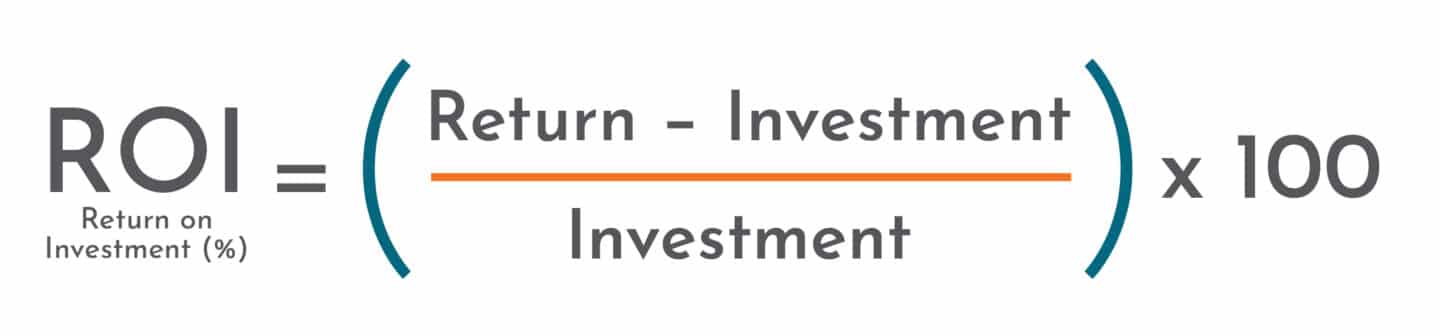
To measure you’re marketing ROI, there is a straightforward formula that you can use. It looks like this: 

ROI - Return on Investment Equation Infographic

Using this formula, you can see if your marketing investment is paying off. You want to have as high a positive number as possible. Although it is a straightforward formula, some challenges come along with measuring it correctly. 

One of the challenges of calculating your MROI is that you often can see the short-term payoff. However, long-term investments can often be challenging to measure. This is where most businesses have to use the trial-and-error strategy to see which long-term marketing investments are worth it for their company. If a strategy works for one business, that doesn’t mean it will work for another. 

Understand the Long-Term Investment of Marketing

Marketing takes time, so you might not see a huge ROI immediately. You can sometimes see the number of client conversions increasing but may not notice if an investment is worth it for a while. 

Healthcare practices often deal with the long-term investment of their marketing. Many potential clients will take their time deciding if they’d like to seek your services. They may be considering other clinics and unsure which services they’d like to receive. 

It can sometimes take months to decide that they want to see you for their healthcare. In other words, you may not see the ROI on your marketing for some time. Clients may not switch their healthcare right away, or if you provide a specific service, they may not seek your practice until they’re in a situation with that medical condition. 

Marketing Strategies With Long-Term Benefits 

Some marketing strategies have long-term benefits that may not be seen immediately. Some content that will stay for a long time and can be reworked as the healthcare industry learns more include blogs or videos. 

Healthcare Videos 

Videos are one of the most consumed media online, and many people watch healthcare videos to learn more out of curiosity or because they have that medical condition. The videos can include a wide range of topics or styles that can be a creative way to spread more awareness about healthcare. You can use the videos for various marketing tools, including social media content, YouTube videos, advertising, and more. 

Healthcare Content Marketing 

Blogs can be a great way to invest in long-term marketing. Blogging allows you to answer people’s questions regarding the healthcare services you provide. It can help people learn more and help your website rank higher on search engines, and spread brand awareness. You’ll also have a library of information on your website that allows people to search through it when they need more information about the healthcare condition and treatment. 

Are you interested in seeing the payoff of a long-term marketing investment? Learn how Beacon Media + Marketing can help your healthcare practice! 

Identifying Your Marketing Goals

One of the most important things you must do for a better ROI is identify your marketing goals. For example, one company might have a goal to generate marketing content that brings in more patients or build brand awareness. They may start providing content to draw in revenue through podcasts, vlogs, or speaking engagements. Or they may want to grow their business by hiring more providers and opening new locations. 

Identifying your marketing goals can help you see what you need to do to get there. If your goal is to convert more clients, you may want to invest in Google advertising. Knowing what you want to do with your marketing can help you and your digital marketing agency find a marketing strategy to accomplish your goals. 

Knowing the direction that you’d like to take your marketing will help you measure your marketing ROI. You can match your goals with the numbers you’re getting from the marketing formula and see if it reflects the direction you want to be going. 

What to do If Your Marketing ROI Isn’t Where You Want it

Although you often need to take time to see an investment pay off, there are times when you can see that your marketing ROI is not what you want it to be. If that’s the case, then it’s time to adjust your marketing strategy. 

1. Spend More to Make More 

You often need to spend more money to make more, and if you’re unwilling to spend more on your marketing, you may hurt your ROI. For example, you might see a much higher ROI with a higher ad spend that gets you seen by more potential clients than if you stick with a low amount that gets low visibility. Your marketing company should be able to provide you with data to show you the ideal amount of marketing spending to help increase your chance of reaching your goals. 

2. Identify Weak Spots 

Another thing to do is consider your overall marketing strategy and identify your weak spots. For example, you’re unlikely to convert even if you have amazing ads if they lead to a clunky website or unengaging landing page. You want to ensure that you don’t have an outdated brand that doesn’t represent your business, or it will turn potential clients away. 

3. Consider Missed Opportunities 

You should also look for missed opportunities, such as writing blogs or trying Google ads. Your marketing can benefit greatly from marketing methods such as video content or photos. 

4. Evaluate Your Marketing Agency 

Something you should also consider is evaluating your marketing agency. Do you have major pain points with your current marketing agency? Do you struggle to get a response from your marketing team, have confusing invoices, or do not get information on how your marketing campaigns perform? These red flags can show that it’s time to find another healthcare marketing agency that cares about your business’s livelihood as much as you do. 

How Can Beacon Media + Marketing Help You?

Outsourcing your marketing can be a great way to benefit without needing to put time and effort into it yourself. Healthcare marketing can be tricky to navigate for anyone, but our team at Beacon Media + Marketing is dedicated to staying informed on the latest marketing trends so your business can thrive. Our experts can help you with your marketing and ensure that you have high-quality marketing that leads to client conversions. 

Beacon Media + Marketing can help your healthcare practice grow and meet your marketing goals. Our team can help you with multiple services such as blogging, social media, paid ads, website design and development, videos, and more. You can focus on serving the community while we find a way to connect you with your new clients. 

Are you ready to see how Beacon Media + Marketing can help your healthcare practice? Schedule your free consultation!  

If you can use advertising to get people to your behavioral health website, does organic website traffic still matter? Yes! While getting people to your website organically can take more time and effort to do, you’ll reap many long-term benefits. 

Organic website traffic comes from unpaid methods like having an SEO-friendly website, ranking for a blog, clicking on an infographic, watching a posted video, or writing a social media post. This means that people find your website by the content you produce and use that as a way to visit your website. 

Getting people to click on your website page can be difficult. You have to think about a way to show up higher in search results and make your service appear the most appealing when someone searches for behavioral health services online. 

For behavioral health practices, organic content such as can be one of the best ways to reach new people and build you behavioral health marketing strategy. The following is a guide on how to increase organic website traffic for your behavioral health practice and how a marketing agency can help you increase your organic numbers. 

The Benefits of Investing in Building Your Organic Web Traffic 

While a paid ads strategy can be thought of as a short-term, fast method in gaining new leads, organic traffic often takes more time. The foundation of your organic web presence is your website, and an SEO strategy is one of the main ways you can increase traffic. 

If your website or one of your webpages appears at the top of the search engine results page, there is a much greater likelihood it will get clicked on. Very few people take the time to look at anything that doesn’t appear on the first page of the SERP for a Google search. 

Also, if you nail the right keywords in your content, you reach a very specific, targeted audience without paying an ad spend or worrying about behavioral health ad regulations. In fact, while many people do click on Google Ads when searching for a service, some people will skip ad results and go straight to the organic search results. 

If you’re trying to gain new clients, a strong organic website strategy gives your great visibility and is likely to convert visitors into clients. And if you’re worried that organic traffic results will take too long to be effective, you can combine organic web tactics with paid strategies to have the best chance at reaching people. 

Are you interested in what work Beacon Media + Marketing can do for your behavioral health practice? Learn more about what work we’ve done.


1. Understand On-Page SEO

Understanding on-page SEO can be one of the best ways to boost your website to the top of search results. On-page SEO is optimizing individual web pages to rank higher and increase organic traffic. This includes steps like: 

  • Ensuring that you do keyword research to identify the search volume and ranking difficulty for words or phrases you want to rank for
  • Creating engaging content that is relevant to your target audience is searching for 
  • Including click-worthy title tags and meta descriptions 
  • Paying extra attention to headers as they can help you rank for keywords, 
  • Boosting local SEO with location-specific keywords and location pages for multi-clinic practices. 

2. Invest Time in Blogging

Blogging can be one of the best ways to gain organic traffic to your website. You can use blogs to answer people’s questions regarding behavioral health. If you create blogs that answer people’s questions well, they’ll be ranked higher on the search results, and people will be more likely to click on them. 

Investing in long-form, SEO-friendly content can draw in website visitors and direct them to different pages if they’re interested in learning more. You can connect internal links or have CTAs that entice people to learn more about behavioral health and your clinic. You should update content as it becomes outdated or statistics change. 

3. Create an Internal Linking Strategy

An internal linking strategy will help keep people on your website once you get them there. This includes what links you add to your blogs. This kind of strategy means adding links in your blogs that either lead readers to another blog, a service page, or other relevant page on your website. These are different that outbound links, which are hyperlinks to someone else’s website. 

You can also implement an internal linking strategy for your website pages. This includes buttons that will allow them to schedule an appointment with you or link them to your service pages so they can see if you’re the right practice for them. 

4. Have a Backlink Strategy

Similarly, having a backlinking strategy will help get people to your site from other people’s websites. When other websites use your content and link back to your pages, it allows Google to see you as a reliable source and will bump the ranking of your website to the top. 

Since you can’t control if people use your website links, you can create a strategy for backlinking to your website. This can include writing press releases that announce your blog or having social media posts that link to your website. Having multiple outlets for backlinking will grow the popularity of your website and allow more people to reach your page organically. 

5. Ensure Good Website Performance

One of the most important factors of having good organic traffic with a low bounce rate is creating a website that is updated and has enticing content. Your website should be responsive with short load times, as many people will leave the page if it takes too long to load. It should also have an updated design that is appealing to the eye. 

Having good technical SEO will help push your website to the top of the search results. A great website is essential for gaining organic traffic and later leading to client conversions. 

Do you need help creating a website that is beautiful and will convert clients? See how our website design and development service can help you! 

6. Use Social Media

Social media can be an excellent tool for gaining organic traffic. Platforms such as Facebook and Instagram have built-in audiences that will be able to find your content. If you’re providing quality content such as educational videos, it will help spread your posts and gain new followers. 

You should include links to your website, specific pages, or blogs on your social media posts and bios. This will help with backlinking but also allow people to access your website. You can also participate in groups or forums that raise brand awareness and allow more people searching for behavioral health treatment to find you. 

7. Add to Print Materials

A traditional way to gain brand awareness and have people find your services is to add your website to print materials. This can include business cards that you hand out to people. 

You can also create educational pamphlets or cards that include behavioral health information. This will help people learn more, and also, you can direct them to your website to get more information about your services and how you can help them. 

8. Keep Online Listings Updated

One of the best ways to gain organic traffic is to have your behavioral health clinic listed with Google My Business. GMB works to help people find services in their area, so when someone searches “behavioral health clinic near me,” your practice will appear as an option for them. 

You should ensure that your information is up to date. This includes the address, hours, website link, and contact information. It’s important to note that if you don’t have a physical location for your behavioral health practice, you won’t be able to use GMB. 

9. Create Unique Infographics

Infographics are a great way to draw people to your website. They information that people may not know and will entice them to learn more about it. They can include statistics or steps for specific behavioral health treatment. 

They should be beautifully designed using your brand colors and have engaging written content. You can add them to your blogs, and it’ll act as another way for people to get brief information regarding the behavioral health topic with something that draws their eye. They can also be used as social posts that draw people into reading the blogs to read more. 

Infographics can also build organic traffic to your site by showing up in the images section of Google. People often recycle infographics instead of making their own. If someone finds your infographic relevant to what they’re writing about, they might use your infographic and link it back to your blog as a source – giving you a backlink which will boost SEO. 

How Can Outsourcing Your Marketing Help Your Behavioral Health Practice?

Outsourcing your marketing can be a great way to have the benefits of effective marketing without needing to put in the time and effort in it yourself. Behavioral health marketing requires many moving pieces that can take away from the time you’d use to help your clients. Having experts help you with your marketing will ensure that you have high-quality marketing that leads to client conversions. 

Beacon Media + Marketing can help your behavioral health practice thrive. We want you to focus on what you’re passionate about while we take care of your marketing. Our expert team can help you with multiple services such as blogging, social media, paid ads, website design and development, videos, and more. We’ll help you reach your goals while you provide exceptional services to people in your community. 

Are you ready to see how Beacon Media + Marketing can help your behavioral health practice? Schedule your free consultation! 

Originally published by Beacon Media + Marketing. Updated and revised by Jennifer Gracey, Web Content Strategist & Writer on 07/17/23.

As a mental health practice owner, gaining more clients and expanding your practice is a given. Actively and intentionally marketing your clinic is one of the best ways to reach (and connect with) your desired target audience. However, it’s important to know — being specific in your marketing strategy is the secret sauce to finding clients in your area. 

Craft a Solid Marketing Strategy

Crafting your marketing strategy to include local SEO will help you gain brand awareness and connect to those looking for mental health care in the vicinity. This of course, is in addition to what you’re likely already doing with referrals and therapist directory listings. Especially as more and more people field their search for services online. 

To acquire clients effectively, incorporating SEO-optimized content by integrating keywords into your organic and paid materials is a solid strategy. However, creating a cohesive forward looking plan can prove challenging due to the multitude of marketing tools and methods that demand time and financial investment.

So, how does one implement a unified marketing strategy across multiple locations to attract clients to all your clinics? Our comprehensive guide on strategizing local SEO for a multi-location mental health practice will help you answer this question and more.

Are you interested in how Beacon Media + Marketing can help your mental health practice? Learn how we’ve helped other mental health providers and clinics transform their businesses!

Why Include Local SEO In Your Marketing Strategy?

Knowing the significance of keyword optimization and incorporating SEO keywords that effectively communicate your services is just the beginning of attracting new clients online. In fact, one crucial factor you must not overlook is local SEO, a key component of your marketing strategy. By implementing local SEO, you can precisely target individuals searching for “mental health care in my area” and similar terms.

Local SEO revolves around your search intent and optimizing your website to achieve higher rankings on search engine results pages for individuals in your local vicinity in need of your services. Unlike national-level companies or online organizations that focus on broader search terms, a local SEO strategy hones in on location-specific keywords, allowing you to expand your business and attract highly qualified leads. Get ready to elevate your online presence and pave the way for success through engaging and active local SEO practices!

When you search using Google, the search engine collects relevant results by utilizing information about you, including your location. This means Google tailors the results for “near me” and searches related specifically to you (or the individual doing a search for a specific topic.)

To capture a significant search volume in your area, it is crucial for Google to understand the location of your mental health practice. You can ensure Google has this information by using keywords that indicate the services or search terms along with your location. Throughout your website, you can naturally incorporate this particular keyword or its variations, such as labeling headings as “Mental Health Clinic in San Diego.”

By incorporating local SEO into your marketing strategy, you ensure that people in the vicinity of your clinic can easily find it. This approach not only boosts brand awareness but also facilitates the conversion of a larger number of clients.

The Key Elements of a Multi-Location SEO Strategy for Mental Health Practices

Let’s look into how local SEO applies to a mental health practice with multiple locations. If your business operates practices in Los Angeles, Seattle, and Portland, how can you ensure that you rank for important keywords like “therapist near me” in all three locations? Below, we’ll explore key elements of local SEO for multi-location practices.

1. Location Website Pages

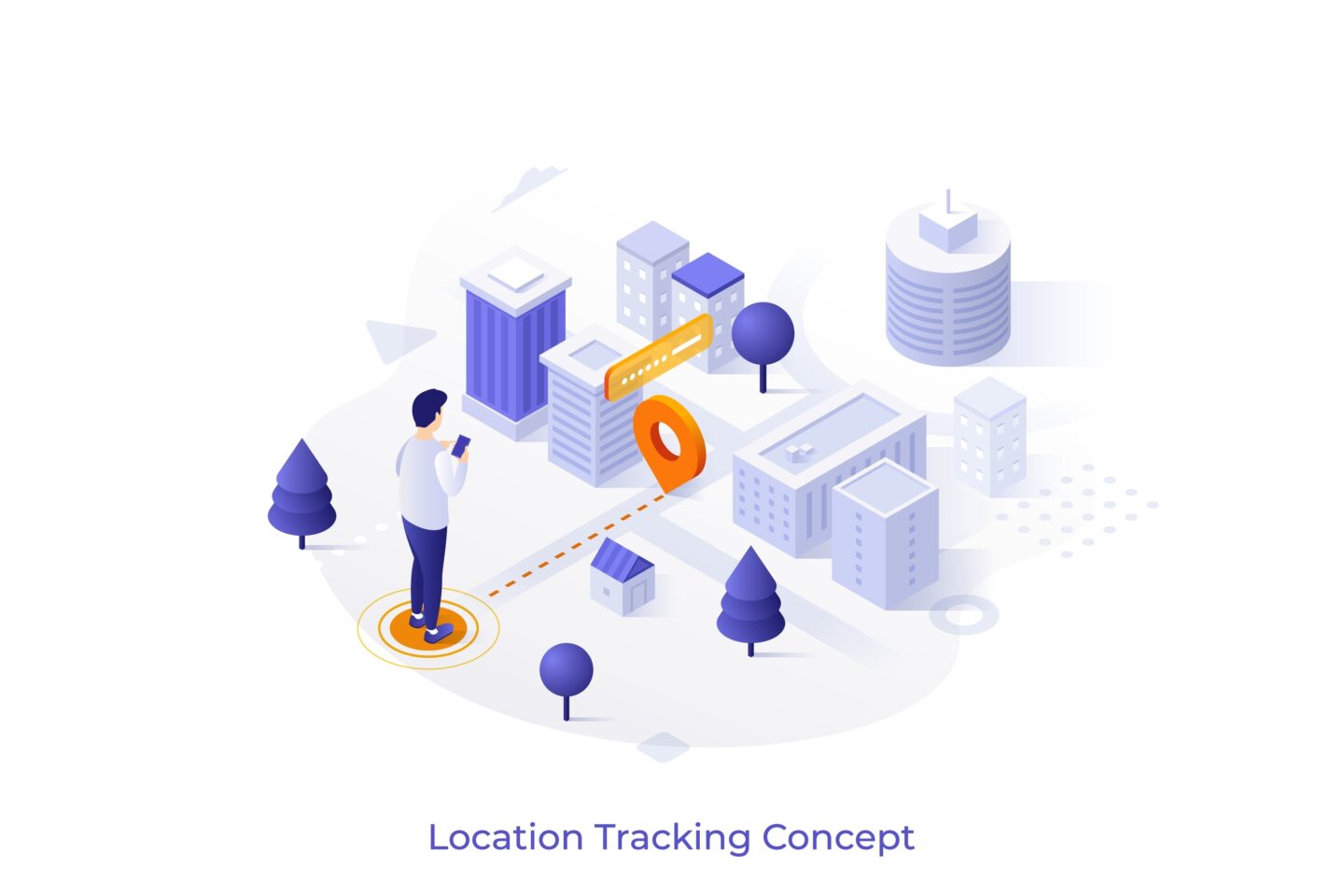
Location tracking illustration

Ensure each location has its own dedicated location page. This entails including a “locations” section in the main navigation and creating individual pages for each location you serve. You can also craft distinct pages for each location, providing tailored information about those clinics. By doing so, you actively enhance user experience and facilitate seamless navigation for your visitors.

2. Unique Content

Content illustration

Set up each location with unique content. Avoid creating location pages that are nearly identical but with a different location as the keyword. Google can detect this duplicate content, and your SEO ranking will be negatively impacted.

3. Correct Business Listings

Business Listing illustration

Make sure to accurately and comprehensively fill out all your online business listings, such as your Google Business Profile (formerly Google My Business), Yelp, Yahoo!, Bing, Facebook, etc. To rank on the coveted first page of Google, it’s vital that you actively maintain and regularly update your Google My Business profile.

4. No Virtual Locations

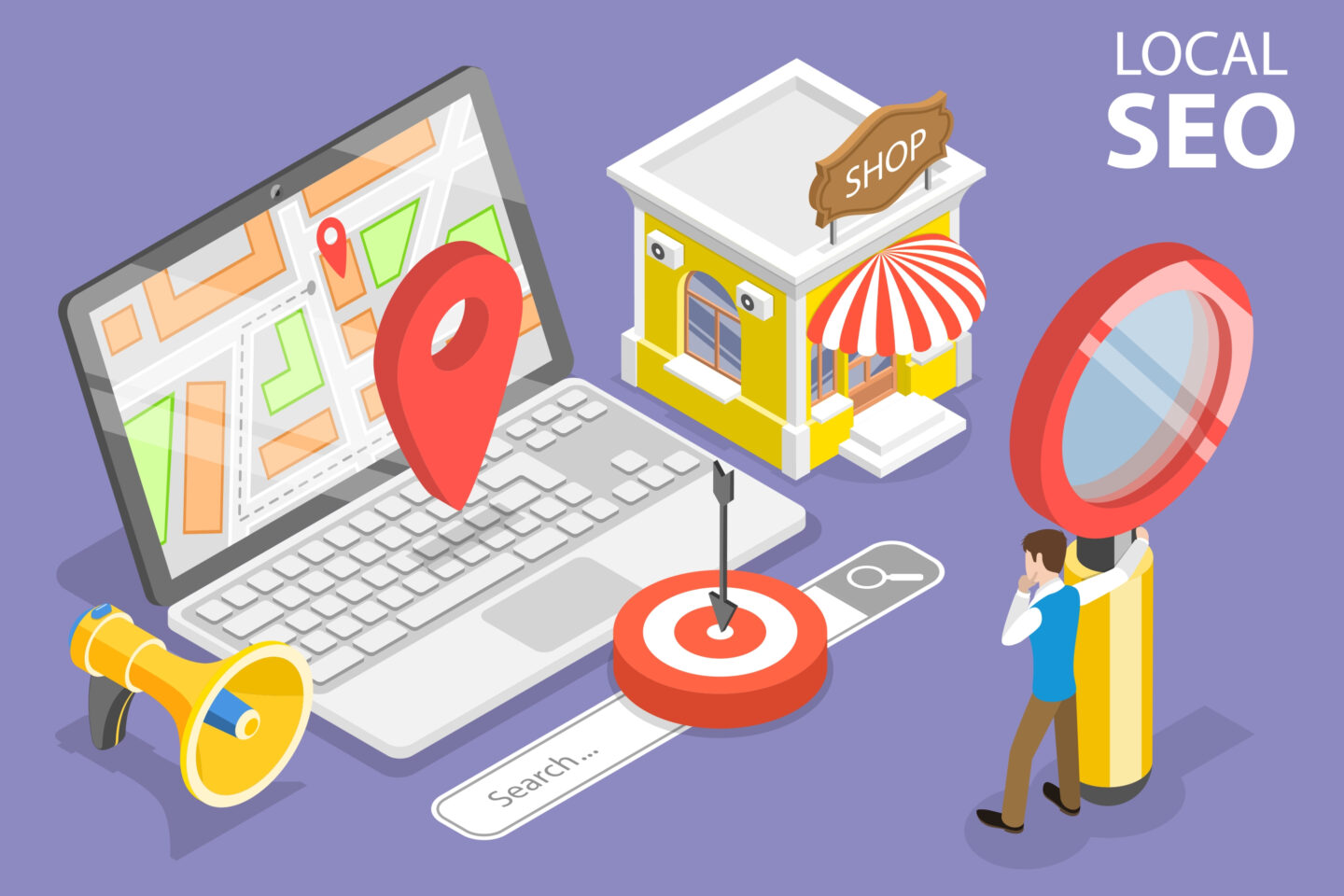
Local SEO with physical location illustration

Avoid including virtual locations you can serve in your Google Business Profile. Your Google Business Profile links directly to Google Maps, meaning you must adhere to the guidelines by utilizing a physical business address. While you can still indicate the area of your virtual mental health practice, tools such as Google Business Profile cannot be utilized. 

5. Follow SEO Best Practices

SEO illustration

Ensure that your marketing strategy incorporates essential SEO best practices such as strategically utilizing keywords in your blog’s header, title tag, and meta description. Additionally, include a well-crafted SEO linking strategy while keeping a cautious eye on avoiding excessive keyword usage. Remember, the algorithm prioritizes blogs that skillfully respond to users’ queries rather than those that excessively stuff keywords. So, aim to create content that best addresses their questions and vaults your blog to the top of search results.

Are you unsure how to follow the best SEO practices? Let our team at Beacon Media + Marketing worry about that!

6. Read Online Reviews

Online Reviews illustration

Pay attention to online reviews of your mental health practice. Consider implementing a referral reward program or asking patients to review your practice online. Peer reviews hold great value, as they provide candid experiences that can attract potential clients. Respond promptly to negative reviews and also consider reporting and removing any dishonest or malevolent reviews.

7. Have a Backlinking Strategy

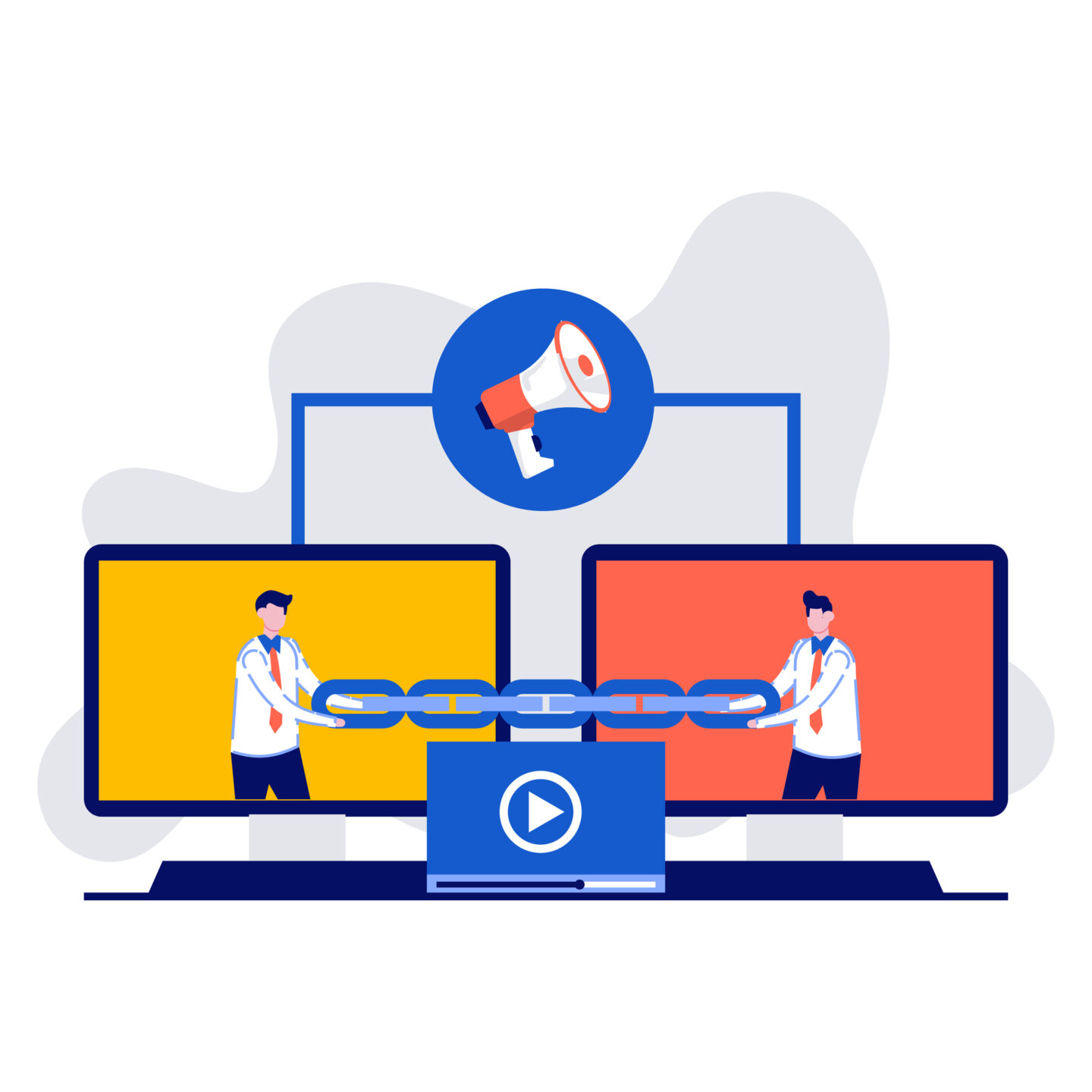
Backlinking illustration

A well thought-out backlinking strategy can help you acquire local, high-quality links. By incorporating backlinks, you showcase your reliance on various resources like websites, web pages, or web directories for information. Think of backlinks as references, similar to citations, that not only boost your SEO strategy but also create a more engaging online presence.

8. Long-Form Content Strategy

Long Form Content illustration

Implementing a long-form content marketing strategy involves leveraging locally optimized keywords to rank for key terms in blogs. By crafting insightful and informative blog posts, you can effectively utilize this powerful marketing tool to enhance brand awareness and address individuals’ mental health inquiries. Moreover, integrating your clinic locations into these posts ensures that people seeking mental health care will easily find your services. Having a comprehensive library of information readily available establishes trust with potential clients and enables them to make informed decisions.

9. Utilize Social Media

Social Media illustration

Posting on social media can help you reach local users, even if it’s not directly related to SEO. Being active online allows you to connect with a wide audience and provide valuable information, such as educational content and details about your services. It also helps you showcase a personable side of yourself, which can build trust with potential clients. So, go ahead and engage your audience by sharing content on social media platforms!

10. Consider Google Ads

Google Ads illustration

If you’re facing difficulties ranking for keywords organically, why not give Google ads a try? While there are restrictions on the content of your advertisements if you’re not LegitScript certified, they still offer a fantastic opportunity to attract new clients. With Google Ads, you can propel your website to the top of search results, effectively converting potential clients into loyal customers.

How Can Beacon Media + Marketing Help?

After learning these tips, you might feel overwhelmed by the multitude of elements involved in crafting an effective marketing strategy. Managing the marketing efforts for one location alone can be challenging, let alone juggling marketing strategies for multiple locations. If you find yourself unsure of how to achieve your marketing goals independently, it may be time to consider outsourcing your marketing needs.

At Beacon Media + Marketing, we specialize in helping businesses like yours reach their marketing goals by employing a range of comprehensive services. We are dedicated to empowering your mental health practice and enabling you to focus on your real passion. Let us assist your clinics in thriving with our unbeatable marketing services.

Are you ready to see if Beacon Media + Marketing is the right fit to help you manage your multi-location clinic? Schedule a free consultation!

Originally published by Sabrina Martinez, Content Manager. Updated and revised by Sara Jokela 11/26/24

Women’s health is a particular niche of healthcare that needs special marketing strategies. Females are often the primary decision makers in their families when it comes to mental health, and women often do their due diligence in researching the best providers and treatments available for their healthcare needs.

Having a marketing campaign that really identifies with women – including their pain points, passions, and scheduling needs – can make a big impact. And being creative in your marketing for women’s health can be the main factor that sets you apart. Relying on stereotypes or overly feminine branding can hurt your marketing success in the long run – so you need a strategy that thinks outside the box and meets women where they are.

Women’s health marketing intersects with various health systems, emphasizing the importance of targeting women’s health within these systems. This includes a wide variety of health services, such as gynecology, prenatal and postnatal care, women’s mental health, autoimmune care, breast or ovarian cancer treatment, hormone therapy, and more.

This guide will go over what practice owners should know about marketing for women’s health and how these tools will convert clients.

Are you interested in how Beacon Media + Marketing can help your healthcare practice?Learn about how we can help your women’s health practice!

1. Consider Your Target Audience 

Before getting into the nitty gritty of your marketing plan, you need to really know who your target audience is. Knowing this will help you curate your content to their likes and needs, and understand their healthcare decisions. It helps convert the clients that you’re trying to get.

Although you know that women are your general target audience, you need to consider more details about their life and why they would seek your treatments. Most women play a significant role in healthcare decision-making for themselves and their families. When coming up with ideas about your target audience, you should consider the difficulties they’re experiencing, the way they might perceive their situation, the solutions they’ve sought in the past, and their healthcare goals. Doing this helps you better target the people you’d like to become your clients and create content that speaks to the persona you assemble.

Some people think that staying broad in their marketing will attract more people. However, when you become more specific about the people you’d like as clients and integrate that into your content, it will actually convert more clients. People can feel better connected if something is tailored specifically to them, so create multiple personas that encapsulate your target audience.

Understanding the different personas of women you’d like to treat will create inclusive marketing that doesn’t stereotype or make women feel left out. For example, women seeking prenatal care can have many different journeys. Your content should be considerate of unplanned pregnancies, same-sex couples, older women getting pregnant, or single parent pregnancies. When you consider the different possibilities, it allows them to be included in the typical marketing towards married, younger moms with a planned pregnancy.

When you know whom you’d like to treat, creating content that reflects that becomes easier. It will help you convert those clients when you do ads or organic content for that specific audience.

Develop Detailed Personas for Women’s Health Marketing

Developing detailed personas for women’s health marketing is crucial to understanding the needs, preferences, and behaviors of your target audience. A persona is a semi-fictional representation of your ideal customer, based on market research and data analysis. By creating personas, you can tailor your marketing efforts to effectively reach and engage with your target audience.

To develop detailed personas for women’s health marketing, consider the following steps:

Refine personas: Continuously refine your personas as you gather more data and insights from your marketing efforts. This ensures that your marketing remains relevant and effective. 

Conduct market research: Gather data on your target audience through surveys, focus groups, and online analytics. This will help you understand their needs and preferences.

Identify demographics: Determine the age, income, education level, occupation, and other demographic characteristics of your target audience. This helps in creating a clear picture of who you are targeting.

Analyze behaviors: Understand the behaviors, preferences, and pain points of your target audience, including their health concerns, values, and motivations. Women tend to engage with healthcare resources through various methods, such as phone calls for appointment scheduling and online searches for health information. This insight is crucial for crafting relevant marketing messages.

Create personas: Based on your research, create 2-3 personas that represent your ideal customers, including their demographics, behaviors, and goals. These personas will guide your marketing strategies.

Screenshot of a Facebook Ad created for Brooklyn Birthing Center - a womens health clinic

Our client Brooklyn Birthing Center experienced a 94% increase in conversions with a targeted marketing plan. Read the full case study here. 

2. Don’t Limit Your Creativity

When creating your brand, logo, or content, don’t be afraid to be creative. Your healthcare brand should be unique to you and your practice. Collaborating with health professionals, such as nutritionists and mental health counselors, can also enhance your brand’s credibility and service offerings. The brand should reflect what your practice does and its values.

The branding and logo are essential for attracting the right audience. Healthcare marketers play a critical role in creating unique and effective branding strategies for women’s health. If you’re targeting women, you could consider colors that reflect a safe feeling – if that’s the feeling you’re trying to capture. Or you could go with something more bold and daring. Don’t feel like you have to stick with traditionally feminine design elements just because your main audience is women – some research shows a majority of women appreciate more gender-neutral marketing.

A great example of a creative women health marketing campaign is the Any Mountain Project. Beacon Media + Marketing worked with Any Mountain to help raise awareness and earn donations toward ovarian cancer treatment. Any Mountain brought together hip hop, dance, and a team of gynecologic oncology leaders to reach women in a unique way.

Screenshot of Any Mountain's website - a womens health ovarian cancer research group

Do you need help creating your brand? Beacon Media + Marketing can help you create a great brand! 

3. Educate Through Content

One of the most important things that will help revolutionize the women’s health industry is providing valuable educational content. It’s important to learn about our bodies, and practices that provide blogs will help those in need.

Many women will do their research online to find solutions that will benefit their health and their families. Creating blogs that answer SEO keyword questions will ensure that it provides valuable information and brings you brand awareness.

Utilizing social media platforms also gives you another outlet for providing information. You can create videos that answer common questions regarding women’s health or go into specific details that bring awareness to unique health tips. The videos posted on social media platforms have a large reach and will gain the trust of clients when you should you’re educated in women’s health.

Collaborating with other healthcare professionals can enhance the quality and reach of your educational content. By partnering with various specialists, you can provide comprehensive information that attracts new clients and underscores a commitment to holistic health.

Providing education is an excellent tool for practice owners looking to reach a target audience and provide the much-needed information.

4. Highlight Your Services

A great idea to keep in mind is that you should highlight your services and clinic information. When creating posts, ads, or blogging content, you should highlight your services. Since women’s health is a broad spectrum of healthcare, telling people what you can help them with is crucial for gaining clients. Women’s health providers need to highlight their unique services to stand out in the competitive healthcare industry.

You can do specialized organic posts that highlight particular services that you provide or answer questions in blogs regarding specific women’s health topics.

It’s also helpful to provide and highlight your office information, including your hours, address, and contact information. It’s important to give people as many opportunities to schedule an appointment with you.

Consider if your target audience is women who have children that may be concerned about the time involved with getting care. If there are flexible care options, you should highlight them, so you’re more appealing to people in unique situations.

When offering unique, convenient services, you should highlight that since it will help you stand apart from your competitors. This can include specific treatments or even offering telemedicine.

Screenshot of Facebook Ad for Alaska Women's Health clinic

5. Utilize Targeted Advertising on Social Media Platforms

Utilizing targeted advertising on social media is an effective way to reach your target audience and drive engagement for women’s health marketing. Social media platforms like Facebook, Instagram, and Twitter offer robust targeting options that allow you to reach specific demographics, interests, and behaviors. Participating in local health fairs can complement your social media advertising efforts by demonstrating your commitment to community health.

To utilize targeted advertising on social media, consider the following steps:

  1. Choose the right platform: Select the social media platform that aligns with your target audience’s preferences and behaviors. For instance, Instagram might be ideal for younger women, while Facebook could be better for an older demographic.
  2. Define your target audience: Use the platform’s targeting options to define your target audience based on demographics, interests, and behaviors. This ensures your ads reach the right people.
  3. Create engaging ads: Develop ads that resonate with your target audience, including eye-catching visuals, clear messaging, and compelling calls-to-action. This will help capture their attention and drive engagement.
  4. Set a budget: Determine your budget for targeted advertising and set a bid strategy that aligns with your goals. This helps in managing your ad spend effectively.
  5. Monitor and optimize: Continuously monitor your ad performance and optimize your targeting, ad creative, and budget to improve results. This ensures your campaigns remain effective and cost-efficient.

6. Cultivate a Supportive Community

Cultivating a supportive community is essential for women’s health marketing, as it allows you to build trust, establish credibility, and foster loyalty with your target audience. A supportive community can be created through various channels, including social media, online forums, and in-person events.

To cultivate a supportive community, consider the following steps:

  1. Identify your community: Determine the demographics, interests, and behaviors of your target audience and create a community that aligns with their needs. Understanding the responsibilities women have, including caring for aging parents, can help in building a relevant and engaged community.
  2. Create engaging content: Develop content that resonates with your community, including educational resources, personal stories, and expert advice. This keeps your community informed and engaged.
  3. Foster interaction: Encourage interaction within your community through comments, discussions, and Q&A sessions. This helps in building a sense of belonging and engagement.
  4. Provide support: Offer support and resources to your community, including access to healthcare professionals, support groups, and online resources. This builds trust and loyalty.
  5. Monitor and evaluate: Continuously monitor and evaluate your community’s engagement and feedback to improve your content and support. This ensures your community remains active and satisfied.

7. Enhancing the Client Experience

Providing exceptional client experiences is crucial for women’s health businesses to build trust and loyalty with their target audience. Women’s health providers can enhance the client experience by offering personalized services, innovative treatments, and empathetic care. Understanding the needs and preferences of the target audience is essential to deliver tailored services that meet their expectations.

8. Measuring Success and Growth

Measuring success and growth is essential for women’s health marketing, as it allows you to evaluate the effectiveness of your marketing efforts and make data-driven decisions. To measure success and growth, consider the following metrics:

  1. Website traffic: Monitor website traffic to evaluate the effectiveness of your online marketing efforts. Increased traffic indicates higher interest and engagement.
  2. Social media engagement: Monitor social media engagement, including likes, shares, and comments, to evaluate the effectiveness of your social media marketing efforts. High engagement rates suggest that your content resonates with your audience.
  3. Lead generation: Monitor lead generation, including form submissions and phone calls, to evaluate the effectiveness of your marketing efforts. More leads indicate successful outreach and interest.
  4. Conversion rates: Monitor conversion rates, including appointment scheduling and sales, to evaluate the effectiveness of your marketing efforts. Higher conversion rates show that your marketing is effectively driving action.
  5. Customer satisfaction: Monitor customer satisfaction, including surveys and feedback, to evaluate the effectiveness of your customer service. Positive feedback and high satisfaction rates indicate successful service delivery

How Can Beacon Media + Marketing Help Your Women’s Health Practice?

Digital Marketing is a huge landscape that can be hard to do all by yourself. Utilizing targeted advertising on social media channels is an effective way to reach your target audience and drive engagement for women’s health marketing. You may not know where to start or how to do marketing effectively.

Beacon Media + Marketing is an agency that can help with your women’s health marketing needs. We know how difficult and time-consuming marketing can be. And as a practice owner, you much rather spend that time treating your patients.

We’re here to help you have effective marketing done by experts in the field. Our agency comprises professionals that deliver high-quality content for several marketing services. You never have to worry that one section of your marketing is better than the other. We want you to get the best content possible.

At Beacon Media + Marketing, we offer many marketing services to help your women’s health practice thrive. You can benefit from services such as website design and development, social media marketing, blogging content, paid advertising, brand and logo development, and more. If you’re ready to take your women’s health practice to the next level, we can help you convert clients and get you thriving.

Are you ready to see what Beacon Media + Marketing can do for your women’s health practice? Schedule your free consultation! 

Originally written by Sabrina Martinez, Content Manager, revised by Jennifer Gracey 6/23/23, updated and revised by Sara Jokela 11/27/24.

When marketing your mental health practice, creating a cohesive marketing strategy is a multifaceted undertaking. Given the recent global events such as the pandemic and economic downturns, many individuals face significant mental health challenges and pressures, making it crucial for brands to acknowledge the need for a mental health break in their compassionate marketing efforts.

For mental health focused brands whose primary marketing goal is get new clients or expand the practice, pay-per-click (PPC) advertising is often the quickest and most effective way to see serious growth.

Perhaps the two best known PPC advertising outlets are Google and Facebook. As one may anticipate, Google is all about paid search advertisements, while Facebook is all things paid social. In this article, we’re shining our spotlight on Facebook Ads.

Facebook Ads Gets Results

At Beacon Media + Marketing, by strategically utilizing Facebook Ads marketing, we’ve achieved remarkable results for our mental health clients. Targeting specific patient populations that matter most to the mental health practice is crucial for achieving these outcomes. Two such cases in point:

  • Alli, a brand new business offering a unique service in the mental health industry, received more than 40,000 impressions in the first month after launch.
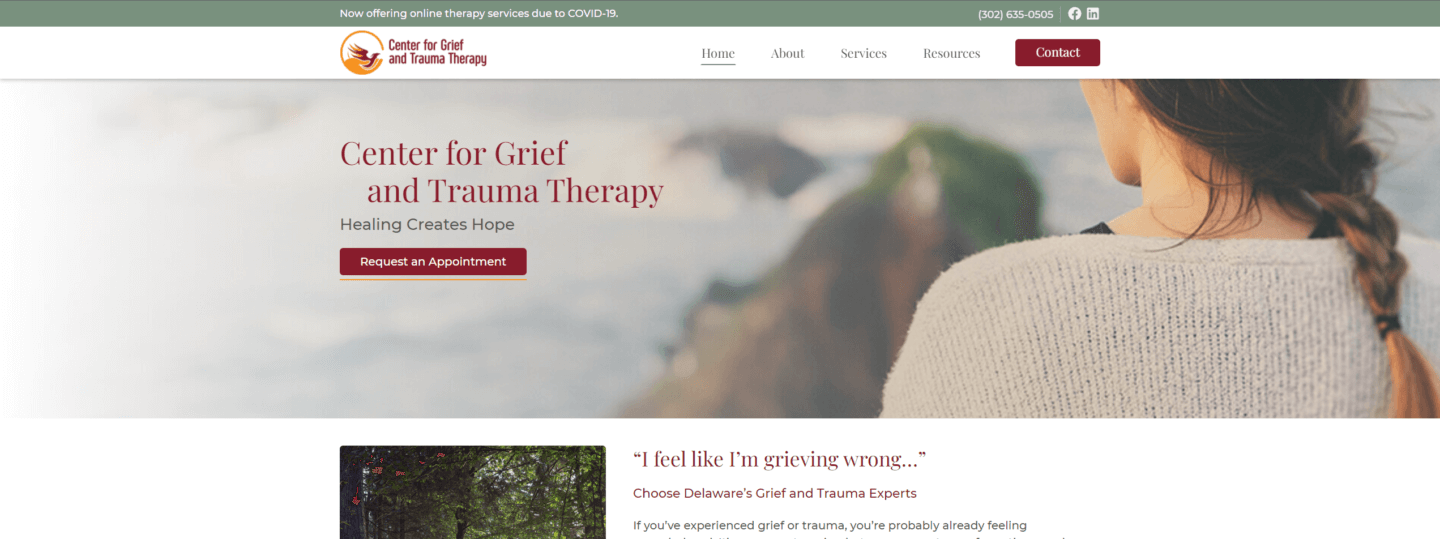
  • The Center for Grief and Trauma had to grow its team and relocate to a larger office location after starting with us for Facebook advertising.

Take Advantage of the Free Ad Manager Tool

One of the best things about digital marketing is the numerous tools available to help businesses reach their target audience and convert clients. Using Facebook to run paid ads campaigns is one of the tools you can use to your benefit.

Healthcare Advertising Is Regulated

However, running cost-effective Facebook ads has its challenges — especially if your brand and marketing know-how falls short. Creating compelling, well-targeted ads through persuasive copywriting to reach the specific audience you have in mind takes some finesse. And Facebook doesn’t make it a walk in the park with their policies and restrictions concerning mental health advertising.

Regulations aside, taking advantage of platforms whose online ecosystems come with built-in audiences — like Facebook — is crucial for client conversion and having a winning marketing strategy.

Paid Advertising Is Best Partnered With Other Marketing Services

While using a therapist directory listing or leaning into referrals for new clients is worthwhile, paid advertising will return the best bang for your buck. To take things a step further, when strategically pairing paid advertising with other marketing services, such as organic social posts or blogging, the benefits will be tangible. 

The five items below offer additional insight on running mental health Facebook ads that effectively convert clients. 

Are you interested in the work Beacon Media + Marketing has done for clients in the mental health industry? Learn more about how we can help you!

1. Facebook Is the Most Valuable Social Media Ads Platform 

A bold statement to be certain, Facebook is consistently proven a top platform when running advertising campaigns for mental health businesses. Because its user base reaches such a wide range of demographics, other platforms have a hard time keeping up. And, since Facebook and Instagram are integrated, we’re getting a two platform’s for one deal.

Facebook Has The Numbers

Over 2.9 billion people use Facebook worldwide, making the potential reach of your mental health practice wider than almost any other platform. If you’re strategizing how to best reach people within your locality, there’s a good chance those looking for mental health services are active Facebook users. 

Using Facebook to reach new clients is a great idea because of the large potential reach. Facebook allows you to gain brand awareness through PPC as well as organic — it’s the perfect two pronged approach.

The Two Pronged Approach: Paid, Meet Organic

Imagine this scenario: It’s Friday evening. Suzzi’s relaxing on the sofa and catching up on her Facebook Feed. A video catches her eye so, she stops scrolling to watch. The new ad for your mental health clinic pops up midway through the video.

As she watches your 10 second ad, she’s reminded of a promise she made to herself awhile back, “Find a therapist and work through some unresolved childhood attachment issues.” After some hesitation, Suzzi mutters to herself, “Why not?” Then, she clicks on your ad.

Next thing she knows, she’s scrolling through the organic posts on your clinic’s Facebook Page. After stopping to read last week’s post about attachment theory, her interest in your practice peaks. She reads through a few more posts on your FB Page and decides to hop over to your Instagram Profile. Suzzi decides she likes what she sees, clicks on your link in bio and starts exploring your clinic’s website. A few more minutes pass until Suzzi decides to, “Just do it!” She clicks the book your free consultation button on your home page and books her consultation for 3pm Monday. You get to the office Monday morning and find not only Suzzi’s free consultation booking request but several more.

Suzzi’s “how I found you” story above illustrates what a potential client’s journey to your book now button could look like. And it unfolded because you decided to run Facebook Ads for your mental health services.

Understanding Facebook’s Integration

When you create an ad through Facebook Ads Manager, the default automatically places your ads on both Instagram and Facebook. Although the platforms have slightly different functions, Facebook’s integration with Instagram (IG) allows you to utilize the IG platform to connect you with even more people.

As an investment, Facebook ads are a great because of their affordability, trackability, and overall effectiveness. You can reach a geotargeted audience and retarget your ads to those people interested in mental health services. Facebook’s reporting features also let you see the effectiveness of your ads.

Dana Group Associates - a behavioral health client of Beacon Media + Marketing - Facebook Ad

2. Experiment With Different Ad Types

In the world of paid advertising, there’s no such thing as one-size-budget-fits-all. Especially not when it comes to digital marketing online. This is where experimentation and A/B testing come in. One of the best things you can do to find out what works for your business is: experiment with different ad types. Experiments can include video ads, slideshow/ carousel ads, image ads, or boosted posts. 

Experimenting with different ad types helps reach audiences that engage with all types of advertising. It also helps identify which kind of advertising works best for your mental health practice. You many want to try a video ad about your clinic and discuss how you can help someone. Or, you could try a carousel ad with information that inspires people to begin researching your business. 

Videos are normally a great way to grab the attention of your target audience because people naturally gravitate to video. You’ve only got about 1-3 seconds to capture your audience’s attention, so you’ll need to make your video’s interesting! Photo ads are another great way to grab people’s attention. Because people are drawn to images, they’ll stop to read the description. 

Experimenting with different ad types lets you pinpoint which marketing methods appeal to your audience. It also allows you to see which of your service offerings people are most interested in. 

Are you unsure how to make or get started with ads? Learn how Beacon Media + Marketing can create ad campaigns for you!

Center for Grief and Trauma Therapy - a mental health client of Beacon Media + Marketing - Facebook Video Ad

3. You Need To Create a Facebook Business Page 

Screenshot from Create a Page screen from Facebook Business

Create Your Facebook Business Page

If you don’t already have one set up for your mental health business, you’ll need to create a free Facebook Business Page. On the sidebar of your Facebook profile, look for the Pages section. Clicking on the Pages section will allow you to create a Business Page. Once you get this set up properly, people can contact your clinic directly through Facebook. 

Create Your Facebook Manager Account

Creating your Facebook Manager Account will allow you to create and manage your ad campaigns. From here, you can set up your budget, ad placement, schedule, and choose the audience you’d like to target. Keep in mind, you’ll need to work with a broader target audience using filters for age groups or geotargeting (location) for the healthcare industry. 

To ensure that your ads and Business Page link to your website’s landing page, it’s important to confirm everything is properly connected. This will allow people to reach your website via your advertisement or Business Page. It’s helpful to keep in mind the restrictions that Facebook has on their ads, such as creating ads that target personal attributes consisting of: 

  • Race or ethnicity
  • Religion
  • Age
  • Sexual orientation or practices
  • Gender identity
  • Disability
  • Physical or mental health (including medical conditions)
  • Vulnerable financial status
  • Voting status
  • Membership in a trade union
  • Criminal record
  • Name

To run health care advertisements on Facebook, you need to be certified through LegitScript. It’s a great investment for healthcare professionals interested in converting clients through Facebook Ads. Additionally, LegitScript will also help you with mental health Google ads

4. Your Ad Landing Page Is Key for Conversions 

Ravel Mental Health landing page for Facebook Ads

Your Facebook Ad is one element of converting users into new patients. Ensure your ad campaign is attention grabbing, the ad copy description gives context to the ad, and directs users to where you want them to go. To grow your practice, you need supplemental content that will help engage and convert your potential clients. 

The ad will link to your landing page, which should be well-designed to show the professionalism and brand of your mental health practice. The page you direct people to should have relative headings, catchy and strong CTAs, and match your ad. Being consistent across all platforms is crucial. It’s important that your landing page has content that will make audiences want to receive your services. 

You should make sure that your website is up-to-date and has strong organic content to complement your Facebook Ad. Since ads can be restrictive, it’s a great idea to have engaging organic content on your social media platforms. As well as provide blogs containing information your potential clients will want to know more about. 

Do you need help creating an amazing mental health website? See how Beacon Media + Marketing can help your website!

5. Facebook Offers Extensive Performance Tracking 

Example of Facebook Performance Tracking page

One of the best things you can do after setting your ad up is to track it. Measuring the performance of your Facebook Ad will explain how well your it’s optimized for the target audience you are trying to connect with. 

Try A/B Testing

You can do A/B tests that split your audience into different campaign variations. This will help you determine which ad performs better. And once you’ve got the numbers to support that decision, you can adjust the ad type and make other tweaks to fine tune your copy or design. 

Tracking your ads is a way to analyze and optimize the ads that perform best. Consider the lifespan of the ad — and tracking its performance over time. You can tell when an ad needs to be replaced or possibly redone in order to boost attention by tracking each one. 

Getting report numbers on your ads allows you to see how well the ads are converting clients. It will also help you reallocate your ad spend budget in an effective manner. 

The Impact of Social Media on Mental Health

Understanding the Connection

Social media has become an essential part of our daily lives, connecting billions of people across the globe. However, its impact on mental health is a growing concern that cannot be ignored. Research has shown that excessive social media use can lead to increased symptoms of depression, anxiety, and loneliness. As a mental health social media advertising agency, it’s crucial to understand this connection to create effective advertising strategies that promote positive mental health outcomes. By understanding how social media affects mental health, we can craft messages that not only reach but also resonate with our audience, ensuring that our ads bring about a positive impact.

Implications for Advertisers

Advertisers must be acutely aware of the potential impact their ads can have on mental health. It’s essential to create ads that promote positive body image, self-esteem, and overall mental well-being. By doing so, advertisers can help mitigate the negative effects of social media on mental health. Utilizing data and stories, advertisers can craft ads that resonate deeply with their target audience, promoting a message of hope and support. This approach not only enhances the effectiveness of the ads but also ensures that the brand is seen as a positive force in the social media landscape.

Overcoming Common Challenges

Navigating Ad Regulations

Navigating ad regulations can be a significant challenge for mental health advertisers. To ensure compliance, it’s essential to understand the guidelines set by social media platforms and regulatory bodies. These regulations are in place to protect users and ensure that ads are ethical and responsible. By working with a trusted Facebook advertising agency, advertisers can ensure that their ads meet the necessary standards and reach their target audience effectively. This partnership can help businesses navigate the complex landscape of ad regulations, ensuring that their message is delivered without any compliance issues. Understanding and adhering to these regulations is crucial for the success and credibility of any mental health advertising campaign.

How Can Beacon Media + Marketing Help Your Mental Health Practice?

Beacon Media + Marketing is a digital media agency that works to evolve your mental health practice. We understand your passion for your therapy practice and for treating people with utmost care. We know effective marketing can take a significant amount of time and effort, and we want to be there to help.

Outsourcing your marketing can be an excellent choice. You’ll get the help of expert staff specializing in marketing areas that ensure high-quality content across the board. You’ll benefit from our team’s cohesive mental health marketing strategy. 

At Beacon Media + Marketing, we can help bring your mental health Facebook ads to the next level. We know what works well and we work hard to ensure we’re seeing real conversions from that work. We also offer other supplementary services to the ad content, such as website design and organic content

Are you ready to take your mental health practice to the next level? Schedule your free consultation

Written by Sabrina Martinez, updated and revised by Sara Jokela 4/3/2025.

Marketing for behavioral health services can be difficult. Creating a cohesive plan that integrates SEO optimization, blogging, social media content, and a memorable ad campaign is time-consuming and hard to do effectively.

It becomes increasingly harder to accomplish good marketing when there are restrictions on behavioral health advertising. You have to follow many rules and regulations that don’t interfere with the guidelines online.

Marketing your behavioral health practice through organic content is essential as it creates more brand awareness and has fewer restrictions than advertising. But advertising has a high ROI, which means that it’s crucial for you to utilize advertising tools such as Google Ads to reach your target audience and convert clients.

So how can you have effective behavioral health marketing? Here’s a guide on creative ways to advertise your addiction recovery center online and why organic content will help upgrade your marketing and convert clients to your behavioral health services.

Are you interested in what we can do for your behavior health service?Learn about services that Beacon Media + Marketing can provide you.

Why Is Addiction Treatment Advertising Difficult?

The rules of Addiction Advertising

Advertising is essential for reaching your target audience. However, the main advertising platforms have restrictions to cut down on scams and sometimes stop retargeting. Managing ad campaigns on platforms like Google Ads can be challenging due to these restrictions. Staying compliant with these advertising rules can be difficult.

Platforms like Facebook and Google were concerned with health services that don’t have physical locations as they wanted to stop people from getting scammed. So, you have to ensure that you provide a physical location of your services to show that you are a legitimate service provider. Advertising strategies can exploit psychological vulnerabilities, leading to addictive behaviors.

Each platform has its own specific rules for behavioral health advertising. They’ll target keywords and take down ads that don’t align with their rules, which means you have to get creative in writing your copy. Advertising can manipulate consumer emotions, promoting addictive tendencies. The following show some rules that are included on each platform regarding behavioral health advertising.

Google Ads

Google advertising has restrictive regulations for recovery-oriented services for drug addiction and alcohol addiction. This is applied globally and across all accounts that advertise addiction services. Some examples of advertising restricted under the new policy include:

  • Clinical treatment providers (inpatient, residential, and outpatient programs) for drug and alcohol addiction

  • Recovery support services (including sober living environments and mutual help organizations) for drug and alcohol addiction

  • Lead generators and referral agencies for drug and alcohol addiction services

  • Crisis hotlines for drug and alcohol addiction

Advertising through Google will help you reach a broad audience, but you must ensure that you follow all policy rules and have been LegitScript certified.

Facebook Social Media Platform

Facebook, as a social media platform, has advertising policies to help protect people from untrustworthy businesses. Their Drug and Alcohol Addiction Treatment Advertising Policy aims to protect people from scams but can be less restrictive than Google advertising. Some addiction advertising examples that can be done on Facebook include:

  • In-person clinical addiction treatment services or websites that provide information about treatment

  • Online and in-person support groups

  • Crisis hotlines for people in recovery and who are seeking addiction treatment information

To run ads through Meta platforms, you have to have a certification with LegitScript.

Do you need help with paid advertising? Beacon Media + Marketing has advertising services!

Although following the guidelines on each platform can be difficult and time-consuming, it’s worth it to invest in advertising. It can help bring brand awareness and allow more client conversions. And just like any other marketing method, online advertising can take some creative ingenuity.

The following are tips on creating behavioral health ads that will stay compliant with platform regulations and possibly increase your conversion numbers.

1. Get LegitScript Certified If Qualifiable

If you’re interested in running behavioral health advertisements on either Google or Facebook, getting LegitScript certified will be crucial. When you get certified, it verifies to Google and Facebook that you are a qualified behavioral health service and not a scam. If you get certified, it allows you to run ads that include keywords such as “drug and alcohol addiction treatment” that will bring your target audience to your website.

Certification helps ensure compliance with regulations similar to those governing pharmaceutical advertising, which is designed to prevent misleading information and protect public health.

Price can seem like a lot with a $495 upfront charge and a $955 annual charge. However, this can be an investment that will show real ROI. Advertising your services can be the major factor in how many clients you convert.

If you choose to be LegitScript certified, you must meet their qualifications for behavioral health services. Even if you are working with a marketing agency, you’ll need to be the one to do the certification as they may need additional documentation that you can only provide.

If you choose not to get LegitScript verified or don’t qualify, you’ll need to come up with clever ways to stay compliant with Google and Facebook policies.

2. Apply on Facebook

Facebook advertising requires that you fill out an additional application before you can run advertisements. Once LegitScript has approved you, you’ll need to complete the application to Facebook so they can review the certification. 

Some types of ads that are eligible under their new policy include: 

  • LegitScript-certified for in-person alcohol treatment centers

  • LegitScript-certified for crisis hotlines

  • LegitScript-certified for mutual support groups

  • LegitScript-certified for addiction recovery smartphone apps

Your behavioral health service will need to fall under their guidelines and show that you are a qualified resource for people searching for addiction treatment. Completing the LegitScript certification and Facebook application will ensure that your business doesn’t get flagged for being a scam. 

3. Learn Restrictions on Copy

Each platform has its restrictions on what marketing messages and keywords can go into your advertisements. This means that you need to learn which words can’t be put into your behavioral health ads and develop creative copy that won’t get flagged because they’re compliant with the policies.

If you’re certified by LegitScript, you’re allowed to put keywords such as “drug and alcohol addiction treatment” into Google ads. However, if you’re not authorized, you will need to avoid using such keywords and come up with words that show you’re a treatment center but not specify what you do.

Facebook has prohibited personal attributes within ads, including:

  • Race or ethnicity

  • Religion

  • Age

  • Sexual orientation or practices

  • Gender identity

  • Disability

  • Physical or mental health (including medical conditions)

  • Vulnerable financial status

  • Voting status

  • Membership in a trade union

  • Criminal record

  • Name

In other words, you can’t use words that assume the status of your audience. You can’t say, “Are you struggling with drug or alcohol addiction?” So, learning which words you can’t have in your ads and coming up with creative copy will be crucial for staying compliant and still reaching a broad audience.

4. Direct Ads to Relevant Information

Your ads should be directing your audience to working landing pages that allow them to get the information they’re looking for and schedule an appointment with you. It’s crucial to attach the links to the keywords in your ad so people can find your website. Employing many marketing strategies can help ensure that your ads lead to effective conversions by reaching a broader audience and identifying the most successful approaches.

An ad is a tool that draws people into your behavioral health service, and your website needs to be the one that converts them. The connection of your ad to appropriate landing pages is the crucial bridge toward converting potential customers.

Your ad is the front of the wealth of information on your website. If you connect the wrong link to the keyword, it can confuse people because it’s not directing them to the information they want to learn more about. Another crucial point is ensuring that your landing pages have quick load times, are functional, well-designed, and allow clients to contact you.

Are you interested in getting help with Facebook Ads? Learn how Beacon Media + Marketing can help you!

Understanding Your Target Market

Why Should You Still Do Organic Content Marketing Strategies

Organic content graphic

One of the best marketing tools that you can use for your behavioral health service is doing organic content. Since behavioral health advertising is restrictive, reaching your target audience will be best done through organic content.

Organic content can also help address the challenges and stigma associated with substance abuse by providing educational and supportive information.

Organic content is your social media engagement and blogging. Social media is a great marketing tool for behavioral health services trying to connect with their target audience. Social media isn’t restricted in the same way ads are so that you can have a wide range of content.

Some ways to use social media are talking about services you provide, educational videos regarding your behavioral health specialists, and adding personal touches about you or your staff. Providing content like that allows people to learn more about your behavioral health service while getting to know you. It creates that first bond of trust with your potential client and allows more brand awareness.

Blogging can be one of the best tools for reaching your target audience. It allows you to write detailed blogs that include information on what people search for. So when people ask a question online or search a phrase regarding your behavioral health specialty, your blogs will show up as a result that will answer their question.

Writing blogs will allow people to have a wealth of knowledge and get to know your behavioral health practice, clinic, or facility. It will also help establish credibility and show that you’re educated in the treatment they’re looking for. Organic content will be the key to reaching an audience searching for behavioral health services.

Are you interested in getting organic content services?* Learn more about Beacon Media + Marketing social media and blogging services!*

Measuring Success and ROI

Measuring success and ROI is essential for effective addiction marketing. Addiction treatment centers must track key performance indicators (KPIs) such as website traffic, social media engagement, and lead generation. Measuring the ROI of marketing efforts involves analyzing the cost of acquiring new patients versus the revenue generated. Addiction marketers must also consider the long-term benefits of marketing efforts, including increased brand awareness and reputation. By measuring success and ROI, addiction treatment centers can optimize their marketing strategies and improve their bottom line.

Ethics and Compliance in Addiction Marketing

Ethics and compliance are essential in addiction marketing. Addiction treatment centers must adhere to industry regulations and guidelines, including HIPAA and FDA regulations. Addiction marketers must also consider the ethical implications of marketing to vulnerable populations. Effective addiction marketing strategies must prioritize patient well-being and safety. By prioritizing ethics and compliance, addiction treatment centers can maintain a positive reputation and build trust with their audience.

Building Relationships and Partnerships

Building relationships and partnerships is essential in addiction marketing. Addiction treatment centers must build relationships with healthcare providers, insurance companies, and other stakeholders. Addiction marketers must also consider partnerships with advocacy groups and community organizations. Effective addiction marketing strategies must prioritize building relationships and partnerships. By building relationships and partnerships, addiction treatment centers can expand their reach and improve their reputation.

Team Up With Beacon Media + Marketing for Creative Behavioral Health Ads 

Beacon Media + Marketing is a marketing agency that will help elevate your behavioral health service. Marketing can be highly time-consuming and challenging if you’re not sure what you’re doing. We’re here to create a marketing strategy to convert potential clients and bring you more brand awareness. The drug industry, for example, leverages marketing and advertising services to reach their target audience effectively.

We want to know the why being what you’re doing. At Beacon Media + Marketing, our expert team can help you find what makes your brand unique and use that to reach clients that identify with your brand.

You should consider outsourcing your marketing because it will allow you to have more time to treat your patients, and you’ll have the resources of expert marketers. We know what ads will be compliant and help convert clients.

Beacon Media + Marketing can offer marketing for behavioral health services that will upgrade your business. We offer services such as , social media content, blogging, paid advertising, and more. Your business will be taken to the next level when you choose us for your marketing services.

Are you ready to see how Beacon Media + Marketing can help your behavioral health service?Schedule your free consultation today!


Originally published on April 24, 2019. Updated May 4th, 2022.

Your medical spa business needs a beautiful, visually stunning website design that reflects the work you do for your clients. With a professional MedSpa website, you can display your services, your portfolio, and the expertise of your staff.

However, an outdated or poorly designed website can do the exact opposite for your business. You might find that website visitors struggle to find your services or don’t know how to contact you. Maybe your site looks unappealing and doesn’t showcase the amazing work you do.

If it’s been a long time since you’ve last updated the website design for your medical spa, it’s likely you’re due for a new site. Most industry experts recommend you update your site at least every two to three years.

Why? The website design industry is constantly changing. New technology, design trends, and research on user experience change can alter significantly alter best practices for website design.

Additionally, it’s possible your business has changed over the last couple of years. Maybe you’ve added a new service or your medical spa brand needs to be updated. In many cases, it makes more sense to go back to the drawing board and create a new website that reflects these changes.

Here at Beacon, we take all of our medical spa clients through a 5-step process to revamp their website design. This process has been refined over many years of providing website design services. Today, you get a backstage pass into the full Beacon website design process.

Want to partner with a marketing agency that can help your website goals become a reality? Schedule a free consultation with Beacon Media + Marketing to learn how we can help.

Step 1: Gather Your Medical Spa Team

If your website has gone for some time untouched, it is likely that your medical spa team has some ideas about how it could be better. The first step we take our clients through in the website design process is an information download/discovery meeting.

Gather everyone from your medical spa team who should influence website design decisions into one room.Do your research ahead of time by taking a detailed look at your website, your competitor’s website, and any other websites you like the look and feel of to guide the conversation.

Ask yourselves questions that dig deep into the goals for your website design, thinking as strategically as possible, such as:

  • What is the 5-year, 10-year, or even 20-year plan for your medical spa? How do you plan to grow?
  • How do your goals for growth fit with your goals for this website design? What is its purpose?
  • If your clients were to leave your website remembering one or two things, what would those be?
  • Thinking about other websites you have seen, what design elements or features did you like?
  • Do you have an official brand guide or any approved imagery that you use in the marketing of your medical spa?

You should come away from this meeting with a list of the concrete features and deliverables that will drive the success of your new website design.

Step 2: Map Out Your Website Design

With a fresh vision for your new website design and a list of concrete deliverables in hand, it is time to create an outline. At Beacon, we create two documents that provide guidance for the remainder of our website design process, a site map and a wireframe.

Your site map will outline all the pages on your website in the order in which they should go. It can be as simple as a bullet point list.

Here is the standard site map we recommend to our medical spa clients, including five top-level pages:

  • Home Page
  • About Us
  • Services
    • Service A
    • Service B
    • Service C
  • Blog
  • Contact Us

This site map will provide the foundation for your wireframe, which is the “set of images which display the functional elements of a website or page, typically used for planning a site’s structure and functionality” according to Google. Taking your site map, you will create a wireframe for each of the pages you have listed.

As complicated as it may sound, a wireframe is little more than a rough sketch of what you want each of the pages to look like. You could create a wireframe on a napkin if you wanted to.

Source: SmartDraw

A good wireframe will include the locations of each image, header, content paragraph, button, or form field on each of the pages in your site map. If you feel like you need practice wireframing, a great exercise to try is to wireframe one of your favorite websites, outlining all of the elements on one of the pages. Once you feel confident in your wireframing, you are ready to tackle your own website design!

There are also many free wireframing tools available online, such as MockFlow, which allow you to drag-and-drop pre-designed elements. Find the wireframing “flow” that works best for you!

Step 3: Write Your New Website Content

Remember all those content paragraph spaces you added to your wireframe? Now is the time to fill in the placeholder text with the real deal!

Use the following best practices as you write website content for your medical spa.

A. Use Medical Spa Relevant Keywords

Your new website design can be as pretty as a peach but it will be pointless if it does not rank on Google. A surefire way to ensure ranking is to search engine optimize (SEO) your website content with medical spa relevant keywords.

To optimize the content of a website page for Google, you want to include the relevant keyword for that page–say, “botox”–across the page multiple times throughout the text. This tells Google exactly what your page is about. The keyword you have chosen should be in some of the headers as well in order to rank the page for that keyword.

B. Create Interesting and “Catchy” Headers

Let’s be honest, most of us just “skim” and read the headers on most website pages and blogs. For that reason, it is very important that your headers communicate succinctly exactly what the various sections of your page is about.

In addition to headers, you want to use other formatting tools that make for easy skimming, such as short paragraphs, interesting pull quotes, relevant bullet points, and engaging imagery.

C. Write High-Quality Website Content

Google and users alike appreciate high-quality website content. When content is unique and written well, users will stay engaged and on the page, and Google will not drop your ranking because of a high page bounce rate.

Two great tactics for writing engaging content include:

  • Writing in the second-person, addressing users directly as “you.”
  • Putting yourself in the users shoes so that you write about the benefits of your services to them in the most compelling way possible.

Try your best to position your services as a value-add to the user’s life. At the end of each website page, you should include a call-to-action (CTA). This is a request for the user to take action on what they have just read, such as “call (123) 456-7890 now to schedule your appointment.”

Step 4: Develop Your Medical Spa Website

Your site map, wireframe, and written website content all come together in your final, developed website design. The first step in the development stage of any website process is selecting which website design software you would like to use.

At Beacon, we use WordPress for all of our medical spa clients. WordPress has many tiers of packages for you to choose from, so you will not need to purchase a costly agency-level package for your website design.

Our package requires the knowledge and skills of a web developer, but there are many packages that provide pre-developed themes that you can customize to your liking!

Source: WordPress

Choose the package that best fits the needs of your medical spa and your specific website design, taking into consideration your site map, wireframe, content, and the list of concrete features and specifications that you came up with in your initial meeting.

After you have chosen your package and created an account with WordPress, the software will lead you through the setup process, prompting you to pick a theme and begin customization.

Your choice in a theme should be based on the needs of your wireframe. Throughout the customization process, be sure to use your specific brand guideline and only approved, marketing imagery for your medical spa!

Create pages and upload the website content you have written. If you get stuck, check out WPBeginner, a great online resource for first time WordPress users!

Step 5: Set Your Website Design Live!

Is your new website design ready to go? Then it’s time to initiate the go-live process! It is important to run your website through a series of checks before you set it live to make sure everything is in place.

We use a go-live checklist with all of our medical spa clients. Here are some example items from our checklist:

  • Go page-by-page throughout the website and click on all the links to make sure they will send users where they are supposed to.
  • Try out your contact form if you have one, submitting a “test” entry to make sure it delivers to the appropriate email address.
  • Enter the URL for your website in all the popular browsers including Chrome, Firefox, and Safari to make sure it looks good.
  • Visit your website on mobile as well to make sure it is properly mobile optimized.

With basic WordPress packages, websites are technically already “live,” they just do not dwell at the correct location on the internet until you tell them to.

Login to your hosting account and point the domain name from your old website to your new one. At that point, your website will be fully live and functioning at the proper address!

Is Your Medical Spa Ready for a New Website Design?

A new medical spa website will help your website rank higher on Google and get more patients in the door. If you’re not sure where to get started, let our website design experts at Beacon Media + Marketing take the reins. From content to Word Press development, we’ll help you create a well-branded, aesthetically pleasing site that makes a great first impression and offers the best user-experience possible.

Ready to grow your business with a new Word Press website? Contact us for a free consultation.
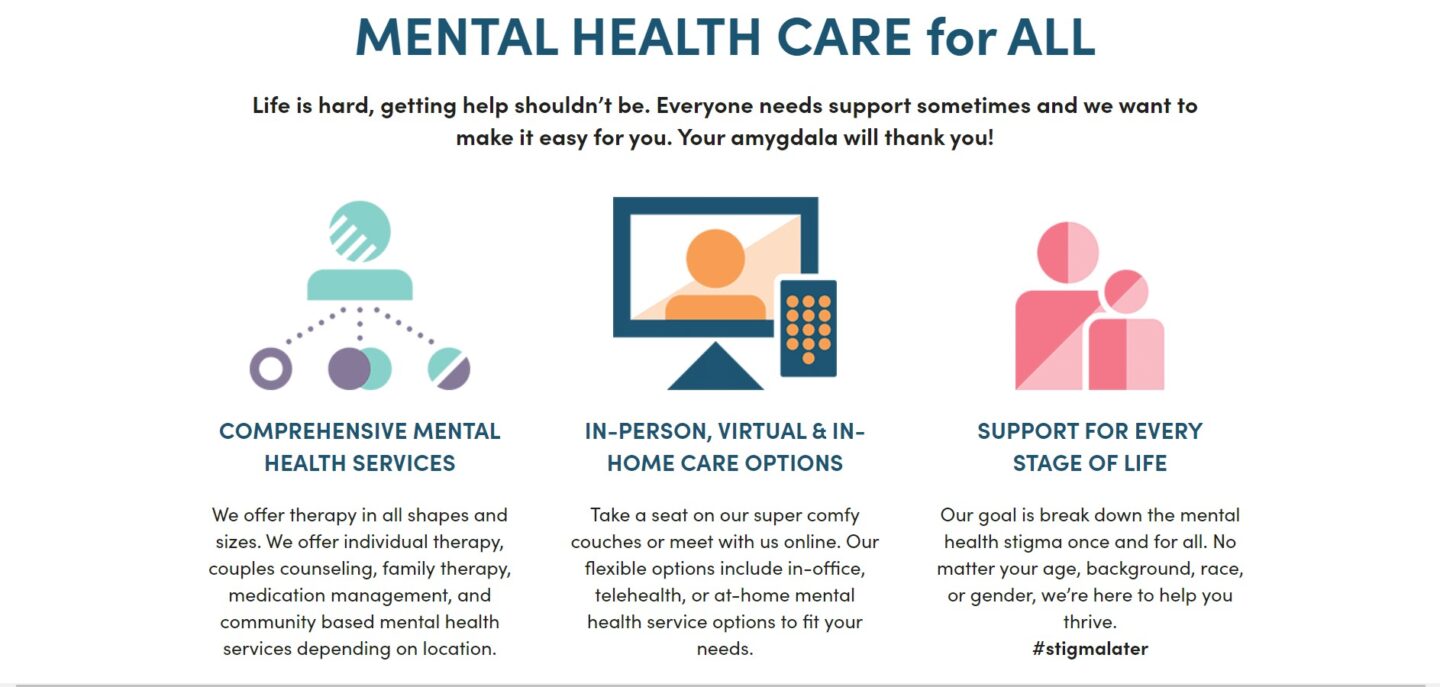
Written by JD Dawley, updated by Sara Jokela 1/2/25

Google advertising is the quickest and easiest way to get your mental health clinic on the first page of the search engine results page (SERP!)

With pay-per-click advertising on Google, increasing brand awareness, generating leads, and gaining conversions get accelerated. In order to make your marketing efforts effective, you’ll need to invest enough ad spend to be competitive in your field. Having a scalable digital marketing strategy is essential for mental health clinics to support rapid growth and efficient campaign spending. Effective digital marketing efforts can overcome challenges in account structure and media strategy, maximizing the efficiency of your marketing initiatives. You’ll be happy to hear: ROI for a Google Ads campaign is often very high and provides more immediate, measurable results than other “slow-burn” types of marketing.

You’ll want to continue reading if:

  • You’re building a therapy practice and feel it’s time to shift your marketing into a more aggressive and targeted phase.
  • You’re interested in using one of the most powerful forms of digital advertising available.

For this deep dive, we’ll be looking into how to advertising your mental health practice on Google can help you get the kind of ‘new client’ leads and results you’re looking for.

Looking to grow your client base with Google Ads? Trust our expertise and get the best ROI from your marketing. Schedule your free consultation with Beacon Media + Marketing today.

What Is Google Advertising for Mental Health?

Google advertising comes in two varieties, each with its own flair. Google Ads campaigns are crucial for healthcare organizations to reach potential patients effectively, especially given the high volume of healthcare searches on Google.

Firstly, you have Google AdWords. In a nutshell, this is the advertising displayed directly on the search results page. Secondly, there is the Google Display Network. This is the network of popular websites that have granted Google advertising permissions to display ads in columns and banners on their various web pages.

What Is Google AdWords?

While Google AdWords look like typical search results, which show up at the top of your page after typing a search request into Google. (for example: google advertising in reno.) However, instead of being typical ‘search engine results’ — they’re actually paid advertisements.

Segmenting patient communication based on various mental health conditions can significantly improve marketing strategies and patient retention. To help users identify what they’re viewing (ex. ads vs. regular search engine results) Google indicates which listing is an ‘ad’ using a little, green “Ad” icon that’s located to the left of the URL. To learn more about how this is displayed on a typical Google search, keep reading.

Screenshot of A Google Search Sample Explained

Below is a screenshot of what we’re talking about. In this case, we used the term google advertising in reno for our Google search. As you can see, the top four results on this page are showing us the paid ad results. We know they are paid ads because that little green “Ad” icon is displayed next to the URL and just below the headline.

Tip: The top four Google results on a desktop and the top three Google results on a mobile device are paid ads.

Google AdWords Placements and character counts

Google AdWords placements have three primary components. Each of these are text-based and have minimum character count requirements. They are as follows:

  • Headline | 30 characters max
  • URL | 15 characters max + domain
  • Description | 90 characters max

Not only is it possible to customize these elements for your mental health clinic on the Google AdWords platform, but it’s highly recommended. Especially if you want the biggest impact on your ad spend.

Pay-Per-Click (PPC) advertising

Two terms for Google advertising you’ll need to familiarize yourself with are pay-per-click or PPC advertising. These two terms refer to what happens each time someone clicks on a Google Ad. Put simply:

  • The advertiser (aka. your mental health business) is charged a certain amount each and every time a user (aka. your potential client) clicks on the ad in order to learn more about the product or service that’s being advertised.

Organic search Results vs. Paid ads for mental health services

Everything below the Google AdWords placements on the search results page is called the organic results. These businesses display on Google’s SERP just below the top of page Google Ad results. The businesses that ranked on the first page of the search results without paying for ads are doing something right. The higher one can rank organically on the first page of a search, the better.

Tip: In the digital marketing universe, the term organic refers to anything online that is not specifically paid advertising.

Search Engine Optimization (SEO) Helps Achieve Ranking

Another essential digital marketing and advertising term to be aware of — search engine optimization takes a lot of time and work to achieve high organic ranking on Google. It also requires a cohesive SEO strategy that’s integrated between a mental healthcare business blog and website. Learn about Google E-A-T and its impact on your SEO strategy.

Importance of Having an Integrated Paid and Organic Strategy

At Beacon, we recommend an having a two pronged and integrated paid/organic marketing strategy for your mental healthcare clinic. This way, you can have your cake and eat it too. — Benefiting from the quick results Google advertising provides while investing in the long-term advantages of ranking your mental health clinic organically is a no brainer in our book!

What Is the Google Display Network?

Many popular websites generate (either a portion or all) of their revenue by allowing Google advertising across their pages. These websites are part of what’s called the Google Display Network (GDN), and are something you and your mental health clinic want to take every advantage of.

These advertisements are characteristically displayed in banner or column placement on the GDN website. The word, advertisement in small, grey text indicates to users that what they’re seeing is a paid ad. Once again, giving website users insight into what they’re viewing and potentially clicking on.

This screenshot from a BuzzFeed web page is an excellent example of how this looks. Notice the word advertisement above the LastPass ad in the right hand column:e word advertisement above the LastPass ad in the right hand column:

Unlike Google AdWords placements, Google Display ads are more than mere text-based ads. They can include:

  • headlines
  • descriptions
  • logos
  • graphics

Overall, Google Display ads are more diverse than Google AdWords. With their different formats available (sixteen at our last count) advertisers have a little more control over how their ads display to users.

Retargeting Ads Is a Bonus google display network feature

A common application of Google Display advertising referred to as retargeting. This is where you’re essentially telling Google, “I want you to show my ads to people who’ve just visited my mental health clinic’s website.”

Before taking the BuzzFeed screenshot above, we’d recently visited the LastPass website. As you can see in the screenshot, a LastPass ad now displays on this BuzzFeed website page. Google’s GDN retargeting functionality explains why the ad from LastPass is showing up here instead of, a totally irrelevant ad for a local plumber three states over.

Retargeting is highly effective for keeping your mental health clinic top of mind. It helps remind people of their interest in your mental health facility and encourages them to do what you want them to do — come back to your website.

Location Based Targeting with Geotargeting Ads

Another application of Google Display advertising is geotargeting or targeting based on location. Geotargeting is important for location-based companies. If you own a local clinic, you do not want to market your mental health services to the whole world. Instead, it’s best to people in your local area.

This ensures you’re not wasting advertising spend on unqualified leads who aren’t going to be looking for your services. Even if you’re a national mental health business, geotargeting allows you to invest your ad spend on locations you’ll see the most conversions and the highest return.

How Does Google Advertising Work?

All formats of Google advertising are managed through the Google AdWords platform. Here are the Google-provided instructions for setting up a google ads for your mental health clinic’s account.

Here’s how to get started on that: 

  1. Create an account using your business email and website.
  2. Tailor your experience with Smart or Expert mode.
  3. Set your campaign goal and create your ad.
  4. Set your budget and enter your payment information.  

Before you start advertising, however, it’s important to understand a few things about how the Google advertising algorithm works.

How the Google Advertising Algorithm Works

Depending on your internet speed, it probably takes less than a second to perform a Google search. Because Google is so quick to return millions of results, we don’t realize how much work goes into every search. There’s a lot going on behind the scenes!

For starters, Google takes a look at all the businesses that want to show ads for the search using the Google ads platform, AdWords. Maybe it’s a search for something like, “feeling depressed counseling near me.”

If your mental health clinic provides these services and you’re targeting these searches through Google advertising, your business will be included in the list of companies Google looks at.

Using Google Keywords

How do you communicate to Google that you’re targeting these searches to a specific target audience? By bidding a monetary value on these search terms –better known as keywords– in Google AdWords.

Google determines who gets to show their ads for each search utilizing two metrics:

  1. The maximum bid you’ve set for your specific keyword.
  2. The quality score for your advertisement.

Understanding Maximum Bid and Quality Score

First, the maximum bid is the maximum amount you’re willing to pay if someone clicks on your Google advertisement (this is similar to pay-per-click). In the industry, this is also referred to as a cost-per-click or CPC bid.

Second, your quality score is a score the measures how relevant and valuable your ad is to Google’s search engine users. Something interesting to note here is that Google cares about the quality of their user’s experience. This is because, the better experience they have, the more they use Google, and the more money Google makes.

Google’s concern for the user experience benefits you because — the more users Google has, the more people see your ads! These two factors go into your quality score:

  1. Past performance of your ad, ad group, and your account in general.
  2. The relevance of your selected keyword, ad, and landing page to the search and to each other.

Understanding Ad Group and Landing Page

We have two new terms to define: ad group and landing page.

An ad group is the group of keywords that you are trying to show ads for.

A landing page is the page that you link your ad to.

There is an equation that governs which ads Google chooses for every search, and that is:

CPC Bid x Quality Score = Ad Rank

Understanding Ad Rank and Cost-per-impression

Your ad rank is the position your ad receives among the Google AdWords placements which are displayed at the top of the results page.

Up to this point, we’ve described the algorithm for Google AdWords placements and not covered the GDN. The algorithm for the Google Display Network is very similar.

The primary difference is that rather than bidding on clicks, you bid on impressions, which is the number of times your ad was displayed. This is called cost-per-impression or CPM bidding.

How Much Will Google Advertising Will Cost Your Mental Health Clinic?

As previously mentioned, Google advertising is pay-per-click. This means your mental health clinic foots the bill each time a potential client clicks on one of your ads. By setting a maximum bid, you are informing Google that, “This amount is the most I’m willing to pay.”

Sometimes the amount you actually pay in the end is much lower. When a search is performed, Google runs an equation that determining how much you pay if your ad is displayed and clicked on.

Here is that equation:

Next Highest Ad Rank/Quality Score + $0.01 = CPC

If you paid attention back in algebra class, you’ll see that the higher your quality score is, the lower your rate’s going to be.

In order to improve the user search experience, Google intentionally rewards advertisers for relevant, successful advertising. We cannot stress the importance of creating relevant Google advertisements enough!

Can Google Advertising Grow Your Mental Health Clinic?

If you’re asking, “Can Google advertising grow my mental health clinic?” We’re here to say, “That’s a great question!” And our answer is, “It depends.”

Consider Your Competitive Landscape

In addition to thinking about your bid and quality score, you also have to zoom out and consider the dynamics of your unique competitive landscape. Those dynamics, we can boing down into two things you’re competing with other Google advertisers about:

  1. Your industry.
  2. Your location.

Your location matters!

Some industries and locations are very competitive.

For example, in the legal industry in Anchorage, Alaska, we’ve seen cost-per-clicks as high as $50! In cases like this, unless our client makes a massive profit off each customer they bring in, we wouldn’t recommend Google advertising at a CPC this high.

In other industries and locations, you have an excellent chance of “making it” among the Google ads. Here are some commonly searched terms in the U.S. for mental health professionals by industry:

KeywordAverage Monthly SearchesCompetitionPage Bid (Low Range)Page Bid (High Range)
depression100K – 1MLow$1.02$5.00
anxiety100K – 1MLow$0.40$2.00
bipolar100K – 1MLow$1.03$5.76

Source: Google AdWords Keyword Planner (at the date of this blog post).

What you’re looking for here is a high number of average monthly searches with low to medium competition.

Identifying Reasonable Bids

A good question to ask at this point is, “How do you know know what levels of bids are reasonable?”

Here are Google AdWords benchmarks for a wide variety of industries:

Source: WordStream (at the date of this blog post).

Looking here, you can see that the average cost-per-click for the health and medical industry is in the mid-range at $2.62 per click. This makes sense when weLooking here, you can see that the average cost-per-click for the health and medical industry is in the mid-range at $2.62 per click. This makes sense when we average the high end of the bids from the data in our table.

On a national scale, the mental health industry in the U.S. is fairly average when it comes to competition for ad campaigns. As this is a national average, it’s still important to closely examine the competition in your locality and use that to inform your advertising decisions rather than relying on a national average for your benchmark numbers.

Learn about and utilize best practices

Even if your locality has a high level of competition, there’s a lot you can do to help lower your Google advertising rate. PPC advertising can effectively target individuals seeking mental health services and highlight non-profit campaigns aimed at eliminating the stigma surrounding mental illness. Here at Beacon, we regularly achieve lower than industry standard rates for our clients. This is in part due to the fact we use a few, key best practices.

Here are a few of our favorites:

  • Spend $300 per month on each mental health service you want to advertise (we recommend more). This typically translates to the minimum cost-per-click you want to be bidding on each keyword in your ad group. You’ll want a total of 1-3 ad groups.
  • Find a niche that makes your mental health clinic different and use it in your keyword choices. The more unique you can make the keywords you’re targeting, the less competition for them you’ll encounter, and the more likely you’ll bring in the patients you’re hoping for! For example, we helped one dentist achieve excellent results through Google advertising. We did this by focusing on the functional aspect of her practice, and used the words “functional,” “holistic,” and “integrative” in her ads.
  • Develop relevant ads and landing pages. Again, the relevance of your Google advertising campaign is going to determine its success above all else. Make sure the keyword you’re targeting shows up in your: ad headline, description, and on the web page you are linking that specific ad to.

Creating Effective Ad Campaigns

Keyword Research for Mental Health Services

Keyword research is a crucial step in creating effective ad campaigns for mental health services. It involves identifying the keywords and phrases that potential clients are likely to use when searching for mental health support. By incorporating these keywords into your ad copy and landing pages, you can increase the visibility of your ads and attract more relevant traffic to your website.

To conduct keyword research for mental health services, you can use tools like Google Keyword Planner, Ahrefs, or SEMrush. These tools allow you to identify relevant keywords, analyze their search volume and competition, and determine the best keywords to target for your ad campaigns.

Some examples of keywords that may be relevant for mental health services include:

  • “mental health services near me”
  • “anxiety treatment”
  • “depression counseling”
  • “therapy for trauma”
  • “mental health clinic”

By targeting these keywords, you can create ad campaigns that are more likely to resonate with your target audience and drive conversions.

Optimize Ad Copy for Empathy and Relevance

Optimizing ad copy for empathy and relevance is critical for creating effective ad campaigns for mental health services. Your ad copy should reflect a deep understanding of the emotional states and challenges faced by individuals seeking mental health support.

To optimize your ad copy, focus on using language that is compassionate, supportive, and non-judgmental. Avoid using clinical jargon or terms that may be triggering or stigmatizing. Instead, use relatable and reassuring language that conveys a message of hope and assistance.

Some examples of empathetic ad copy for mental health services include:

  • “You’re not alone in your struggle. Our mental health services are here to support you.”
  • “Take the first step towards healing. Our therapy services are designed to help you overcome anxiety and depression.”
  • “Find hope and healing with our mental health clinic. Our compassionate team is here to support you every step of the way.”

By optimizing your ad copy for empathy and relevance, you can create ad campaigns that resonate with your target audience and drive conversions.

Landing Pages and Conversion Optimization

Create Informative Landing Pages

Creating informative landing pages are critical for converting visitors into clients. Your landing pages should provide detailed information about your mental health services, including the benefits, treatment approaches, and what to expect from your services.

To create effective landing pages, focus on the following elements:

  • Clear and concise headlines that communicate the benefits of your services
  • Detailed descriptions of your services, including treatment approaches and what to expect
  • Testimonials from satisfied clients that demonstrate the effectiveness of your services
  • Calls-to-action that encourage visitors to take the next step
  • A clear and easy-to-use navigation menu that allows visitors to find the information they need quickly and easily

Some examples of informative landing pages for mental health services include:

  • A page that provides an overview of your mental health clinic, including your mission, values, and services offered.
  • A page that describes your therapy services, including the treatment approaches used and what to expect from sessions.
  • A page that provides information about your mental health professionals, including their credentials, experience, and areas of specialty.

By creating informative landing pages, you can increase the chances of converting visitors into clients and driving revenue for your mental health practice.

Should You Outsource Your Mental Health Google Advertising? 

At this juncture, you may be thinking, “Google advertising is not exactly quick and easy!” True, maybe not the first few times, but once you get the hang of it, Google advertising is will get you on the first page of Google much quicker than relying on organic results alone.

If you’re just getting started or are planning to launch your private practice or mental health clinic in the near future, we hope this information gives you a leg-up! If not and you are interested in outsourcing your Google advertising to an expert, we would love to help you. Our team at Beacon is Google Partner certified and we’ve helped many businesses in the mental health industry register new patients.

Make the biggest impact with Google Ads? Reach out to us and schedule a free consultation.

Originally published by Sabrina Martinez, Content Manager. Updated and revised by Sara Jokela, 11/16/24.

For many business owners and digital marketers alike, search engine optimization is often portrayed as a mysterious process that requires insider insight to master. We’ve heard our share of “SEO tactics,” like including hidden keyword text or links on web pages or spamming other blog comments with website links.

Fortunately, these tactics don’t work. And we say “fortunately” because while these black-hat methods are intended to boost your ranking and get web content higher on the search engine results page (SERP), they take away from reader experience, which can hurt your reputation and conversion rate in the long run.

So, if these ineffective SEO tricks aren’t the answer to boosting your SERP rankings, then what is? Quality content! Here’s our unpopular opinion: Google’s algorithm updates are not intended to fool and thwart marketers. Rather, these changes are designed to improve reader experience and first show content that best answers a specific search inquiry. When creating content, whether it be a webpage or a blog, your first priority should always be creating genuinely helpful content that is engaging and comprehensive.

Great content paired with the right keywords are a recipe for SEO success. In this blog, we’ll cover why keywords are so essential for your SEO strategy and point you toward the right tools and steps for choosing the right keywords for your mental health care blogging strategy.

Interested in content management services – including SEO-friendly blogs? Learn more about how we can help here.

Understanding Mental Health and SEO

What is Mental Health?

Mental health refers to the state of psychological well-being in which a person realizes their own potential, copes with the normal stresses of life, works productively, and contributes to their community. Good mental health helps a person lead a relatively happy and healthy life and demonstrates resilience when facing adversities. Mental health is an essential aspect of overall health, and it is crucial to understand its importance in today’s society.

The Role of Search Engine Optimization in Mental Health Services

Search engine optimization (SEO) plays a vital role in mental health services by helping mental health professionals and businesses reach their target audience online. By optimizing their website and content with relevant keywords, mental health professionals can increase their online visibility, attract more targeted traffic to their website, and bring in new clients. SEO is essential for mental health businesses to establish themselves as authoritative sources online and provide valuable information to people seeking mental health services.

A Quick Note About Off-Page SEO and Technical SEO

Off-Page SEO and Technical SEO illustration

When we talk about keywords and webpage content, we’re addressing on-page SEO. Essentially, on-page SEO is the content that appears on the page – including titles, headers, keywords, lists, title tags, meta descriptions, and quality content. 

There is another piece to your SEO strategy that’s incredibly important. Off-page SEO includes factors outside your website that affect your content’s ranking. This is because domain authority is an important piece to SEO. The main way Google tracks domain authority is by considering how many backlinks a website has. A backlink is when another website links back to a page on your site. The number of unique links and the domain authority of each website linking back to yours all contribute to how Google measures your site’s domain authority.

Technical SEO involves the security and structure of your site. If your site is buggy, insecure, or badly structured, Google isn’t going to want to send readers there. A slow or unsafe website means a poor user experience for anyone who lands on your blog or webpage. Top factors to consider for technical SEO include:

  • making every page on your website crawlable
  • installing an SSL certificate
  • using a fast website hosting company
  • limiting duplicate content
  • ensuring your website is mobile friendly
  • registering your site with Google Search Console
  • creating an XML sitemap

Want to ensure your website is secure and up to best practices? Learn more about our web hosting and technical SEO services.

What Is a Keyword for SEO? 

Keywords for SEO illustration

Before we dig too deep into figuring out the right keywords for your mental health SEO strategy, it’s important you know eBefore we dig too deep into figuring out the right keywords for your mental health SEO strategy, it’s important you know exactly what a keyword is. When we talk about keywords in SEO, we’re not just referring to the main topic or idea you’re covering in your content. An SEO keyword is the word or phrase you want to rank for on Google. For example, if you had a keyword phrase of “What are the symptoms of depression?” your goal is to show up as high as possible on the results page when someone searches for that phrase.

Keywords related to ‘mental health conditions’ are crucial for attracting the right audience, as they address serious health issues and the need for greater awareness and support.

Do SEO Keywords Matter? 

While many “SEO tricks” from the past are outdated, frowned upon, and rejected by Google’s algorithm, SEO keyword research is still the cornerstone of content SEO. After all, what is a search engine except a tool used to generate a list of web pages that relate to a specific keyword or keyword phrase?

When putting together a blogging strategy for your mental health practice, you can’t just write content, publish it, and expect it will show up in front of someone looking for your services. As a mental health professional, you need to identify your goals and target audience and then determine the phrases that your ideal client is most likely searching for to achieve that goal.

Want to see how SEO fits into the larger picture of your mental health marketing strategy? Explore our full suite of mental health marketing services.

How To Choose Target SEO Keywords for a Mental Health Practice 

The first step in choosing keywords is identifying the goal for your content. Are you trying to answer a common question people have about a mental health topic you’re passionate about? Are you trying increase calls or have more clients in a specific type of therapy (such as couples or group therapy sessions)?

Having a specific marketing goal can guide you in the next step, which is to come up with specific topics you want to cover. For an example, let’s say you’re passionate about postpartum therapy and your goal is to draw in new mothers for counseling. You could then come up with a list of topics that your target audience (new moms who might be struggling with their mental health) would be searching for. This list might include topics like:

  • Postpartum depression
  • New parent anxiety
  • Birth trauma
  • Baby blues
  • Body image issues
  • Generalized anxiety disorder

Performing Keyword Research for Long-tail Keywords 

Once you have a list of topics you want to cover, you need to do keyword research to pin down exactly what people are searching for. Your research should focus on long-tail keywords that are more specific than the broad topics you chose. For instance, long-tail keywords for “postpartum depression” might include “symptoms of postpartum depression” and “how to find a therapist for postpartum depression.” With one topic, like “postpartum depression” it’s easy to see how you create 10 or more long-tail keywords that could each serve as their own blog post or as a section in a blog.

Long-tail keywords related to mental disorders can help attract a more targeted audience by addressing specific conditions, symptoms, and treatments.

Long-Tail vs Short-Tail Keywords

When it comes to SEO for mental health services, it’s essential to understand the difference between long-tail and short-tail keywords. Short-tail keywords are broad and generic, such as “mental health services,” while long-tail keywords are more specific, such as “anxiety therapy services in New York City.” Long-tail keywords are less competitive and more targeted, making them more effective for attracting the right audience. By using a combination of short-tail and long-tail keywords, mental health professionals can create a robust SEO strategy that drives results.

The Best SEO Tools for Keyword Research 

When choosing long-tail keywords, you don’t want to just guess at what people are searching for. Every SEO expert uses tools to gather analytics on different keywords and identify the right phrases they should be ranking for. 

A few of the most popular SEO tools on the market include: 

The main goal of these SEO tools is to help you identify three main things: 

  • Search Volume: Make sure the keyword you optimize your content for is a phrase people are actually searching for. You can use SEO analytics platforms, like SEMrush, to measure how many searches have been performed for a certain keyword. Similarly, you also want to choose keywords or topics that you know your target audience will enjoy and engage with. 
  • Search Intent: Keyword optimization isn’t just a matter of sprinkling keywords in the spots they should go. The quality and relevancy of the blog always trump keyword placement. You need to consider what a person is likely looking for when they search for a phrase (because that’s what Google is doing too). If you look up “mental health services near me,” you won’t be taken to a results page with blog posts explaining what mental health treatment is. Rather, you’ll be taken to a list of local results showing clinics nearby where you can get treatment.
  • Keyword Competitiveness: You need to choose keywords that are both popular but easy to rank for. Sure, a lot of people might search for “what is mental health?” But this means several large, top companies are already competing for this keyword as well. Keywords are similar to niches – you want to narrow your focus to reach the exact audience you’re looking for with less competition. 

Avoiding Common Mistakes

Keyword Stuffing and Over-Optimization

Keyword stuffing and over-optimization are common mistakes that can negatively impact a mental health professional’s SEO efforts. Keyword stuffing involves using too many keywords in a piece of content, making it seem unnatural and spammy to search engines. Over-optimization occurs when a website is optimized too heavily for a specific keyword or phrase, leading to a penalty from search engines. To avoid these mistakes, mental health professionals should focus on creating high-quality, informative content that uses keywords naturally and strategically. By doing so, they can improve their online visibility and attract more targeted traffic to their website.

Leave the SEO Keyword Research to Your Digital Marketing Gurus

SEO Keyword Research by Digital Marketing Gurus illustration

While SEO keyword research might not be a mysterious and complicated as some “experts” would have you believe, crafting a solid SEO strategy does take a lot of time and practice to do right.

Choosing the right mental health keywords is essential for your overall content strategy. If you’re putting in time or resources to create content, you need to ensure that your investment is well-spent. If your content remains invisible on search engines, it’s not building brand awareness or gaining you new leads.

When addressing topics like mental illness, it is crucial to use the appropriate keywords to reach and educate your audience effectively. Recognizing the significance of mental illness in society and promoting understanding can help decrease stigma and highlight the necessity for professional support.

When you choose Beacon Media + Marketing to take on your content management needs, we have the right tools and expertise to create a blogging strategy that includes the most effective keywords you should be ranking for. Most importantly, we’ll ensure every web page or blog is relevant and engaging to what your target audience is searching for.

Want to boost website traffic with organic content that rank on search engines and gets conversions? Schedule your free consultation with us today!

Originally published by Sabrina Martinez, Content Manager. Updated and revised by Sara Jokela May 7, 2025

Brainstorming ideas for your new mental health logo and on a quest for inspiration? Ideation is one of our favorite things here at Beacon and we’ve got you! Our top four eye-catching logo examples list includes some of our favorite logo projects. Not only that but, these particular logos are ones our Beacon team agrees fulfill some serious #LogoGoals criteria.

Whether you’re a new mental health business and creating a new brand or an established practice looking for a logo refresh, this list contains the kind of inspiration you need to help you create a clean, modern logo design for your clinic. It’s easy to get started with mental health logo design tools, ensuring a smooth and successful creation process.

From fresh, colorful logos that stand out from the crowd to more traditional, soothing mental health logos, there are so many different options to consider as you craft your brand. And if you like what you see and are ready to make your new logo come to life, our amazingly creative team at Beacon Media + Marketing is here to transform your concept into a truly recognizable brand.

Is your logo lackluster or no longer capturing the essence of your brand? Schedule your free consultation and learn how we can give you the fresh, unique logodesign that represents the heart of your mental health practice.

Introduction to Logos in Mental Health

A well-designed mental health logo is essential for creating a strong brand identity and conveying the right message to your audience. In the mental health industry, logos play a crucial role in establishing trust and credibility with patients, clients, and partners. A mental health logo should be simple yet distinctive, effectively communicating the values and mission of your organization. When designing a mental health logo, it’s essential to consider your target audience, the services you offer, and the overall tone of your brand. By incorporating relevant design elements such as colors, shapes, and typography, you can create a mental health logo that resonates with people and helps establish a strong brand presence.

What Does a Good Mental Health Logo Look Like? 

It bears stating: a logo is the most identifiable representation of your business. Case in point, how else can customers recognize Nike apparel, an iPhone or Tesla? If it weren’t for the classic swoosh, the iconic apple or Elon’s ‘T’, they wouldn’t stand out as much as they currently do.

Closely tied to your mental health brand, your practice’s logo significantly impacts the impression people have when interacting with your business. Online and in the mental health arena — where the focus is on service offerings rather than products — it’s even more essential. People will differentiate your practice from others using your logo as a flagship identifier. In fact, your logo design can even tip the scale in your favor and help someone take that coveted next step by reaching out to contact you directly. That’s why it’s so important to not only have a logo, but to have a perfect logo design that hits it out of the park.

As your creative juices get flowing and you brainstorm ideas for your new logo, we’re confident these best practices will help you get the most of your creative workshopping and ideation:

Design the logo your target audience will love.

One mistake healthcare providers make when designing a logo is creating what they think looks best. Creating a professional logo is a multi-dimensional process and requires more than putting together something that looks nice or using a budget, pre-designed template.

Consider the audience you’re appealing to. Let’s imagine you love elegant, cursive fonts and have a special affinity for sunflowers. You want these elements in your logo design. Let’s also imagine your target audience is 80% male. Given your primary clientele, this branding won’t resonate and will harm, rather than help your business. Additionally, utilizing customizable logo designs can ensure your logo is tailored to your target audience, making it more effective and professional.

Make your logo versatile and create multiple versions.

Consider how you’ll use your logo. It will feature on your website, social media graphics, infographics, and other marketing pieces. Possibly a T-shirt, billboard, on your building signage or a business card. It may also appear atop white, black, colored, or patterned backgrounds. Create a logo easily compatible with multiple design applications. Many designers include in their logo packages simplified versions of an original logo. These are usually in black, white, or alternative brand colors. You can also download logos in various formats, including PNG and vector files.

Communicate the right message with a well-matched font.

The font used in a mental health logo is a critical design element that can help convey the right message and establish the tone of your brand. A well-matched font can create a sense of professionalism, approachability, and trust, which are essential for a mental health organization. When selecting a font for your mental health logo, consider your audience, the services you offer, and your overall brand identity. A clean, simple font can create a sense of clarity and ease, while a more decorative font can add a touch of personality and creativity. By choosing a font that aligns with your brand and audience, you can create a mental health logo that effectively communicates the right message and helps establish a strong brand presence.

Communicate the right message with a well matched font.

Many believe colors and symbols are the most critical logo design element. Truth be told, the type of font chosen can alter the message your branding sends. What may seem a minor typeface difference can transform a brand from positive and welcoming to cold, overly clinical and unapproachable. 

Simple and clean is always best.

A mental health logo containing too many elements is problematic. First off, it looks messy and unprofessional. Second, integrating it with your marketing or other use case scenarios is difficult. Third, they’re confusing. If your potential clients must spend time and mental energy interpreting your logo design, they’ll struggle to connect and you’ll struggle communicating your brand story. A simple and clean logo can be created in just a few minutes using the right tools.

Don’t be afraid to try something different.

According to some digital marketing experts, the average individual is exposed to thousands of ads daily. To differentiate your logo online, it must be unique. Have courage. Be creative. Come up with something different from the others in your industry. 

We offer a full suite of mental health marketing services. Discover what we can do for your practice.

Benefits of a Unique Brand Identity

A unique brand identity is essential for a mental health organization to stand out in a crowded market and establish a strong presence. A well-designed logo is a critical component of a unique brand identity, as it helps convey the values and mission of your organization and establish trust and credibility with your audience. By creating a unique brand identity, your mental health organization can differentiate itself from competitors, build a strong reputation, and attract new patients and clients. A unique brand identity can also foster a sense of community and belonging among patients, clients, and partners, which is crucial for building strong relationships and establishing a loyal following. With a unique brand identity, your mental health organization can position itself as a leader in the industry and create a lasting impression on your audience.

Mental Health Logos That Will Awe and Inspire You 

A good mental health logo makes a good first impression! And capturing the interest of your target audience will entice them to learn more about your brand and services. Rather than talking about elements a logo should have, we’d rather show you. These logos effectively convey the brand’s identity to the world.

1. Holistic CFT

Holistic CFT Couple and Family Therapy logo

Holistic CFT captures the simplicity and aesthetic goodness of a typography-based logo. The color green and the mental health genre are close friends. Long utilized as a mental illness symbol, green is now used to spread mental health awareness in the shape of a green ribbon. The font and color used in our Holistic CFT logo also inspire images of nature — implying growth, new beginnings, and positive change. This logo is welcoming, encouraging and makes the target audience easy to identify by stating “couple and family therapy” on the second line.

2. Alli

Alli logo

Alli — an upcoming neuroscience-based platform — combines coaching, subscription membership, and intensive courses empowering people to make actionable changes in their lives. A unique service with a creative approach to helping people nationwide improve their mental health, Alli needed a fun, eye-catching logo to represent this. With bright peach and rounded letters, Alli’s logo appeals to a multiple age groups, including younger generations. The logo is simple, memorable and strays from usual colors, patterns, and fonts seen in mental health logos. The size and simplicity of Alli’s logo make it versatile — it looks great on a website and will easily fit on a T-shirt, an app, or a pen. 


3. Jill Gulotta Nutrition

Jill Gulotta Nutrition logo

The Jill Gulotta Nutrition logo is classy, professional, and appealing. It strays from colors like blue and green. It doesn’t include florals or feminine elements found in the other logos we’ve highlighted so far. Rather, it uses a smoky black and neutral beige, giving the brand credibility and a sophisticated air about it. The logo’s circle element is identifiable and unique and can easily stand alone when a smaller symbol is required. 

4. Ravel Mental Health

Ravel Mental Health logo

Like Alli, our Ravel Mental Health logo design is creative and fun. The blue, green, and yellow invoke thoughts of the beach — which is a credit to the company’s San Diego origins. The green swoop looping through the “l” at the end of the logo is a fun visual of the name “Ravel.” This curvy design and sun element make this logo pop. Designed to capture attention, it encourages people to want to click to learn more.

At Beacon Media + Marketing, we don’t do cookie-cutter logos. With decades of design and digital marketing agency experience, we know that branding can make or break a company. If your logo and branding don’t appeal to potential clients, you’ll consistently struggle getting patients in the door or growing your service offerings. 

If you’re seeking a logo to differentiate you from competitors and capture the heart of what you do, we’re here to hear your story, ask some deep questions, and get to know your goals and identify design preferences. From there, we’ll craft a logo and branding package that resonates with your target audience, helps drive leads and gets you conversions. 

With a strong brand in place, you’ll have a good foundation to start seriously marketing your practice with us. From your mental health website to your social media and paid ads campaigns, your brand will shine through everything we do. 

A solid marketing plan starts with a great logo. Schedule your free consultation and learn how we can help you grow.

Implementation and Usage

Once your mental health logo has been created, it’s essential to implement and use it consistently across all platforms and materials. This includes your website, social media, print materials, and any other marketing or branding materials. By using the logo consistently, your mental health organization can establish a strong brand presence and create a sense of recognition and familiarity among your audience. The logo can be downloaded in various formats, including PNG and vector files, making it easy to use across different platforms. Many websites offer free illustrations and logos that can be downloaded and used for personal or commercial purposes. By implementing and using the logo effectively, your mental health organization can establish a strong brand identity and create a lasting impression on your audience. With the help of designers and design elements, you can create a unique and effective logo that reflects your values and mission, helping to establish a strong presence in the industry.

Over the last few years, there has been an uptick in people searching for mental or behavioral health services. The online movements that encourage people to speak openly about issues they’re facing have made some feel better about asking for help. 

While this shift in societal perspective is great, there is now a huge disparity between behavioral health professionals and people in need of help. Often, people searching for support may not know what to look for. 

So, with the rapidly growing industry and people looking for your services, it’s time to jump on the trend. Here’s a guide on why now is the best time to invest in digital marketing and how to do so effectively.

Are you not sure where to start with your marketing plan? Learn how Beacon Media + Marketing has helped mental health professionals create an effective marketing strategy.

Why is There Behavioral Health Market Growth? 

Several factors can contribute to why there has been a rise in behavioral health market growth. As stated previously, the societal acceptance and push for help have left some feeling more comfortable seeking help. 

Another factor has been a reaction to the pandemic where some may have realized issues they were dealing with, or it arose during that time. No matter the reasoning, it’s clear that the industry has faced tremendous growth and is seemingly continuing to rise. 

The market’s growth was seen with an 11.3% rise in 2020. It was projected that the behavioral health industry would grow from USD 77.62 billion in 2021 to USD 99.40 billion in 2028. 

Many people with behavioral health issues such as substance abuse, alcoholism, or eating disorders also face mental health problems. So even if someone may not know to look for behavioral health services, mental health professionals may lead them in that direction. 

According to a 2017 study, over 15% of American adults have at least one behavioral health disorder. Despite this large number of people diagnosed with a behavioral disorder, only 14,6% of adults had used mental health services in 2013. This is a significant disparity in people receiving help for their disorder. 

So how can you help close that large disparity? Marketing your behavioral health services to make yourself available to the public is the best way. 

What Are the Benefits of Marketing Your Behavioral Health Services?

Choosing to market your behavioral health services is a big step in growing your practice, clinic, or facility. It’s a way to bring brand awareness to those who may need your services. When you’re marketing, it works to connect you with potential clients. 

Although connecting with people that you can help is the main highlight of marketing, you have a few other benefits. The following are some of the benefits you can get when effectively marketing your behavioral health practice. 

1. Gain Clients

The most notable benefit is the growth you’ll see in gaining clients. Most people associate marketing with a way to get new clients or customers for your service or product. It’s a way to create brand awareness that will bring in people looking for the services you are providing. 

2. Hire New Staff

When you’re gaining clients, you’re growing in a way that may need more staff on your team. Marketing your services can help you find qualified candidates to fill positions and help more people in your area. The income you may receive can help fund the expansion as you offer more help in your community. 

3. Open Other Locations

Another great benefit to marketing your services is that when you’re gaining new clients, you’ll be able to open other locations. It benefits you as you see more clients seeking your services, and you’ll be another option for people in other areas. Most people look for services in the area they live near so that you can provide excellent health care to more people in need with more locations. 

4. Expand Your Services

Hiring new staff or opening up new locations allows you to expand your services. Right now, you may only be able to help people with substance abuse, but with more behavioral health professionals on your team, you can provide more services. You can look forward to offering more services to your community so people have every facet of help that they may need available to them. 

5. Get Qualified Leads

If you’re effectively marketing and have an updated website with all your current services, it can help separate the people who don’t need your help. People should easily tell which services they can get with your practice, clinic, or facility all online. This will lead to fewer phone calls and more success in treating current and new clients. 

Do you need help creating a marketing strategy? Learn how Beacon Media + Marketing can help you. 

How to Take Advantage of the Behavioral Health Market Growth

A few ways to gain new clients with little marketing, including a therapist directory listing. However, this will only be so effective. 

Many people search online for their mental or behavioral health services. They may occasionally use a recommendation from their primary physician but typically go online to find what they’re looking for. 

In other words, you need to ensure that your behavioral health practice, clinic, or facility is SEO-optimized. It will help make you a top search result, and one of the first resources people look at. 

So, what marketing elements should you add to your strategy? The following are a few ways to utilize marketing to reach your target audience and gain new clients. 

1. Website

Screenshot of Alli home page

Your behavioral health website should be updated with all current services, locations, contact information, and any other information people need to know. When your website reflects the current state of your practice, clinic, or facility, it ensures no confusion about the services you may provide. 

It’s also suggested that you’re transparent about what people need to know. This can include whether you take insurance, which is a big concern for many.

You should also ensure that your website design is up to date. When websites look old, people are less attracted to your practice and may leave the site at a high rate. So, create a website design that is appealing and also reflects the brand of your behavioral health practice. 

2. Local SEO

Woman looking at Center for Grief & Trauma Therapy Google My Business

One of the most important elements that you need to include in your marketing strategy is how well you’re hitting local SEO. It’s essential to have this since many searches for services near their area. 

A way to show up for local searches is by enrolling the physical location of your practice, clinic, or facility into Google My Business. When people search for behavioral health services, the location of your practice will appear at the top of the search. It will also include an information card with your hours, address, contact information, and peer reviews. If you’re an online-only service, you won’t be able to use this function and should consider other methods of hitting SEO goals. 

Another way to have excellent local SEO is to include city or state names on your website. When they’re included in your website’s headers or subheaders, it flags the search engines as a possible result for what someone is looking for. Even including the location names in your blogging can help boost the local SEO of your practice. 

3. Blogging

Screenshot of Tri-Cities Functional Medicine website

Blogging can be one of the best ways to reach your target audience. Your blogs can be a resource for people that are looking for help. 

When they search for a specific question regarding your behavioral health specialist, you can answer those through blogs. Your blogs will be a way for people to get educated and see that you’re an outlet for receiving help. 

Another benefit to blogging is that people will see the educational aspects and see that you’re a qualified professional that can help them. You can also use blogs as a way for people to learn more about your practice, clinic, or facility. 

4. Social Media

Screenshot of Lukin Center Instagram post

Social media can be one of your biggest marketing tools. People can use it to promote their brand or show people more about themselves. 

For your practice, clinic, or facility, there are a few key elements that you should focus on with your social media, including:

  • Consistent branding
  • Educational videos or posts
  • Getting to know you
  • Promotion of brand and events

Using social media is a great way to reach a new audience that you may not otherwise. If you’re providing quality content, people will be more likely to like and share it with others, bringing in more brand awareness. 

Why Should You Use a Behavioral Health Marketing Agency? 

Hiring a digital marketing agency is a great way to put the focus back on your clients. We know that marketing is time-consuming and needs much attention. But the work that you do as a behavioral health practitioner is essential for helping those in your community.

When you choose to get help with your marketing, it’s a way to prioritize the work that you’re passionate about. You won’t need to use as much time and effort when trying to gain new clients and expand your practice, clinic, or facility.

Beacon Media + Marketing should be your first choice when hiring a behavioral health marketing agency. We often work with health care professionals that see an improvement in their practice through their brand and new clients. 

At Beacon Media + Marketing, we can provide several services that you can choose from. Some of our services include blogging, social media, paid ads, branding, graphic design, website design and development, SEO optimization, and video production. 

With our help, your practice can reach new levels of community support. We’ll take care of the marketing while you help those in need of behavioral health services. 

Are you ready to see how Beacon Media + Marketing can help? Get your free consultation!