HVAC + Plumbing

Chart The Waters

Explore insights on SEO, AI, and digital marketing strategies designed to help your business grow, stay visible, and adapt in a constantly evolving online landscape.
Beacon_Icon_resouse

AI is dramatically shifting how businesses approach digital marketing, and its effects are especially pronounced in the home services sector of Reno, Nevada. For HVAC companies, landscapers, plumbing businesses, cleaning services, and more, adopting AI-driven tools is moving from a competitive advantage to a necessary part of connecting with local residents and growing sustainably.

In Reno’s rapidly evolving home services market, leveraging AI tools is essential for businesses to stay ahead of competitors by differentiating their offerings and responding effectively to industry changes.

Personalized Marketing for Local Residents

Personalized marketing is quickly becoming a cornerstone of effective customer outreach, and AI tools are taking it to the next level—particularly in regions facing seasonal extremes, such as Northern Nevada. These tools help businesses like yours reach local consumers who are actively searching for home services in Reno and Tahoe by analyzing customer data like search patterns, service histories, purchase behaviors, and even local weather trends to execute highly targeted campaigns for homeowners.

AI-Powered Targeting in Action

HVAC Industry: Imagine an HVAC company preparing clients for Reno’s notoriously hot and dry summers. By using AI to monitor local search data, the business notices a spike in requests for tune-ups and AC repairs in late spring. In response, the AI system launches timely marketing campaigns across email and social media, nudging homeowners with relevant offers precisely when they’re most inclined to book.

Plumbing Services: Plumbers can utilize AI to scan local forums and review sites, identifying increasing discussions about frozen pipes as the worst of our winter approaches, especially in South Tahoe or Incline Village. The insights allow them to proactively send educational and promotional emails, offering free inspections or preemptive repairs before the first hard freeze or about the importance of winterizing your Tahoe home after the summer fun.

Landscaping Solutions: Landscaping companies can leverage AI data to pinpoint when Reno residents are researching xeriscaping or irrigation upgrades as water conservation becomes an annual concern. Targeted content and ads at this time can educate clients on drought-resistant landscaping—building trust and generating qualified leads.

Practical Benefits for Home Service Businesses

  • Higher Engagement: Messaging aligned with real, observed trends naturally leads to improved open rates and higher engagement.
  • Improved ROI: Focused campaigns generate more results with less waste, helping maximize marketing budgets.
  • Demonstrated Local Expertise: Custom offers and educational content build trust by addressing uniquely Nevadan challenges.

Tip: Start Small

If your business is new to AI, begin by using tools that help segment your email list based on customer location and service history. Over time, you can build on this foundation to automate full-scale, data-driven campaigns. Another option is to work with a digital marketing agency, like Beacon Media + Marketing, that understands the regional concerns and tone needed to reach your ideal clients in the Northern Nevada areas.

Predictive Analytics for Seasonal Success

The home services market in Reno is highly cyclical, with demand for different services rising and falling throughout the year. AI-powered predictive analytics help businesses anticipate these shifts, allowing for smarter resource allocation, campaign planning, and lead tracking. By focusing efforts on periods that generate the most revenue, businesses can maximize their results during peak seasons.

Detailed Strategic Example

Landscaping Company Case Study

A mid-sized landscaping business noticed through AI analytics that demand for lawn care, sprinkler installation, and drought-resistant plants consistently spikes in late April and again in early September after summer heatwaves. By launching campaigns for irrigation system tune-ups and new landscaping services in March and August, the company was able to get ahead of the competition and book out entire weeks in advance.

  • These strategies can also help businesses retain more repeat customers by anticipating their needs and providing timely service reminders.

Plumbing & HVAC

AI predictive tools monitor not just search data but also cross-reference weather patterns. If an extremely hot or cold period is expected, your agency could set the tool to automatically trigger Google Ads and email reminders, prompting homeowners to check and schedule their HVAC or plumbing services in anticipation of increased system stress.

Key Advantages

  • Proactive Marketing: Your customer needs can be meet before they’re even aware of the problem, cementing your brand as a trusted resource.
  • Efficient Resource Planning: With an accurate forecast of demand spikes, staff hours and inventory can be aligned well in advance.
  • Smart Budgeting: Ad spend focuses on periods of high return instead of spreading thin across the year.

Customer Service Automation

Today’s homeowners expect answers fast. Many now expect to interact with service providers and book appointments directly from their mobile device. AI chatbots and virtual assistants are transforming the customer experience by handling basic inquiries, providing instant quotes, and booking appointments in real time.

How AI Chatbots Work for Home Services

A local plumbing company might add an AI-driven chatbot to its website. Visitors can instantly get answers on service availability, pricing, or emergency response times and can schedule appointments 24/7—even when office staff is unavailable.

Advanced Example:

A Reno-based cleaning company integrated a chatbot that uses AI to understand customer intent. For example, if a client starts a chat asking “Do you do same-day service on weekends?” the bot will recognize their urgency, check the company’s real-time scheduling software, and either offer open times or prompt a live agent handoff for complex needs.

Multi-Channel Automation

AI isn’t just for your website. Consider voice assistants, integrated with your phone system, or chatbots connected to your Google Business listing and even social media DMs. This allows you to reach clients where they already are.

Home Service Industry Benefits

  • Faster Interactions: Many customer needs are met instantly, freeing up human staff for unique or sensitive requests.
  • Cost Efficiency: Routine communication is automated, reducing staffing costs while maintaining—often improving—response quality.
  • Better Experiences: With faster responses and smoother scheduling, customers are more likely to book and less likely to abandon their search for help.

Ideas for Implementation

Across the landscaping industry, real businesses are achieving measurable gains by leveraging AI technology. For instance, many companies have adopted AI answering services like WeLevel or Play.ht, allowing them to respond to client calls instantly, schedule appointments 24/7, and reduce missed opportunities—all while saving on labor costs. Other businesses are using lead generation chatbots, such as those from Robofy, to qualify leads directly on their websites and automate appointment scheduling, leading to a substantial increase in service inquiries and more efficient client engagement. On the marketing front, landscaping companies are integrating AI-powered local SEO tools to optimize their web content and Google Business listings, ensuring they appear prominently for “near me” searches and voice queries in their service area. These real-world applications demonstrate how home service providers can boost productivity, improve customer satisfaction, and drive more leads by embracing AI. While this example is hypothetical, it demonstrates the kind of measurable improvements that AI technology can offer to home service businesses.

Local SEO and AIO: Standing Out in Search

Showing up at the top of local search results is crucial for service providers. Optimizing for search engines and AI tools like ChatGPT, Perplexity, Gemini, and more is essential for increasing visibility in the Reno and Sparks area. AI-powered SEO and AIO (AI optimization) tools now handle the technical work: researching keywords, tracking rankings, analyzing content gaps—and automatically updating listings and on-page copy to focus on service areas that matter.

AI-Optimized Content in Practice

  • Keyword Targeting: Tools analyze not just “emergency AC repair” but also conversational, long-tail queries like “best company for water heater installation near me.”
  • Voice Search Optimization: With more homeowners using smart speakers and voice search, AI tools suggest the most likely spoken queries and adjust your content to win those searches.
  • Google Maps & Local Listings: AI regularly updates your business hours, FAQs, and reviews on Google Business and similar platforms, ensuring your company makes the best impression at a glance.

Example:

After implementing AI-driven tools—such as virtual answering services, lead generation chatbots, and content tailored for voice search—a landscaping company could see a significant boost in online service inquiries. Tools like AI chatbots now routinely capture and qualify leads through websites and messaging apps, while AI-enhanced content and review management solutions help target “near me” searches and manage customer feedback efficiently. Drawing from real-world industry results, businesses that adopt these technologies often report measurable gains in web-based inquiries, improved search traffic, and higher review ratings.

Key Results

  • Boosted Visibility: Stay at the top when homeowners search for services in your area.
  • More Qualified Leads: Local homeowners who find your business online are more likely to schedule.
  • Improved Conversion Rates: Smart, targeted content draws in the right customers, reducing wasted clicks and time.

AI-Driven Paid Advertising: Getting the Most from Every Dollar

AI is transforming paid digital advertising, giving even smaller home services companies access to sophisticated optimization strategies.

Automated Ad Campaigns

  • Smart Bidding: AI tools continuously analyze which ads are performing best and shift budgets to the most effective ones in real time.
  • Ad Copy Creation & Testing: AI can generate multiple ad copy variations, monitor their performance, and let the winning version take the lead.
  • Audience Segmentation: By analyzing Reno-area demographics, past customer lists, and online engagement, AI can ensure your ads appear only to those most likely to need your services, helping generate new leads by targeting the most relevant audiences.

Example:

A mid-sized Reno plumbing company working with a local marketing agency could reduce its average Google Ads cost per acquisition by as much as 28% within three months when the agency leveraged it’s expertise together with AI to manage its bidding strategy and ad copy rotation. This meant a higher percentage of marketing spend was going to actual, valuable leads.

Leveraging Local Services Ads for Maximum Visibility

For home services businesses in Reno—especially plumbing companies—leveraging Local Services Ads is a powerful marketing strategy to boost your online presence and attract more customers. Local Services Ads appear right at the top of Google search results, making your business one of the first options potential customers see when searching for services like plumbing, HVAC, or landscaping. This prime placement can lead to more leads, more bookings, and ultimately, more revenue.

To maximize the impact of your Local Services Ads, it’s essential to optimize your Google Business Profile. Make sure all the information about your business, services, and service area is accurate and up to date. High ratings and positive reviews also play a significant role in improving your ad’s visibility and credibility. By maintaining a strong profile and actively managing your Local Services Ads, you can attract more customers, generate more leads, and drive more sales—all while staying ahead of the competition in search results. This strategy is especially effective for plumbing businesses looking to grow their customer base and secure more jobs in their local market.

Social Media Engagement: Building Relationships with the Community

Social media marketing is an essential strategy for home services businesses in Reno NV to connect with their local audience and build brand awareness. AI tools are increasingly vital for managing social media, especially as platforms and consumer habits shift rapidly. Here’s how they help:

  • Automated Posting: Plan content calendars, adjust post timing for maximum engagement, and ensure your profiles are always active.
  • Content Curation: AI suggests locally relevant news, home maintenance tips, or seasonal alerts—helping you engage the community and become a valued resource, not just a service provider.
  • Sentiment Analysis: Tools analyze the tone of comments and messages to alert you about urgent complaints or to identify loyal supporters—allowing for faster, more personalized responses.

Example:

A multi-trade home services business in Northern Nevada noticed a sharp uptick in Facebook engagement after letting AI handle post timing and basic Q&A, freeing up their team for more complex content and genuine customer interactions.

Reputation Management: Building Trust in the Digital Age

Online reviews are a game changer—especially for home services businesses, where trust and reliability are top client concerns. AI is superb at tracking, analyzing, and responding to reviews across Google, Yelp, Angi, and more. Consistent branding in your review responses and online profiles helps reinforce your business’s identity and builds trust with potential clients.

  • Fast Review Responses: AI can respond to positive reviews with gratitude, and negative reviews with offers to resolve issues.
  • Encouraging More Reviews: Automated messaging reminds happy clients to share their experience, increasing the volume and quality of positive reviews.

Implementation: Transforming a Company’s Reputation

A cleaning company partnering with a local agency to implement an AI-powered reputation management system could see impressive results. For example, it’s possible to dramatically improve response times to customer feedback—potentially going from several days to under an hour—while also increasing the number of reviews and boosting average star ratings. These improvements don’t just translate to more business; they can also make hiring easier, since a strong online reputation often attracts better job candidates.

The Importance of Google Reviews in the AI Era

In today’s AI-driven marketing landscape, Google reviews have become a cornerstone of any successful home services marketing strategy. Positive customer reviews not only enhance your business’s online reputation but also help you rank higher in search results, making it easier for potential customers to find and trust your services. AI-powered tools now analyze these reviews to assess your credibility, which means that a steady stream of positive feedback can directly impact your visibility and lead generation.

To encourage more happy customers to leave reviews, consider implementing automated review requests after each completed job. Offering incentives—such as discounts on future services or entry into a giveaway—can further motivate customers to share their experiences. By prioritizing Google reviews, you build trust with prospective customers, improve your online reputation, and increase your chances of attracting more leads and driving more sales. In the competitive home services market, a strong review strategy is essential for standing out and growing your business.

Offering Incentives to Customers: Smart Strategies for Engagement

Offering incentives is a smart and effective strategy for engaging customers and boosting your home services marketing efforts. By providing rewards, discounts, or exclusive offers, you can encourage customers to book appointments, leave reviews, and refer your business to friends and family. The key to a successful incentive program is understanding your target audience—research their needs and preferences to develop personalized offers that truly resonate.

Promote your incentives across social media platforms, through email marketing, and on your website to reach as many potential and existing customers as possible. Highlighting these offers in your marketing campaigns not only attracts new customers but also encourages repeat business and positive reviews. By making incentives a core part of your marketing strategy, you can build stronger relationships with your customer base, drive more bookings, and set your business apart in the competitive home services market.

Generating More Referrals with AI-Enhanced Tactics

Referrals are one of the most valuable sources of new business for home services companies, and AI-enhanced tactics can take your referral marketing strategy to the next level. By leveraging AI-powered tools, you can analyze customer data to identify your most satisfied past clients and target them with personalized referral campaigns. For example, use AI-driven email templates to send tailored messages encouraging customers to refer friends and family, and offer incentives for successful referrals.

Social media platforms are also powerful channels for promoting your referral programs. Use targeted posts and ads to reach your customer base, highlight the benefits of referring your services, and make it easy for customers to share your business with their networks. By implementing these AI-enhanced strategies, you can generate more referrals, drive more leads, and increase your revenue—all while building a loyal community of advocates for your brand.

Data-Driven Insights and Reporting: Smarter Decisions Every Day

One of the largest missed opportunities in small and mid-sized home services companies is data collection and utilization. AI tools take the guesswork out of performance tracking by gathering, analyzing, and presenting actionable insights from every facet of your digital marketing.

  • Custom Dashboards: Visualize clicks, calls, bookings, and feedback in real-time.
  • Customer Journey Mapping: AI tracks the entire client path from initial search to service completion, showing you precisely what’s working (and what’s not).
  • Budget Allocation: Historical and predictive reporting help identify under-performing channels and shift funds where they’ll have the largest impact.

Action Step:

Schedule a monthly 30-minute team review of your AI-generated performance dashboards. Even just that can clarify new marketing opportunities and prevent wasted spend.

Adapting to the Future: What’s Next for AI in Home Services Marketing?

As AI continues to evolve, expect new tools and features that further empower local businesses:

  • Hyper-Personalization: Real-time marketing offers based on weather, events, or even news.
  • Advanced Scheduling: AI optimizes routes for technicians, avoids overbooking, and even reschedules in case of emergencies.
  • Integration with Smart Home Devices: Partnering with device manufacturers to provide reminders or book services automatically based on equipment diagnostics.

Forward-thinking home services companies in Reno are already piloting these next-wave strategies, reporting higher customer satisfaction and retention.

Action Plan: Getting Started with AI in Your Home Services Business

  • Assess Your Current Marketing: Identify one or two areas (like email campaigns or local SEO) where automation could boost efficiency.
  • Set Specific Goals: Whether it’s more leads, higher online ratings, or improved booking response times, know your targets.
  • Research Tools: Look for solutions specifically built for small and medium local businesses. Free trials can let you test before investing.
  • Start Small and Scale: Don’t overhaul everything at once. Implement one AI tool, review performance, then expand.
  • Train Your Team: Encourage employees to use dashboards, bots, and reporting features—ensuring maximum benefit.
  • Monitor and Refine: Your strategy should evolve as you learn what tools and tactics drive results.
  • If you get into this and realize it’s a lot…you’re not alone! You do have options, including Beacon Media + Marketing, we are a local agency with national experience. We know Northern Nevada, it’s home! We leverage AI together with our creativity, empathy, and strategic expertise to ensure you get the best ROI available.

Final Takeaway

AI tools are no longer the future—they’re shaping the home services industry in Reno and similar markets right now. With smarter marketing, deeper insights, and better customer experiences, businesses using AI are leading the way.

Bringing AI into your digital marketing mix means better visibility, more loyal customers, and a stronger return on your efforts. If you’re ready to help your business thrive in 2025 and beyond, start exploring these tools—or reach out for expert guidance.

If you’d like to talk through your options and see how digital marketing can support your goals, reach out to Beacon Media + Marketing. We’re happy to answer questions or share ideas—no pressure, just a friendly conversation about helping your business grow.


[Ready to take the next step? Contact Beacon Media + Marketing to learn how AI-powered digital marketing can help your home services business succeed. We look forward to connecting with you!]

If you’re a small business owner, you already know your website is more than a digital business card. It’s your 24/7 salesperson, your first impression, and—let’s be honest—sometimes your only shot at winning over a customer. But what really separates a forgettable website from one that turns visitors into loyal fans? The answer: a killer combination of user experience (UX) and user interface (UI) design.

Today, we’ll break down exactly why UX/UI is essential for your business growth, how it shapes your brand messaging, and what happens when you get it wrong. We’ll also spotlight real-world examples from mental health, home services, and tourism websites—including some from Beacon Media + Marketing’s own portfolio. So grab your favorite beverage, settle in, and let’s get into it!

What Is UX/UI, Anyway?

User Experience (UX) is all about how people feel when they interact with your website. Is it easy to find what they need? Does it make sense? Is it enjoyable? UX covers everything from navigation and content structure to speed and accessibility. It’s the science (and art) of making your website logical, efficient, and—most importantly—user-friendly[1][2][3].

User Interface (UI) is the visual and interactive layer: colors, typography, buttons, icons, and layout. UI is what your users see and touch. It’s about making your site beautiful, on-brand, and intuitive—so visitors know exactly where to click next[4][3].

In short: UX is the journey, UI is the scenery. Both are essential for a memorable trip.

Why Good UX/UI Is Critical for Business Growth

The Numbers Don’t Lie

  • Good UI can increase your website’s conversion rate by up to 200%. A better UX design? Up to 400%!!
  • Every $1 invested in UX brings an ROI between $2 and $100.
  • 74% of visitors return to a website if it has a good mobile UX.
  • 67% of mobile visitors who enjoy the user experience are likely to make a purchase.
  • Slow websites kill conversions: decreasing page load speed from 8 seconds to 2 seconds can boost conversion rates by up to 74%.
  • Retention rates can be up to 400% higher for companies focusing on UX.
  • Brand messaging outperforms performance messaging 80% of the time—and consistent brand experiences (driven by UX/UI) are a big reason why.

UX/UI Impact Pyramid

What Does This Mean for You?

  • More leads, more sales: Optimized UX/UI means more people stick around, engage, and convert.
  • Lower costs: Better UX means fewer support calls, less cart abandonment, and happier customers.
  • Competitive edge: In crowded markets, a seamless, on-brand experience sets you apart.
  • Brand loyalty: When your website feels authentic and easy, people trust you—and trust is the foundation of loyalty.

What Happens When UX/UI Goes Wrong?

Let’s be honest: bad UX/UI can torpedo your business.

  • Cart abandonment: Around 70% of online shopping carts are abandoned—often due to confusing or frustrating UX.
  • Lower engagement: If your site is hard to navigate or slow, users bounce and never return.
  • Damaged brand credibility: Bad experiences get shared. One negative review can reach 15+ potential customers.
  • Lost revenue: Globally, businesses lose over $1.4 trillion each year due to bad UX.
  • Higher customer acquisition costs: Poor UX increases your costs to win new customers, while hurting SEO rankings.

Real-life example: Snapchat’s infamous interface redesign led to a $1.3 billion drop in market value after users revolted against the confusing new look.

How UX/UI Builds Authenticity and Connection

Your website is your digital handshake. If it’s clunky, outdated, or off-brand, people notice—and judge. But when your UX/UI is thoughtfully designed, it does more than just “work.” It communicates your values, builds trust, and creates a sense of belonging.

How Authentic UX/UI Drives Brand Messaging

Cycle of Authentic UX/UI Design

  • Consistency: Every button, color, and word reinforces who you are and what you stand for.
  • Trust: Authentic, on-brand design signals reliability and transparency—key for industries like mental health, home services, and tourism.
  • Emotional connection: A website that “feels right” invites users to connect with your story, not just your services.
  • Differentiation: Authentic design helps you stand out in a sea of sameness.

Great UX/UI and Brand Messaging in the Real World

Mental & Behavioral Health Key UX/UI Priorities & Examples:

  • Calming color palettes and welcoming images to reduce anxiety.
  • Simple navigation, clear calls to action (“Book an Appointment,” “Get Help Now”).
  • Privacy assurances and accessible forms for sensitive topics.
  • Center for Grief and Trauma Therapy: Strong calls to action on every page, a clear path to getting started, and compassionate language. The site uses calming imagery and detailed therapist bios—including video—to build trust and human connection.
  • Tides Mental Health: Diverse families represented in photos, easy-to-find services, and a calming color palette. Multiple calls to action and an insurance link in a promintent spot, make the site welcoming and practical for all users.

Why it works: These sites make visitors feel safe, understood, and empowered to take the next step—exactly what you want in a mental health context.

Home Services Key UX/UI Priorities and Examples:

  • Prominent contact info and “Book Now” buttons for urgent needs.
  • Clear service icons and sticky navigation for easy browsing.
  • Customer reviews and interactive maps to build credibility and transparency.
  • Southern Home Services: Contact information is always visible, with a “Contact Us” tab, phone number, and sticky “connect with us” bar. Users can reach out instantly, no matter where they are on the site.
  • United Home Services: Clear, concise calls to action (“Schedule an Appointment,” “Request a Free Quote”), sticky chat feature, and interactive service area maps.

Why it works: When your water heater bursts, you don’t want to hunt for a phone number. These sites make it easy to get help fast, building trust and driving conversions.

Tourism Key UX/UI Priorities and Examples:

  • Stunning, immersive visuals (photos, videos, interactive maps) to spark wanderlust.
  • Simple, intuitive booking flows.
  • Multilingual content and accessibility for global audiences.
  • Alaska Luxury Tours: Inspires with amazing imagery of Alaska pulls in the user and helps them dream, immersive and stunning drone videos, and bold CTAs make planning a breeze.
  • Snorkel Alaska: Gorgeous imagery, interactive maps, and clear planning tools help users dream and book with confidence. The site avoids clutter, focusing on what matters most to travelers.

Why it works: These sites turn curiosity into bookings by making the journey from inspiration to action seamless and delightful.

How UX/UI and Brand Messaging Work Together

Your brand isn’t just your logo or tagline—it’s the sum of every interaction people have with your business. When your UX/UI and brand messaging are in sync, magic happens:

  • Trust is built: Consistent visuals and tone reassure visitors they’re in the right place.
  • Recognition grows: Unique design elements (colors, fonts, messaging) make your brand memorable.
  • Sales increase: A seamless, on-brand experience reduces friction and boosts conversions.
  • Loyalty deepens: Authentic, user-centered design creates emotional connections that last.

Pro tip: Every touchpoint—from your homepage to your contact form—should reinforce your brand’s promise and personality.

Achieving Effective UX/UI Design

Best Practices: How to Nail UX/UI for Your Small Business

  • Start with user research: Understand your audience’s needs, pain points, and motivations.
  • Prioritize accessibility: Make your site usable for everyone, regardless of ability.
  • Keep it simple: Clear navigation, readable fonts, and intuitive layouts win every time.
  • Use on-brand visuals: Colors, images, and icons should reflect your brand values and story.
  • Test and iterate: Usability testing uncovers friction points so you can fix them before they hurt your business.
  • Highlight calls to action: Make it obvious what you want users to do next—don’t make them guess.
  • Show social proof: Reviews, testimonials, and case studies build credibility and trust.

The Bottom Line: Invest in UX/UI, Invest in Growth

Great UX/UI isn’t a “nice-to-have”—it’s a business necessity. It’s how you turn website visitors into leads, leads into customers, and customers into raving fans. It’s how you communicate your brand’s values, build trust, and stand out in a crowded market.

If your website isn’t delivering the results you want—or if you’re ready to take your brand to the next level—it’s time to invest in a better digital experience.

At Beacon Media + Marketing, we specialize in crafting and upgrading websites that convert—combining strategic UX/UI design with powerful brand messaging. Whether you’re in mental health, home services, tourism, or another industry, our team knows how to create digital experiences that drive real business growth.

Let’s make your website your strongest asset. If you’re ready to increase conversions, build authenticity, and grow your business through exceptional UX/UI design, we’d love to chat! Click here to reach out.

There are a couple of reasons why we love HVAC marketing. First, we respect your commitment to exceptional customer service. Second, we appreciate the service businesses like yours provide in keeping people safe and comfortable during the winters. Third, we love working with our HVAC marketing clients to create a brand that makes a splash in your local community.

If your business has grown to a point where you’re ready to bring on a HVAC marketing partner, we’re glad you’re here. Stick with us, because we’re going to set out a step-by-step checklist to help you identify all the areas in which your business can grow, scale, and thrive.

Want to jump in the fast lane? Schedule a free consultation now.

HVAC Marketing Relies on a Strong Brand

Step one: Create a brand so your HVAC company stands out from the rest.

A brand is so much more than a pretty logo and a catchy slogan. It needs to capture the essence of your business. Is your business family run? Are you locally born and bred? Are you the experts in your field? Is there something you do that your competitors don’t? What gives you an edge?

You need to create a brand story that customers will remember. One of the most interesting aspects of HVAC marketing – particularly if you’re working in the residential space – is that emotions always sell more than facts. (Okay, yes, you got us. Big commercial sales are a different story, but for the purposes of this blog we’re going to focus on direct-to-consumer sales.) People care how you make them feel. They want to trust you and they want to feel safe in your hands.

Once you get this right, it will set the tone for all of the steps to come.

Start HVAC Marketing Through Local Search

Step two: Make your presence known on Google so customers can find you.

Okay, now that you have a brand, the easiest way to start getting sales is to set up a Google My Business profile. It’s free and it means you’ll show up right at the top of the list when people search for things like “HVAC near me” or “Boilers near me.” You can add information about your business, such as contact details and opening hours, to make it as easy as possible for people to connect.

Importantly, Google My Business has a review tool (more on that later), so make sure you check it regularly to acknowledge people who leave good reviews and thank people who leave bad reviews. Think of this as constructive criticism that can help you address customer concerns, improve parts of your business, and figure out how to deliver a better service to people in your area.

Set Up HVAC Marketing Ads on Facebook

Step three: Capitalize on the opportunity to reach people through Facebook.

The next most important step, when it comes to connecting with people in your area, is to run Facebook Ads targeted to your ZIP code. This ensures your name is delivered straight into the pockets of anyone who might be looking for you (or might need your services in the future).

Brand recognition is key here. We don’t need to tell you that HVAC is a highly cyclical business, so it makes sense that HVAC marketing follows similar patterns. Often, it’s about being in the right place at the right time, so you should plan a strategy that runs over 12 months to maximize impact.

Get Reviews to Boost Your HVAC Marketing

Step four: Collect reviews everywhere you can to build trust.

Reputation is the most valuable thing any business has. Nothing will help your business grow like word of mouth; however, reviews are a pretty close second. Remember how we touched on them earlier? Google My Business is a great way to get reviews. You can also collect them on a Facebook business page or by emailing customers and asking them to write a review at the end of each job.

Reviews don’t just have to sit and collect dust. You can also repurpose them as content and share them on all your social media channels as well as your website. They’re extremely persuasive if someone is thinking about working with you for the first time. HVAC jobs can be expensive, every new customer will want reassurance they’re in safe hands. Again, it all ties back to trust.

Start Creating Helpful HVAC Content Online

Step five: Invest in helpful “how-to” videos and blog content to attract new customers.

This might be a little bit outside your comfort zone, but content is one of the easiest ways to make sure your business shows up at the top of the results page on Google. When it comes to HVAC, the most common questions inevitably start with, “How to.” Here are some examples:

  • How to clean my air ducts
  • How to re-light my pilot light
  • How to reset my thermostat
  • How to safely maintain my furnace
  • How to tell if my boiler needs replacing

Creating a series of short videos, or a series of helpful blogs, is a big investment when it comes to time. However, it can pay dividends, because it establishes your business as a local authority and gives you a chance to make a great first impression before a customer even picks up the phone.

Optimize Your Digital Sales Eco-System

Step six: Make it as easy as possible for customer to take the next step.

A digital sales eco-system is a relatively new concept when it comes to marketing. The idea is that you should optimize your efforts so that you can generate leads while you sleep.

This means making it clear who you are and how you can help customers in your area (brand), making your business as easy as possible to find (Google My Business + Facebook), helping them understand why you’re the best choice (reviews + content), and making it super clear what they need to do next. For example, get in touch! Set up an appointment! Schedule a free consultation! Keep it consistent and make sure it’s super clear on every platform you’re using.

There are lots of digital tools available to streamline this process so you can take online bookings. Simply put, a digital sales eco-system means the leads come to you. All you have to do each morning is check your inbox for messages and look over your appointments for the day. That’s it.

Keep Your HVAC Marketing Strategy Fresh

Step seven: Remember that marketing evolves quickly so you can’t set-and-forget.

The last thing we want to mention quickly is that digital marketing changes all the time. The steps we’ve laid out in this blog won’t change, but your strategy and messaging may. It’s worth setting aside a bit of time every month to research best practice to ensure you’re up to date. This is a simple way to ensure you’re maximizing ROI on your time and money while growing your business.

Want to Bring on an HVAC Marketing Partner?

If you’re nodding your head in agreement, but thinking there’s no way you’ll have enough to time plan and execute all of these steps on top of running your business, don’t stress.

That’s where we come in. Beacon Media + Marketing is a digital marketing agency based in Anchorage, Alaska, and Reno, Nevada. We specialize in helping HVAC businesses reach the next level – for example, Moore Heating. We achieved a 742% increase in web traffic with more than 180 new client inquiries every month. Sound good? You could be our next successful case study.

Ready to get started? Schedule a free consultation here.

The digital revolution has done so much to democratize marketing in the last few years. Now small, local HVAC businesses can compete with bigger companies on a much more equal footing.

Here, we’ll look at three low-cost, and in some cases, free, methods to get huge reach and effective targeting as part of your HVAC marketing strategy.

Prefer to chat to a person? We get it. Give us a call.

Building sales funnels in HVAC marketing

Sales funnels are a widely used marketing technique that you can use to draw in new customers for your business. The basic premise in HVAC marketing is that you start by making people aware of your business and gradually draw them down the levels of the funnel, giving them the information they need, until they decide to become new customers. It’s called a funnel because it starts broadly – i.e. who are you? Then the information gets more specific as they go further along. What’s your full range of services? Then what’s a special offer specific to their needs? Then how do they contact you? The focus narrows until you’ve given them precisely what they need to address the issue they’re having. It’s important to keep this in mind as you design your website and build your strategy from there.

Read more: Capture more qualified leads with landing pages

Awareness is key to good HVAC marketing

Awareness is the first stage in a HVAC marketing funnel. At this point, your main concern is with getting as many people to see your content as possible. You’re trying to convert people from general consumers to prospective leads. These people will remember you next time they need HVAC services. At this stage quantity is as good as quality, you want good coverage, but you also need to make sure that when people read your content or see your ads, they aren’t put off by low quality.

A big part of HVAC marketing is education

Next, you want to be putting out content that answers people’s questions. This shows them the problems they are having, even ones they don’t know they are having, and how you can fix those problems. We like to recommend that you include helpful advice on how people to fix these problems themselves. This breeds goodwill and helps make people trust you so that they remember you as a helpful, trustworthy business next time their A/C unit or furnace needs its annual service.

Read more: Is marketing the new sales?

HVAC marketing relies on engagement

The third stage of the funnel, when it comes to a good HVAC marketing strategy, is engagement. This really requires quality production. Every time someone clicks on one of your ads, or a link in one of your blogs, they will be taken to what we call a “landing page.” It is important that this is just as high quality as the ad or the blog. The purpose of all these ads, blogs, landing pages, and so on, is to get people to reach out to them, to walk into your metaphorical showroom.

The best part of HVAC marketing is conversion

Finally, we come to the thin end of the funnel, conversion. At this point, people are actively coming to you. They know who you are, they know what services you provide, and they have a good impression of your business. Now that, you’ve got them coming to you, you need to sell to them. Let’s continue our showroom metaphor. They want to buy a product that you sell or use a service that you provide. What you have to do is prove to them that they want to buy from your business, not your competitor. At this point, you’re no longer really doing digital marketing, but rather you’ve transitioned into sales.

Ready to get started? Schedule a free consultation.

Social media is key to HVAC marketing

Social media is another incredibly powerful HVAC marketing tool that has made the job of small companies easier than ever before. Because platforms like Facebook have such huge reach, with more than 2/3 Americans using it, you can market directly to your most likely buyers. It’s an essential element of every strategy, because unlike the broad funnel of your website, waiting to catch interested customers, you can use social media more like the nozzle of a vacuum cleaner.

The advantage of social media, and advertising platforms like Google, is targeting. Social media platforms gather huge amounts of data about their users which allow them to model those people really accurately. This means that you can target ads to people and be confident that they are more likely to succeed than traditional ads. The real advantage with social media is that you can do this, while still advertising to huge numbers of people, which makes your sales funnel very effective.

Social media is useful in other respects as well. It allows you to create a community following around your brand, with real person-to-person interaction and gives your customers a direct line to your business for reviews. Some may see this as a benefit only for the customer, but your business can benefit as well, as long as this is done right. When you post content on your Facebook page, you open yourself up to the whole world, and anyone can say anything. This means that any negative reviews you receive can be responded to directly. When doing this, it’s important to do it well though! You have an opportunity to turn a negative review into a positive with a well-reasoned, polite response. We often find that these actually give a better impression of a business than great reviews alone.

Read more: Is your social media producing results?

Blogging can boost HVAC marketing efforts

We briefly mentioned blogging in our sales funnel walkthrough, and here we’ll discuss how to make sure your blogs have maximum effect. Blogging may not be an obvious HVAC marketing strategy, but it’s essentially a method to game Google’s search algorithms, known as Search Engine Optimization.

Whenever someone searches for something on Google, the search engine searches through everything on the internet to bring you the most relevant results. It works out what is relevant based on various criteria some of which we’ll list here, along with the way you can meet those criteria:

  • Relevance: Google calculates relevance based on the amount of time users spend on the search results provided for a given search term. If someone searches “HVAC near me” and they click the first result and realise it isn’t what they’re looking for, they click the back button quickly and Google interprets this as the page having low relevance. You, therefore, need to make sure that your blogs are relevant to the title and keywords you’re using.
  • Questions: You’re probably aware that Google searches are often used to answer questions. A great strategy for blog writing is to find out what questions are being asked, using services like Answer The Public, which allows you to find out what the most common questions are for certain keywords. Just type in the name of service or product you want to sell, find out what people want to know about it, and answer that question. Make sure you link to a page where people can either buy the product online or a contact form so they can get in touch.
  • Backlinks: Google uses links on webpages as a sort of review system. If someone links to your site, it means they think it is good. However, getting other websites to link to yours can be challenging, so we use the practice known as backlinking. This involves linking between pages on your own website, to accrue multiple “recommendations” of your own content.

Ready to develop your strategy? Call our friendly team.

Lots of businesses advertise online, and there’s a good reason why.

Online advertising allows you to identify and target potential customers to maximize the impact of your campaigns. After all, there’s no point advertising boiler installation services to someone who is renting a small apartment in a multi-story building. This field is growing every year. In fact, in 2019, digital advertising revenue in the United States topped $100 billion for the first time. If you’re planning to grow your business in 2020, you need to create a strategy – fast.

If you have your own website and you’ve ever conducted your own research into digital advertising, you’ve almost certainly come across the two heavy hitters: Google AdWords and Facebook Ads. (If you’re interested in learning more, we have a whole blog post dedicated to digital advertising, designed specifically to help HVAC businesses.)

But how do you know if they’re working?

Once you spend time and money setting up your ads, you’re going to want to know how they’re performing. You need to know what the response is and how many people are clicking through to your website. If your hero service is replacing furnaces, are people finding the information they need? If yes, great! If not, what can you do to improve the page to generate new leads?

This is where Google Analytics comes in. It’s one of the most popular digital analytics tools available online and it’s free to use. Here’s a snapshot of what you can expect:

Google Analytics

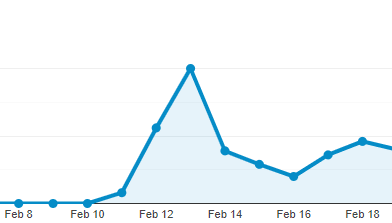
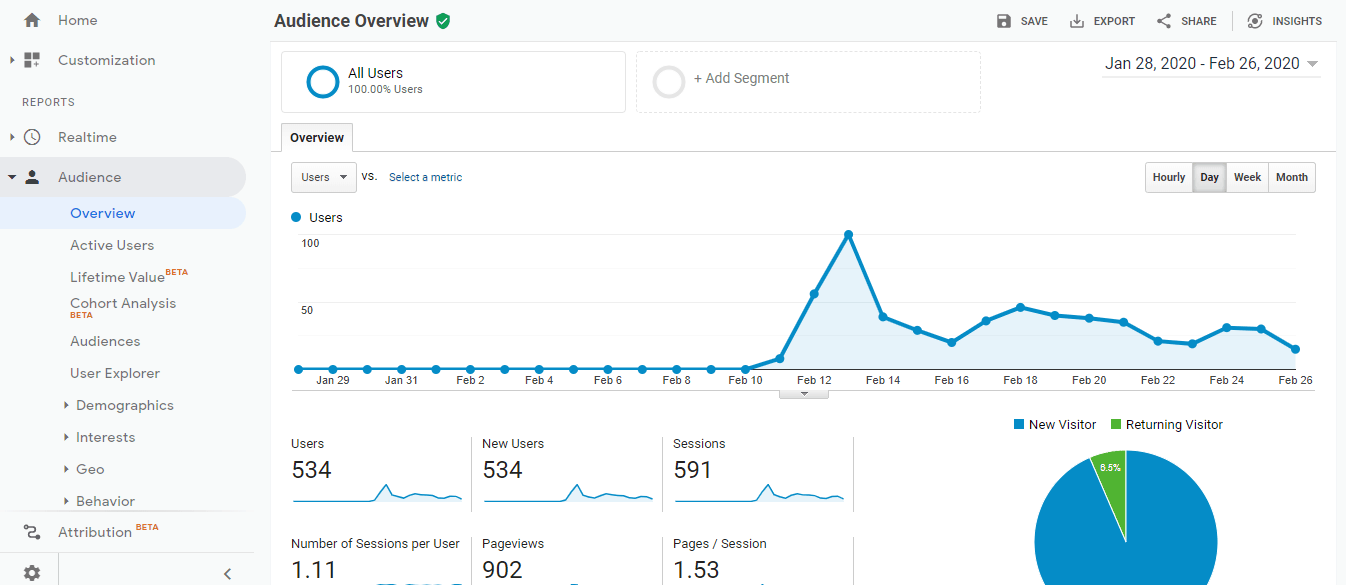
This is a real-life example from HeatSource Mechanical, which has been providing superior products, elite craftsmanship and stellar customer service in the Mat-Su Valley for more than 35 years. The spike on February 13 coincided with an advertising campaign we ran on their behalf on Facebook, increasing traffic from zero on February 10 to 100 in a single day.

Interested in learning more? Read on, friend. Read on.

We would love to help! Our Google Analytics experts are experienced in developing effective strategies for HVAC businesses. Contact us today.

Google Analytics For Beginners

Okay, so what does Google Analytics do? Basically, it takes a deep dive into the numbers behind your website so you can know who’s looking, what they want, and what’s working best for your business. Here are some of the potential insights you will be able to glean:

  • How many people visit your website?
  • Where do they come from?
  • Which pages are the most popular?
  • What products are they most interested in?
  • What services are they most interested in?
  • How did they find your website?

The dashboard is designed to be user-friendly and can generate helpful reports on everything from the demographics, interests and behavior of your clients all the way through your acquisitions and conversions. In other words, this is a super handy tool and a great way to make sure you’re investing your time (and money) into effective strategies that will convert sales.

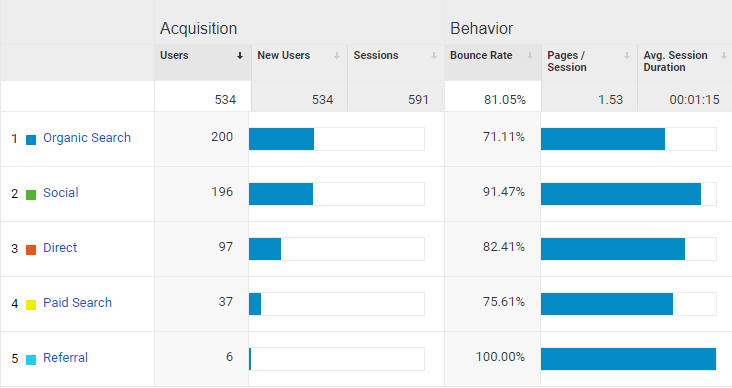
To use another example from our friends at HeatSource Mechanical, here’s a snapshot of the kind of data you can get about acquisitions (meaning new traffic to your website):

Google Analytics

As you can see, it’s very straightforward. This chart shows which strategies are creating the biggest return on investment. We can see that the two biggest drivers are organic searches and social media – in fact, they’re almost equal. As far as digital marketing strategies go, this is a very healthy balance, and it means we should continue advertising in these areas.

OK, that’s great… but I’m still not sure about digital advertising.” No problem, read this blog we created: Do Google AdWords Work For Marketing My Business?

How do I create a Google Analytics account?

Now that you understand what Google Analytics is about, it’s time to create a Google Analytics account. If you already have a Google log-in for a related service like Gmail, Google Drive or YouTube, you’ll be able to use that account. Otherwise, head to google.com/analytics and set yourself up with new one. Make sure to secure your account by selecting the option for two-factor authentication and keeping your password secret.

Fill in the details of your website and then generate the Google Analytics code, which you’ll need to copy and paste onto every page of your website that you plan to track. If you built your website yourself, you can add it into the script, or you can ask your developer to install it.

Next, step up goals to identify the actions you want users to take. For example, do you want people to contact you? Do you want them to sign up for a membership? That way, Google Analytics will know that’s an important metric and start collecting that data.

Google has lots of tutorials to help with this, but if you’d prefer to outsource it, we can help. Schedule a free consultation to learn about our Google AdWords marketing service.

Getting A Google Analytics Certification

When you start looking into Google Analytics, you’ll see a lot of articles talking about certifications. Can you get certified in Google Analytics? Yes. Do you need to? No.

The Google Analytics Academy offers free online courses that help you learn about Google’s measurement tools. There are a range of courses available, from beginner programs that teach you how to set up your account and analyze basic reports, right through to advanced offerings that help you understand the data collection process and more complex analysis and tools.

There are also Google Analytics Mini-Courses available on YouTube, which can help you get started an optimize your strategy. This is a great option if you’re keen to do it yourself.

You don’t have to be certified to be able to use and understand the software. Generally speaking, it’s a very intuitive program, especially once everything is up and running.

HeatSource Mechanical is a good example of a typical HVAC audience overview:

Google Analytics

See? The menu on the left side of the page includes everything you need to know, and the software collates all the data into easy-to-understand graphs and charts. It certainly beats a spreadsheet, doesn’t it? There also are save/export/share buttons at the top right of each page, which makes it very easy to share the data and use it however you need.

However, if you’d like someone to help crunch the numbers, analyze the results and recommend strategies to take your business to the next level, contact us.

Understanding Google Analytics Reports

Google Analytics splits reporting into five main categories: Realtime, Audience, Acquisition, Behavior and Conversions. Each of these categories has a drop-down menu that allows you to explore them in detail. Here is a quick overview with a case study from HeatSource Mechanical.

1. Realtime

Realtime analytics are split into the following sub-categories: overview, locations, traffic sources, content, events and conversions. This gives you an insight into what’s going on with your website at any particular time and is a great way to tell if something is trending well… or if something is broken. It’s most useful for website that experience a high level of traffic.

2. Audience

Audience analytics provides a great way to get to know your audience. It drills down into specific detail when it comes to things like demographics, interests, geo, behavior, technology, and more. Who is reading your website? For how long? How many pages do they visit? This kind of information helps you tailor your page so you can give people what they want.

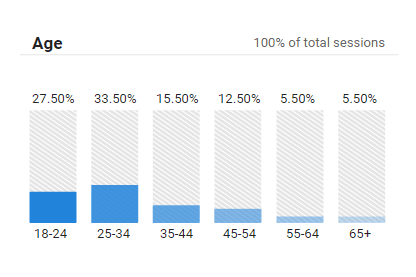
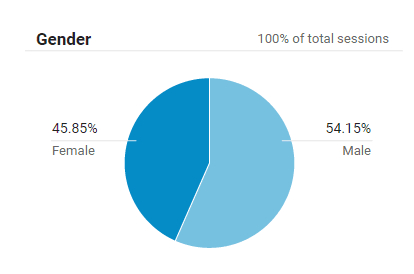
For an HVAC business like HeatSource Mechanical, we would expect to see something like this:

Google Analytics Google Analytics

Google Analytics

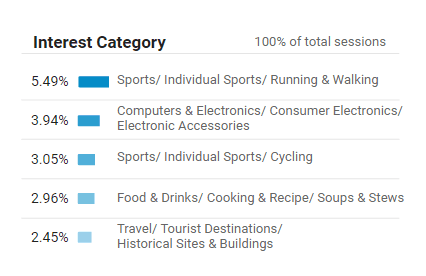
Information like this helps you maximize the impact of your messaging. You know that most of your customers will be aged 25-34, most of them are male, and they’re the kinds of people who lead active lifestyles. Because of this, you might go for a light and friendly tone and style with small chunks of text that are easy for a busy person to consume on the go.

3. Acquisition

 The acquisition tab is an incredibly valuable resource. After all, what’s the point of digital advertising if you’re not selling more furnaces and installing more heating systems? It categorizes traffic based on Google Ads, your social media accounts and any campaigns you’re running. You’ll be able to see at a glance what’s working and where you should invest.


 This data shows that search and social outreach is very effective for HeatSource Mechanical. In other words, this client is receiving a lot of traffic from Google and Facebook. There are two ways to drive traffic in this way: posting quality content that is relevant and interesting to prospective customers; and investing in Google and Facebook advertising.

What exactly is “quality content”? Here’s a quick guide to search engine optimization (SEO) which will help the content on your website stand out.

 4. Behavior

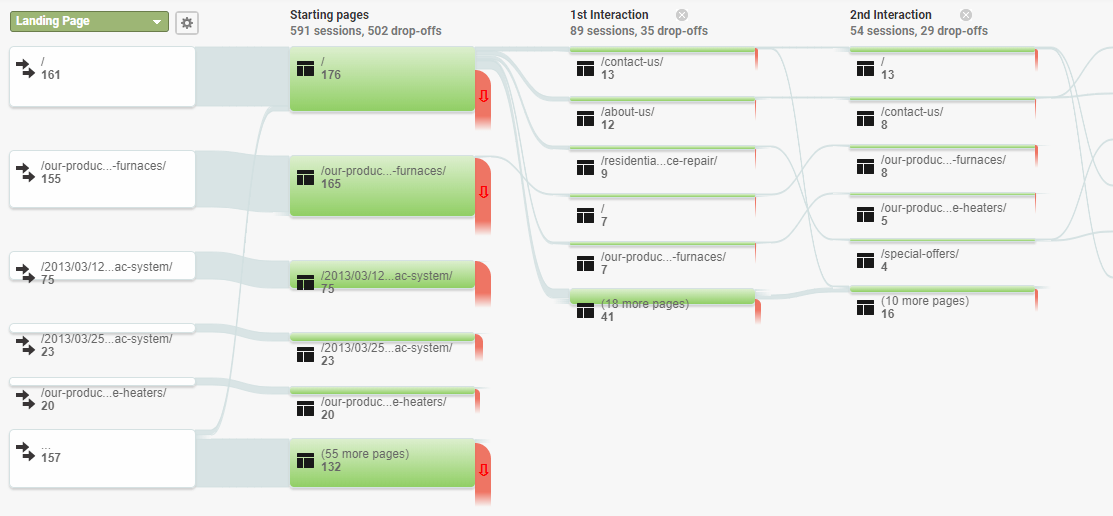
Behavior is a really fun tool (sorry, we love to nerd out about this stuff). This is where you get to know your customers and see how they progress to your site. Which of your pages is most effective at drawing in new customers? What do they read before they leave? How far do they read down each page before they bounce? It also tells you how your page is performing – how long does it take to load each page?

Google Analytics

 In this case, we can see that most of HeatSource Mechanical’s traffic comes through to the homepage, closely followed by the product page – in particular, looking at furnaces. After this first interaction, those who stay on the page either visit the contact page or the about page. This is great! It means customers either want to use your service or learn more about you.

It’s definitely worth making sure both of these pages are polished and that they provide helpful information so you can capitalize on this opportunity to convert a sale.

5. Conversions

This page is relevant once you’ve set up some goals or if you’re running an e-commerce business through your website. It tracks things like the number of people who schedule a free consultation, the number of people who click through and buy a new product, and things like product performance and transaction value. This probably isn’t one for HVAC businesses.

“Okay, okay. That’s all making sense. What else do I need to know?” Here’s a blog that will teach you what analytics you should track.

We’re happy to answer all of your Google Analytics questions. In fact, we’re happy to build your website, set up your social media accounts and develop a killer strategy that will increase awareness of your brand and generate new leads for sales. Contact us today.

Whether you’re shivering through an Alaskan winter or sweating through a Nevada summer, HVAC businesses offer essential services right around the United States.

When a customer’s system breaks down on the coldest night or the hottest day of the year, there’s no-one they’ll be happier to see than YOU.

After all, no-one else can offer heating, cooling and ducting services quite like you. No-one else is as hungry for new business as you and no-one else will give them such great service that they become a loyal, life-long customer. The only question is how they will actually find you.

The answer is a killer digital marketing strategy.

In this article, we’re going to help you understand what a digital marketing strategy is. We’re also going to run you through the basics, including how to create a website for an HVAC business, how to optimize your content so customers can find your products and services, and how to run Google and Facebook Ads so that you will be the #1 choice in your local area.

Oh hey! We’re experts at that! If you’re looking to develop a digital marketing strategy to generate leads for your HVAC business, why not contact us?

Okay, So What Is A Digital Marketing Strategy?

Marketing is the process by which a business promotes its products and services to a customer. Sounds simple, right? Right. Digital marketing is simply the process of doing this on the internet.

With that in mind, a digital marketing strategy needs to make you stand out online. It’s designed to target the computers, tablets and smartphones of your customers and make sure it’s easy for them to find you in their time of need… whether they’re looking to organize an urgent repair or simply clean the gunk out of their heating and cooling ducts. In order to do this, digital marketing strategies typically focus on websites, social media, search engines and ads.

Before you create a marketing plan, there are a few things you need to think about:

  • Who is your ideal customer?
  • What’s your flagship service?
  • What are your best value products?
  • What makes you different from the other HVAC specialists in your area?

Many companies choose to employ a marketing agency to help with this. Agencies can conduct a review of your current online presence, analyze the strategies of your competitors, help you develop marketing goals and recommend specific actions you can take to achieve them.

However, it’s also entirely possible to do this yourself. If you’re feeling ready, read on.

Want to know more about marketing? Here’s a handy blog post we prepared earlier: What Is Marketing? A Look Through The Eyes Of A Marketer.

First Things First, You’re Going To Need A Website

The first step to finding new customers online is to create a website.

A website provides a platform for customers to get to know you. It’s an opportunity to let them know about your HVAC repair, maintenance and installation services and show off the furnaces, boilers, heaters and filters in your product range. Meanwhile, active social media channels will help you connect directly with customers and let them know about special offers.

So how do you make a website? It’s actually never been easier to build your own website, with a multitude of handy tools available online that can help you get up and running in minutes.

Here are some of the common ones we see a lot:

  • Build a website with WordPress: WordPress is an online, open-source website creation tool written in PHP. It’s one of the easiest and most powerful website content management tools available today and can be very cheap to create.
  • Build a website with Squarespace: Squarespace is an all-in-one solution for anyone looking to create a website or online shop. It has a very intuitive interface, making it very quick and easy to get started, but it’s more expensive than WordPress.
  • Build a website with Wix: Wix is another simple and easy website builder that can get you off the ground in no time. Like Squarespace, you start by choosing a template and adding your own words and images, but this platform is slightly cheaper.

 See? Building a website is easy. Of course, if you would prefer to ring in the experts, we’re here to help. Simply reach out via our website and we’ll be happy to help with your website needs.

Which website is best for my business? We at Beacon Media + Marketing recommend WordPress. Find out Why WordPress Is So Popular For New Websites.

Second, Learn About Search Engine Optimization (SEO)

Once your website is up and running, you need to add content. Content is very helpful when customers are trying to find you via search engines, like Google.

It works like this: customers using search engines tend to use the same key words over and over again. If you start using the same key words on your website, Google will assume you’re an expert on that topic and it will start ranking you higher and higher on the search results page. It’s valuable digital real estate, because the #1 result immediately gets 31.7% of all clicks.

That’s 31.7% of all potential customers who could be looking to you first.

This process is called search engine optimization, but it’s usually referred to simply as “SEO”. The best way to put it into practice is to create frequent blog posts that answer common questions customers ask about your products and services, explain why you recommend the brands you do, and even discuss some of the newest trends in the HVAC industry.

Here are five simple examples of key words and phrases you could try:

  1. Best HVAC repair in (insert name of your area)
  2. Get the most out of your heating and cooling this winter/summer
  3. Best air conditioning repair in (insert name of your area)
  4. How to tell if my furnace filters need replacing
  5. Best baseboard heater to use in (insert name of your area)

The more posts you can get to rank on the search results, the better.

SEO is a complex and constantly changing field. Here are six expert ways to optimize your website using SEO so you can Drive More Traffic to Your Website.

Third, Let’s Talk About Digital Advertising

Once your website is up and running and you’ve got lots of strong content, you can think about creating some advertisements that will target (and keep targeting) potential customers.

As far as digital marketing strategies go, one of the best ways to drive traffic to your website is to run Google Ads. Google Ads allows you to target people who are searching for keywords associated with your product and services. In theory, this means you can get more bang for your buck because you won’t waste money on people who aren’t interested.

You’ve undoubtedly seen this type of advertising already. It usually appears in the top 1-5 slots on the results page of your Google search, marked “Ad”. You’ve probably also noticed that once you click on an advertisement for a particular brand, product or service, it will start following you all around the internet: every article you read, every video you watch, even social media.

Google Ads represents 77.8% of all search-related ad revenue in the United States. It’s big business, and there’s a good reason why: it can be very effective. However, it’s not as easy as handing over your hard-earned money and waiting for people to find you.

They come with pros and cons. The pros are that campaigns are highly targeted, measurable, and can lead to rapid results regarding sales generation. The cons are that they require an ongoing investment and that you be charged for every single impression and click.

With that in mind, you have to be smart and you need to have a strategy in place. You need to know who your potential customers are, where they spend their time online, and what tone and style of language will resonate with them.

You also need to come up with a specific goal for each campaign – in other words, don’t just refer people to your homepage. They’ve searched for something specific, so make sure you link them to a page where you can answer their questions. For example, link them to a product page for your new boiler or your duct-cleaning service.

This is not the right platform to increase brand awareness. The more specific you can be about who you want to target and what you want them to know, the more effective your ads will be.

If you’re not sure how to start, and you can afford to spend the money, trial and error is a great way to get a feel for how the platform works and what your customers are looking for. However, if you want to maximize your ROI, ask the experts at Beacon Media + Marketing.

How can you tell if your Google Ads are effective? We’ve created a handy guide. Facebook and Google Ads: What Analytics Should I Track?

Breathe. Okay. That’s a lot of information to consume in a very short amount of time. The good news is that we are here to answer all of your digital marketing questions. For us, navigating the wild world of SEO strategy is just as natural as replacing a boiler is to you.

So why not schedule a consultation?

Let’s fire up your HVAC business’s web traffic together (sorry about the pun).

HVAC marketing is a great way for to promote your products and services to customers in your local area, and social media marketing is the best tool for the job . It’s an exciting and fast-moving method that delivers your message straight into the hands of your customers – literally. What’s better than that?

It’s a rapidly-evolving field and there are lots of different platforms to choose from. For the purposes of this article, we’re going to focus on HVAC marketing through Facebook. But now what? What kind of things should you be posting? How often? How can you tell if you’re reaching the right people? Should you run ads?

“I tried it for a while,” we hear you say. “But nothing happened.”

Don’t be disheartened. Sometimes, a few simple tweaks might be all it takes to spit and polish your HVAC marketing strategy. We asked our Social Media Marketing Specialist, Luke Pahlau, for some tips and tricks that will help your HVAC business stand out on social media.

Keep reading, because we’re also going to share case studies from two HVAC businesses (one about content, one about ads) as well as some examples that will help us explain.

Prefer talking to a real person? Give us a call today.

Optimize your Facebook posts

Making your HVAC business stand out on Facebook isn’t as hard as you might think. The truth is there are only three things you need to know to develop a successful HVAC marketing strategy.

  1. HVAC marketing needs valuable content

The first step in developing a knockout HVAC marketing strategy is to publish blog posts that provide valuable content to your audiences. These are important, because it positions your business as an expert in the industry.

“Blogs are great to promote on Facebook because we can target the ad specifically for people interested in their industry,” says Luke. This means if someone is looking for heating, emergency heating repair services, new boilers, duct cleaning services – you name it! – then they will find the things you share on social media to be relevant and interesting. Keep this in mind when you’re planning your HVAC marketing content.

(The added side-benefit of frequent blog posts is that it also makes it much easier for potential customers to find your business via search engines, especially if you answer common questions and make sure they’re fully-loaded with relevant keywords. But that’s a story for another day – here’s a handy article we prepared to help you learn about search engine optimization.)

  1. HVAC marketing is all about engagement

Second, make your posts as interesting and eye-catching as possible.

“In terms of the Facebook ads themselves, using an engaging image or video that is relatable to the audience will encourage people to actually click on the ad,” says Luke. “Videos and short GIFs have been doing especially well when promoting these blogs.”

Let’s be honest. Facebook is a highly-competitive environment, and there are lots of exciting things vying for your customer’s attention. “Andrew just said what?!” “Awww, Jess and John are having twins.” “Can you believe your mother just posted that?” “Hang on a second, I’m just quickly watching another Game of Thrones conspiracy video.” “Oh, and there’s a puppy!”

Somewhere in the middle of that, your HVAC marketing strategy is trying to let your customers know that you just started stocking a fabulous new boiler that will make them happy and comfortable all winter.

The way to do that: VIDEO.

There’s no doubt about the fact that videos are super eye-catching, and when you’re vying for a split second of someone’s time as they’re scrolling down their news feed, you need to do everything you can to grab their attention. The good news is that it’s a simple fix. Just make sure you add a good video, gif or even photograph with every post, as part of your HVAC marketing plan.

(“Video? No, look, it’s probably not for us. We’re selling boilers! We’re technicians, not actors. We don’t need video.” Okay, we hear you. It’s definitely something new to consider, even if it is slightly outside your comfort zone. But we’re here to help. Here’s why video marketing is so important and here’s why you should organize a photoshoot for your business.)

  1. Keep the HVAC marketing goodness coming

We’re going to let you in on a little secret. One thing, and one thing alone, can make or break the Facebook part of your HVAC marketing strategy. You can’t succeed until you incorporate it. Are you ready?

CONSISTENCY.

There, we said it. You can publish the best content in the world, and you can cover every post in glitter, but the magic won’t happen unless you’re consistent. So keep your content coming!

Lots of times, the biggest thing that will distinguish your HVAC marketing strategy from your competitors is the fact that they’ll create a post or two and then shrug and forget about it. You won’t. You’ll keep posting, putting things up at least a few times a week, and your customers will notice.

You’ll let them know about new offers. You’ll give them tips to help keep their homes snug in winter. You’ll post relevant local content so they feel connected to you. And you’ll be the first person they call when their boiler breaks or they want to upgrade to a smart thermostat.

Social media plays a really important role in growing brand awareness, which will help you connect with your customers, boost your web traffic, and eventually generate leads.

Once you’re nailing the content, style and frequency of your posts, your audience will begin to grow. That’s when it’s time to start talking about taking your HVAC marketing strategy to the next level, and running Facebook Ads. Here are three steps to creating Facebook Ads that will reach new clients.

Ready to get started? Schedule a free consultation now.

HVAC marketing case study #1: Moore Heating & Air Conditioning

Moore Heating & Air Conditioning has a great HVAC marketing strategy. Their technical expertise gives the strategy a great foundation, and they have a fleet of service trucks ready 24 hours a day to meet the needs of their customers in the Anchorage area. Moore also just got a new website (check out the stunning design) and it is smashing its business goals on Facebook, with 392 likes, 92 recommendations and a rating of 4 out of 5.

Wait a minute. Luke (remember, he’s our Social Media Marketing Specialist) has just sent us an email. “There is a jump in Moore’s web traffic on February 14th, which is when their Facebook ad began,” he says. Now, we’re marketers – not mathematicians – but that sounds like some pretty good HVAC marketing results.

It definitely was. Moore ran four ads in the last 60 days, which resulted in 4184 people reached, 356 post engagements and 32 link clicks. So what did they run to get such a strong result?

HVAC marketing

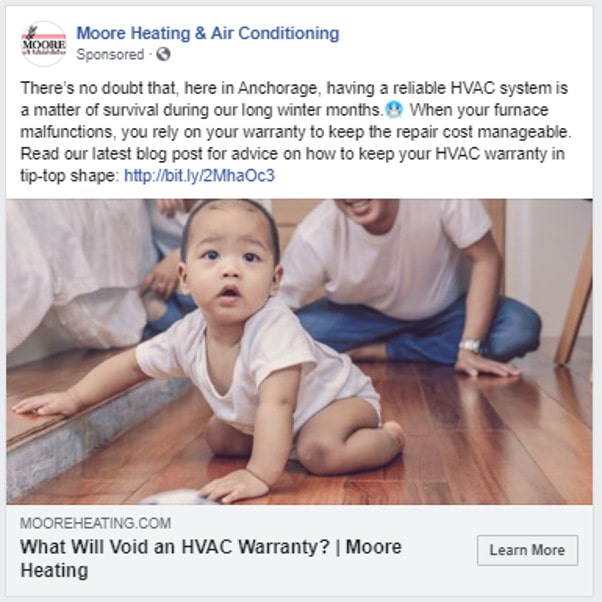
Here’s an example. This post reached 1936 people and generated 19 landing page views (that’s the web traffic we’re talking about). It cost $50 to run. This post worked because it had an attention grabbing headline – no-one wants to accidentally void their HVAC warranty. It used a good picture and it provided helpful information that made people pause and think, which means it’s effectively hit an HVAC marketing home run.

HVAC marketing 

Here’s another example. This one reached 1842 people and generated 16 landing page views. It cost $30 to run. You’ll probably notice this one is about the same topic as the first one – different people respond to different things, so it’s worth making sure your HVAC marketing strategy includes enough space to try a few different approaches to to make sure you target as many potential customers as possible. Again, the headline is attention-grabbing, the photo is eye-catching and the text is relevant and interesting.

Talk to us today to talk about making your HVAC business stand out on social media.

HVAC marketing case study #2: HeatSource Mechanical

HeatSource Mechanical has been providing superior products, elite craftsmanship and stellar customer service in the Mat-Su Valley for more than 35 years. Its HVAC marketing strategy started with a new website (check it out if you’re like to see an example of our work) and a revitalized social media plan. HeatSource has 1,302 likes on Facebook, 120 recommendations and a rating of 4.3 out of 5.

The company has run four ads in the last 60 days, reaching a total of 4289 people, getting 123 post engagements and 95 link clicks, which is when people go through and visit your website.

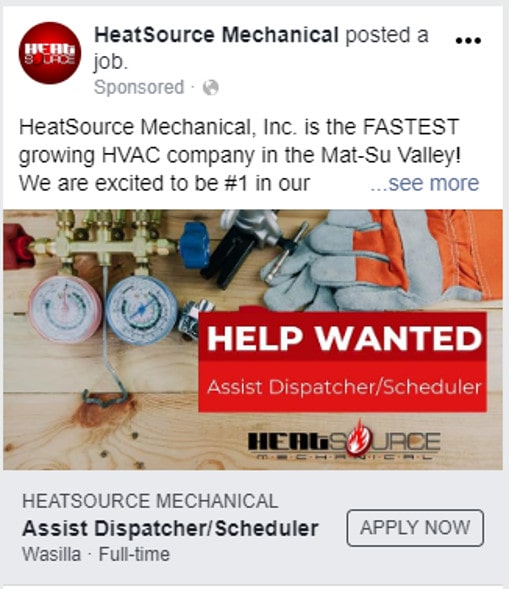
Here is another example of a sponsored post done right (a.k.a. more HVAC marketing gold).

HVAC marketing 

Why? This is a job ad, which reached 1,827 people and generated 35 applications. It worked because it’s specific and relevant. HeatSource has a solid HVAC marketing strategy, which means the company doens’t publish any old post about what they’re doing that day, but specific messages with purpose. OK, so most of your sponsored posts won’t be job advertisements, but it’s a great example of pointy messaging that gets strong results.

You could be our next success story. Let us help your business grow.

Pros and cons of Facebook Ads for HVAC marketing

About 1.66 billion people use Facebook any day, and you can bet that at least a few hundred of them would be interested in what you have to say. The most essential part of your HVAC marketing plan is finding them.

Once you have your business page set up on Facebook, you’ll have access to a page called Facebook Ads Manager. This is what you’ll use to create your own advertisements, so that they will pop up in other people’s Facebook feeds. This is the perfect platform to use if you want people to know about a special offer or you have a new product you’re excited to share.

The first step is to choose an HVAC marketing goal, because specific ads are going to be most effective. What do you want people to know? Facebook Ads live in a fast-moving environment filled with news and entertainment. It’s best if your ads tell your customers something new. Offering a shiny new Lennox furnace? Got a great deal on seasonal thermostats? Tell them!

You can also select your audience, decide where you want your ad to run, set your budget, and pick a format. Just like your regular posts, Facebook ads are very visual. The Ads template includes space to add a photograph or video, so make sure the imagery you include is attention-grabbing. You might even want to consider getting your own imagery, because real faces are a great way to make people stop scrolling while creating a sense of trust.

Effective social media marketing strategies are very effective in terms of increasing brand awareness, building trust with your potential customer base, and generating leads. After all, you want to be the very first person they think to call when their furnace wheezes to a stop.

Ready to optimize your business on Facebook? Talk to us today.