Industries

See Our Blogs

Explore insights on SEO, AI, and digital marketing strategies designed to help your business grow, stay visible, and adapt in a constantly evolving online landscape.

Beacon_Icon_resouse

Even in our modern age, seeking help for mental health issues still comes with a fair degree of stigma. Not only is this a very personal and delicate matter, it can also cause embarrassment and apprehension for anyone attempting to seek out support for mental health issues. And this is true in just about every community – including faith-based communities as well.

Religious leaders have always been willing to provide counsel for those in their congregations. And many members of faith-based organizations prefer the comfort of confiding in their religious leaders instead of a professional mental health practitioner. However, not all pastors, priests, or other religious leaders are educated in the mental health field. This is where Christian mental health clinics can help bridge the gap.

Your Christian mental health clinic serves a noble cause in the community – offering those within the faith community a safe place of compassion and healing. But to make your presence in the community more effective and reach more people in need, digital marketing efforts can be leveraged to bring greater awareness of the services you provide.

Could your Christian mental health clinic benefit from digital marketing? Reach out to Beacon Media + Marketing for a free consultation today.

How Can Christian Marketing Services Help?

As a Christian mental health clinic, serving God by offering help to those in need is likely a huge part of your and your team’s core values. But delivering the message the right way to those seeking your services can be a bit tricky. This is where knowledge of both the Christian community and marketing tactics can be a huge asset.

At the end of the day, the right message is going to be the key to attracting more people in need to your clinic. And in order to reach this audience, you have to know where to look. This is where professional digital marketing services can be a total game changer.

A few of the services that a digital marketing company can provide include:

  • Complete website design
  • Social media marketing
  • Paid ads
  • Brand reputation management
  • Monthly blog content production
  • Email marketing
  • Video ads
  • Reviews highlighting community contributions

One thing to remember is that current marketing trends stem from constant change. And this is true when marketing to faith-based communities as well. As such, it’s our job to keep abreast of these changes and offer you the best solutions for delivering your message and bringing people in need of mental health services right to your door.

The Power of Faith-Focused Messaging

As mentioned, focused messaging is the key to engaging with your community and building awareness around mental health and the services that you provide. But people in religious communities need to feel just as welcome in your clinic as they do in their church.

Faith-focused messaging allows you to talk about mental health from the Christian perspective – offering those seeking out your services the comfort and reassurance needed for them to feel as confident as possible when walking through your doors and talking to your practitioners.

For example, where an ordinary mental health clinic may have a focused message surrounding the importance of mental health and seeking treatment, a faith-focused message includes the importance of the community coming together and lifting one another up in times of need – just as Jesus once preached. And it is this message of neighborly love that will set you apart from other clinics in your community.

A faith-focused message reinforces the traditional Christian values that set you apart from other mental health clinics. It drives the idea of personal empowerment that having faith brings to those belonging to religious communities – and offers the element of hope that so many people who struggle with their mental health desperately need in today’s world.

The Christian Approach to Marketing

As a faith-based clinic, you likely want as many people in your community as possible to grow in their faith. And believe it or not, the Biblical principles of marketing can guide the process – offering you the ability to deliver your message genuinely, without coming across as too sales-focused, arrogant, or pushy.

It can almost go without saying that the teachings of Christ are about performing selfless acts of compassion, being humble, and helping those in need whenever possible. And though merely mentioning the words “marketing” and “church” in the same sentence may seem part of a complete oxymoron, Christ also taught that the spreading of good news is just as important as loving one another unconditionally.

For example, marketing is a concept that the Bible references on a few occasions. In fact, Romans 10:15 tells us “How welcome are the feet of the messengers of good news!” And it is this message that is part of the Christian approach to marketing.

In addition, Jesus frequently spoke to his disciples about spreading the word of God. And Jesus himself was a storyteller. This is also a huge part of marketing itself – the ability to tell stories, engage with the community, and deliver the message in an open, honest, and relatable way.

When you market your Christian mental health clinic, you’re not only allowing more people to find you and get the help they need, but you’re also glorifying the scripture and honoring the idea of spreading good news – lighting the path for others to follow and find the help they need.

Making an Impact on the Christian Community with Social Media

When you can reach more people, then you can have a positive impact on more lives. And with billions of users on social media platforms across the country, you also have the ability to make an impact far from the doors of your clinic.

By utilizing social media as a platform to deliver your message, you can engage with Christians from all backgrounds, and all ages. And when you target your message, you can reach groups that are in the most need, such as teens and young adults for example.

A few examples of how you can utilize social media to create more awareness of your services include:

  • Provide links to weekly newsletters
  • Link to popular and informative blog posts
  • Speak about your involvement in the community
  • Engage with those seeking mental health services
  • Share daily Christian inspiration such as quotes or passages from scripture
  • Invite people to join the conversation surrounding important issues
  • Help to normalize mental health by talking about it openly

Though it has been abused on many occasions, social media may be one of the greatest tools for spreading good news. And when you focus your efforts by partnering with a marketing company, you’ll have the research and resources you need to make the biggest impact in your community – and beyond.

Grow Your Christian Mental Health Clinic with Beacon Media + Marketing

At Beacon Media + Marketing, we’re dedicated to working for causes that we can stand behind. Not only do we want to help businesses realize their dreams, we want to see you thrive while strengthening your community in the process.

The professionals on your team will create your entire marketing strategy, perform in-depth research, brainstorm the best solutions, and work tirelessly to get you the results that you’ll need to succeed at spreading the good news about your Christian mental health clinic.

When you partner with Beacon Media + Marketing, we’ll handle all of your messaging and marketing goals and leave you to perform the work that God has called you to do – making the lives of those in your community better, and stronger in faith.

Are you ready to make the biggest impact through digital marketing for your Christian mental health clinic? Reach out to Beacon Media + Marketing for a free consultation today.

With the nationwide increase in mental health issues arising among teens and young adults, the need for bringing mental health awareness to teens is more important than ever. But as there is still a definite stigma surrounding seeking help for mental health issues, it can be challenging to encourage teens and parents to seek professional help.

Recent studies have shown that as much as 60 percent of teens have struggled with mental health at some point in their lives after age 13. And with these numbers on the rise, improving mental health awareness and offering teens a safe space to talk about what’s troubling them is becoming critical. But how do you improve mental health awareness in teens, and how can you apply this to your marketing strategy?

Thankfully, through compassionate and empathetic messaging, reaching teens who are struggling with mental health issues can be accomplished.

Are you trying to reach a teenage audience to promote mental health awareness? Reach out to Beacon Media + Marketing today for a free consultation.

Marketing Mental Health Services for Teens

The average teenage mind is occupied with myriad things, and thoughts are constantly crashing into one another as they attempt to figure out who they really are and their place among their peers, their families, and in life. And all of this can not only be overwhelming, it can also significantly impact mental health – and be quite distracting as well.

One way to meet teens halfway when attempting to improve mental health awareness is to have these conversations where they’re likely to spend a large portion of their time – social media platforms.

Today, the average teen spends nearly a full workday online – nearly 8 hours. In fact, data published by JAMA Pediatrics found that screen time among teens rose from 3.8 hours to 7.7 hours in 2021. As such, if you want to send teens a message, social media is one of the best places to do so.

Common social media sites that teens frequent are:

  • Tik Tok
  • Instagram
  • Snapchat
  • Facebook
  • Twitter

When marketing mental health awareness to teens, meeting them halfway on social media not only grabs their attention, it begins to normalize the fact that they’re not alone. And the more positive content surrounding mental health awareness they’re able to read, the likelier it will be for teens to seek your help with counseling for mental health issues.

The Power of Hashtags in Teen Mental Health Awareness

In the past, hashtags were mostly used on Twitter to follow popular posts, causes, or other trending topics. But today, hashtags are everywhere – on just about all social media networks.

Today, even teens do their research. And though they likely know how to Google, many teens may be more likely to follow a hashtag and read content in this way instead of searching for specific terms. The great thing about utilizing hashtags for mental health awareness is that they can gain momentum; the more they’re shared, the more awareness will spread.

A few popular hashtags for promoting mental health awareness may include:

  • #teenmentalhealthawareness
  • #mentalhealthhero
  • #loveyourself
  • #teenselfcare
  • #selfcare
  • #stopthestigma
  • #suicideawareness
  • #mentalhealthmatters
  • #teenmentalhealth
  • #strugglingteens

By adding tags that teens will likely follow to your content, you may be able to reach more teens in need – and change lives in the process.

How to Talk to Teens About Mental Health

As mentioned, teens have a lot going on. Even though it may not seem to be much from an adult perspective, the emotions teens deal with on a daily basis can be mentally exhausting. And this is largely because many teens still don’t know exactly how to process those emotions. But when you can talk to them with empathy and compassion, you may be able to send a clear message.

It’s also important to note that no teen wants to be spoken to like a child. If anything, this type of talk will make them shut you out – complete with a complementary eye roll. But when you can speak about the importance of mental health, cite facts, and show them that they’re not alone and that it’s normal to desire help, this can become the breakthrough needed for a teen to seek you out for professional help.

A few ways to approach the subject of mental health with teens can include:

  • Talk about popular teen idols who’ve struggled with mental health
  • Host a podcast interviewing teens who have overcome mental health issues
  • Enlist an influencer who has struggled with mental health to promote awareness
  • Create content around trending topics where mental health issues have played a role
  • Create content that normalizes teens seeking help for mental health

When you can create content that teens relate to or will be attracted to, they’re going to be more intrigued and may take the first step in seeking out help.

Spread the Positivity

Not enough can be said about the power of positivity. This is because people gravitate toward what makes them feel comfortable and welcome. When you can incorporate this into your messaging, the likelihood of teens seeking out your help becomes much higher.

One way to do this is to share self-care tips. As mentioned, social media is a great place to share content that you hope will reach a teen audience. And even if it’s a blog post on self-care or a video showing how to implement a self-care regimen, your ideas may inspire teens to begin the process of self-care – including walking into your therapy practice.

You can also use your platform to help spread positive vibes. With a website, hosting a blog that speaks to teens directly, or one that offers a podcast where teens can listen to advice and hear the struggles of other teens can be highly effective in spreading both mental health awareness and positivity.

Above all, you want to be encouraging and supportive in all of your content. This helps to destigmatize seeking help for teen mental health, builds awareness, and shows them that they don’t have to internalize their feelings – that they don’t need to reach a breaking point before seeking help if they’re struggling with mental health.

Spread Teen Mental Health Awareness With Beacon Media + Marketing

Reaching a teenage audience isn’t the easiest thing to do. And this is because most teens are preoccupied with what’s going on in their immediate world. It’s only by entering that world that you’ll be successful in directing your message at teens – and this is where we come in.

Here at Beacon Media + Marketing, we pride ourselves on being able to promote mental health awareness and reach an audience that desperately needs your help. And our team of creative professionals knows how to break down these walls through focused and compassionate messaging – targeting teens and speaking to the issues that affect them on a daily basis.

With social media experts, creative content strategy, a team of great writers, and the desire to make a difference, here at Beacon, we’re ready to go to work for you to reach a teen audience and help you to promote your message so they can get the help they need.

Are you ready to make a difference and reach a teenage audience to promote mental health awareness? Contact Beacon Media + Marketing today for a free consultation.

Originally written by Jeremiah Blanchard, Beacon Content Lead. Updated and revised by Sara Jokela 12/23/24.

When you think of any well-known or popular brands on the market, you likely have a related image in your mind along with how you view that brand’s reputation. For instance, if you think of Nike, Gucci, or even Starbucks, you can probably envision their logo and your perception of the brand itself – also known as brand recognition.

While brand recognition and marketing are critical for any brand to become recognized and successful, so is personal branding. Establishing a clear brand identity is essential because your individual presence can also have a huge impact on your business and your client volume – and be helpful if you ever want to expand your practice.

As a therapist in the mental health space, it’s just as important for you to create a platform for yourself as it is for your practice. And as you’re likely the face of your practice, knowing how to showcase yourself in the best light is going to be integral to your overall success.

But how do you develop personal branding from a multi-faceted marketing approach? And what are consumers really looking for that will set you apart from other clinics?

Could you use help with personal branding for your therapy practice? Contact Beacon Media + Marketing today for a free consultation

What is Personal Branding?

Definition of Personal Branding

Personal branding refers to the process of creating and establishing a unique identity for an individual, in this case, a therapist, to differentiate themselves from others in their profession. It involves developing a consistent image, message, and values that reflect their expertise, personality, and approach to therapy. A strong personal brand helps therapists establish trust, credibility, and recognition with their target audience, ultimately leading to increased visibility, opportunities, and success.

Importance of Personal Branding for Therapists

In today’s competitive market, personal branding is crucial for therapists to stand out and attract clients. A well-crafted personal brand helps therapists:

  • Establish a unique value proposition and differentiate themselves from others
  • Build trust and credibility with potential clients
  • Increase visibility and recognition in their field
  • Attract their ideal clients and grow their practice
  • Develop a consistent message and image that reflects their expertise and approach
  • Enhance client engagement and increase sales by building a strong personal brand that resonates with your target audience

By investing in personal branding, therapists can take control of their professional image, build a loyal client base, and achieve their business goals.

Benefits of Personal Branding for Therapists

Personal branding is essential for therapists to establish themselves as experts in their field, build trust with potential clients, and differentiate themselves from competitors. By developing a strong personal brand, therapists can:

  • Increase Online Visibility and Credibility: A well-crafted personal brand enhances your presence on digital platforms, making it easier for potential clients to find and trust you.
  • Attract More Clients and Grow Your Practice: A unique and authentic brand helps you stand out, drawing in clients who resonate with your approach and values.
  • Establish Yourself as a Thought Leader: Sharing your insights and expertise through your brand positions you as a leader in your niche, attracting opportunities for speaking engagements, collaborations, and more.
  • Build a Loyal Community: A strong personal brand fosters a sense of connection and loyalty among your clients, turning them into advocates who refer others to your practice.
  • Increase Earning Potential and Career Opportunities: As your brand grows, so do your opportunities for higher earnings and career advancements, whether through expanding your practice or exploring new ventures.

What Exactly Are Consumers Looking For?

With such an emphasis being placed on policing misinformation in the modern digital era, many customers and consumers are keenly aware that the likelihood of being misled is fairly high – even in the health and wellness space. And this is why many consumers are seeking out profiles, credentials, bios, and other content that is going to tell them your story – or at least content that will let them know that you’re who you say you are.

For example, you don’t have to be a medical doctor to have a website claiming that you are. Though this would be a great example of fraudulent business practice, the fact remains that because the Internet is so vast and full of misinformation, you’ll want to ensure that your potential clients can trust you – and that you’re the real deal.

In addition, consumers are also actively seeking out content on social media, podcasts, blog posts, and client reviews about therapists. This is because your face and your story are important for building the foundation of trust – the first building blocks of any relationship.

Understanding Your Target Audience

Identifying Your Ideal Client

To create an effective personal brand, it’s essential to understand who your ideal client is. This involves identifying their demographics, needs, preferences, and pain points. By gaining insights into your target audience, you can tailor your branding, marketing, and services to meet their expectations and build a loyal client base. By treating your personal branding efforts as a structured project, you can ensure that each phase of development is carefully planned and executed.

To identify your ideal client, consider the following factors:

  • Demographics: age, location, occupation, education level, etc.
  • Needs: what are their specific needs and challenges related to therapy?
  • Preferences: what type of therapy approach do they prefer? What are their values and beliefs?
  • Pain points: what are their biggest challenges and concerns related to therapy?

By understanding your ideal client, you can create a personal brand that resonates with them, addresses their needs, and establishes you as a trusted and expert therapist in your field.

Understanding Their Needs and Pain Points

To create an effective personal brand, therapists need to understand the needs and pain points of their ideal clients. This involves:

  • Conducting Market Research: Identify your target audience and their specific concerns by analyzing market trends and data. This helps you tailor your services to meet their needs.
  • Analyzing Online Reviews and Feedback: Pay attention to what clients are saying about you and other therapists. This provides valuable insights into what clients are looking for and how you can improve your offerings.
  • Identifying Unique Challenges: Understand the unique challenges and pain points your target audience faces. This allows you to address these issues directly in your branding and marketing efforts.
  • Understanding the Client’s Journey: Map out the typical journey your clients take, from discovering your services to achieving their goals. This helps you create a brand that supports them at every stage.

Creating a Client Avatar

A client avatar is a detailed profile of your ideal client, including their demographics, goals, challenges, and behaviors. By creating a client avatar, therapists can:

  • Develop a Deeper Understanding: Gain a comprehensive understanding of your target audience and their specific needs, allowing you to tailor your services and marketing efforts effectively.
  • Create Targeted Marketing Campaigns: Use the insights from your client avatar to develop marketing campaigns that resonate with your ideal clients, increasing engagement and conversion rates.
  • Develop Services and Programs: Design services and programs that address the specific needs and challenges of your clients, ensuring they feel seen and understood.
  • Build a Loyal Community: When clients feel that you truly understand them, they are more likely to become loyal followers and advocates for your practice.

What Does a Personal Brand Identity Strategy Entail?

When it comes to personal branding, half of this is all about focused messaging. And the clearer and more authentic your message is to your target audience, the better the response will be.

Collaborating with experienced partners can provide valuable insights and resources to enhance your personal brand strategy.

Achieving measurable results is crucial, as it demonstrates the effectiveness of your branding strategy and enhances the value of your brand.

Let’s face it. Most of us know a phony when we see (or hear) one. And your potential clients are the same. It’s easy to spot a fake, and it’s just as easy to spot fake or inauthentic messaging. This is why working with a marketing company can be a huge asset for honing your message and delivering it to the world in the most honest way.

But in order to have a message, you also need a platform. And this is where you can leverage your website and social profiles to help deliver your message.

A few ways you can highlight your personal brand are:

  • A bio on your website
  • Podcasts
  • Videos
  • Blogs (written by you or professionally ghostwritten)
  • E-books and guides
  • Social media posts

All in all, a personal brand message contains a few essential elements that all work together. And these include delivering a focused message, being genuine, being consistent, seeking to create a positive impact, and leaving potential clients intrigued about you and your practice.

Once you incorporate these elements into your strategy, you’ll be setting yourself apart from the competition by highlighting all of the amazing things that you’ve done in your career – and making potential clients curious about you and what you can offer.

Developing Your Brand Identity

A strong brand identity is essential for therapists to establish themselves as experts in their field and build trust with potential clients. This involves:

  • Developing a Unique Logo and Visual Brand: Your logo and visual elements should reflect your values and personality, creating a memorable and professional image.
  • Creating a Consistent Tone and Voice: Your communication style should resonate with your target audience, whether through written content, videos, or social media posts.
  • Developing a Brand Message: Clearly communicate your unique value proposition, highlighting what sets you apart from other therapists and how you can help your clients.
  • Establishing a Strong Online Presence: Utilize social media and a professional website to showcase your expertise, share valuable content, and engage with your audience.

Crafting Your Brand Message

A clear and compelling brand message is essential for therapists to communicate their unique value proposition and attract potential clients. This involves:

  • Identifying Unique Strengths and Expertise: Highlight what makes you unique, whether it’s your approach to therapy, your experience, or your specialized skills.
  • Developing a Clear and Concise Message: Your brand message should be easy to understand and resonate with your target audience, clearly conveying how you can help them.
  • Creating a Consistent Brand Voice and Tone: Your communication should reflect your personality and values, creating a sense of authenticity and trust.
  • Using Storytelling and Emotional Connections: Share your story and connect with your audience on an emotional level, building rapport and trust with potential clients.

By following these steps, therapists can create a powerful personal brand that attracts clients, builds trust, and sets them apart in the competitive mental health space.

Enhancing Your Online Presence

We can’t stress the importance of your online presence enough for businesses. After all, it’s largely through social media and review sites that clients may hear about you, and what your practice can offer. This is why you need to not only be engaging, you need to build a legacy and leave a positive impression no matter where your digital footprints lead.

Additionally, as the old saying goes, the best PR is often by word of mouth. And as you may already know, word travels fast on the Internet.

So how can you enhance your online presence? Consider the following methods for better engagement with your potential clients:

  • Create monthly or bi-monthly blog posts centered around subjects that your target audience cares about
  • Actively post on social media and respond to messages and comments
  • Create a podcast and speak about topics that your audience wants to learn more about
  • Link to review sites and respond to all reviews – even the negative ones
  • Guest post on industry-related blogs or colleague websites
  • Speak at conferences in your local community and nationally
  • Create informative videos and host them on your website
  • Engage with companies locally by participating in community events and collaborating on local projects to build a strong local presence

The key is to get yourself out there as much as possible. And while going viral isn’t the exact goal, if it happens, this will only enhance your brand recognition, both personally and professionally.

Creating a Positive Impact

As a therapist in the health and wellness space, companies and people naturally expect you to be positive so that you can help them with their problems and guide them toward better health. But before anyone is going to walk through your door, you have to create trust and establish authority. And this can be done in a variety of ways.

When looking to create your personal brand, delivering a positive impact on your community should be a main priority. And whether this is creating uplifting or helpful content on mental health issues, retweeting industry-related wins or any other method is up to you. But above all, being consistent and keeping positivity as a part of your overall message is going to be the key to attracting more clients and standing apart from your competitors.

The world is already full of negativity. But if you can be a light in the darkness, chances are that more people will take notice and naturally gravitate toward you – where they feel safe and welcome.

Create Your Personal Brand With Beacon Media + Marketing

Personal branding for therapists can be a time-consuming process. And as a therapist, it’s likely that you have current clients who need your undivided attention. This is where we come in. Because we know just how much work is involved in any personal branding endeavor and we have all the tools to show the world who you are and allow your therapy practice to thrive.

Here at Beacon Media + Marketing, we’re ready to help you craft your message and engage with your target audience by using a multi-faceted marketing approach. With our team of social media experts, paid ads experts, content writers, and marketing professionals well-versed in brand reputation management, you can rest easy and let us do all of the work to get your personal brand highlighted and set up for success.

Are you ready to get started with personal branding for your therapy practice? Reach out to Beacon Media + Marketing today for a free consultation

No matter if you’ve been operating a mental health practice for a few years or over a decade, growth and expansion not only offer you the chance to develop your brand, you’ll also be able to reach out and help more people. And this is probably the reason why you started your mental health practice in the first place, right?

Once you’ve reached the point where you’re recognized in the community as a trustworthy mental health care provider, developing a well-planned mental health marketing strategy can help you to further establish your brand, enhance brand awareness, and attract more clients. And this is where partnering with a marketing company can be a huge asset toward facilitating your growth as a franchise.

Growing your practice into a nationwide franchise contains a lot of moving parts. Correspondingly, there is a lot to consider if you’re already growing into a national brand. And here, we’ll take a look at how a mental health marketing agency can help you with the process of nationwide expansion.

Are you considering expanding your franchise on the national level but don’t know where to begin? Reach out to Beacon Media + Marketing for a free consultation today.

Benefits of Growing Your Mental Health Practice

While an obvious benefit of growing your mental health franchise is to generate more revenue, there are also numerous advantages that you can capitalize on as well. And while there are both pros and cons to nationwide growth, you’ll likely find that the good often outweighs the bad.

A few benefits to consider when thinking about expanding your reach include:

  • Your practice is able to help more clients in need of mental health care
  • You can help strengthen communities across the country by providing access to much-needed mental health services
  • You could sell your business one day for a sizeable profit
  • Your practice becomes an investment that can be used as collateral for larger purchases such as new buildings, facilities, and equipment
  • Your income will always continue to grow
  • You’ll expand your reach and improve national brand recognition

The truth is, even a solo practice can become a franchise and expand at the national level. For example, Ellie Mental Health began as a solo practice and is still expanding into locations all across the United States with the help of Beacon Media + Marketing and its partners.

A Closer Look at Ellie

Founded in 2015 by Erin Pash and Kyle Keller in Minnesota, Ellie began as a small start-up clinic and has since grown into multiple locations across Minnesota and the United States. Based on the principle of destigmatizing mental health, Ellie has developed innovative ways to bring mental health care into communities across the nation – and this was all made possible by focused messaging and stellar marketing efforts.

One thing that sets Ellie apart from others in the mental health space is that their franchise has been built on the idea of positively impacting the lives of those within the community. This includes a core philosophy and a true desire to create meaningful connections between therapists and clients while continuing to innovate and further develop mental health services. And the franchise system allows anyone wanting to become a part of the Ellie family to do so with ease, while joining a compassionate mental health company with an amazing work culture.

When a mental health practitioner decides to team up with Ellie, the perks of this relationship begin immediately. And these include:

  • Immediate marketing of your chosen location
  • Assistance with hiring clinic directors and therapists
  • Access to comprehensive training courses
  • Brand development
  • Access to integrated health records and billing systems

Ellie’s success story couldn’t have been possible without the desire to make an impact in the community or the help of strategic marketing efforts designed to bring that message into communities across the country. In addition to marketing that targets multiple audiences, including new clients, franchise owners, and mental health recruitment. And this is the power that Beacon Media + Marketing offers – focused marketing with purpose and intention.

What to Consider When You’re in the Process of Expansion

If you’re already established in the community as a reputable mental health practice, the good news is that the hard part is over – almost. But when it comes to expansion, even though you’ll already have established a successful working relationship within your community, you’ll then need to focus on enhancing brand awareness in other communities.

You’ll also need to take a hard look at where and how you want to expand. And this often follows a few steps that may include:

  • Searching for new locations
  • Establishing your brand in a new community
  • Securing financing
  • Hiring
  • Training
  • Building or facility modifications
  • Local marketing efforts

The great part about the expansion process when partnering with a marketing company is that most of the steps you’ll need to go through can be handled through focused marketing efforts. And this includes local marketing efforts, establishing yourself within the community, reputation and social media management, and recruitment.

How a Marketing Agency Can Help with Nationwide Expansion

No matter how long you’ve been providing services in the mental health space, you probably have a core philosophy, a message, and a story to tell. And when you partner with a marketing agency experienced in the expansion process within the mental health space, you’ll be able to deliver your message and grow your business the right way – without you coming across as boastful or being “all talk.”

Through partnering with a marketing agency, you’ll be able to target the local regions where you envision your practice expanding, beef up your social platform engagement, ramp up mental health recruitment efforts, and get your name noticed where it really counts.

Competent marketing agencies employ an experienced professional team that may include web designers, content writers, social media experts, paid ads experts, and a host of other talented and creative people who want to see your business succeed. And with a team like this at your side, you can rest easy and focus on your own priorities – like helping others reach their mental health goals and strengthening the community you’re choosing to be a part of.

Expand Your Mental Health Franchise With Beacon Media + Marketing

With a team of professionals at the ready, here at Beacon we’re in business to help mental health businesses succeed, grow, and thrive. And just as we’ve been able to watch Ellie grow from a solo clinic in Minnesota into nationwide expansion, we’re willing to do the same for you.

Our team of creatives is poised to offer you the tools to get the attention and engagement you need to succeed at the nationwide level. And we accomplish this by honing your message and delivering it in an expressive way that speaks to who you are as a business – setting you apart from your competitors.

At Beacon, we’re dedicated to working for causes that we believe in and helping others realize their dreams while strengthening communities in the process. Our professionals create your entire marketing strategy based on your goals and work tirelessly to get you the results that you’ll need to succeed at the national level.

When you partner with Beacon Media + Marketing, you’ll leave the hard work to us. And we’d love nothing more than to watch you grow and thrive.

Could partnering with a marketing company make your dreams for nationwide expansion become a reality? Reach out to Beacon Media + Marketing for a free consultation today.

Written by Sabrina Martinez 12/27/22, updated and revised by Sara Jokela 2/20/25.

Reviews have become an essential element of marketing a business – and a great way to engage with your past clients while also showing potential clients how you’ve helped others. But getting a client review for marketing a mental health practice can be tricky when it comes to being ethically compliant with the Health Insurance Portability and Accountability Act (HIPAA).

Analyzing review content from online platforms like Yelp can help understand patient perceptions and improve services by identifying key themes and correlating them with facility characteristics and overall patient ratings.

Google reviews can significantly impact your search engine rankings – and whether or not someone will choose your practice over one of your competitors. But how exactly do you get a client review for your mental health practice? What are some of the ways that you can entice a client to review your business without directly asking for them? And can you actually respond to these reviews?

Here, we’ll outline a few ways to get client reviews for your mental health practice while remaining ethical and HIPAA compliant – and how to showcase these reviews to help you land new clients.

Need help getting client reviews for your mental health practice? Reach out to Beacon Media + Marketing today for a free consultation.

Understanding the Importance of Client Reviews

Client reviews play a pivotal role in the mental health industry, offering a window into the quality of care and services provided by mental health professionals. These reviews are not just testimonials; they are valuable insights that can guide potential clients in making informed decisions about their mental health care. When clients share their experiences, they contribute to the development and enhancement of mental health services, helping providers understand what works well and what needs improvement.

In the realm of mental health, where trust and credibility are paramount, client reviews can significantly impact a provider’s reputation. Positive reviews can build confidence and trust among potential clients, reassuring them that they are making the right choice in seeking help. On the other hand, constructive feedback from reviews can highlight areas for improvement, driving the continuous development of mental health services. By understanding the importance of client reviews, mental health providers can leverage this feedback to enhance their services and better meet the needs of their clients.

Can You Ask a Mental Health Client to Leave a Review?

In a nutshell, no. You cannot ask a client to leave a review because it violates specific ethical codes according to the following organizations:

  • The National Association of Social Workers
  • The American Psychological Association

The number of newly reviewed facilities and the volume of reviews can significantly impact the perception of mental health services.

Additionally, the organizations listed above also don’t approve endorsements or testimonials of current patients. And this is because patients may be easily influenced to leave a good review simply because they may feel pressured to do so. For example, a patient may feel that he or she won’t get the care they need if they leave less than a glowing review, and this places the patient in a difficult situation.

Further, if a client does leave a public review and they state any personal medical information, you cannot acknowledge their visit, symptoms, or treatment in your response as this would be a violation of HIPAA compliance. And any response that violates HIPAA compliance may result in large fines or other consequences.

How to Get Client Reviews for Your Mental Health Practice

As mentioned, soliciting client reviews is unethical and can easily land you in hot water for violating HIPAA compliance. However, you can make it easy for a client to leave a review. And this is also important because the easier it is for a client to leave a review, the more likely it will be for you to earn positive reviews and highlight your online reputation.

A few ways to offer a client an easy method for leaving a review are:

  • Have a dedicated testimonial page where any client can leave a review, including simplified instructions to do so
  • Have a list of links to leave reviews on other sites such as Yelp, HealthGrades, etc.
  • Share a link to Google Business Profile (formerly Google My Business)
  • Have handouts or a sign in your lobby with a QR code linking to your GMB

Google loves reviews. And providing simple instructions or a link to leave reviews on your website is completely acceptable by HIPAA standards. In addition, you can also share a link to your Google Business Profile where a client can quickly and easily complete a review.

The key element to remember when it comes to current clients is that you cannot solicit or ask them to leave a review. Doing so violates ethical codes, and also places the client in a vulnerable position where they may be subject to undue influence and feel pressured into writing a review for your services.

Is Solicitation of Reviews Allowed for Former Clients?

Ethical standards are clear when it comes to current clients. However, there is a gray area regarding former clients. While former client reviews are accepted by some professional codes of ethics, some do not allow this practice, and others may find this practice questionable. And this is typically because a former client may come back for your services, and asking them for a review may then be in violation of HIPAA standards.

The thing to remember is that the rules regarding leaving testimonials and reviews are always changing. Essentially, asking former clients for a review is more often allowed whereas directly soliciting reviews from current clients is considered an ethical violation. However, in order to stay in compliance with HIPAA, you may choose to forego asking current or former clients for reviews altogether, and simply make the process of leaving a review easy and available.

Whom Can You Ask for a Review?

Nearly every ethical code allows you to have testimonials from colleagues, coworkers, vendors, academic professionals, and friends. And these reviews, though not directly from a client, also offer you the potential for generating greater brand awareness, and they offer a professional review of your work in the mental health space.

Highlighting your business reviews and testimonials from professional sources actually offers you a greater advantage because these are legitimate testimonials that can be verified. And Google loves to verify credible sources.

Leveraging Reviews for Marketing

In the competitive landscape of mental health services, reviews can be a powerful marketing tool. Positive reviews not only boost visibility but also enhance credibility and trust among potential clients. When people see that others have had positive experiences, they are more likely to choose your services over others. This word-of-mouth effect can be incredibly influential in attracting new clients.

To leverage reviews effectively, mental health providers should focus on creating an environment where clients feel comfortable sharing their experiences. While direct solicitation is not ethical, providers can encourage reviews by making the process easy and accessible. For instance, having a dedicated testimonial page or sharing links to review sites can gently prompt clients to leave feedback.

Responding to reviews is equally important. Acknowledging positive reviews shows appreciation and reinforces the positive experience. Addressing negative reviews with empathy and a willingness to improve can turn a potentially damaging situation into an opportunity for growth. Additionally, incorporating reviews into marketing materials, such as on your website or in promotional content, can further enhance your brand’s credibility and attract new clients.

Review Platforms and Tools

Choosing the right review platforms and tools is crucial for effectively managing and showcasing client feedback. Popular platforms like Google Reviews, Yelp, and Healthgrades each offer unique features and benefits that can help mental health providers reach a wider audience.

Google Reviews, for instance, are highly visible in search results and can significantly impact your online presence. Yelp is known for its community-driven approach, where detailed reviews and ratings can provide in-depth insights into client experiences. Healthgrades focuses specifically on healthcare providers, offering a platform where clients can rate and review their mental health care experiences.

Each platform has its own set of features and limitations. Google Reviews are great for visibility, but they may not provide as detailed feedback as Yelp. Healthgrades offers a specialized focus on healthcare, but it may not have the same reach as more general platforms. Mental health providers should consider their specific needs and goals when choosing which platforms to focus on. By selecting the right tools, providers can effectively manage their online reputation and make the most of client reviews.

Highlighting Your Reviews

Believe it or not, there is an art to showcasing your reviews. Basically, if done poorly, you or your business may seem too boastful. But the key is to highlight these reviews while also being able to leverage their SEO value.

Highlighting reviews that promote the health and well-being of students can be particularly impactful, as it underscores ongoing efforts and initiatives aimed at enhancing mental health support within the campus community.

Thankfully, you have a few different options for formatting your reviews. And four of the most popular methods are:

  • Featured Reviews with Attribution – having a featured review with a link to the client’s website or to the original online review site is a great way to show attribution – and to make Google happy
  • Review Badges – a customer review badge or widget invites anyone who wishes to leave a review the opportunity to do so on a dedicated review site such as Yelp, Angie’s List, or Google Business Profile
  • Testimonials – customer or colleague reviews in quotations are often the most popular format, and usually have a dedicated page, or may be listed at the footer of a high-traffic page on your website
  • Review Aggregate Tools – Automated tools such as “Review Stream” enable you to gather your reviews from all over the Internet and post the most recent/relevant reviews to your website

Choosing the right review format largely depends on your website layout. And this is where partnering with a marketing company for website design can eliminate the guesswork on your end and leave you with a beautiful website with highlighted reviews that get you noticed.

Responding to Client Reviews

Responding to reviews not only shows your former clients that you care about their experience, it also shows potential clients – or anyone searching for a mental health practice – that you’re paying attention to what’s going on in your patient’s lives, and that you’re holding yourself accountable and taking your client’s perspective into consideration.

Reviews can highlight the effectiveness of individual therapy and other nonpharmacologic treatment modalities, which are positively correlated with review ratings. This includes a range of supportive therapies and practices that enhance patient care.

Perhaps the worst thing you can do is be unresponsive on a review site. This basically shows the online community that you’re not engaging or holding yourself accountable – and this can quickly ruin your online reputation.

However, when you respond to a review, you have to be particularly careful with what you say. As mentioned, if a former client divulges any of their personal medical information, even if this is a set of common symptoms, you cannot acknowledge this in your response. For example, if a client writes, “I was having anxiety and becoming depressed…” You can only acknowledge this review by stating, “Thank you for your comments.” Or something similar.

Additionally, when you come across a negative review, it is important to be apologetic and acknowledge the person leaving the review. Though you still cannot acknowledge any review that states identifiable medical information, simply offering an apology and being polite goes a long way toward keeping your reputation professional.

Managing Reviews

Managing reviews is a critical aspect of maintaining a positive online reputation and ensuring high-quality mental health services. Effective review management involves not only responding to reviews but also using the feedback to drive continuous improvement.

When responding to reviews, it’s important to be professional and empathetic. Positive reviews should be acknowledged with gratitude, reinforcing the positive experience. Negative reviews, on the other hand, should be addressed with a willingness to understand and resolve any issues. This approach not only shows that you value client feedback but also demonstrates your commitment to providing excellent mental health care.

Addressing negative reviews can be challenging, but it’s an opportunity to learn and grow. By taking the feedback seriously and making necessary improvements, you can turn a negative experience into a positive outcome. Additionally, using reviews to identify trends and areas for improvement can help you enhance your services and better meet the needs of your clients.

In summary, managing reviews effectively is essential for maintaining a positive reputation and providing high-quality mental health services. By responding to reviews with empathy and using the feedback to drive improvement, mental health providers can build trust and credibility, attract new clients, and continuously enhance their services.

The Power of Reviews

In today’s interconnected world, brand awareness regarding your mental health practice is extremely important. Today, many people research a business before they ever step foot in the door, even if they’re given a referral by someone they know personally. And this is why having a marketing company at your side to help you manage your online reputation -including review responses – can be a huge asset.

Mental health practices face numerous challenges, especially in maintaining a positive reputation. Positive reviews can help overcome these difficulties by building trust and credibility.

A competent marketing company will know how to highlight your reviews and incorporate these into your overall marketing strategy. And this will enable you to leverage positive reviews and get more clients in the door.

Your reputation as a mental health provider can be enhanced with positive reviews. But as discussed, the trick is to remain ethically compliant while offering your clients the ability to leave a review. As such, ensuring that you’re following protocols is imperative. Just remember to make it as easy as possible for any client to leave a review if they choose.

Could your mental health practice benefit from showcasing reviews? Reach out to Beacon Media + Marketing today for a free consultation.

Do the words fun, positivity, camaraderie, and inclusiveness speak to your company’s work culture? And do you just love showing up to work and seeing all of your employees full of energy and in great spirits? If this is the case, your amazing work culture can also be a powerful tool that you can leverage for attracting more customers and prospective job candidates.

The fact is, having a strong and beneficial work culture doesn’t just benefit you and your current employees. When shared with the world, your work culture can become an impactful message that attracts people to your mental health practice and bolsters your mental health marketing strategy. This is exactly the type of reputation-building message you should highlight. And according to Beacon Media + Marketing CMO Jennifer Christensen, “the same message you’re putting out there to attract more clients is the same message that you should be using for recruiting.”

Interested in growing your practice by highlighting your amazing company culture? Reach out to Beacon Media + Marketing today and schedule a free consultation.

Starting From Within

What are you doing in your company for fun? While the answer to this question might not seem to be effective when attempting to attract clients, believe it or not, highlighting every aspect of positivity can attract both clients and job seekers for your mental health practice.

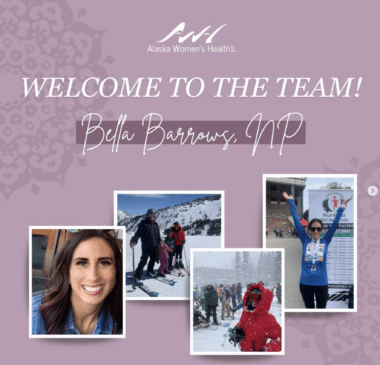
“Using tools like Instagram to highlight your staff, staff achievements, and the things you’re doing in your company just for fun, this becomes a message not just about them, but about your company as a whole,” Christensen explains.

Taking another example, Ellie Mental Health showcases its staff members as part of each page thus making the team represent Ellie as a company – and offering full transparency. And according to Jennifer, “Actions speak louder than words, so showcasing your team becomes a pretty big deal and a major asset to attracting both clients and job seekers,” she says.

Ellie Mental Health Website Homepage

By nurturing your company culture from within and highlighting your culture within your marketing strategy, you can improve both morale and employee retention, and send a positive message to the world for all to hear.

How To Make the Message Count

When it comes to marketing your company culture, there are several methods that can be leveraged. But the key throughout needs to be the expression of authenticity as it exists within your company.

A few methods you can utilize to express the truth behind your company culture can include:

  • Video testimonials – from C-level staff as well as from all team members
  • Glassdoor and Google reviews – responding positively to all reviews and telling your story in an authentic way
  • Website messaging – highlighting positive aspects of the company
  • Social messaging – keeping the conversation centered on your employees and their achievements where appropriate

Keeping active and engaging with everyone who becomes part of the conversation about your company is critical to highlighting company culture in a genuine way. And according to Jennifer Christensen, “You’re never going to get absolutely perfect reviews, but it’s by making sure that you’re staying active and responding to those reviews, making sure that you’re addressing concerns and telling your story in a genuine way that makes the biggest difference,” she explains.

What Makes a Work Culture Amazing?

How do we define “amazing?” According to Christensen, “It’s different for every company. And that’s the main part of it because there’s no exact formula. We know that people care about flexibility a lot, as it’s become a cornerstone of a quality company culture. But at the end of the day, it’s all about being true to your values and true to who you are as a company.”

When looking at what makes a company an “amazing” place to work, there are entirely too many internal dynamics at play that make a company what it is. For example, while some companies are very deadline-oriented or sales-focused, this might be off-putting to many prospective job candidates. But this might also be the perfect fit for job candidates who thrive in these conditions, so knowing your company and your ideal candidate profile becomes critical for authentic messaging to be effective.

“The first thing about creating a fantastic company culture is brutally honest self-awareness. Asking yourself, who are you really? What are you trying to accomplish, and what are other people going to be a part of? The second part is the authentic human element. Showing empathy and extending this out to your entire team,” Jennifer explains.

Creating an amazing company culture also requires a mission-vision, offering prospective employees a glimpse at where they’re actually headed. And this allows them to decide if they want to be a part of your journey within the mental health space, or not.

Utilizing Positive Recruitment Methods

Believe it or not, personalizing the people behind your company in place of personalizing your brand name can go a long way toward authentic personal branding. And depending on your company culture, you can utilize several channels for this high level of personal branding.

A few channels to consider are:

  • LinkedIn
  • Tik Tok
  • YouTube
  • Facebook
  • Instagram

For example, while one business may be able to leverage Tik Tok for gaining exposure with younger job applicants, depending on your company culture, utilizing LinkedIn can be a great place to highlight your employees’ or entire team’s achievements and company goals. And this can also spearhead your recruitment efforts.

Additionally, a marketing company can help direct recruitment efforts and actually help you to build a more positive and inclusive company culture in the process. “Statistically, the more that you actually put your culture online and share it, the more it can positively increase your internal culture. So, there’s a symbiotic relationship that manifests as a result of expressing and embodying authenticity. And as employees pick up on this, it enhances overall company culture,” Christensen offers.

Expansion and Investing in Recruitment

If you’re running a smaller mental health practice or operating with only one or a few therapists, deciding how and where you should spend your money if you’re wanting to grow your business can be a difficult decision. But if you want to grow, you simply have to budget for both client acquisition and recruitment efforts – because both are equally important, especially today.

“Right now, we know we’re in a market where there are more jobs than qualified people in the mental health space. And if you want to grow at all, recruitment has to be a part of your marketing strategy,” Christensen says.

At the end of the day, marketing is already going to be an effort that you’ll be spending money on. And with all of the tools available, for any growth to occur, directing marketing efforts toward enhancing company culture will likely bring in both clients and job applicants.

Grow Your Mental Health Practice with Beacon Media + Marketing

We cannot stress the importance of highlighting your company culture to grow your practice enough. After all, job seekers want to know who you are and why they should work for you. And here at Beacon Media + Marketing, we understand the nuances behind company culture messaging.

From monthly blog posts, social media marketing, and developing a full marketing strategy that includes web design, growing your therapy practice can be made possible. Just give us the reigns and allow our team of creatives to do what they do best – to help you reach your recruitment goals and grow your business. We can’t wait to see your therapy practice grow and thrive!

Could you use help with growing your practice by highlighting your amazing company culture? Contact Beacon Media + Marketing today and schedule a free consultation.

Creating a work-life balance isn’t a new thing. And it could honestly go without saying that many people are desperately trying to find this balance – and they have been for a while.

Just like the great resignation that we saw occur during 2020 when the pandemic caused many people to rethink their lives – and their jobs – mental health practitioners today are looking for a company that speaks to their core values, and for a place to work where they’re going to feel comfortable and valued. Essentially, today’s job candidates in the mental health space are on the hunt for much more than a “job.”

With so many people looking for more than a paycheck, creative and forward-thinking marketing is critical today for meeting the recruitment challenges in mental health. And while it’s safe to say that incentives such as profit sharing, health benefits, and a modest 401K are nice to place on the table, job candidates are looking for a deeper connection to what they do and with the companies they choose to work for.

Through a combination of creative marketing and truly understanding the desires and needs of your target candidates, you can fill your empty positions with quality job candidates who will likely enjoy their work and what your company can offer. And studies have proven that if your company culture meets their needs, they even might stick around for a while.

Could Your Mental Health Practice Benefit from Recruitment Marketing? Reach out to Beacon Media + Marketing today and schedule a free consultation.

Unique Recruitment Challenges for Mental Health Providers

Recruitment in the mental health space has become much more challenging today than it ever has been. And this is primarily because the number of available positions is disproportionately higher than the number of qualified candidates. Essentially, there just aren’t enough therapists to go around – and this can make recruitment especially difficult.

Between a large number of in-house positions without remote or telehealth options and the high burnout rate among many therapists, retention of qualified therapists has also become a big challenge in the mental health space. But this is where the role of marketing can be a game-changer when it comes to mental health recruitment.

Quality messaging and focusing your marketing efforts where they can be the most effective is just the beginning of your marketing journey when attempting to boost candidate engagement. However, just the bare tip of this iceberg won’t get the job done entirely.

How important is Company Culture Messaging in Recruitment?

In the same way that sales practices have transformed over the last decade with the influx of digital marketing, everyone wants to research online before they decide if they’re going to do business with you or not. And the same transition has crossed over into recruiting. People want to research a prospective employer or company thoroughly before they decide if they want to work for you or not.

Consider the questions that today’s job candidates are asking about your company before they make their decision:

  • How do they treat their staff?
  • Is this a place where I’m going to be cared about?
  • Will I be just another number?
  • What is it really like to work there?

If you want your recruitment efforts to be successful, all of this need-to-know information needs to be put out in online marketing. While the website is the core of this marketing strategy, and a website should contain plentiful information about your team, values, and culture, you also have to be able to showcase these same elements on social channels and show prospective employees who you really are in a genuine framework.

At the end of the day, you can claim to have the greatest company culture in the world, but if it’s not genuine and you can’t showcase it, people will pick up on it and likely look elsewhere for employment.

Additionally, mental health companies that are showcasing their culture online are actually attracting 80 percent more applicants than those who do not. And these companies actually have a 50 percent higher retention rate as well. So, they’re not just attracting more people, they’re keeping people longer than their direct competitors who forego highlighting their company culture online.

Making Your Company Culture Shine

Company culture is a primary attractor that job candidates are looking for as we head into 2023. And in order to highlight your company culture, you have to talk about your internal culture online through all of the same channels that you’re using to attract clients – blogging, video, social media, ads, and the like. Basically, your internal culture needs to become part of your messaging to the world. And by doing so, you’re going to have a better chance of attracting the right people who want what your culture offers.

In order to highlight your company culture, you need to clearly understand what your ideal job candidates are looking for beyond the obvious – like having a day off on occasion and a boss that doesn’t take advantage of those who passionately go above and beyond in their work. And a few examples of an attractive company culture might include:

  • Flexibility – hybrid/remote options, 4-day workweeks, PTO
  • Human qualities – respect and understanding
  • Accountability – including both staff and leadership
  • Empathy – understanding what a therapist does and working to provide the best environment for both clients and employees.

Many businesses have attempted to commoditize mental health, and this can make the process of providing care feel mechanical for both the practitioner and the patient. Essentially, where there is a lack of understanding between the investors and the people actually providing the service, there will be a company culture that repels rather than attracts applicants.

Trends in Mental Health Recruitment

Today, job applicants are wearing their detective hats. They’re looking under every rock for the finest details about your company and what you could offer them. And with all of the information and insider reviews proliferating online such as on sites like Indeed and Glassdoor, you have to paint a truly genuine and inviting picture of your company if you hope for anyone to apply.

Basically, you can spend millions of dollars on ads for recruitment, but if you don’t showcase your culture and show that you’re different – that you can provide a good experience for a potential employee – it’s going to be a very expensive endeavor and not as effective.

De-Siloing HR from marketing

Most businesses see HR and marketing as completely separate fields. But people are not siloed anymore. And for a recruitment campaign to be successful, the full force of marketing needs to be utilized to develop a complete strategy for recruitment instead of having HR only utilize marketing for bits and pieces of your hiring efforts.

Quality marketing highlights your culture, speaks about what makes your company different, and actually develops the strategy around the target candidates you’re looking to hire. This process will also target what job candidates actually care about and what they’re looking for. And if successful, you’re likely going to see 80 percent more applicants, and 50 percent better retention.

It may seem simple, but by using the same strategic skills that you use to bring on new clients as you would get new employees, you’ll find that more qualified applicants will be curious to see what you really have to offer.

Scale Your Recruitment Program with Beacon Media + Marketing

Building a recruitment strategy that gets you the people you’re looking for isn’t an impossible dream. And just like you’re looking for the best applicants, there are many qualified candidates in the mental health space that are looking for you – as long as you can offer and highlight a culture that offers a better quality of life.

With our team of creatives, social media experts, and marketing professionals, here at Beacon Media + Marketing, we will go to work for you and scale your recruitment efforts and get you the results you’re looking for.

Are you ready to scale your recruitment program with strategic marketing? Reach out to Beacon Media + Marketing today and schedule a free consultation.

The competition for consumer attention has never been as vast as it is in the modern digital age. And with the average consumer’s attention being directed and redirected thousands of ways any given day, compassionate messaging has become extremely valuable – and necessary.

Successful marketing is often the product of a recipe containing many essential ingredients. With today’s focus on social good, social justice, and being sensitive to emotional needs, consumers have their ears tuned to the primary ingredient – compassion. And if you’re not actively showing that your company holds compassion and accountability to the highest standard, you could easily face a downturn in profit and a reduced customer base.

Brands need to show the consumer that they’re doing more than taking their specific needs into consideration. And when marketing for eating disorder treatment centers, you need to show consumers that you understand their struggle – and that you’re not simply trying to make a profit.

Ready to let Beacon go to work to help you develop compassionate messaging for your eating disorder treatment center? Learn how we can help your clinic thrive with our mental health marketing services.

What Is Compassionate Marketing?

It may seem puzzling to think of marketing as compassionate. After all, the primary goal of marketing is always to achieve the greatest ROI, right? Well, not exactly.

Without the element of compassion, a marketing message may easily fall on deaf ears, or fall flat on the page. Without a deep, authentic meaning in your messaging, you’ll likely fail at establishing a deeper connection with your target audience.

Compassionate content marketing is concerned more with kindness and honesty than with numbers or conversion. This is a message that places the humanity of your audience as the center focus of your efforts. Essentially, compassionate marketing is an intuitive and creative way to help your audience identify with your brand, and not feel like outsiders looking in.

At the end of the day, you want your audience to already feel like they’re a part of the family before they ever step through the doors of your clinic. And empathic messaging is the key to establishing this level of trust and understanding.

Normalize the Struggle

Those with eating disorders are already protective of their condition. In fact, many eating disorder patients have trouble coming forward and admitting to anyone that they have a problem. This type of disorder is often held as a secret, and this is why compassionate messaging will allow an eating disorder treatment center to offer the level of comfort that an eating disorder patient is looking for.

At the most basic level, as an eating disorder treatment center, you need to normalize the struggle and let it be known to the world that these problems are not the dirty little secrets that many patients attempt to keep buried. This is a condition that needs to be talked about, and the following methods offer an opportunity for doing so:

  • Start inclusive conversations about eating disorders on social media
  • Ask your audience to offer their ideas about eating disorders through surveys
  • Use a podcast to help spread positive and compassionate messaging about eating disorders
  • Invite social influencers with eating disorders to promote your clinic
  • Offer free ebooks or guides for those struggling with eating disorders
  • Provide stigma-breaking, informative blogs on eating disorders

People suffering from eating disorders need to feel welcomed and understood. As an eating disorder brand, you need to not only accommodate your patients, you need to let them know that they’re not black sheep – that they’re safe and welcome. And by doing so, the more effective and compassionate your messaging will be.

Eliminating the Shame

Shame is something we’ve all experienced at some point in our lives in moments of social rejection, failed connection, or when we’ve exercised poor judgment and made a critical mistake. In fact, the feeling of shame often occurs when our highest ideal of self differs from how we perceive ourselves. And an eating disorder can make one feel riddled with shame, guilt, and even self-hatred.

As a mental health brand specializing in eating disorder treatment, eliminating the element of shame is often a primary goal when treating a patient, and the same should be true when developing your marketing message.

Messages promoting self-compassion, self-love, and body positivity may offer the best hope for eliminating the shame that many of those with eating disorders feel throughout the day. And the more you can connect with your audience and deliver messages full of love and empathy, the greater the response from potential patients you’ll see.

Setting the Tone With Visual Empathy

A primary method for truly showing the consumer that you’re a compassionate brand is through a combination of messaging and visually authentic designs that work to reinforce your message. And in order to achieve this effect, the imagery needs to suit the message.

The following examples of imagery may prove quite effective and inviting for potential eating disorder patients:

  • Images of people enjoying food together
  • Images highlighting a compassionate patient/clinician relationship
  • Images of diversity
  • Images of togetherness
  • Images of embracing one another

The most effective imagery when it comes to compassionate messaging embodies the principles of kindness, common humanity, mindfulness, thoughtfulness, and inclusiveness. And when implemented in a design, this imagery can help to alleviate the internalized feelings of shame and self-criticism that many sufferers of eating disorders face on a daily basis.

Address the Tough Issues with a Gentle Touch

As mentioned, we all know that eating disorders can be a difficult topic to discuss openly. And with the American Society for Nutrition noting that eating disorders are on the rise, this leaves you with a larger audience and many sensitive issues to discuss. Whether in blogs, email content, ebooks, or guides, these discussions need to be open, honest, inviting, and gentle to those sensitive about their eating disorder.

Potential areas to discuss in your digital platforms may include:

  • Social anxiety caused by eating disorders
  • Mood disorders
  • Body dysmorphia
  • Depression
  • Binge eating
  • Anorexia
  • Bulimia

A gentle and compassionate voice can go a long way in the effort to help reduce the stigma and cultural stereotypes that often come along with eating disorders. Essentially, when your marketing message focuses more on helping than selling, this changes the focus of the campaign and highlights your brand’s core values. And this is where partnering with a marketing company can be a powerful tool for focusing your brand’s voice and delivering compassionate messaging.

Scaling Your Eating Disorder Treatment Practice with Beacon Media + Marketing

At Beacon, we know how difficult it can be to come up with the right messaging and deliver that compassionate voice that your audience is looking for. But this is why our team is here.

From web design, paid ads, social media marketing, monthly blog posts, and developing your entire marketing strategy, growing your eating disorder treatment practice can be left in our capable hands. And you can sit back and relax (or focus on other areas of your business) while Beacon Media + Marketing creates your next successful eating disorder marketing campaign.

Our team of creatives and digital marketing experts each knows exactly what to do to develop compassionate messaging and allow you to reach your business goals, and we can’t wait to see your eating disorder treatment center thrive!

Ready to see how Beacon Media + Marketing can help your eating disorder treatment center thrive? Reach out and schedule your free consultation today!

Marketing your pediatric therapy practice with the wrong strategy can feel like you’re just not getting through to people. Or worse, you’re met with outright rejection. Here’s the thing – promoting therapy services for children requires unique strategies when marketing to adults.

For one, your target audience is parents and caregivers, and that makes things a bit tricky. But growing your pediatric therapy practice doesn’t have to be difficult. Read on for some expert tips to help in your mental health marketing for pediatric practices.

Ready to leave the work of growing your therapy practice to someone else? Learn how we can help with our mental health marketing services.

1) Know Your Audience

Children’s toy companies seem to have it so much easier when it comes to marketing. Their products can easily be promoted on kids’ TV shows, displayed on the lowest shelves of store aisles, or seen with their friends at school. But when it comes to pediatric therapy services, you’re out of luck marketing to children.

So, does that mean your therapy practice is relegated to dusty doctor’s office pamphlets? Absolutely not. You just need to shift your focus to a not-so-obvious (at first) target audience: Parents and caregivers.

This “indirect” target audience is nothing new in the world of marketing. Think about it. Are senior care services talking to seniors? No, they focus on their adult children. Are Valentine’s Day gift commercials for you (the recipient) or are they meant to reach your significant other?

In the same way, parents, guardians, and other caregivers should be your main focus.

2) Go Where They Are

The easiest way to connect with your target audience is to show up in related areas that don’t compete with your practice. These spaces can be in-person or online, but the key is to leverage an existing audience that is more readily available than the one you can build on your own at this stage.

Parental Blogs, Podcasts, and Forums

Caregivers and guardians are constantly looking for advice and resources to guide them in raising children. If you’re able to use guest posts and other partnerships to boost your content marketing and PR, it can bring in many new clients. Why? Because there’s already an existing audience that trusts the authority of the person or platform. Be featured in their space, and you can instantly gain credibility.

Schools and Daycare Services

When kids aren’t at home with their parents or another caregiver, they’re at school or in daycare services. So, chances are, these adults interact with the children often and may even see a difference in behavior from home life. Partnering with these facilities provides a good opportunity to get new business from referrals.

Pediatric Hospitals & Doctor Offices

Similar to schools and daycares, medical centers interact with children in a different context. But there’s one key “advantage” here: hospitals and doctors’ offices are focused on healthcare. That includes behavioral and mental health as well. If a concerned parent brings their child in for an annual checkup, they are likely to bring up issues they’ve noticed. It isn’t rare for a child’s primary care doctor to recommend therapy as a solution, and they could very well recommend your pediatric practice. That is, if they know about your services. (Hint: that was an action item).

Camps and Recreational Activities

This strategy is repeated here also. While you’re unlikely to get direct therapy referrals from these places, they are where your target audience is at. It’s a smart move to figure out a way to get in front of their eyeballs!

3) Focus on (Search) Intention

Given the nature of your practice, it’s smart to target parents who are actively looking for answers to their children’s struggles. At least at first – once you grow our practice, you can broaden your scope. The idea of search intention is usually referring to the use of paid advertising. For instance, Facebook ads are often presented on your feed without you intentionally searching for that product or service. This can sound confusing because good ad targeting will result in you seeing highly relevant ads. (Think ads for baking tools in your feed because you read cooking blogs, like social media posts for baking, or place an order for a cake recipe’s ingredients.)

But no matter how relevant or timely these ads may seem, they don’t use search intention. You never went to Facebook, typed in “large whisk” and then expected to see a paid ad for that product – even if it was something you wanted to buy once you saw it.

Advertising with search intention is different. For example, if a water pipe bursts in your home, you might immediately Google “plumbers [city] [state]” or “fix water pipe near me.” In that case, you will be shown paid search result ads from companies in your area. And generally speaking, companies are more likely to get your business when they present themselves as the solution to a problem you were already searching for. That’s the power of search intention.

Likewise, it may help to use marketing strategies that focus on this for your pediatric practice. And while it’s not direct marketing/advertising, blog posts are a great way to bring visitors to your website based on search intention. For example, an informative post for someone searching “how much does children’s therapy cost?” could bring in traffic and more leads to your practice.

4) Target Values in Your Messaging

Perhaps this tip sounds obvious to you. But many practices in the health and wellness space, end up revolving their message around “shoulds.” You should be eating this instead of your favorite comfort food. You should be doing cardio 3-5x a week instead of watching the entire season on Netflix. You should be reading a book to keep your brain sharp or you should schedule that doctor’s appointment.

Are all of these positive, healthy things? Yes, but it ends up sounding like another chore of a to-do list, or worse a judgment. That’s why the key to successful messaging is to focus on parent/caregiver values, which would naturally lead to seeking therapy for their children if needed.

Here are a couple of examples of values:

Empathy: Most people are actively trying to be good parents to their kids. Show you understand the issues they may face, too.

Nurturing: Frame therapy as something to be proactive about as well as nurturing for a child’s well-being. In other words, change the notion that therapy is a last resort or only when problems get out of control.

What core values and emotions can you connect with in your marketing?

5) Reputation, Reputation, Reputation

Lastly, this is possibly one of the most important points in growing your pediatric therapy practice. While every business needs to maintain credibility and reputation, you will have to put more emphasis on it. Why? You’re asking parents to take a risk anytime they entrust you with their child’s care.

Even if a bad review is only a disgruntled parent or an unrelated comment like an insurance complaint, it can still damage your practice’s reputation. As you grow, these things will be less of a blow compared to your overall positive feedback and credibility. However, when you’re still scaling, you must be more vigilant in managing your therapy practice’s reputation.

Scaling Your Pediatric Therapy Practice with Beacon

From monthly blog posts and running ads to marketing strategy and web design, growing your therapy practice can feel overwhelming! That’s why we’re here to step in. You can sit back and relax while Beacon Media + Marketing launches your next successful mental health marketing campaign. Our team of experts knows exactly what to do reach your business goals, and we can’t wait to see your pediatric therapy practice thrive!

Are you ready to see how Beacon Media + Marketing can help your behavioral health practice? Schedule your free consultation!

With mental health gaining awareness and being destigmatized, it’s never been easier to scale a psychotherapy practice. However, if you box mental health marketing into more traditional practices or even try and copy conventional health marketing, your results will fall flat.

Some businesses have cracked the code for marketing within this unique industry, and we want you to be next. We’re ready to help you take advantage of the increasing openness and acceptance surrounding mental health. Here are 7 expert tips to market your psychotherapy practice (with real examples!).

We specialize in marketing for mental and behavioral health practices like yours! Get your free growth plan to take the first step.

1) Show That Mental Health Is a Necessity

Ellie Facebook mental health reminder

Don’t get us wrong. We absolutely value mental health and understand how critical psychotherapy is to a person’s well-being. And while it has made tons of headway even in the last decade, many people don’t place mental health on the same level as physical health or conditions.

Mental health is often placed on the back burner when life gets in the way – if it was remembered in the first place. Our point here is that you must meet your target audience where they are in their perceptions first – then you can change minds (literally) after clients get their foot in the door.

2) Find Your Niche

Center for Grief and Trauma home page

One thing you already understand about mental health is that it’s never a surface-level issue. Therefore, people will get the most benefit when their unique struggles are addressed with full understanding and expertise. Translation: if a potential client can find the exact info or help needed in a first-page, generic article on Google, you need to dive deeper.

The Center for Grief and Trauma has marketed their psychotherapy practice successfully by going all-in on a specific niche. You could consider doing the same to really see marketing growth! And before you ask – no, you won’t run out of potential clients or pigeonhole yourself out of business by niching down.

However, we understand how it might feel that way at first. If this is one of your main concerns, then it might be helpful to consider a tried-and-true example: your favorite restaurant!

We’re willing to bet that your first-choice restaurant specializes in a certain cuisine. So, consider this. Does a top-tier Indian restaurant worry about missing out on the people who are looking for a $5 burrito? Does the local vegan spot stress about going out of business because of the BBQ restaurant next door? No, because they have confidence in their niche, and work on being the best at serving their ideal customers. So, where can you provide the most value in your psychotherapy practice? Chances are, you can dive deeper than “mental health.”

3) Show Your Expertise

Lukin Center home page

Anyone can make claims – whether it’s in marketing or education. The Lukin Center for Psychotherapy backs up their educational resources and mental health services using scientific evidence, research, and proven practices.

They claim the tagline “Driven by science, led by compassion” as a brilliant summarization of their value. Not only is it highly ethical for psychotherapeutic and psychiatric practices to offer research-validated treatment, but it also boosts their credibility with potential clients. As with any health service, reputation is crucial.

And while you don’t want to overwhelm your leads with too much information in your marketing, you don’t have to hold back when it comes to content or other resources. The most important thing is to make it accessible and welcoming to people.

Don’t worry about your expertise going over your audience’s heads. Trust us, they can handle it. But in any case, you will appear as an authority in your space – who is expected to be more knowledgeable than the average joe!

4) Own Your Local Market

NYC Therapeutic home page

Yes, we know you’ve probably tip-toed (or even taken the plunge) into local SEO. But what we’re talking about here goes much deeper than that. If you’re located in a particularly unique area, connect with the culture of your city or town.

Based in Manhattan, NYC Therapeutic Wellness has capitalized and made the most of the New York City market. Even with the rise of virtual and online therapy options, many people still prefer to seek in-person counseling. If that is your primary service offering, be sure to invest in your practice’s location, interior environment, and targeted location-based advertising.

There is always an inherent trust factor when reaching your local community, so don’t throw that away as you grow and scale your psychotherapeutic practice.

5) Be Inclusive and Welcoming

Ellie Mental Health website home page

Mental health doesn’t need to be so sterile. When you realize your practice is connecting with real people with lives, personalities, cultural differences, goals, unique senses of humor… you can create an incredibly safe space that validates people for being human.

This is an incredible advantage that psychotherapy practices have over traditional health, wellness, and medicine. You get to reach people on an individualized, personal basis – not just checking them in and out of isolated treatments.

Ellie Mental Health is an amazing example of being inclusive and welcoming in their practices. The feeling is echoed throughout Ellie’s branding, messaging, and in-person locations. Just check out this statement from their website’s homepage:

“Seeing your therapist at Ellie is like stopping by a friend’s house (if your friend was a badass therapist). We have comfy couches, stylish art, and hot tea. We like to call ourselves professional secret keepers.”

How inviting does that sound?

6) Be Accessible & Convenient (Without Sacrificing Diversity)

Dana Group home page

We all love convenience and an easy choice. Drawing people to your psychotherapy practice is no different. But here’s where you need to be careful: Never choose accessibility over your ability to offer high-quality, individualized treatment.

Dana Group Associates is a behavioral health organization that has therapy appointments available fast and provides medication management prescribed by in-house psychiatrists. However, despite this ease of access, Dana Group still connects clients with the right fit from a diverse team of providers. Here are just some of the behavioral health areas they focus on:

  • ADHD
  • Adjustment issues
  • Aging
  • Anxiety
  • Bipolar disorders
  • Chronic Illness
  • Cultural Identity
  • Depression
  • Family issues
  • Grief & Trauma
  • LGBTIQ+
  • Stress

7) Don’t Use a 10-foot Pole to Touch on Psychotherapy

The last tip is something we don’t think many practices realize they’re doing: approaching mental health with kid gloves.

Mental health and wellness, as well as psychotherapy, are dynamic, complex, and rarely clean or simple. However, some marketing approaches water down messaging in an attempt not to scare people away. And while this is with the best intentions, we encourage you to dive deeper and start a conversation that explores mental health honestly.

This builds a solid, empathetic relationship with your audience that lets them know they’re not alone. So, don’t be afraid to share personal stories, explore stigmas, stats, or trends (no matter how chilling), or bring awareness to real causes. Because someone out there is dealing with it – and you could be the first step for them to feel better.

Partner with Beacon to Bring New Clients to Your Psychotherapy Practice

If you’re looking for a strategic partner to grow your psychotherapy practice fast, Beacon Media + Marketing is here to help. We offer mental health marketing services to scale your business – including content marketing, paid advertising, website design, branding, and more. Whatever you need, Beacon can take you to the next level for new clients and a profitable practice!

Want to know how Beacon Media + Marketing can grow your psychotherapy practice? Schedule your free consultation now.

Written by Sabrina Martinez, Content Lead, updated and revised by Sara Jokela 05/07/2025.

No, it’s not as simple as just creating a masculine-style color palette to draw people in.

It can be frustrating to find that just because something is critical, it doesn’t make it easy to market. You likely know this all too well when trying to market your health services to men.

There are many alarming statistics that reveal men seek healthcare at much lower rates than women – even in the presence of a health problem. And the impact of this is significant. From chronic health conditions to mental illness, not seeking medical care can contribute to a shorter lifespan, serious mental health outcomes (such as suicide or addiction), and a serious diagnosis that could have been mitigated with early treatment.

Internet access plays a crucial role in reaching men through digital marketing strategies, ensuring your campaigns are visible and accessible online.

While many practices may focus on marketing to their primary customer, which more often than not is women, there are many benefits of marketing your services to men (even if they make up a smaller percentage of your client base). First off, men’s health is important, and a compelling campaign geared toward men can be the very spark that compels someone to take that first step and get the care they need. Also, if a man is actively looking for a health provider, they are unlikely to choose your practice if they feel excluded by your marketing. A men’s health marketing campaign can make your practice stand out as a safe and welcome space for men seeking care for health issues they might feel embarrassed or hesitant about.

This might be surprising, but rationale alone doesn’t get people through your practice doors. You can have the most data-driven arguments or health stats, but that’s often not what brings in new patients. Instead, you’ll need to focus on emotions for successful marketing and take time to truly understand your target audience, including their pain points, their reservations, and their needs.

You might assume that since you are trying to market to men that emotions might be a less important factor. However, it’s essential you consider a key emotion in your campaigns in order to break the stigma and negative perceptions surrounding men’s health.

Not sure how to craft a compelling marketing campaign for men? Here are five examples of stellar men’s health services marketing strategies to model.

5 Examples of Marketing Health Services to Men Infographic

Looking to grow, scale, and thrive with your next marketing campaign? Get your free growth plan today!

Introduction to Men’s Health

Men’s health is a critical yet often overlooked aspect of healthcare. Despite the importance of regular check-ups and early intervention, men are statistically less likely to seek medical help compared to women. This reluctance can lead to severe health outcomes, including chronic diseases, mental health issues, and even a shorter lifespan. Understanding the unique challenges men face in accessing healthcare is the first step in creating effective marketing campaigns that resonate with this audience. Incorporating robust network architecture and efficient data sharing through a metro area network can enhance healthcare communication, making it easier for men to access the information and services they need. By addressing these challenges head-on, we can encourage more men to take proactive steps towards their health and well-being.

Man Therapy: Educate First

Key Emotion: Curiosity + Understanding

At the end of the day, we’re all human. Of course, we know that’s true. On some level, everyone understands that we can all relate to each other in some way. But in this case, grouping people together isn’t the best marketing strategy. If you really want to build rapport with your audience, show you empathize with their unique struggles.

Man Therapy, a site for men’s mental health resources, does this perfectly. The tagline of their website homepage isn’t shy about who they’re targeting. It states: “It’s okay to cry, even when it’s not about sports.” From there, social proof and connection are created by featuring video testimonials from real men, and an easy-to-navigate filtering system for finding mental health resources based on topics. These filters include:

  • Anger

  • Grief

  • Trauma

  • Anxiety

  • Depression & Suicide

  • Relationships & Sex

Notice anything different about these topics as it relates to men? Trick question. There aren’t any differences – everyone (regardless of gender or sex) deals with these issues. But Man Therapy has created a space that is safe and welcoming for men, allowing education and awareness to follow. How can you generate an atmosphere like that in your men’s health marketing?

Men’s Health: Leverage Popular Media + Publications for Internet Connectivity

Key Emotion: Community

We can never stress this enough: When creating any marketing strategy, go where your target audience already is. By leveraging a popular media publication that has already created a safe, normalized space for men’s health, you reach a more receptive audience, faster.

Being featured on these sites with a guest post, review, or other collaborative effort can really help spread the word about your health services for men. You can also take a more direct route, and partner with the publication to advertise on the Men’s Health website.

If men’s activewear company, Rhone, can partner with Men’s Health for this piece, “Men Don’t Talk Enough About Mental Health”, imagine the opportunity you have as a practice that directly provides men’s health services. There’s also a bonus to creating a marketing campaign in this way – it provides outside credibility and a reputation boost against your competitors.

Hims: Make It Hard to Say No with Data Transfer Speed

Key Emotion: Ease

Changing the norm means you have a challenge: making the alternative easy.

Hims is a telehealth and medication management platform aimed at providing easy, online access to men’s healthcare. Hims also offers features like online edit diagrams, making it easy for users to manage their healthcare information and appointments from anywhere. They provide virtual medical visits with licensed experts and send your prescriptions to your door. Complete with a bold “Find My Treatment” button on the homepage, Hims services are literally a click away!

This makes it extremely convenient for someone to change their habits in a positive direction. It’s simple psychology. By increasing accessibility to men’s health services – from skincare to erectile dysfunction to anxiety and depression – it is much likelier they will be utilized.

Now, this example is not to say that you should switch your practice to telehealth options. Instead, look at the big picture. How can you provide health services in a way that makes it harder to say “no” to treatment? It takes a lot to break down the stigma surrounding men’s health – don’t add an extra barrier to that. 

No-Shave November + Movember: Amplify A Cause in the Metropolitan Area

Key Emotion: Empathy + Altruism

How many times have you gained personal awareness while supporting someone else? Whether it’s a family member or friend or co-worker – when people stop to help others, they often understand more for themselves too.

No-Shave November and Movember are non-profit organizations that create challenges to spread awareness and raise support for cancer patients, men’s physical and mental health, and suicide prevention. The challenges – like no shaving for 30 days or running/walking 60 miles in a month – are great for generating attention and going viral. This, in turn, not only creates the opportunity for health education but for starting a conversation while amplifying a real cause.

In what ways can your marketing campaign help others while spreading a positive message?

Ellie: Destigmatize Mental Health For Men

Key Emotion: Safety + Acceptance

Here’s a hard truth: destigmatizing men’s health and care isn’t something that’s going to be laid out for you. Ensuring the privacy of sensitive data is crucial in creating a safe and accepting environment for men seeking mental health services. Do you want to see change? Your practice needs to be a part of the solution. Fortunately, it’s not as difficult to normalize positive things as people think. Just take a look at Ellie, who’s changing the culture of mental health with clinics across the country! They’ve written a fantastic post, “Why We Need to Talk About the Male Mental Health Stigma” that we’ll pull from here.

How do they suggest destigmatizing men’s mental health?

  • Make getting help the norm. Mental health struggles are nothing to be ashamed of, and everyone deserves to feel better. Frame men’s health services (like therapy) in a way that allows vulnerability, comfort, and care without judgment.

  • Encourage sharing personal stories. Part of destigmatizing men’s health is proving that no one is alone. Highlight real issues, journeys through struggles, and how other people have gotten better – and that they can, too.

  • Educate and bust myths. Stigmas only continue to grow when they’re fueled by misinformation. While you should always validate feelings and emotional needs, laying out the facts has its place too. Educate men on recognizing signs, symptoms, and struggles within themselves and others, as well as evidence-based solutions for getting better.

  • Pass it on. Challenge today’s men to be the generation that makes prioritizing health not just the norm, but admirable. Encourage boys to express mental, emotional, and physical needs, and create a healthy expectation that those needs will (and should) be met. When men do this consistently, they will pass it on to young sons, brothers, and future fathers – ending the stigma once and for all.

Men’s Health Service Infrastructure

A well-structured men’s health service infrastructure is essential for providing high-quality care to patients. At the heart of this infrastructure is a robust computer network that enables secure and efficient communication between healthcare providers. One of the most effective ways to achieve this is through a metropolitan area network (MAN), which connects multiple local area networks (LANs) within a metropolitan area. This setup provides high-speed connectivity and internet access, ensuring that healthcare providers can share resources and collaborate seamlessly.

A metropolitan area network (MAN) can cover an entire city, enabling healthcare providers to access medical records and consult with specialists in real-time. This level of connectivity is crucial for improving patient outcomes, as it allows for timely and informed decision-making. Additionally, a MAN can support telemedicine services, providing a secure and reliable connection for patients to consult with healthcare providers remotely.

The infrastructure of a MAN includes various network devices such as routers, switches, and servers, all interconnected by fiber optic cables or telephone lines. These components work together to ensure that data flows smoothly and securely across the network. A network engineer plays a vital role in designing and maintaining this infrastructure, ensuring that it remains secure, reliable, and efficient.

By connecting multiple buildings, including office buildings, hospitals, and clinics, a MAN enhances the efficiency and effectiveness of healthcare providers. This interconnected network allows for better coordination and resource sharing, ultimately leading to improved patient care. In the context of men’s health services, a well-structured MAN can make a significant difference in the quality and accessibility of care provided.

Privacy and Data Security in Men’s Health Services

Privacy and data security are critical concerns in men’s health services, as sensitive patient information must be protected from unauthorized access. One effective way to secure data transmission between healthcare providers and patients is through a virtual private network (VPN). A VPN ensures that sensitive information is encrypted and protected, providing a secure communication channel.

A metropolitan area network (MAN) can be designed with robust security features to safeguard patient data. These features include firewalls, intrusion detection systems, and encryption protocols, all of which work together to prevent unauthorized access and data breaches. Compliance with regulations such as HIPAA is essential, as these regulations mandate the protection of patient health information.

The role of a network provider is crucial in ensuring that the MAN infrastructure is secure and compliant with regulations. This includes managing wireless technology to prevent unauthorized access and using network diagrams to visualize the infrastructure and identify potential security vulnerabilities. Regular security audits and risk assessments are necessary to maintain the integrity of the network and ensure ongoing compliance.

Healthcare providers must also be trained on data security best practices, such as using strong passwords and secure communication protocols. A data center can be used to store and manage patient data, providing a secure and reliable repository for sensitive information. By prioritizing privacy and data security, men’s health services can protect patient information and build trust with their patients, ultimately leading to better health outcomes.

Health Outcomes

The consequences of men not seeking healthcare are far-reaching. Chronic conditions such as heart disease, diabetes, and hypertension are more prevalent among men who avoid regular medical check-ups. Mental health issues, including depression and anxiety, often go untreated, leading to severe outcomes like addiction or suicide. The impact of these health issues extends beyond the individual, affecting families, workplaces, and communities. Just as data rates in network channels determine the efficiency of data transmission, the timely seeking of healthcare can significantly improve health outcomes. By highlighting these health outcomes in your marketing campaigns, you can create a sense of urgency and motivate men to prioritize their health. Remember, the goal is to make them feel understood and supported, not judged or pressured.

Evaluation and Measurement

To ensure your men’s health marketing campaigns are effective, it’s essential to evaluate and measure their impact. Start by setting clear, measurable goals, such as increasing the number of male patients or improving engagement with your content. Use tools like Google Analytics to track website traffic and social media insights to monitor engagement. Additionally, consider using network diagrams to visualize data flow and understand the role of computer networks in connecting various devices and facilitating resource sharing. Surveys and feedback forms can provide valuable insights into how your audience perceives your campaigns. Regularly review these metrics to identify what’s working and what needs improvement. By continuously evaluating and refining your strategies, you can create more impactful campaigns that resonate with your target audience.

Improvement Strategies

Improving your men’s health marketing campaigns involves a combination of creativity, empathy, and data-driven insights. Just as a robust network architecture with reliable backbone connections is essential for efficient communication in Metropolitan Area Networks (MANs), ensuring network resilience is crucial for maintaining continuous and effective marketing efforts. A well-structured marketing strategy is crucial for reaching your audience effectively. Start by conducting thorough market research to understand the specific needs and preferences of your target audience. Use this information to create personalized and relatable content that addresses their pain points. Leverage multiple channels, including social media, email marketing, and partnerships with popular media publications, to reach a broader audience. Consider incorporating telehealth options or other convenient services to make it easier for men to access healthcare. Finally, don’t be afraid to experiment with different approaches and learn from your successes and failures.

Best Practices

When it comes to marketing men’s health services, certain best practices can help you create more effective campaigns. Highlight the role of network devices in facilitating secure communication and emphasize the increased security that comes with adopting advanced network solutions, including wired connections. First, focus on building trust and rapport with your audience by showing empathy and understanding. Use clear, straightforward messaging that highlights the benefits of seeking healthcare. Leverage popular media and publications to reach a wider audience and build credibility. Make it easy for men to access your services by offering convenient options like online appointments or home delivery of prescriptions. Finally, continuously evaluate and refine your strategies based on feedback and performance metrics. By following these best practices, you can create compelling campaigns that encourage men to take charge of their health.

Start a New Men’s Health Marketing Campaign With Beacon Network Resources

The takeaway from all of this? Marketing health services to men isn’t just about presenting an opportunity for getting help. In order to be successful, you must actively change the culture and reduce the barriers that keep men’s health de-prioritized. So, will you take on the challenge of reaching a more difficult audience in your practice?

Think of it like starting a campaign in a single building and then expanding its reach over time, even if it’s not owned by a single organization. This involves establishing connections across multiple buildings, creating a cohesive network that supports efficient operations.

Do you dare to create campaigns that defy the norms in men’s health? If so, consider Beacon Media + Marketing your dedicated marketing partner in growing your practice and reaching men with compelling, barrier-free marketing. Beacon specializes in marketing for healthcare businesses, especially

We’re ready to square up to the men’s healthcare stigma right along with you and craft messaging and visuals that get the right message across, whether that’s through expertly crafted blogs, effective paid advertising, impactful social media posts, or stellar websites and branding.

Is that a “yes?” Schedule your free consultation with Beacon Media + Marketing today

Wait! Stop writing that next blog post (or at least take a long, thoughtful pause). Although mental health blogging can be a great way to boost your SEO rankings and reach people online, every skilled marketer will tell you that the key to successfully growing your business and making in impact is having a wide range of effective tools in your toolbox. And today we want to talk to you about how you can leverage your voice to provide valuable mental health education and insight and grow your practice with podcasting.

Creating a mental health podcast as a part of your overall mental health marketing plan is the perfect, casual way to reach new audiences. The team at Podcast Hosting found there are more than 2,000,000 podcasts and over 48 million episodes as of October 2022.

Moreover, nearly a quarter of Americans listen to a podcast weekly! What would engagement like that do to boost your content marketing strategy? Well, if you can read this, speak, and have a halfway decent microphone – there’s nothing stopping you from finding out.

We’ve compiled five mental health podcasts we think you can draw inspiration from. Grab a pen and paper and be sure to take notes!

Want to get more insightful tips on all things Mental Health Marketing? Listen to our podcast The Beacon Way or Get Your Free Growth Plan today!

1) The Mental Health and Wealth Show – Melanie Lockhart

Lesson: Take a fresh approach to mental health topics

If you’re in the mental health space long enough, you start to hear the same recycled topics – cognitive behavioral therapy, intrusive thoughts, breathing exercises, mindfulness, journaling…

So, why not stand out by integrating mental health content with an everyday, down-to-earth issue?

Why we like it: The Mental Health and Wealth Show takes a practical approach to an adjacent topic that influences mental health – finance. How can you calm your anxiety about future finance goals? How can you stop feelings of overwhelm and burnout from debt or a low-paying job? How do you slow emotion-fueled impulse purchases or heal financial trauma?

Melanie interviews various guests to dig deeper into these topics – encouraging discussion, but with the obvious disclaimer: the content is not to be taken as mental health or financial advice!

Takeaway: This podcast uses a unique intersection between two topics to create engaging, helpful mental health content.

Episodes We Recommend:

2) Mental Illness Happy Hour – Paul Gilmartin

Lesson: Start a conversation, and just… listen.

Ever feel like the expert advice content you turn to can quickly become…preachy? Well, the mental health space is no different. Sometimes your audience won’t want another lecture or “pro tip.” Mental Illness Happy Hour has a surprisingly unique angle compared to other mental health podcasts: empathy.

Why we like it: This podcast isn’t here to explain mental health or provide directly educational content. Instead, each guest is someone sharing their personal story with mental illness – in a raw, honest, and therefore, more mature content form. The lessons are left up to the listener to decide for themselves. We especially like this podcast because it feels less like a discussion and more like chatting with a good friend about their struggles and recovery.

Takeaway: Not all content needs to be informative. What kind of conversation can you start by just talking?

Episodes We Recommend:

3) Millennial Mental Health Channel – Justin & Eddie

Lesson: Find your people and connect with them.

Let’s face it – the way you think about mental health is going to be completely different from your parents’ or even your kids’ perspectives.

And that’s okay. It’s just a reminder to tailor your podcast content to your target audience.

Why we like it: While Millennial Mental Health Channel is for everyone, it will inherently attract a specific age range. This podcast is hosted by a psychiatrist and therapist duo, allowing for two different yet essential perspectives on mental health. And because Justin & Eddie are millennials themselves, it makes for relatable, authentic content.

Take some time to figure out who you best connect with. Don’t aim for an audience you won’t be able to tune into (see what we did there?)! Of course, your niche doesn’t have to be generational. Maybe you can create the greatest impact discussing mental health regarding veterans and PTSD or for high performers who struggle with burnout, stress, and anxiety.

Takeaway: Considering how large the audience on the internet is, general mental health tips won’t get very far with engagement. What’s your specific expertise? Home in on that to reach people in your space.

Recommended Episodes:

4) HealthyGamerGG – Dr. Alok Kanojia

Lesson: No time? Maximize what’s working.

Sometimes the best mental health marketing strategies can still feel like another chore on a to-do list. Do you really have the time to start an entire podcast – no matter how effective it is? Cue the HealthyGamerGG “podcast.” Dr. Alok Kanojia is a Harvard-trained psychiatrist that has become especially popular for mental health content in the gaming community.

Why we like it: This podcast proves you don’t have to create a dedicated, traditional podcast to capitalize on the marketing potential it brings. The HealthyGamerGG community originates on the streaming platform Twitch and has over 1M subscribers on Youtube – encompassing lectures, chatting streams, interviews, and viewer call-ins.

However, that doesn’t stop them from repurposing the content audio in a “podcast” version with a 5-star rating on Spotify.

Takeaway: You don’t have to go all-in right away. If you have a current content marketing strategy that works, maximize it in a podcast. The best part is, if you want to create a traditional podcast later on, everything is set up — and you may have already grown a sizable audience of listeners!

Episodes We Recommend:

5) Last Session of the Day with The Psych Guys – Dr. Lukin, PhD and Timothy Meyer, LCSW

Lesson: Never start from scratch. Take notes, then make it your own.

Finally, we wanted to recommend a baseline podcast you can model after! This mental health podcast is led by mental health experts that are witty, relatable, and informative. If you want to get to know your target audience in a genuine, conversational way, the Last Session of the Day is the podcast to check out.

Why we like it: This classic style captures the base of a quality mental health podcast. It features two therapists who chat through current mental health topics and issues while offering their expert perspective. Last Session of The Day follows our go-to keys for content marketing: it’s personable, valuable, and informative without selling. The shorter-length episodes also show you can make bite-sized content that is still effective!

Takeaway: If you want to get a good idea of a foundation for starting your own podcast, Last Session of The Day is a great framework.

Episodes We Recommend:

Final Thoughts

In 2018, Entrepreneur said podcasting was “the next marketing frontier.” We have to agree with a slight twist in 2022: podcasts are the next mental health marketing frontier.

Each of our recommendations prove it with their own unique approach, and we hope you will, too! From the medium’s ability to connect with your audience deeply, as well as how easy the barrier to entry is – here’s the next content marketing strategy on your to-do list: Start a podcast!

If you’re ready to get your expertise out there and grow your practice through valuable, engaging content (whether that be a podcast, blog, social media content, email campaign, or video), Beacon Media + Marketing is your go-to digital marketing agency for mental health. We keep on top of the latest trends in mental health marketing and can’t wait to help you grow your presence and make an impact in the communities you serve.

Ready to boost your content marketing strategy with Beacon Media + Marketing? Schedule your free consultation today!