Alaska Marketing

See Our Blogs

Explore insights on SEO, AI, and digital marketing strategies designed to help your business grow, stay visible, and adapt in a constantly evolving online landscape.

Beacon_Icon_resouse

Part 2: Leveraging Authenticity for Growth and Customer Loyalty

With your brand’s core values and story in place, the next step is turning authenticity into action. Part 2 explores how to infuse your marketing, operations, and customer interactions with genuine purpose. You’ll learn how transparent practices, authentic engagement, and measuring real-world impact can transform your business into a trusted and beloved brand.


Leveraging Authentic Branding in Small Business Marketing

By incorporating authentic branding into every facet of your marketing strategy, you can create a narrative that truly speaks to your audience. Authenticity is not just a trendy term; it is a potent force that can forge enduring connections with your customers. When your brand’s principles and convictions mirror those of your audience, it engenders trust and a sense of kinship. This resonance is pivotal, transforming your brand from a mere corporate entity into a companion in your customer’s journey. Customers are more likely to be loyal to a brand that they believe understands and upholds their values.

In a world where bots and algorithms reign supreme, using social media to inject some humanity into your brand is a game-changing move. Don’t miss out on this golden opportunity to show off your wit and personality! By sharing behind-the-scenes content, you can give your audience a peek into the real people and processes that make your brand what it is. This transparency can take many forms, from employee spotlights and office tours to candid moments during product development. Such content not only humanizes your brand but also builds a deeper connection with your audience. When customers see the faces and stories behind the brand, they are more likely to feel a personal connection, which can translate into increased engagement and loyalty.

88% of consumers are more likely to support a brand they perceive as authentic

Case studies are a powerful way to illustrate the impact of authentic branding. By sharing stories of how you’ve helped current clients achieve their goals and create positive change, you can build credibility and trust. For example, if you’ve helped a client grow their customer base by focusing on community values, highlight that success. Case studies provide tangible proof of your brand’s commitment to authenticity and can inspire potential customers to see the value in partnering with you. They also serve as a reminder that your brand is motivated by more than just profit; it is committed to making a real difference.
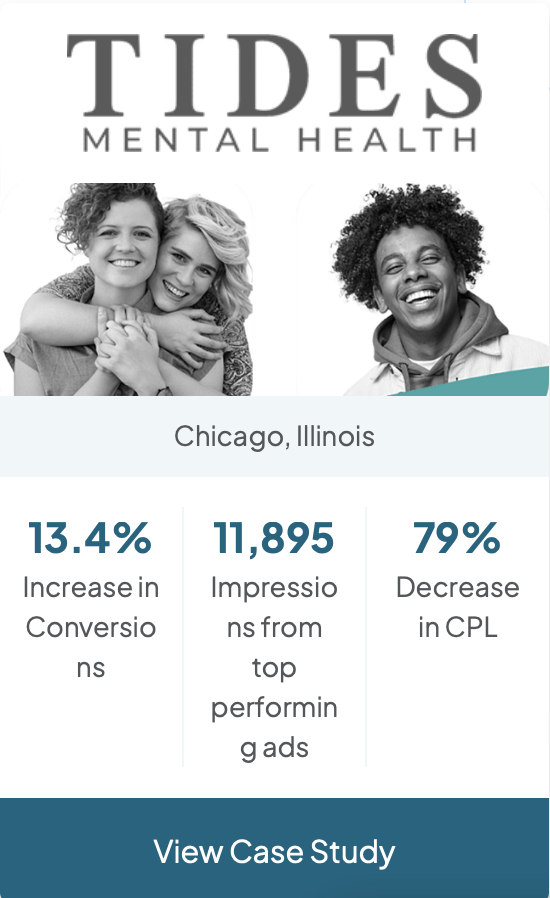
Tides Mental Health Case Study
A Beacon Case Study

Engaging with community issues is another vital aspect of authentic marketing. By demonstrating genuine care and support for the issues that matter to your audience, you can enhance your brand’s appeal. This doesn’t mean jumping on every trend or cause; it means identifying the issues that are most relevant to your brand and your customers and taking meaningful action. Whether it’s helping local charities and sports teams, supporting healthy eating, or promoting mental health awareness, your efforts should be sincere and consistent. Customers are increasingly looking for brands that stand for something beyond just selling products or services. When they see that you genuinely care about the community, they are more likely to support you and become advocates for your brand.

The long-term impact of positive branding on sales and retention cannot be overstated. While the benefits of authentic marketing may not be immediate, they are profound and lasting. By playing the long game, you can build a brand that customers trust and want to be part of. This trust translates into higher customer retention rates and increased sales because customers who feel a deep connection to your brand are more likely to make repeat purchases and recommend your brand to others. Authenticity in marketing is not just a strategy; it’s a commitment to building a brand that stands the test of time.

Building Trust Through Transparent Business Practices

Through transparent practices, brands can build a fortress of trust that stands tall against the ever-changing tides of consumer skepticism. In today’s market, where consumers are more discerning and values-driven than ever, the way a company operates behind the scenes can make or break its reputation. One of the most effective ways to demonstrate authentic branding is by being open about your supply chain. When you share detailed information about where and how your products are made, you not only highlight your commitment to ethical sourcing but also foster a deeper connection with your customers. This transparency can lead to increased customer loyalty, as consumers are more likely to support brands that align with their personal values of sustainability and fairness.

A strong local example of authentic branding is Snorkel Alaska, which demonstrates authentic branding by sharing its roots as Alaska’s first snorkeling tour, founded by SCUBA expert Fred Drake. Committed to safety, environmental respect, and personalized service, the company shifted to intimate, guest-focused excursions after the pandemic. Their transparent storytelling, skilled team, and award-winning service reflect a genuine passion for Alaska’s marine world and create lasting trust with travelers.

Regular updates on company challenges are another powerful tool in the transparency arsenal. It’s easy for brands to present a polished, perfect image, but doing so can come across as inauthentic. By sharing the ups and downs of your business journey, you show vulnerability and honesty, which are crucial components of building trust. For example, if your company is facing a supply chain disruption, instead of hiding it, communicate the issue openly and explain the steps you are taking to resolve it. This approach not only keeps your customers informed but also allows them to feel like they are part of your community, supporting you through tough times. Such transparency can strengthen your brand’s reputation and contribute to company growth by turning potential negatives into opportunities for deeper engagement and loyalty.

Employee narratives shared on social media are a powerful tool to humanize your brand and cultivate trust. When your clientele can connect a face and a voice to the products or services you offer, a more personal and relatable bond is formed. Encourage your team to share their professional and personal experiences on your social platforms. This could be as simple as a behind-the-scenes look at their workday, or a story of how they’ve triumphed over challenges or contributed to the company’s success. By doing so, you transform your brand into a more approachable and reliable entity, which is particularly advantageous for small business owners aiming to foster a dedicated customer base.

Moreover, maintaining open feedback channels is crucial. Your customers need to know their opinions are valued and that they can influence your brand. Whether through social media, email, or your website, make it easy for them to share their thoughts. Listen actively and respond thoughtfully, showing that their feedback is taken seriously. This two-way communication not only helps you improve, but also builds a community of engaged, loyal customers who feel heard and valued.

Authentic Customer Interactions That Drive Loyalty

Engaging in authentic customer interactions is more than just good business; it’s the key to fostering long-term loyalty. When customers feel genuinely heard and valued, they are more likely to return and recommend your brand to others. One of the most powerful ways to achieve this is by responding to customer feedback openly and honestly. Whether the feedback is positive or negative, showing a genuine commitment to improvement can significantly enhance your brand’s reputation. For example, if a customer points out a flaw in your product or service, acknowledge their concern, thank them for their feedback, and outline the steps you are taking to address the issue. This transparent approach not only builds trust but also demonstrates that your brand is dedicated to excellence.

Customer stories and testimonials are another valuable tool in your authentic engagement arsenal. Highlighting real-world impacts of your brand can create a deeper emotional connection with your audience. Share stories of how your products or services have positively affected your customers’ lives. These narratives can be featured on your website, social media platforms, and marketing materials. They serve to humanize your brand and provide relatable experiences that potential customers can identify with. For example, a small company could showcase a review from a nearby business owner who successfully introduced a product using their offerings, highlighting the individualized attention and assistance they received throughout the process.

Community Engagement Strategies for Genuine Brand Connection

Participating in community events is a great way to build local connections and customer loyalty. By getting involved in or sponsoring events that are important to your community, you can show that your brand is more than just a business; it’s a member of the community. This could include anything from attending farmers markets, to holding workshops, to supporting local charities. These activities can help you get in front of your customers and create opportunities for them to interact with your brand in a meaningful way. For example, a small business that holds a free monthly cooking class at a local community center can build a loyal following of regular attendees who feel a personal connection to the brand.

A fantastic example of this in Northern Nevada is Urban Roots. This Reno-based nonprofit and local brand focuses on sustainable agriculture education. Urban Roots is transparent about its mission, engages the community through hands-on programs, and partners with other local businesses (like Greater Nevada Credit Union, which I mentioned in part 1 of this series) to promote healthy, ethical practices.

Training your staff in authentic communication is crucial for maintaining a consistent and trustworthy brand image. Employees are often the face of your company, and their interactions with customers can make or break the brand experience. Ensure that your team is equipped to communicate with sincerity and empathy. This might involve workshops on active listening, conflict resolution, and personalized service. When customers interact with well-trained staff, they are more likely to feel valued and understood, leading to a positive brand experience. For instance, a customer service representative who takes the time to listen to a customer’s concerns and offers a personalized solution can turn a negative experience into a positive one, reinforcing the brand’s commitment to authentic customer interactions.

Measuring the Impact of Authentic Branding on Business Growth

It is essential to gain insights in order to improve and strengthen the relationship between your brand and its target audience. When a brand stays true to its values and communicates transparently, it fosters a deep sense of loyalty among its customers. This loyalty translates into repeat business and referrals, which are vital for sustained growth. Customers who feel a genuine connection to a brand are more likely to return for future purchases and recommend it to their friends and family, creating a positive feedback loop that drives sales and expands the customer base.

Transparency is also a key component in building trust, which is the foundation of any successful business. Trust is not just a concept; it has real-world implications. Brands that are forthcoming about their operations, supply chains, and decision-making processes often see an uptick in positive online reviews and ratings. These reviews can significantly sway potential customers, making them more likely to choose your brand over others. Additionally, customers who are engaged and feel that their interactions with your brand are genuine are more likely to share their positive experiences on social media and other platforms. This organic sharing can greatly increase your brand’s visibility, attracting new customers and solidifying your market position.

Authenticity in branding is more than just a marketing strategy; it aligns with the core values of your business, attracting like-minded customers and employees. When your brand’s values resonate with your audience, it creates a strong emotional bond that goes beyond mere transactions. This alignment can lead to increased customer retention and a more dedicated workforce, both of which are essential for long-term company growth. Measurable growth from authentic branding includes not only increased sales but also a larger market share. As your brand becomes more trusted and respected, it can command a greater portion of the market, outpacing competitors who may lack the same level of authenticity.

Wild Alaskan Company stands out for its commitment to sustainably caught seafood and transparent storytelling. The brand uses packaging and inserts to showcase the fishing areas where their seafood is sourced and highlights their family heritage and brand story. Their authentic communication and focus on quality help build trust and loyalty with customers

In the realm of small business, where resources and budgets are often constrained, the influence of authentic branding is all the more profound. By directing your efforts towards forging real connections and upholding transparent practices, you can cultivate a loyal customer base and a robust reputation, setting you apart in a competitive landscape. Ultimately, the path to authentic branding is about fashioning a brand that endures, one that both customers and employees take pride in. This dedication to authenticity is the cornerstone upon which enduring success is constructed.

Authentic branding is more than a marketing tactic—it’s a long-term commitment to building trust, loyalty, and a strong reputation. By weaving authenticity into your marketing, operations, and customer engagement, you create a brand that customers and employees are proud to support. The result is a resilient business that stands out, grows sustainably, and endures for years to come.

Part 1: The Power of Authentic Branding for Small Businesses

In today’s digital world, where consumers are constantly inundated with marketing messages, standing out is a challenge—especially for small businesses. The key to cutting through this noise isn’t just a clever slogan or a striking logo, but something far more enduring: authentic branding. This first part explores why authenticity matters, how it can transform your business, and the foundational steps to uncovering and aligning your core values for lasting customer loyalty.


In the digital age, where consumers are bombarded with countless messages daily, the strength of a brand often hinges on a single, irreplaceable element: authentic branding. For small businesses, this means more than just a catchy slogan or a polished logo; it’s about genuinely connecting with your audience and fostering a sense of trust and loyalty. Companies like Tillamock have shown us that sharing a company growth story rooted in real values can transform a startup into a household name. By being open and consistent, small and medium businesses like yours can create a strong, well-known brand identity that appeals to customers who share your beliefs.

The power of authenticity in branding

In today’s market, the ability to connect on a genuine level is more crucial than ever. Brands that authentically communicate their mission and values not only resonate with their audience but also foster deeper customer connections. These connections are the foundation of loyalty and repeat business, which are essential for long-term company growth.

One of my all-time favorite brands, Tillamook County Creamery Association stands as a testament to the power of authentic branding and purpose-driven business. From its beginnings in 1909, the company’

Tillamook Story
Tillamook puts a lot of effort into focusing on their story, as seen in this screenshot from their website. See https://www.tillamook.com/our-story for more.

s mission has been clear: to craft delicious dairy products using only the highest quality ingredients, while steadfastly upholding values of stewardship and community. By openly committing to sustainability, responsible sourcing, and social impact, Tillamook has cultivated a deeply loyal consumer base. The brand’s dedication to doing things “the right way”—never cutting corners, investing in local communities, and prioritizing environmental stewardship—sets it apart in a crowded marketplace and fosters a strong emotional connection with customers. This sense of trust and shared values is what inspires repeat purchases and passionate advocacy for Tillamook, ensuring its legacy endures for generations.

Consistency is key. This is especially true when it comes to your brand’s messaging. Whether you’re posting on social media, sending out email marketing campaigns, or greeting customers in your store, your message should be consistent. This will help to reinforce your brand’s values and mission, making it easier for customers to remember, recognize, and refer you. And, the more consistent you are, the more likely you are to be recommended by word of mouth, which is the best form of marketing.

94% of shoppers are loyal to companies that operate with transparency

Authenticity is also a powerful magnet for like-minded customers. When your brand is genuine about its identity and values, it naturally attracts people who share those beliefs. This shared connection can foster a community around the brand, where customers feel a deep sense of belonging and loyalty. For example, the LEGO Group commitment to creativity and learning has inspired a global community of builders who see the brand as more than just toys, but as a way to express themselves and connect with others. Such a community can be a formidable asset, not only bolstering the brand but also acting as a megaphone through positive reviews and social media endorsements. In this way, authenticity is the cornerstone of a brand that transcends mere products and services, becoming an integral part of the customer’s identity and lifestyle.

Identifying your brand values

To harness the power of authenticity, you must first peel back the layers and identify the core values that define your brand. These values serve as your compass, guiding every business decision and interaction. They are the foundation upon which authentic branding is built, ensuring that your brand remains true to its essence and resonates with your audience on a deeper level.

Take Greater Nevada Credit Union in Northern Nevada, for example. The credit union’s commitment to environmental sustainability is not just a marketing strategy; it is a fundamental part of its identity. This dedication influences a wide range of initiatives, from encouraging members to switch to digital statements to supporting local environmental organizations through charitable giving. Greater Nevada actively promotes responsible resource management by backing community cleanups, conservation efforts, and environmental education. Through partnerships with groups like Urban Roots and Keep Truckee Meadows Beautiful, GNCU demonstrates its authentic commitment to sustainability. This genuine approach has strengthened its brand and fostered a loyal member base that shares these values.

32% of businesses report that maintaining consistent messaging led to revenue increases surpassing 20%

Reflecting on your business origins and mission can provide valuable insights into your unique brand values. Consider why you started your business in the first place. What was the driving force behind your entrepreneurial journey? Was it a passion for innovation, a commitment to community, or a desire to solve a specific problem? These initial motivations often hold the key to your brand’s core values. By revisiting your roots and the mission statement you crafted at the beginning, you can uncover the values that have been guiding your business all along.

It’s essential to clearly articulate your vision, purpose, and values on your website and consistently reinforce them across your various social media channels. This is Beacon’s Core Mission + Values.

Beacon's Mission Vission

Engaging your employees in value discussions is another essential step in identifying your brand values. Your team members are the heartbeat of your organization, and their insights can reveal authentic strengths that you might not have considered. Organize workshops, surveys, or other opportunities where your employees can share their thoughts on what they believe the company stands for. Encourage open and honest conversations, and listen carefully to the recurring themes that emerge. These discussions can help you articulate your values more clearly and ensure that they are aligned with the perspectives of those who represent your brand every day.

Aligning brand authenticity with business goals

Aligning these values with business goals is not just a strategy—it’s a necessity if you want to stand out in a crowded market. When a small business clearly communicates its mission and values, it creates a consistent brand message that resonates with its target audience. This consistency is crucial because it helps build a strong and recognizable brand identity. For instance, if your small business prides itself on a strong community connection, every aspect of your operations—from hosting local events to engaging with customers on social media—should reflect this commitment. This alignment ensures that your customers see the business as approachable and genuinely invested in their well-being, which is essential for long-term success.

62% of consumers are attracted to companies that exhibit ethical values and authenticity

Openness in communication about your business processes is another key element of authentic branding. By sharing how products are made, services are delivered, and decisions are reached, a small business can enhance its credibility and deepen its relationship with customers. For example, take a clothing brand like Octopus Ink in Anchorage, Alaska, which creates clothing from eco-conscious materials with a strong emphasis on environmental responsibility and artistic expression. Their garments, featuring original hand-drawn designs, are crafted to minimize environmental impact and celebrate Alaska’s natural beauty. This level of transparency not only builds trust but also turns customers into advocates who are more likely to spread positive word-of-mouth.

The power of an authentic brand story cannot be overstated. In a marketplace teeming with options, your narrative can be the game-changer. By sharing your journey, the obstacles you’ve overcome, and your successes, you’re not just offering a product or service—you’re extending an opportunity for connection, relationship, and community. This humanizes your brand, making it more than just a name or a logo. It becomes a story that your customers resonate with. These stories can also shine a spotlight on what makes your business unique and why it’s a cut above the rest. For example, a local bakery could share the tale of its humble beginnings in a home kitchen, blossoming into a beloved community fixture. Such narratives don’t just boost your visibility—they forge an emotional bond with your customers, driving both repeat business and loyalty.

Authentic branding is the cornerstone of building trust, loyalty, and a lasting reputation for your small business. By identifying your core values, aligning them with your business goals, and sharing your unique story, you lay the groundwork for meaningful connections with your audience. In Part 2, we’ll dive deeper into how to leverage authenticity in your marketing, foster transparent practices, and create genuine customer interactions that drive growth and retention.

Facebook made a monumental decision to shut down the news in Australia this week. All content from all news sites, including public and commercial broadcasters, broadsheet and tabloid newspapers, magazines, websites, and even government departments such as the Bureau of Meteorology and Department of Health, evaporated literally overnight. This is a big deal.

As you’d expect, it was politically charged. We’re not going to dive into the details here, but to give you a general overview, a number of local news companies have been demanding Facebook pay for hosting news content, claiming the company profits from their work. The ban was lifted after a few days, following further talks between Mark Zuckerberg and the government.

“Okay, but how does this affect my small or medium-sized American business,” we hear you asking. Good question. The reason we’re bringing this up is because it shows the importance of having a multi-faceted marketing strategy. Facebook is a commercial entity, which means it has the right to host – or not host – any content it chooses. It can change the rules at any time.

If Facebook posts and Facebook Ads are your sole strategy for growing business, it’s time to consider diversifying to ensure your business can continue to grow with or without it.

Worried about what this means for you? Talk to our team.

Will Facebook shut down my business page?

The circumstances that led to this week’s drama are unique to Australia, and unlikely to occur on such a large scale in the United States (although if this week has proven anything, it’s to never say never). On top of that, if you’re a paying customer who uses Facebook Ads to drive leads for your business, it’s unlikely you’ll ever be targeted and shut down. Facebook profits from your business, and it’s unlikely to give up this revenue stream. However, that doesn’t necessarily mean you’re going to be protected from all sweeping rule changes that are rolled out in the future… even just on accident.

This isn’t something you should panic about. However, when Facebook banned news in Australia, it took many micro publishers with it – all of whom run small and medium-sized business. The sweeping changes didn’t worry about any of the little guys that would be taken out as collateral damage. That’s worth keeping in the back of your mind, because you never know that will happen in the future.

This also sets an interesting precedent for future negotiations between Facebook and governments. As a global community, we’ve come to depend on Facebook for lots of things. it’s where we catch up with friends and family, plan high school reunions, organize events, promote businesses, create brands, build audiences, buy and sell items, learn about things that are going on in our communities. If it was taken away tomorrow, we’d all be in a pretty sticky situation. File that thought away in your mental archives as well – just in case.

That brings us to the reason we’re writing this blog. Many small and medium-sized American businesses rely on heavily on Facebook for their marketing. And so they should, because it’s a tremendously powerful platform with excellent targeting and analytics capabilities. It generates great results and can play a key role in helping your business grow, scale, and thrive. That’s what we want!

Our goal in writing this today is to educate you about all the options that are available to diversify your marketing strategy so you can take control, protect yourself from snap decisions, and make sure you never lose touch with your digital client base. Think of it as a great way to broaden your digital horizons,

We offer a range of digital marketing services. You can check them out here.

How can I diversify my marketing strategy?

This is where things get exciting. New marketing tools are popping up all the time, which makes digital marketing a really exciting space to be investing your time and energy.

Here are some of our favorites:

Search Engine Optimization

Search Engine Optimization (SEO) is great for a number of reasons:

  • It’s free.
  • It’s incredibly effective.

Short-Tail Keywords

SEO basically refers to the process of making sure your content can be found on search engines. This means adding digital “signposts” that will tell sites like Google, Bing, and Yahoo what your content is about. There are a few ways you can go about it, but the most important one by far is to optimize your website. For example, if you’re a HVAC contractor, you need to make it clear exactly what it is that you do – these are what we call “short-tail keywords.” This means including every combination of words people are likely to search to find your services: furnace repairs, furnace maintenance, new furnaces, boiler repairs, boiler maintenance, new boilers, etc. If you’re a medical spa, you need to do the same: Botox, lip fillers, face fillers, Juvéderm fillers, and so on. This is key to generating leads.

Long-Tail Keywords

The second thing you should be doing is creating a stream of fresh content. Most businesses do this via blogs, because blogs are another effective way to answer commonly searched questions. For example, “How do I re-light a furnace pilot light?” or “What is the right age to start Botox?” These are called “long-tail keywords” because they use what’s essentially a searchable phrase. The best place to start is with your frequently asked questions. What do customers ask you all the time? Brainstorm a list, and then write details answers that are about 600-800 words long.

Google My Business

Google My Business is another free tool that we highly recommend. You know when you search a business in your area, e.g. “mechanic near me” or “restaurant near me” and they all pop up on Google Maps? That’s because they all have profiles on Google My Business. Or when you search for a specific business, e.g. “HeatSource Mechanical,” and an information panel pops up on the right-hand side of your screen? That happens for the same reason. It makes leads very easy to find. All you have to do is log in and claim your profile. You can do that by clicking on this link, or we’d be very happy to help you our with our Google My Business + Maps service. It’s well worth the effort.

Digital Advertising

If you’re still reading, chances are you’re currently running Facebook Ads and you’d like to think about some alternatives. There are lots of options available, including Google Ads, LinkedIn Ads, and YouTube Ads, just to name a few. Each one has different strengths, which we’ll explain below.

Google Ads

Google Ads is the most diverse, allowing you to target (and retarget) really specific groups of people within the community according to the things they’re actively searching. It’s based on a bidding system, where you set the limit you’re willing to pay per click, and it can be efficient and cost-effective because you’re only targeting interested people instead of the general public.

LinkedIn Ads

LinkedIn is great if you offer a B2B product or service, because it’s a professional networking community focused on work. It’s not something we recommend to everyone, but in this right context, it can be very powerful. LinkedIn is great for increasing brand awareness in business circles which can be a great way to generate inquiries that lead into bigger deals.

YouTube Ads

If your product is so revolutionary it has to be seen to be believed, or if it’s a complex service that’s best explained in person, YouTube is the place to be. Video ads are very compelling because they show, rather than tell, people exactly why they should choose to work with your business. YouTube is popular with many demographics, but especially with young men aged 18-35, so that’s also something to keep in mind. You may be able to use that to your advantage.

Reducing your reliance on Facebook

All of the strategies we’ve set out in this blog are things you can do on your own without too much trouble. However, if you’re short on time or you don’t enjoy researching the different options and weighing up the pros and cons, we’d be happy to help you. We are a full-service digital marketing agency that can take care of everything from developing a strategy to creating a new website, optimizing your paid ads, and managing your social media accounts. Just let us know what you need and we can tailor a digital marketing solution to help your business continue to grow.

Want to talk business? Let’s get started.

In today’s marketing world, your identity as a brand is everything. Nailing who you are is the very first step to creating a successful marketing strategy and, ultimately, a successful business. When you’re first researching marketing trends, it’s easy to get overwhelmed. There are lots of different ideas circulating on the internet, but in our experience, the secret to success is simple. All you have to do is share your passion and your values with your audience.

Want to skip ahead and talk to the experts? Contact us today.

Meet the New Kid in Town: Values-Based Marketing

Values-based marketing is the golden ticket idea for, quite frankly, any business model. Over the last 12 months, consumers have been putting more and more thought into where their money is going, and more importantly, to whom. That’s why identifying your values and beliefs as a company is the first step to a successful values-based marketing strategy.

It’s executed by fostering and cultivating relationships within your target audience based on those values and beliefs. This is an authentic and raw strategy that will help your business stand out among all the old, shallow marketing trends out there in the world. It’s more than just a product, values-based marketing is all about the relationship you build with your consumers from shared beliefs and notions on the world and issues around us.

In the simplest of terms, values-based marketing is all about creating a strategy that aligns with your audience’s beliefs and ethics as people first, customers second. Creating relationships that are based on more than just a mutual need for a product or service means a deeper and more meaningful experience on both ends of the business model.

Focusing on a values-based marketing strategy means that you are reaching an even greater audience that may resonate with your brand first, then your product or service. People are passionate about brands that stand for ethical and social issues as well as stand for values and beliefs that align with their company. Creating a story and strong values-based marketing persona means attracting an audience that quickly becomes loyal customers.

Whether you are a brand that focuses on giving back to a local community, being vocal in social and ethical issues on social media, or fighting for a specific cause through service or donation, it gives you a deeper story that will make it easier for customers to connect.

Values-Based Marketing in Action

What does values-based marketing look like? Well, it starts with a checklist of actionable items that can easily be implemented into an already developed brand or business strategy.

  • Clear and strong messaging of what you value and believe in
  • Examples and content that show your business in action, acting upon those values
  • A developed storyline of what began the passion behind your brand values and beliefs
  • Energetic user-generated content that shows examples of current consumers who align with your beliefs
  • Encouraging messaging that takes stances on current social and ethical issues and urges customers to take action

Implementing this type of strategy will naturally bring in authentic user-generated content from current customers who believe in your brand, all the while attracting a bigger audience with shared values.

For an example of successful values-based marketing, let’s take a look at TOMS, an LA-based company, founded in 2006, that is famous for its cause-based marketing. 

TOMS focuses its values-based marketing by following a “one-for-one” business model which means that for every purchase made, TOMS gives away a free pair of shoes to a child in need. This has been hugely successful for the company because it fosters deep loyalty between customers who are passionate about helping those in need as well. Their mission of giving back to those in need automatically resonates with an audience who have the same social beliefs but also reaches customers who truly enjoy their products and quality of merchandise as well. TOMS has become an example to follow for other large companies because of how positively people have supported them over the years.

Want to learn more about branding? View our services.

Growing Your Business

Modern consumers do not want, but NEED to see original and trustworthy voices from the businesses they spend with. With an influx of empty messaging and hollow promises, the average consumer has become less patient with brands who are not genuine in who they are. It doesn’t take much these days to identify the brands that are not true to who they are. We’re finding that once you break the trust of modern-day consumers, it takes a lot to gain it back.

Practicing and acting on values-based marketing will separate you from the clutter and noise of competition and other brands. Finding your audience that resonates with your brand and messaging will quickly turn into a broader customer base and a bigger return on your thoughtful marketing efforts.

A values-based strategy can not only help you find loyal customers, but also the audience that is right and loyal to your brand alone. They will stand by you for years to come, have a long-term presence, and put in just as much effort into the relationship as you. Be brave, be authentic, and be you. That way, your customers know you are more than just a business but you are a part of their everyday lives.

Pivoting to Values-Based Marketing

Here are real-time steps you can take to making the switch to value-based marketing today. All it takes is a moment to think long and hard about why you started your business and what your purpose and goals are in life, professionally and ethically.

  1. Identify your brand values, beliefs, and goals
  2. Map out your (ideal) target audience. Think about who they are, what they believe in, and how they communicate that.
  3. Research how similar brands are executing this strategy and what you think they are doing right or wrong.
  4. Think about your current strategy and content and find the gaps where your messaging falls flat or hollow. Start plugging in more messaging that reflects values-based marketing.
  5. Eventually, implement this to be the main focus when discussing anything marketing-related.
  6. Always remember that your audience is listening and watching your every move. Anything you like, comment, or say publicly needs to align with who you are and what you truly believe.

In the world of modern digital marketing, customers are almost instantly giving their business to brands that they feel a genuine and authentic connection with. Brands that speak more about what they care about than why their product is “the best”. As confusing as it may seem, sometimes talking about more than what you’re selling can attract a more eager crowd. They begin to see you as a lifestyle, not just a one-stop-shop.

It truly is all about putting your customers at the forefront of your business’s marketing strategies. Focusing on speaking to them and not at them can mean all the difference in how your brand sticks to a target audience. Values-based marketing is a bridge that is going to bring you to your customers in a deeper, more meaningful, and lasting way.

Ready to get started? Schedule a call with us today.

Leadership is important in every industry. However, given the year we’ve all just had, it’s never been more important in financial marketing. American businesses of all sizes, in all industries, have ridden a rollercoaster of government policy, shutdowns, booms, busts, and technological advances. Now that 2021 is on the horizon, it’s time to start planning.

Since we’re all friends here, we want to give you a tip: this is a huge opportunity for you. Everyone is looking for direction and guidance, and you have the expertise they need to make it through these tricky times. It’s time to step up and be the leader they need. To take a quote from William Shakespeare, “Some are born great, some achieve greatness, and some have greatness thrust upon them.” (Does that send tingles up your spine too?)

That means it’s time to talk about thought leadership. This is a financial marketing strategy that leverages the experience of your team to build an audience and generate leads.

Have we piqued your interest? Schedule a free consultation.

Thought leadership in financial marketing

The most effective way to display thought leadership is through content marketing or publicity. The former can include virtually every type of media from blogs to videos, social media, and more. The latter can include speaking at events like conferences and webinars in order to build brand awareness. There are lots of ways you can establish your expertise:

  1. Discuss the latest industry news and offer an opinion
  2. Create a step-by-step guide to tackling a common problem
  3. Answer questions your clients frequently ask during appointments
  4. Write long-form articles that give advice using strong keywords
  5. Examine trends and predict where the industry is heading
  6. Share case studies about the way you achieve success
  7. Collaborate with colleagues and other experts

Truthfully, the sky is the limit when it comes to thought leadership in financial marketing. Since you work in finance, we know you like numbers, so pay attention to the analytics. Check in regularly with Google Analytics and Facebook Analytics to see what kinds of content are getting the greatest reaction. Which blog posts are people most likely to click? Which ones are people reading all the way to the end? What types of social media content get the best engagement? What are people talking about in the comments?

Paying attention to the data will help you refine your strategy over time, capturing as much attention as possible and presenting your brand in the best possible light.

Pay attention to financial marketing trends

What’s trending in the finance sector? How will this affect your business? Most importantly, how will this affect your customers? It’s really important to stay up-to-date with industry news, because this is great fodder to not only improve your practices, but fuel your strategy.

Financial marketing is changing rapidly, just like the industry it promotes, and there are several reasons why it’s important for you to stay ahead of the curve. The first one is so that you can provide a calm port in a storm for existing clients and give them the best possible service. The second to build trust with prospective clients to start winning them over.

Think about it. There are generally two ways people find a new financial services partner: they ask for recommendations from people they trust, and they start Googling. You’ll catch their eye with snazzy Google Ads and a sparkling SEO strategy, and then you’ll only have a couple of seconds to make an impression and win their confidence.

Here are some thought-starters. What’s your take on these topics?

  1. Artificial intelligence integration
  2. Best practice in cybersecurity
  3. Importance of data analytics
  4. The rise of Blockchain technology
  5. Re-thinking the concept of money

This isn’t a random list. It’s the result of a quick search for “finance trends,” which means they’re the kinds of topics people are talking about online. Are you taking part in the conversation? What are you going to do if a client asks for your take? The best way to be prepared is to include them, and any other trending topics, in your financial marketing strategy. That way, the next time people are searching for answers, your content will start to appear in search results lists.

Make sure your content works double-time

If you’re going to invest in thought leadership as a financial marketing strategy, you’re going to need strong content. Content requires a considerable investment of time and effort, so it makes sense to get the biggest possible return on investment. Right? If you’ve ever heard of the marketing guru Gary Vaynerchuk (we’re big fans here at the Beacon office), you’ll know he’s the king of repurposing content. There’s no reason to reinvent the wheel.

Digital marketing is versatile. There are many platforms, many mediums, and many methods you can use to share your messaging with the masses online. Here are some simple and time-saving ideas you can use to maximize your impact while minimizing your effort:

  1. Share video of your speaking engagements on your website and social platforms.
  2. Combine blog posts into an eBook to boost your credibility as a thought-leader.
  3. Present blog posts as videos (or vice versa). Then share the audio as a podcast!
  4. Screenshot Tweets and share them on LinkedIn, Facebook, and Instagram.
  5. Share content from colleagues and experts with a thoughtful comment.
  6. Freshen up your old content and reshare it with a modern twist.
  7. Create a quick infographic to accompany a report.

The progression is simple. Thought leadership needs content marketing. Content marketing needs a marketing strategy. A marketing strategy needs a strong brand with clear goals. This will lay the foundation you need to successfully start growing your audience online.

Secrets to financial marketing success

Before we let you go, we’re going to run you through some very practical tips to help you level-up your financial marketing strategy for the year ahead.

The most important, by far, is consistency. Thought leadership, and content marketing, are both long-term strategies. Each piece of content will build on the ones that came before it, leading to exponential growth over time. There’s nothing to be gained by publishing one or two think pieces and then simply hoping for the best. Consistency means you’ll need to budget the time to research trending topics, plan a publishing schedule, and create the content you need. You’ll also need to check-in regularly to ensure it’s hitting the mark and that you’re across any sub-topics that need further explanation.

The other thing we’d like to mention is the importance of making content marketing a two-way conversation. Don’t just shout into the void of the internet! Respond to all the comments people leave on your blogs or videos, and dedicate at least 30 minutes a day to interacting with people on social media. This doesn’t mean simply dropping a few likes here and there, but asking questions or leaving thoughtful comments to encourage people to engage in a dialogue with you.

Looking to hire a marketing partner? We can help.

Marketing refers to the methods you use to promote your products and services to your customers. When we talk about digital marketing, we are referring to all the different ways businesses can do this online. And when we refer to financial marketing, we’re talking about the way you specifically can grow your business. Are you ready to start scaling? Read on! In this blog post, we’re going to run you through the basics so you can reach your goals.

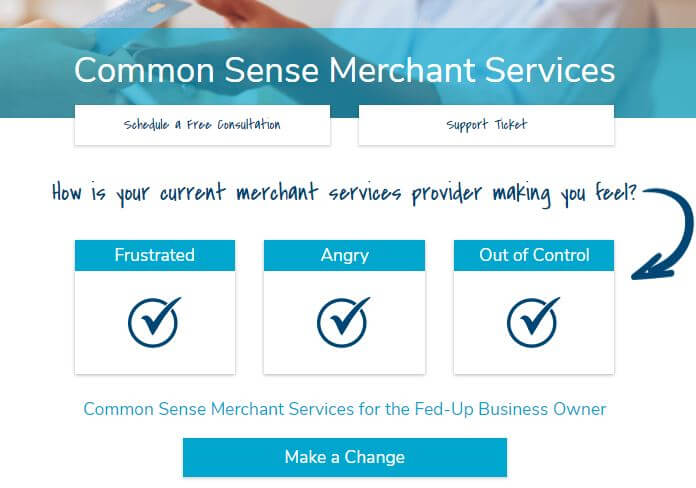
We’ve worked with a lot of financial services firms over the years, helping with everything from merchant services, to local banks, and even Alaska’s infamous Permanent Fund Dividend (PFD) program. We’ve worked hard and generated some awesome results:

Want to see numbers like these? You know where to find us.

Step one: Define your voice

Ready for a rapid-fire round? Here we go. Who are you as a company? What do you offer your clients? What makes you different from any other bank, credit union, accountant, financial advisor or stockbroker? What are your values? Why should a client choose you?

These are all really important questions, because from a financial marketing perspective, they lay the foundations for a memorable brand that will encourage client loyalty. Financial services can be confusing for people who aren’t up to their elbows in spreadsheets every day, so you need to make sure you’re accessible and approachable to the kinds of people you want to help. Position yourself as a friend who speaks the same language.

Financial marketing tone example

Here’s an example of the kind of thing we mean. Our client, eComm, is committed to re-inventing the merchant services industry. It’s a national brand owned by an Alaskan financial services company called Cornerstone Credit Services, and it launched in 2017. Looking back, the owners say: “We were entering an industry that had a bad reputation, but we were doing it for a reason… We knew that the business community deserves better.”

This attitude defines the client’s brand voice, which sets the foundation for a financial marketing campaign. The message is simple. The tone is straight-talking. The communications are transparent. This company works with small business owners all over the United States, who don’t have time to beat around the bush, which is reflected across all of eComm’s digital assets. This is immediately clear through the use of phrases like:

  • “You probably have first-hand knowledge that the merchant services industry is wildly unethical.”
  • “Some merchant services providers don’t seem to understand the golden rule: don’t lie to people.”
  • “Our aim is to be undeniably up-front with you about everything from mark-up fees to monthly charges.”

This is strong language. It’s not everyone’s cup of tea. However, the up-front style is very effective from a financial marketing point of view, because it connects with this client’s target audience. These are people who need answers now and want to work with someone they feel they can trust. The voice reveals everything you need to know straight away.

Step two: Build trust in your community

The best way to build trust in your community when it comes to financial marketing has always been, and will always be, word of mouth. People are much more likely to trust the recommendation of a friend or family member who has had a great experience than take a risk on an unknown company. The logical conclusion, of course, is that the best way to build trust is simply to give every single customer a great experience. Listen to them. Solve their problems. Save them money. Make them great coffee. Write them thank you notes.

Financial marketing example

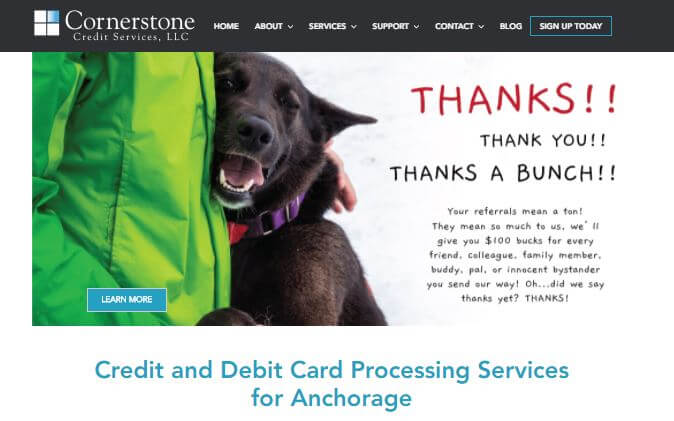
Cornerstone Credit Services has a range of divisions, including payment solutions. The company has an outstanding reputation in Anchorage, Alaska, and it’s the go-to merchant services provider in the region. From a financial marketing perspective, this is gold, but it doesn’t mean no further efforts are required. Cornerstone has actually capitalized on this reputation across their digital assets as well – take this homepage, for example. For one thing, it recognizes the positive impact clients have on the business, and makes them feel special. For another, it encourages them to go ahead and make even more referrals in their personal circles by offering an enticing cash reward.

Ready for another set of quick questions? Here we go. What are your strengths? What are some things you’re already hitting out of the park? How can you use them as part of your financial marketing strategy to grow your business even further? This is important, because it will help you work as efficiently and effectively as possible to reach your goals.

Step three: Nail your value proposition

Once you’ve defined your brand, and you’ve built a strong reputation, you need to work on your value proposition. Catch the attention of your prospective clients and make them an offer they can’t refuse. This is the part where you’ll be encouraging people to click onto your website, guiding them down the path to purchase, and hopefully converting a sale.

Financial marketing example

A key part of this is a strong landing page. Our client, Bookkeeping Alaska, is currently in a growth phase. The owner, Tabitha, asked us to create a landing page to encourage more people to sign up to a special offer that will help them organize their accounts for just $97. She’ll help you set up QuickBooks, start reconciling your statements, start reconciling your transactions, generate system reports, and provide email and phone support along the way.

Landing pages can be really simple. In fact, there’s a recipe for success, because there are a few key touch-points every prospective client will consider in making a decision:

  1. Professionalism of your appearance (i.e. design, layout, text, etc.)
  2. An offer that is immediately very clear and easy to understand
  3. An explanation of what exactly the offer includes (i.e. a list)
  4. Some social proof or a testimonial to encourage trust
  5. An explanation of why your business is a great choice
  6. Several very clear calls to action so they can take next steps

Once you’ve addressed all those points, you’re good to go. When it comes to building effective landing pages, we recommend a tool called Leadpages, which has templates tailored to different industries and different types of offers, making them easy to create. It’s a great way to qualify leads and ensure the people who reach out are a good fit.

Why you need financial marketing services

Once a client has clicked through to your website, the only thing left to do is streamline the path to purchase so it’s easy for them go to ahead and do business with you. Make sure that the next steps are clear, with a strong call to action, and ensure your contact details are prominent so they can get in touch with any questions. It’s that simple.

Want it to be this easy in real life? Give our helpful team a call.

If you’re working in financial services, there’s a fair chance you’re a left-brained person. Along with your aptitude for numbers, and your talent for problem-solving, we’re guessing you also like being organized, you like planning, you like details, and you like executing a well-developed financial marketing strategy. Right?

You like researching the most effective techniques, methodically putting them into place, and watching the leads roll in. Marketing is an interesting sector in that it blends science with art. On one hand, it’s very methodical (and we always tell our clients that consistency is key). On the other, it can be incredibly creative and fun.

In this blog, we’re going to run you through three trends you need to capitalize on to ensure your financial marketing strategy is giving you maximum return on investment. We’ll tell you which bits are about process, and which are about personality, to help you grow.

Ready to get started? Schedule a free consultation.

1. Google Ads: Help clients find your financial services

The first trend you need to capitalize on when it comes to financial marketing is Google Ads. It’s no longer enough to rely on word of mouth, or start a company Facebook page, or build a website without taking further action. These are all great methods, of course, but when it comes to financial marketing, there are simply better ones you can use –like Google Ads.

There are a lot of reasons why Google Ads is amazing, but the main one is simply because it helps people find you when they’re looking for you. BAZINGA. Modern marketing doesn’t get any better than that! Google Ads allows you to target specific keywords, and zero in on your key demographic by selecting things like location, age, income level, and gender.

Let’s put it this way. It makes sense to cast a wide net in the hope of catching a nice fish… unless you have a dependable strategy that will help you catch a trophy king salmon.  You’d take the second option every time, right?

(Well, we would, but then again, our headquarters are based in Anchorage, Alaska, and many members of our team know their way around a fishing boat! Ask us for tips any time!)

The second reason Google Ads is awesome is because the client already knows they need you. They’re actively searching for you, so all you have to do is capture their interest and convince them you’re the best choice to solve their problem. (And let’s face it, people usually engage financial services firms because they have an issue they’re unable to deal with on their own.)

2. Landing pages: Tell your clients why they need you

Google Ads are like a one-two punch. Boom. The client is yours! The first part is setting up the ads; the second is making sure you’re sending clicks somewhere that will seal the deal. This is where landing pages come in. A “landing page” simply refers to the first page a client will see when they visit your website. It’s the first impression you have, so make it count!

When Google Ads first started, it was customary to direct traffic to an existing page on your website, like your home page or services page. More recently, there has been a trend towards directing people to custom sales pages. This is definitely best practice, because it will significantly increase your chances of converting a client and making a sale. So what does a great landing page look like? There are three main points we recommend:

  • A clear offer or deal to show people why they should act now.
  • A value proposition, such as a free download, so people feel like they’re getting value.
  • A number of very clear calls to action to help people know what to do next.

Landing pages don’t have to be long. A really common mistake people make is to stuff landing pages full of key words, thinking that will increase their ranking through SEO (we’re definitely guilty of this too – we’ve mastered our strategy over many years with a lot of trial and error). The trouble is that SEO isn’t really the point of a landing page.

Running Google Ads means you’re already targeting the keywords you need, and because you’re paying per click, you don’t need to worry so much about SEO. Instead, you need to kick your sales brain into gear, and think about the key information a prospective client would want and need to know because deciding to take action.

If in doubt, less is more. Make it snappy. Make it interesting. Make it helpful.

Most of all, make sure the next step is crystal clear and very inviting.

3. Personalization: Let clients know how much you care

Let’s take a moment to recap quickly. Step one was capturing people’s interest with shiny Google Ads. Step two was making them an offer they can’t refuse with a sparkling landing page. Step three is showing the client exactly how important they are to you and reassuring them they’ve made the right choice. We’re not talking champagne and corporate suites at the basketball (although hey, surely no-one would complain about that!).

Here’s a word we know you’ll love: data. Personalization starts with data collection and analysis. You’ll need to figure out exactly who your ideal client is, who is responding to your Google Ads, and who is taking action on your landing page. Are they the same types of people? If not, why not? You may find an audience persona really helpful here to help focus your efforts and ensure you’re targeting the most profitable demographics – i.e. those who are most likely to convert.

Once you know who you’re talking to, tailor your messaging accordingly. Don’t be generic. Target their specific interests. You’ve discovered this group loves football? Great. Make some football puns. Or do they all come from the same neighborhood? Great. Make some local references. Make them feel like you know them, that you understand, and that you can help.

And remember, a follow-up phone call after they take action on a landing page is always a classy touch. Nothing shows a client how important they are like you taking a few minutes out of your day to introduce yourself and thank them for their interest in working with you.

Stay on top of financial marketing trends

Modern marketing moves quickly. It’s an innovative industry, because marketers are always trying new ways to capture people’s attention and make their message heard. Staying on top of the latest trends can feel like a full-time job (and for us, it is! Seriously!).

If you’re running a financial services firm, you’ll have a lot on your plate, so it makes sense to work as efficiently and effectively as possible. You may find it valuable to bring on a marketing partner, who can stay across all the latest trends to ensure you’re capitalizing on the ones most likely to grow your business. If that’s the case, please reach out.

What are you waiting for? Let’s talk business.

When 2010 rolled around, it felt like every other person had a blog. CEOs? Check. Amateur chefs? Check. Avid travellers? Check. Moms? Check. Businesses? Hmm. Not so much. But why not? After all, people come to your website to see what products and services you offer, and what kind of company you are, right?

The first question we hear you asking is whether blogs are even still relevant in 2020? It’s a fair question. After all, there’s only so much time in the day, so why would you invest your time in writing a business blog? The answer is simple: traffic.

A blog offers you the opportunity to potentially get a lot more eyes on your website, educating potential clients, and generating leads. Unless people are already acquainted with your business, they won’t Google you specifically. They’ll Google similar products and services. It makes sense, then, to dominate those keywords online and ensure your business ranks right at the very top of the list. By creating a business blog, you dramatically improve your chances of ranking… and who knows, it may convert new visitors into customers.

Creating a blog can be quite daunting, as there is a lot to learn – especially around search engine optimization (SEO). This refers to the techniques used to get your posts ranking at the top of Google’s results page, and can feel like opening a can of worms. If you don’t have time to figure it all out yourself, remember you can always outsource. But if you’re ready to learn all there is to know, then keep on reading!

Want help with your website? Call our helpful team today.

What is a business blog?

We all know that having a website is important. It’s your own little piece of digital real estate, and one of few things on the internet you’ll ever fully control. Blogs are essentially signposts that increase virtual foot traffic into your business to that you can make sales. While Google is known to change its algorithms, affecting your rankings, blogs are not nearly as volatile as social media results that can spike or plummet overnight.

Blogs have come a long way since the weblogs, or diary updates, that first started in the mid-90s. Nowadays, a “blog” simply refers to the section of your website that gets updated on a regular basis. It’s designed to keep your website fresh and relevant, and keep the Google algorithm happy, so it keeps ranking your articles as high as possible. This means it works very differently to regular webpages, which generally focus on sales.

Content marketers believe in the creation of blogs as a marketing strategy because they have seen the results. On average, companies that have a blog section on their website produce 67% more leads monthly compared to companies that don’t. Alongside the additional leads, blogs also increase brand loyalty by bringing in new readers and interacting with them in a meaningful way… which can boost revenue.

Let’s talk about SEO

The best way to grow traffic to your website is by creating the kinds of content people are actively looking for in search engines like Google. Once they click through to your website and see that you know what you’re talking about, it will be much easier to convert them into a paying customer. The best way to do this is to take a look your website analytics, so you can see the kinds of pages people are most interested in reading about.

However, creating a lead generating content strategy is not as simple as writing something that you think your audience might like and throwing it up on the internet. These days, it’s important to have an SEO strategy in place that will allow you to build up content and keywords on your website that are relevant to your audience and to your product or service. This means that you should be thinking about what your consumer might be looking for and using the available SEO tools to see whether they actually are. This way, you’re letting the customers come to you on their own than paying for their clicks.

How do I write a blog?

There are many types of blogs that you can create for your business. Truthfully, you can turn almost anything into a blog post, as long as it’s something your target audience will find valuable. This can include handy how-to guides, news items relevant to your industry or business, think pieces, infographics, listicles, cheat sheets, interviews, guest blogs, commentary on current news items, key terms explained, and much more.

Whichever type of content you decide to write, make sure you start your blog strategy with a clear goal in mind and a realistic path to reach that goal. Know who you want to reach, what they’re looking for, where they hang out online, and most importantly, what action you want them to take when they click through to your website.

An essential part of a successful blog strategy is keyword research. To put this simply, you need to pick the best combination of words that describe your business and DOMINATE. The researching phase is critical, so you might want to consider engaging a SEO professional to ensure you’re on the right track. This will help you work as efficiently and effectively as possible, by finding words that are well-trafficked but not too competitive.

Once you’re confident about your selection, create a content calendar so that you know how your target keywords are going to work together in real-time. This way, you and your team will know what’s coming up, so you can plan ahead to create high-quality content whilst building up authority in those essential keywords.

Should I start a blog in 2020?

Yes! A thousand times yes. Blogs are a powerful tool to drive traffic to your website, and a well-executed content strategy has proven to be one of the most efficient ways to grow your business by boosting your online traffic. With every blog post, you are adding relevant keywords to your website. This, in turn, signals to Google that you have a highly-relevant business within your industry, so the algorithm sends more traffic your way.

A business blog allows you to provide your target audience with value that they cannot get from a sales or landing page. Modern consumers research the brands that they’re planning to purchase from, which means education and transparency are more important than ever. Consumers want companies to be helpful and provide them with value before they are willing to invest. Having a blog allows you to provide that information, to educate your customer about your service or product, to capture their attention, to build trust, and to create a positive connection. If the end-goal is to drive the sales of your business, this is a fantastic way to get started!

Need a little help getting started? Outsource to the professionals! 

The average American spends 38 minutes per day on Facebook, so it’s no surprise that it’s the most-used social media platform in 2020. Many businesses spend a lot of time on the platform, trying to catch the attention of digital passers-by, but it doesn’t necessarily translate into results.

Do you feel like you’re talking to an empty void full of distractions? Stay tuned, because our social media experts are about to reveal their top tips and tricks for growing an audience.

Don’t have the time to spare? Cut straight to the point and schedule a consultation with one of our social media experts.

How does Facebook work?

Facebook is a constantly evolving platform, which means keeping up with the latest algorithm changes and social trends can seem like a full-time job. The starting point for businesses on Facebook is to create a Business Facebook Page, but the act of creating and managing one doesn’t guarantee success like it used to. Even tactics that worked six months ago might not work anymore. So how do you get your content seen on Facebook?

What good brand engagement looks like

First things first, it’s important to understand how your audience engages on Facebook. Your audience can talk to and engage with your brand in many different ways. In Facebook terms, when we’re talking about engagement, we mean reacting, commenting, or sharing.

  • A reaction: Remember the time where Facebook only had the “like” function? Nowadays, your audience can react to your comment with a range of emotions, rather than a single positive gesture. They can like, love, laugh, be surprised, be sad, or be angry. This year even brought in a new emotion, reflecting a very relatable sentiment many of us experienced, which is that people can now also “care” about a post.
  • A comment: When your audience takes a few seconds to comment on your post, it means that they have something to say! In the busy and loud world of Facebook, this is a fantastic signal that you are connecting with your audience by posting relatable content. Comments are really powerful, as they can create more traffic, give constructive feedback, and even generate leads! They’re a really powerful form of engagement, and you’ll definitely want to track them so you can refine your content strategy as you go.
  • A share: If a reaction is worth a bronze medal, and a comment is worth a silver, shares take out the top prize every time. It means your audience feels so strongly about your content that they want to share with their own circle! Marketers love the words “going viral,” and this is always how it starts.

It’s important to remember that Facebook actually wants your audience to engage with your brand as much as you do. Why? If your audience is engaging with your content frequently, Facebook will show your content to more people, because they know that will translate into people spending longer on the platform, so they can serve more ads. As such, Facebook’s ultimate goal will always be keeping people online for as long as possible.

Why organic engagement is still important

Organic content refers to things people view on Facebook just because they’re interesting. It’s different from paid content, in which brands pay Facebook to ensure their content is seen by a targeted group of people. The higher your organic engagement, the higher your organic reach (This just means “the number of people who have had an unpaid post from your Page enter their screen“), and the faster your audience on Facebook will grow.

(As a side note, if you want to learn more about paid engagement, we deep-dive into Facebook Ads here and we talk about what you should pay attention to when setting up Facebook Ads  here.)

Organic engagement is still the most sustainable way to build and grow an audience on Facebook that actually cares about your brand. The best way to achieve this? Posting good content! It’s a really simple equation. With that in mind, you need to plan content and create a posting schedule to ensure you never run out of great ideas. Consistency is key to building connection and trust with your audience, so work smarter, not harder.

How to track and analyze your results

So you’ve written lots of fantastic content, and put it out into the world on a consistent posting schedule? Fantastic! Does that mean that your work is done? Time to Netflix and chill? No!

It’s crucial that you take time to look into your Facebook Insights or Analytics every month, before you even think about setting up the next content calendar. You can do this by tracking your organic reach, the organic likes, comments and shares on the insights page. Play around with the benchmarking tool to see how well you’re tracking compared to the last period. We recommend keeping track of these in a regular social media report.

How do I create good content?

Instagram focuses on visual content, and Twitter focuses on written content, but Facebook allows you to have a lot of fun by playing around with both. The world is your oyster… as long as you don’t forget about video. In recent times, there has been a big increase in video content on the platform, and for good reason. Facebook allows you to choose between video ads, video posts, stories and live streams, so there are plenty of opportunities to capitalize on the 8 billion Facebook video views each day. You are almost guaranteed increased engagement when opting for video over photo or text, and people are four times more likely to watch a live video over a pre-recorded video.

Of course, video is not the only way to engage your audience. Audiences still love ready snappy written content and soaking up beautiful imagery. Here are a few pointers to get the best out of both media:

  • When it comes to photography, professional photography isn’t an absolute necessity, but we do recommend being selective with the images that you choose. You want all images to fit your brand, to incite a reaction out of your audience, and to fit well with the message that you want to communicate. If you are struggling to find a way to produce beautiful imagery, there is no shame in using stock images.
  • When deciding on copy, it is incredibly important to think strategically about your content calendar. You need to consider not just what you want to share, but what your audience actually wants to read. Stick to your niche when it comes to choosing topics that are relevant and try to provide your audience with value. You can do this by sharing educational content, something funny, solving a problem, addressing a trending topic, and much more. Just remember to use a consistent tone of voice throughout it all!

Simple tricks to grow your audience

We know, you got all excited about diving into your content calendar and coming up with new ideas to increase your organic engagement. But before you go, here are a few tips and trips to give you that extra push!

  • Be active: Facebook is still a social media platform and that means that you will need to be social on the platform itself. Post consistently and have conversations with your target audience outside of your own business page to show that you are interesting, engaging, and actively using the platform.
  • Facebook is relational: You probably know that you can invite friends to follow your Business Page, but did you know that you can invite anyone who has left a reaction on your post? If your audience shares your content on their personal pages and their extended circle reacts, you can invite them to like your page as they have just interacted with your content. This is a great way to activate an audience.
  • Create a public or private group: If you want to have a strong relationship with your target audience on Facebook, then you should consider starting a Facebook Group. Facebook has been putting a lot of effort into Facebook Groups as they are often home to more meaningful engagement. It recently announced a new suite of tools to better manage groups and to spark more discussions.
  • Engage your existing community: Prompt people who are signed up to your mailing list to like your Facebook Page by mentioning your page or by adding links to your email signature. You can also encourage audiences you have on other social media platforms to like your Facebook Business page.
  • Do your research: Just like with any other social platform, it is important to do your research about the audience that you are trying to reach on Facebook. Are you sure that they are active on Facebook? What type of content do they look for and interact with? Make sure that you are creating well-targeted content on Facebook so that you can ensure that you are promoting your page to the right audience.

All that’s left to do is get started! Don’t worry if you’re feeling a bit overwhelmed. With its constant changes and updates, keeping up with Facebook can easily feel like too much to handle. Remember you can outsource Facebook and the rest of your social media marketing strategy to professionals.

Want to talk to the experts? Schedule a free consultation!

“Why isn’t my marketing plan working?”

One of the interesting things about working in marketing is that your friends often ask for advice. The scenarios range widely. Recently I’ve been asked about where to start with marketing for an agricultural contracting company in a small country town, how a tutoring business could connect with the right people through Facebook, and the steps a start-up business consultancy should take to establish an online presence.

It’s prompted some interesting conversations, because they’re working hard but not seeing the results they want. They’re really asking: “How do I connect with my target audience?”

You probably already have a good idea about who your target audience is. You’ll know just by looking who walks into your store, stops by your restaurant, or engages your services. If you have any kind of consumer analytics (for example, through Facebook or Google), then you’ll have a deep understanding of who they are, where they’re from, and their interests.

If this is a question you’ve been asking a lot lately, stay tuned, because I’m about to explain exactly how to find and connect with those people using a digital marketing strategy.

Prefer to chat instead? Sounds great, give us a call!

Give your audience a persona

The first step to connecting with your target audience is to create a persona. This means a short description, like a profile, of a person that sums up the key characteristics you need to know. It may sound a little strange – how can creating a description of a fake person possibly help your business?

There are two main reasons. First, it prompts you to think critically about who exactly you’re targeting. We’re not talking broadly about people who have a passing interest, who will visit your website and then disappear into the void of the internet forever. We’re talking about people who have a genuine interest in your products or services, who are most likely to become leads. This is your sweet spot, and targeting these people will ensure you get maximum ROI on your efforts.

Second, your persona will keep you laser-focused. This means everything you do, and every piece of content you create, will have the best possible chance of capturing this person’s interest. You can tailor your messaging, and your digital appearance, to appeal directly to them. For example, farmers wanting agricultural contracting services may respond to earthy greens and yellows with great testimonials and a special offer. Mothers looking for tutoring services may respond better to blues and reds with pictures of happy children and clear results. They help you deliver the right message, to the right person, in the right way.

Making personas work for you

Digital marketing covers a lot of ground. It includes everything from optimizing your website, to creating a strong social media presence, to managing your reputation. It can feel overwhelming when you’re first starting out, because each new element takes time to learn.

Everyone needs a website, because this functions as a type of digital shopfront. It gives your business legitimacy, because people can see who you are and what you can do for them at a glance. When it comes to social media and reputation management, however, different platforms appeal to different audiences. They all have pros and cons, so rather than investing a little bit of effort into all of them, we recommend focusing your efforts on the things most likely to generate results.

That’s where audience personas come in. They can be as detailed or brief as you like. The important thing is that it captures who your target audience is and what’s motivating them to choose your business. Think about your typical customers, then check your analytics to confirm you’re on the right track, before you get writing. Here are some examples:

  • Agricultural contracting: Joe, 55, is a beef producer from just outside Laramie, Wyoming. He manages a large ranch with his 30-year-old son, Jason. He’s lived in the area his entire life, and knows everyone in his tight-knit community. He’s had a good year, so he’s looking to upgrade about 20 miles of fencing, and he wants to hire someone local. His cell phone is always in his hand. He spends a huge amount of time on the phone every day, talking to suppliers and other farmers, and he listens to the radio while he’s driving to town.
  • K-12 tutoring: Michelle, 37, is a nurse from Sparks, Nevada. Her 11-year-old daughter, Jessica, is struggling with math and needs tutoring to ensure she doesn’t fall behind at school. Michelle is married with two other kids. She works shifts at the local hospital, and takes on the majority of childcare and homemaking responsibilities at home, and she’s often stressed. She spends a lot of time on Facebook, particularly in local community groups and mothers’ groups, and she wants to be certain she’s making the right decision for Jessica.
  • Business consulting: Jack, 49, and Kate, 42, are the operations director and operations manager at a manufacturer in Boise, Idaho. They’ve been told that they need to increase efficiency on the floor by 9% this quarter. However, they’re both extremely busy managing large teams and desperately need additional support, so they’re bringing in a consultant. It’s the first time they’ve used this kind of service, so they’ve both been asking their business networks for recommendations. They need someone professional, who can work within a corporate environment and who they can trust to get the job done within budget.

How personas increase ROI

As you can see, the personas give lots of interesting insights. In all cases, the strongest form of marketing will be word of mouth. People trust people they knew, and they’ll all want to ask for recommendations. However, it shows there is a lot you can do to connect with them:

  • Joe is looking for someone local, so once you create a website, you should set up a Google My Business profile. This is a great way to help people connect with local businesses, because it will ensure you appear on Google Maps, and makes it very easy for people to contact you and see reviews of your business. His cell phone is always in his hand, which means email marketing and digital advertising (through Google Search Ads and Google Display Ads) are likely to capture his attention – especially since he’s actively searching for contracting services. Since he spends a lot of time driving, you could also invest in traditional marketing methods such as radio advertising and signage along the main roads into town.
  • Michelle has a lot on her plate, so she needs to find a solution quickly. That means reviews and value statements will be key, so she can see that your business can help her get what she needs. The three best ways to get reviews are to set up a Facebook business page, a Google My Business page, and a great website with a testimonials section. We know she’s very active on Facebook, so Facebook Ads are going to be an effective way to capture her attention. They key is going to be making the value clear, so all ads should include a statement summarizing how much students have improved since they started tutoring.
  • Jack and Kate are looking for B2B marketing, which makes LinkedIn the best choice. Set up a business page, actively post helpful content – such as interesting industry news and top tips, and ensure you ask all your clients to write reviews on completion of service. They’re going to go through your website with a fine-toothed comb, before they recommend your services to the executive leadership team, so make sure it’s sparkling. You’re going to need an attention-grabbing home page, an informative about page, a very clear services page, a compelling testimonials page, and a straightforward contact page.

You don’t have to become an expert in every aspect of digital marketing to start generating strong leads. All you have to do is figure out exactly who you want to connect with, tailor your messaging to appeal to their needs, and focus your efforts on the platforms that count. That’s the secret to efficient and effective digital marketing.

And remember, you can always outsource! Talk to our team today.

“I hate marketing.”

I was recently talking to the owner of a tutoring business, and she was shaking her head in despair. She offers lessons in person and online for K-12 students, and she’s been trying to get more students registered. Every time she signs up a few more, a few others move on. It happens over and over again. It’s one step forward, one step back, over and over.

Since I work with a marketing agency (hello, by the way! I’m Kirrily, a copywriter), I asked about her marketing strategy. She groaned and put her head in her hands.

“I’m just not a sales person,” she said. “I’m no good at it. I don’t like it at all.”

It got me thinking. Marketing can be intimidating when you’re first getting started, but it’s nowhere near as scary as you think. On top of that, it’s essential for every small business! I’m going to tell you exactly what I told this business owner, because there are some really common marketing myths floating around that we can bust wide open.

Want to get your marketing back on track? Call our team today.

Myth 1: Marketing is sales

First things first, marketing is not the same things as sales! Marketing for your business doesn’t have to mean dressing in a suit, shining your shoes, and putting on your best travelling-door-salesman smile. You don’t even have to offer a free set of steak knives (although, of course, you can if you’d like). Marketing is essentially opening the door. Then, when the customer walks in, sales is there to seal the deal.

Marketing is all about education. In order to choose your products or services, people need to know they exist. Further to that, in order to choose your products or services over a competitor, they need to know why you’re the best choice. And when they do go ahead and choose you, they need to have a great customer experience, so they go ahead and tell their friends (word or mouth is, after all, the oldest and most effective form of marketing there is). As you can see, information is the key.

There are lots of ways you can do this. The most obvious way is to create a great website that has all this information readily available, presented in a clear and engaging way. It’s really important that your website follows a logical structure and that all the information is well-organized, because it’s essentially your digital shopfront. You wouldn’t leave a pile of packing boxes, old milk bottles, and empty flour packets at the front of your café, would you? Keep your website clutter-free.

The next thing we recommend to all our clients is to set up a Facebook page for your business. This is a friendly and casual way to deliver your messaging right into the pockets of your community, whether that’s existing customers, people living in your area, or demographics you’d like to target. Start by inviting your family and friends to like your page, then encourage all your current customers to like your page, and make sure you share content they’ll find interesting and relevant.

Myth 2: Marketing is pushy

Good marketing won’t feel like marketing at all. Yes, that statement sounds a bit silly, but let us explain. Put simply, “marketing” really just means making information available in a way that people find interesting and helpful. It doesn’t mean you’re shouting for their attention.

Here’s an example. Say your furnace breaks down on the coldest night of the year. What’s the first thing you’re going to do? Modern consumers are most likely to whip out their phone, and Google something like “emergency furnace repair” or “furnace repair near me.”

Google is then going to generate a map showing you all the businesses in your area that have the words “furnace” and “repair” on their websites, which will mean you can quickly see all your local HVAC companies, check out their location and service hours, scan through their reviews, and start making phone calls. Have they shouted at you? No. Have they given helpful information? Yes.

This, dear friends, is modern marketing at its finest.

When we explain this concept to our clients, we like to use an analogy of a cat. If you try to make a cat eat, it’s most likely going to stick its nose in the air, run away, and hide under your bed for a few hours. If you leave some food out, however, the cat will come and find it when it’s ready.

There are a couple of really simple techniques you can use to put this into practice:

  • Google My Business is an easy-to-find profile that helps people quickly identify who you are and how you can help them. It will make sure you pop up on local Google Maps searches.
  • Google Search Ads are the ads that appear at the very top of the Google Results page. These are targeted to specific combinations of keywords and function on a pay-per-click model.
  • Google Display Ads are visual ads that appear on websites all over the internet. These are targeted, so you can optimize them for a specific demographic, and also

Myth 3: Marketing is really hard

It’s true, there are a lot of facets to modern marketing, and learning them all is a considerable investment of time. However, it doesn’t have to be hard work. In fact, you can have a lot of fun along the way (okay yes, we’re total marketing nerds).

However, if you’re slaving away in front of the computer for hours, and you’re finding the content you’re creating to be boring and uninteresting, there’s a fair chance your audience will find it boring and uninteresting too. That means it’s time to think outside the box.

One way to do this is video! Video has exploded in recent years. It can be as cheap and cheerful, or as polished and proper, as you like. Either way, people find it super engaging! All you have to do decide what you want to talk about, plan out maybe three key points you’d like to discuss, and go for it. This can be livestreamed or pre-recorded, it’s totally up to you. People like people, so this can be a great way to work smarter, not harder.

Another great idea, which we use ourselves, is to create content calendars. Planning things like social media or blogs in advance means you’re never stuck for ideas. You can wait until inspiration strikes and then knock out a whole bunch of posts in one go, keeping your brand fresh and your messaging consistent. That’s the most important thing, after all: consistency.

To be honest with you, that’s where we see most businesses come unstuck. They tackle digital marketing with tremendous enthusiasm for a few weeks, and then lose their mojo before they start converting leads. Don’t start too hard and burn out. Figure out what’s reasonable, and stick to it for the long-term. Ultimately, this will create much better brand recognition, consumer loyalty, and growth.

Remember, you can also outsource! Contact our team today.

Marketing and sales go together like peanut butter and jelly. Sure, each one is great on its own, but when you put them together, you get something even better. It may sound a little strange, but it’s a helpful analogy to help you conceptualize your new digital marketing strategy.

Great websites are key to great customer experience. It lets a prospective customer know immediately who you are, what you’re about, and how you can help them. They’ll figure out a glance if you’re fun and fresh, professional and experienced, helpful and informative… or if you’re just a little shady. It’s not just about the design, or the copy, but the overall impression you make on each new visitor. In that sense, we like to think of websites as a digital storefront. It lets people know straight away if they want to walk through the door and learn more, or walk away and go somewhere else.

However, new websites can be expensive. We get it. Website design and development is a huge process that requires a considerable investment of time and money to be done well. The good news is there are lots of different ways you can create a great digital customer experience. In fact, we’re going to let you in on a secret that marketers have been using for years to boost sales without creating an all-new website. Okay, are you ready? We do it by using something called a landing page.

Time-poor and looking for a quick solution? Call our team today.

What is a landing page?

A “landing page” is just a marketing term for the first page a prospective customer visits (or “lands on”) when they click through to your website. Once you have a digital marketing strategy in place, there are a few different ways people can find you – and it might surprise you how:

  • A blog post. This typically occurs if they’ve done a Google search and your post contains lots of search-friendly keywords that has made it rank on the results page. Alternatively, this can occur if you’ve shared the post to social media and people have clicked to read it in full.
  • A product or service page. Again, this can occur as the result of a Google search, but it’s more likely that people will enter your site this way via Google Ads or Facebook Ads.
  • The home page. This is actually not the most common way people will visit you. Generally, this occurs through a direct search or through a referral mechanism like Google My Business.

It’s easy to find out the most common port of entry for new people visiting your website. All you have to do is install Google Analytics on your site. There will be a menu on the left-hand side, so click on Behavior, and then Behavior Flow, which will generate a flow-chart illustrating the way people move through your website. The first column will show you the top landing pages, the next few columns will show you what people typically click on next, and the final column will show you where they left.

A great website should walk them through the process as quickly as possible, until they either go ahead and buy something from your digital store, or schedule a service. The goal is to give customers what they want straight away, so they don’t have to choose their own adventure on your site.

Make it easy for them to find what they need so they have a great experience.

Landing pages can qualify your leads. Find out how.

Key elements of a landing page

Here’s where it gets interesting. A landing page can be a pre-existing page, like a product or services page. It can be a blog that addresses a specific topic, such as a common pain point your customers experience or a frequently-asked question. It can be a custom page, like a special offer.

However, there’s one thing every landing page needs: a call to action.

A “call to action” is another marketing term you’ll hear a lot. It’s used to describe the next step you want a customer to take when they land on your website. This blog post is actually a great example. Right at the start, we asked you to call us. Since we like you, here’s a heads up that we’ll ask you to call us again at the end. (And hey, we’ll do it again now just for good measure – if you want to talk landing page strategy, give us a call. We genuinely love helping people with this stuff.)

Yes, content is important. You need to tell people how you can help them. Yes, design is important. Your page needs to be eye-catching and easy to navigate. However, unless you have a strong call to action that invites a prospective customer to engage with you and take the next step on the path to purchase (we’ll come back to this in a second), the page won’t serve you as well as it could.

Again, make it easy for people! Tell your customers what you need them to do next.

Learn how to create a high-converting landing page.

Landing pages are key to sales

Remember how we said that marketing and sales go together like peanut butter and jelly? The eCommerce boom closed the gap between marketing and sales together, because now it’s possible for customers to float along the journey from hearing about a brand for the first time to buying an item, or scheduling a service, all on their own. This process can happen in as little as five minutes!

In marketing terms, this is called the “path to purchase.” It goes something like this:

  1. Exposure: This occurs when a prospective customer becomes aware of your products or services for the first time. Maybe they saw an online advertisement; maybe they’re actively searching for businesses like yours. Either way, they found you.
  2. Discovery: This phase starts when the customer decides they want to learn more about you. Hello, landing page! They will click on a link and end up on your website. Put your best foot forward and make sure they land on the page that’s going to be most helpful to them. This means promoting products and services pages, or a custom page with a special deal.
  3. Consideration: If they’re still here, it means they’re now a “qualified lead,” which means they’re the type of person who is likely to go ahead and complete a sale. This is where content comes into play, because you need to anticipate any issues that may arise and address them proactively. Answer frequently-asked questions. Remind customers how your product or service will help them. Add video to build trust, so they can see that you’re a real person doing real business. Anything that provides useful information in a digestible way is good.
  4. Conversion: They complete a sale and officially become a customer! Whether they stepped straight through the path to purchase in one go, or they came to your website, left to think about it, and came back again, this is what it’s all about. Congratulations on the sale!
  5. Retention: They have a good experience and either come back again or refer you to others. All you have to do now is rinse and repeat.

If you were going to divide this into marketing and sales, you could say that steps 1-3 fall into the former category, while steps 4-5 fall into the latter. However, as you can see, the digital sales funnel blurs them both into one smooth funnel and gives customers exactly what they need at each step.

Best of all, by focusing on landing pages and the path each customer will take through your website, you can make targeted upgrades without shelling out for an entirely new website. It’s an efficient, effective, and economical way to improve customer experience and boost your bottom line.

It’s time to start making some sandwiches.

Remember how we said we’d ask you to call again? Yup, we’re doing it! Talk to our team about a landing page strategy.