Tourism

See Our Blogs

Explore insights on SEO, AI, and digital marketing strategies designed to help your business grow, stay visible, and adapt in a constantly evolving online landscape.

Beacon_Icon_resouse

If you’re a small business owner, you already know your website is more than a digital business card. It’s your 24/7 salesperson, your first impression, and—let’s be honest—sometimes your only shot at winning over a customer. But what really separates a forgettable website from one that turns visitors into loyal fans? The answer: a killer combination of user experience (UX) and user interface (UI) design.

Today, we’ll break down exactly why UX/UI is essential for your business growth, how it shapes your brand messaging, and what happens when you get it wrong. We’ll also spotlight real-world examples from mental health, home services, and tourism websites—including some from Beacon Media + Marketing’s own portfolio. So grab your favorite beverage, settle in, and let’s get into it!

What Is UX/UI, Anyway?

User Experience (UX) is all about how people feel when they interact with your website. Is it easy to find what they need? Does it make sense? Is it enjoyable? UX covers everything from navigation and content structure to speed and accessibility. It’s the science (and art) of making your website logical, efficient, and—most importantly—user-friendly[1][2][3].

User Interface (UI) is the visual and interactive layer: colors, typography, buttons, icons, and layout. UI is what your users see and touch. It’s about making your site beautiful, on-brand, and intuitive—so visitors know exactly where to click next[4][3].

In short: UX is the journey, UI is the scenery. Both are essential for a memorable trip.

Why Good UX/UI Is Critical for Business Growth

The Numbers Don’t Lie

  • Good UI can increase your website’s conversion rate by up to 200%. A better UX design? Up to 400%!!
  • Every $1 invested in UX brings an ROI between $2 and $100.
  • 74% of visitors return to a website if it has a good mobile UX.
  • 67% of mobile visitors who enjoy the user experience are likely to make a purchase.
  • Slow websites kill conversions: decreasing page load speed from 8 seconds to 2 seconds can boost conversion rates by up to 74%.
  • Retention rates can be up to 400% higher for companies focusing on UX.
  • Brand messaging outperforms performance messaging 80% of the time—and consistent brand experiences (driven by UX/UI) are a big reason why.

UX/UI Impact Pyramid

What Does This Mean for You?

  • More leads, more sales: Optimized UX/UI means more people stick around, engage, and convert.
  • Lower costs: Better UX means fewer support calls, less cart abandonment, and happier customers.
  • Competitive edge: In crowded markets, a seamless, on-brand experience sets you apart.
  • Brand loyalty: When your website feels authentic and easy, people trust you—and trust is the foundation of loyalty.

What Happens When UX/UI Goes Wrong?

Let’s be honest: bad UX/UI can torpedo your business.

  • Cart abandonment: Around 70% of online shopping carts are abandoned—often due to confusing or frustrating UX.
  • Lower engagement: If your site is hard to navigate or slow, users bounce and never return.
  • Damaged brand credibility: Bad experiences get shared. One negative review can reach 15+ potential customers.
  • Lost revenue: Globally, businesses lose over $1.4 trillion each year due to bad UX.
  • Higher customer acquisition costs: Poor UX increases your costs to win new customers, while hurting SEO rankings.

Real-life example: Snapchat’s infamous interface redesign led to a $1.3 billion drop in market value after users revolted against the confusing new look.

How UX/UI Builds Authenticity and Connection

Your website is your digital handshake. If it’s clunky, outdated, or off-brand, people notice—and judge. But when your UX/UI is thoughtfully designed, it does more than just “work.” It communicates your values, builds trust, and creates a sense of belonging.

How Authentic UX/UI Drives Brand Messaging

Cycle of Authentic UX/UI Design

  • Consistency: Every button, color, and word reinforces who you are and what you stand for.
  • Trust: Authentic, on-brand design signals reliability and transparency—key for industries like mental health, home services, and tourism.
  • Emotional connection: A website that “feels right” invites users to connect with your story, not just your services.
  • Differentiation: Authentic design helps you stand out in a sea of sameness.

Great UX/UI and Brand Messaging in the Real World

Mental & Behavioral Health Key UX/UI Priorities & Examples:

  • Calming color palettes and welcoming images to reduce anxiety.
  • Simple navigation, clear calls to action (“Book an Appointment,” “Get Help Now”).
  • Privacy assurances and accessible forms for sensitive topics.
  • Center for Grief and Trauma Therapy: Strong calls to action on every page, a clear path to getting started, and compassionate language. The site uses calming imagery and detailed therapist bios—including video—to build trust and human connection.
  • Tides Mental Health: Diverse families represented in photos, easy-to-find services, and a calming color palette. Multiple calls to action and an insurance link in a promintent spot, make the site welcoming and practical for all users.

Why it works: These sites make visitors feel safe, understood, and empowered to take the next step—exactly what you want in a mental health context.

Home Services Key UX/UI Priorities and Examples:

  • Prominent contact info and “Book Now” buttons for urgent needs.
  • Clear service icons and sticky navigation for easy browsing.
  • Customer reviews and interactive maps to build credibility and transparency.
  • Southern Home Services: Contact information is always visible, with a “Contact Us” tab, phone number, and sticky “connect with us” bar. Users can reach out instantly, no matter where they are on the site.
  • United Home Services: Clear, concise calls to action (“Schedule an Appointment,” “Request a Free Quote”), sticky chat feature, and interactive service area maps.

Why it works: When your water heater bursts, you don’t want to hunt for a phone number. These sites make it easy to get help fast, building trust and driving conversions.

Tourism Key UX/UI Priorities and Examples:

  • Stunning, immersive visuals (photos, videos, interactive maps) to spark wanderlust.
  • Simple, intuitive booking flows.
  • Multilingual content and accessibility for global audiences.
  • Alaska Luxury Tours: Inspires with amazing imagery of Alaska pulls in the user and helps them dream, immersive and stunning drone videos, and bold CTAs make planning a breeze.
  • Snorkel Alaska: Gorgeous imagery, interactive maps, and clear planning tools help users dream and book with confidence. The site avoids clutter, focusing on what matters most to travelers.

Why it works: These sites turn curiosity into bookings by making the journey from inspiration to action seamless and delightful.

How UX/UI and Brand Messaging Work Together

Your brand isn’t just your logo or tagline—it’s the sum of every interaction people have with your business. When your UX/UI and brand messaging are in sync, magic happens:

  • Trust is built: Consistent visuals and tone reassure visitors they’re in the right place.
  • Recognition grows: Unique design elements (colors, fonts, messaging) make your brand memorable.
  • Sales increase: A seamless, on-brand experience reduces friction and boosts conversions.
  • Loyalty deepens: Authentic, user-centered design creates emotional connections that last.

Pro tip: Every touchpoint—from your homepage to your contact form—should reinforce your brand’s promise and personality.

Achieving Effective UX/UI Design

Best Practices: How to Nail UX/UI for Your Small Business

  • Start with user research: Understand your audience’s needs, pain points, and motivations.
  • Prioritize accessibility: Make your site usable for everyone, regardless of ability.
  • Keep it simple: Clear navigation, readable fonts, and intuitive layouts win every time.
  • Use on-brand visuals: Colors, images, and icons should reflect your brand values and story.
  • Test and iterate: Usability testing uncovers friction points so you can fix them before they hurt your business.
  • Highlight calls to action: Make it obvious what you want users to do next—don’t make them guess.
  • Show social proof: Reviews, testimonials, and case studies build credibility and trust.

The Bottom Line: Invest in UX/UI, Invest in Growth

Great UX/UI isn’t a “nice-to-have”—it’s a business necessity. It’s how you turn website visitors into leads, leads into customers, and customers into raving fans. It’s how you communicate your brand’s values, build trust, and stand out in a crowded market.

If your website isn’t delivering the results you want—or if you’re ready to take your brand to the next level—it’s time to invest in a better digital experience.

At Beacon Media + Marketing, we specialize in crafting and upgrading websites that convert—combining strategic UX/UI design with powerful brand messaging. Whether you’re in mental health, home services, tourism, or another industry, our team knows how to create digital experiences that drive real business growth.

Let’s make your website your strongest asset. If you’re ready to increase conversions, build authenticity, and grow your business through exceptional UX/UI design, we’d love to chat! Click here to reach out.

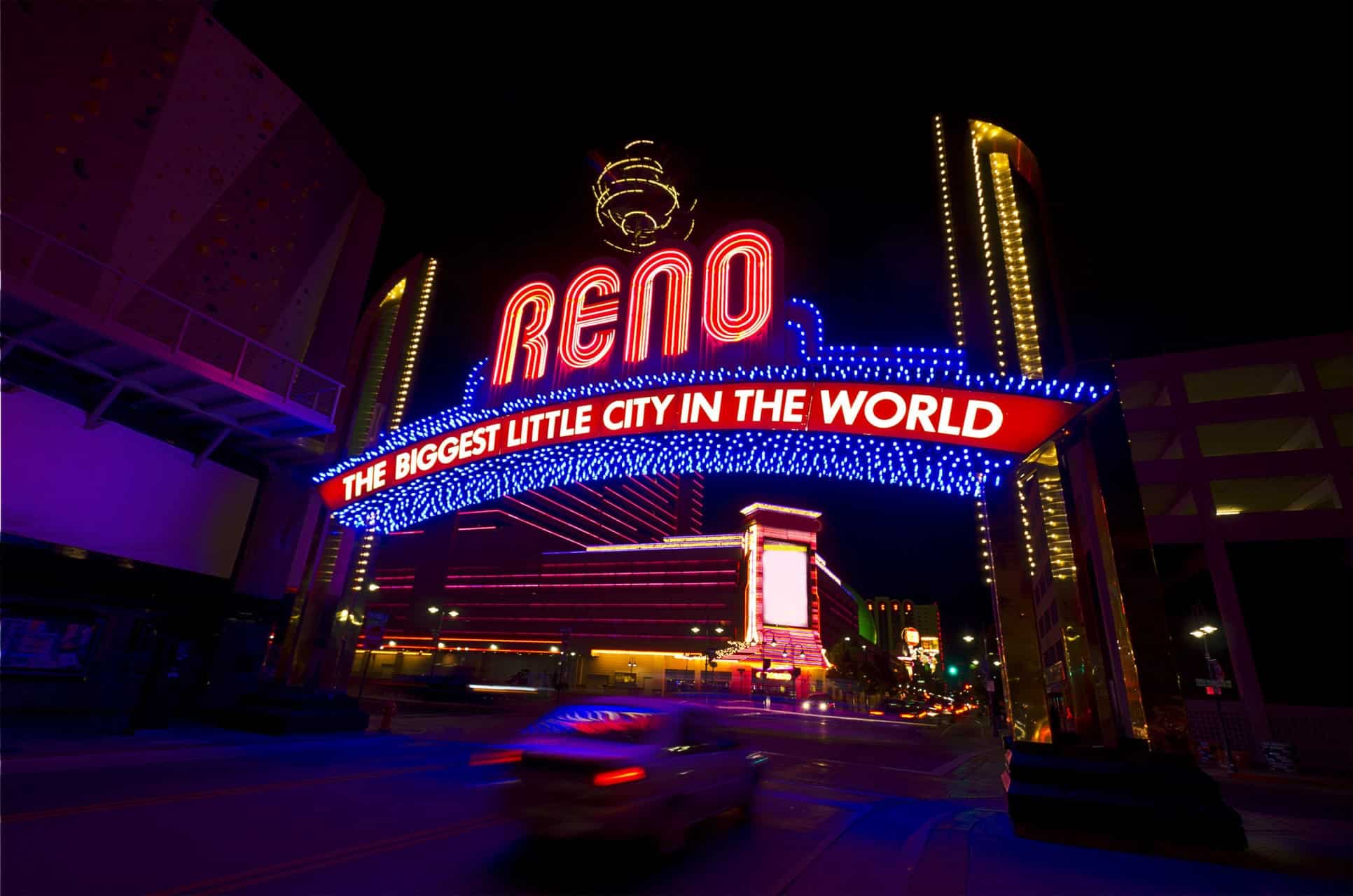
Reno has a lot going for it. It’s famous for having glittering casinos, great weather, and since Lake Tahoe is just down the road, a lot to do outdoors. In 2018, the number of visitors to Reno topped 5 million for the first time, and we expect it to boom again later this year when COVID-related travel restrictions ease across the U.S.

It doesn’t matter if your preference is hiking, biking, skiing or watersports. The area has gear rental shops aplenty, day tours are a dime a dozen, accommodations are everywhere and plenty of businesses are vying for customers.

What can you do to make your tourism business stand out? The short answer is with an effective tourism marketing strategy. In this article, we’re going to run through the basics of tourism marketing, from strategies to plans and trends, to help you identify a few key ways you can make your business irresistible.

We’re going to use a hypothetical Reno RV rental business as an example.

Prefer to talk it through instead? Schedule a free consultation.

Tourism marketing strategy

Effective tourism marketing comes down to one simple idea: storytelling.

It’s a leisure activity, which means you’re vying for someone’s spare time. Reno has a well-established and highly-competitive tourism industry, but at the end of the day, your biggest competition doesn’t come from other businesses. It comes from the couch/Netflix/sleep. The easiest choice for a customer to make is to stay home, so you need to motivate them.

That means capturing their imagination. Every good tourism marketing strategy crafts a story that generates an emotion and makes that business irresistible. The first step is simply to brainstorm.

The next few paragraphs will run through a few simple questions to get started.

Curious about influencer marketing? We don’t discuss it in this article, but we’ve prepared another whole article that includes everything you need to know to get started.

Who is your ideal customer?

Tourism marketing strategies are only effective if they convert sales. That means you need to share the right message with the right person in order to start them on the path to purchase.

What kind of people are your best customers now? What kind of people would you like your future customers to be? What age? What income level? Families or singles? Local or interstate?

For example, if you’re operating a Reno RV rental business, you’ll know there’s a sweet spot in the market. But are you looking to explore new markets, like young people? Are you getting a lot of enquiries from people who want to do fishing trips? Do you want to enter the luxury market?

Figuring out these details early will help develop the tone and style of your campaign and will help you decide which platforms will be most effective. It will also come in handy later, when you start running ads on Facebook and Google and you need to target specific demographics.

Read more: What are buyer personas and how can they help convert leads?

What are your business goals?

Just to be clear, “I want more business” is not a business goal. Be specific. Having an ideal number in mind will help in a number of ways, for example, when it comes to setting a realistic budget.

Think about what resources you have available and what kind of growth you can accommodate in the short and long-term. It’s important to make sure you can meet the needs of all new customers – after all, digital marketing strategies are incredibly effective, but nothing beats word of mouth.

It might be as simple as “rent four additional RVs every month” or “increase RV sales by 5%”.

Once you’ve identified your ideal customer and set your business goals, you can set measurable key performance indicators. This is critical, because without them you won’t be able to tell if your digital marketing campaign is working or not. This will help you adjust things and refine things as you go.

Read more: 3 reasons why having a mission statement matters

What is your brand story?

Now we can get to the fun part, your brand story. The simplest way to start is by identifying what makes your brand unique. What’s the hook that makes your RV rental business the right choice?

As we mentioned earlier, an essential part of tourism marketing is capturing the imagination of your readers. What’s the story you want them to leave with? What kind of experience do you want them to have? Start at a holistic level – wrapping in the local scenery, local attractions, local experiences – and then drill down the value your business will add. How will it enhance their vacation?

Trust is really important, so your own personal story can be an important part of this. Why are you running this business? Where are you from originally and why did you move here? What’s your favorite thing to do in the local area? What’s your favorite thing about your customers?

It might be helpful to jot down some ideas as bullet points. These will form the basis of the text that will appear on your website, as well as the advertising you’ll run on Facebook and Google.

What do you need to get started? We’re can help with all aspects of marketing, including letting you know The Top 5 Digital Marketing Tools And Why They’re The Best.

Tourism marketing plan

Now that you know what you’re trying to achieve, it’s time to develop a tourism marketing plan that you can put into action to generate leads and start converting sales. Now, for the purposes of this article, we’re going to focus on digital media and not traditional avenues like print advertising.

There are four basic elements to factor in: your website, social media, search engine optimization (SEO) and video. None of these things works in isolation, so make sure you incorporate each one.

Website

A great website is the foundation of every successful digital marketing strategy. It’s the beating heart of your brand story and is the best opportunity for you to educate customers about your products and services. It needs to be simple and easy to use. If you’d like to learn more about websites, we’ve included some handy tips and tricks to help you through the design and build process in this article.

For an RV rental business, you should expect to create at least four pages: your home page, your about page, your booking/contact page and your “Find an RV” page. Make sure you have lots of good images of your RVs as this will really help build trust with your prospective customers.

Read more: Best practice for tourism website design in 2020

Social media

Remember how we talked about storytelling earlier? This is where it plays out. Social media is a great way to capture people’s imaginations, especially if they’re scrolling through their Facebook or Instagram feeds while they’re stuck in the office with a never-ending to-do list on a rainy weekday.

Every good tourism marketing plan will include two types of social media: organic and paid.

Put simply, organic is the kind of things you post from day-to-day to share your brand story. This means colorful and eye-catching pictures, warm and friendly captions, and helpful information. It generally serves two purposes, which is to capture people’s imaginations and starting building trust.

Paid social media is very strategic. You’ll have seen posts marked “sponsored” in your feeds on both platforms. These are highly-targeted messages designed specifically to generate traffic to your website and generate new leads. These work best is you target a very specific demographic and use them to offer something – for example, a special offer or a downloadable local travel guide – so that potential customers feel like they’re getting something of value from you.

You probably have a pretty good idea already about the types of people that are most likely to rent RVs from you. However, if you’d like to learn more about targeting a specific demographic or potential new demographics, the best way is to install Google Analytics on your website. This generates a lot of useful data about who is visiting your website. Here’s a post we wrote (which uses an HVAC case study, but the information is relevant to all small businesses) that will help.

Read more: 10 tips for optimizing your social media presence

Search engine optimization (SEO)

SEO is the name given to the practice of optimizing content to rank on search engines like Google. Search engines basically scour the internet for relevant keywords, so that when someone searches a term like “small business marketing”, they immediately get a list of articles that use those words.

This is really important in a tourism context, because local experiences are everything and there’s a lot of competition. With an RV rental business, for example, people need to know that you’re an RV rental business and they need to know where you’re based. That way, when they search “Reno RV rental”, your business will pop up at the top of the search results.

It’s pretty simple, really. The more content you publish with those key words, the more Google will assume you’re an authority on the topic and the higher your website will rank.

According to Google, 31.7% of users click on the first result on the list, so ranking is important.

Good SEO is both an art and a science. There are a lot of resources available online (for example, this post we wrote about How To Create A Show-Stopping SEO Strategy), but it may help to get some professional help when you’re starting out just to make sure you understand how it all works.

Video

Definitely include video into your tourism marketing plan. It’s a great way to integrate storytelling into your website and social media strategy and it will also help your content rank better on Google.

Again, picture your ideal customer at work on a grey Wednesday. They’ll be scrolling through their social media feeds on their lunch breaks or on their commutes to and from work, which is the perfect time for you to pounce with a dose of escapism and imagination. Take them on some mini-tours of your local area or show them the latest and greatest RV so they will want to learn more.

Honestly, we can’t stress the value of video marketing enough. Here’s an article (and a video) that will teach you why video marketing is so important.

Tourism marketing trends

Tourism marketing trends change all the time. It’s not just a case of things going into and out of fashion over time. Companies like Facebook and Google periodically tweak their algorithms, which can change the game overnight. The first and most important thing is to make sure the advice you’re getting is up-to-date. Look for articles and blog posts with recent date stamps.

2020 has been a little challenging for tourism marketers so far, with the advent of COVID-19. However, once health authorities give the all-clear, the tourism business will pick up quickly.

Here are some of the top tourism marketing trends we expect to see this year:

  • Increased visitation to smaller markets. People have always wanted to try new things and go to new places. As social media and the travel industry have grown, however, they also want to do things their friends and family haven’t already done. This is a great opportunity for smaller markets to kick their strategies into high gear to attract new business.
  • This ties in with the theme above. Tourists want to embrace unique experiences and opportunities and they want things to be tailored towards their individual needs. This is a great opportunity for RV rental businesses as no two road trips are identical.
  • Shorter booking windows. Perhaps we’re getting more spontaneous over time. Perhaps our desire to escape is stronger. Either way, booking windows are becoming shorter across the industry. This means having a simple and easy online booking process is critical.
  • Focus on small operators and “authentic” businesses. People deal with corporations all day, every day. When they’ve put on their vacation sandals, they want to deal with real people. There has never been a better time for savvy small and medium-sized businesses to seize opportunities to engage with new customers and give them an experience they’ll remember.
  • Rise of experience-based vacations. This means road trips, camping, fishing, hiking, eating and more. Experience-based vacations provide the opportunity to really invest in a particular place or type of trip. All you have to do is convince them the best way to do that is in an RV.

Read more: Essential tools for tourism marketing

Tourism marketing companies

Want to consult with a tourism marketing company in Reno? We can help.

Beacon Media + Marketing specializes in digital marketing, web services, social media and video services. We can advise you on the best approach and we can help with things like website development and video production. Our Reno office is located at 201 W Liberty Street, Suite 312.

Alternatively, you can reach out via our website.

Originally published by Beacon Media + Marketing. Updated and revised by Jennifer Gracey, Web Content Strategist & Writer on 07/14/23.

Making a significant post-COVID comeback, the tourism industry is roaring back to life with exciting opportunities in tow for travel agency and hospitality-based businesses, brands, destinations, and cultural and heritage experiences in the city.

In fact, CEO and President of U.S Travel Association, Geoff Freeman is on record saying, “Robust domestic leisure travel demand has been the driving force in the overall [travel] industry’s post-pandemic comeback… the surge we experienced in [2022] is starting to moderate, we expect [the trends in] this top customer segment to remain resilient in coming quarters.”

If you’ve not yet prepared your tourism marketing strategy, now is the best time to begin. Especially if you’re aiming to get and stay ahead of the competition by capturing your portion of the market share. Whether your primary clientele caters to domestic leisure, domestic business, or international inbound travelers, incorporating some (or all) of these 5 focus areas into your overall tourism marketing strategy will help your marketing campaigns gain traction, attract, and produce results.

Want help with your tourism marketing strategy or just want to talk business?  We’re here for that! Schedule a free consultation.

1. Marketing for Hospitality  

If you’re marketing your business in the hospitality sector, showing your potential customers what a great experience they can have is as important as telling them. Whether you run a restaurant, or a boutique accommodation experience, showing your customers and guests where they’ll be staying and eating allows them to not only feel confident they’ll enjoy the experience. But, it also allows them to more accurately visualize themselves having the same experience. 

Visual Storytelling: What’s your story?

Taking time to review where you’re currently with your story-craft and overall tourism marketing strategy will be tremendously helpful in determining what direction to take things next. Set aside some time to do an in-depth internal audit of your company’s visual imagery. You’ll want to look at your:

  • Website
  • Blog Posts & Articles
  • Social Media Profiles (FaceBook Page, Instagram, Twitter, Linkedin, Pinterest, TikTok, etc)
  • Google Business Profile
  • Crowd Sourcing & Review Sites (Yelp, Foursquare, etc)
  • Listings on Booking & Reservations Sites (Booking.com, Expedia, Airbnb, etc)
  • Anywhere else your hospitality company appears online

There are some significant questions you’ll want to ask during your visual imagery audit. They should cover things like:

  1. Does everything I’m seeing across our customer-facing visuals look like my brand and the picture I want to paint for my visitors and future guests?
  2. Do our visuals match the experience guests and customers expect to have when they come?
  3. Do the colors, shapes, fonts, artwork, photographs, and videos tell a cohesive story that not only makes sense as a whole but, compels an emotional response from our customers?
  4. Does the imagery invoke a positive or negative emotional response? Why? How?
  5. Has the approach we’ve taken with our visual imagery so far been strategic and consistent in telling our brand story across the board or a hodge-podge mash-up?
  6. In order to level up our first impression to potential guests, is it time to rebrand or get more serious and focused in our approach to visual storytelling?
  7. Will it be a better investment of my time and skill sets to do a rebrand ourselves or hire branding and marketing professionals to really help elevate my brand? 

How do you use Google Business Profile?

If you’re not yet taking full advantage of Google Business Profile, you’re really missing out. Previously known as Google My Business (the name changed in 2021 in Google’s attempt to simplify the user experience) Google Business Profile is a powerful tool every business should take advantage of — particularly for companies, as it’s FREE. When utilized regularly, a well-set-up Google Business Profile can really help drive organic traffic to your company’s website.

Your Google Business Profile will contain the name and address of your company, operating hours, website URL, and a detailed description of your company and types of service offerings. It also allows you to post updates on special promotions or events, your customers and guests to post reviews, and more. If you’d like to learn more about Google Business Profile and what it can do for your marketing strategy, click on the linked article below for a more detailed overview.

Read more: Google My Business is the perfect tool for a tourism marketing strategy tourism marketing

Want to get started with Google Business Profile and not sure where to begin? Or need help getting the most out of this tool? Get in touch — as Google Certified Partners, we’re here to help!

2. Marketing Tourism Destinations 

Is your company a destination or experience-centric business? There many tools available for you to use in order to gain attention from visitors. Among the ones you’ll want to seriously look into and take utmost advantage of is: search engine optimization (SEO). SEO refers specifically to the strategic use of specific and related keywords that users type into their Google ‘search’ bar when researching a specific topic. When properly integrated into your tourism marketing strategy — having a well laid out SEO strategy exponentially increases the likelihood your webpages, blog posts, and other content appear higher in the SERP (search engine results page) on Google as well as other sites your company may appear on or have a profile set up with.

We’ll summarize a few of the techniques we use here, but if you want to learn more, this post we wrote on blogging for Arctic tourism is an illustration of how blogging can help get the word out about your destination and inspire people to come visit. 

SEO for Your Website 

A foundational premise of good SEO is: write engaging, informative, and relatable content people want to read. This is Google’s benchmark for providing quality content to people and continuing to build their reputation for being a good search engine. Really search engine optimization is your way of helping Google, and them helping you in return. Here are some more basics:

Read more: Top tourism marketing strategies for 2020 and beyond.

With the travel industry and tourism on the upswing, it’s safe to assume people are looking for your specific destination. Because of this, it’s important your website is the one they see at the top of their SERP on Google. By optimizing your content to rank for certain keywords (as mentioned already in the paragraph above) you increase your chances of getting eyes on your website. To help your site list higher on the results page than your competition here’s two of our top must-do SEO optimization tips:

  1. Use the name of your destination in headers and in your body text.
  2. Use the name of your destination in the alt-text of any images.

When auditing your existing website (or building a new one), it’s vital to remember: Your website is the online equivalent of your physical premises. And, it’s critical the way your website looks and feels to users should represent your company as accurately and relevantly as possible.

Information Maintenance: Keeping Your Website Accurate

Ensuring your website stays up-to-date and easily accessible by providing information people want to find in the places they expect to find it is critical when talking about tourism marketing strategies and how to give your potential guests a positive first impression.

Initially, people may use your site as a tourist information resource. And this is where providing them with accurate, high-value, and actionable information encourages them to take the next step by visiting you in real life. To learn more about the process we use at Beacon for building websites for our tourism and hospitality clients, click the link just below:  

Read more: 10 tips to improve your website’s ranking on Google

Content Marketing: Key to Capturing Your Audience’s Attention

In a nutshell, content marketing is: Marketing intended to garner an audience’s interest in products or services. It does not involve direct selling and nor does it typically involve paid ads. Content marketing does, however, make use of both written and visual content to show what your business offers, build support, and reinforce your SEO strategy. In fact, the purpose of content marketing is often categorized in the following ways: educate, entertain, inspire, and convince. This is where blogs and social media really help to build out a brand’s content marketing strategy. The most obvious forms of content marketing are:

  • text (such as blog posts)
  • video
  • imagery
  • customer reviews 

Blogs

If you’ve not already developed a robust blogging strategy for your company, you’re truly missing out. Why? Well, they’re truly a perfect match for your tourism marketing SEO strategy! Blogs are an excellent convergence point for the integration of features Google loves. Blogs can also be used to implement a few sneaky tricks in order to get extra engagement. 

The Inbound Marketing Approach

At Beacon, when writing blogs for our clients, we make use of a philosophy called inbound marketing. Inbound marketing is best understood with a bit of help from a cat. For example:

What happens if you stand up suddenly and begin chasing a cat? Typically skittish animals, the cat will be surprised at your unexpected and sudden movement then scamper off as fast as it can.

What about if you stand perfectly still while holding out something our cat really wants (like a piece of freshly cooked grilled fish?) If it’s like many cats we know, it’ll come right up to you and quite happily take the fish from your hand.

In this illustration, think of your clients and customers as the cat. Inbound marketing tells us to, “Provide clients and potential guests with content they find useful and interesting.” That way, when they’re in need of your particular services, they’ll remember you and trust your business.

In the context of tourism, this could mean: writing insightful, value-added blogs highlighting the locations you run tours in, the specific activities you organize, the equipment that you rent out, etc. 

The Waterfall Method

We also make use of the waterfall method. This is a strategy that makes Google’s algorithm rate your blog posts more highly. Google really likes it when external websites provide links to your pages. These external website links are the digital equivalent of the more traditional word-of-mouth customer referral.

The reward is: Because someone likes your content enough to refer and promote it to others, Google notices and ranks your page higher thus moving you up in the SERP.

The caveat is: External links just because someone liked your content aren’t easy to come by. To help things along, we use our own blogs to provide those links by creating a waterfall structure of interlinked content! By writing an overarching “summary” blog designed to provide a high-level overview of a specific subject or group of interrelated topics, and then writing more detailed blogs on each facet of that subject, we link all the blogs together. Thus encouraging Google to trust that the content in each post is useful. 

Read more: What’s in a headline? How to write to get attention

Videos

Video marketing is something we’ve discussed lots lately and for good reason: Video is the closest we come to genuine human interaction, without physically being together in person. This is why video is so exceptionally powerful right and why it’s only going to continue growing in relevance and importance as a powerful communication and connection tool. 

A Powerful Visual Content Marketing Tool

We’ve written before about stats that show why you should be using video. (Those are available here.) The important takeaway is: video can and should be used everywhere. This includes in blogs to provide a quick synopsis or to further illustrate/highlight a key feature. They can run in your ads, on your website as a personal introduction, or welcome to the company — a message from or interview with the founder is always great. In short, videos should appear anywhere and everywhere you post content about your company.

Video is Memorable

People love video because it’s easy to consume and makes it easier for people to recollect the information presented. To briefly tie this back to something we mentioned before, “Give the consumer what they want and they’ll come back time and time again.”

The tourism marketing and hospitality industries are particularly well-suited to video. You’re offering experiences that people already crave, which look visually appealing, and that inspire people. Make the most of it!

Read more: How to start a dynamic video marketing campaign

3. Marketing Heritage and Cultural Tourism  

When marketing heritage or culture, the most important and foundational thing you can do is: identify your target audience. When doing this, keep in mind, different aspects of heritage or cultural traditions may appeal to different demographics. You’ll have the most success in this as you work to tailor your marketing plans and strategies to appeal to the interests of each of those specific demographics. 

Content Marketing and Immersive Experiences

When we discussed content marketing in point two above, we pointed out its ability to immerse people in the experience. This immersive experience aspect is even more valuable when talking about marketing something as story-based as culture and heritage.

Harness the Power of Story-telling Mediums

The use of high-quality, engaging written and video content really allows you to showcase the story of your site or attraction. By giving them a taste of what it looks, sounds, and feels like to be there and feel the age or the atmosphere of a cultural site is an incredibly effective way of drawing them and giving them a small taste of the reality. 

Direct Advertising: How to Draw Attention

In order to draw even further attention to your company and more specifically, the cultural and heritage sites you run — making successful use of direct advertising is important. With paid Google and Facebook ads, it’s possible to make use of all the content marketing mediums: text, imagery, and video. By strategically weaving them all into your marketing strategy, you’ll really show off the best of your company and everything you’re offering customers. The outcome of this brings us back to our cat illustration from point two: You’ll have far more hungry cats coming up to you looking for that tasty, appealing morsel of their own volition than you’ll get chasing them around.

If you want to learn more about social media advertising or Google advertising, these two articles are great places to start.

Want to talk strategy or ask us some questions about the waterfall strategy we used in this blog post? Schedule a free consultation and let’s chat!

Big opportunities are coming for tourism marketing!

With America beginning to open up for the summer, the market is going to be getting very competitive. Fewer people are going to be vacationing at the start, but businesses will be wanting to open as soon as possible to get their cash flow going again. This means you’ll be competing for a smaller clientele. It’s important that you start preparing for this now so that you can beat out the competition and retain your market share, or even increase it!

So what is market share?

Market share is defined by Investopedia as “the percentage of total sales in an industry generated by a particular company.” It essentially represents the number of sales your company make in an industry, and how you compare with your competitors. Gaining market share means that you are gaining customers faster than your competitors.

Here are some tips to help you maximize your impact with the right kind of marketing.

(We’ll share a few helpful links along the way where you can learn more about the topics we cover. Most of them refer to marketing Arctic tourism, but the principles apply to any type of tourism business. We’re also happy to answer any questions you have, so please feel free to schedule a consultation.)

Building brand awareness

In this period before people start booking their next vacations, it’s super important to build awareness of your brand. This ensures you’re front of mind when people are ready to book their next vacation.

Your brand is your visual identity – it is what people think of when they think of your tourism business, so it needs to reflect your reputation and what people think of you. When we create brands for our clients, we go through a process called the “brand discovery meeting” to help clients understand their brand story. It’s an opportunity to involve your whole team and get creative to help figure out what story you want to tell.

When we have a brand discovery meeting with our clients, we like to guide them with a series of questions:

  • Describe your business in two sentences or less. What is your “elevator pitch?”
  • A brand is a promise. What does your brand promise its customers?
  • What is the current perception of your tourism business? What is the desired perception?
  • How do you want to position yourself in the marketplace? Are you the “value” company? The expensive boutique? The innovator? The “tried and true?” The academics? The quick fix? The thought leaders?
  • What is your big-picture mission?

Your primary focus in this part of the process involves identifying your competition and figuring out how you can differentiate yourself from them. This is especially important in a reduced market. Differentiating yourself early on allows you to put your company in a position where potential customers think of you first. You also want to identify your target customers and work out how you can appeal to them.

Once you’ve understood what your brand is, and how you’re going to adjust it, you must maintain it.

Read more: 5 steps to build a strong brand for your Arctic tourism business

Maximizing inbound leads

In order to get customers, you need to be getting leads. The more leads you get, the more customers you’ll get, the more your market share will grow. So, how do you maximize your leads?

Up-to-date website

Your website is the most important part of your online presence. It represents your physical location in the digital world. You want your tourism business to look good, provide people with the information they need and inspire them to get to know more about you. This applies both in the real world, and online.

Websites should be updated or redesigned entirely every 2-3 years. This is because best practises change so frequently online and you need to keep up to date so that you don’t fall behind the competition. Additionally, you’ll want to make sure your staff, products, and services are all up to date.

Here are the steps:

  • Meet with your team: We always recommend that web design be a team process. Get everyone, or at least the key players, in your business in one room and try to answer some key questions. We recommend asking yourselves what the purposes of the website are, what information you want customers to be able to find, what features you like about other websites in the same industry.
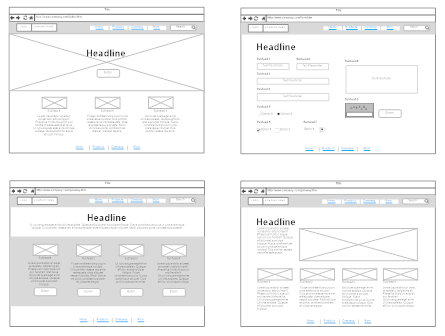
  • Map out your design: Using a document known as a wireframe, we map out the location of all components of the website. That includes text boxes, images, videos, headers, etc. This is complemented by a sitemap, which describes the interaction between all the pages of your website.
  • Content: Once the website is fully mapped, both in terms of pages and contents, it is time to actually write the content to go in those boxes! This is the time you really want to start thinking about Search Engine Optimization. Simply put, this is the process of making sure your web content is easy for search engines to find. To find out more about SEO, check out our blogs on web design and blogging for arctic tourism.

Read more: Beautiful web design can boost your Arctic tourism business

Targeted advertising

Targeted advertising has become increasingly popular in recent years. It allows you to put ads on Facebook, Google, and other platforms which are based on people’s online behaviour. So as a tourism business, you could target people who have been looking at vacations in your area, or people who have shown an interest in the tours and experiences you offer. It’s incredibly powerful – you can click here to learn more about retargeting.

Active social media

Social media is another vital aspect of a business’s online presence. One of the best things about it is the opportunity to interact with people in an organic, natural way. This gives the opportunity to present your tourism business’s unique culture and present a welcoming face to potential customers. Best practice varies from platform to platform, so here is an insight into social media best practice for businesses.

SEO

SEO (or Search Engine Optimization) is all about pleasing the algorithm Google uses to rank results on their search results pages. One of the most important things Google looks for is quality. If you provide content that people want to read, Google can recognize this. You can make sure that your content does this but researching what people are asking about certain topics and writing content that answers those questions. Here are some tips to create a show-stopping SEO strategy for your business.

Converting bookings

So, you’ve reached potential customers and piqued their interest in your tours and activities. Now, how do you convert those leads into bookings?

Sales funnel

One of the most successful strategies for converting customers is the sales funnel. This uses a multi-stage process to gradually draw potential customers further into the “funnel.”

The first stage is the awareness stage, where you first gain their attention. Next, you get their interest. This is where you use your content to present solution to people who are looking. The goal at this stage is to remain in people’s consciousness, by having them subscribe to your mailing list or social media. The third stage is the action stage. At this point, the person becomes a customer and closes a deal with you. Finally, and perhaps not obviously, there is another stage of the funnel: retention.

The best customer is the repeat customer. Keeping them happy will keep them coming back for more – perhaps every summer for the rest of their lives. Running a successful tourism business and creating happy memories for your customers will mean adding new customers at the top of the funnel, but also growing the pool of repeat customers at the bottom. Is there anything better than becoming part of a family legacy?

Human connection

We discussed earlier how this is the perfect time to start marketing to prepare for reopening your business. A great tool you can use to bring in customers is your authenticity and real human connection. This period has demonstrated the value of human connection as many people have been deprived of it.

We hope this post will provide some insights into the tactics you can use to get your tourism business ready to reopen in the coming weeks and months as people start looking to go on vacation again.

If you want help marketing your tourism business you can schedule a free consultation.

Website design for tourism businesses is really fun.

It’s an opportunity to showcase the best of your local area, explain why it’s unique, and educate visitors (i.e. your potential customers) about the types of experiences that you have to offer.

The best part is that because tourism is an innately visual industry, you can play around with photographs, videos, color and styling to make your website as gorgeous as the scenery.

In this article, we’re going to run you through the basics of website design, including how to design a website, website design cost, website hosting and website ranking – basically, how to make your business appear on Google. This is essential so that visitors to your area will find you.

We’re going to use one of our clients, Kodiak Sportsman’s Lodge, as a case study.

Want to skip ahead? Schedule a free consultation.

Principles of good website design

How to design a website?

A business website should serve two purposes: educate customers about your service and convert sales. It doesn’t matter if you’re designing a website for a gear rental company, offering boutique tours or advertising boutique experiences – the website will always serve the same function.

To maximize its effectiveness, there are a few things you should know.

  1. Images! Images, images, images. Have we mentioned images yet? Pictures really do tell a thousand words, especially where tourism is concerned, because if you’re selling an experience, you’re selling a feeling. You need to capture that feeling with images in order to capture the imaginations of your prospective customers and make them want to learn more.
  2. People read from left to right and from top to bottom. That makes the top left corner of your page prime real estate. Make an impact! Figure out what makes your business unique and lead with that so that people immediately get a sense of what you’re about.
  3. Less is more. Your page needs to be simple and easy to understand to that prospective customers can find what they’re looking for quickly. You only get a few seconds to make an impression so it’s important that you use your website visitor’s time wisely.
  4. Your website needs to work. We live in a digital age where people have no patience for videos that won’t load or websites that are packed with technical glitches. It’s worth investing in a professional build to make sure your site functions as it should.
  5. Stay active. In order to reflect your business correctly and to make sure your page ranks on Google and maintains its authority, your need to keep adding content to your website. Most businesses do this in the form of a blog (more on that later), so keep this in mind.

Want to read more? We wrote another blog that talks specifically about building a strong website for an Arctic tourism brand. Click here to check it out.

Website design ideas

Every time a new person visits your website, you have the opportunity to convert a sale. However, as we mentioned before, you only get a few seconds to make an impact and draft them in.

In a minute, we’re going to show you an example of a website done right.

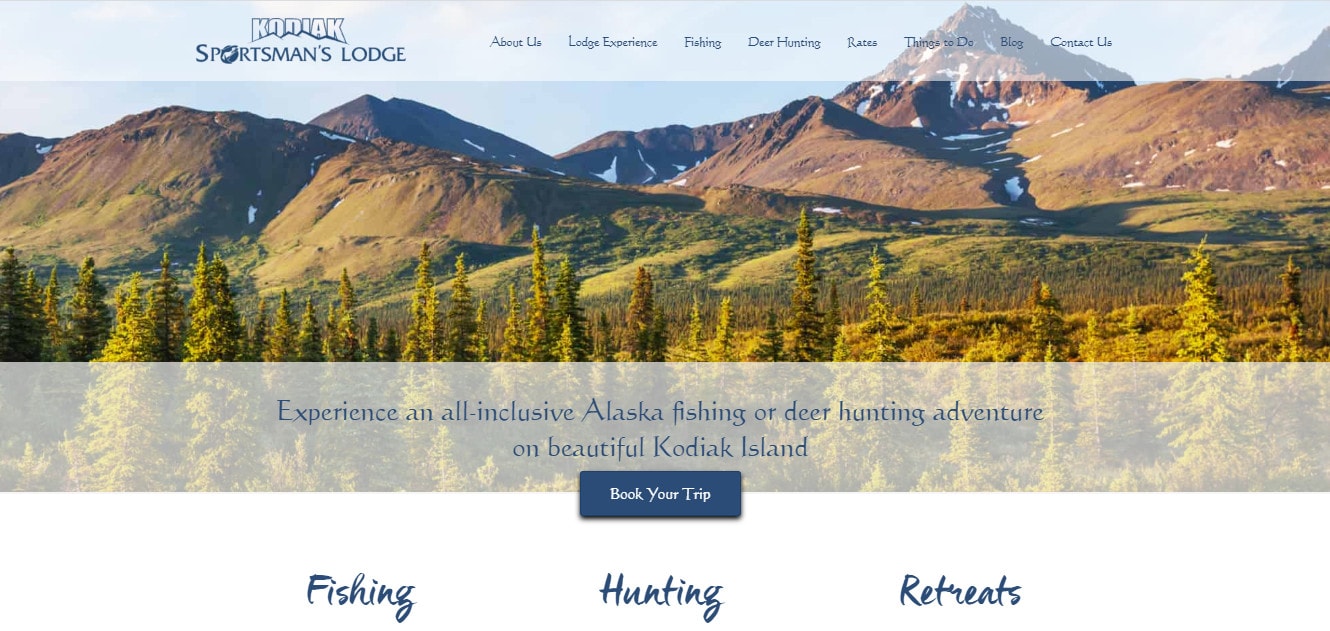
It was designed and built by the team at Beacon Media + Marketing for Kodiak Sportsman’s Lodge, a boutique fishing and hunting lodge located in Alaska. It offers some of the best salmon and halibut fishing in the world as well as unique opportunities to hunt the local Sitka Black Tail deer.

As you can imagine, these are once-in-a-lifetime experiences.

Here is the homepage:

Tourism website design

As you can see, you immediately get an idea of what experiences are on offer. A beautiful landscape image sets the scene and the short, simple text lets readers find exactly what they’re looking for.

As a reader, you can feel your eye flow through the page from the logo, through the picture, to the “Book Your Trip” button. The subheadings and synopses make the choice of adventure simple.

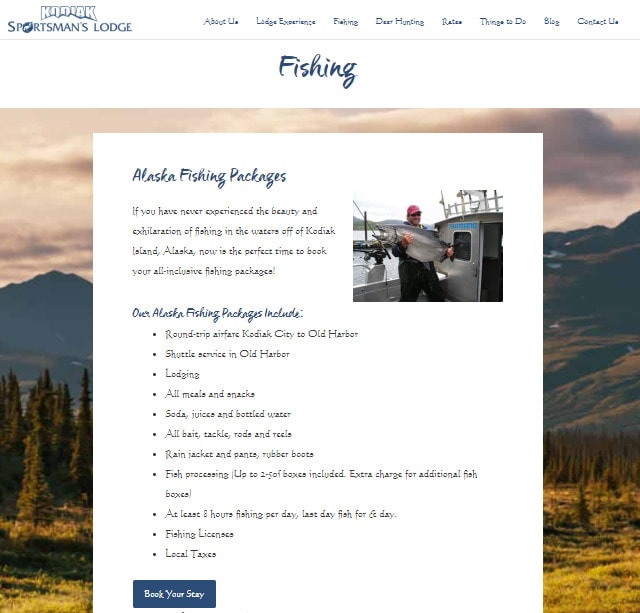
Here is the fishing page:

Tourism Website Design

Again, images are essential to set the scene and capture the imaginations of your visitors. The use of bullet points keeps the text simple and easy to understand, and again there is a call to action in the form of a “Book Your Stay” button to ensure the process of converting a sale is straightforward.

The next logical question is whether or not it works.

Here are the facts. This page was developed in June 2019 and we began providing regular marketing support from January 2020. The difference is enormous – in December 2019, it had an average of 57 views per day, but in February 2020, that number has grown to 251. We helped generate 23 leads.

Read more: 5 website design trends you need to watch this year

Website design cost

Websites can be as cheap or as expensive as you like, depending on the result you want. There are lots of tools available to help you build your own websites on a budget, for example:

  • Build a website with WordPress: WordPress is an online, open-source website creation tool written in PHP. It’s one of the easiest and most powerful website content management tools available today and can be very cheap to create.
  • Build a website with Squarespace: Squarespace is an all-in-one solution for anyone looking to create a website or online shop. It has a very intuitive interface, making it very quick and easy to get started, but it’s more expensive than WordPress.
  • Build a website with Wix: Wix is another simple and easy website builder that can get you off the ground in no time. Like Squarespace, you start by choosing a template and adding your own words and images, but this platform is slightly cheaper.

However, it’s definitely worth enlisting the help of a professional marketing company.

Marketing companies don’t just build the website. They help you choose the right keywords, refine your copy to ensure it creates a good user experience and makes your website an authoritative source of information, optimize the design to lead people through the page to your call to action and make sure the technical parts of the website are running smoothly.

This is essential to getting your website ranking on Google so customers can find you.

The price varies depending on the company you choose and the size of the website, but they will know exactly how to help you start generating leads from prospective customers.

We build websites! You can contact Beacon Media + Marketing today for a free consultation or click to read about our website design and development service.

Website hosting for tourism businesses

Hosting a website

Website hosting refers to the place where all the files that make up your website actually live. Often, people pay for this when they buy their domain name. Once you have hosting, you can start building your website, because you’ll have a location where you can save things like images and text.

All websites on the internet need hosting and it’s worth paying for a quality hosting service so that you can be sure your files are backed up and you’ll have access to help if something breaks.

We typically build websites using a program called WordPress because it’s industry-standard technology and fully customizable. WordPress has a number of recommended hosting providers, including Bluehost, SiteGround, HostGator, DreamHost and GreenGeeks. However, it’s definitely worth making some enquiries with a professional marketing agency, because good hosting will make a big difference when it comes to editing your site, working on the back-end, and making sure it’s as fast as possible.

Read more: 9 telltale signs it’s time to re-design your website

Choosing a website domain

A website domain is the address of your website. The internet is basically a giant jumble of computers and servers and cables and a domain provides an address that people can type into the URL bar at the top of their browser to find you.

Ideally, your website domain will be the same name as your business – if we refer to Kodiak Sportsman’s Lodge again, then the ideal domain is kodiaksportsmanslodge.com. In most cases, you should be able to buy it without a problem. If that name is already taken, you might be able to buy it from the owner, or you can create a variation like kodiakfishinglodge.com, kodiakhuntinglodge.com or even kodiaksporsmanslodgeak.com. As long as it’s simple, it will work.

Website ranking

Making your website show up on Google is critically important to your online success.

The first step is setting up your free business profile on Google My Business. You will be familiar with this already – this allows your business to pop up with details of your opening hours, contact details and website as soon as prospective customers search for you.

The second step is content. The first and most important is to make sure the text on your website is filled with the types of keywords people will likely be searching to find you. In the case of Kodiak Sportsman’s Lodge, for example, words like “Alaska”, “Fishing”, “Hunting” and “Lodge” are all easy wins. The second way is through blogging, which we referenced earlier in this article.

Publishing frequent blog posts (again, laden with key words) will tell Google that you’re an authority in your subject matter. That means any time people search for relevant keywords, your website will rank higher. As more people click on it, it will make its way to the coveted position at #1. If you think about it, 1.7 billion people use Google every day, and 31.7% of them click on whatever result comes up in the #1 spot. Again, it’s an easy win. As of March 2020, Kodiak Sportsman’s Lodge is #1 in terms of organic search traffic for and #2 in terms of organic keywords for its subject matter.

Finally, consider running Google Ads. Google offers paid advertisements which appear in Google search results. These are targeted to appear when users search particular keywords, or combinations of keywords, and can be buttoned down to particular demographics. For example, if you know your ideal customer is a man in his 50s, you can allocate your advertising spend to people who fit that mold. The results speak for themselves – again, to use Kodiak Sportsman’s Lodge, in March 2020 it’s performing at #1 in terms of paid keywords and #2 in terms of paid search traffic.

Want to learn more? We are experts in using Google Ads to boost your business. Here’s a blog we wrote about using them to help your outdoor clothing and equipment shop.

Website design company

If you’re looking for a company to help design a website for your tourism business, you’re in the right place. Beacon Media + Marketing can assist with everything from branding to website design and development, as well as digital marketing, social media and video services.

Ready to get started? Schedule your free consultation today.

The tourism industry has faced unprecedented challenges in 2020, but restrictions are lifting, and the time is coming for the sector to make a comeback. That means you need a strategy, and you’re going to need to pull it together relatively quickly.  

Why is tourism marketing important? Well, when the economy starts to re-open and people start thinking about their vacations again, companies are going to be competing to win customers, but from a smaller pool as tourism tentatively resumes.

Since you’re going to be competing harder than before, you’re going to need to make sure that everything counts. Also, as people are more likely to take local trips rather than interstate or international, you’ll need to switch your marketing focus to capitalize on domestic travelers. These will form your core audience for at least the next few months.

So, how do you compete effectively in this market? You’re going to need to start thinking about this in advance and creating a strategy that you can implement in sufficient time to get a head start over your competitors. Here are three highly-effective options to consider.

Want to talk to a real person? Schedule a free consultation today.

SEO: You’re open for business!  

Right now, people have plenty of time to research their vacations and daydream about where they’ll go when it’s safe to do so. There’s one main place they’re doing this: Google!

It’s surely no surprise that most people never look beyond the first page of Google. One study even found that only 0.78% of searchers clicked on something on the second page of Google. Obviously then, it’s imperative that you appear at the top of people’s search results if you want to be competitive. This means your Search Engine Optimization (SEO) strategy needs to be on point.

If you haven’t already claimed your business listing on Google My Business, do it now. That’s essential to helping tourists find you (instead of your competitors!). Once you’ve taken care of that, give your website a quick overhaul to make sure everything is up-to-date, including details of your products and services, pricing and contact details for the upcoming season.

It’s worth considering a pop-up or a banner to let people know you’re open and accepting bookings. Many businesses have let their websites sit and gather technological dust during the lockdown, which can make it hard for customers to know whether you’re open or not.

Take the guesswork out of it by making everything as clear as possible.

Content marketing for tourism

SEO is not a stand-alone tool. Rather, it should be incorporated into as much of your online marketing as possible. It particularly lends itself to content marketing, especially in tourism where a brand’s story is such an essential component of the customer’s experience.

Content marketing includes all production of digital content, including blogging, video marketing, social media, and user-generated content such as reviews. Let’s take a look at some of the content marketing methods you can utilize: 

  • Blogging is one of our main services at Beacon and is a highly effective method of getting your website to rank on Google. This is because it capitalizes on multiple SEO techniques. Blogs promote the use of keywords, which target topics that people are searching for, so it’s an easy way to provide useful content to consumers. Now is the perfect time to be putting out content online, as people have more time than ever to read it! If you’re interested in learning more blogging for tourism, check out this post on the ways blogging can boost Arctic tourism.
  • Video marketing is another powerful tool that Google loves for SEO. It also really helps your customers as it’s easily digestible and has been shown to have higher retention rates than text. This article by WordStream has some incredible statistics on the success of marketing with video, for example, “Sixty-four percent of consumers make a purchase after watching branded social videos.” To learn more about video marketing, check out our blog post, here. 
  • Social media marketing is a rapidly expanding, highly effective technique. It allows you to connect more directly with customers. This, when done well, can be a valuable tool that adds credibility and a personal touch to your business’s online presence. The goal of social media marketing is essential to promote positive stories about your school. While doing this, it’s also important to effectively manage negative feedback. If you want to learn more about social media marketing, check out this blog we wrote on optimizing social media for schools (don’t worry, it’s just as effective in tourism!). 
  • User-generated content is always compelling, but it’s particularly persuasive in tourism because people love to share their vacations! The PESO model for content marketing strategy includes Paid Media, Earned Media, Social Media, and Owned Properties. In this context, social media includes reviews as well as content shared on platforms such as Facebook. Reviews are critical for online success, as they allow potential customers to see that your business is as good as you claim it is. It’s also important to remember that a well-reasoned and polite response to a negative review or comment can reflect better than a 5-star review!  

Influencer marketing for tourism

Influencer marketing is a strategy that has grown enormously in recent years with the rise of video content on social media platforms. Influencer Marketing Hub is a great place to start if you’re looking to learn all about this growing industry. Ready for a crash course? Great!

Influencer marketing is described by Influencer Marketing Hub as an amalgamation of both traditional celebrity endorsement and modern content marketing. Influencers are able to build their brands online, usually on video platforms such as Instagram, TikTok, and YouTube, by establishing themselves engaging content creators and trustworthy and impartial authorities on different brands.

Influencer marketing is especially successful in tourism, because inspiration is everything. They can share their experience with their audiences, and potentially inspire thousands of people – whether that’s the magic of gliding over the crystal clear waters of Lake Tahoe on a paddleboard, the awe of climbing their first mountain in Alaska and taking in the view, or the joy in sharing a truly wonderful meal. It’s also really helpful in establishing trust and distinguishing you from your competitors.

Influencer marketing is a strategy that aims to emulate the advice one receives from a trusted friend, and successful influencers regularly put out content that generates strong engagement from subscribers and followers. One article in The Guardian says that “almost half of marketers spent more than 20% of their budget on influencer marketing” in 2019.

It lends itself to tourism particularly well, as people are always keen to see pictures and videos of beautiful places and people having fun. Many businesses have had success in luring influencers by offering free stays in hotels, free tours, and free experiences in return for the exposure to a targeted audience. 

Right now is the perfect time to engage with influencers. Summer is coming, America is beginning to open up, and social media use is at an all-time high!

We hope you’ve found this post helpful in providing some ideas that you can use to prepare for the end of lockdown. We have a whole host of useful articles on our blog, which you can use for a more in-depth look at the services we offer and some of our insider tips and tricks.

Ready to get started? Schedule a free consultation with our experts today.

No-one could have foreseen the closure of the tourism industry, but restrictions are lifting and consumers are eager for a change of scenery. Many businesses in this sector have experienced significant challenges, but it comes with an unprecedented opportunity to grow market share.

The industry has changed, big time, and every tourism business is starting from zero. Customers will be looking to travel differently than they did before. Local trips will be popular as the public emerges from isolation, as will experiences that provide genuine human connections.

It’s important to start working on your marketing plan now.

Yes, it’s still quiet, but tourism will rebound. You can bet your bottom dollar that as soon as each state gets an all-clear, every tourism office and every brand will be competing for guests. Marketing is the key to staking your claim in the “new normal” of tourism and protecting the future of your business.

Here, we’ll run you through the essentials you’ll need to be ready.

Want to skip ahead and ask the experts? Contact us and schedule a free consultation.

Embracing the new normal

Has anyone else found themselves strangely craving the airport? Just us?

Standing in long lines, removing your shoes for the TSA, drinking questionable airport coffee and racing to make the gate change on the other end of the terminal used to be annoying. They’re still annoying, but now they come with a dose of nostalgia. How easy it is to take things for granted!

Jet-setting is temporarily on hold, and it will continue to be that way for a while yet. That means there has never been a better opportunity for small businesses to market to their local communities. People will ease out of isolation gently, which means they’ll be looking to start with short, regional trips – for example, road trips, outdoor adventures, local lunches, that sort of thing.

If you live in a state that typically sees a high volume of international travelers, like Alaska or Nevada, it means you will have to adjust your strategy to appeal to a different target audience.

Who are your ideal customers in this new normal? What are their names? Where are they from? How old are they? What are their interests? Do they travel solo or as a couple or family?

It might sound strange, but creating a buyer persona will help you customize your marketing to ensure you’re sending exactly the right message to the right people. That’s the best thing about digital marketing – we can use customized bait instead of casting a wide net and hoping for a bite like traditional marketing methods.

Here’s an example. The way you market to Bill and Jean, a retired couple from Milwaukee aged in their 60s, will be very different to the way you market to Ben and Jessica, a professional couple from Los Angeles who will be traveling with their two young kids. Knowing the difference will help optimize your strategy.

Want to learn more? Click to read about best practice in digital marketing.

Tourism Marketing

Trading on genuine connections

Isolation is tricky, and while some people have thrived, most of us have found it to be incredibly challenging. You know it’s getting bad when shopping for groceries is the highlight of your week.

Once the tourism industry re-opens, people will be looking for genuine human connections. The days of racing from landmark to landmark, snapping a quick selfie at each site, are behind us – at least, for a little while. That means your strategy needs to have emotion at its core.

The best way to do this is through StoryBrand marketing. The driving thought is this: your customers don’t really care about your business (sorry!), but they do care about themselves. They want your business to solve a problem and make them feel better about something.

In this case, most is feeling lonely and unmotivated. They want to get to know new people and find inspiration. Inspiration is a powerful motivator. Rather than focusing on the features of each of your products or services, focus on the benefits. How will it make them feel if they choose you?

It doesn’t matter exactly what your business is. Stand-up paddle-boarding on Lake Tahoe? Inspiring. Fishing on the Kenai River? Inspiring. Shopping in Reno? Inspiring. Eating handmade chocolates in Homer, Alaska? Inspiring. The key is to find an inspiring angle to share with your customers.

Don’t be afraid to show your face. People like doing business with people, and if they feel like they know you, they’ll be more likely to work with you. If you’re passionate about what you do, whether that’s guided backcountry hikes or action-packed ATV tours, share it. It’s part of your story.

Once you’ve found the right angle to appeal to your target audience (remember Bill and Jean, and Ben and Jessica?), it’s time to develop a content marketing strategy. At a basic level, this includes three arms: SEO, social media and blogging. However, we strongly recommend adding video. If a picture tells a thousand words, a video shows a whole chapter. Adding this to your tool box will help people get to know you quickly, while creating an impression that will influence their purchase.

Now is not the tame to take a conservative approach. If you want to claim your part of the market share, you need to be strong, clear and consistent. This means posting regularly, developing a clear process by which customers will find you and engage with your business, and creating a consistent messaging theme and style that you will share across your website and social channels.

Want to ignite your content marketing strategy? Here’s how storytelling can help.

Tourism Marketing

Making the most of the news

The past few months have hammered home the fact that we need good information. Rules and restrictions are changing all the time, there’s been a lot of confusion about what is and isn’t allowed, and the status quo is constantly being updated. Keep this in mind when things re-open.

This is important for a few reasons, which we’ll break down below.

Stay up-to-date

Make sure the information on your website and social channels is up to date, such as your opening hours and your special offers. This will ensure you start your relationship with each customer on the right foot and saves you from having to make any awkward clarifications or cancellations.

An important aspect of this is your Google My Business profile. Every business has a listing, based on publicly available information, which means your profile already exists. It’s up to you to claim it and manage it. This is a really powerful tool, because it makes it easy for people to find you. Today’s customer is well-educated and tech-savvy, and they’ve probably spent a lot of time daydreaming about all the fun things they’ll do when isolation is over. Keeping this updated means you’ll spring to the top of the list when people search for business types like yours. Your website will win them over.

Address customer needs

Hygiene and cleanliness will continue to be hugely important once this blows over, because customers will want to know they’re in safe hands.

The best way to address this is to be transparent and proactive. Add a section to your website or share a message on social media giving a quick overview of your new protocols and assuring customers you’re complying with CDC recommendations.

The same goes for any other topical concerns that pop up. Address each issue quickly and calmly, remembering that all customers are going to be a little skittish to start with. The main thing is to be reassuring while reminding them of the benefits we discussed above.

Share what’s new

Finally, keep customers posted with the latest things going on in your area. The experience of the whole trip is just as important as the experience you provide. It’s symbiotic, because every local business will benefit when tourists have a good time in your area. Lift each other up and don’t be afraid to collaborate or cross-promote. The rush is coming and we’re all stronger together.

Feeling inspired? Schedule a consultation and let’s talk about sharing that with your customers.

How to get your tourism business on Google My Business

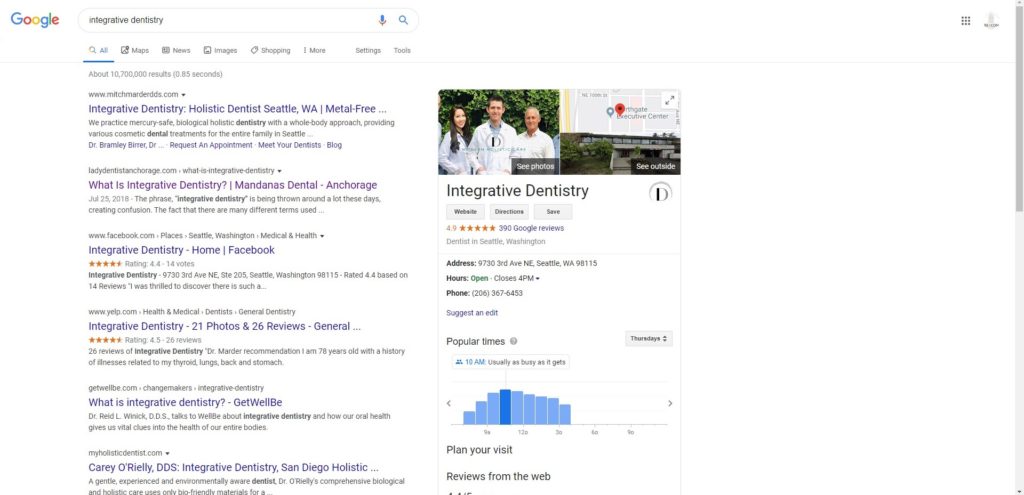
You’ve probably seen the business panel on the right-hand side of your Google search results, this is Google My Business. It gives searchers and customers many options for interacting with your tourism business.

Here we’ll go through the process of how you can set up your Google My Business for best results, all the way from claiming your listing to interacting with reviewers. We’ll also consider some of the potential pitfalls.

If you’re not sure about whether Google My Business is for you, consider this: your Google My Business listing already exists. You need to claim yours and maintain it, otherwise, someone else could claim it and cause damage to your tourism business by providing incorrect information.

Claiming your listing on Google My Business

The first step to making the most of Google My Business for tourism marketing is to claim your listing. If you are an established business, it likely already exists and you just need to claim it.

You can do this by heading to https://www.google.com/business/ and following the instructions there.

If your business is new, you may need to create a listing yourself, but Google makes it easy for businesses to get online, as it adds value to their search engine.

Once you’ve claimed your listing, this isn’t the end of the process, in fact, it’s only the beginning!

You then need to provide all the information requested by Google, and it is important that this is as exhaustive as possible, as everything you provide will be used by Google to work out what your company does. This information allows them to more accurately suggest your business to customers.

Getting your tourism business on Google Maps

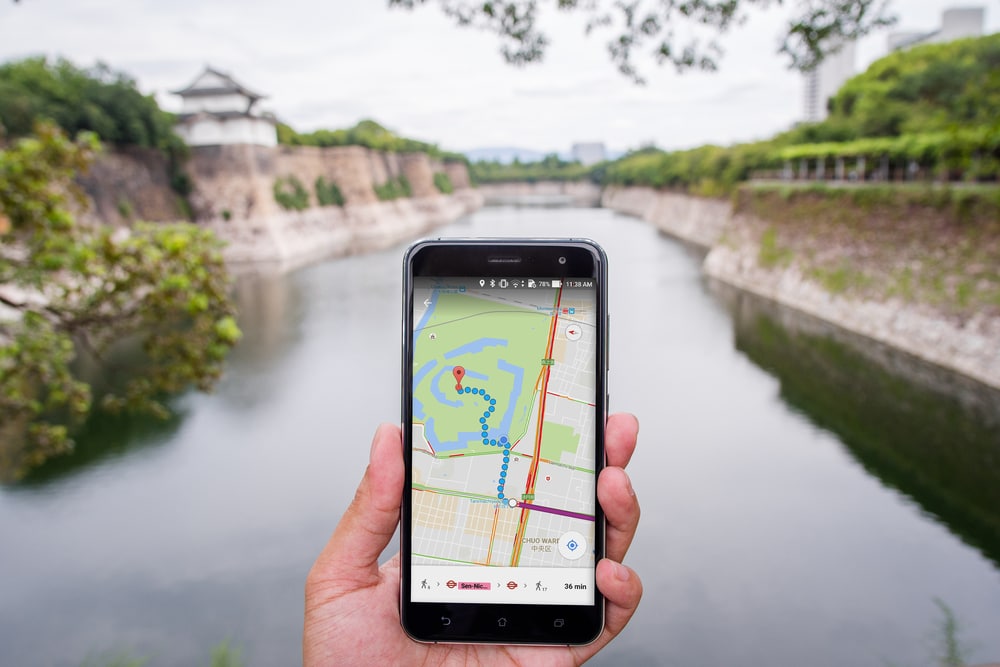
Getting on Google Maps is a simple as claiming your Google My Business listing! Literally, you just claim your listing and add your address and Google automatically adds you to Maps.

It is important to be consistent with your address across the internet, so decide whether you’re using abbreviations, like St., or the whole word, Street. This helps Google understand that Google My Business, your website, mentions on other websites, etc. are all actually the same business.

It should be no surprise that being on Google Maps is vital to running a successful tourism business. Many people use Google Maps, rather than Google Search to find places to eat, or activities to take part in. Google Maps has a function that allows users to search for, for example, “ski rental” in the area immediately around them. They are then presented with all the businesses nearby that provide that service, along with their business hours, links to services and prices, time to get there, directions, and reviews!

If all this is available to customers, why would they use, and trust, a tourism business that either doesn’t show up at all or has a poorly maintained listing?

Many consumers, especially young people, will be put off by the appearance of a business not being tech-savvy.

Posting on Google My Business

Posts on Google My Business are somewhere between ads and social media posts. They will show up in the Google My Business listing on Google search, as well as in Google Maps.

You can have a lot of fun with posts on Google My Business! They can be used to post information about events, images, a call-to-action, or you can use it to link to another site.

For example, if you run a restaurant you could use your Google My Business posts to talk about an upcoming happy hour, to encourage people looking for your type of food to come in!

If you were to post an hour or two before it starts, then people who are looking for somewhere to eat that night might be convinced.

Alternatively, if you run a rental business for outdoor sports and you have a new product in, you could use your Google My Business posts to advertise that!

Posting is even more significant to mobile searchers as it shows more prominently on the screen. In fact, Google My Business listings can fill the whole screen of a Google Search results page on mobile! Compare this with the box on the right-hand side of your results page on a browser and it’s clearly more noticeable for customers.

Of course, it’s important to make sure your postings are regular, otherwise, your business will look unprofessional and possibly lazy. If the most recent post is about a months-old special, it will reflect badly.

Bookings on Google My Business

A great asset to your customers is being able to see the relevant information at a glance, as well as being able to take any actions they want, all in one place.

The most common things people look for on Google are hours, directions, and in the case of restaurants, menus. If you display all this on Google My Business and then provide a quick booking form for people to book a table at your restaurant, a tour with your company, or a day renting your equipment, it makes it much easier to do business with you!

Connecting with customers on Google My Business

One of the more surprising features of Google My Business is the ability to have people send you text messages!

This allows you to directly connect with customers, allowing for a better experience for them. It also gives your reputation with Google a boost, as they love community engagement.

The messaging feature allows you to receive these messages as texts on your phone, or to have them sent to Google’s own app, Allo, so you can keep personal and professional messages separate.

Reviews on Google My Business

It may be no surprise that reviews are important!

If you regularly use Google to look up businesses when comparing who to use, you’ll know how disconcerting a low star rating or prevalence of reviews can be.

Equally, the number of reviews is important as well. If a business has lots of reviews it suggests that they have a good number of customers, whereas businesses with fewer reviews may be struggling to find custom.

Reviews and star ratings are highly visible on Google My Business, making them a useful distinguisher between competitors.

There are some fascinating statistics out there about the usefulness of reviews.

BrightLocal’s Local Consumer Review Survey 2018 found that:

  • 86% of consumers read reviews for local businesses (including 95% of 18-34 year-olds)
  • Consumers read an average of 10 online reviews before being able to trust a local business
  • 40% of consumers only take into account reviews written in the past 2 weeks
  • 57% of consumers will only use a business of it has 4+ stars
  • 80% of 18-34 year-olds have written online reviews – compared to just 41% of consumers over 55
  • 91% of 18-34 year-old consumers trust online reviews as much as personal recommendations
  • 89% of consumers read businesses’ responses to reviews

This clearly demonstrates the importance young people place on reviews, and this importance will only grow as these people, and even younger consumers, grow older and make up a larger share of the population.

Particularly relevant for business owners is the statistic about responses to reviews. It’s not enough merely to provide good service, you should thank people when they give good reviews and also make sure to write a good response to bad reviews.

A response to a bad review that addresses the concerns of the reviewer and explains how those issues are being improved can count as much as a good review in deciding whether to trust a business.

Services and menus for tourism businesses

If you run a restaurant, many times people are looking you up online to find your menu. It is therefore really useful to have your menu as easily accessible as possible.

This also applies to lists of services that you might want to advertise if you run a rental business, for example! Do you rent out bicycles or kayaks? Have multiple offers with different pricing options? Having your price list on google my business makes it easier than ever for customers to decide that they want to use you, rather than your competitors.

Things to be aware of with Google My Business

Hopefully, this insight has persuaded you that Google My Business is an invaluable tool for your tourism business. However, it is important to bear some things in mind when managing your listing.

  • If you don’t claim your listing, someone else can.
  • Suggest an Edit button – anyone can “suggest” an edit, but often these “suggestions” go live without notifying you, so people could use this to cause harm to your business
  • Know this place? Answer quick questions button – Google uses this to gain extra info about businesses, but it is potentially open to exploitation as anyone can use it to give false information about your business.

Therefore, it is important to make sure you not only claim the listing yourself but also maintain it and regularly check to make sure the info is still correct.

If you’re convinced of the benefits of having a well-maintained Google My Business listing but want to make sure it’s well crafted and receives regular checks, schedule a free consultation with us today!

We at Beacon Media and Marketing have extensive expertise in running online marketing for tourism businesses, including Google My Business!

Lake Tahoe is a popular tourist destination, with over 2.7 million visitors per year. If you’re a small business owner in the Lake Tahoe area you may be wondering how you can capitalize on the ever-growing tourist industry.

It has a great variety of tourist attractions, from the stunning natural beauty and hiking trails, such as Eagle Rock, to winter sports, including some of America’s best skiing. If you prefer a more laid-back approach to vacation, there are stunning beaches as well as high-end shopping and dining along the north shore.  Alongside these are historic sites aplenty, including Tallac Historic Site and the Ed Z’berg Sugar Pine Point.

Lake Tahoe is so stunningly beautiful you don’t have to convince people to visit.

However, the local tourism industry is well-established and highly-competitive, a lot of competition, with activities, beaches, and sight-seeing destinations all vying to catch the attention of visitors. An effective marketing strategy will distinguish your business from others and make sure customers find you first!

Beacon Media + Marketing has an office in downtown Reno, but our story started in Anchorage, Alaska. We have plenty of experience in developing and executing successful marketing stratgies for the competitive outdoor tourism sector. Here, we’ll summarize some of our most successful tricks of the trade, giving you an insider’s view into the world of tourism marketing.

Small business marketing

We mentioned before that we are well-placed for providing insight into marketing for the tourist industry in an area of outstanding natural beauty, which also includes historic sites and plenty for the outdoor sports enthusiast.

Here we’ll summarize some of our tips that are applicable for Lake Tahoe tourism companies, from a series of blogs on marketing for tourism and related businesses that we’ve written.

Blogging

You may have heard that blogging is important to growing your business, and it is. There are a few tricks to effective blogging. The primary thing to remember is that consistency is key! You need to be publishing regularly to get the results you want. Here are some proven methods of blog marketing:

  1. The inbound marketing philosophy is a simple concept. People are online all day, every day – this means that putting quality content in front of them is easier than ever. The core tenet of the inbound philosophy is that if you consistently provide useful content to people, they will remember you and seek you out when they need your services.
  2. People use Google to ask questions, so it’s super effective to answer them. If you’re the one people can rely on when they want to know something, they’ll remember you when they want to buy something.
  3. The waterfall method of blogging is a highly successful, and slightly sneaky, trick for getting your posts to rank on Google! Google highly rates backlinks: that is, other credible websites linking to your blog. Links of this kind act a bit like a referral, but it can be difficult to get links from other websites. So, we do what is called backlinking. This involves using your own website to provide links! A common way of organizing this, which you can use successfully for your Lake Tahoe tourism business, is called the waterfall method.

To see an example of one of our blog waterfalls, and to read more about our blogging strategy, read our blog on blogging for arctic tourism here.

Google Ads

There are two types of Google ads: display ads and search ads. Display ads pop up on websites, they are usually a graphic or image and can be identified by grey “advertisement” text above them. Search ads appear at the top of your search results page, very effective for putting you in your customers’ eye-line.

Google uses an algorithm to determine which ads you see when you search. In the fraction of a second after you press search, it takes an inventory of all the ad accounts that contain keywords or phrases used in your search.

If you want to read about google ads in more detail, including how the algorithm works, and how they can help tourism-related businesses, head over to another blog we wrote here.

Branding

We at Beacon Media + Marketing have a 5-step process for developing a strong brand.

Here is a quick overview:

  1. Understand what branding is. Your brand is your visual identity, it’s what people will think of you
  2. Brand discovery. Your primary focus in this part of the process should be focused on identifying your competition and how you can differentiate yourself from them. You also want to identify your target customers and work out how you can appeal to them.
  3. Naming. Sometimes naming can come naturally, but other times it can be the hardest part of the process, so we offer some advice:
    1. Look at competitors
    2. Consider using names of founders
    3. Consider using your location
    4. Alongside a name, you should come up with a tagline
  1. Choosing iconography, color, and font. The icon is the part of your brand that most people think of when they talk about the “brand” or the “logo”. It is the part of your brand where you can use form, rather than text to communicate your brand. It can be used to represent name, location, and mission in a quick and easily accessible manner.
  2. Management. A mismanaged brand can become messy and inconsistent, which dilutes the effectiveness of your brand. At Beacon Media + Marketing, we provide clients with a style guide that informs staff of what logo, colors, and fonts to use and how to use them.

If you’d like to learn more about branding, you can delve into it in more detail in a blog we wrote, here.

Web Design

Experts recommend that you redesign your website every 2-3 years. Why? Because product changes, staff changes, fashion, and best practices all change rapidly in business and online.

However, we appreciate that this can be a daunting task. We at Beacon Media + Marketing have 20 years of experience in the marketing industry, and a proven process for website design.

You can read about our process in more detail, here.

Meet with your team

Before you get started on your website design, it’s vital to get a handle on what exactly you want to create, what you want to say about your tourism business, and what your goals are.

We recommend gathering all the key people in your business into one room and asking yourselves questions to determine this. It is often helpful to look at some of your competitors and determine what aspects of their website you like, and what you don’t like, to help you generate some ideas .

Map out your design

Now that you have an idea of what your website should look like, and you have some concrete features you’ll need, you can create an outline.

For our clients, we create two documents to provide a guide for the website: a site map and a wireframe.

The site map is simply a flowchart or bullet list of all the pages on your website and the order in which they will derive from one another.

This then provides the foundation for the wireframe, which is a set of images in which you show the elements you want on each page and how they relate to each other.

Despite the technical name, a wireframe is just a rough sketch of what you want your website to look like and where you want the elements to be.

Write the content

Having created the wireframe and left spaces for paragraphs, it is now time to write the content that goes into those boxes. We recommend three best practices for content writing, which will allow you to produce attention-grabbing and engaging content:

  1. Keywords
    • Choosing keywords that people are searching on google, and ensuring you use them throughout your writing, is a good way o rank on Google
  2. Headers
    • Including your keywords in your headers helps Google know what your content is about. Writing catchy headers also helps draw in readers, often people just skim over the text looking for their interests; you want to catch them and keep them interested.
  3. Quality
    • Google can tell if your content is low-quality as people will quickly leave a page if it doesn’t have what they’re looking for or isn’t nice to read. If lots of people do this, Google takes it as a sign that your content is low quality and will be less likely to recommend it.

Develop your website

The site map, wireframe, and content are all going to come together in the final web design. The first step in developing your website is deciding which software to use to build it. We typically recommend WordPress, which is an industry-standard solution that is completely customizable.

When building your website, be sure to stick to your brand guidelines. A well-managed, and cohesive brand is vital for a good-looking website. (Remember, we talked about this earlier!)

Go Live

Once your website is ready to go, it’s time to publish and set it live.

If you’ve found this insight helpful, and want to learn more, be sure to check out our other blogs that go into more detail on each of these topics. Alternatively, if we’ve convinced you that your business could benefit from our expertise, you can schedule a free consultation.

Experts recommend that you redesign your website every 2-3 years.

Why?

Because product changes, staff changes, fashion, and best practices all change rapidly in business and online.

It’s also a perfect time for a new website for your arctic tourism agency because tourism is one of the few growing industries in Alaska! This means now is the perfect time for an overhaul, so you can take advantage of that growth.

However, we appreciate that this can be a daunting task.

We at Beacon have 20 years of experience in the marketing industry, and a proven process for website design.

In this blog, we’ll show you some of the processes we use for all our clients, so you can feel confident trying it out for your arctic tourism agency.

Meet with your arctic tourism team

Before you get started on your website design, it’s vital to get a handle on what exactly you want to create, what you want to say about your arctic tourism business, and what your goals are.

We recommend gathering all the key people in your business into one room and asking yourselves questions to determine this. A good thing to do is look at some competitors and determine what aspects of their website you like, and what you don’t like. Consider looking at companies in Iceland, Iceland has really grown its arctic tourism sector so these companies must know what they’re doing!

Here are some sample questions we ask our clients when looking for what they want to create:

  • What are the primary and secondary purposes of your website? What do you expect it to accomplish?
  • What information do you want your customers to find quickly on your website? 
  • Of the website designs that you like the look and feel of, what features do you like?

Map-out your arctic tourism website design

Now that you have an idea of what your website should look like, and you have some concrete features you’ll need, you can create an outline.

For our clients, we create two documents to provide a guide for the website: a site map, and a wireframe.

The site map is simply a flowchart or bullet list of all the pages on your website and the order in which they will derive from one another.

This then provides the foundation for the wireframe, which is a set of images in which you show the elements you want on each page and how they relate to each other.

Despite the technical name, a wireframe is just a rough sketch of what you want your website to look like and where you want the elements to be.

Beautiful Website Design Can Boost Your Arctic Tourism Company
Source: SmartDraw

A good wireframe will include the location of each image, header, content paragraph, buttons, or form field on each page.

There are great tools available such as MockFlow which will help you create your own!

Write the Content

Having created the wireframe and left spaces for paragraphs, it is now time to write the content that goes into those boxes!

We recommend three best practices for content writing, which will allow you to produce attention-grabbing and engaging content.

1. Keywords

The design of your website is important, but it’s wasted effort if no one sees it.

The best way to be seen is to rank at the top of people’s search results on Google.

Here at Beacon we’re experts on SEO optimization and help all our clients to rank on Google through the use of keywords.

Keywords tell google what each page of your website is about so they can show it to searchers. Importantly, keywords should not just be in your text but also in your headers.

2. Headers

Speaking of headers, you should put a lot of care into creating these as well.

Many people just skim over the text of a website and read the headers, looking for what they’re interested in.

That’s why it’s important to create catchy headers that communicate what the various sections of your website are about.

By putting keywords in them, you also help Google know what your page is about.

3. Quality content

Both users and Google appreciate good quality content.

People will continue reading and pay attention to what you’re saying (and selling!) when your content is well written, and this helps to rank on Google as they drop pages with a high bounce rate, i.e. people who click on your website and quickly leave again.

You don’t need to be a perfect writer, you just need to write from your own unique perspective, providing value to the user that they can’t get elsewhere.

It’s effective to address the reader in the second person, as “you”. It’s also useful to put yourself in the user’s shoes so you can write in a way that makes it clear why your product is so good for them.

The best sell is to make it clear how your products add value to someone’s life.

At the end of each web page, you should include a call-to-action. This is a request for the user to take action on what they have just read, such as: “Call (123) 456-7890 now for a free inquiry!”.

Develop your arctic tourism website

The site map, wireframe, and content are all going to come together in the final web design.

The first step in developing your website is deciding which software to use to build it.

At Beacon, we use WordPress for all of our arctic tourism clients.

This has many tiers of package to choose from, so you can purchase a cheap package to begin with, and add functionality if necessary.

You should choose a package that best fits your needs, taking into consideration your site map, wireframe, content, and list of concrete features and specifications that you came up with in your initial meeting.

After you have chosen your package and created an account with WordPress, the intuitive software will help you build your site.

When building your website, be sure to stick to your brand guidelines! A well managed, and cohesive brand is vital for a good-looking website. Learn more about branding for arctic tourism businesses, here!

Go live!

Once your website is ready to go, its time to publish and set it live!

Prior to this, you should make sure you’re ready. We have a checklist we go through with all our arctic tourism clients, here some examples from that list:

  • Go page-by-page throughout the website and click on all the links to make sure they will send users where they are supposed to.
  • Try out your contact form if you have one, submitting a “test” entry to make sure it delivers to the appropriate email address.
  • Enter the URL for your website in all the popular browsers including Chrome, Firefox, and Safari to make sure it looks good.
  • Visit your website on mobile as well to make sure it is properly mobile optimized.

With WordPress, you can point the domain name from your old website to your brand new one.

At that point, your new website is fully functioning and ready for visitors!

Is your arctic tourism business ready for a new website?

We hope that you’ve found this glimpse into our work helpful, but if you feel like you want to hire us to take care of the whole process for you, you can book a free consultation, here!

Perhaps you’ve heard that tourism is one of the few growing industries in Alaska. This is partly the result of a lessening of the severity of the climate (the Arctic is warming twice as fast as the rest of the world) and so-called “last chance tourism.” If you want to take advantage of this you’ll want to beat out the competition with a strong, consistent brand. At Beacon Media and Marketing have a lot of experience guiding our clients to build a strong brand that represents them.

Step 1. Understanding what branding is

It is important to understand what a brand is and what it is supposed to do.

Your brand is your visual identity–it is what people think of when they think of your arctic tourism business. Therefore, it needs to reflect your reputation and what people think of you.

There are three main things that you should aim to do with your brand:

  • Capture: if you already have a good reputation it is important to capture that and build upon it
  • Discover: if you aren’t sure how people perceive you, you should aim to find out and build on that
  • Pivot: If you currently have a bad reputation, then it may be possible to use a rebrand as an opportunity to present yourself in a new light

Read on to find out how you can make use of branding to influence how potential customers perceive your arctic tourism business.

Step 2. Brand discovery

The brand discovery meeting is a fundamental basis on which the process depends. This is an opportunity to involve your whole team and get creative working out what your brand means within the arctic tourism industry.

When doing this with our clients we like to guide them with a series of questions:

  • Describe your business in two sentences or less. What is your “elevator pitch?”
  • A brand is a promise. What is the promise of your brand?
  • What is the current perception of your arctic tourism business? What is the desired perception?
  • How do you want to position yourself in the marketplace? Are you the “value” company? The expensive boutique? The innovator? The “tried and true?” The academics? The quick-fix? The thought leaders?
  • What is your big-picture mission?

Your primary focus in this part of the process should be focused on identifying your competition and how you can differentiate yourself from them. You also want to identify your target customers and work out how you can appeal to them.

Step 3. Naming

Once you have an idea of what your brand is, you want to work on a name! In this section, we’ll give some advice on how to come up with a name, and then we’ll move on to some tips for writing a catchy tagline.

Sometimes naming can come naturally, but other times it can be the hardest part of the process, so we offer some advice:

  • Take a look at what your competitors and arctic tourism companies out-of-state are naming themselves. Consider taking inspiration from Icelandic companies – Iceland has really captured the arctic tourism industry. Don’t copy but use these names as a starting place for your own, unique thoughts.
  • Consider using the name(s) of your owner(s) or founders.
  • Decide if you want to use your location (city, region, state) in your name.
  • Think about any nouns or adjectives that struck a chord with who you are when you had your discovery meeting.

Also, try using a thesaurus! Search some of the top words from your discovery meeting, and see where that takes you.

Tagline

A tagline is an opportunity to communicate more about the business than comes across in the name.

Often the name is the result of narrowing down a longer concept. This concept can form the basis for creating a catchy tagline. Alternatively, work up from your name and expand into a message that fits within arctic tourism!

The tagline is important as it is going to pull together all the messaging of your brand. Everything else you write should tie back into this.

Step 4. Choosing Iconography, Color, and Font

For those not trained in art or design, it can be difficult to communicate concepts visually. Here we’ll give a few hints to help you start thinking in the right way.

A lot of what works here is due to human psychology and how we perceive objects, both emotionally and mentally.

Iconography

The icon is the part of your brand that most people think of when they talk about the “brand” or the “logo”. It is the part of your brand where you can use form, rather than text to communicate your brand.

It can be used to represent name, location, and mission in a quick and easily accessible manner.

A strong example of this is the icon we designed for Juneau Youth Services.

This is a company that aims to inspire hope and freedom in young people, for the present and the future.

5 Steps to Build a Strong Brand for Your Arctic Tourism Business

In order to communicate both their location and their message of freedom, we used the mountains and a bald eagle as their icon.

Icons are more versatile than the full logo and are able to be used on promotions, watermarks, and more.

When creating an icon it can be useful to look at those used by other arctic tourism businesses for reference and ideas.

Creating emotions with colors

Color is a vital aspect of branding, which we have covered in more detail here.

When looking into what colors to use it will become clear that some are good for associating with arctic tourism, while others aren’t appropriate at all.

  • Red – Red comes in a variety of shades, each with their own distinct meaning! Red could say “temptation,” “stop and pay attention,” “warning” or “danger,” “celebration,” “love,” or “femininity.”
  • Orange – Mmm, orange. We often associate this color with tasty food! A gentler version of red, orange can also communicate qualities like “light” and “life.”
  • Yellow – Just like orange, red can mean light and warmth. Like red, it can catch attention too. Yellow in its gold form represents wealth, luxury, and rank. In other shades, yellow can mean joy, optimism, or comfort.
  • Brown – If you take a natural approach to beauty at your arctic tourism business, you may want to use brown! Brown portrays earth, wholesomeness, the outdoors, organic products, and all-natural ingredients.
  • Blue – No, blue does not just mean “sad.” Blue tells our emotional minds to be at peace, reminding us of tranquility, mystery, depth, and strength. It is also used in the health and wellness industry.
  • Green – Green can be a hard color to get right. It comes in the most shades of any color in the world and it has a wide range of emotional associations! Green can mean anything from new beginnings to relaxation depending on which green you choose.
  • Purple – A mix of red and blue, purple can take on the attributes of both! If it leans in the direction of red, purple communicates energy and intensity. If it leans blue, purple takes on a calmer and loftier feel.

Adobe has a great tool for identifying complementary colors, which you can use to ensure a consistent look across your branding.

Typography

The typeface is an important component of a brand which slips under most people’s radar until you have to make decisions about it!

However, it is important to make a choice that conveys the feeling you want to inspire in people who see your brand.

Contrast the font used to advertise a horror movie with one used in an online publication.

The first is probably scratchy, broken, and sharp-looking. The second is probably clean, neat, and professional-looking.

The font should also be matched to the other elements of your logo and tie in with the overall theme of arctic tourism.

Google has a useful font tool, which you can find, here.

Step 5. Manage your brand

Once you’ve determined your arctic tourism brand, that isn’t the end of the process, it is vital to maintain and protect it!

A mismanaged brand can become messy and inconsistent, which dilutes the effectiveness of your brand.

At Beacon, we provide clients with a style guide that informs staff of what logo, colors, and fonts to use and how to use them.

Are you ready to give it a go? We hope this article will serve as a handy reference while you’re getting started!

On the other hand, we appreciate that brand creation can seem like a daunting challenge. If you are interested in hiring Beacon to take care of brand creation for you, you can schedule a free consultation, here!

You may have heard that blogging is important to growing your business, and it is. Here, we are going to cover some of the reasons why it is a useful tool for marketing in the Arctic Tourism sector and give some tips and tricks on how to do it best.

The main thing to remember about blogging is this,

Consistency is key.

Why should I put in the time to blog about arctic tourism?

If you want to see results you’re going to have to commit to regularly providing quality content to people. If you don’t persevere with it, then the work you do put in will be wasted. How will you know if you’ve succeeded? Most people never look beyond the first page of Google with one study finding that only 0.78% of searchers clicked on something on the second page of Google. Clearly then, it is necessary to get on that first page, and ideally at the top of it. But how? In this post, we’re going to cover some of the methods used by our expert marketers to get our clients on the top of the Google search rankings.

Hopefully, we’ve convinced you that getting on the top page of Google is important, but why is it specifically important for arctic tourism? Tourism is one of the few growing industries in Alaska, according to a 2016 report. This is partly the result of a lessening of the severity of the climate (the arctic is warming twice as fast as the rest of the world) and so-called “last chance tourism.” As more people start to look north for their next vacation, it’s time to position your arctic tourism business right in their eye-line, at the top of their search results.

Case Study: The Beacon Blogs

If you’re not yet convinced, let us take some time to show you we know what we’re talking about.

Two years ago we decided we wanted to move into the functional medicine industry, so, we started blogging about it. We wrote blogs about each of our services, heavily targeting the keyword “functional medicine”. Within a few months we had our blog posts ranking at both #1 and #2 on Google for the search “marketing for functional medicine”, and we’re still there. So, how did we do it?

We used a few simple tricks of the trade that you can also use on your own arctic tourism blogs. First, we wrote blogs of the specific length that works best for Search Engine Optimization (SEO), which we’ll discuss in more detail in a bit. Next, we had a focused keyword strategy. This involves writing certain keywords that you want to target in your text and headings. For the functional medicine blogs, these included “functional medicine,” “marketing,” “inbound marketing.” Finally, we ensured our posts were technically well optimized, they work on mobile, are fast-loading, and we’ve set the metadata. Metadata just means the information you provide Google about the contents of your blog so they can determine how relevant it is to searchers.

Although we ranked these two blog posts at the top of Google, that was only part of the goal. The main objective of this was to generate leads. By having these blogs at the top of Google, we generate more leads to our website which converts into more sales. These two blogs now constitute a key part of our sales funnel!

Case Study: The Mandanas Dental Blog

These techniques are not something we just keep for ourselves either! We’ve also used these strategies to help our clients find success. One of our longest-standing clients, Dr. Mandanas decided a few years ago that she wanted to start focusing on integrative dentistry. So we started blogging on the subject. Using the same techniques as for Beacon, we managed to rank Dr. Mandanas on the first page of Google. We were very happy to be able to achieve this for a valued client in a short time-frame.

This approach to blog writing uses the inbound marketing philosophy, which we’ll discuss in the next section.

Proven methods of blog marketing

In this section, we’ll discuss some proven methods for writing successful blogs, including the inbound philosophy, question answering, and the waterfall method. These are all techniques you can use in blogging for your arctic tourism business.

Inbound philosophy

The inbound marketing philosophy is a simple concept. People are online all day, every day–this means that putting quality content in front of them is easier than ever. The core tenet of the inbound philosophy is that if you consistently provide useful content to people, they will remember you and seek you out when they need your services. Imagine your customers are a cat. If you chase the cat it will run away from you, but if you have what the cat wants, it will come to you!

So, how do you go about enticing the cat? Begin by researching what your customers are interested in. There are tools available to help you find out what searches people are making on Google, we use one called Keywordtool.io. Once you’ve identified what people want to know, you can write blogs on it. People typically ask questions on Google, so answering these can be an effective way to provide quality content.

Answering Questions

We’ve established that people use Google to ask questions, so it’s super effective to answer them. If you’re the one people can rely on when they want to know something, they’ll remember you when they want to buy something. Here’s a quick rundown of our process for blog writing:

  • Keyword planning – We use Google’s own keyword planner to identify how many people are searching for certain things.
  • Finding questions – Next, we use Keywordtool.io to identify what questions people are asking about those topics.
  • Writing – The next step is the most obvious, write a blog answering that question!
  • Setting the metadata – We’ve mentioned this before, it’s basically the process of setting the title, description, and keywords in a format that Google can use to populate your result.
  • Schedule – It’s important to be consistent if you want the best results. We recommend to our clients that they blog at least 1-2 times per week, but even with a minimum strategy, you can see results in 6-9 months.

The Waterfall Method

The waterfall method of blogging is a highly successful, and slightly sneaky, trick for getting your posts to rank on Google! Google highly rates backlinks; that is, other credible websites linking to your blog. Links of this king act a bit like a referral, the website is letting Google know your post is reputable by sending people there. But it can be difficult to get links from other websites. So, we do what is called backlinking. This involves using your own website to provide links! A common way of organizing this, which you can use successfully for your arctic tourism business, is called the waterfall method.

Here’s an example of a waterfall we created for our mental health blogs:

As you can see, this looks a bit like a descending waterfall, with multiple layers all linked to one another (and to this blog too!).

Search Engine Optimization for blog marketing

Search Engine Optimization (SEO) can sound intimidating but really it’s a simple concept. SEO refers to the tools used to maximize your chances of getting highly ranked on Google. We make sure to set keywords that we know people are searching for. These are spread throughout the text and headers of the blog, as well as the URL of the page. It also means picking a title that is the perfect length, with certain power words that are shown to gain more clicks.

We hope this blog has given you an insight into how blogging can be a powerful tool for marketing your arctic tourism business. If you feel that you want to make use of our expert marketers for your business, you can schedule a free consultation. If you just want to get some more information, you can get in touch using our contact form. Thanks for reading, we hope to hear from you soon!