inbound marketing

See Our Blogs

Explore insights on SEO, AI, and digital marketing strategies designed to help your business grow, stay visible, and adapt in a constantly evolving online landscape.

Beacon_Icon_resouse

Originally published on June 7, 2018. Updated on June 26, 2020.

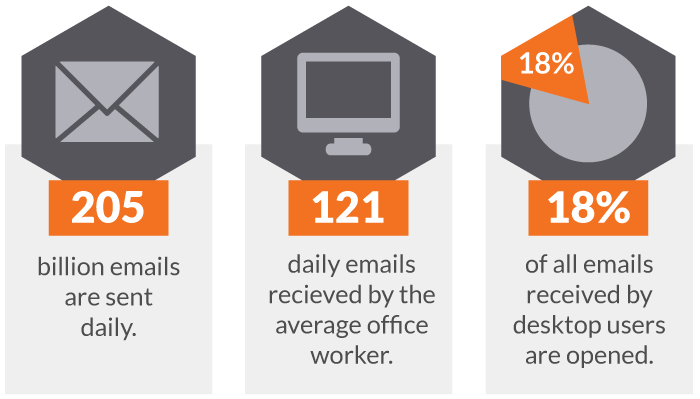
We all get a ton of email these days. In fact, according to DMR, 205 billion emails are sent daily and the average office worker gets 121 emails a day! That means there’s a lot of competition when you’re trying to implement an email marketing strategy. The email jungle gets even thicker when you consider that there is only an 18% open rate for desktop users.

The question, then, is how do you make sure your email stands out instead of blending into obscurity? The truth is that email marketing can be an incredibly effective tool to educate people about the great products or services your business has to offer, especially if they’ve visited one of your landing pages and they’ve signed-up for your mailing list, a free consultation, or a free download.

Keep reading, and we’ll run you through some basics to keep in mind when you’re developing your next email. We recommend you use these tips frequently and liberally for the best results.

Want to skip to the good stuff? Go ahead and call us.
Artboard 1

Why is email marketing important?

Email marketing is a really useful tool, and it can be used in a number of different ways. If people have signed up and indicated they want to learn more about your products or services, go ahead and teach them. It’s also a great way to build loyalty and trust in your brand. You can do this by offering perks like special rates, access to competitions, limited-time offers, prizes, exclusive question-and-answer sessions, and much more.

Once people have a good experience with your emails, they’ll be much more likely to open them, read them, and reach out to you. It also means you’ll be first in mind when they do need your products or services – for example, if you’re a HVAC company, you want to be front of mind when their boiler breaks. If you’re a fintech company, you need to be at the top of the list when they’re looking for a new POS software. If you’re a general contractor, you want them to think of you when they need to upsize their home to accommodate their growing family. You get the idea. It’s a great way to build a positive brand experience over time.

Not sure how to start? We’re email marketing experts!

Is email marketing effective?

You betcha. Email marketing is incredibly effective, when it’s done right. That’s where it gets important to read the fine print. Spam does no-one any favors. Neither does sloppy copy, rambling text, or blurry images. You need to keep your emails sharp and polished with lots of value. Here are some of the tried-and-tested email marketing tips we actually use for our own emails:

#1 Have a strong subject line

A well-crafted subject line can be one of the most important parts of your email marketing campaign, because it’s your first impression. Your email needs to hook people and make them curious enough to click and open it. Ideally, keep it to seven words or less, but don’t forget to do some A/B testing because some audiences respond better to longer subject lines. Always ask a question with the goal of making them curious. Using numbers is a great idea for your subject lines, for example, 12 Tips for a Strong Email Marketing Strategy. (Oh hey! That’s the title of this blog post! #genius) The second headline and be more descriptive. Focus on using action verbs like 5 hacks or 3 best tips to engage people and pique their curiosity. Lastly, you can use brackets to indicate what the person is going to be opening or viewing in the email. For example [infographic] or [case study pdf].

#2 Create exclusivity

Everyone wants to feel like they are part of something special, especially if it means they’re getting something before everyone else. Apple does an amazing job at this when they send out their emails announcing their new iPhones. Everyone on specific email marketing list gets an email inviting them to take advantage of their “Pre-Ordering” offer. Considering people camp out at the Apple stores to be some of the first to get phones, it can feel pretty special to get the chance to pre-order and have the phone just show up at your door! Another way to make people feel like they are part of an exclusive club is to send them a link for information prior to it going public. Send your subscribers a link to your newest blogs or offers the day before (or even hours before) they go public.

#3 Be friendly and considerate

Remember, your amazing email marketing campaign is one of about 121 other items in their inbox. It’s a good idea to call that out, and acknowledge that it is a big deal they took the time to open your email. Make it worth their while! Delight them with great photos, engage them with fun titles. Create something that will genuinely make their day better. Show them how special they are to you for taking your time and turning out quality content. Make sure you are talking to the person opening the email, not AT them. No one wants to feel talked at, but we enjoy having a conversation.

#4 Be generous and positive

Continuing in the vein from number 3, if you make a point to make the viewer happy, they will look forward to seeing and opening up your emails. Whenever you can be generous, give something away. How can you make their day better, how can you make them happy? What can you give away, you may ask? Great question. Here are some examples of email marketing winners:

  • eBooks
  • eCourses
  • White papers
  • Case studies
  • Coupons
  • Free trials
  • Blog posts
  • Free assessments
#5 Make it scannable

One way you can make their day better is by making the information in your email easy to read! Break up your content with photos and subheadings; be concise in your verbiage and if you have a lot of text that needs to be communicated, or post it as a blog on your website and use the “read more” option in the email. It’s also a great way to get some traffic back to your website. Remember, they have a lot of items to get through, and your email marketing campaign needs to be respectful of their time.

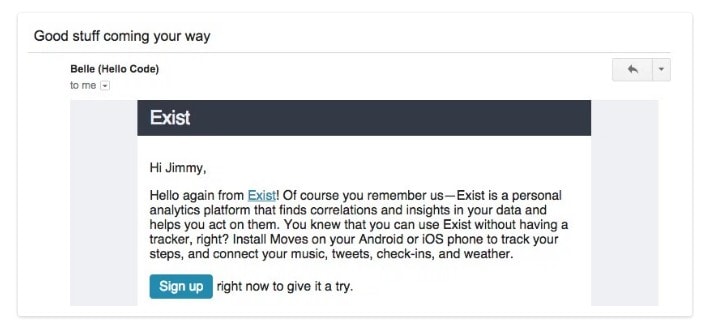
#6 Don’t let them forget

This might seem like a no-brainer, but your email marketing campaign should keep reminding readers about what it is that you do and how you can help them. Your business may be the center of your world, but they might have only heard of you in passing, so create a great impression every time.
Courtesy of Vero
Courtesy of Vero
Got the idea? Call us and let’s get started.
#7 Encourage conversion

Statistically, we see that when people are given clear ways to make conversions, they are more likely to do so. This is especially true when viewers are given small ways to engage and convert. Small options could be “Tweet This” or “Follow us on Facebook. These small opportunities don’t require much of the viewer and give them a way to engage with your email marketing campaign.

#8 Make the next step clear

One of the cardinal rules of email marketing is to be very clear on what the next step you want the subscriber to take. Content Rate Experts stress how important it is to be very clear and obvious what you want them to do. The question you want them to answer is “What do I need to do next?” You want to make sure there is a very clear way for them to answer that question and take the action you want them to take. One of the most effective ways to help viewers take the next step is to use buttons. They are clear, basic, and effective. If you want people to click on something, give them an obvious button. Make sure it is not a subtle color but clearly, stands out from the design.

#9 Segment your emails

Just because you can send someone an email doesn’t mean you should. What we mean by that is that not EVERYONE in your email list should get EVERY email you send out. Email marketing is a long game, you need to build trust with the people who are getting your emails. Make sure the offer or the information in the email is relevant to the person getting the email. For example, if they are a long-time customer, they shouldn’t get the welcome email or the email with the special for new customers.

Instead, make sure they get an email with a coupon because you value them as a long-time, loyal customer. If you’re wondering how you should segment your email marketing lists, start with your end goal (i.e. increase sales, expand brand awareness, increase engagement on social media, increase event registration) then work backward from that point and map out the journey you want the customer to take to get to the goal. Here are a few ideas of how you could segment your lists:

  • Past purchasers
  • Past asset downloaders
  • Hot leads
  • New subscribers
  • Current but not hot leads
  • VIPs
#10 Leverage social proof

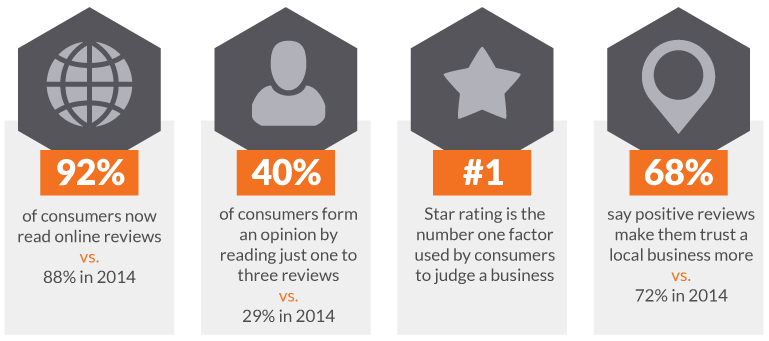
Online reviews have become one of the mainstays of people’s buying decisions, so factor that into your email marketing strategy. People trust what others say online. According to Vendasta…
Artboard 2

#11 Plan ahead

Use an editorial calendar and plan out ahead of time what your email marketing strategy is going to cover, and when. Having a plan provides for time to edit, edit, edit. No matter how effective a writer you are, it is always a good idea to have a second pair of eyes on your work prior to publishing. Following your editorial calendar also allows for time to invest thought and really put some time into your email marketing. The effort you put into the email will show through for the viewers. The difference between an email that is hastily thrown-together email and one that is well thought out and considerate of the subscriber’s time in palpable and appreciated.

#12 Respect SPAM rules

Finally, it is critical to know the rules laid out in the CAN-SPAM act. Each infraction could result in a $16,000 fine so it pays to be aware of and adhere to the rules including the seven basic rules. Be aware that you must make it clear when someone gives you their email that you will be adding them to your mailing list. Just collecting email addresses at a conference (for instance: “throw your card in the jar and be entered into a drawing”) is not enough. You must let the people know that not only will you be entering them into a drawing, but that their address will be added to your email marketing list.

Let’s send some emails. Schedule a free consultation.

Originally published on June 21, 2018. Updated on May 5, 2020.

Inbound marketing and functional medicine are a perfect match. Inbound marketing, also known as content marketing, focuses on the brand story and we rarely find more sincere, heartfelt and compelling stories than in the functional and naturopathic medicine fields.

If you’re reading this and you’re a functional medicine provider, we’re willing to bet you started your practice because you had a driving desire to change the world of your patients. You wanted to make a difference and follow a less walked but more transparent path.

This is great for two reasons. First, you change people’s lives. Second, it’s marketing gold. Don’t believe us? Author and motivational speaker Simon Sinek once said, “People don’t buy what you do, they buy why you do it.” As a general rule, a company’s “about” page is the second-most popular page on their website after the homepage. Why? It’s because people want to do business with people. They want to know who you are and what you’re about, so don’t be afraid to share your story. What motivates you?

Stay with us and we’ll run you through the basics of inbound marketing, including how it works to generate leads, the basic theory of how to get started, and how to convert sales.

Want to skip ahead? Schedule a consultation today.

What is inbound marketing?

You might be wondering what inbound or content marketing actually is, so let’s start with the definition. HubSpot, a software company, is widely credited with pioneering the concept. It defines inbound marketing as follows:

“Inbound marketing is focused on attracting customers through relevant and helpful content and adding value at every stage in your customer’s buying journey. By creating content designed to address the problems and needs of your ideal customers, you attract qualified prospects and build trust and credibility for your business.”

That’s probably the most concise definition out there. It gives you a great 10,000-foot view, but if you’re anything like use, at this point you’re probably thinking, “Well, that’s nice, but what does it mean for my practice?” That’s a really good question and we’re glad you asked.

To answer your question, we have to start with a bit of history. The internet and social media have forever changed the way consumers make buying decisions. The term “buying decisions” doesn’t just refer to shoes anymore, either, but all decisions to spend money.

Historically, functional health patients would have made a decision based on word-of-mouth, or perhaps a traditional marketing method such as a TV commercial or a print advertorial. Modern functional medicine patients, however, have more resources available than ever before. They read widely, they search for reviews, they’re swayed by opinions and trends on social media. This is important, because it essentially gives you a whole new set of tools.

People are looking to build a connection. If given any kind of a choice at all, we will all choose to do business with those we know like and trust. The internet and social media now provide practitioners the opportunity to meet your potential patients and build a connection with them before they come in. You can provide the knowledge and education they need.

“Start with the soul and end with the sale. Not the other way around.” -C.C. Chapman, content marketing expert and author.

Read more: The evolution of marketing

Inbound marketing is transparent

Transparency is critical in functional medicine practices. Modern consumers are drawn to services that help provide the answers they need – quickly. They also want to make genuine connections with practitioners. Inbound marketing forces a level of transparency in the advertising world that hasn’t existed before and education is a core component of proving value.

As a provider, you can leverage social media channels like Facebook or Instagram, increase awareness of your practice and your mission while educating and engaging with prospective customers. Your website and the articles you post on it become a powerful tool to disseminate information to searchers, establish your credibility and help develop your influence as a thought-leader.

Inbound marketing levels the playing field because it gives a voice to anyone willing to invest the time to create and distribute quality information that people want to read or watch.

Read more: How much should you spend on marketing?

Education is key to inbound marketing

Functional medicine typically operates adjacent to, and in some cases instead of, traditional medicine. Education is essential because prospective customers may not be aware of the different ways functional medicine can alleviate chronic symptoms. It’s critical to show them why your service is valuable. This includes explaining why their bodies and minds are behaving in a certain way, what symptoms can be treated, and how you plan to do so.

Search engine, social media, websites and blogs are all essential tools in a successful inbound marketing strategy, because they provide information to the people seeking it. When it’s done right, it’s not going to go everywhere. It’s going to go to the people who need and want it most. This makes it incredibly valuable, because it essentially qualifies all new leads. It’s the most effective way to use a marketing budget, because you’ll be targeting an interested few instead of the entire public.

What this means for you as a provider is that inbound marketing provides you with a dynamic platform to do what you already naturally do: educate. Again, content or inbound marketing is first about education, community, and establishing a trusting connection.

Once that’s in place, the sale will naturally follow.

Read more: Is marketing the new sales?

Inbound marketing delivers results

Anyone who has worked with people for any length of time knows how unique each person’s challenges are. Functional medicine practices strive to develop solutions as specialized and individual as the people they treat. The sector is renowned for being willing to explore new and historic solutions to medical challenges and look at problems from different perspectives.

Inbound marketing came about because traditional marketing was not adapting fast enough to a changing market. Marketing today requires more flexibility from its practitioners than ever before, because it’s constantly adapting to new technologies. Modern marketers must be willing to learn, explore, and embrace each new phase of advertising technique.

That’s why we can say from experience that inbound marketing delivers results. It’s how we generate our own leads and drive our own sales. This blog is an example, and we know it works.

Once you’ve made a connection with a prospective client and taken them through the education phase, it’s time to close a sale. This means following up with clear and strong calls to action and a personal follow-up, whether that’s over the phone or by email. You’re here to help solve their problems. Remember that, keep it front-and-center in your approach, and you can’t go wrong.

Ready to get started? Schedule a free consultation (see what we did there?).

Originally published on April 10, 2017. Updated on May 4, 2020.

Does word-of-mouth networking even work anymore? Or has it been replaced with digital or social media networks? We hear this question a lot. We believe they are both integral to any business’s marketing plan and should be strategically planned and implemented.

Networking is an important part of business. It will help you stay on top of the latest trends in your industry, find new business opportunities, meet prospective partners and clients and build awareness of your own brand. At the end of the day, people do business with people and connections matter.

Benefits of social media networking

Social media is a fantastic method of networking, in fact, we are big fans! The stats are impressive regarding the power of social media to influence consumers through people networking digitally. For instance:

There are a few best practices that we have found to be helpful for business professionals who want to use social media networking as part of their marketing plan.

  • Focus your time and energy on two social media networks. In Alaska, we have found that Facebook and LinkedIn are a great combo for business-to-business networking (B2B), while Facebook and Pinterest is a good option for business-to-consumer (B2C) industries
  • Be consistent with your interaction. Here are 10 tips to optimize your social media.
  • Offer helpful information that your target audience will find useful in their daily lives. We’re here to add value to their lives by helping them find the products or services they need, so don’t sell your products or services directly. This is important – you can read more about whether marketing is the new sales.

There is no denying the power of networking through social media to a wide range of age groups, but it’s most effective when coupled with word-of-mouth networking. Word-of-mouth is the original and best form of marketing. We can come up with effective digital strategies until we’re blue in the face, but if your product or service is good, people will talk about it. It’s the most effective marketing tool you’ll ever hope to have.

Benefits of word-of-mouth networking

Some refer to this style of networking as “old fashioned” or “traditional” networking. It’s been around since the first product was put up for sale and it’s still incredibly persuasive in purchase decisions. In fact:

  • 3.3 billion brand mentions in 2.4 brand-related conversations happen offline in America ever day
  • 54% of Americans say that their purchase decisions are driven by word-of-mouth
  • 59% of Americans believe offline or word-of-mouth to be highly credible

Word-of-mouth networking gives people a chance to build deeper relationships and increase trust. This increased trust often leads to more qualified referrals, longer professional relationships, and more profitable transactions.

As part of a targeted marketing plan, we recommend business professionals be part of at least three face-to-face networking groups. The best combination is to join two soft touch groups and one referral, focused group.

For example, if you live in Anchorage, AK, you could try:

A referral based organization like BNI is what is called a hard contact referral network because the whole organization’s focus is increasing the business for each member through referrals and word-of-mouth networking. This is also a good option to consider if you’re looking to drive brand awareness quickly.

Secrets to effective networking

No matter your target audience, it’s important to get the most of our networking and leverage the power of both social media and word-of-mouth. Used together, they allow business professionals to be highly effective at not only getting their message out to their target markets but also to build profitable client relationships.

The key, either way, is to follow up. Take your connection to the next level and get to know your new contact as a real person rather than an opportunity to boost your business. If you’ve met online, follow up with an email linking an interesting article or asking for an opinion. If you’ve met in person, follow up with an invitation to coffee or another industry event. No-one wants to stay connected with a robot.

Networking is a two-way street. It’s not just about what they can do for you, but what you can do for them as well. Connect thoughtfully. Ask people about themselves. Talk about their projects. Offer considered thoughts. Give advice if they ask. Successful networking requires give-and-take, but who knows who you’ll meet?

Need help developing your brand? Schedule a free consultation today.

Originally published by Adrienne Wilkerson, CEO, Co-Founder. Updated and revised by Sara Jokela 3/13/25

You may have heard, “Digital marketing can be an expensive endeavor, but the ROI has great payoff.” There’s truth to that statement — especially for digital marketing done well.

However, feeling hesitant about pouring money into marketing or having reservations about the but when considering whether to shift gears by hiring a digital marketing agency is normal. In fact, at some point every business owner grapples with the question, “Is marketing a good investment?”

Trusting someone else to capture the heart and essence of your brand is no small step of faith. Neither is trusting a particular advertising agency will deliver on what it says it can do — get you more customers or increase sales. The daunting reality is: the list of questions and unknowns is real and can profoundly impact your business.

What is a Marketing Agency?

Definition of a Marketing Agency

A marketing agency is a company that specializes in helping businesses attract potential customers through various traditional and digital channels. Also known as advertising firms or marketing companies, these promotion experts can focus on one or many techniques to boost a brand’s visibility and engagement. Marketing agencies play a crucial role in developing and executing strategies that drive customer acquisition and retention, leveraging their expertise to navigate the complex landscape of modern marketing.

Services Offered by Marketing Agencies

Marketing agencies offer a wide range of services to help businesses achieve their marketing goals. These services may include:

  • Social Media Marketing: Creating and implementing social media campaigns to engage with target audiences on platforms like Facebook, Instagram, and LinkedIn. This involves content creation, community management, and paid social advertising.
  • Content Development: Producing high-quality content such as blog posts, videos, infographics, and eBooks to attract and retain customers. Effective content development helps establish a brand’s authority and fosters customer loyalty.
  • Advertising: Designing and placing ads across various media channels, including digital, print, and broadcast, to reach target audiences. This can encompass pay-per-click (PPC) advertising, display ads, and traditional media buys.
  • Digital Marketing Strategies: Developing and implementing comprehensive digital marketing plans that may include SEO, email marketing, and online reputation management. These strategies are tailored to meet specific business goals and drive measurable results.
  • Value-Based Pricing Model: Pricing services based on the value delivered to clients rather than the hours worked or the specific tasks completed. This model aligns the agency’s incentives with the client’s success, fostering a more collaborative relationship.

By offering these diverse services, marketing agencies provide businesses with the tools and expertise needed to navigate the ever-evolving marketing landscape and achieve sustained growth.

Questions to Ask Before Outsourcing Your Marketing

The benefits of outsourcing your marketing to a digital agency (with a proven track-record) far outweighs the list of unknowns.

Choosing to use a digital marketing agency can (and does) trigger important questions — especially for business owners exploring this route as an option for the first time. A few questions you may find yourself pondering are:

  • How much does it really cost to hire a marketing agency?
  • Why is digital marketing so expensive?
  • Is it really worth it?
  • If I pay this much for marketing, will I actually turn a profit?

Understanding advertising agency pricing can help break down project costs and clarify potential confusion during the sales process. Using specific services or projects as examples can help clients understand the various factors that contribute to the overall cost of a branding project.

We know these are significant questions. Particularly when deciding if investing in marketing is the right (and best) choice for your business. That’s why we’ve prepared this how to guide — we want to answer some of those questions by highlighting the benefits of partnering with a digital marketing services company.

This guide is for you if:

  • You want to learn more about how much hiring a digital marketing agency costs.
  • You’re curious about how agencies structure their fees and service packages.
  • You want to discover how that partnership can pave the way for future growth and success for your business.
  • You’re researching digital marketing agencies and want to do your due dilligence ahead of your consultation meeting.

Are you interested in how Beacon Media + Marketing can help your business? Learn more about our work and how we can help your business thrive!

Why Do Costs Vary When Hiring a Digital Marketing Agency? Understanding Marketing Agency Pricing

The cost of hiring a marketing or advertising agency depends on multiple factors. Some of these variables include:

  • company size (yours and theirs)
  • reputation (theirs)
  • the scope of work (they’ll do for you)
  • geographic location (yours and theirs)

Marketing Industry Billing Trends Have Shifted

Previously, digital marketing agencies billed clients on an hourly or per-project basis. As we’ve collectively rolled into the 2020’s, most marketing firms have since changed tack. Along with the internet, the digital marketing industry itself has matured and evolved. So have standard operating practices and procedures. Most commonly seen practice these days? Client billing for ongoing monthly revolving services.

Typically, businesses prefer monthly revolving payment schemes to an hourly charge. This approach makes monthly budgeting predictable and more manageable for both sides. It also gives an agency’s clients peace of mind knowing they’re not being nickel-and-dimed.

An Agency’s Cost Per Hour Is Variable

You may observe rate variations for things like: project management, graphic design, illustration, programming, creative direction, content creation, strategy development, etc.

Our increasingly digitized world means demand runs high for skilled, senior-level staff — their talent comes at a price. Skill and experience of those doing the work as well as current market rates impact total hourly costs. Thus explaining why agencies log different hourly rates for their services.

The Per Project Billing Approach

The per project billing approach takes into consideration the different rates and skill sets for each team member assigned to a specific project.

Those individual rates are then complied and packaged into one flat fee for an entire project. This places the burden on the agency to ensure they’re working efficiently and to deadline. It also helps them make sure they’re meeting their own profit and revenue goals.

Marketing Agency Pricing Models

Marketing agencies employ various pricing models to charge for their services, each with its own set of advantages and considerations. Understanding these models can help businesses choose the best fit for their needs and budget.

How do Marketing Agencies Charge Their Clients?

While there’s no concrete answer to the question, “How much does hiring a marketing agency cost?” Each of these four variables factor into the overall equation:

  • hourly billing
  • project billing
  • revolving charges
  • managing budgets

What Should Your Marketing Budget Be?

Company size and overall revenue determine a company’s annual marketing spend. The budget set aside to spend on marketing contributes greatly to finding the right marketing agency for your business.

On average, companies allocate the following percentages of their revenue on marketing:

  • Small Business: 7–8%
  • Mid-Sized Business: 10%
  • Enterprise Business: 15%

Keep in mind: marketing is an investment. And knowing your options is essential for great payoff.

Hourly Billing Means Unpredictable Costs

Similar to accounting or legal firms, digital marketing agencies can bill by the hour for some projects. You’ll find, the ones who do so in this space are typically marketing consultants or freelancers.

As you may anticipate, multiple factors contribute to hourly rates. Geographic location, for example, will make a substantial difference as local competition is taken into consideration.

Case in point — a marketing agency in New York City. They may bill an average of $500+ per hour. In contrast, other regions of the United States, $300+ per hour is considered standard billing (according to the American Associate of Advertising Agencies). In smaller areas or markets, an average cost ranges anywhere from $95-$335 per hour. Naturally, this also depends upon the skill of the individual supplying the service as well as the specific service itself.

Many agencies have pivoted to a blended rate which, is the rate (roughly averaged) across all services and skill levels. This approach to agency billing helps simplify accounting and can work out to your favor. Especially when working with smaller marketing agencies — you’re likely to have senior-level staff involvement in your account.

Project Rates And Budget Creep

When assessing the cost of hiring a marketing agency, getting whole project quotes rather than per hour, can prove tedious. Especially as, the agencies you’re considering need time to create estimates for you. You’ll want to shop around and evaluate your options for price and quality before settling on the most appropriate fit for your budget.

A point to note is that the project rate approach makes space for budget creep. For example: A simple website redesign could be tweaked to include one or more of the following: a blog roll, social media management, or corporate photography. Adding in any of those will bump up the price. Generally speaking, a project will go up in cost when your marketing agency identifies how adding a particular service option will increase your success.

A common project many businesses turn to a marketing agency for help with is website redesign. The average prices for updating your website range between:

  • Website Design: $2,500 – $100k / website
  • Website Copywriting: $25 – $25,000 / page

Marketing agencies must accurately estimate the time their staff will take to complete the job, and they are betting on little to no issues arising. As such, this model is much less flexible. The agency must ensure its staff is working efficiently and on point if it wants to make a profit. This can both help and hinder the client.

Keep your budget in mind as you’re talking with your marketing agency about the project you want to do. Depending on your financial range and industry, your project limitations will change.

If the scope of work is clear, you’ll only pay one flat fee, making the cost of hiring a marketing agency simple and easy to assess. This arrangement benefits small businesses operating on a tight marketing budget.

Be Specific About Project Scope

If there is any wiggle room or ambiguity about or in your project brief (or the budget,) making adjustments down the line will be harder. Because of this, paying careful attention to the project scope before accepting a bid is critical. A project scope should be explicit and specific — look for the details outlining what the price does and does not cover.

Speaking from experience, vague scopes of work leaving a lot to a agency’s imagination or that are open for interpretation are high on the things to be aware of list. Be intentional and talk with the agency about the specifics of their project brief. Doing this upfront will not only save you both time and money, it will also mitigate any potential misunderstandings and correctly establish your expectations.

If you’re interested in what kind of work they can provide with your budget, it’s important to ask for examples. This is an excellent way to clarify what your expectations should be in addition to understanding better the value of what you’re getting for the price you’re being asked to pay. It’ll also help you visualize what you want the final product to look like and more clearly communicate your vision with the marketing agency.

Revolving Charges Ensure Predictable Costs with a Value Based Pricing Model

Inbound marketing is changing the scope of services and introducing a new paradigm of how billing is done to benefit the client. Revolving billing brings in the best of the project world along with the advantages of a long-term agency relationship. This makes the cost of hiring a marketing agency more straightforward and transparent than ever.

A social media marketing agency can provide comprehensive social media management, including pricing, content creation, and advertising strategies, making it easier for brands to manage their social media presence effectively.

Many agencies have a tiered system of packages that can be adapted to a specific client or project as needed. These packages, as they’re not based on monthly billing, allow marketers to provide consistency in monthly billing. They also make room for you to upscale or customize services as your business needs ebb and flow. This means: you know exactly what services you’re paying for each month! And this is a tremendous asset for annual budgets.

Below is a rough pricing guide for revolving marketing services:

  • Search Engine Optimization (SEO): $1,500 – $5,000 / month
  • Pay Per Click (PPC) Advertising: $1,500 – $10,000 / month or 5-20% of month ad spend
  • Email Marketing: $300 – $5,000 / month or $0.1 – $0.5 / email
  • Social Media Marketing: $900 – $20,000 / month
  • Content Marketing: $2,000 – $10,000 / month

These revolving services make understanding and estimating how much you’ll spend on marketing each month easier and more simple — especially for those with tight budgets. With the advice and input of your marketing agency, you’ll also more quickly identify which services provide the best ROI for your specific business. As your business grows, adjusting your budget (or services) depending on the new goals you’re trying to reach will be an easier, more straight forward process as well.

Do you want to see what services Beacon Media + Marketing can provide? Learn more about the excellent marketing services we can offer your business!

Simple Tips for Keeping the Cost of Hiring a Marketing Agency Manageable

Keeping your budget under control is crucial, especially for small and growing companies. Having worked in the marketing industry for over 20 years, we’ve learned a few essentials. We’ve acquired a lot of experience helping businesses afford the cost of hiring a marketing agency.

When considering social media services, it’s important to understand the pricing and offerings available for businesses looking to manage their online presence. This includes monthly fees and hourly rates for consultants, as well as the range of services provided by marketing agencies.

To get the best value possible for your marketing budget, do this:

  • Match your company with a similarly sized agency. Larger firms often charge more than smaller ones, so choose a marketing agency to match your size and business goals. Not only with the cost be within a reasonable range, but the agency should understand where you’re at as a company, your goals, and even your struggles because they’ll be in a relatable position themselves.
  • Have open and honest conversations with your marketing agency about your budget constraints. Most often, this will empower your agency to make the most of what you have to make service or strategy adjustments as needed.
  • Establish benchmarks for the project based on results and only increase the budget as current marketing efforts increase your company’s bottom line. This ensures the cost of hiring your marketing agency stays within your comfort zone.
  • Commit to a long-term relationship with an agency. Often, marketing agencies extend special pricing to companies willing to commit to working with them for longer. Marketing isn’t magic, it’s a process and sticking with an agency allows them to work through different strategies in order to arrive at the most successful and effective plan for your business.

What’s the Value of Investing in a Marketing Agency?

Encapsulating the true value good marketing can make to your business is challenging. It’s a given that marketing a business helps with brand awareness. However, other marketing services such as Google or Facebook ads also help escalate business by bringing client conversions.

Over time, companies have invested more money in marketing than their sales teams. Nowadays, marketing strategies take up a large chunk of business success. And with more investments happening towards marketing, finding an agency that’s well suited to you is even more critical for success.

Benefits to hiring a marketing agency include:

  • Having professionalism and expertise in the marketing industry.
  • Widening the talent pool of marketing experts who work on your business.
  • Gaining new perspectives to brainstorm the best method of marketing your company.
  • Staying up to date on all new effective marketing strategies.
  • Controlling and interacting with everything to ensure that it reflects who you are.
  • Focusing on growing your practice by providing your products or services.
  • Saving money by outsourcing your marketing instead of in-house marketing.
  • Creating a cohesive marketing strategy for long-term growth and sustainability.
  • Obtaining more content with the efficiency of a marketing team.
  • Achieving greater results with concrete data and client conversions.

Although you can do some marketing services, the whole scope of marketing is a huge undertaking and can take away from your business if done wrong. Pairing with a marketing agency allows you to benefit from a cohesive and effective marketing strategy guided by experts.

It also lets you understand which marketing aspects are doing well and what could be improved upon. For example, your website is one of the most critical aspects of your marketing. The Hubspot State of Marketing Report (2021) states that your website is the number two channel used in marketing behind social media. Similarly, their 2023 edition points out most website traffic is now flowing inbound via mobile devices and a mobile-optimized web experience can impact your ranking on Google.

In other words, if your website is outdated or not creating a positive user experience, this can significantly hinder your client conversions. Working with a marketing agency lets you have data on how well your website functions and get professional advice on what would be successful. You can then utilize their website design and development services for updates and watch your customer numbers rise through organic website traffic.

How to Choose Your Marketing Agency

Other than the cost of hiring a marketing agency a critical question to keep in mind is, “Is this agency a good fit for my business?” A good fit isn’t only about financials — that’s only one element. Evaluating based on experience, creative approach, company values, business procedures, the agency’s skill set and quality of work is also important.

Discuss the cost of hiring a marketing agency and your budget expectations with potential partners upfront. Here at Beacon, we’re firm believers in transparency and community. Make your needs clear and make decisions based on alignment with your company values. This could be the beginning of something beautiful and it’s important to lean in.

Take Your Business to the Next Level with Beacon Media + Marketing

Are you ready to see how a digital marketing agency can transform your business? Take your business to the next level with Beacon Media + Marketing! We offer several services that improve customer conversions, such as website design and development, content marketing, social media marketing, paid advertising, branding, and more. Our Beacon Media + Marketing team is excited to work with you to appeal to your target audience and encourage them to take the next step.

Are you ready to see how Beacon Media + Marketing can elevate your business? Schedule your free consultation today!


Originally published on July 5, 2018. Updated on April 15, 2020.

We’ve all heard, at some point in our lives, someone tell us: “Words can’t hurt you!” Oh, but they absolutely can, my friend. Words can implode relationships, ruin careers, and even destroy a business.

There have been far too many stories online about the person who tweeted an insensitive joke and suddenly lost their whole career after a massive public outcry, or a business owner who responded to a negative Yelp review with angry curses and insults and soon found themselves without any customers.

Words DO matter, and in an online world you never know who is watching and reading. Just as words can break you down, they can also build you up and help you soar – okay, we’re getting a little too excited here.

Want to skip to the part where we help you? Schedule a free consultation today.

How to deal with bad online reviews

We know that many consumers read online reviews when they’re making a decision on what and where to buy. It can be easy for you, the business owner, to feel like you must do everything you can think of to keep customers from ever seeing negative reviews of your business, but don’t let that fear bring you down! Negative reviews may be scary or disheartening, but they don’t have to be the Mark of Death. I’ll tell you why in a minute.

Truthfully, if someone is looking up your business online and they see no negative reviews whatsoever, their first thought is likely going to be, “Ooooh I get it, they’re just deleting all the negative ones.” Modern consumers are smart and cynical, and they’ll absolutely judge you like a gang of junior high mean girls.

If they see a negative review and see that you’ve responded with name-calling, cursing, customer shaming, or outright out-of-control rage, it gets even worse. They will instantly want no part of whatever you’re selling. They’ll gladly take their business elsewhere to someone who has shown their ability to remain professional.

The truth is it’s possible to use bad reviews to your advantage.

How? We’re so glad you asked.

Read more: The evolution of marketing.

Make your online reviews work for you

1: Pay attention to social media.

Social media can be both good and bad. Don’t just focus on comments let on Yelp, Google and Facebook. Think of it like high school – if you only pay attention to the rumors they write on your locker, you’re going to miss out on all the great rumors they’re starting about you in the lunch room at that table where the cool kids sit.

If you’re not sure where else to look, we highly recommend using tools like Google Alert to find out when your business is being talked about online. This will send you emails when a news site, a blog, or any public page mentions your product and service. You can gain so much valuable information by keeping an eye on all of the online spaces where your business might be a topic of discussion. It might even give you new ideas!

2: Remember that it isn’t personal.

We’ll say it louder for the people in the back: THIS IS NOT PERSONAL. PEOPLE LIKE YOU. YOU ARE GREAT. YOU ARE A FIRECRACKER AND NO ONE CAN DOUSE YOUR MAJESTIC FLAMING – okay, sorry, we’re getting too excited again. Ahem. Seriously, people are going to talk about businesses, about products, about the service they received, the thing they ordered, and so on.

Yes, sometimes what they say will be negative. Sometimes it’ll be angry, or disappointed, or insulting. Yes, those words can hurt like a knife in the heart. A knife covered in lemon juice. That is also on fire. We feel you. We’ve all been there, we all understand that flaming lemon-knife in the heart. But please, whatever you do, don’t react in anger. Don’t let emotion write your words, because you can’t take them back.

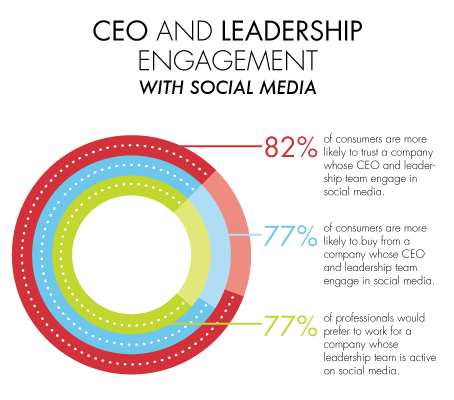
Read more: Why it’s important for CEOs to connect on social.

3: Respond promptly, personally, and calmly.

When you’re calm, remember that many times customers can and do have a very legitimate complaint. Take your time to read the comment and think about what’s been said before you reply. Have a cup of tea. Put on some sitar music. There, feel better? Also, always keep in mind that Facebook will track business response times and display that as a badge on your page, so try to respond within an hour if you are able. This is your chance to do two things:

First, respond personally and start by acknowledging the person and their complaint (instead of a copy-and-paste canned response, which is like a neon sign saying “THIS BUSINESS REALLY DOESN’T CARE AND JUST WANTS YOU TO GO AWAY”). This will show your customers, and potential customers, that you listen and pay attention to their needs. Don’t build a fort out of sofa cushions and pretend you didn’t read it.

Second, make sure your response is calm and clear. Showing everyone online that you’re cool, professional, and respectful under tough circumstances can drive customer confidence through the roof. Your words on a public page are showing the customers who you are as a business owner, which builds trust. Figure out what the issue is and decide what you, or an appropriate employee, can do to resolve it. Let the customer know this, and give them an estimate of how long it will take to resolve it or to hear back from you.

IMPORTANT DISCLAIMER: In some cases, it is okay to hide or delete a complaint, such as when the complainer is using vulgarities or the complaint is not based on a product or service but is instead an attack against you or your business. On Facebook, it is easy to remove complaints. On Yelp, there are certain rules for which complaints you can remove and which you cannot. If you’re not sure, contact the platform to ask for help.

4: Show the customer that you care.

If the complaint arose because of a mistake, acknowledge it. Sometimes, mistakes just happen – and by honestly addressing the issue, you will raise people’s respect for you. Do not fall into the trap of arguing in public, because it will do nothing but reflect badly on you. If it turns out that the customer was wrong, that can be addressed in private messages. In public, show the world your most professional, concerned, and responsible face. It’s not always easy, but it will benefit you in the long run. Also, we strongly recommend against using free products to try to make the customer go away, because this habit absolutely will be abused.

Read more: Rise of the idealistic marketer.

5: Get the conversation away from the public eye.

Once you’ve publicly acknowledged the customer, offer to private message them, or talk about the resolution via email or by phone. In today’s world, the longer you try to converse in a public forum the more time there will be for trolls and troublemakers to jump in and try to start conflict. Let the customer know you heard their concern, publicly acknowledge that you are aware and working on a resolution, and then get it out of the public eye ASAP.

6: Follow through.

Responding and acknowledging is great, but that alone won’t solve the initial customer issue. It’s like staring intently at a pile of laundry on a chair, hoping it will become clean (oh man, it would be great if that actually worked!). You need to follow up with the customer to be sure that their issue was resolved satisfactorily. This assures the customer that your concern is sincere and that you value their business, and it also gives you an opportunity to get feedback that can help you develop your products or services in the future.

Of course, we can’t make everybody happy all of the time, but you and your business will only benefit if you take the time to make your customers feel heard, valued, and important. The more professionally you handle issues like negative reviews, the more you can demonstrate your caring, the more likely a customer is to return to you in the future, and recommend you to friends and associates. Word of mouth is still the best advertising you can ever hope to have, and a little effort on your part to protect your relationships with customers is priceless.

Want to turn your online reviews around? Schedule a free consultation today.

Originally published on July 20, 2015. Updated on March 4, 2020.

Back in the 1960s, marketing was relatively straightforward. Let’s be real, you’re probably picturing the orange tones and box pleats of the advertising world featured in the TV show Mad Men, complete with boardroom discussions, concept presentations and an expensive media buy.

The industry was turned on its head with the emergence of the Internet in the 1990s. The past 20 years have seen drastic changes, with advancements in technology and the development of social media. Let’s quickly compare traditional marketing and digital marketing.

From bricks and mortar to online

THEN: Most businesses only had physical locations. This meant it was much more difficult for new customers to find businesses they had never heard of, that is, unless they saw an advertisement somewhere. They couldn’t look up anyone for reviews. And what were you supposed to do when you needed to contact a business? Remember their phone number? Or use a PHONEBOOK? Word of mouth was king and reputation was everything when it came to owning a local market.

NOW: Many modern businesses no longer require physical locations, operating completely online. Many have both. Some have physical locations only. As time passes, it’s becoming increasingly difficult to do business the old-fashioned way, because having on online presence means missing out on a huge potential expansion of customers. Customers want convenience and trust. By that, we mean they want to be able to find you easily when they need you, and they want to be able to look you up in advance to make sure you offer exactly what they’re looking for and that you’re reputable.

Having an online presence is critical in 2020. Schedule a free consultation today to talk about your website needs.

From monologue to dialogue

THEN: Marketing was a one-way street, informed by gut-feel and educated guesses. Companies would give snippets of information to potential customers, trying to persuade them to buy or use their products or services. To a large extent, customers were unaware that other options existed. If someone bought a car from Ford, for example, they were likely to continue buying from Ford because that’s what they had used in the past and they knew it to be trustworthy and reliable.

NOW: Engagement is crucial to success in a digital world. Customers feel like they can trust a company that engages with their customers, because that reminds them that they’re dealing with real people. It’s a two-way street, because businesses can utilize the feedback given via the Internet to come up with new ideas and solve problems. Furthermore, positive reviews go a long way to encouraging other potential customers to take the plunge. These are marketing gold.

Read more: 10 tips for optimizing your social media presence. 

From outbound to inbound

THEN: Traditional marketing focused on the idea of taking your business to your customers. Huge amounts of money and time were invested in buying advertising space on billboards, newspapers and magazines, as well as commercial slots on television and radio. Sales people would cold-call people and go door-knocking to find new business. Essentially, information was forced upon the public, casting a very wide net in the hope of getting a few bites from the right buyers.

NOW: Digital marketing focuses on the idea that customers will find you when they want you. As such, the idea is to make yourself as easy to find as possible. This means an active digital presence, quality content on your website and social media channels and a strong focus on search engine optimization (SEO). Rather than shouting, “buy this!” you can think of it as saying “enjoy this information we’ve provided.” Your content needs to be educational, helpful or funny to build trust with potential customers. A stellar website is key to helping your company reach its potential.

Ready to get started? We are a digital marketing agency based in Anchorage, AK, and Reno, NV. We work with clients all over the United States. Schedule a free consultation!

Next-level digital marketing

Every successful digital marketing strategy requires three basics: a website, a social media presence, and quality content. You can spend as much or as little as you like when it comes to establishing your digital presence and getting started. The most important thing is simply that your business exists online so that potential customers can find you easily.

Here’s how to take your digital marketing strategy to the next level:

Website

Your website sets the foundation for your entire strategy. Good design can lead to stronger connections, more sales leads and a better conversion rate. If you’re transferring to digital from a traditional marketing strategy, it might help to think of it as an online brochure that showcases your products and services and gives customers an idea of what your business is about.

Here are the most important things to keep in mind:

  • Lead generation: Didn’t think you could get a measurable ROI from a website? Yes, you can.
  • Automation: Your website will act as a virtual sales rep, qualifying leads while you sleep.
  • User experience: Guide your prospects on a journey that leads to doing business with you.
  • SEO optimization: Gain more customers because they can find you online when they need you.
  • Mobile optimization: Most web visitors use mobile devices. Use that to your advantage.
  • Multimedia optimization: Videos and graphics create human interactions with customers.
  • Professional appearance: Bring in the right customers by creating the right first impression.

Sign me up! Click to learn more about our website and development service.

Social Media

Social media is the best way to connect with the people who want to do business with you. The key is to prioritize genuine customer engagement. There are lots of different theories about how to do this best, but we think it’s simple: remember you’re talking to HUMANS. Lots of companies fall into the “sell, sell, sell” trap, but the truth is that prospective customers are real people with real problems.

Here are some things to consider in developing your strategy:

  • Team brainstorming: Good ideas can come from anywhere, so utilize your full team.
  • Campaign objective: Define a clear and measurable goal for every campaign to stay consistent.
  • Campaign budget: Run your ads at the budget that will receive optimal ROI and save.
  • Target audience: Delivering your message to the right people will make sure they take action.
  • Editorial calendar: Know what’s coming up next in your social media content and promotions.
  • A/B testing: Test your ads and audiences to learn what works and optimize messaging.
  • Creative media: Show people interesting content that encourages them to engage.
  • Reporting: Daily monitoring and regular reporting is critical to success.

Not sure where to start? Learn more about our social media marketing service.

Quality Content

Imagine a world where you’re at the top of every Google search. Sounds good, right? It all comes down to content marketing. Quality content generally comes into two forms: articles and videos. The idea is to create content that is wonderful to consume while being full of keywords that will help you rank on search engines, working hard to flood your business with qualified leads.

Here are the basic concepts you’ll need to get started:

  • Editorial calendar: Make sure you cover your bases and stay inspired for the future.
  • Best practices: Trends and algorithms change, so stay up-to-date with the latest advice.
  • Headlines: Get clicks with headlines that have been approved by a title optimization algorithm.
  • Subject matter experts: Interviews with experts will position you as a thought-leader.
  • Research: Make sure you share good information that is accurate and interesting.
  • SEO: Use keywords, metadata and backlinks to make sure your content ranks in search.
  • Multimedia: Good images and videos go a long way to increasing engagement and trust.
  • Calls to action: Your content needs to create results, so include a strong call to action.

We get it, this is a lot to take in. Learn more about content marketing and video marketing.

To go ahead and get started, book your free consultation today!

Originally published on August 3, 2013. Updated on May 31, 2019.

So you want to be a connected CEO? You want to take the plunge?

Great! But where do you actually start?

Corporate social media 101

  1. Make sure your company has a social media policy that both the PR and HR can agree and live with. Then stick to it. This may seem obvious, but depending on your industry, there can be some tricky areas to navigate when communicating via social media.
  2. Decide which social media platforms you want to “own” as the company’s CEO. There is a lot out there and it’s easy to get burned out. We recommend picking three to focus on and master. We also recommend checking with your PR/Marketing department to find which ones they believe to be the most effective for your company and industry.
  3. Be consistent! It would be better to not do social media or only use one social media outlet than to be sporadic. Set up yourself on a schedule for posting and/or blogging. Some social media platforms like Twitter take a lot more time and should have multiple posts a day to be effective, others like a blog could have one post a week.
  4. Establish and maintain a voice. Social media is just that, social. It is all about conversations. Be yourself and communicate the way you would naturally do with a friend or colleague. People want to connect with the real you, they are looking to feel connected to you and therefore the company you lead.
  5. Finally, we highly recommend having a least one person who can be a second pair of eyes to double check content, basic typos, or other things we might miss composing material. After we take the time to actually post, the last thing we want are typos in our material. Twitter is a little more difficult since it is probably the most casual and spontaneous of the social media outlets. But even so, if you’re responding to a PR issue or posting a response to a national or international crisis for instance, it is better to take the time and get the post proofed prior to sending it out.

Have questions? Schedule a free consultation today.

Meeting the challenge of integrating digital and traditional marketing…the struggle is real!

We can pretty much all agree that digital marketing is here to stay. Websites, SEO, social media marketing, blogging, pay-per-click, email marketing, digital ads, video content; it all comes together to form digital marketing. And many businesses are struggling to integrate their traditional marketing with their digital. So if you are overwhelmed, you are not alone.

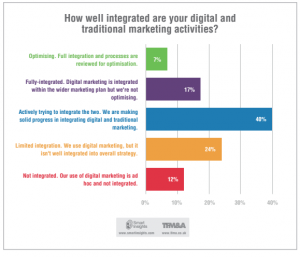
How well integrated are your digital and traditional marketing activities?
Infographic courtesy of Smart Insights

The digital world and all of its rapid changes have disrupted the way we communicate and therefore market in a momentous way. This means we have to adapt or our marketing lags, which affects business and none of us what that. But should you jump 100% into digital marketing leaving traditional marketing methods goodbye? We say not really and not yet. Thought that leads us to the next question, what challenges do we face in pulling the two together? Here’s what companies polled by Smart Insights had to say…

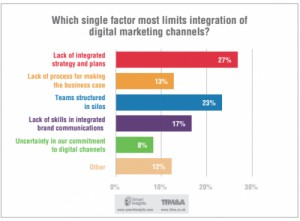
What single factor most limits integration of digital marketing channels?
Infographic courtesy of Smart Insights

As you can see, for the most part, companies struggle to have a plan for bringing the two sides together followed closely by the silo conundrum. So let’s have a look at these two problem areas.

First, Lack of Integrated Strategy and Plans:

We see this most in companies trying to do it all on their own. Often whoever has had the responsibility for placing ads (i.e., print, radio, TV, etc.) gets tasked with figuring out this whole digital thing and throwing some time and money at it. There are several inherent issues with this.

  1. Time may seem like a silly problem to start with, but it is often the one we see the most. While digital marketing is not rocket science, it takes much more of an investment of time that traditional marketing. In traditional marketing, an ad gets created and sent to the magazine or radio station to run its course. In digital marketing, fresh content has to be created every day, often multiple times a day to see a return. This is a total shift in the allocation of time and thought process.
  2. Research is also a big time sucker since digital marketing is evolving as rapidly as technology, so pretty much beyond the speed of light. Seriously, you’ll get whiplash trying to keep up with every new social media channel out there.
  3. Original content is the name of the game when it comes to digital marketing but where do you come up with all of that original content? It can be a real challenge to keep coming up with fresh, engaging content for your target audience.

The solution is to make sure enough time is devoted to creating quality content; which is true regardless of whether it is an in-house person or a marketing company who is doing the work. And enough time must include research into new trends as well as in the production of content. We recommend at least an hour per day just for research, which is what we build into our content creators’ and strategists’ daily schedules. Also having a team to brainstorm content ideas makes a huge difference in the quality of the content.

Second, Teams Structured in Silos

Now let’s say you decided to hire a separate person to tackle this whole digital marketing thing. While that often can sound like a good idea, in theory, most companies find that it creates more challenges that it solves. Here’s our take on it. Digital marketing is often intimidating because of how closely tied it is to technology and therefore how often it radically changes. Having two marketing specialists can create a disjointed marketing presence if each specialist is just focusing on their channels. Instead, it is more critical than ever before to make sure that your company’s marketing, it’s messaging is consistent across all channels, digital and traditional. Marketing is marketing, regardless of the channel used.

The solution here is to look at marketing as a whole. While different techniques must be used to implement the message depending on the channel, it is key to keep a special focus on the consistency of the story across the board. Often it takes a great deal of creativity to figure out how to best represent the message between the different mediums.

So it is vital to make sure your marketing staff or your marketing company can look at the whole picture of your marketing. They need to understand that it is critical to integrate your traditional and digital marketing to ensure efficient and effective marketing.

If you are interested in how we pulled the whole picture together at Beacon, we would love to have a chance to chat with you about how powerful integrated marketing can be. Give us a call at 907-563-6008 or shoot us an email at [email protected].

Before we share our three secrets to success with Inbound Marketing, It’s important that one has a basic understanding of what Inbound Marketing is and how it differs from, “Old School” or “outbound” advertising.

The concept of Inbound Marketing all boils down to common sense. It refers to online marketing activities that direct visitors to you (Inbound), rather than marketers having to go out to get a prospects’ attention (Outbound). Inbound Marketing earns the attention of customers, makes the company easy to be found, and instantly includes your company in the clients conversation of their needs. The Inbound approach draws customers to your website by engaging clients with interesting and valuable content.

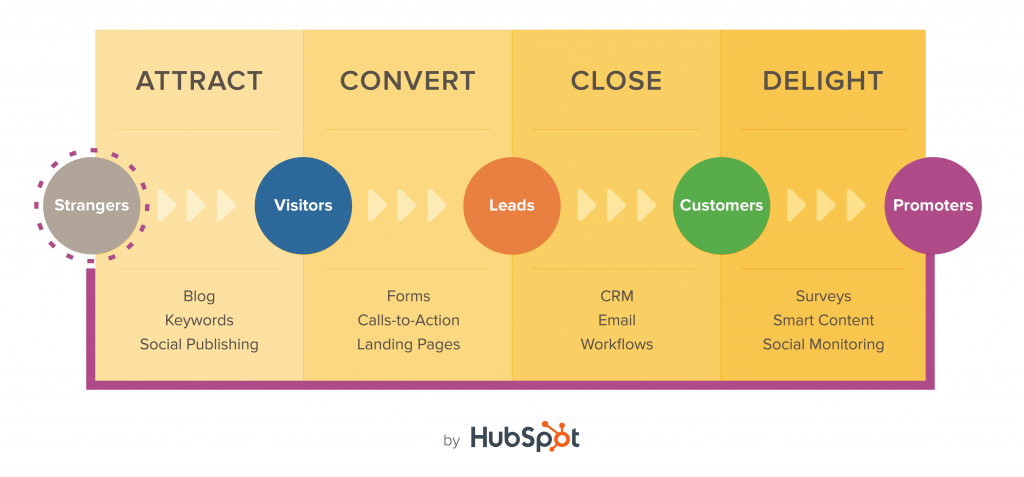
“The Inbound Methodology is: The best way to turn strangers into customers and promoters of your business.” Hubspot explains.

When businesses begin to think like their potential customers, that’s when the lightbulb goes on. The statistics are overwhelming. 86% of the buying population no longer trust “outbound advertising” no longer are the days when a business can put out a message about themselves that doesn’t match what the client feedback and experiences are. At best, the message is ignored, at worst, it’s refuted publicly through social media channels. For example, GAP’s attempt last year to present a new logo and image was blasted by followers and fans alike until GAP actually pulled the new branding campaign and reversed its position.

Inbound Marketing

If potential customers don’t trust your business’ “outbound” message, you might ask what’s the point of marketing at all? This is exactly the point- the same people who don’t trust your advertising message do trust their friends reviews and recommendations at a whopping 77% and interestingly they trust Google’s recommendations even more at 92%… That’s where Inbound Marketing comes in. You are delivering information to people that they really are interested in, making sure your reviews and targeted placements are showing up in the correct searches so that they share it and recommend you to their friends. Basically, you are meeting your current and potential new clients where they are at instead of telling them to meet you  on your terms.

You may wonder how you can start applying this to your business.  Here’s Our Three Secrets to Success that have helped us grow our business over 300% and many other businesses in Alaska and beyond using Inbound Marketing.

  1. Learn about your customers. Its not just their demographics, but their interests, and their preferences. How can you start providing helpful information if you don’t know what they are interested in? If you are selling running shoes, your target demographic may be very interested in what the best running trails are in the area. If you are providing those answers and solutions to your clients deeper interests and needs- you will have raving fans indeed.
  2. Be More Helpful! When your potential client interacts with you whether it be on your website, Facebook or Instagram- Are you more helpful than your competitors? Is your website user friendly and easy for them to find what they need? Do you have videos explaining your product or service? Do you respond to questions on social media when they are asked? Being more helpful and easy to work with is a natural extension of the Inbound Marketing process. You’ve already gotten their attention by providing the information they are interested in- now convert them to clients by making it easy to do business with you.
  3. Master Your Niche and Delight Your Fans! If you really want to be successful using Inbound Marketing you need to know your stuff. Work to become an expert in your field and then share that information freely. At first, it seems counterintuitive to give away your expertise, but when you realize that it’s in the the very act of giving away helpful and useful information that establishes you as the expert and the person/company they want to do business with- then- it’s worth it. We’ve put this into practice in our own industry. We founded the Alaska Inbound Marketing Summit, which brings to Alaska the best of the best in the industry from Facebook, Google, Hubspot Partners, LinkedIn, Pinterest & more. This one day annual event with knock your socks off with Inbound Marketing knowledge. We’re giving away our knowledge, connections and best practices to potential clients and competitors alike. Our efforts in putting this event together have produced an incredible fan base, new clients, awards and speaking engagements all over the state. We’ve established our niche and hope to continue to delight our fans for many years to come.

I hope these three secrets of our success inspire you to jump in to this new world of Inbound Marketing. There’s no question that Inbound Marketing is winning the battle in the advertising and marketing world- more and more dollars are being spent on these methods and the stats show that the return on investment yields a triple return from traditional advertising. That’s great news for all my small and medium business friends- saving money on marketing and increasing sales is always a good thing!

If you have questions on how Inbound Marketing can or will help your business – send us a message, tweet, Facebook message, email or even a phone call (907-563-6008). We are truly thrilled and excited to help Alaska become a leader in Inbound Marketing’s best practices!