May 4, 2020

See Our Blogs

Explore insights on SEO, AI, and digital marketing strategies designed to help your business grow, stay visible, and adapt in a constantly evolving online landscape.

Beacon_Icon_resouse

Originally published on April 10, 2017. Updated on May 4, 2020.

Does word-of-mouth networking even work anymore? Or has it been replaced with digital or social media networks? We hear this question a lot. We believe they are both integral to any business’s marketing plan and should be strategically planned and implemented.

Networking is an important part of business. It will help you stay on top of the latest trends in your industry, find new business opportunities, meet prospective partners and clients and build awareness of your own brand. At the end of the day, people do business with people and connections matter.

Benefits of social media networking

Social media is a fantastic method of networking, in fact, we are big fans! The stats are impressive regarding the power of social media to influence consumers through people networking digitally. For instance:

There are a few best practices that we have found to be helpful for business professionals who want to use social media networking as part of their marketing plan.

  • Focus your time and energy on two social media networks. In Alaska, we have found that Facebook and LinkedIn are a great combo for business-to-business networking (B2B), while Facebook and Pinterest is a good option for business-to-consumer (B2C) industries
  • Be consistent with your interaction. Here are 10 tips to optimize your social media.
  • Offer helpful information that your target audience will find useful in their daily lives. We’re here to add value to their lives by helping them find the products or services they need, so don’t sell your products or services directly. This is important – you can read more about whether marketing is the new sales.

There is no denying the power of networking through social media to a wide range of age groups, but it’s most effective when coupled with word-of-mouth networking. Word-of-mouth is the original and best form of marketing. We can come up with effective digital strategies until we’re blue in the face, but if your product or service is good, people will talk about it. It’s the most effective marketing tool you’ll ever hope to have.

Benefits of word-of-mouth networking

Some refer to this style of networking as “old fashioned” or “traditional” networking. It’s been around since the first product was put up for sale and it’s still incredibly persuasive in purchase decisions. In fact:

  • 3.3 billion brand mentions in 2.4 brand-related conversations happen offline in America ever day
  • 54% of Americans say that their purchase decisions are driven by word-of-mouth
  • 59% of Americans believe offline or word-of-mouth to be highly credible

Word-of-mouth networking gives people a chance to build deeper relationships and increase trust. This increased trust often leads to more qualified referrals, longer professional relationships, and more profitable transactions.

As part of a targeted marketing plan, we recommend business professionals be part of at least three face-to-face networking groups. The best combination is to join two soft touch groups and one referral, focused group.

For example, if you live in Anchorage, AK, you could try:

A referral based organization like BNI is what is called a hard contact referral network because the whole organization’s focus is increasing the business for each member through referrals and word-of-mouth networking. This is also a good option to consider if you’re looking to drive brand awareness quickly.

Secrets to effective networking

No matter your target audience, it’s important to get the most of our networking and leverage the power of both social media and word-of-mouth. Used together, they allow business professionals to be highly effective at not only getting their message out to their target markets but also to build profitable client relationships.

The key, either way, is to follow up. Take your connection to the next level and get to know your new contact as a real person rather than an opportunity to boost your business. If you’ve met online, follow up with an email linking an interesting article or asking for an opinion. If you’ve met in person, follow up with an invitation to coffee or another industry event. No-one wants to stay connected with a robot.

Networking is a two-way street. It’s not just about what they can do for you, but what you can do for them as well. Connect thoughtfully. Ask people about themselves. Talk about their projects. Offer considered thoughts. Give advice if they ask. Successful networking requires give-and-take, but who knows who you’ll meet?

Need help developing your brand? Schedule a free consultation today.

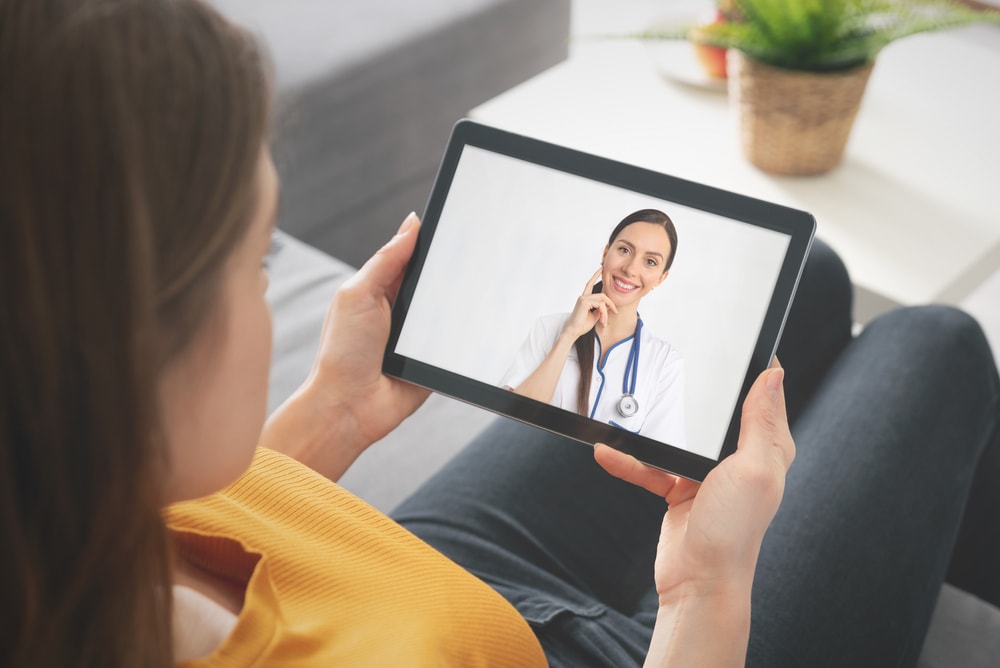
This year has been a wild ride for many businesses. Some have encountered unprecedented challenges, while others have seen remarkable growth. Telemedicine is one of them.

This is due to the rapidly changing health climate, with patients being encouraged not to visit physical medical practices, in order to reduce the spread of COVID-19. These issues increased public awareness of telemedicine and provided a valuable alternative for people who need healthcare.

Some experts suggest social distancing practices will extend as far into the future as 2022, so it seems that telemedicine is likely here to stay. Aside from the obvious benefits, like avoiding germ-filled waiting rooms, there are many advantages to delivering health services this way.

For example, people with mental health conditions may be more comfortable at home. Practitioners can work remotely, opening access to services for people living out of state or in rural or remote areas. It’s good for business, too – less physical space is required, which means practices can save on overheads such as rent.

How can you serve as many patients as possible during this time?

Ready to get started? Schedule a free consultation.

What patients will telemedicine help?

The vital first step in any successful marketing campaign is identifying your target audience. If you don’t know who you’re aiming your product or service at, you simply can’t market it effectively. Knowing who your service is aimed at will alter how you’ll market it – we’ll discuss that later.

For example, if your mental health practice wants to reach environmentally-minded millennials, you might point out that it reduces travel, thereby reducing vehicle emissions. However, if you’re targeting those with young families, it may be more effective to mention how much less hassle it is to have an appointment in your own home, rather than convincing children to go to a physical address. 

This is important when marketing mental health, as varying demographics have different rates of common mental health issues. For example, depression rates are higher among younger people.

There are a few questions you can ask yourself, to determine who exactly your target market is: 

  • What is their demographic? Think about age, income, location. All of these affect people’s relationships with their medical practice. 
  • Where are they located? In rural areas people may have less access to a doctor, while in busy cities people may want to avoid the hassle of taking the metro. 
  • What time of day do people want appointments? Telemedicine can be a great way of extending your hours by using a remote office in another time zone, allowing people to have an appointment before or after work, rather than taking time off. 

How will telemedicine solve their problem?

Every successful marketing campaign helps people solve a problem. Sore neck? See a chiropractor. Bleeding gums? See a dentist. Fuzzy vision? See an optometrist.

What do people need most from you? Your telemedicine service will be most successful if you know what the needs of your target market are so that you can not only design it around what will work best for them but also leverage those needs to show how it can benefit people. 

Knowing why people are using your service allows you to base your marketing campaign on those factors. Think of your customers like a cat (bear with us for a second here). The metaphor goes like this: when trying to entice a cat, don’t chase it, it will just run away. Instead, have what the cat wants, and it will happily come to you! You can read more about that  here.

In this metaphor, the cat represents your patients if you want to get more patients to use your mental health practices telemedicine service you need to show that it adds value to their lives.

Read more: Inbound marketing is perfect for functional medicine.

Make telemedicine services easy to access 

All health services require trust. Patients need to be comfortable with you. When it comes to a telemedicine environment, this means your services need to be easy to find and use. In practice, this means making it as easy as possible for your pre-existing patients to sign up for the online service. You could even go one step further and make this an automatic process!

If you make telemedicine easy, people will be more likely to use it. 

Of course, this needs to extend to new patients. Make sure your marketing shows how fast it is to sign-up! If your ads take people directly to a quick sign-up process, or if you provide an easy sign-up in your physical practice, or from your website homepage, you’ll get more conversions.

This is another vital aspect of marketing a service for those in need of urgent support – for example, regarding their mental health. Issues such as depression can make people less willing to go out, so making your service easy to reach will help those who need it.

Read more:  Developing a functional medicine marketing strategy.

Integrate telemedicine in your marketing 

This step may seem obvious, but it can really make the difference to a successful marketing campaign. Using social media is a great way of getting the word out, because it’s both cheap and effective! 

It is important to remember that different platforms tend to be used by different demographics. This can be a great advantage as it allows you to better target your service. For example, Facebook tends to be used by older users, while Instagram tends to have more of a millennial user-base.

Using the mental health example we listed earlier, research shows that it’s having a significant effect on young people. If you’re aiming to reach those people, and let them know that you can now support them with telemedicine services, then Facebook may be less effective than Instagram. You can read more about optimizing your social media here.

Another useful online tool which is really gaining prominence is Google My Business. This allows you to claim your Google Maps listing and allows you to post in the Business box that appears in people’s search results. Modern customers tend to know what they’re looking for, so if you want to learn more about how Google My Business works, check out our blog here.

You’ve probably already got a website and patients are already using it to find your contact details or make online appointments. This makes it the perfect place to convert some of those people to your telemedicine service. This can be a highly effective way of improving take-up. 

Hire a marketing company 

If you really want to capitalize on the current surge in demand, while positioning your practice for the future, it might be better to take advantage of the expertise a professional marketing team could bring. This would allow you to get information about your telemedicine service out there as quickly as possible, in a way that is sure to gain results. 

The team at Beacon Media + Marketing has years of experience in supporting medical practices. Let’s talk about how we can optimize your strategy and support your patients.