Reno Marketing

See Our Blogs

Explore insights on SEO, AI, and digital marketing strategies designed to help your business grow, stay visible, and adapt in a constantly evolving online landscape.

Beacon_Icon_resouse

Ask a practice owner to name their referral sources, and you’ll get a real answer. The hospital discharge planner. Two pediatricians. The EAP contract. The church counseling program down the road. They can tell you which ones send steady volume, which ones dried up last spring, and which relationship needs a lunch. If one of them disappeared tomorrow, they’d feel it inside a month and be working the problem that week.

Now ask the same owner where their patients find them online.

The answer is almost always Google, said with a shrug, the way you’d name the weather.

How Did Google Become the Only Room?

Nobody decided this. There was never a meeting where a practice owner looked at the options and concluded that one company’s algorithm should sit between them and every prospective patient in their county. It happened the way most concentration happens, which is quietly, because the thing was working and it was the only thing anybody could measure.

Google was generous for about fifteen years. It gave us clean numbers, a dashboard that updated overnight, and a story we could tell the board. Everything else in the discovery landscape was harder to see, so it got treated like it wasn’t there. Marketing budgets follow measurement, and measurement followed Google.

Nobody decided this. It happened while everyone was busy running a practice.

So the practice ended up with a single point of failure at the very top of the funnel, and the owner who would never accept that from a referral relationship accepted it from a search engine without ever knowing they’d made the trade.

I want to be careful here, because this is not an argument that Google stopped working. Google works. It’s still the biggest room in the building. The point is narrower and, I think, more uncomfortable: it stopped being the only room, and most practices have not adjusted their behavior to match.

Where Are Patients Actually Finding Providers Right Now?

Start with the one nobody expects. According to Statcounter data compiled by Backlinko, Bing now accounts for roughly one in ten U.S. searches across all devices, and close to one in five on desktop.

Desktop. Sit with that for a second, because in behavioral health it matters more than it does almost anywhere else.

Think about who’s on a desktop in the middle of a Tuesday. Somebody at work. On a Windows machine, in Edge, defaulted to Bing, using their lunch break to look up whether their insurance covers therapy, because the work computer is the one their spouse won’t pick up and scroll through that evening. That’s not a rounding error in your traffic. That’s a person doing the most private search of their year on the only device where it feels safe, and if you’ve never once checked how your practice appears on Bing, you have no idea whether you were there for them.

Then keep going, because Bing is only the first surprise.

There’s the insurance plan’s provider directory, which for a huge number of patients is the actual first stop, ahead of any search engine, because coverage is the gate everything else has to pass through. There’s Psychology Today, Healthgrades, and the specialty directories, where people compare profiles side by side using filters before they visit a single practice website. There’s the map listing. There’s a Facebook group for parents of teenagers where somebody asked for a recommendation last week and four people answered. There’s a Reddit thread from 2023 that still ranks.

And now there’s the newest one. rater8’s 2026 Patient Choice Report, a survey of nearly a thousand U.S. adults, found that among patients who searched for a provider in the past year, AI tools were cited as an influence slightly more often than Google search itself, and slightly more often than a recommendation from another doctor.

Every one of those is a room where a decision about your practice gets made, and most of them have never appeared in a marketing conversation at your practice.

What Does This Concentration Actually Cost You?

Here’s what makes this so hard to catch. The failure is completely silent.

When a referral partner stops sending patients, you notice. The volume drops, somebody says something, you pick up the phone. When you’re invisible on a channel you were never on, nothing happens at all. There’s no drop, because there was never a number. There’s no complaint, because the person who couldn’t find you doesn’t know you exist and has no way to tell you.

You don’t get a notification telling you that you were invisible.

This is also why the dashboard can’t save you. Analytics is a rearview mirror pointed at the roads you already drove. It reports faithfully on the channels you’re in and says absolutely nothing about the ones you’re not. A practice can look at a report showing 80% of traffic from Google and read it as proof that Google is where the patients are, when it’s equally consistent with Google being the only place they ever bothered to show up.

Your analytics can only report on the rooms you’re already standing in.

And the one question that’s supposed to close this gap mostly doesn’t. “How did you hear about us?” gets you whatever comes easily to mind. It gets you the last thing, not the first thing, and certainly not the six things in between. A patient who heard your name in a Facebook group in March, checked your reviews in April, found you again through their insurance directory in June, and finally called in July is going to say “I think I found you online.” That answer is true and nearly useless.

What Would You Do If This Were a Referral Problem?

You’d already know, which is the whole point of framing it this way.

You’d start by finding out where the volume actually comes from instead of assuming. You’d look at the sources you’d never worked and ask whether there was a relationship worth building. You’d stop treating the largest partner as permanent. You’d diversify, not because the big one is bad, but because depending on one of anything is a decision you should make on purpose rather than drift into.

That’s it. That’s the entire strategic move, and there’s nothing clever about it. The reason it hasn’t happened isn’t that owners lack sophistication. It’s that this work is unglamorous, it’s spread across a dozen platforms nobody owns, it produces no dopamine, and there’s no dashboard that makes it feel like progress. So it stays undone in practices that are otherwise run beautifully.

Why This Matters More in Behavioral Health Than Anywhere Else

Now the part that actually keeps me up.

The person looking for you is not running a channel strategy. They’re not optimizing their search. They finally decided, after weeks or months of talking themselves out of it, that they’re going to do something about this. And in that moment they’re going to look in whatever room they happen to be standing in. The work laptop. The insurance portal, because money is the thing they’re most afraid of. The group chat with the one friend who’ll get it. Whatever their kid’s pediatrician wrote on a sticky note.

The person looking for you isn’t running a channel strategy. They’re scared, and they’re looking in whatever room they happen to be standing in.

We say “meet them where they’re at” constantly in this field, and we mostly mean it emotionally. Meet them in their fear, in their ambivalence, in their shame. That’s right, and it’s not enough anymore. Meeting people where they are is also a logistics problem now. It means being present in the physical and digital places they’ll actually be standing in when the window of courage opens, because that window does not stay open long, and it does not reopen on your schedule.

A practice that’s only findable in one room is asking every prospective patient to walk to it. Most of them are barely able to make the first step as it is.

So here’s what I’d ask you to sit with this week. If your practice’s presence on Google went away on a Thursday morning, how would you find out? And how long would it take?

I’d love to hear your answer, especially if it’s the uncomfortable one.

People are exhausted. Not just personally — digitally. They’re drowning in content, notifications, browser tabs, podcasts, reels, newsletters, AI-generated summaries, and more. And it’s changing how they find you, how they decide to trust you, and how they eventually hire you.

Here’s what that means for your marketing: the straight-line path from “saw your ad” to “booked a call” is disappearing. And if you’re still trying to track it like it’s 2024, you’re missing most of the picture.


The Attribution Problem Nobody’s Talking About

Let me be honest with you. Attribution has always been messy. But digital overload has made it significantly messier — and most practices don’t even know it yet.

Here’s what’s actually happening. A potential client sees a reel of yours on Instagram. They don’t follow you. They forget about it. Three weeks later they Google a question, land on your blog, and bounce without converting. Then your name comes up in an AI overview. Then a colleague mentions you over coffee. Then they hear your podcast while they’re driving. By the time they fill out your contact form, they click “Google search” — because that’s the last thing they remember.

Your analytics say: Google organic.

The truth? It was everything. All of it. Over months.

“The straight-line path from ‘saw your ad’ to ‘booked a call’ is disappearing. If you’re still tracking attribution like it’s 2024, you’re missing most of the picture.”

This is what we call the dark funnel — the touchpoints your tools can’t see. And in behavioral health, where trust takes longer to build and the decision to reach out is deeply personal, the dark funnel is enormous.


Why Overloaded Brains Don’t Follow Linear Paths

There’s research behind this, and it confirms what we’re seeing in practice. According to Microsoft, the average human attention span has dropped significantly in the age of smartphones — not because people are less intelligent, but because they’re more selective. They scroll faster. They skim more. They close tabs without remembering they opened them.

McKinsey research on consumer decision-making shows that today’s buyer journey is less of a funnel and more of a loop — people move in and out of consideration, circle back, revisit, get distracted, and return. Sometimes weeks or months later.

For behavioral health specifically, this loop can last a year or more. Someone considering therapy or treatment isn’t making an impulse buy. They’re gathering trust, quietly. They’re watching. They’re reading. They’re listening. And then one day something tips them toward action — and they can’t always tell you what it was.

“In behavioral health, where trust takes longer to build and the decision to reach out is deeply personal, the dark funnel is enormous.”

So what do you do when you can’t track the full journey?


What We’re Actually Doing About It at Beacon

We’ve had to completely rethink how we measure success for our clients. Here’s what that looks like in practice.

We focus on brand signals, not just last-touch conversions. Are more people searching your name directly? Is organic traffic growing? Are you getting more referrals and word-of-mouth than you were 6 months ago? These are leading indicators that your content is working — even if a contact form can’t prove it.

We’re building for AI citation, not just Google ranking. AI tools like ChatGPT, Perplexity, and Google’s AI Overviews are increasingly where people start their searches — and they don’t always click through. If your content answers questions clearly and authoritatively, you can get cited in those responses. That’s brand exposure you can’t track, but it absolutely influences decisions.

We’re asking clients the right intake question. “How did you hear about us?” is better than nothing. But “What made you decide to reach out today?” tells you so much more. We coach our clients to ask this — and to actually listen to the answer — because people will tell you about the podcast, the reel, the thing their friend said.

We’re measuring content depth, not just traffic. Scroll depth, time on page, return visits — these tell you whether someone is genuinely engaging with your content, not just accidentally landing on it.

We’re tracking momentum over months, not weeks. Digital overload means slower burns. A piece of content you published in February might be building trust with someone who won’t call until July. Patience and consistency aren’t just virtues — they’re strategy.

“A piece of content you published in February might be building trust with someone who won’t call until July. Patience and consistency aren’t just virtues — they’re strategy.”


This Is Really About Trust

Here’s the thing. Attribution is a marketing problem. But behind the attribution problem is a human problem: people are overwhelmed, skeptical, and moving more slowly toward decision than they ever have.

That’s not a bad thing. It means that when someone does reach out to you, they’ve already done the work. They’ve already decided they trust you. And the practices that win in this environment aren’t the ones with the most aggressive ads — they’re the ones who showed up consistently, educated generously, and were patient enough to let trust do its job.

“The practices that win in this environment aren’t the ones with the most aggressive ads. They’re the ones who showed up consistently, educated generously, and let trust do its job.”

Marketing is human-to-human connection, not conversion. The conversions follow when you get the connection right.

In a world of digital overload, that’s not a soft philosophy. It’s a competitive advantage.

What’s your experience been with tracking where clients actually come from — and how much of it stays a mystery?

Personalization is at the heart of effective marketing today, driving deeper customer engagement, building loyalty, and increasing conversions. It’s a proven method to engage customers, foster loyalty, and drive conversions. Yet, achieving personalization at scale—creating customized experiences for 50 or even 100’s of customers—is a daunting challenge. Enter artificial intelligence (AI), a tool that has transformed the potential for targeted marketing. With AI, businesses can leverage vast amounts of data to craft hyper-personalized campaigns, delivering the right message to the right person at the right time.

This article explores how AI enables personalization at scale, detailing actionable strategies such as predictive analytics, dynamic content creation, and advanced customer segmentation. By implementing these tools effectively, we can enhance customer engagement and stay ahead in an increasingly competitive landscape.

The Importance of Personalization in Marketing

Modern consumers expect brands to understand their needs, interests, and preferences. According to recent studies, 80% of consumers are more likely to purchase when brands offer personalized experiences. Whether it’s a product recommendation, a targeted email, or a tailored ad, the intent to make customers feel understood drives measurable results.

However, delivering this level of personalization becomes exponentially complex as a business grows. Segmenting audiences manually, creating endless variations of content or visual, and analyzing the performance of personalized efforts are resource-intensive tasks. Without scalable solutions, even the most well-strategized personalization efforts can falter.

How AI Revolutionizes Targeted Marketing

AI disrupts traditional methods of personalization by automating and refining marketing processes. Advanced algorithms analyze customer data at lightning speed, uncovering patterns and predicting behaviors that human analysis could never discern. Here are three key ways AI drives successful personalization at scale:

1. Predictive Analytics for Anticipating Customer Behavior

Predictive analytics uses historical data, machine learning models, and statistical algorithms to forecast customer actions. For example, it can predict when a customer is likely to make their next purchase, which products they’ll be interested in, or when they might churn.

Real-World Potential:

A subscription-based wellness company uses AI-powered predictive models to identify subscribers at risk of cancellation. Predictive insights allow them to send targeted retention offers, such as discounts or exclusive content, resulting in a 25% reduction in churn.

Actionable Insight:

To leverage predictive analytics, invest in an AI solution that integrates seamlessly with your CRM. Use it to identify high-priority customer segments, anticipate trends, and design personalized campaigns that align with predicted behaviors.

2. Dynamic Content Creation for Real-Time Personalization

AI enables the creation of dynamic content tailored to individual users in real time. Whether it’s updating website banners based on browsing history or personalizing email content based on purchase habits, AI can automate this process at scale.

Real-World Potential:

An e-commerce platform might use AI to showcase different homepage content to different customers. A repeat buyer could see featured items based on their order history, while a first-time visitor might be greeted with an introductory discount.

Actionable Insight:

Implement dynamic content tools in your email platforms, websites, and ad campaigns. Ensure the content adapts in real time based on dynamic data points like location, time of day, and browsing behavior, ensuring each user feels prioritized.

3. Advanced Customer Segmentation

Traditional segmentation relies on broad categories such as age, gender, or income. AI takes this step further by enabling micro-segmentation—dividing customers into smaller, highly-specific groups based on detailed behavioral and demographic data.

Real-World Potential:

A fitness brand could use AI to create an ultra-targeted ad campaign for four micro-segments:

  • Morning exercisers
  • Women aged 25-34 interested in yoga
  • Subscription lapse customers with a history of strength-training purchases
  • New parents likely to purchase jogging strollers

Each group receives tailored messaging that resonates with their unique lifestyle or habits.

Actionable Insight:

Adopt AI tools that integrate with your marketing platforms to automate customer segmentation. Continuously refine your strategies by testing how micro-segments respond to personalized campaigns.

Implementation Tips for DIY Solutions

To effectively implement AI-driven personalization, follow these proven strategies:

Build Strong Data Foundations

AI thrives on data. Ensure you have access to clean, organized, and comprehensive datasets. Use data enrichment tools to fill gaps and create a unified view of your customers.

Choose the Right AI Tools

Not all platforms offer the same capabilities, so it’s important to find solutions that align with your business goals, team workflow, and data needs. Evaluate tools based on features like natural language processing, machine learning, and integration capabilities.

Here’s a selection of leading AI tools that support hyper-personalization in marketing, each offering unique strengths:

  • HubSpot: Delivers AI-driven marketing automation, customer segmentation, and personalized email campaigns, making it easier to tailor interactions at every stage of the customer journey.
  • Salesforce Marketing Cloud (Einstein): Leverages AI for predictive analytics, customer insights, and dynamic content personalization, helping you anticipate needs and automate key touchpoints.
  • Adobe Experience Cloud: Offers robust AI capabilities for analyzing customer data in real time and delivering personalized multichannel content experiences.
  • Marketo Engage: Focuses on advanced segmentation, lead management, and personalized campaigns to optimize engagement and conversions.
  • Segment (by Twilio): Unifies customer data to create consistent, personalized experiences across email, web, mobile, and more.
  • Dynamic Yield: Specializes in AI-driven personalization for e-commerce with dynamic content and product recommendations tailored to individual behaviors.
  • Optimizely: Provides tools for A/B testing and personalization, fine-tuning campaigns and experiences for different audience segments.
  • Persado: Uses AI-generated messaging to personalize language, optimize emotional engagement, and drive action.
  • Blueshift: Combines predictive segmentation with personalized marketing automation to engage users based on intent and behavior.
  • Criteo: Focuses on AI-powered retargeting and real-time personalized ad delivery to increase conversions.

Choosing the right tool—or blend of tools—can help your team scale personalization, analyze customer behavior more deeply, and automate complex marketing tasks, all while keeping your brand’s message relevant and impactful.

Focus on Ethical Use

As AI becomes central to personalized marketing, maintaining ethical practices is essential—not only to build trust but also to foster the genuine human connections that make marketing truly meaningful. For industries like addiction recovery, where empathy and dignity are paramount, ethical marketing isn’t just a best practice—it’s the foundation for lasting relationships. Here’s how marketers can ensure their use of AI both protects consumers and nurtures authentic bonds.

Authentic connection starts with open communication. When customers understand how and why their data is used, it reassures them that your brand values their privacy and respects their individuality. Always inform people clearly about what information you collect, how it will be used to enhance their experience, and what benefits they can expect. Invite ongoing consent and make it easy for individuals to adjust their preferences or opt out. This empowers customers and lays the groundwork for mutual respect and trust.

Data Minimization Practices

Trust thrives when people feel their boundaries are respected. Following data minimization principles means collecting only what’s truly needed to deliver value—no more, no less. For example, marketers in sensitive spaces can often use anonymous behavioral data or limit the scope of personal details requested. Conduct regular audits to ensure your data practices are restrained and purposeful, and promptly delete old or unnecessary information. By respecting user boundaries, you’re more likely to earn their confidence and build a relationship based on safety and respect.

Addressing AI Bias Concerns

AI models can inadvertently reinforce harmful biases, especially in areas affected by stigma, such as addiction recovery. Ethical marketers go beyond technical fixes—they bring together diverse teams (including clinicians and individuals with real-world experience) to review algorithms and communications for fairness and inclusivity. Routinely testing for and correcting bias isn’t just about compliance; it demonstrates a caring commitment to equity, ensuring that each customer feels seen, respected, and understood. This approach actively helps dismantle barriers and fosters a sense of belonging.

Compliance with Evolving Privacy Regulations

Data protection laws like GDPR, HIPAA, and CCPA are rapidly evolving, especially for healthcare and wellness sectors. Embracing these rules isn’t just a legal checkbox—it’s a signal to your customers that you care deeply about safeguarding their privacy. Robust security protocols, transparent privacy practices, and dedicated compliance staff all reinforce the kind of trust that allows customers to engage openly with your brand. By making ethical and legal compliance visible, you offer clients the peace of mind to connect and share safely.

Special Considerations for Addiction Recovery Marketing

In addiction recovery, personalization must always honor confidentiality and dignity. It’s crucial to avoid any targeting or messaging that could inadvertently disclose someone’s private challenges. Marketing communications should always be empowering, supportive, and non-judgmental—focusing on encouragement and hope rather than leveraging vulnerability. Here, ethical personalization means prioritizing helpful, informative content over promotional tactics and reinforcing your commitment to your clients’ well-being above all else.

Building and Maintaining Trust Through Empathy

At its core, ethical use of AI in marketing is about putting people first. Transparent processes, limited data requests, and inclusive, bias-aware messaging don’t just protect privacy—they show your audience they’re genuinely valued and understood. Especially in sensitive fields, these practices go beyond compliance to create meaningful, emotional connections. When customers feel truly seen and respected, marketing is no longer just about transactions; it becomes a channel for trust, support, and long-term relationship-building.

By embedding these principles into your AI-driven personalization strategies, your team can leverage technology to not only deliver relevant content, but to connect with clients on a deeper, more human level—empowering both their choices and their journey.

Test, Measure, Optimize

AI-powered tools are only as effective as the outcomes they generate. Regularly test campaigns, measure results against clear KPIs, and adjust your strategy based on performance.

Start Small and Scale

If you’re new to AI-driven marketing, start with one or two use cases such as email personalization or ad targeting. Scale your efforts as you gain confidence and data-backed results.

The Future of AI in Marketing

AI continues to evolve rapidly, and its potential in marketing is far from fully realized. Emerging technologies like generative AI—capable of crafting entire marketing campaigns complete with graphics, copy, and invites—hint at a future where creativity meets machine precision.

Customer interactions will likely become even more immersive, with AI-powered chatbots, voice assistants, and augmented reality delivering personalized experiences in real time. These advancements will enable businesses to build deeper connections with their audience while optimizing marketing efficiency.

Final Thoughts

Personalization at scale is the ultimate goal for modern marketers, and AI offers the tools to make it achievable. By adopting predictive analytics, dynamic content, and advanced segmentation strategies, businesses can deliver engaging, tailored experiences that enhance customer loyalty and drive growth. Implement these strategies thoughtfully, and you’ll be well-positioned to thrive in the data-driven landscape of tomorrow’s marketing.

AI is dramatically shifting how businesses approach digital marketing, and its effects are especially pronounced in the home services sector of Reno, Nevada. For HVAC companies, landscapers, plumbing businesses, cleaning services, and more, adopting AI-driven tools is moving from a competitive advantage to a necessary part of connecting with local residents and growing sustainably.

In Reno’s rapidly evolving home services market, leveraging AI tools is essential for businesses to stay ahead of competitors by differentiating their offerings and responding effectively to industry changes.

Personalized Marketing for Local Residents

Personalized marketing is quickly becoming a cornerstone of effective customer outreach, and AI tools are taking it to the next level—particularly in regions facing seasonal extremes, such as Northern Nevada. These tools help businesses like yours reach local consumers who are actively searching for home services in Reno and Tahoe by analyzing customer data like search patterns, service histories, purchase behaviors, and even local weather trends to execute highly targeted campaigns for homeowners.

AI-Powered Targeting in Action

HVAC Industry: Imagine an HVAC company preparing clients for Reno’s notoriously hot and dry summers. By using AI to monitor local search data, the business notices a spike in requests for tune-ups and AC repairs in late spring. In response, the AI system launches timely marketing campaigns across email and social media, nudging homeowners with relevant offers precisely when they’re most inclined to book.

Plumbing Services: Plumbers can utilize AI to scan local forums and review sites, identifying increasing discussions about frozen pipes as the worst of our winter approaches, especially in South Tahoe or Incline Village. The insights allow them to proactively send educational and promotional emails, offering free inspections or preemptive repairs before the first hard freeze or about the importance of winterizing your Tahoe home after the summer fun.

Landscaping Solutions: Landscaping companies can leverage AI data to pinpoint when Reno residents are researching xeriscaping or irrigation upgrades as water conservation becomes an annual concern. Targeted content and ads at this time can educate clients on drought-resistant landscaping—building trust and generating qualified leads.

Practical Benefits for Home Service Businesses

  • Higher Engagement: Messaging aligned with real, observed trends naturally leads to improved open rates and higher engagement.
  • Improved ROI: Focused campaigns generate more results with less waste, helping maximize marketing budgets.
  • Demonstrated Local Expertise: Custom offers and educational content build trust by addressing uniquely Nevadan challenges.

Tip: Start Small

If your business is new to AI, begin by using tools that help segment your email list based on customer location and service history. Over time, you can build on this foundation to automate full-scale, data-driven campaigns. Another option is to work with a digital marketing agency, like Beacon Media + Marketing, that understands the regional concerns and tone needed to reach your ideal clients in the Northern Nevada areas.

Predictive Analytics for Seasonal Success

The home services market in Reno is highly cyclical, with demand for different services rising and falling throughout the year. AI-powered predictive analytics help businesses anticipate these shifts, allowing for smarter resource allocation, campaign planning, and lead tracking. By focusing efforts on periods that generate the most revenue, businesses can maximize their results during peak seasons.

Detailed Strategic Example

Landscaping Company Case Study

A mid-sized landscaping business noticed through AI analytics that demand for lawn care, sprinkler installation, and drought-resistant plants consistently spikes in late April and again in early September after summer heatwaves. By launching campaigns for irrigation system tune-ups and new landscaping services in March and August, the company was able to get ahead of the competition and book out entire weeks in advance.

  • These strategies can also help businesses retain more repeat customers by anticipating their needs and providing timely service reminders.

Plumbing & HVAC

AI predictive tools monitor not just search data but also cross-reference weather patterns. If an extremely hot or cold period is expected, your agency could set the tool to automatically trigger Google Ads and email reminders, prompting homeowners to check and schedule their HVAC or plumbing services in anticipation of increased system stress.

Key Advantages

  • Proactive Marketing: Your customer needs can be meet before they’re even aware of the problem, cementing your brand as a trusted resource.
  • Efficient Resource Planning: With an accurate forecast of demand spikes, staff hours and inventory can be aligned well in advance.
  • Smart Budgeting: Ad spend focuses on periods of high return instead of spreading thin across the year.

Customer Service Automation

Today’s homeowners expect answers fast. Many now expect to interact with service providers and book appointments directly from their mobile device. AI chatbots and virtual assistants are transforming the customer experience by handling basic inquiries, providing instant quotes, and booking appointments in real time.

How AI Chatbots Work for Home Services

A local plumbing company might add an AI-driven chatbot to its website. Visitors can instantly get answers on service availability, pricing, or emergency response times and can schedule appointments 24/7—even when office staff is unavailable.

Advanced Example:

A Reno-based cleaning company integrated a chatbot that uses AI to understand customer intent. For example, if a client starts a chat asking “Do you do same-day service on weekends?” the bot will recognize their urgency, check the company’s real-time scheduling software, and either offer open times or prompt a live agent handoff for complex needs.

Multi-Channel Automation

AI isn’t just for your website. Consider voice assistants, integrated with your phone system, or chatbots connected to your Google Business listing and even social media DMs. This allows you to reach clients where they already are.

Home Service Industry Benefits

  • Faster Interactions: Many customer needs are met instantly, freeing up human staff for unique or sensitive requests.
  • Cost Efficiency: Routine communication is automated, reducing staffing costs while maintaining—often improving—response quality.
  • Better Experiences: With faster responses and smoother scheduling, customers are more likely to book and less likely to abandon their search for help.

Ideas for Implementation

Across the landscaping industry, real businesses are achieving measurable gains by leveraging AI technology. For instance, many companies have adopted AI answering services like WeLevel or Play.ht, allowing them to respond to client calls instantly, schedule appointments 24/7, and reduce missed opportunities—all while saving on labor costs. Other businesses are using lead generation chatbots, such as those from Robofy, to qualify leads directly on their websites and automate appointment scheduling, leading to a substantial increase in service inquiries and more efficient client engagement. On the marketing front, landscaping companies are integrating AI-powered local SEO tools to optimize their web content and Google Business listings, ensuring they appear prominently for “near me” searches and voice queries in their service area. These real-world applications demonstrate how home service providers can boost productivity, improve customer satisfaction, and drive more leads by embracing AI. While this example is hypothetical, it demonstrates the kind of measurable improvements that AI technology can offer to home service businesses.

Local SEO and AIO: Standing Out in Search

Showing up at the top of local search results is crucial for service providers. Optimizing for search engines and AI tools like ChatGPT, Perplexity, Gemini, and more is essential for increasing visibility in the Reno and Sparks area. AI-powered SEO and AIO (AI optimization) tools now handle the technical work: researching keywords, tracking rankings, analyzing content gaps—and automatically updating listings and on-page copy to focus on service areas that matter.

AI-Optimized Content in Practice

  • Keyword Targeting: Tools analyze not just “emergency AC repair” but also conversational, long-tail queries like “best company for water heater installation near me.”
  • Voice Search Optimization: With more homeowners using smart speakers and voice search, AI tools suggest the most likely spoken queries and adjust your content to win those searches.
  • Google Maps & Local Listings: AI regularly updates your business hours, FAQs, and reviews on Google Business and similar platforms, ensuring your company makes the best impression at a glance.

Example:

After implementing AI-driven tools—such as virtual answering services, lead generation chatbots, and content tailored for voice search—a landscaping company could see a significant boost in online service inquiries. Tools like AI chatbots now routinely capture and qualify leads through websites and messaging apps, while AI-enhanced content and review management solutions help target “near me” searches and manage customer feedback efficiently. Drawing from real-world industry results, businesses that adopt these technologies often report measurable gains in web-based inquiries, improved search traffic, and higher review ratings.

Key Results

  • Boosted Visibility: Stay at the top when homeowners search for services in your area.
  • More Qualified Leads: Local homeowners who find your business online are more likely to schedule.
  • Improved Conversion Rates: Smart, targeted content draws in the right customers, reducing wasted clicks and time.

AI-Driven Paid Advertising: Getting the Most from Every Dollar

AI is transforming paid digital advertising, giving even smaller home services companies access to sophisticated optimization strategies.

Automated Ad Campaigns

  • Smart Bidding: AI tools continuously analyze which ads are performing best and shift budgets to the most effective ones in real time.
  • Ad Copy Creation & Testing: AI can generate multiple ad copy variations, monitor their performance, and let the winning version take the lead.
  • Audience Segmentation: By analyzing Reno-area demographics, past customer lists, and online engagement, AI can ensure your ads appear only to those most likely to need your services, helping generate new leads by targeting the most relevant audiences.

Example:

A mid-sized Reno plumbing company working with a local marketing agency could reduce its average Google Ads cost per acquisition by as much as 28% within three months when the agency leveraged it’s expertise together with AI to manage its bidding strategy and ad copy rotation. This meant a higher percentage of marketing spend was going to actual, valuable leads.

Leveraging Local Services Ads for Maximum Visibility

For home services businesses in Reno—especially plumbing companies—leveraging Local Services Ads is a powerful marketing strategy to boost your online presence and attract more customers. Local Services Ads appear right at the top of Google search results, making your business one of the first options potential customers see when searching for services like plumbing, HVAC, or landscaping. This prime placement can lead to more leads, more bookings, and ultimately, more revenue.

To maximize the impact of your Local Services Ads, it’s essential to optimize your Google Business Profile. Make sure all the information about your business, services, and service area is accurate and up to date. High ratings and positive reviews also play a significant role in improving your ad’s visibility and credibility. By maintaining a strong profile and actively managing your Local Services Ads, you can attract more customers, generate more leads, and drive more sales—all while staying ahead of the competition in search results. This strategy is especially effective for plumbing businesses looking to grow their customer base and secure more jobs in their local market.

Social Media Engagement: Building Relationships with the Community

Social media marketing is an essential strategy for home services businesses in Reno NV to connect with their local audience and build brand awareness. AI tools are increasingly vital for managing social media, especially as platforms and consumer habits shift rapidly. Here’s how they help:

  • Automated Posting: Plan content calendars, adjust post timing for maximum engagement, and ensure your profiles are always active.
  • Content Curation: AI suggests locally relevant news, home maintenance tips, or seasonal alerts—helping you engage the community and become a valued resource, not just a service provider.
  • Sentiment Analysis: Tools analyze the tone of comments and messages to alert you about urgent complaints or to identify loyal supporters—allowing for faster, more personalized responses.

Example:

A multi-trade home services business in Northern Nevada noticed a sharp uptick in Facebook engagement after letting AI handle post timing and basic Q&A, freeing up their team for more complex content and genuine customer interactions.

Reputation Management: Building Trust in the Digital Age

Online reviews are a game changer—especially for home services businesses, where trust and reliability are top client concerns. AI is superb at tracking, analyzing, and responding to reviews across Google, Yelp, Angi, and more. Consistent branding in your review responses and online profiles helps reinforce your business’s identity and builds trust with potential clients.

  • Fast Review Responses: AI can respond to positive reviews with gratitude, and negative reviews with offers to resolve issues.
  • Encouraging More Reviews: Automated messaging reminds happy clients to share their experience, increasing the volume and quality of positive reviews.

Implementation: Transforming a Company’s Reputation

A cleaning company partnering with a local agency to implement an AI-powered reputation management system could see impressive results. For example, it’s possible to dramatically improve response times to customer feedback—potentially going from several days to under an hour—while also increasing the number of reviews and boosting average star ratings. These improvements don’t just translate to more business; they can also make hiring easier, since a strong online reputation often attracts better job candidates.

The Importance of Google Reviews in the AI Era

In today’s AI-driven marketing landscape, Google reviews have become a cornerstone of any successful home services marketing strategy. Positive customer reviews not only enhance your business’s online reputation but also help you rank higher in search results, making it easier for potential customers to find and trust your services. AI-powered tools now analyze these reviews to assess your credibility, which means that a steady stream of positive feedback can directly impact your visibility and lead generation.

To encourage more happy customers to leave reviews, consider implementing automated review requests after each completed job. Offering incentives—such as discounts on future services or entry into a giveaway—can further motivate customers to share their experiences. By prioritizing Google reviews, you build trust with prospective customers, improve your online reputation, and increase your chances of attracting more leads and driving more sales. In the competitive home services market, a strong review strategy is essential for standing out and growing your business.

Offering Incentives to Customers: Smart Strategies for Engagement

Offering incentives is a smart and effective strategy for engaging customers and boosting your home services marketing efforts. By providing rewards, discounts, or exclusive offers, you can encourage customers to book appointments, leave reviews, and refer your business to friends and family. The key to a successful incentive program is understanding your target audience—research their needs and preferences to develop personalized offers that truly resonate.

Promote your incentives across social media platforms, through email marketing, and on your website to reach as many potential and existing customers as possible. Highlighting these offers in your marketing campaigns not only attracts new customers but also encourages repeat business and positive reviews. By making incentives a core part of your marketing strategy, you can build stronger relationships with your customer base, drive more bookings, and set your business apart in the competitive home services market.

Generating More Referrals with AI-Enhanced Tactics

Referrals are one of the most valuable sources of new business for home services companies, and AI-enhanced tactics can take your referral marketing strategy to the next level. By leveraging AI-powered tools, you can analyze customer data to identify your most satisfied past clients and target them with personalized referral campaigns. For example, use AI-driven email templates to send tailored messages encouraging customers to refer friends and family, and offer incentives for successful referrals.

Social media platforms are also powerful channels for promoting your referral programs. Use targeted posts and ads to reach your customer base, highlight the benefits of referring your services, and make it easy for customers to share your business with their networks. By implementing these AI-enhanced strategies, you can generate more referrals, drive more leads, and increase your revenue—all while building a loyal community of advocates for your brand.

Data-Driven Insights and Reporting: Smarter Decisions Every Day

One of the largest missed opportunities in small and mid-sized home services companies is data collection and utilization. AI tools take the guesswork out of performance tracking by gathering, analyzing, and presenting actionable insights from every facet of your digital marketing.

  • Custom Dashboards: Visualize clicks, calls, bookings, and feedback in real-time.
  • Customer Journey Mapping: AI tracks the entire client path from initial search to service completion, showing you precisely what’s working (and what’s not).
  • Budget Allocation: Historical and predictive reporting help identify under-performing channels and shift funds where they’ll have the largest impact.

Action Step:

Schedule a monthly 30-minute team review of your AI-generated performance dashboards. Even just that can clarify new marketing opportunities and prevent wasted spend.

Adapting to the Future: What’s Next for AI in Home Services Marketing?

As AI continues to evolve, expect new tools and features that further empower local businesses:

  • Hyper-Personalization: Real-time marketing offers based on weather, events, or even news.
  • Advanced Scheduling: AI optimizes routes for technicians, avoids overbooking, and even reschedules in case of emergencies.
  • Integration with Smart Home Devices: Partnering with device manufacturers to provide reminders or book services automatically based on equipment diagnostics.

Forward-thinking home services companies in Reno are already piloting these next-wave strategies, reporting higher customer satisfaction and retention.

Action Plan: Getting Started with AI in Your Home Services Business

  • Assess Your Current Marketing: Identify one or two areas (like email campaigns or local SEO) where automation could boost efficiency.
  • Set Specific Goals: Whether it’s more leads, higher online ratings, or improved booking response times, know your targets.
  • Research Tools: Look for solutions specifically built for small and medium local businesses. Free trials can let you test before investing.
  • Start Small and Scale: Don’t overhaul everything at once. Implement one AI tool, review performance, then expand.
  • Train Your Team: Encourage employees to use dashboards, bots, and reporting features—ensuring maximum benefit.
  • Monitor and Refine: Your strategy should evolve as you learn what tools and tactics drive results.
  • If you get into this and realize it’s a lot…you’re not alone! You do have options, including Beacon Media + Marketing, we are a local agency with national experience. We know Northern Nevada, it’s home! We leverage AI together with our creativity, empathy, and strategic expertise to ensure you get the best ROI available.

Final Takeaway

AI tools are no longer the future—they’re shaping the home services industry in Reno and similar markets right now. With smarter marketing, deeper insights, and better customer experiences, businesses using AI are leading the way.

Bringing AI into your digital marketing mix means better visibility, more loyal customers, and a stronger return on your efforts. If you’re ready to help your business thrive in 2025 and beyond, start exploring these tools—or reach out for expert guidance.

If you’d like to talk through your options and see how digital marketing can support your goals, reach out to Beacon Media + Marketing. We’re happy to answer questions or share ideas—no pressure, just a friendly conversation about helping your business grow.


[Ready to take the next step? Contact Beacon Media + Marketing to learn how AI-powered digital marketing can help your home services business succeed. We look forward to connecting with you!]

Part 2: Leveraging Authenticity for Growth and Customer Loyalty

With your brand’s core values and story in place, the next step is turning authenticity into action. Part 2 explores how to infuse your marketing, operations, and customer interactions with genuine purpose. You’ll learn how transparent practices, authentic engagement, and measuring real-world impact can transform your business into a trusted and beloved brand.


Leveraging Authentic Branding in Small Business Marketing

By incorporating authentic branding into every facet of your marketing strategy, you can create a narrative that truly speaks to your audience. Authenticity is not just a trendy term; it is a potent force that can forge enduring connections with your customers. When your brand’s principles and convictions mirror those of your audience, it engenders trust and a sense of kinship. This resonance is pivotal, transforming your brand from a mere corporate entity into a companion in your customer’s journey. Customers are more likely to be loyal to a brand that they believe understands and upholds their values.

In a world where bots and algorithms reign supreme, using social media to inject some humanity into your brand is a game-changing move. Don’t miss out on this golden opportunity to show off your wit and personality! By sharing behind-the-scenes content, you can give your audience a peek into the real people and processes that make your brand what it is. This transparency can take many forms, from employee spotlights and office tours to candid moments during product development. Such content not only humanizes your brand but also builds a deeper connection with your audience. When customers see the faces and stories behind the brand, they are more likely to feel a personal connection, which can translate into increased engagement and loyalty.

88% of consumers are more likely to support a brand they perceive as authentic

Case studies are a powerful way to illustrate the impact of authentic branding. By sharing stories of how you’ve helped current clients achieve their goals and create positive change, you can build credibility and trust. For example, if you’ve helped a client grow their customer base by focusing on community values, highlight that success. Case studies provide tangible proof of your brand’s commitment to authenticity and can inspire potential customers to see the value in partnering with you. They also serve as a reminder that your brand is motivated by more than just profit; it is committed to making a real difference.

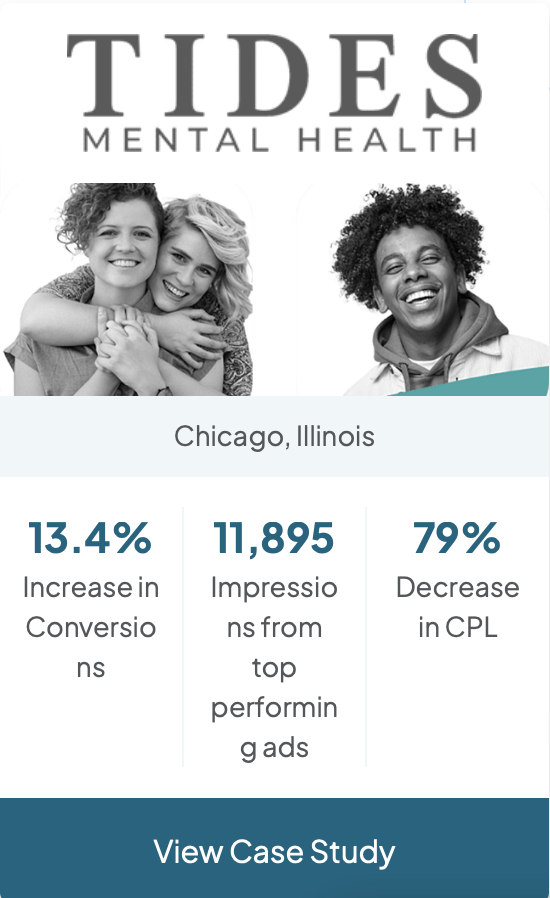
Tides Mental Health Case Study
A Beacon Case Study

Engaging with community issues is another vital aspect of authentic marketing. By demonstrating genuine care and support for the issues that matter to your audience, you can enhance your brand’s appeal. This doesn’t mean jumping on every trend or cause; it means identifying the issues that are most relevant to your brand and your customers and taking meaningful action. Whether it’s helping local charities and sports teams, supporting healthy eating, or promoting mental health awareness, your efforts should be sincere and consistent. Customers are increasingly looking for brands that stand for something beyond just selling products or services. When they see that you genuinely care about the community, they are more likely to support you and become advocates for your brand.

The long-term impact of positive branding on sales and retention cannot be overstated. While the benefits of authentic marketing may not be immediate, they are profound and lasting. By playing the long game, you can build a brand that customers trust and want to be part of. This trust translates into higher customer retention rates and increased sales because customers who feel a deep connection to your brand are more likely to make repeat purchases and recommend your brand to others. Authenticity in marketing is not just a strategy; it’s a commitment to building a brand that stands the test of time.

Building Trust Through Transparent Business Practices

Through transparent practices, brands can build a fortress of trust that stands tall against the ever-changing tides of consumer skepticism. In today’s market, where consumers are more discerning and values-driven than ever, the way a company operates behind the scenes can make or break its reputation. One of the most effective ways to demonstrate authentic branding is by being open about your supply chain. When you share detailed information about where and how your products are made, you not only highlight your commitment to ethical sourcing but also foster a deeper connection with your customers. This transparency can lead to increased customer loyalty, as consumers are more likely to support brands that align with their personal values of sustainability and fairness.

A strong local example of authentic branding is Snorkel Alaska, which demonstrates authentic branding by sharing its roots as Alaska’s first snorkeling tour, founded by SCUBA expert Fred Drake. Committed to safety, environmental respect, and personalized service, the company shifted to intimate, guest-focused excursions after the pandemic. Their transparent storytelling, skilled team, and award-winning service reflect a genuine passion for Alaska’s marine world and create lasting trust with travelers.

Regular updates on company challenges are another powerful tool in the transparency arsenal. It’s easy for brands to present a polished, perfect image, but doing so can come across as inauthentic. By sharing the ups and downs of your business journey, you show vulnerability and honesty, which are crucial components of building trust. For example, if your company is facing a supply chain disruption, instead of hiding it, communicate the issue openly and explain the steps you are taking to resolve it. This approach not only keeps your customers informed but also allows them to feel like they are part of your community, supporting you through tough times. Such transparency can strengthen your brand’s reputation and contribute to company growth by turning potential negatives into opportunities for deeper engagement and loyalty.

Employee narratives shared on social media are a powerful tool to humanize your brand and cultivate trust. When your clientele can connect a face and a voice to the products or services you offer, a more personal and relatable bond is formed. Encourage your team to share their professional and personal experiences on your social platforms. This could be as simple as a behind-the-scenes look at their workday, or a story of how they’ve triumphed over challenges or contributed to the company’s success. By doing so, you transform your brand into a more approachable and reliable entity, which is particularly advantageous for small business owners aiming to foster a dedicated customer base.

Moreover, maintaining open feedback channels is crucial. Your customers need to know their opinions are valued and that they can influence your brand. Whether through social media, email, or your website, make it easy for them to share their thoughts. Listen actively and respond thoughtfully, showing that their feedback is taken seriously. This two-way communication not only helps you improve, but also builds a community of engaged, loyal customers who feel heard and valued.

Authentic Customer Interactions That Drive Loyalty

Engaging in authentic customer interactions is more than just good business; it’s the key to fostering long-term loyalty. When customers feel genuinely heard and valued, they are more likely to return and recommend your brand to others. One of the most powerful ways to achieve this is by responding to customer feedback openly and honestly. Whether the feedback is positive or negative, showing a genuine commitment to improvement can significantly enhance your brand’s reputation. For example, if a customer points out a flaw in your product or service, acknowledge their concern, thank them for their feedback, and outline the steps you are taking to address the issue. This transparent approach not only builds trust but also demonstrates that your brand is dedicated to excellence.

Customer stories and testimonials are another valuable tool in your authentic engagement arsenal. Highlighting real-world impacts of your brand can create a deeper emotional connection with your audience. Share stories of how your products or services have positively affected your customers’ lives. These narratives can be featured on your website, social media platforms, and marketing materials. They serve to humanize your brand and provide relatable experiences that potential customers can identify with. For example, a small company could showcase a review from a nearby business owner who successfully introduced a product using their offerings, highlighting the individualized attention and assistance they received throughout the process.

Community Engagement Strategies for Genuine Brand Connection

Participating in community events is a great way to build local connections and customer loyalty. By getting involved in or sponsoring events that are important to your community, you can show that your brand is more than just a business; it’s a member of the community. This could include anything from attending farmers markets, to holding workshops, to supporting local charities. These activities can help you get in front of your customers and create opportunities for them to interact with your brand in a meaningful way. For example, a small business that holds a free monthly cooking class at a local community center can build a loyal following of regular attendees who feel a personal connection to the brand.

A fantastic example of this in Northern Nevada is Urban Roots. This Reno-based nonprofit and local brand focuses on sustainable agriculture education. Urban Roots is transparent about its mission, engages the community through hands-on programs, and partners with other local businesses (like Greater Nevada Credit Union, which I mentioned in part 1 of this series) to promote healthy, ethical practices.

Training your staff in authentic communication is crucial for maintaining a consistent and trustworthy brand image. Employees are often the face of your company, and their interactions with customers can make or break the brand experience. Ensure that your team is equipped to communicate with sincerity and empathy. This might involve workshops on active listening, conflict resolution, and personalized service. When customers interact with well-trained staff, they are more likely to feel valued and understood, leading to a positive brand experience. For instance, a customer service representative who takes the time to listen to a customer’s concerns and offers a personalized solution can turn a negative experience into a positive one, reinforcing the brand’s commitment to authentic customer interactions.

Measuring the Impact of Authentic Branding on Business Growth

It is essential to gain insights in order to improve and strengthen the relationship between your brand and its target audience. When a brand stays true to its values and communicates transparently, it fosters a deep sense of loyalty among its customers. This loyalty translates into repeat business and referrals, which are vital for sustained growth. Customers who feel a genuine connection to a brand are more likely to return for future purchases and recommend it to their friends and family, creating a positive feedback loop that drives sales and expands the customer base.

Transparency is also a key component in building trust, which is the foundation of any successful business. Trust is not just a concept; it has real-world implications. Brands that are forthcoming about their operations, supply chains, and decision-making processes often see an uptick in positive online reviews and ratings. These reviews can significantly sway potential customers, making them more likely to choose your brand over others. Additionally, customers who are engaged and feel that their interactions with your brand are genuine are more likely to share their positive experiences on social media and other platforms. This organic sharing can greatly increase your brand’s visibility, attracting new customers and solidifying your market position.

Authenticity in branding is more than just a marketing strategy; it aligns with the core values of your business, attracting like-minded customers and employees. When your brand’s values resonate with your audience, it creates a strong emotional bond that goes beyond mere transactions. This alignment can lead to increased customer retention and a more dedicated workforce, both of which are essential for long-term company growth. Measurable growth from authentic branding includes not only increased sales but also a larger market share. As your brand becomes more trusted and respected, it can command a greater portion of the market, outpacing competitors who may lack the same level of authenticity.

Wild Alaskan Company stands out for its commitment to sustainably caught seafood and transparent storytelling. The brand uses packaging and inserts to showcase the fishing areas where their seafood is sourced and highlights their family heritage and brand story. Their authentic communication and focus on quality help build trust and loyalty with customers

In the realm of small business, where resources and budgets are often constrained, the influence of authentic branding is all the more profound. By directing your efforts towards forging real connections and upholding transparent practices, you can cultivate a loyal customer base and a robust reputation, setting you apart in a competitive landscape. Ultimately, the path to authentic branding is about fashioning a brand that endures, one that both customers and employees take pride in. This dedication to authenticity is the cornerstone upon which enduring success is constructed.

Authentic branding is more than a marketing tactic—it’s a long-term commitment to building trust, loyalty, and a strong reputation. By weaving authenticity into your marketing, operations, and customer engagement, you create a brand that customers and employees are proud to support. The result is a resilient business that stands out, grows sustainably, and endures for years to come.

Part 1: The Power of Authentic Branding for Small Businesses

In today’s digital world, where consumers are constantly inundated with marketing messages, standing out is a challenge—especially for small businesses. The key to cutting through this noise isn’t just a clever slogan or a striking logo, but something far more enduring: authentic branding. This first part explores why authenticity matters, how it can transform your business, and the foundational steps to uncovering and aligning your core values for lasting customer loyalty.


In the digital age, where consumers are bombarded with countless messages daily, the strength of a brand often hinges on a single, irreplaceable element: authentic branding. For small businesses, this means more than just a catchy slogan or a polished logo; it’s about genuinely connecting with your audience and fostering a sense of trust and loyalty. Companies like Tillamock have shown us that sharing a company growth story rooted in real values can transform a startup into a household name. By being open and consistent, small and medium businesses like yours can create a strong, well-known brand identity that appeals to customers who share your beliefs.

The power of authenticity in branding

In today’s market, the ability to connect on a genuine level is more crucial than ever. Brands that authentically communicate their mission and values not only resonate with their audience but also foster deeper customer connections. These connections are the foundation of loyalty and repeat business, which are essential for long-term company growth.

One of my all-time favorite brands, Tillamook County Creamery Association stands as a testament to the power of authentic branding and purpose-driven business. From its beginnings in 1909, the company’

Tillamook Story
Tillamook puts a lot of effort into focusing on their story, as seen in this screenshot from their website. See https://www.tillamook.com/our-story for more.

s mission has been clear: to craft delicious dairy products using only the highest quality ingredients, while steadfastly upholding values of stewardship and community. By openly committing to sustainability, responsible sourcing, and social impact, Tillamook has cultivated a deeply loyal consumer base. The brand’s dedication to doing things “the right way”—never cutting corners, investing in local communities, and prioritizing environmental stewardship—sets it apart in a crowded marketplace and fosters a strong emotional connection with customers. This sense of trust and shared values is what inspires repeat purchases and passionate advocacy for Tillamook, ensuring its legacy endures for generations.

Consistency is key. This is especially true when it comes to your brand’s messaging. Whether you’re posting on social media, sending out email marketing campaigns, or greeting customers in your store, your message should be consistent. This will help to reinforce your brand’s values and mission, making it easier for customers to remember, recognize, and refer you. And, the more consistent you are, the more likely you are to be recommended by word of mouth, which is the best form of marketing.

94% of shoppers are loyal to companies that operate with transparency

Authenticity is also a powerful magnet for like-minded customers. When your brand is genuine about its identity and values, it naturally attracts people who share those beliefs. This shared connection can foster a community around the brand, where customers feel a deep sense of belonging and loyalty. For example, the LEGO Group commitment to creativity and learning has inspired a global community of builders who see the brand as more than just toys, but as a way to express themselves and connect with others. Such a community can be a formidable asset, not only bolstering the brand but also acting as a megaphone through positive reviews and social media endorsements. In this way, authenticity is the cornerstone of a brand that transcends mere products and services, becoming an integral part of the customer’s identity and lifestyle.

Identifying your brand values

To harness the power of authenticity, you must first peel back the layers and identify the core values that define your brand. These values serve as your compass, guiding every business decision and interaction. They are the foundation upon which authentic branding is built, ensuring that your brand remains true to its essence and resonates with your audience on a deeper level.

Take Greater Nevada Credit Union in Northern Nevada, for example. The credit union’s commitment to environmental sustainability is not just a marketing strategy; it is a fundamental part of its identity. This dedication influences a wide range of initiatives, from encouraging members to switch to digital statements to supporting local environmental organizations through charitable giving. Greater Nevada actively promotes responsible resource management by backing community cleanups, conservation efforts, and environmental education. Through partnerships with groups like Urban Roots and Keep Truckee Meadows Beautiful, GNCU demonstrates its authentic commitment to sustainability. This genuine approach has strengthened its brand and fostered a loyal member base that shares these values.

32% of businesses report that maintaining consistent messaging led to revenue increases surpassing 20%

Reflecting on your business origins and mission can provide valuable insights into your unique brand values. Consider why you started your business in the first place. What was the driving force behind your entrepreneurial journey? Was it a passion for innovation, a commitment to community, or a desire to solve a specific problem? These initial motivations often hold the key to your brand’s core values. By revisiting your roots and the mission statement you crafted at the beginning, you can uncover the values that have been guiding your business all along.

It’s essential to clearly articulate your vision, purpose, and values on your website and consistently reinforce them across your various social media channels. This is Beacon’s Core Mission + Values.

Beacon's Mission Vission

Engaging your employees in value discussions is another essential step in identifying your brand values. Your team members are the heartbeat of your organization, and their insights can reveal authentic strengths that you might not have considered. Organize workshops, surveys, or other opportunities where your employees can share their thoughts on what they believe the company stands for. Encourage open and honest conversations, and listen carefully to the recurring themes that emerge. These discussions can help you articulate your values more clearly and ensure that they are aligned with the perspectives of those who represent your brand every day.

Aligning brand authenticity with business goals

Aligning these values with business goals is not just a strategy—it’s a necessity if you want to stand out in a crowded market. When a small business clearly communicates its mission and values, it creates a consistent brand message that resonates with its target audience. This consistency is crucial because it helps build a strong and recognizable brand identity. For instance, if your small business prides itself on a strong community connection, every aspect of your operations—from hosting local events to engaging with customers on social media—should reflect this commitment. This alignment ensures that your customers see the business as approachable and genuinely invested in their well-being, which is essential for long-term success.

62% of consumers are attracted to companies that exhibit ethical values and authenticity

Openness in communication about your business processes is another key element of authentic branding. By sharing how products are made, services are delivered, and decisions are reached, a small business can enhance its credibility and deepen its relationship with customers. For example, take a clothing brand like Octopus Ink in Anchorage, Alaska, which creates clothing from eco-conscious materials with a strong emphasis on environmental responsibility and artistic expression. Their garments, featuring original hand-drawn designs, are crafted to minimize environmental impact and celebrate Alaska’s natural beauty. This level of transparency not only builds trust but also turns customers into advocates who are more likely to spread positive word-of-mouth.

The power of an authentic brand story cannot be overstated. In a marketplace teeming with options, your narrative can be the game-changer. By sharing your journey, the obstacles you’ve overcome, and your successes, you’re not just offering a product or service—you’re extending an opportunity for connection, relationship, and community. This humanizes your brand, making it more than just a name or a logo. It becomes a story that your customers resonate with. These stories can also shine a spotlight on what makes your business unique and why it’s a cut above the rest. For example, a local bakery could share the tale of its humble beginnings in a home kitchen, blossoming into a beloved community fixture. Such narratives don’t just boost your visibility—they forge an emotional bond with your customers, driving both repeat business and loyalty.

Authentic branding is the cornerstone of building trust, loyalty, and a lasting reputation for your small business. By identifying your core values, aligning them with your business goals, and sharing your unique story, you lay the groundwork for meaningful connections with your audience. In Part 2, we’ll dive deeper into how to leverage authenticity in your marketing, foster transparent practices, and create genuine customer interactions that drive growth and retention.

If you’re new to the world of digital marketing, it can be hard to know where to start. Sure, there’s a huge amount of information available online – but forget drinking from a fire hydrant. It can feel like you’re face-to-face with a tsunami. Let’s face it: running a company is often just as much about busyness as it is about business. It can be easy to put marketing into the too-hard basket and just focus on the day-to-day tasks. Where do you even start? Don’t worry, we can totally relate to that feeling.

That’s why we’ve decided to write this blog. Google Ads is one of the most powerful marketing tools available. Assuming you’ve already got a website, this is the best place to get started. And it’s nowhere near as scary as you might think. Stay with us, because in this blog we’re going to part that tsunami like the Red Sea so you can clearly see what it does, why you need it, and how to start.

Overwhelmed already? Pick up the phone and get a free consultation.

First of all, what are Google Ads?

If you’ve ever googled anything, you’re probably already familiar with the consumer side of Google Ads. If you’re looking for products, a collection of images and prices will pop up in a panel on the side of your screen. If you’re looking for services, generally the first 1-4 items that pop up in the list of search results. Google Ads launched in 2000 (wow, it’s hard to believe it was that long ago), but they’ve become much more sophisticated as better audience data has become available.

Essentially, it’s an online advertising platform that allows businesses to promote their products and services across the web. It allows you to set a specific goal for your ads, like encouraging people to make phone calls or inviting them to click through to your website and make a purchase.  You can target specific geographical areas and search terms and customise them to hone in on the type of people who are most likely to interact with your business. You can also customize your budget, which means you’re always in control of what you’re spending and you can stop at any time.

“Cool,” we hear you saying. “But are they actually any good?” Good question. Obviously, no-one wants to invest time and money into something they don’t need. Here are some interesting statistics to think about in making your decision (these have been collated by the experts at Digital Third Coast):

  • 62% of all online searches in the U.S. go through Google.
  • Online ads can increase brand awareness by up to 80%.
  • More than 7 million advertisers use Google Ads.
  • Customers are 70% more likely to make a purchase when they are retargeted.
  • About 65% of Google Ads that get clicked have keywords like “buy,” “shop,” or “purchase,” meaning the customer can take action without sifting through entire websites.

In other words, this is a huge opportunity for your business.

Do Google Ads work for marketing your business? Read our blog.

Sure, but how do I start with Google Ads?

If you’ve decided to go ahead with Google Ads (and we strongly recommend you do), don’t be intimidated. It’s designed to be as simple and straightforward as possible. If you’re confident with basic technology skills, like creating posts on Facebook or using emails on your phone, you can definitely set up a Google Ads campaign. It’s not scary, we promise!

First, visit www.ads.google.com. There’s a lot of information available on this page, including a breakdown of exactly how it works, costs, FAQs, and more. To set up your first campaign, simply click “Get Started.” This will take you to the main login page. From here, click the blue “New Campaign” button to start setting up your first advertisement.

From here, you simply have to follow these 10 steps:

  • What’s your advertising goal: getting calls, getting website sales, or getting people to visit your physical location? Select one and click next.
  • Link the campaign to your Google My Business account, which should auto-fill. Don’t have one yet? Simply select “No” and click next. (We strongly recommend you set up a Google My Business account as soon as possible – but that can be a conversation for another day.)
  • Tell Google where you want people to go after clicking on your ad. This can either be your Google My Business page or the shop or services page on your website.
  • Google will pause here to scan your website and learn about your business.

(While Google thinks about that, let’s talk about Google My Business. We strongly recommend you set up an account as soon as possible. We’re not going to dive into it in too much detail – you know, one step at a time – but Google My Business is the little panel that pops up when you search a business in your local area. It’s free to set-up and contains valuable information like your opening hours, reviews, and contact information. It makes it as easy as possible for prospective customers to choose you.)

  • Now it’s time to write your ad. Google Ads is smart, meaning it will pre-fill the boxes with things it’s gleaned from your website. This is okay, but it’s never going to be as good as something you write yourself. There are two types of boxes you need to know about: headings and descriptions. Use headings to list your projects and services. Use descriptions to encourage people to take action. Keep them simple.
  • Select keyword themes. Google will give you a list of topics that you can choose from to match your ads to things people are likely to search. You can pick 10.
  • Select your target area. This could be nation-wide, state-wide, or specific ZIP codes.
  • Set a budget. You can choose from the list or create a custom one.
  • Review your campaign to check that all the details are correct.
  • Congratulations, you’ve just created your first Google Ad! Google will run a policy check over it first, which takes about 24 hours, but it will be live in no time.

Short on time to do this yourself? Read about our Google Ads service.

And what if I still have no idea what to write?

Not everyone is a words person. That’s totally fine. If you’re stuck for ideas, Google Ads provides a handy worksheet designed to help business owners write effective ads (you can view it here). It asks you a few simple questions about your business and your marketing goals. You can then mix-and-match the answers to create high-performing Google Ads on your own.

If you’ve reading this now and you feel like you’re looking into a tsunami again – WAIT! WE HAVE A LIFE RAFT. We know you’re busy and that you’re juggling about 20 other things right now. We also know that your need Google Ads if you want your business to stay competitive. Our goal is to help you find a solution that will maximize results while minimizing the time and money you need to invest.

If you want to save money and do this yourself, follow the steps above. We promise it’s simple and easy once you get going. If you want to save time, however, we would love to help your business grow. We offer a Google Ads service… and we can also take care of your Google My Business page while we’re at it. Give us a call and let’s discuss the next steps.

Ready to chat? Click here to schedule a free consultation.

In today’s marketing world, your identity as a brand is everything. Nailing who you are is the very first step to creating a successful marketing strategy and, ultimately, a successful business. When you’re first researching marketing trends, it’s easy to get overwhelmed. There are lots of different ideas circulating on the internet, but in our experience, the secret to success is simple. All you have to do is share your passion and your values with your audience.

Want to skip ahead and talk to the experts? Contact us today.

Meet the New Kid in Town: Values-Based Marketing

Values-based marketing is the golden ticket idea for, quite frankly, any business model. Over the last 12 months, consumers have been putting more and more thought into where their money is going, and more importantly, to whom. That’s why identifying your values and beliefs as a company is the first step to a successful values-based marketing strategy.

It’s executed by fostering and cultivating relationships within your target audience based on those values and beliefs. This is an authentic and raw strategy that will help your business stand out among all the old, shallow marketing trends out there in the world. It’s more than just a product, values-based marketing is all about the relationship you build with your consumers from shared beliefs and notions on the world and issues around us.

In the simplest of terms, values-based marketing is all about creating a strategy that aligns with your audience’s beliefs and ethics as people first, customers second. Creating relationships that are based on more than just a mutual need for a product or service means a deeper and more meaningful experience on both ends of the business model.

Focusing on a values-based marketing strategy means that you are reaching an even greater audience that may resonate with your brand first, then your product or service. People are passionate about brands that stand for ethical and social issues as well as stand for values and beliefs that align with their company. Creating a story and strong values-based marketing persona means attracting an audience that quickly becomes loyal customers.

Whether you are a brand that focuses on giving back to a local community, being vocal in social and ethical issues on social media, or fighting for a specific cause through service or donation, it gives you a deeper story that will make it easier for customers to connect.

Values-Based Marketing in Action

What does values-based marketing look like? Well, it starts with a checklist of actionable items that can easily be implemented into an already developed brand or business strategy.

  • Clear and strong messaging of what you value and believe in
  • Examples and content that show your business in action, acting upon those values
  • A developed storyline of what began the passion behind your brand values and beliefs
  • Energetic user-generated content that shows examples of current consumers who align with your beliefs
  • Encouraging messaging that takes stances on current social and ethical issues and urges customers to take action

Implementing this type of strategy will naturally bring in authentic user-generated content from current customers who believe in your brand, all the while attracting a bigger audience with shared values.

For an example of successful values-based marketing, let’s take a look at TOMS, an LA-based company, founded in 2006, that is famous for its cause-based marketing. 

TOMS focuses its values-based marketing by following a “one-for-one” business model which means that for every purchase made, TOMS gives away a free pair of shoes to a child in need. This has been hugely successful for the company because it fosters deep loyalty between customers who are passionate about helping those in need as well. Their mission of giving back to those in need automatically resonates with an audience who have the same social beliefs but also reaches customers who truly enjoy their products and quality of merchandise as well. TOMS has become an example to follow for other large companies because of how positively people have supported them over the years.

Want to learn more about branding? View our services.

Growing Your Business

Modern consumers do not want, but NEED to see original and trustworthy voices from the businesses they spend with. With an influx of empty messaging and hollow promises, the average consumer has become less patient with brands who are not genuine in who they are. It doesn’t take much these days to identify the brands that are not true to who they are. We’re finding that once you break the trust of modern-day consumers, it takes a lot to gain it back.

Practicing and acting on values-based marketing will separate you from the clutter and noise of competition and other brands. Finding your audience that resonates with your brand and messaging will quickly turn into a broader customer base and a bigger return on your thoughtful marketing efforts.

A values-based strategy can not only help you find loyal customers, but also the audience that is right and loyal to your brand alone. They will stand by you for years to come, have a long-term presence, and put in just as much effort into the relationship as you. Be brave, be authentic, and be you. That way, your customers know you are more than just a business but you are a part of their everyday lives.

Pivoting to Values-Based Marketing

Here are real-time steps you can take to making the switch to value-based marketing today. All it takes is a moment to think long and hard about why you started your business and what your purpose and goals are in life, professionally and ethically.

  1. Identify your brand values, beliefs, and goals
  2. Map out your (ideal) target audience. Think about who they are, what they believe in, and how they communicate that.
  3. Research how similar brands are executing this strategy and what you think they are doing right or wrong.
  4. Think about your current strategy and content and find the gaps where your messaging falls flat or hollow. Start plugging in more messaging that reflects values-based marketing.
  5. Eventually, implement this to be the main focus when discussing anything marketing-related.
  6. Always remember that your audience is listening and watching your every move. Anything you like, comment, or say publicly needs to align with who you are and what you truly believe.

In the world of modern digital marketing, customers are almost instantly giving their business to brands that they feel a genuine and authentic connection with. Brands that speak more about what they care about than why their product is “the best”. As confusing as it may seem, sometimes talking about more than what you’re selling can attract a more eager crowd. They begin to see you as a lifestyle, not just a one-stop-shop.

It truly is all about putting your customers at the forefront of your business’s marketing strategies. Focusing on speaking to them and not at them can mean all the difference in how your brand sticks to a target audience. Values-based marketing is a bridge that is going to bring you to your customers in a deeper, more meaningful, and lasting way.

Ready to get started? Schedule a call with us today.

2021! Never before have we been so excited about the start of a new year! (At least, not since we welcomed the new millennium in 2000 – how was that two decades ago already?) The past 12 months have been like no other. If all your marketing goals went out the window, don’t be too hard yourself. You’re certainly not alone! However, with all the hope and good vibes 2021 is bringing in, there’s absolutely no better time to reset and invest your energy into planning for the year ahead.

We get that goalsetting can be intimidating. But without clear digital marketing goals, you’re basically throwing your time and energy into a great big black hole. Start by asking yourself what you want to achieve, because this will help the rest of your strategy fall into place.

Are you looking to:

  • Build brand recognition?
  • Generate more leads?
  • Get higher engagement rates?
  • Strengthen relationships with current clients?
  • Distinguish yourself from competitors?

Keep reading, because we’ve suggested five digital marketing goals you might like to consider for 2021. We’ve also given some tactics you can put into place to flip the script on the year that was. What’s that, you say? You’re starting to feel a little optimistic? So are we!

Tired of scouring the internet for answers? Contact us and let’s talk goals.

Goal #1: Refresh Your Brand

Your brand is a vital part of your business. It represents the first impression you make on all your clients, and if it doesn’t live up to their standards, you probably won’t see them again. Deciding to update your brand, whether that’s a refresh or a total rebrand, can go a long way toward generating leads and converting sales. However, it involves careful thought.

Refreshes are often expressed through subtle changes such as updating the logo, color palette, collateral, or tone, to modernize your look and attract attention. It’s important that your brand refresh rolls out across every aspect of your marketing presence, from the sign outside your office to your social media and website. Here are three things to consider:

  1. Reinforce Your Existing Identity

If you’re planning to refresh your brand, make sure to take existing brand assets into account. You want any changes you make to live holistically with what already exists. Remind people who are you are, what you have to offer, and why they should be your customers.

  1. Rediscover Your Brand’s Potential

Everything changed in 2020, and you’ll need to continue changing and adapting in the new year. To do this, you’ll need to rediscover your brand identity in order to remain relevant to your audience. What made you go into business in the first place? What drives you today? What problems do you solve? What values govern your day-to-day practices?

  1. Revise Your Brand’s Voice

Your brand messaging will evolve as your business grows and new competitors arrive on the scene. It’s a good idea to regularly review your brand voice because from time to time, you may find that your voice needs a bit of refreshing. This shows that you are listening to your customers, paying attention to what works, and actively looking for ways to improve.

Goal #2: Get a Content Strategy

If your content didn’t bring in the results you hoped to achieve in 2020, it’s time to re-evaluate your strategy. If you fail to create a solid content marketing strategy, you’ll also fail to drive traffic to your website, generate leads, and more. Good content strategies are driven by business objectives. If you’re not quite sure how to start developing a content strategy that aligns with your 2021 goals, ask few questions:

  • What do you want your content to accomplish?
  • How are you measuring the effectiveness of the content?
  • What is your target audience?
  • Where are the gaps in your current content?
  • What are your content strengths and how can you optimize them?
  • How will you distribute the content?

Goal #3: Revamp Your Website

When it comes to promoting your business, your website will be more important than ever in 2021. The pandemic accelerated the move toward digitization, and having a website allows you to market your business online in this highly digital world.

It’s clear that more people will be using the Internet to find products and services. Your website will need to be more reliable, faster-loading, and consumer-friendly, or you’ll get left in the dust by the competition. Is your website up to the task? Some benefits of updating your website include:

  • Your website will rank higher on search results.
  • Your target audience will connect with your story.
  • You’ll strengthen your brand image.

It also provides opportunities to diversify your business. U.S. consumers are estimated to have spent more than $709 billion on eCommerce in 2020, which is an increase of 18%. If you want a slice of this pie, your clunky old website has to go. On top of potential revenue growth, updating your website also means you may be able to automate some processes, such as scheduling appointments or managing inventory, which will help save valuable time as we kick into the new year.

Goal #4: Boost Your Socials

It’s no surprise that 2020 saw unprecedented changes in social media usage. For many companies, social media won’t just be a part of their business in 2021, it will be their business. The last 12 months have shown us just how important social media is in generating and maintaining human connections, not just when it comes to building a brand online, but from a personal perspective as well.

Social media plays a crucial role in driving sales, providing customer service, and improving brand awareness. A strategy is essential to social media success. Before you draft your social media plan, take a step back. Evaluate the current state of your social media accounts. Which platforms are you using? How are you using them? Have they been effective so far? Once you have these answers, you can start developing your social media strategy. Here are a few things that will get you started:

  1. Research the Competition

Start by gathering information about your target audience and what type of content they interact with. If you’re not sure how to do this, hashtags are a great way to determine trends. It’s important to remember that people interact with different social media platforms in different ways, so you’ll need to put some thought into which ones will be most effective for you. It’s also a good idea to check out what your competitors are doing on social – you can learn from their mistakes and adapt the strategies that are working for them for your own business needs.

  1. Develop a Content Plan

This goes back to Goal #2. (Gah! Seems like it was so long ago. We’ll wait while you quickly scroll up to check… OK cool, ready to proceed?) Quality content that resonates with your audience is crucial for the success of your social media channels. We feel like we can speak to everyone on this topic: no-one wants to see boring, generic, impersonal content in 2021. Surprise your audience! Aim for quality over quantity. Few high-quality posts will be much better for your brand than many half-baked ones.

  1. Time to Get Graphic

We all know that posts with images perform better. Visual content, such as infographics, can be powerful material in social media. It’s worth investing some time to get these right. Make sure the colors and fonts match your brand guide, to keep a consistent look and feel, and think outside the box to come up with creative and engaging ways you can present information visually.

  1. Engage meaningfully

Responding to your audience on social media shows them that you care. If you actively engage with your followers you can spark conversations and show them that your brand has a human side. It’s important to be consistent in your approach, so make sure you stick to your brand personality.

  1. Monitor Merformance

If you find that your social media metrics are down in 2021, that’s okay. Keep trying until you find out what works and make necessary adjustments across your platforms. Great social media engagement often requires a process of trial and error (nowadays we prefer to call it A/B testing), so don’t be afraid to throw a bit of spaghetti at the wall and see what sticks. It’s worth the effort.

Goal #5: Make 2021 Your Year

This is your year to dominate the marketing game. As you reflect back on your growth and success this year, don’t forget about the opportunities you have to do even better next year. Make 2021 your year – your year of progress, your year of trying something new, your year of acceleration, your year of insane can’t-even-believe-how-awesome-it-is growth.

Want to accomplish all of these goals in 2021 and more? The reality is you might need some help to do that. Especially if you want to set a strategy that will actually stick.  Fortunately, you don’t have to do it on your own. Hiring the right marketing partner to support your 2021 marketing efforts can make all the difference in seeing results.

If you want to maximize your impact, you may wish to consider partnering with a marketing agency. Whatever your goals may be, we’re here to help you set your goals, refine your strategy, and grow your business. We’re ready for a fresh start. How about you?

Want to make 2021 the best year yet? Let’s get started.

The fitness industry is a crowded space, so it’s important to create a memorable brand to attract and retain customers. In order to stay competitive and relevant in today’s business environment, you need to embrace and adopt a strong fitness marketing strategy. Here are the basics you need to know.

Want to set your business apart?  Talk to one of our experts.

Creating a strong and authentic brand

Having a strong and authentic brand is crucial to your fitness marketing strategy.  So how do you create that brand? Building a brand is never straightforward, and when you’re in an industry that deals with people’s health and fitness, it’s important to brand yourself correctly to gain trust with your customers.

A strong brand is more than a fancy logo and tagline. It’s a way to set your business apart from the rest. And fitness marketing is more than just posting photos of your gym or fit people via ads. It’s about communicating with a real audience by providing them with real messages that resonate.

Just like your clients, you need to make sure your brand has a strong heart. Your brand should clearly communicate the philosophy that drives your fitness business and conveys the top-notch quality of your service or product. Your brand is an articulation of your core beliefs, specifically your:

  • Vision: What future do you want to help create?
  • Mission: How do you create that future?
  • Values: What matters the most to you?

Vision

Everyone in the fitness industry understands the importance of settings goals. Your vision is your goal, and it should communicate the difference you will create in your customer’s lives.

Mission

Your mission statement will define your fitness marketing goals. What are you doing to reach your goals? Why? For example, do you want to enhance performance? Or do you want to create a sense of community?

Values

Whether you realize it or not, you have likely already built your entire gym or fitness brand around your core values. And while those values probably include health and fitness, you’ll need to think outside of the box to stand out from your competition. In an industry that’s rife with myths and misinformation, what you stand for can demonstrate your credibility and attract the right customers. This is the key to your fitness marketing strategy.

Your vision, mission, and values all drive what you do, but it’s impossible to be everything to everyone. If you’re marketing messages are going to cut through the noise, they need to be designed with a specific audience in mind.

Winning over the right clients online

When you’re developing a fitness marketing stategy, it’s extremely important to focus on who your customers are, because they’re the center of your business universe. A great way to determine your target audience is through well-crafted customer personas. This is a detailed description of exactly who your customer is, including information such as demographics, goals, behaviors, hobbies, and more. Customer personas help you visualize specific groups within your current and audience.

These groups might have different reasons for seeking fitness services. If you can understand their needs and motivations, you can create more effective marketing campaigns. For example, let’s say you run a yoga studio that offers group classes to its members. Your audience might include personas such as:

  • Sarah Sometimes: She’s an avid hiker who only comes to the studio when outdoor conditions are unfavorable.
  • Weight Loss Wayne: His goal is to feel comfortable and supported as he works on his weight loss goals.
  • Timid Tommy:  He’s never gone to a yoga class before and is nervous about the idea of trying something new in a group setting.
  • Newcomer Natalie: She’s an avid yogi, but recently moved to the area and doesn’t have a preferred studio yet.
  • Friendly Fran: She comes to yoga classes to socialize with friends.

You’ll need a slightly different strategy to reach each of these customers. Once you develop customer personas, you can target your fitness marketing efforts to services that speak to their preferences and challenges.

For example, maybe Sarah Sometimes would enjoy a group hike that ends with yoga in the mountains. Friendly Fran might find a yoga and happy hour fun, so she can enjoy a drink with her friends. Or Timid Tommy might feel more comfortable in a beginners-only yoga class so he can learn the poses.

Overall, fitness marketing is more effective if it’s personalized to specific audience segments.

Building an strong online presence

Having an online presence is imperative for businesses today, since it allows you to generate more leads and target your audience more effectively. Here are a few tips to help you grow and maintain your online presence.

Boost your local ranking

If you’ve ever used Google to search for a service or product, you will surely have noticed one thing: the search results appear based on the location set or that is automatically detected, either from a smartphone or from a computer.

If you’re trying to attract more local leads to buy your services or products, Google My Business is the ideal online advertising tool for you. Google My Business results provide business information including photos, location, hours, contact information, and reviews. Creating a My Business listing for your gym or fitness business makes it as easy as possible for potential customers to find it, maximizing the chances that you will get a new customer.

Here’s how to optimize your Google My Business page to get noticed and stand out from other business.

  • Enter complete information: Make sure you fill out as much information as possible on your My Business profile, including your phone number, physical address, and category. This makes it easier for Google to match your business with relevant searches, increasing the odds that you’ll show up in a potential customer’s search.
  • Verify your location: Google provides several verification methods to prove your business is where you say it is, which increases the chances it shows up on Google Search and Maps.
  • Update your hours: Make sure your hours and holiday hours are up to date on your My Business listing. This lets potential customers know when you’re open for business and improves the reliability of your listing.
  • Respond to reviews: Read and respond to the reviews your customers leave about your business. This shows your customers that you care about them. Receiving high-quality, positive reviews from customers will help your business’ image and increase the chances it’ll show up on Search.
  • Add photos: Uploading photos to your listing helps you show potential members your facilities, equipment, and amenities, increasing the chances that they’ll choose your business.

Put the “social” into social media

Having your business online is not enough. Your fitness marketing strategy needs to include business accounts on all social media platforms that your customers favor. These accounts help you promote your business and nurture the relationships you have with both current and prospective customers.

Some things you can post on social accounts include posts about students’ progress (if they give you permission), nutrition tips, and video clips of workouts – the point is, you want to be as visual as possible, and social media makes that easier than ever!

Capitalize on content marketing

In addition to social media, content marketing stands out as a powerful and cost-effective strategy to reach an engaged audience and grow your client base. Traditional fitness marketing is geared toward selling a particular product or service, the goal of content marketing is to provide informational content for readers in an effort to establish your company as an authority. This increases awareness of your brand without explicitly promoting your fitness business, making people feel like they’ve stumbled across you all by themselves.

There are many different types of content marketing, including blog posts, emails, podcasts, infographics, and videos. As long as the content is educational, entertaining, or informative and not overtly ‘salesy,’ content marketing can be a highly effective way to demonstrate your expertise and establish yourself as an industry leader.

Developing a clear sales funnel

The final step to a strong fitness marketing strategy is building a sales funnel. This is essentially your customer journey, from the moment they first hear about your fitness company to the moment they sign up for a membership or make a purchase. Most sales funnels start with a general audience and use retargeting campaigns to deliver increasingly segmented ad campaigns to potential customers, depending on where they are in their buying journey.

Start with Facebook Ads

One way to initiate the sales funnel is through Facebook Ads. Facebook advertising, specifically, can be a hyper-targeted way to get the word out about your fitness brand and reach your target audience on social. The best part: Facebook ads are relatively inexpensive.

Follow with Landing Pages

Landing pages are a great fitness marketing tool. They work alongside your website to capture a completely different source of online traffic. While your website is capturing leads from those actively searching the web for “fitness programs near me,” landing pages are enticing viewers with an attention-grabbing promotions.

A landing page is a single page on your website built to achieve a single conversion objective. It’s a page that’s designed, written, and created for a single purpose. For your fitness business, this could mean a number of different things, like booking a gym tour for a potential new member or signing someone up for a free trial class at your yoga studio. Landing pages don’t want you to sign up for a gym membership AND buy workout clothing AND contact a trainer – they have only a single ask.

Bring in the Experts

If you don’t have time or aren’t sure where to start with your fitness marketing, consider hiring a digital marketing agency. Agencies have the tools and expertise to help make your brand come to life. Think of it as a supplement regime – in order for your marketing to be effective, sometimes you need a little help. A digital marketing agency can provide your fitness marketing with a boost of energy to launch effective campaigns that work.

See how we can help grow your business. Get in touch today.  

The U.S. Small Business Administration recommends spending 7-8% of gross revenue on marketing. Why? When it comes to dental marketing, the pay-off can be huge. An online marketing strategy does take time and money, however. As a dentist running a practice, it can be difficult to find the time and resources to effectively run an online marketing strategy. Here are a few tips to get you started and get your phone ringing.

Looking for more information? Talk to our marketing experts.

Dental marketing is key to staying competitive

The dental workforce has been projected to grow 19% from 2016 to 2026 — much faster than the average growth rate for other industries – rising from 153,500 dentist jobs in 2016 to a projected 182,800 jobs by 2026.

The American Dental Association (ADA) Health Policy Institute contributes this anticipated growth to an influx of younger and more diverse dentists, something they predict will continue through 2037. Not to mention that more and more dentists are waiting even longer to retire. The result is a marketplace that is oversaturated with qualified dentists who are competing for the same clients.

The good news is that despite this increased competition, the overall demand for dental services remains strong. In 2019, 64.9% of American adults visited the dentist at least once within the past year, up from 58% in 2018.

But patients won’t automatically file into your office. If you aren’t attracting new customers to your office, then you’re losing patients to your competitors. Other practices are marketing themselves, even if you’re not.

With the market not getting any less competitive in the coming years, the key to success is to create an effective and forward-thinking dental marketing plan. Branding is critical in marketing because otherwise your business will get lost in the competitive crowd. This is why investing time and money in branding is worth it.

Building trust and loyalty online

Building a trustworthy brand for your dental practice is the single most important thing you can do to set yourself up for success in the long term. A better brand means better marketing results, which means more patients and more revenue for your company.

Your brand will give patients a reason to choose you over another dentist. But if you expect patients to put their health in your hands over someone else’s, you first have to earn their trust. Your dental marketing can help you build that much-needed trust to create a loyal customer base you can depend on for many years to come.

You don’t want to focus all of your dental marketing efforts on attracting new patients, though. New patients are critical, but beware of concentrating too much on them. Acquiring new patients is costly in comparison to retaining current patients. For most dental offices, the cost to acquire a new patient is between $250 and $300. By focusing on existing patients first, you are subsequently investing in prospective patients for a fraction of the cost.

Prospective patients often pay careful attention to the opinions and experiences of current or past patients. What an existing patient has to say about your dental practice will significantly influence whether a potential client chooses your practice. Conversion rates for new patients are usually much higher for practices that invest in improving patient satisfaction and patient loyalty.

With the internet creating a hyper-connected environment, patients pay a lot of attention to things such as online reviews, website testimonials, and ratings. If your practice builds up positive reviews and ratings from existing patients, this can help create a strong online reputation for your brand.

Strategically manage your reputation with dental marketing

Dental marketing and reputation management has greatly evolved over the past few decades, and even more so in 2020. As mentioned above, dental practices are now able to receive feedback in multiple public spaces, through the help of the internet.

According to Google Trends, there has been a 6x growth in searches for “dentist near me” over the past 5 years. When current or potential patients see your practice on Google, a certain amount of stars will appear next to it based on your overall patient reviews. Customers may also be able to see your ratings and reviews on Yelp or Facebook.

According to The Local Consumer Review Study, 91% of people read online reviews, with 84% trusting online reviews as much as their friends.

A positive star reassures current patients that they already have the best dentist around and encourages potential patients to contact your practice to learn more. However, no reviews, or a less than 3-star rating could be a red flag and may steer potential new patients away.

So, how can you take control of your dental practice’s online reputation?

Make it easy for patients to find you

Your Business Listings

If you haven’t already, claim your dental practice’s listings on third-party review sites like Google My Business, Yelp, Angie’s List, and Healthgrades. You should ensure your profiles are completed and optimized with accurate information about your hours, phone number, address, and any other details that can give potential patients a high-level overview about your practice and the services you provide.

Your Website

There’s about a 70% chance that a patient’s first interaction with you will be through your website, so it needs to make a good impression. Your site needs to look professional, be well-organized for easy navigation, and be thorough in the information it offers visitors.

Your Social Media

Social media gives your practice an opportunity to reach out to potential and existing patients to build and strengthen relationships. In addition to staying in touch with patients online, you can also provide updates and information. This is also a great place to collect reviews from existing patients. A positive social media community for your practice provides new patients with more potential touchpoints, and a better immediate first impression whenever they find you.

Generate More Positive Reviews

The best way to get more positive patient reviews? Ask! Here are a few of our favorite ways to get more reviews online:

  • Follow up with patients via email or text after their appointment. Digital communication is great way to ask patients if they were pleased with their appointment. If they say “yes!” ask if they’d be willing to provide a review for you online. Make sure to include a link to the exact review site that you’d like to have a review left on to make it easier for the patient.
  • Train office staff. After each appointment, train your office staff to ask how their visit was. This way, if a patient was disappointed with how something went, your office can address the issue right then and there. If the patient responds positively, staff can quickly follow up with a request to leave a positive review online.
  • Add signage in your office. Let patients know you want positive reviews by having signs in your office that politely asks patients to leave a review online. Sometimes you just need to get it on a patient’s radar and they will happily oblige!

Embrace Negative Reviews

If and when you receive a dreaded negative review, the first thing to remember is to always remain calm. Respond within 48 to 72 hours so other viewers can see that you’re actively monitoring online reviews.

Getting a negative review isn’t the end of the world – if potential patients see you provide a genuine and professional response, they will understand that things can happen. The most important things you can do after receiving a negative review are:

  • Analyze the complaint and note the validity of your patient’s points; if your practice made a mistake, this is the time to own it – it instills accountability. Apologize to the reviewer and let them know that you want work toward a successful resolution.
  • Consider the bad review as opportunity to improve. Bad reviews can help you understand what you’re doing wrong, and where you can make improvements in your practice.
  • Finally, make sure to follow-up with the patient. Give them a number or email address where they can reach you and keep the lines of communication open. This lets patients know you’re dedicated to making the situation right.

Bring on a marketing partner

Reputation management can be both a mysterious concept and stressful situation for dental practices. You likely have a multitude of questions on how to get reviews, improve your online reputation, as well as the effect reviews can have on your business from both a patient-perspective in addition to SEO. The right marketing agency can help your practice increase new patient numbers and thrive with cohesive dental marketing strategies.

Ready to up your dental marketing strategy? Call us now.

This year has been a wild ride. Our dreams of visiting Europe, or even visiting family and friends interstate for the holidays, may be on hold – but our business goals are still in full play, and so are our marketing plans. The sector has changed drastically in the past 12 months. We’re seeing companies having real conversations on social media, personalizing  experiences, and reinventing themselves as real people behind a screen.

It’s been a year of experimenting with new digital marketing strategies to reach your target audience and start generating new leads online. There’s never been a better time to have a little fun with your financial marketing strategy.

Want to generate new leads? Schedule a free consultation.

Content, content, content

Content marketing is a beautiful thing, and a great way to drive people to your website. Whether you’re starting a conversation, doing a giveaway, or sharing an educational video, content marketing can create valuable relationships with your audience.

It’s no secret that finance is probably not everyone’s first language. That’s why it’s crucial to educate prospects about what your products and services can do for them. Everyone has that one website that they go to for information. Our goal is to make YOUR website everyone’s first stop. Giving yourself a credible and trustworthy reputation is worth it in the long run because people are always learning.

But it’s not just your audience that you have to convince about your credibility. Google is always prioritizing websites and social media channels by targeted keywords. If you’re posting quality content but only posting once a month, Google probably won’t give you a good ranking. This is why creating a quality content marketing calendar may be beneficial.

Break it down into bite-sized chunks, use fun analogies, experiment with creative media, and take customers along for the ride. Mapping out your content for the month on all channels will help you stay ahead of the game, plan for upcoming national or industry trends, and give yourself the time to tailor everything to fit your brand. Remember, the people you’re targeting are not experts, so take the time to connect with your audience on a human level and explain why you’re different.

The power of influencers

Before you reject the idea of using influencers for financial marketing, get the image of Kim Kardashian, Justin Bieber, or Taylor Swift out of your head. We would never do that to you.

Influencer marketing has taken the world by storm. Whether you know it or not, you have been exposed to influencer marketing ever since you were a child. Remember that big man with the red suit who made Coca-Cola look magical? That’s right, Santa Claus is the original influencer. Following the release of Santa in their 1995 holiday campaign, Coca-Cola’s net income increased from $708 million to $802 million, compared to 1994, while the New York Times reports that revenue rose 9.7%. It’s not that companies couldn’t vouch for their products themselves, it’s just that families trusted the big guy in the red suit.

It turns out it’s not about what the message is saying, it’s about who is saying it. This is a great opportunity to think outside the square and try something new.

According to a recent study conducted by the McCarthy Group, most millennials trust their relationships on social media for information more than most news sources. Who are they looking to find their right home? The right baby products? The right home decor? Whoever that is, that is your influencer. If a rapper like Snoop Dog can attract 50,000 new users in just one week to make Klarna, a Swedish bank app, into Europe’s largest fintech product… then the possibilities are truly endless. How can you use this technique in your business?

Capitalize on digital storytelling

Stories stick. Historically, when it comes to financial marketing, we’ve found that many firms play it safe and stay a little on the stiff side. The ads they run are usually text-heavy and cover topics that people without a basic background in finance wouldn’t even begin to comprehend. Storytelling is one of the most powerful ways to reach your audiences – this can include videos, blogs, reviews, testimonials, and can be as serious or as silly as you like.

A popular idea for most financial small businesses would be to feature customers who have been loyal or have an influential story tying them to you. 82% of Gen Z would be more trusting of a company if they use people who are customers according to Business Wire.

If someone has an established connection with your small business, they will sit through that 15-second ad you have on YouTube or anywhere else. Specifically, 58% of young people according to a study from Defy. A great example of this is Amazon’s “Meet” ads, which feature short stories from people throughout the entire company like warehouse workers, truck drivers, and packagers. These people share uplifting and inspiring stories about their time at the company to make customers feel emotionally invested.

These stories are examples of ways that digital storytelling can evoke strong emotions, create a lasting memory, and give your small business a human persona. They’re short enough to share on social channels and websites, all the while being shareable and accessible, which will help set you apart from the competition and create a lasting impression. And remember, it’s okay to use a little humor to set your brand apart.

Strategize on social media

Social media is such a powerful tool in today’s world. People of all ages are using it to connect with companies and brands that resonate with them and people who influence them. It’s even becoming a part of our daily routines – according to the Pew Research Center, 74% of users are on Facebook and 63% on Instagram daily, making them incredibly powerful platforms when it comes to financial marketing.

Making sure your business is a part of the global conversation happening online can help you reach an audience broader than you ever thought possible. The fact that a small financial business in the middle of nowhere Indiana can be seen online just as easily as a million-dollar Wall Street company is one of the many beautiful facets of social media.

A strong social media strategy isn’t usually built overnight. It takes genuine content marketing, an engaging brand personality, and creative approaches to campaign. Giving yourself the tools you need to make this happen will pay off in the long run. Implementing a social media strategy means you can enter a whole new ball game. It’s time to have a little fun with your audience and surprise them with something new.

Make finance easy-breezy

Millennials and Gen Z consumers expect convenience and accessibility. Their time is quite literally (your) money. To be fair, companies and services have no excuse to not be progressing with the times – I mean, these days even little kids running lemonade stands are accepting cashless payments with Square. Times are seriously changing.

We’re entering the age of automation, which means digitizing the entire process and having everything you need with a touch of the button. With streamlined paths to purchases and easy access to business contact information, people are making purchasing decisions in the blink of an eye. A great website is a big factor in this. How long does it take from placing something in your digital card to getting a confirmation email? If it takes longer to checkout than it does for a Keurig to fill up your mug, you’ll need to take a second look.

Digitizing your processes isn’t always a walk in the park. Finance companies like SaleCycle are finding that they have the highest digital abandonment rates – reaching up to 75%, according to Forbes. It’s important to keep the process simple and avoid any confusing steps. You can also streamline processes by automating things like form fill, adding progress indicators, and looking into mobile apps. User experience is critical, so focus on your audience and what they need from you as a business, and let your brand personality shine as you guide them through the process.

Want help with a financial marketing strategy? Let’s connect.