content marketing

See Our Blogs

Explore insights on SEO, AI, and digital marketing strategies designed to help your business grow, stay visible, and adapt in a constantly evolving online landscape.

Beacon_Icon_resouse

Originally published on December 1, 2015. Updated on June 29, 2020.

The term “landing pages” is one you will hear fairly often in discussions about websites and marketing techniques. Thereโ€™s a very good reason for that: landing pages can be one of the most valuable assets in your digital toolkit. So what exactly are they? And why do you need them?

Landing pages are web pages that visitors land on when they follow an offer and click through to your website. Designed to convert visitors to your website into leads for sales, landing pages will gather information about potential customers using a simple form.

There are two key ways that landing pages will help you.

  • Landing pages can gather information like email addresses as well as lead demographics, interests, and concerns. With this information your sales team can build strong relationships with leads and keep their focus on the most qualified contacts.
  • They can lead to higher conversion rates, which means more customers for you and more profit potential for your business. Landing pages are your digital representative twenty-four hours a day, seven days a week, helping your work as efficiently as possible.

Want to talk landing pages? Schedule a free consultation.

What are landing pages used for?
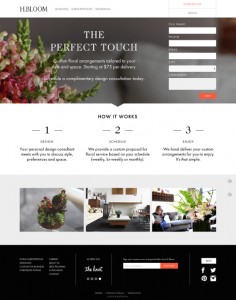
Landing pages
For more great landing page examples, check out this blog from Hubspot.


A perfect landing page is not a sales pitch asking for information that the visitor doesnโ€™t want to give up. A well-designed landing page will convert at least 20% of its visitors into leads by guiding them and warming them up. Here are eight jobs landing pages can accomplish for you.

  1. Landing pages are an opportunity to persuade visitors that what youโ€™re offering them has value equal to, or greater than, the information youโ€™re asking from them.
  2. Landing pages offer grounded, real benefits. Not abstract features. When you have a problem, you need the solution and the features donโ€™t really matter as much.
  3. Landing pages help your visitors feel like theyโ€™re understood. It can show them that you know about their problem, you understand their frustration, and you can help them. Understanding leads to empathy. Empathy leads to connections.
  4. Landing pages will give your lead something of value in exchange for personal information. But it wonโ€™t take a lot of their time. They can get a solution or learn something new and move on with their busy schedule.
  5. Landing pages provide social proof of your value. Your leads will feel safer knowing that other people have done what theyโ€™re thinking of doing and benefitted from it.
  6. Landing pages will trigger one of the six psychological principles that influence people โ€“ scarcity. Scarcity will encourage them to act sooner rather than later.
  7. Landing pages point out a gap in the visitorโ€™s knowledge and then provide a way to fill it. Curiosity can be piqued and your visitors will develop a need to know more.
  8. Landing pages make your leads feel important. By showing them that what you offer is important information or a valuable solution you are telling them that by association they are important and valuable as well.

Read more: How to create a high-converting landing page.

How to design landing pages

Landing pages come in every different shape, size, and structure imaginable. There are no rules when it comes to design, but the best landing pages have a few important elements in common:

  • Strong keywords to ensure the page is as searchable as possible.
  • A simple layout that ensures visitors can find what they need in seconds.
  • Educational and persuasive content that answers questions they may have.
  • An engaging design with helpful headings and images that looks sharp.
  • Clear calls to action that make it easy for visitors to take next steps.

If you’re new to the idea of landing pages, there are a couple of ways you can proceed.

If you plan to build the landing pages yourself, we strongly recommend A/B testing to see what design elements are most persuasive. Play around with the layout, color, and images. Try a couple of variations in the headings and text to see what resonates best with your readers. Be prepared to make a few adjustments here and there to ensure your pages are working as effectively as possible.

It’s important to remember that one size doesn’t always fit all. Running a variety of different offers, targeted to a variety of different demographics, will broaden your reach exponentially. Studies have shown that having more than thirty landing pages on your website will generate 7x the number of leads than websites with less than ten. Different people like different things, and keeping this in mind will ensure you target all the different elements people will find persuasive. The results can be huge.

You may also want to consider bringing a marketing agency on board. Marketing agencies design custom landing pages all day, every day, and they’ll have a pretty good idea of the types of things that work best in your industry. Outsourcing the design and development of your landing pages also means they can run things like A/B testing for you and make all the necessary adjustments, which means you can invest your time and energy into other parts of your business.

Read more: 5 website design trends you need to watch.

Why landing pages are important

As we said right at the start of this blog post, a landing page is essentially your digital marketing representative. It can help you convert leads every day of the year, even while you’re doing other things. Done right, they’ll become a key component of your digital sales funnel.

Within seconds of viewing a landing page, a visitor should have enough information to decide if they want to accept your offer and continue through the buyerโ€™s journey with you. This split-second decision can mean more leads and conversions or it can mean more bounced visitors to your site.

If you donโ€™t have enough landing pages, then youโ€™re missing out on a plethora of opportunities to gather valuable information on potential leads. So what are you waiting for?

Ready to get started? Schedule a free consultation.

Exceptional customer service should be at the heart of specialty construction marketing.

Weโ€™re often asked if inbound marketing works for specialty construction companies, including builders, roofers, painters, landscapers and more. The short answer is yes, because customers use the internet as their primary tool to research services before making decisions.

The secret to making it work is to think of it as a customer service tool more than a sales tool. More often than not, customers will come to you with a problem. For example, they may need to make space for their growing family, update a kitchen or bathroom to increase functionality, or repair a leaking roof or damaged wall. Your digital presence should be dedicated to helping them.

We get it โ€“ marketing is probably the last thing on your never-ending to-do list, but itโ€™s a really important thing to consider when youโ€™re planning to scale your business.

Stay tuned and weโ€™ll run you through the basics of construction marketing strategy.

Want to talk to a real person? Schedule a free consultation.

Step 1: Refresh your website

If you have a website, great! We recommend overhauling it every 2-3 years to ensure all the information is up-to-date, that the look and feel is fresh and accessible, and that all the technology is working properly. A great website will form the foundation to your entire marketing strategy, because it provides prospective customers with the chance to make sure youโ€™re the real deal.

If you donโ€™t have a website, no problem! Itโ€™s entirely possible to build a website yourself, but itโ€™s a pretty big undertaking and youโ€™ll need to get up to scratch with the technical side of things pretty quickly. We recommend hiring a professional marketing company, because theyโ€™ll be able to get you up and running much quicker, while optimizing the content for readability and SEO.

(Donโ€™t worry, weโ€™ll explain SEO in a minute.)

Theyโ€™ll expect to see an informative home page, an about page that explains who you are and what youโ€™re about, and a service page that explains exactly how your business can help them. Youโ€™ll need to have a clear and simple contact page, to make it easy for people to reach out to you, and we recommend listing your phone number on every page so they donโ€™t have to search for it. Basically, itโ€™s a digital store front, and you want to create the best first impression possible. Focus on creating an exceptional experience right from the start.

Green-lighting a job in the construction industry, whether B2B or B2C, usually requires a sizeable investment, so customers will want to know who you are and why they should trust you. To that end, we recommend including some photography โ€“ people are much more likely to trust a website with photographs, because itโ€™s easier to confirm that theyโ€™ll be dealing with a real person.

Read more: 5 website design trends you need to watch this year

Step 2: Register for Google My Business

You may not have heard of Google My Business, but itโ€™s an absolute essential. Itโ€™s a free tool for businesses to manage their online presence across Google, which includes both its Search and Maps functionality. This is really important when it comes to local leads.

For example, if someone Googles โ€œgeneral contractors near me,โ€ the search result will include a map of your local area with pins on all the relevant businesses in the area who have Google My Business. Theyโ€™re generally listed in order of SEO-friendliness (thereโ€™s that word again, we promise weโ€™ll get to it soon!), with an option to click through to the website or get directions.

According to BrightLocal, 64% of consumers use Google My Business to find addresses and phone numbers of local businesses. Itโ€™s the modern version of a telephone book, and an absolute no-brainer in terms of generating new leads. Google says that businesses with complete profiles are likely to get seven times as many clicks as those without.

Aside from appearing in search, Google My Business is also a great way to let people know what hours you work, when youโ€™re closed for holidays, updates that affect your business (the COVID-19 outbreak is a great example), as well as photographs of your work to increase your credibility. Communication is the key to good service.

Importantly, it also has a reviews function. Asking happy customers to write a quick review is also a great way to improve your credibility, and may boost leads.

Remember, this is about serving the customer, so you need to make it easy for them.

Read more: 10 tips to improve your websiteโ€™s ranking on Google

3. Boost your SEO

A-ha! Hereโ€™s that paragraph we promised at the start. SEO means โ€œsearch engine optimization,โ€ and it refers to a group of strategies designed to make sure people can find you when they need you. The easiest way to do this is to ensure your website ranks on Google for related searches.

So how do you do that? You need to find out all the keywords people are likely to type into Google to find businesses like yours โ€“ for example, general contractor, plumbing services, electrical services, tiling services, and so on. One great way to do this is by typing a few different options into the search bar and seeing what Google Autocomplete returns. You can also use tools like Google Trends to see what topics are ranking in your area and compare different words to see whatโ€™s stronger.

Once youโ€™ve identified the keywords, you need to make sure you include them on your web pages. Again, theyโ€™re like signs at the front of a store. Whatโ€™s inside? What do you offer?

Another strategy that can significantly boost your SEO is to start a blog that answers commonly-searched questions. For example, how to fix a leaking tap? How to fix a hole in the wall? How do I select the right contractor? How much do contracting services cost? These serve two purposes: first, they include searchable phrases that might help your website rank higher on Googleโ€™s results page. Second, they immediately position you as being an expert and your business as being helpful.

This shows prospective customers that your customer service is top-notch, right from your very first interaction with them. Donโ€™t worry about giving information away for free, the truth is that talking people through common problems step-by-step simply helps them understand whatโ€™s required before they go ahead and engage your services. Transparency is the key to trust.

Read more: How to write a blog that will help grow your business

Digital customer service

Nothing replaces a personal connection and a beautiful construction job. However, with more customers searching for local services online than ever before, itโ€™s a digital marketing strategy is just as important when it comes to growing your construction business. A credible website, a current Google My Business listing, and a helpful blog will give prospective customers a taste of the service on offer and encourage them to take the next step toward engaging your services.

And who knows? It might start with patching a hole in a wall, then turn into a new deck, a kitchen renovation, and a whole new build. The possibilities are limitless.

Ready to scale your business? Schedule a free consultation.

Trust is the cornerstone of the financial industry, which means customers want to be sure of a few things before they engage your services. At the top of the list are expertise, transparency, and accountability. They want to know who you are and what motivates you.

Thatโ€™s why referrals have always been, and will continue to be, the most powerful form of marketing in this sector. Theyโ€™re a huge source of new business because they prove that your company can be trusted to deliver services that will meet the customerโ€™s expectations.

Essentially, someone else has done the hard work and taken the leap of faith for you.

However, the next generation of consumers are a little bit different. Theyโ€™re digitally native, having grown up with a wealth of information at their fingertips. Theyโ€™re confident and capable at doing their own research online, which presents exciting new marketing opportunities.

Here, weโ€™re going to run you through three effective finance marketing strategies you can use to build trust in your community, boost your reputation, and grow your customer base.

Prefer to chat in person? No problem, please schedule a free consultation.

1. Capitalize on word of mouth

As we already know, referrals are incredibly powerful in finance marketing. There are a few different ways you can utilize them to enhance your marketing strategy.

For starters, why not offer a referral incentive? American Express is a great example of this. The company offers two types of frequent flyer deals: a sign-up bonus for new customers, and a referral bonus for existing customers who recommend and convert new customers. All they have to do is share a link generated through their account, and boom. Referral. Itโ€™s a genius idea, and a great way to expand the circle of trust around each customer.

Itโ€™s also important to make sure you get written referrals, in the form of testimonials and reviews. These are incredibly value to modern consumers, who will inevitably scope out your website before reaching out to you directly. There are a few ways you can incorporate them into your strategy:

  • Add a testimonials page to your website and include comments from customers.
  • Ensure your Google My Business page is up-to-date and check the comments frequently.
  • Share snippets of testimonials/positive customer feedback on your social channels.

Make it part of your standard business practice to ask for customer feedback at the end of every project. Positive feedback is great to share, while negative feedback is a helpful tool to improve the way you do business in future. Itโ€™s a win-win situation and a powerful way to build credibility.

Read more: Start building trust with your community through finance marketing

2. Automate your sales process

Automation may seem like a strange recommendation. How can that help boost your business? The truth is that itโ€™s possible to make your website make money for you while you sleep. Automating your processes means it will act as a 24/7 sales representative, constantly generating new leads.

The best place to start is by auditing your website. Is it up-to-date? Engaging? Is the information helpful? Does it look modern? Does it accurately reflect your brand story? Is there a strong call to action? How hard is it for a customer to take the next step to doing business with you?

Generally, a customer will enter your sales funnel in one of two ways:

  1. Theyโ€™ll be recommended your services either directly through word-of-mouth, or indirectly if someone in their circle engages with your online content and causes it to enter their feed. In this case, theyโ€™ll enter your digital ecosystem through Facebook or your homepage.
  2. Theyโ€™ll be actively looking for help with a problem, in which case theyโ€™ll likely use a social media platform or a search engine to find financial services in their area. In this case, theyโ€™ll enter your sales funnel through a search result, e.g. Google My Business or a blog post.

Once theyโ€™re on your website, the ball is in your court. The most important thing is to provide helpful information that helps answer their question or address their problem. That will immediately create a positive impression, and encourage them to take the next step toward fixing it.

Every page on your website should invite them to take action. It doesnโ€™t matter what this is โ€“ for example, they can schedule a free consultation, sign-up for a newsletter, enter their contact details into a form and receive a free PDF, and so on. They key is to build enough trust that theyโ€™re willing to part with some personal information, such as an email address, and invite you to respond.

You can also take steps such as installing chatbots to answer frequently asked questions on the spot, without having to be constantly logged into your website, and create dedicated landing pages (complete with video) for specific search terms to create a personalized experience.

Automating this process means every customerโ€™s journey is smooth from the start.

Read more: Anatomy of a high-converting landing page

3. Content, content, content

Content marketing is a great way to convert searchers into new clients, which is why we recommend it as part of every comprehensive finance marketing strategy. There are a few reasons for this.

First and foremost, it helps your website attract the attention of search engines, because it uses many combinations of keywords that help answer common search terms. This is an excellent way to connect with people who are avidly searching for the services of businesses like yours.

Second, it helps establish your credibility as a thought-leader in your field. Show prospective customers how knowledgeable you are by answering frequently asked questions, offering your thoughts on industry developments, letting them know about new opportunities, and so on.

Third, it keeps your website fresh and bolsters your efforts on other platforms, such as social media. Facebook and LinkedIn are always hungry for new fodder, so if you provide information that is interesting and helpful, it will generate engagement from your community and help build awareness of your brand. This will ensure youโ€™re top-of-mind when theyโ€™re looking for financial advice.

Fourth, it gives you great advertising content. If youโ€™ve written a stellar blog that answers a trending question, boost it with Facebook or Google Ads. Both work on a PPC model, which means they can be very budget-friendly, and will put your content in front of many sets of fresh eyes.

Content can be done in many different forms, but for financial services marketing, we recommend informative blog posts of 1200+ words as well as interesting explainer-style videos around 3-5 minutes in length. That way, your content will be long enough to be authoritative, but short enough to be easily consumable. Ensure you write catchy headlines to capture peopleโ€™s attention.

Read more: How to write a blog post that will help grow your business

Finance marketing strategy in a nutshell

As we said at the beginning, successful finance marketing campaigns focus on building trust with prospective customers. That means you need to take every opportunity to project your authority in the field and make sure people understand that you can answer their questions.

Each one of these strategies will help you generate new digital leads; however, used together, they provide a comprehensive roadmap that will take your next marketing campaign to a new level.

Ready to get started? Schedule a free consultation.

Good dental centers are built on great reputations. If you help someone with an emergency root canal, make a childโ€™s first visit to the dentist fun, or solve a problem during a routine check-up, your patient will have a positive experience. You can bet your bottom dollar theyโ€™ll tell their friends. Word of mouth is the oldest form of marketing, and it’s incredibly powerful.

When the time comes to scale your business, however, you’ll need to develop a digital marketing strategy. This is an essential tool when it comes to bringing in more clients.

Here are five genius ways to grow your practice quickly and easily.

Just want to talk to an expert? Schedule a free consultation.

Content Marketing 

Imagine a world where your practice is at the top of every Google search. Sounds good, right? That’s what content marketing aims to achieve. Here are the core elements.

Read more: Learn the basics of content marketing.

Blogging 

Blogging is one of the most powerful tools for growing your client-base as a dental practice. Its value comes in its longevity. A post written today could still be a key part of your sales funnel years from now. If youโ€™re wondering how a blog can be part of a sales funnel in the first place, let us explain.

First, itโ€™s an effective way to add combinations of keywords to your website to boost the search engine optimization (SEO) of your website, which builds awareness of your practice’s brand. Itโ€™s also a fantastic way to answer frequently asked questions and help people understand that you can help solve their problems, which will generate leads. Content lets your brand personality shine, which ensures people have a positive experience while interacting with your business.  

Blogging, building awareness, generating leads, and demonstrating brand personality all help to draw potential clients to your website, where they can learn about the services you offer. The last of these can be particularly beneficial for dental practices, as many people feel uncomfortable visiting a dentist, so being able to show some personality and warmth in your blogs can alleviate that.  

Read more: Learn the tried and tested blogging technique we teach our clients.

SEO 

SEO (search engine optimization) should be a major focus of your digital marketing strategy if you want to be successful. It makes your content easy to find on search engines, which allows customers to find you when they need your products and services, which generates leads and allows you to grow your dental practice! There are five key components we use for SEO for our clients.

The first is keywords, the terms people search when they are looking for information. In addition to the obvious single words that you may be familiar with, we also use โ€œlong-tail keywords.โ€ These are actually phrases, such as โ€œSEO for dental practices,โ€ and are terms that people are likely to search.

The second key component in SEO is called backlinking. Search engine use links as a sort of referral system. Think of it as the website posting the link is saying that the website the like goes to is worth checking out. This helps webpages rank higher in search results. Now that we’ve pointed it out, you might notice the links scattered throughout this post.

Read more: Find out the other three components of our SEO strategy here.

Social Media 

Social media is now an essential element of every successful digital marketing strategy. It is an easy way of connecting directly with your client base and can allow you to provide a more personal touch. It also opens up a two-way dialogue with your clients, allowing them to provide criticism and feedback of your service, which is invaluable when you want to grow your practice.

Thereโ€™s an ever-growing number of social media platforms and the way they are best used varies between them. The biggest is obviously Facebook, however, its user-base tends to be older now as younger people gravitate towards newer platforms. Among these are Twitter and Instagram; Instagram in particular is a great platform for what we call โ€œinfluencer marketing,โ€ which involves people with lots of followers making honest reviews about a product or service in return for payment or free goods/services. The latest platform to come to prominence is TikTok, which is super popular among young people and has also seen lots of successful influencers. 

The right platform for your practice will depend on your target demographic, as well as the amount of time and money you’re able to spend to develop and share your messages.

Read more: Which social media platforms work best for dental practices? 

Digital Advertising 

Facebook Ads 

Facebook Ads is one of the biggest revolutions in advertising in recent times. Because of the huge amount of data Facebook collects about its users, youโ€™re able to target your dental practise to exactly the demographic you want to be serving! Facebook ads are also dynamic, so you can constantly tweak them to improve outcomes and test wording and imagery optimize performance.

An effective process for determining the best way to run ads is called A/B testing. In this model, you can run two different versions of the same ad at the same time, with different text or images, to see which one performs best. That way, you get immediate feedback on what works and what doesn’t, so you can ensure you’re getting the maximum impact possible from each ad.

Read more: What are Facebook Ads and how do we use them?

Google Ads 

Google is the worldโ€™s most popular website, and it has been estimated that as many as 63% of users would click on Google Ads. Itโ€™s been estimated that it handles as many as 7 billion searches a day, meaning that thereโ€™s a huge amount of potential in putting your dental practice in peopleโ€™s eye-line. Google reports that its advertisers make an average of $8 for every $1 spent. That’s an 800% ROI!

Most people probably already know what Google Ads look like, but you may not realize that there are two different systems that underpin the two types. The first type is Search Ads. These typically show up at the top of your search results page and can be distinguished from โ€œorganicโ€ results by the little green box with โ€œadโ€ in it next to the URL. The system used to rank these ads is called pay-per-click. This means that companies bid a maximum amount they are willing to pay each time someone clicks on their ad. This, along with data about the usefulness of the ad and the page it sends people to, is used to determine whether your ad beats out the competition to be shown in the best spots. 

The second type of ad is the display ad. These allow visual imagery to be used alongside text and are shown on websites, typically down the sides or across the top of webpages. They can be identified by a small grey box that says โ€œad.โ€ The pricing structure for these differs because they can be used differently. The use of visuals means you can achieve the goals of your marketing campaign without having people actually click on the ad. This is why this type of ad is based on a pay-per-impression structure, where the company pays each time someone โ€œseesโ€ the ad.  

Read more: Do Google Ads work for marketing your business?

Ready to get started?

We hope this post shows some of the ways you can rapidly grow your business. You can do them yourself, but if you’d like some professional help, we have years of experience and a strong track record in dental marketing.  Schedule a free consultation.

Every good finance marketing campaign starts with trust.

When you help someone with their finances, theyโ€™re not just trusting you with the numbers. Theyโ€™re trusting you with their livelihood. It doesnโ€™t matter if youโ€™re running a credit union or offering a new POS solution for small retail stores; you can have a profound impact. You can help them solve problems theyโ€™re facing every day to improve efficiencies and improve their bottom line.

There are two key aspect of trust that you can develop with digital marketing services.

The first is credibility, and the second is transparency. Clients want to get to know you a little bit, so they have an idea what kind of business theyโ€™ll be working with. That means communicating to them that youโ€™re qualified to help, and an expert in your field, and that engaging your service will be the start of an open and honest relationship in which you have their best interests at heart.

Ready to get started? Letโ€™s dive in.

If youโ€™d prefer to skip straight to a conversation, schedule a free consultation.

Trust starts with a website

It may seem elementary, but the first and most important thing you can do to start building online is to have a good website. This isnโ€™t something you can just set and forget. A good website is something that youโ€™re constantly updating with fresh information, to ensure all the content is up-to-date and that it has a contemporary, professional and engaging look and feel.

A website is essentially a digital storefront. Bear with us a moment and picture two offices side by side. One has gleaming windows, fresh paint and clear signage that indicates exactly what products and services are on offer. The other has cracked tiles and cobwebs under the eaves, with a sign that is now missing a few key letters. Which would you trust to help your business?

A good website needs a few key elements:

  • A well-organized structure. Keeping things clear and simple means clients, and prospective clients, can quickly find the information they need. This is the first impression you make, so if your website is helpful, theyโ€™ll assume you are too and be more likely to proceed.
  • Concise, helpful information. Modern consumers favor straightforward text, broken up into bite-sized chunks that make each page easy to skim-read. That means using keywords, headings, bullet points and other formatting devices to convey information.
    • An engaging โ€œHomeโ€ page. Make the right impression with an attention-grabbing homepage that captures your companyโ€™s personality and expertise.
    • A polished โ€œAboutโ€ page. This is where you demonstrate your qualifications, with brief bios of key team members, as well as any professional affiliations.
    • A helpful โ€œServicesโ€ page. Clearly set the services you provide, including a brief sentence or two explaining how you can help your clients.
    • An active โ€œResourcesโ€ page. Blogging is great way to capture peopleโ€™s interest. Blogs are laden with keywords that perform well in search, and can be used to educate clients, answers FAQs, and position yourself as a thought leader.
    • A simple โ€œContactโ€ page. Donโ€™t make clients play hide-and-go-seek to find your phone number. Ensure your contact details are intuitive and easy to find.
  • Strong visuals. Imagery goes a long way toward creating a sense of transparency. Corporate photos are a powerful way to do this; corporate video will take it a step further. This allows people to see and hear you, so they get a sense of what it will be like to engage you.
  • A clear call to action. Whatโ€™s the next step you want new clients to take? Arrange a phone call? Schedule a free consultation? Sign-up for something? Make it clear on every page.

Read more: 5 website trends you need to watch this year

Google boosts credibility

Secondary to a good website is a Google My Business profile. This is one of the most powerful ways you can use search engine traffic to generate new leads., because it makes you discoverable to anyone who searches terms like โ€œbest accountant in ___โ€ or โ€œbest credit service in ___โ€, etc.

Most importantly, it improves your SEO in your local area, and keeps clients informed about your details โ€“ for example, your opening hours, your phone number, and any updates such as holiday closures, expanded services, and so on. It also boosts consumer confidence because it creates a public forum for reviews (weโ€™ll circle back to this a little later in this post) and you can add photos.

Every business automatically has a Google My Business profile. All you have to do to get started is sign into www.google.com/business, fill in the details, and verify that you own it.

Read more: 10 tips to improve your websiteโ€™s ranking on Google

Power of online reviews

Word of mouth is the original and best form of marketing. Since the first business was invented, people have been talking to their friends, family and co-workers about what they did and how they helped. Itโ€™s the simplest and easiest way to generate leads, because if one client tells another person they had a good experience, they are more likely to trust you.

Reviews are the digital equivalent. The internet is made up of a community of strangers, so trust is never assumed, but people will be much more likely to trust businesses if others have had good experiences. Google My Business provides an excellent platform to facilitate this.

Once you set up your profile, ask your long-term clients if theyโ€™d mind leaving a review. Make it a standard business practice to ask clients to leave reviews when you finish up different contracts. Ask colleagues, business partners, and even employees to leave reviews.

โ€œThatโ€™s great,โ€ we hear you thinking, โ€œbut what if I get a negative review?โ€

Negative reviews are a scary prospect, but they donโ€™t actually have to be a bad thing. For example, they can be a great way to identify opportunities to improve your services and business practices, improving customer experience and increasing efficiency and maybe even profitability.

Theyโ€™re also a powerful way to demonstrate the character of your company. You may need to take a deep breath and calm down for a second before you reply, but itโ€™s important that you do respond to every single comment left on your platform. Your replies will also be public, so they allow other people to see that you are efficiently, polite and professional. Addressing grievances through reviews also shows your commitment to customer service. Who knows, if youโ€™re able to solve a problem, you may even be able to turn the negative review into a positive!

Read more: 6 must-read tips to rocking your online reviews

Testimonials as proof

Another really effective way to prove your trustworthiness is to incorporate testimonials on your website. All you really need is a positive comment attributed to a real person.

For example, you could use an excerpt from an email one of your clients has sent with positive feedback on a project (with their permission of course). Testimonials can be as long or short as youโ€™d like, as long as you can show prospective clients that they can from a real person at a real company. They are incredibly persuasive โ€“ since theyโ€™re placed on your website, customers will be perfectly poised to respond to the call to action. It could be the final gentle nudge they need.

Have questions about implementing these strategies? Schedule a free consultation.

Content marketing is a powerful marketing tool for a few reasons.

For one thing, it’s an effective way to add combinations of keywords to your website to boost your SEO, building awareness. For another, it’s a great way answer questions and educate people about why your products and services are the best option for their needs, generating leads. Content lets your brand personality shine, which ensures people have a positive experience while interacting with your business.

Content marketing comes in lots of different forms, but for the purposes of this post, we’re going to talk about nailing the humble blog. Blogging may sound a bit silly at first – after all, how is an article tucked away on your website going to boost your business? Truthfully, it’s an essential component of an inbound marketing strategy, and when it’s done well, it will work hard for you for a long time to come.

If you’re new to writing, it can be a bit intimidating. The truth is that you can follow a really simple formula. It’s a bit like a recipe – if you know what ingredients you need, you can just mix them together and know that you’re creating something that will work. Here’s a five-step method that we use for all our own blog posts.

Looking to outsource this? Schedule a free consultation.

Step 1: Know your goal

Every piece of content should serve a specific purpose, so the most important thing is to figure out exactly what you’re trying to achieve by writing the blog post. This will make sure you stay on track. For example:

  • Are you trying to build awareness of your brand and attract a new audience?
  • Do you want to win people over to your viewpoint or opinion?
  • Are you promoting your product or service?
  • Are you educating people or raising awareness?
  • Are you reporting on a new and important piece of news that is relevant to your industry?
  • Are you answering questions and looking to increase your reputation as an expert?

Having a clear goal will also help you choose a topic that addresses a specific issue. This is really important for SEO purposes, but also readability, because it will stop you from rambling and losing people’s interest.

Read more: Seth Godin is still right, content marketing is the only marketing

Step 2: Define your audience

Once you know what you’re trying to achieve, think carefully about the target audience. This will impact the way you present your information, because you’ll need to identify the tone and style of content most likely to resonate with them. Think about things like location, age, income level, education level, and pain points.

Read more: What are buyer personas and how can they convert leads?

Step 3: Research

There are three key components to researching a new blog post: competition, keywords and facts.

Research your competition

What are your competitors doing? Scope them out before you start to write your piece, so you can see what’s already being done and look for gaps in the market that your content can fill. Regurgitating content everyone else is doing is essentially a waste of time, because it will be really hard to make your content stand out in order to build your brand and start driving traffic to your website. Instead, look around and see if you can find a niche, and use this as the basis of your content marketing strategy. If people are looking for information on that topic, and you’re the only one providing helpful information, you’ll start capturing attention for all the right reasons.

Research your keywords

Once you’ve identified your goal, defined your audience and found your niche, it’s time to research the most popular search terms on that subject. This will make sure people can find it when they’re looking for answers on this subject through search engines such as Google. There are lots of tools available to help with this. Google Keyword Planner and Google Trends are the obvious ones, but we also recommend SEM Rush and KeywordTool.io. They’re also a good way to identify any topics that are trending in your industry.

Read more: Pump up your SEO efforts in 2020 with these simple tricks

Research your facts

Check, and double-check, every piece of information your share on your blog. One of the biggest challenges of content marketing is the abundance of false information available online, and it will be really embarrassing if you’re ever called out for accidentally relying on a “fact” that isn’t actually true. Do your homework and trace facts back to their source. You can even link to them in your blog post, so people can check for themselves. Always make sure you’re sharing high-quality information. A little bit of research at this stage will go a long way to building your brand’s credibility and establishing its authority as a thought-leader in your field.

Step 4: Write your post

Now that you’ve assembled your ingredients, it’s time to follow the recipe.

Google’s reputation depends on its ability to fine high-quality content that quickly answers search queries. As such, there are a few simple things you can do to improve the chance the algorithm will find and rank your post.

  • Use the goal you identified in Step 1 to make sure your content stays on track. Convenience is important in attracting and sustaining the interest of modern consumers, because they have a wealth of information available at their fingertips. They want answers quickly, so it’s best to get straight to the point.
  • Use the keywords you identified in Step 3 to provide structure. You should aim to find 3-5 related keywords to incorporate into your blog post, to maximize its chance of showing up in search results. The most popular search result should form the title of your blog, while the next few will form the subheadings, and then you’ll color in the gaps in between. See what we mean about following a recipe?
  • Keep sentences simple. You’re not trying to write an award-winning novel, you’re trying to help the good folks of the internet, so make sure your writing is clear. When it comes to structure, you might find bullet points to be a helpful aid (like what we’re doing here) to help break things into bite-sized chunks.
  • Aim to write about 1,200-1,300 words on your topic. Search engine algorithms are programmed to favor longer posts, because these are more likely to answer search queries in sufficient detail.
  • Always run a spell-check to make sure your copy is sparkling clean.

Read more: Starting a blog (an expert guide to content marketing)

Step 5: Build your funnel

Great, you’ve written your blog post! You’ve picked a topic that meets your goal, optimized content for your target audience, found a niche in the market and packed it with searchable keywords, and created well-written copy. You’ve done all the hard parts, but it’s not time to put your feet up just yet. You need to incorporate that blog post into your sales funnel to ensure you maximize its value over time. Put that baby to work!

  • Share the post on your social media channels, and promote it through Facebook Ads and Digital Ads. This will build awareness of your brand. It will also educate clients about why they need you.
  • Link back to your post in future blog posts, to help educate customers about certain topics and explain why you can help solve their problems. This is really persuasive in the consideration phase.
  • Always incorporate a strong call-to-action that makes it clear exactly what next steps are required to proceed to the conversion phase of the path to purchase. For example, ask readers to schedule a free consultation, or direct them to a dedicated landing page that invites them to proceed.
  • Finally, keep blogging. Consistency is an essential part of every content marketing strategy, because each blog will build upon the good work of the last one, to create a comprehensive long-term strategy.

Blogging isn’t a “build it and they will come” scenario. Yes, a stream of fresh content will help your website rank higher in search; yes, keyword-optimized posts are likely to boost your spot on Google’s results page.

However, it’s capable of doing a lot more to help you. Integrating your content marketing strategy into your sales funnel will ensure you get the maximum impact for the time you invest in creating each post. This will go a long way toward building awareness, generating leads, and ultimately converting sales to grow your business.

Ready to get started? Schedule a free consultation.

Originally published on June 19, 2018. Updated on May 25, 2020.

Shopping has changed a lot since smartphones were invented. Remember the good old days? All you had to do was see a TV commercial or hear a recommendation from a friend and know you were about to get a great deal. Today’s customers need a little more persuasion.

According to Think With Google statistics from January 2018, 53% of shoppers say they always do research before they buy to ensure they’re making the best choice possible. What’s more, nearly 2/3 of shoppers say online video has given them ideas that inspired their purchase.

It makes sense, right? Smartphones put all the answers right at their fingertips. They don’t have to blindly trust that a product is good; they can read the reviews, compare prices, and find out what the brand’s competitors are doing. Consumers are much more empowered.

There’s no way to ignore the numbers. The whole buying process has evolved, and if you want to stay profitable, you need to be changing right along with your tech-savvy consumers. They’re looking for educational material, reviews, and testimonials.

To stay on top, you need to provide them with that information.

Too hard basket? Try outsourcing!ย Schedule a free consultation.

Evolution of the SEO blog

Blogs have long been a powerful tool that businesses use to educate the public, in order to capture their attention, solve their problems, and gently guide them along the path to purchase. They’ve gone up and down in popularity over the years, but we say the humble blog is here to stay.

In the early days of blogging, all you had to do was write 400-odd words about your products and you’d be set. Various combinations of keywords would naturally boost your SEO, and it was an almost effortless way to start driving traffic to your website. Then other businesses caught on to the trend, and the floodgates burst open. Today, SEO is a fiercely competitive game.

Marketing strategies change all the time as technology and consumption habits evolve. The industry has moved away from traditional outbound marketing methods to new inbound marketing methods. The idea is not to force your brand messaging down the throats of the unsuspecting public, but to make yourself easy to find when they’re looking for your products and services.

Blogs are a critical part of this strategy, because the first thing anyone with a problem wants to do is find answers. Educate your prospective customers. Tell them tips and tricks, publish how-to guides, answer frequently asked questions. Try to help; don’t try to sell. Remember, today’s customer is tech-savvy, which means if they can’t find the answers on your digital assets, they’ll look elsewhere.

Give them a good experience, however, and they might stick around to learn more. They’ll browse a related blog article, or click through to your “about” page, or check out your products or services. If you strike the right note, they may even reach out and ask more questions.

Blogging has evolved a lot over the years, but it’s still an essential marketing tool.

Read more: Pump up your SEO efforts in 2020 with these simple tricks

What does modern blogging require?

Blogging is more than just blogging now, and it has been for a while. Consumers still can’t seem to get enough content and us content marketers are hard pressed to provide enough. Customers are demanding not just written blogs, but a variety of types of content.

Remember the statistic we shared about video? Two-thirds of online customers told Google that video has inspired them to purchase. A modern blogging strategy should include:

  • Videos: Short-format content, ranging from 30 seconds to about three minutes, can be a great way to convey information quickly and help your prospective customer.
  • Infographics: Significant amounts of content presented in a visual, easy-to-digest format.
  • Podcasts: Free audio files, usually offering informative content, delivered in subscription form that can be downloaded and listened to on the move.
  • eBooks: Longer format educational information, including how-to guides, can go a long way to boosting your credibility by presenting you as a thought-leader.

Read more: What is StoryBrand marketing and how can it help my business?

How does blogging actually help?

Another Think With Google article, published in June 2018, notes that modern consumer paths are becoming increasingly complicated. The average computer user will use 3.4 touchpoints before committing to a purchase, whereas a smartphone user will have an average of 2.9 touchpoints.

This means they interact with a variety of sources while researching their purchase before making a decision. The first touchpoint for the average smartphone user looks like this:

  • Web search: 22%
  • Store/manufacturer website: 18%
  • Price comparison website: 12%
  • Conversation with friends: 13%
  • POS/in-store visit: 7%
  • (A whole bunch of little ones fit here, including social media)
  • Video streaming website: 4%.

As you can see, web search and business websites are the two key sources of potential consumers – right off the bat. This means your SEO strategy needs to be on point, and your website needs to be in tip-top shape, if you want to catch people’s attention for the right reasons.

Blogs form a key part of this strategy, because they naturally contain more keywords than webpages, so they typically rank higher in search. A consistent stream of new posts also keeps your website fresh and up-to-date, which appeals to modern consumers.

Remember, this is just the first touchpoint in the process. For smartphone users, there are still another 1.9 touchpoints to come, and you want to be sure they find you.

Read more:ย Seth Godin is still right, content marketing is the only marketing left

Where do your clients consume content?

Most people start their research on Google, but many are also exposed to brands for the first time on Facebook and other social media channels. According to statistics from Facebook, published in 2018, there are 2.45 billion monthly users. About 247 million of these are based in the United States and Canada. More than half of these admit to checking the platform “more than a couple of times a day.”

Blogs make great fodder for search and social. Your Google Ads can drive traffic to blog posts; your Facebook and LinkedIn ads can share information for people to read, comment about, and (hopefully) share with their friends. They key is to be consistent, and keep ’em coming.

One of the foundational parts of running a 21st-century business is interacting with your customers. It’s as vital today as having a working business phone. In order to do that successfully, and capitalize on it, you need to figure out where they’re spending time online. You can make assumptions about this based on a couple of things – for example, where do you interact with most customers now? How old are your customers? Where are they based? Are you targeting consumers or businesses?

HubSpot is a leading American software developer, specializing in marketing and sales products. It compiles a report every year telling marketers what demographics are using different social media platforms, which is incredibly helpful when it comes to targeting the right people:

  • Facebook:ย The most popular age range of users is 18-29, at 81%. About 75% of users are based in urban areas, and 90% access the site via mobile devices. College graduates make up about 77% of adult users, and the median income is between $30K-$49K. Helpful, right?
  • Instagram:ย About 42% of Instagram’s users are college graduates. It’s a smaller number because it appeals to a younger audience, with 72% of users aged 13-17. However, it’s very powerful, because 60% of users say they discover new products on the platform.
  • LinkedIn:ย LinkedIn is a primarily business-to-business platform, and it has about 165 million users in the United States. The average age of users is higher: 36% are aged 18-29, while 34% are aged 30-49. As you might expect, many of these are college graduates.
  • YouTube:ย About 81% of American internet users aged 18-25 watch YouTube videos. It’s no surprise, then, that about 15% of all YouTube traffic comes from the United States. About 62% of YouTube users are male, who spend an average of 44% more time on the site than women.

See what we mean? Each platform attracts a different audience. You obviously already know who your target customer is, so you need to keep this in mind when you’re trying to reach them. The tone and style of your blogs will need to adjust to appeal to different demographics; so does the platform on which you share them. This really is about working smarter, not harder, in sharing your message.

Read more:ย Google judges your website based on mobile friendliness

It’s now called content marketing

Blogging emerged as a way to answer a need for content, boost SEO rankings and keep websites fresh. After all, it’s much easier to type out a quick blog post than re-think your website every week. As Google’s algorithm has changed, we’ve learnt to incorporate searchable keywords; as Facebook’s algorithm has changed, we’ve learnt to improve visuals and include video when we can.

However, blogging is no longer a standalone digital marketing strategy. Rather, it’s a critical part of a digital ecosystem. Modern marketing strategies might incorporate blogging as follows:

  • Problem: A business wants to increase brand awareness and generate leads
  • Solution Part 1: You create an editorial calendar – including how-to guides, frequently asked questions or hot topics in your industry – aiming for 2 x new blog posts every month for six months. You incorporate strategic keywords, which naturally boost your SEO.
  • Solution Part 2: Blogs are shared on Google Ads, either as a search ad (which appears at the top of the Google results page for a search of like keywords) or a display ad (which appears on Google’s many other internet properties). This drives traffic to your website.
  • Solution Part 3:ย Blogs are shared on social media, either as organic posts (which are designed to encourage community engagement) or Facebook Ads (which are designed to boost awareness). They’re tailored for your target audience. This drives traffic to your website.
  • Solution Part 4: Every blog post includes a strong call-to-action with a clear next step. It might be signing up for an e-newsletter, scheduling a free consultation, asking for a free assessment, etc. It prompts the customer to engage once they’re on the page.
  • Solution Part 5:ย Congratulations! You’ve just generated a new lead.

Remember, the whole point is to make it as easy as possible for people to find you when they need you. When content marketing, social media marketing and digital advertising work together to create an effective digital marketing strategy – well, it’s a beautiful thing to behold.

As you can see, blogging is as important in 2020 as it was in 2015. The way we do it has changed, and the digital infrastructure that supports it has changed, but the essence is unchanged. You’re here to serve your customers. Modern customers are demanding information, so you need to adapt your strategy and ensure that need is met. That’s the key to generating leads. When all the pieces come together, content marketing is a powerful tool for organizations and business alike.

Inspired to create a killer content marketing strategy?ย Schedule a free consultation.

Originally published on June 20, 2019. Updated on May 22, 2020.

In your personal or professional development, have you ever discovered something so innovative and earthshattering that you’re not quite sure how to incorporate it with your M.O.? Like, you’re frozen in your tracks, wondering if this new world will ever be compatible with the one you have always known?

We’ve been there. In fact, we’ve been there for the past several months thanks to a little thing called “StoryBrand marketing.” The marketing world is changing again. We knew it would. It’s nothing new. However, this time the marketing world is not just making a baby step. It’s making a quantum leap.

If the change required a change of technology, we would be on it in a heartbeat. But it does not. No, no, this change requires something much more difficult: a change of mind.

Let’s talk about StoryBrand and how it is radically altering the way we think about marketing.

Just want to talk it through? Schedule a free consultation.

What is StoryBrand marketing?

In 2017, Author and CEO Donald Miller wrote a book called Building a StoryBrand: Clarify Your Message So Customers Will Listen. He wrote it based on a proven process he developed at his Nashville agency, StoryBrand. The book quickly made the Wall Street Journal’s Bestsellers list and it is estimated that over 500k copies have been sold. Today, he shares the process in his Building a StoryBrand podcast and many classes, events, and free resources on the StoryBrand website.

So what is the StoryBrand marketing process? Well, before we dive deep into what StoryBrand marketing is, you need to know what the StoryBrand mentality is all about.

The driving thought behind StoryBrand marketing is this: Your customers don’t really care about you or your business (sorry, we know that’s a little harsh!). What they do care about is themselves, their life – their story – and how you and your business solve their problems to make it better.

On the first day of marketing school, you are taught the difference between “features” and “benefits.” Features are factual statements about what a product or service is, but benefits are statements about what a product or service does. Benefits tell customers how the product or service provides value to them, answering the question, “What’s in it for me?”

Benefits sell; features do not. For example, “low calorie” is a feature of Diet Coke, but “look good” (because you aren’t putting on weight) is a benefit.

For a long time, marketers have been unwittingly closing in on the StoryBrand mentality–they understood the importance of putting the customer first, but they didn’t quite hit the mark. The simple, “features vs. benefits” narrative was not the full picture.

StoryBrand marketing takes “benefits” a step further into something far more powerful: empathy.

Read more: Seth Godin is still right, content marketing is the only marketing

How to develop a brand story

From what we can see, humans have been telling each other stories since we first learned to communicate. Storytelling is hardwired into our DNA. Something that Miller recognized (and many before him, as he discusses in his book), is that all our stories follow the same format. Here is that format (the StoryBrand marketing process!):

  1. A Character (Hero)…
  2. Has a Problem (Villain)…
  3. And Meets a Guide…
  4. Who Gives Them a Plan…
  5. And Calls Them to Action…
  6. That Ends in Success…
  7. And Helps Them Avoid Failure.

Isn’t it beautiful? This is the storytelling format that we have been using to communicate with one another from the beginning of time. Can you think of any books or movies that follow this format? How about The Matrix?

  1. Neo (the chosen one)…
  2. Is confronted with the reality of his world (artificial intelligence is controlling everything)…
  3. And meets Morpheus…
  4. Who shows him what life is like when you are “awake”…
  5. And calls him to fulfill his prophecy…
  6. Leading to an agreement with the artificial intelligence…
  7. That prevents the destruction of all mankind.

The classics are easy examples. Star WarsThe Lord of the RingsHarry Potter… each of these audience favorites follow the format outlined above.

Now here’s the fun part: When we, as business owners, enter our customer’s story, we do so as the guide! StoryBrand marketing is:

  • Showing our customers that we also believe they are the most important character in the story (the hero)
  • Validating their problems and empathizing with their pain
  • Letting them know that we are their advocate and we can help (a guide)
  • Giving them a clear, easy way to succeed using our products and services
  • Outlining the victories they will have and the pitfalls they will avoid with our help

To summarize, StoryBrand marketing is both acknowledging and acting on our customer’s perception of our brand’s role in their story, to earn their business.

“StoryBrand marketing is both acknowledging and acting on our customer’s perception of our brand’s role in their story, to earn their business.”

Read more: 5 content marketing tips to improve your SEO

How does StoryBrand marketing benefit my business?

What makes StoryBrand marketing so hard?

Most people think of marketing as promotion–painting the business as the hero–when in reality we should be doing just the opposite!

How many times have you seen something like this on an advertisement?

“We are experts in our field because we have been working in this industry for over X years. Our staff receive the highest level of training and they are all certified professionals. We guarantee the highest quality in all our products because they undergo vigorous testing. Our customer service is second to none. We receive many awards. Give us a call.”

All the time, right? Now, how about something like this?

“What if you had control of your life? What if you felt like a child again? You deserve freedom. Let’s help you get there. By choosing the option that is right for you and joining our community, you can lift yourself up and find your way.”

These kinds of advertisements are a bit rarer, but wouldn’t you rather work with the second company than the first?

A medical doctor could point to the wall and show you his PhD, he could talk about his rigorous training and explain complex concepts to you using big words, but you won’t feel at ease until he tells you simply, “You are going to be okay. We are going to figure this out.”

Unfortunately, many businesses are stuck in the old way of marketing, talking about themselves and boasting about their successes, not their customer’s.

Read more: How to develop a comprehensive content marketing plan

Building credibility through stories

It can be really challenging to make the mental shift–to put yourself in your customer’s shoes–especially if your business has been self-focused for a long time.

It can also be difficult to accept the “risk” of taking the focus off of your business. “But don’t our customers need to know that we are the experts? Otherwise, they shouldn’t trust us!” Yes, establishing the credibility of the guide is a part of StoryBrand marketing, but it is just a small piece of the process. More frequently, we find that it is difficult for us as self-centered human beings (we all want to be the heroes of our own stories) to lean into focusing on the customer.

When businesses lean into StoryBrand marketing, something amazing happens:

  • The traction they couldn’t get on social media begins to materialize
  • The subscribers they couldn’t get on to their blog and email lists begin to appear
  • The leads they couldn’t get on their website begin to come in.

In short, they succeed in their marketing.

StoryBrand has created a free, interactive tool for businesses who are looking to use storytelling in their marketing. It is called a “brandscript.” By visiting mystorybrand.com, you can work through the tool to develop a brandscript for your business! The tool includes video descriptions of each section as well as an outline for you to follow, to make the process as simple as possible.

Meanwhile, we at Beacon Media + Marketing are currently rolling all our clients over to storytelling. On every website we design, social media account we manage, and video we produce, we are changing the voice to focus on the customer rather than the company. We firmly believe that this is the next step forward for our clients, and we can’t wait to experience the results.

Want to learn how storytelling can help sales? Schedule a free consultation.

Originally published on August 19, 2016. Updated on May 19, 2020.

Seth Godin is considered by many as the “godfather of modern marketing,” and back in 2015 he made the bold statement that “content marketing is the only marketing left.” By this, he meant that marketers should create content their audience genuinely cares about and wants to consume, instead of creating content that contains only thinly-veiled and re-purposes advertisements.

In the years following the release of his first book, Permission Marketing, the marketing industry has changed significantly. In fact, the communications revolution that followed the internet (and more specifically, the smartphone) is quite possibly the biggest change since the invention of the printing press, because the modern marketing environment has essentially required us all to throw the rule book out the window and start inventing new ways to connect brands with people.

We’ve moved away from traditional advertising methods, which placed attention-grabbing brand messages in front of the public. Instead, we’re utilizing the philosophy of inbound marketing to squeeze the maximum value from our budgets, ensuring the right people can find us when they need us. It’s flipped the brand/customer relationships on its head, and it’s a good thing for both sides.

Already know what you need?ย Schedule a free consultation.

How content marketing works

Content marketing requires brands and media agencies to act more like publishers than advertisers.ย  Internet culture encourages users to share quality content, from humorous memes to informative blog posts and interesting videos. Basically, “quality content” means content that will add value to someone’s day and evoke some sort of positive reaction or response, such as a like or a comment.

It’s all about giving the public things they want to consume, and introducing your brand in a helpful way that makes it clear it will add value to your customer’s life. When content marketing is done right, followers become fans and even promoters of your brand because you have provided something they want and need. Content marketing leverages the words we use in online searches (SEO) to get responses (engagement) and drive action (conversions). It means you can’t just sell. You have to engage in conversations, share helpful information, and develop a brand personality.

Best practice is constantly evolving as content marketing becomes more sophisticated.

Read more: How to develop a content marketing strategy

Developing a content marketing strategy

There are lots of different ways brands can use content to connect with customers. The key is to remember you’re not here to sell; you’re here to help answer a question or solve a problem. Keep this in mind as you’re developing content to ensure it’s attention-grabbing and engaging for all the right reasons. That will open the possibility for each reader to enter the path to purchase.

Video marketing

There is no escaping the fact that video marketing is the most popular form of content marketing around today and it will only continue to grow. There are lots of different forms, including livestreams (such as Facebook or Instagram lives), pre-recorded video (polished content for YouTube or Facebook) and real-time video (such as Facebook or Instagram stories, SnapChat or TikTok).

You’ll need a content marketing strategy specific to each platform, because they’re all favored by different audiences. Facebook might resonate with a middle-aged audience, for example, while TikTok is a great way to make an impact on people aged 18-30. YouTube is the perfect platform for beautifully-produced videos, while shorter conversational-style clips are great for IGTV.

The key is to make sure you plan your video ahead of time. Make sure you’re 100% clear on what you’re trying to communicate and how long it should take so you your message isn’t drowned in a rambling stream of consciousness. Think about the basics, like sound and lighting, to make sure people can hear and see you, and shoot a few takes so you can choose the best one to post.

Read more: Here’s why video marketing is so important

Email marketing

The traditional newsletters we used to get in the mail, with those goofy little circle tabs (remember those?) have evolved email marketing blasts. Some brands still treat marketing emails like the newsletters of old, and pack them with as much information as possible, but there is definitely a better way. Take it as an opportunity to wow them, to maximize the chance of engagement.

Marketing e-mails have to contend with a lot of other mail, and you want people to look forward to getting yours. Make it boring or annoying, and you risk being relegated to the spam folder! Use interesting images, incorporate engaging videos, and make it personable. They want to connect with a person, not a corporate machine, and they want to read things relevant to their experience.

Keep the text to a minimum, with clear subheadings that make information skimmable, and always include a link to a landing page where people can go to find more information.

Read more:ย 12 tips for a strong email marketing strategy

Social media marketing

It seems like there is a new social media channel popping up every other week. The weirder the name, the better (we’re looking at you, TikTok). Some are a flash in the pan, like Periscope, while others have become juggernauts, like Facebook). You don’t need to be active on every single social platform. In fact, it’s better to nail your strategy on one than maintain a mediocre presence on all, because a strategy that drives genuine awareness and engagement will make a much bigger impact on your sales funnel than a few posts a week that only your mother and grandmother bother to like.

When it comes to social media, it’s important to remember that people are likely engaging with you in their spare time. They might be on the bus on the way to work, eating a packet of chips on a break, scrolling through their news feed on the couch after dinner, or (God forbid) in the bathroom. No-one wants to be sold to in those contexts, so it’s important to keep your messaging, well, social.

Create original, short-form content with strong visuals to maximize engagement. Make sure you respond to every question and comment to make the audience feel good about engaging with you. The key is to be consistent and to focus on content that is helpful, interesting and full of personality.

Read more: Essential guide to Instagram for business in 2020

Blogging

Google is always looking for fresh content, which means you need to constantly update your website with new information. The best way to do this is with blogs, as they’re very SEO-friendly and can be easily shared across other platforms, such as social media, to encourage discussion.

Blogs are essentially articles, typically 600-2,000 words in length, that discuss an issue relevant to your business. For example, you could answer frequently asked questions, address common issues that come up in sales discussions, talk about new products or services, provide an opinion about something that’s happening in the industry, introduce your team members, or educate the public.

They often provide the first port of entry for a new person coming across your brand, so it’s important to ensure they’re high quality (hello, spell check) and that they reflect your brand’s personality. Make them interesting and informative, and don’t be afraid to have a little bit of fun with the tone and style. They’re a great way to make a good impression on each person who clicks through to read.

You may find that blogs are enough to make people engage with you and take the first step on the path to purchase, whether that’s signing up for a special offer, scheduling a free consultation, or contacting you with a question. Whenever given the choice, we will tend to do business with those that we know, like and trust. When prospects can feel a connection to your business, your brand, they are more likely to call you when they are ready to buy. Keep that in mind as you write.

Read more:ย What’s in a headline? How to write to get attention

Webpages

Of course, the content on your website is just as important as the content you release on the internet in the form of videos, emails, social media and blogs. It’s important to tune-up your website every 2-3 years to ensure all the content is up-to-date and that your pages work as they should. There’s no point doing all the hard work to draw someone into your digital ecosystem if they click on a broken link!

It’s important to make sure every page on your website is clear, well-organized and helpful. People won’t spend a lot of time looking around to find the answers they need (at least, not on their first visit), so you need to optimize it and make everything as easy as possible for them. Use text, images and videos to your advantage so it’s clear exactly who you are and what you offer.

One of the most important pages is the “about us” section. People want to do business with people, and often this is the most-visited page on business websites. Trust is important, so use this page to your advantage and make sure your customers are invested in your brand story.

It’s also important to ensure you have dedicated landing pages for all products and services you’re looking to promote. These pages will ensure people’s questions are answered the instant the page loads, which will position your brand as being helpful and friendly, and it will make it clear what the next steps are to doing business with you. It’s a good opportunity to ask for information, such as an email address, so you can provide something of value and take the relationship to the next level.

Content marketing can revolutionize your marketing efforts. We’d love to help.

Ready to get started?ย Schedule a free consultation.

The tourism industry has faced unprecedented challenges in 2020, but restrictions are lifting, and the time is coming for the sector to make a comeback. That means you need a strategy, and you’re going to need to pull it together relatively quickly. ย 

Why is tourism marketing important? Well, when the economy starts to re-open and people start thinking about their vacations again, companies are going to be competing to win customers, but from a smaller pool as tourism tentatively resumes.

Since youโ€™re going to be competing harder than before, you’re going to need to make sure that everything counts. Also, as people are more likely to take local trips rather than interstate or international, youโ€™ll need to switch your marketing focus to capitalize on domestic travelers. These will form your core audience for at least the next few months.

So, how do you compete effectively in this market? Youโ€™re going to need to start thinking about this in advance and creating a strategy that you can implement in sufficient time to get a head start over your competitors. Here are three highly-effective options to consider.

Want to talk to a real person? Schedule a free consultation today.

SEO: Youโ€™re open for business! ย 

Right now, people have plenty of time to research their vacations and daydream about where they’ll go when it’s safe to do so. Thereโ€™s one mainย place theyโ€™re doing this: Google!

Itโ€™s surely no surprise that most people never look beyond the first page of Google. One study even found that only 0.78% of searchers clicked on something on the second page of Google. Obviously then, itโ€™s imperative that you appear at the top of peopleโ€™s search results if you want to be competitive. This means your Search Engine Optimization (SEO) strategy needs to be on point.

If you haven’t already claimed your business listing on Google My Business, do it now. That’s essential to helping tourists find you (instead of your competitors!). Once you’ve taken care of that, give your website a quick overhaul to make sure everything is up-to-date, including details of your products and services, pricing and contact details for the upcoming season.

It’s worth considering a pop-up or a banner to let people know you’re open and accepting bookings. Many businesses have let their websites sit and gather technological dust during the lockdown, which can make it hard for customers to know whether you’re open or not.

Take the guesswork out of it by making everything as clear as possible.

Content marketing for tourism

SEO is not a stand-alone tool. Rather, it should be incorporated into as much of your online marketing as possible. It particularly lends itself to content marketing, especially in tourism where a brand’s story is such an essential component of the customer’s experience.

Content marketing includes all production of digital content, including blogging, video marketing, social media, and user-generated content such as reviews. Letโ€™s take a look at some of the content marketing methods you can utilize:ย 

  • Blogging is one of our main services at Beacon and is a highly effective method of getting your website to rank on Google. This is because it capitalizes on multiple SEO techniques. Blogs promote the use of keywords, which target topics that people are searching for, so it’s an easy way to provide useful content to consumers. Now is the perfect time to be putting out content online, as people have more time than ever to read it! If youโ€™re interested in learning more blogging for tourism, check out this post on the ways blogging can boost Arctic tourism.
  • Video marketing is another powerful tool that Google loves for SEO. It also really helps your customers as itโ€™s easily digestible and has been shown to have higher retention rates than text. This article by WordStream has some incredible statistics on the success of marketing with video, for example, โ€œSixty-four percent of consumers make a purchase after watching branded social videos.โ€ To learn more about video marketing, check out our blog post, here.ย 
  • Social media marketing is a rapidly expanding, highly effective technique. It allows you to connect more directly with customers. This, when done well, can be a valuable tool that adds credibility and a personal touch to your businessโ€™s online presence.ย The goal of social media marketing is essential to promote positive stories about your school. While doing this, itโ€™s also important to effectively manage negative feedback. If you want to learn more about social media marketing, check out this blog we wrote on optimizing social media for schools (don’t worry, it’s just as effective in tourism!).ย 
  • User-generated content is always compelling, but it’s particularly persuasive in tourism because people love to share their vacations!ย The PESO model for content marketing strategy includes Paid Media, Earned Media, Social Media, and Owned Properties. In this context, social media includes reviews as well as content shared on platforms such as Facebook. Reviews are critical for online success, as they allow potential customers to see that your business is as good as you claim it is. Itโ€™s also important to remember that a well-reasoned and polite response to a negative review or comment can reflect better than a 5-star review! ย 

Influencer marketing for tourism

Influencer marketing is a strategy that has grown enormously in recent years with the rise of video content on social media platforms. Influencer Marketing Hub is a great place to start if youโ€™re looking to learn all about this growing industry. Ready for a crash course? Great!

Influencer marketing is described by Influencer Marketing Hub as an amalgamation of both traditional celebrity endorsement and modern content marketing. Influencers are able to build their brands online, usually on video platforms such as Instagram, TikTok, and YouTube, by establishing themselves engaging content creators and trustworthy and impartial authorities on different brands.

Influencer marketing is especially successful in tourism, because inspiration is everything. They can share their experience with their audiences, and potentially inspire thousands of people – whether that’s the magic of gliding over the crystal clear waters of Lake Tahoe on a paddleboard, the awe of climbing their first mountain in Alaska and taking in the view, or the joy in sharing a truly wonderful meal. It’s also really helpful in establishing trust and distinguishing you from your competitors.

Influencer marketing is aย strategy that aims to emulate the advice one receives from a trusted friend, and successful influencers regularly put out content that generates strong engagement from subscribers and followers. One article in The Guardian says that โ€œalmost half of marketers spent more than 20% of their budget on influencer marketingโ€ in 2019.

It lends itself to tourism particularly well, as people are always keen to see pictures and videos of beautiful places and people having fun. Many businesses have had success in luring influencers by offering free stays in hotels, free tours, and free experiences in return for the exposure to a targeted audience.ย 

Right now is the perfect time to engage with influencers. Summer is coming, America is beginning to open up, and social media use is at an all-time high!

We hope youโ€™ve found this post helpful in providing some ideas that you can use to prepare for the end of lockdown. We have a whole host of useful articles on our blog, which you can use for a more in-depth look at the services we offer and some of our insider tips and tricks.

Ready to get started? Schedule a free consultation with our experts today.

Originally published on June 5, 2018. Updated on May 8, 2020.

Technology is constantly evolving, which means digital marketing is constantly evolving. Every update brings a new way of connecting with prospective customers. It could be a new tool, like a website plug-in that will make it significantly easier to follow-up leads, or a new technique like, SEO. Either way, it’s important to stay up-to-date with best practice to ensure you’re maximizing the impact of your time and money.

One of the foundational principles of digital marketing is that your website is your strongest marketing tool. Think of it as your digital storefront; a storefront that has now become as important as your physical one when it comes to making the right impression. If you don’t have a physical storefront, then your digital one really must be on its “A” game! Websites need to be updated regularly to ensure they deliver what customers expect.

Here are nine telltale signs that you need to redesign (or at least update) your website.

Already know you need help? Schedule a free consultation.

1. It’s been a while

When was the last time you updated or looked at your website? If it’s been a while, that’s pretty much a guarantee that it’s time for a facelift. Trends and styles change all the time, which means you can’t just “set and forget” your website. Just like peeling paint or cracked tiles, an old website will make your business seem dated.

You need to make sure the interface is attractive, the products and services are up-to-date, the tone is contemporary and fresh and it’s fast-loading. Customers won’t sit and wait, they’ll go somewhere else, so you need to make your website as enticing as possible so they choose to stay. Remember, this is your first impression.

Here’s a checklist of things you should consider updating:

  • New location
  • New contact details
  • New services or products
  • New team members
  • New awards and certifications
  • New photos of your building, team, products, etc.
  • Update your project portfolio and add any news
  • Ensure all information is still correct

Read more: Is marketing the new sales?

2. You have a branding disconnect

It isn’t uncommon for a company’s branding or mission to evolve over time. Perhaps you’ve decided to go in a new direction, you have a new opportunity, you have a new investor or your team has decided to shake things up. It’s likely that your target audience has changed along with some of their services or products.

Whatever the reason, it’s important that your website reflects the story your business is trying to tell and that the story is consistent across all your platforms so customers can get to know you and start to trust you. If you’re run a successful campaign on Facebook or you’ve seen great results with a neighborhood letter-drop, update your website to match. Brand recognition is an underrated, but incredibly important aspect of inbound marketing.

Read more: Why is corporate branding important? (VIDEO)

3. Adding new content is difficult

Can you feel your blood start to simmer at the prospect of adding new content? It’s OK, you can breathe easy, because we’ve got you. Website technologies are changing all the time. There are new platforms, new updates and new plug-ins being launched every other week, and the best thing is they’re all designed to make your life easier.

If your website was designed even just a few years ago, it’s probable that some updates could dramatically simplify your marketing life. Truly, there’s no need to wrestle for hours with a page that isn’t formatting properly. You also shouldn’t have to engage in battle with a hosting company or developer who built it for you.

A modern, up-to-date website will be easy to run, allowing you to make edits instantly. If this is something you struggle with, it’s worth asking for professional help. A digital marketing company will be able to help you sort out the rights to your domain (or buy a new one) and set up a user-friendly website that will be running in no time.

Read more: Essential website design and development services

4. Your site has a high bounce rate

The term “bounce rate” basically refers to the amount of time people spend on your website – if a high percentage of people click onto your website and bounce off almost immediately, that’s the bounce rate.

This could happen for a number of reasons – for example, perhaps they clicked on the wrong site, perhaps it looks clunky and old so they assume your business isn’t operating or the information isn’t credible, or perhaps they can’t find the information they’re looking for quickly. Again, websites need to make things as easy as possible.

The cold, hard truth is that you only have about four seconds to capture a visitor. That’s the average person’s attention span when it comes to clicking on, loading and viewing a new website. It’s critical it loads at lightning speed and that your layout, color and text are all designed to capture attention immediately.

Read more: How much does a website cost?

5. Your site isn’t mobile-friendly

You know how some websites automatically adjust so they look great on both desktop computers and mobile devices? That’s called “responsive design.” This isn’t a new concept; it became essential when smartphones became mainstream. The idea is to give customers a seamless experience across their devices.

The main reason why this is important is legibility. A full-size website simply becomes too small when displayed on a mobile device, which means it’s too hard to use because readers will constantly have to zoom in an out to navigate the page. You’ll lose them in seconds (unless they really, really want your product or service). The second reason why this is crucial is because Google actively penalizes websites that don’t have responsive designs. This makes it significantly harder for your business to rank on Google when people search associated keywords.

The good news is that most modern website platforms, such as WordPress, Squarespace and Wix all automatically adjust to suit the device the customer is using. Ask a web developer to help make sure you get this right.

Seeing any red flags? Contact us today and let’s start problem-solving.

6. Your SEO is non-existent

What’s SEO? This acronym stands for “Search Engine Optimization,” which is critical to the success of any digital marketing campaign. Put simply, this is the practice of ensuring your content ranks on Google.

If your website is not ranking well on Google (or other search engines), and people are having a hard time finding it, that is a serious sign that you need to redesign it or revamp it right away. Done right, this is an easy win; done wrong, and you’re wasting a great resource. Again, this isn’t something you can set and forget, because search engine algorithms change constantly. Staying up-to-date will pay big dividends.

How do you start? First, decide what keywords best represent your business and make sure you use them consistently. Second, claim your listing on Google My Business. Third, start creating content based around the things people are most likely to search – for example, explain a new product or answer some FAQs. It’s also worth updating your back catalog as Google will consider date stamps when generating results.

Read more: Google My Business is perfect for small business marketing

7. You’re not converting customers

Getting visitors to your site is a great first step. Congratulations, you’ve got a lead! However, if those people aren’t turning into customers at some point, then something is wrong with your site. You need to ensure it’s easy to get from A to B and that every visitor follows a logical path through to a purchase decision.

For example, can people click on your phone number on your site from their phone and call you? At the bottom of a page full of information, is there an option for them to learn more by filling out a contact form or scheduling an appointment? These are simple enough things to add, but they make a big difference to people wanting to use your products or services. If they can’t do it easily, they are more likely to move on to a competitor.

Read more: Which website development company should I hire?

8. You’re still using Flash

Flash sites were a big fad for a while, and they did lend themselves to some beautiful designs, but they went the way of the dodo after iPhones were invented. Flash and Apple apparently decided not to play nice, because no-one using an iPhone will be able to view content on a Flash website. According to Statista, iPhone owners accounted for about 45.2% of all smartphone users in 2019, which means this cuts out about half of your customer base.

To save your website from being buried under a pile of other content on Google, you’ll need to build a new website. It’s definitely possible to do this yourself, but if you want to save time on the re-design while developing a killer digital marketing strategy to accompany it, it’s worth engaging a professional agency.

Read more: Why is WordPress so popular for new website? (VIDEO)

9. Your website is confusing

Remember our four-second rule? No matter what, it is vital that your visitors understand know what you do very quickly. You need to make a great impression and give them a reason to stay on your site and keep reading or watching your content. Most importantly, they need to find answers to their questions immediately.

If your website isn’t user-friendly, it’s not easy to navigate, it doesn’t adhere to current user experience principles, or your content is clunky and disorganized, you’ll need to update or redesign your site. It doesn’t matter if your visitors are coming from Anchorage, Alaska, Reno, Nevada or the moon. They’re much likely to stay on your site, and become a customer, if you make their life easy and create a great first impression.

Read more: How much does it cost to hire a marketing agency?

Summary

That’s a lot to take in, isn’t it? If your website ticks any of the boxes above, it’s time for an overhaul. A fresh, functioning website will create a good foundation for future digital marketing campaign, which will pay big dividends when you start directing traffic to your new website through social media, SEO and content.

Here’s a checklist of everything that’s essential to a new website:

  • Your site has been updated recently
  • Your site is consistent with your branding and product or service offerings
  • You have updated the content recently (because it is easy to do so)
  • You captured their attention in the first 4-seconds, and they didn’t bounce
  • Your site is mobile friendly
  • You have good SEO rankings, so they found your site quickly
  • You made it easy for them to convert
  • Your site is NOT Flash
  • Your visitors can easily and quickly understand what you do

The best way to ensure you hit all of those goals is to hire a professional digital marketing agency. They’ll take care of the research, design, copywriting and development and build you a tip-top website in no time. Marketers will also be able to advise you about current best practice to ensure you’re maximizing the impact of every dollar.

Have questions? Schedule a free consultation.

Recent months have highlighted the importance of health, and the fact that we so often take it for granted. Everyone has been forced to slow down, take stock, and contemplate the directions our lives are taking. It’s caused many of us to re-evaluate our priorities, including the way we see our health.

This process is opening up a tremendous marketing opportunity for functional medicine practices. Traditional medicine is at the frontline of the fight to save lives, but functional medicine offers people a chance to look at things like building their immunity and addressing chronic health issues to increase their chance of staying healthy and fighting off viruses.

Dr. Robert DeMartino (also known as Dr. Rob) is a chiropractor and functional medicine expert who runs Superior Health Solutions in Las Vegas, Nevada. He says his practice is currently focused on helping people take back some control over the situation at hand and regain their power.

“However this looks whenever we come out of this… health is going to be a pre-requisite. It should have always been, ultimately, but health is going to be a prerequisite of going back to living… are you healthy enough to re-enter public areas? Are you healthy enough to go back to work?

“Obviously, we want to protect people who are, but we also want to give solutions to others and not just say, ‘Sorry, you drew the short end of the straw, there’s nothing you can do about it.'”

There has never been a more important time to develop and implement an inbound marketing strategy. There is a big demand for health advice, and current circumstances have opened many people’s minds to solutions outside traditional medicine. People are searching for answers, which means you need to make it as easy as possible for them to find you and your practice.

Need help developing a strategy?ย Schedule a free consultation today.

Marketing functional medicine practices

Dr. Rob says his practice is implementing a two-fold strategy to help people.

First, they acknowledge that many of the patients they treat are at risk – for example, people with autoimmune diseases and chronic diseases that may make them more susceptible to catching the virus. They’re working very hard to help keep them well.

Second, they’re trying to increase public education about health. CDC figures indicate that about 60% of Americans have one chronic disease diagnosed, and about 40% have two diagnosed.

“It’s something we’ve been talking about forever,” he explains, adding that he hopes one positive aspect to arise from the current situation is that it will increase public awareness.

“The other bright side of this, and there’s not been many, is it’s bought a lot of us time. Time is another incredibly valuable thing. How do you use that time? How do you use it effectively to maybe look into some health stuff that’s outside of the box?”

The best way to increase public education is through content marketing. This means creating and sharing valuable information through your website and social media channels answer questions your prospective patients are likely to have and let them know you can solve their problems.

The key is to provide quality information in an open an accessible manner. If they find the information they need, they may follow up with a question or sign up for an e-newsletter. Boom! You’ve just got a lead. If not, they may click away and start looking elsewhere.

Ready to get started? Contact us today.

Developing a content marketing strategy

Functional medicine is a fascinating space, because it’s still relatively unknown to the public. It’s your job to educate them about what it is, what symptoms can be treated, and how it works. There are a number of options you can try to position yourself as a thought-leaders:

  • Blogging.ย An active blog is a powerful tool, because each post will be laden with key words that make your website more likely to rank on Google when people are searching for related topics. You can offer advice, answer frequently-asked questions, comment on issues in the media or explain one of your services or technologies to attract attention.
  • Social media.ย Facebook is the most powerful marketing tool in the world, with more than 1.62 million active daily users. It’s primarily a personal network, which means posts work best when they’re interesting and informative or playful and fun. This is a great way to share fun facts about your practice, bust common myths and interact via polls.
  • Video.ย Video is a great way to dive deep into a topic in a friendly and accessible way. It also builds trust, because it helps build emotional connections with prospective customers. They’ll feel like they know you a little bit, which will go a long way toward generating a lead.

Read more: 10 tips to optimize your social media

The next step is distribution – after all, there’s no point creating all this great content if no-one can find it. Every successful marketing strategy considers the following options:

  • Website and social media. These tools are what you’ll use to create a first impression. Just like having a clean and professional clinic, you need to ensure your website is up-to-date that your social media accounts are complete so that you come across as polished.
  • SEO.ย Search engine optimization is a strategy that ensures the content you create ranks on search engines. The best way to do this is by using lots of keywords that people are likely to search in the content you write, and by ensuring that your content is if good quality.
  • Google Ads.Google Ads come in two forms: search and display. Search ads are the ones that appear at the top of the results page when you look for something; display ads appear as banners on other websites. These are highly-targeted, to ensure the right people are seeing your message, and operate on a pay-per-click system.
  • Facebook Ads.ย Facebook is a great place to share and promote blogs, videos and more. These are also highly targeted, which means you can be very strategic in the way you target people.

Read more: What are Facebook Ads and how can they help your business?

Keeping yourself healthy

Finally, we asked Dr. Rob for a few tips and tricks that will help you stay healthy as restrictions lift and we all start going back to work. It’s never been more important to optimize our wellbeing!

“I always tell people you have to get healthy so you can live. You donโ€™t live to get healthy,” he says. “You canโ€™t spend your entire life just trying to build your health, at some point โ€“ all of our time is finite, right? Nobody gets to stay forever; we all check out at some point. What can you do to build on your health so that it doesnโ€™t impede on your life?”

The first thing he says is to ensure you’re getting enough Vitamin D. Many of us will have spent the majority of our time in isolation indoors, so make sure you go out and get sunlight on your skin.

Next, he says, protect your sleep. Make sure you’re getting enough sleep every night, because that’s when your body heals. It’s tempting, while things are disrupted, to stay up late and sleep in longer in the mornings, but he warns a crazy sleep schedule will do you no favors.

Read more:ย The rise of the idealistic marketer

Monitoring your food intake is also really important. We’ve all heard of the “Quarantine 15” and we’ve all heard the siren call of our snack-filled fridges. Dr. Rob says it’s important to think of food as the fuel your body needs and try to avoid running to the kitchen every two minutes.

Finally, mental health is crucial – not just when it comes to staying happy and healthy in isolation, but in coping with the transition back to normal life once we all re-emerge.

“It brings us all back to family, and important conversations. I’ve been in more contact with people – not physically, but calling, texting, emailing, just checking up on friends. I feel like I’m making more contact now than sometimes I have in the past,” he says.

“We all need to focus on laughter and getting back to basics. What makes us healthy?”

Need help marketing your functional medicine practice? Schedule a free consultation.