From The CEO

See Our Blogs

Explore insights on SEO, AI, and digital marketing strategies designed to help your business grow, stay visible, and adapt in a constantly evolving online landscape.

Beacon_Icon_resouse

Personalization is at the heart of effective marketing today, driving deeper customer engagement, building loyalty, and increasing conversions. It’s a proven method to engage customers, foster loyalty, and drive conversions. Yet, achieving personalization at scale—creating customized experiences for 50 or even 100’s of customers—is a daunting challenge. Enter artificial intelligence (AI), a tool that has transformed the potential for targeted marketing. With AI, businesses can leverage vast amounts of data to craft hyper-personalized campaigns, delivering the right message to the right person at the right time.

This article explores how AI enables personalization at scale, detailing actionable strategies such as predictive analytics, dynamic content creation, and advanced customer segmentation. By implementing these tools effectively, we can enhance customer engagement and stay ahead in an increasingly competitive landscape.

The Importance of Personalization in Marketing

Modern consumers expect brands to understand their needs, interests, and preferences. According to recent studies, 80% of consumers are more likely to purchase when brands offer personalized experiences. Whether it’s a product recommendation, a targeted email, or a tailored ad, the intent to make customers feel understood drives measurable results.

However, delivering this level of personalization becomes exponentially complex as a business grows. Segmenting audiences manually, creating endless variations of content or visual, and analyzing the performance of personalized efforts are resource-intensive tasks. Without scalable solutions, even the most well-strategized personalization efforts can falter.

How AI Revolutionizes Targeted Marketing

AI disrupts traditional methods of personalization by automating and refining marketing processes. Advanced algorithms analyze customer data at lightning speed, uncovering patterns and predicting behaviors that human analysis could never discern. Here are three key ways AI drives successful personalization at scale:

1. Predictive Analytics for Anticipating Customer Behavior

Predictive analytics uses historical data, machine learning models, and statistical algorithms to forecast customer actions. For example, it can predict when a customer is likely to make their next purchase, which products they’ll be interested in, or when they might churn.

Real-World Potential:

A subscription-based wellness company uses AI-powered predictive models to identify subscribers at risk of cancellation. Predictive insights allow them to send targeted retention offers, such as discounts or exclusive content, resulting in a 25% reduction in churn.

Actionable Insight:

To leverage predictive analytics, invest in an AI solution that integrates seamlessly with your CRM. Use it to identify high-priority customer segments, anticipate trends, and design personalized campaigns that align with predicted behaviors.

2. Dynamic Content Creation for Real-Time Personalization

AI enables the creation of dynamic content tailored to individual users in real time. Whether it’s updating website banners based on browsing history or personalizing email content based on purchase habits, AI can automate this process at scale.

Real-World Potential:

An e-commerce platform might use AI to showcase different homepage content to different customers. A repeat buyer could see featured items based on their order history, while a first-time visitor might be greeted with an introductory discount.

Actionable Insight:

Implement dynamic content tools in your email platforms, websites, and ad campaigns. Ensure the content adapts in real time based on dynamic data points like location, time of day, and browsing behavior, ensuring each user feels prioritized.

3. Advanced Customer Segmentation

Traditional segmentation relies on broad categories such as age, gender, or income. AI takes this step further by enabling micro-segmentation—dividing customers into smaller, highly-specific groups based on detailed behavioral and demographic data.

Real-World Potential:

A fitness brand could use AI to create an ultra-targeted ad campaign for four micro-segments:

  • Morning exercisers
  • Women aged 25-34 interested in yoga
  • Subscription lapse customers with a history of strength-training purchases
  • New parents likely to purchase jogging strollers

Each group receives tailored messaging that resonates with their unique lifestyle or habits.

Actionable Insight:

Adopt AI tools that integrate with your marketing platforms to automate customer segmentation. Continuously refine your strategies by testing how micro-segments respond to personalized campaigns.

Implementation Tips for DIY Solutions

To effectively implement AI-driven personalization, follow these proven strategies:

Build Strong Data Foundations

AI thrives on data. Ensure you have access to clean, organized, and comprehensive datasets. Use data enrichment tools to fill gaps and create a unified view of your customers.

Choose the Right AI Tools

Not all platforms offer the same capabilities, so it’s important to find solutions that align with your business goals, team workflow, and data needs. Evaluate tools based on features like natural language processing, machine learning, and integration capabilities.

Here’s a selection of leading AI tools that support hyper-personalization in marketing, each offering unique strengths:

  • HubSpot: Delivers AI-driven marketing automation, customer segmentation, and personalized email campaigns, making it easier to tailor interactions at every stage of the customer journey.
  • Salesforce Marketing Cloud (Einstein): Leverages AI for predictive analytics, customer insights, and dynamic content personalization, helping you anticipate needs and automate key touchpoints.
  • Adobe Experience Cloud: Offers robust AI capabilities for analyzing customer data in real time and delivering personalized multichannel content experiences.
  • Marketo Engage: Focuses on advanced segmentation, lead management, and personalized campaigns to optimize engagement and conversions.
  • Segment (by Twilio): Unifies customer data to create consistent, personalized experiences across email, web, mobile, and more.
  • Dynamic Yield: Specializes in AI-driven personalization for e-commerce with dynamic content and product recommendations tailored to individual behaviors.
  • Optimizely: Provides tools for A/B testing and personalization, fine-tuning campaigns and experiences for different audience segments.
  • Persado: Uses AI-generated messaging to personalize language, optimize emotional engagement, and drive action.
  • Blueshift: Combines predictive segmentation with personalized marketing automation to engage users based on intent and behavior.
  • Criteo: Focuses on AI-powered retargeting and real-time personalized ad delivery to increase conversions.

Choosing the right tool—or blend of tools—can help your team scale personalization, analyze customer behavior more deeply, and automate complex marketing tasks, all while keeping your brand’s message relevant and impactful.

Focus on Ethical Use

As AI becomes central to personalized marketing, maintaining ethical practices is essential—not only to build trust but also to foster the genuine human connections that make marketing truly meaningful. For industries like addiction recovery, where empathy and dignity are paramount, ethical marketing isn’t just a best practice—it’s the foundation for lasting relationships. Here’s how marketers can ensure their use of AI both protects consumers and nurtures authentic bonds.

Authentic connection starts with open communication. When customers understand how and why their data is used, it reassures them that your brand values their privacy and respects their individuality. Always inform people clearly about what information you collect, how it will be used to enhance their experience, and what benefits they can expect. Invite ongoing consent and make it easy for individuals to adjust their preferences or opt out. This empowers customers and lays the groundwork for mutual respect and trust.

Data Minimization Practices

Trust thrives when people feel their boundaries are respected. Following data minimization principles means collecting only what’s truly needed to deliver value—no more, no less. For example, marketers in sensitive spaces can often use anonymous behavioral data or limit the scope of personal details requested. Conduct regular audits to ensure your data practices are restrained and purposeful, and promptly delete old or unnecessary information. By respecting user boundaries, you’re more likely to earn their confidence and build a relationship based on safety and respect.

Addressing AI Bias Concerns

AI models can inadvertently reinforce harmful biases, especially in areas affected by stigma, such as addiction recovery. Ethical marketers go beyond technical fixes—they bring together diverse teams (including clinicians and individuals with real-world experience) to review algorithms and communications for fairness and inclusivity. Routinely testing for and correcting bias isn’t just about compliance; it demonstrates a caring commitment to equity, ensuring that each customer feels seen, respected, and understood. This approach actively helps dismantle barriers and fosters a sense of belonging.

Compliance with Evolving Privacy Regulations

Data protection laws like GDPR, HIPAA, and CCPA are rapidly evolving, especially for healthcare and wellness sectors. Embracing these rules isn’t just a legal checkbox—it’s a signal to your customers that you care deeply about safeguarding their privacy. Robust security protocols, transparent privacy practices, and dedicated compliance staff all reinforce the kind of trust that allows customers to engage openly with your brand. By making ethical and legal compliance visible, you offer clients the peace of mind to connect and share safely.

Special Considerations for Addiction Recovery Marketing

In addiction recovery, personalization must always honor confidentiality and dignity. It’s crucial to avoid any targeting or messaging that could inadvertently disclose someone’s private challenges. Marketing communications should always be empowering, supportive, and non-judgmental—focusing on encouragement and hope rather than leveraging vulnerability. Here, ethical personalization means prioritizing helpful, informative content over promotional tactics and reinforcing your commitment to your clients’ well-being above all else.

Building and Maintaining Trust Through Empathy

At its core, ethical use of AI in marketing is about putting people first. Transparent processes, limited data requests, and inclusive, bias-aware messaging don’t just protect privacy—they show your audience they’re genuinely valued and understood. Especially in sensitive fields, these practices go beyond compliance to create meaningful, emotional connections. When customers feel truly seen and respected, marketing is no longer just about transactions; it becomes a channel for trust, support, and long-term relationship-building.

By embedding these principles into your AI-driven personalization strategies, your team can leverage technology to not only deliver relevant content, but to connect with clients on a deeper, more human level—empowering both their choices and their journey.

Test, Measure, Optimize

AI-powered tools are only as effective as the outcomes they generate. Regularly test campaigns, measure results against clear KPIs, and adjust your strategy based on performance.

Start Small and Scale

If you’re new to AI-driven marketing, start with one or two use cases such as email personalization or ad targeting. Scale your efforts as you gain confidence and data-backed results.

The Future of AI in Marketing

AI continues to evolve rapidly, and its potential in marketing is far from fully realized. Emerging technologies like generative AI—capable of crafting entire marketing campaigns complete with graphics, copy, and invites—hint at a future where creativity meets machine precision.

Customer interactions will likely become even more immersive, with AI-powered chatbots, voice assistants, and augmented reality delivering personalized experiences in real time. These advancements will enable businesses to build deeper connections with their audience while optimizing marketing efficiency.

Final Thoughts

Personalization at scale is the ultimate goal for modern marketers, and AI offers the tools to make it achievable. By adopting predictive analytics, dynamic content, and advanced segmentation strategies, businesses can deliver engaging, tailored experiences that enhance customer loyalty and drive growth. Implement these strategies thoughtfully, and you’ll be well-positioned to thrive in the data-driven landscape of tomorrow’s marketing.

How does your content rank in an era where SEO is driven by artificial intelligence? Search Engine Optimization (SEO) keeps evolving, and if we want our websites and posts to remain relevant, it’s time to rethink our strategy. AI is reshaping how search engines work, and 2025 holds even greater changes. Are you ready to adapt?

This guide will take you through the major impacts of AI on SEO, like Generative Engine Optimization (GEO) and Artificial Intelligence Optimization (AIO). Better yet, we’ll cover practical tips to stay ahead of the curve.

The Impact of AI on SEO in 2025

How’s AI Transforming Search Engines?

Ever wonder how search engines get so good at understanding what you mean—even when your question is vague? It’s AI. Search engines now use advanced models like Google’s RankBrain and MUM to figure out intent and context. Forget about keywords alone; search engines are analyzing your entire conversation.

  • Intent vs. Keywords: When someone searches for “best therapists near me,” it’s not about matching those exact words anymore. Search engines want to see content that solves problems, answers big questions, and shows expertise. Does your website do that?
  • Semantic Search: Have you noticed how search engines understand even the vaguest questions? AI is linking words in smarter ways, so your content needs to be comprehensive, clear, and natural. Are you writing in a way that sounds conversational and human? Hint: That’s more important than ever before!

Why Does User Experience (UX) Matter More Than Ever?

Have you thought about how visitors feel when they land on your site? AI ensures search engines notice if your visitors are happy—or frustrated. If they leave too quickly, click around aimlessly, or experience slow loading pages, you might take a hit in the rankings.

  • Core Web Vitals: Are your pages loading fast enough? Are they responsive on all devices? Google’s Core Web Vitals measures things like load speed and interactivity, and they matter more now than before. It’s time to check if your site is up to speed (literally).
  • Voice and Visual Search: Imagine asking Alexa or Siri a question—or snapping a picture to search for something similar. That’s where search is headed. Have you optimized your content for voice queries and visuals yet? If not, it’s something to consider.

Generative Engine Optimization (GEO) and Artificial Intelligence Optimization (AIO)

What’s Generative Engine Optimization (GEO)?

Have you noticed how Google sometimes gives instant answers to your questions right in the search results? That’s what GEO is all about—aligning with AI-generated responses. If you can make your website the trusted source for those instant answers, you’re golden.

  • How Can You Stay Visible in Results? Think about adding structured data markup to tell search engines exactly what your content is about. Are you making it easy for search engines to pick your content as the top answer?
  • Are You Writing in a Conversational Way? AI loves conversational tone—just like a friendly back-and-forth. If your writing feels robotic, it’s probably time to change that. Think about the questions your audience really asks and how you’d answer them if they were sitting in front of you.

How Does Artificial Intelligence Optimization (AIO) Work for You?

Did you know AI tools can make your SEO life easier? Tools like Jasper and predictive analytics software can save you hours, helping with everything from keyword research to creating content tailored to your audience.

  • What Can Predictive Analytics Do? Wondering what topics will trend next season? AI can predict what your users might search for, letting you get ahead of competitors. Isn’t that a game-changer? It’s a little like having your own crystal ball!
  • How About Personalized Content? Want to speak directly to your audience? AI helps you create different versions of content—like location-based landing pages or blog posts targeted at specific demographics. How much more relevant or human could your content feel?

Strategies to Optimize Content for AI-Driven SEO

We’ve covered the trends, but how do you apply them? Here’s a game plan for you.

1. Know What Your Audience Really Wants

Do you focus on keywords or user intent? Think about why someone is searching—are they gathering info, making decisions, or looking to buy? Your content should match their actual needs.

  • What Type of Content Does Each Search Intent Need? Start categorizing by different intents. For example:
    • Informational—Are my patients asking “How does therapy work?”
    • Transactional—Are they looking to book appointments?

You wouldn’t serve the same content for both, right? Right, you wouldn’t. You need different tones to your content and information for both types of search intent. Tools like Mouseflow and HotJar can help you identify where visitors to your site spend most of their time. If they are visiting your blog or FAQ pages, then they are on the informational side of intent. If they are spending more time on a contact form or looking for your booking link, then you guessed it, they are on the transactional side. This is hitting people in different stages of the buying cycle or funnel. Likewise, if you are using a reporting tool like Databox or Google Analytics 4 (GA4), you can track where the traffic is coming into your site and the same concepts apply. The traffic you have coming into your blog page or your about us page is focused more on information. The traffic coming into your contact us page or booking platform is transcational. Figure out how much you have of each and you’ll have a good starting point for your content focus.

2. Sprinkle in Schema Markup

Are you making your content easy for search engines to understand? Structured data markup (or schema) helps search engines know your pages. What is schema? Schema is a way to organize information on your website so search engines can understand it better. Using Schema can make your site stand out in search results with extra details like reviews or event info.

  • What Should You Markup? If you run a healthcare site, imagine marking hours, services, or even reviews. Wouldn’t you want that important info to show front-and-center in the search results?

3. Get Voice and Visual-Search Friendly

How do people actually search? More and more, they’re talking to devices or using images. Your strategy has to keep up.

  • Are FAQs Part of Your Strategy? Try putting together an FAQ page to address the questions people ask their devices. What are common voice-search phrases? Something like, “What’s the best addiction recovery program near me?” might sound familiar.
  • Are Your Images Optimized? Don’t skip writing alt text and naming your image files with intention. Do your photos say what they’re really about?

4. Write for People—Not Robots

Is your content genuinely helpful? AI is smart, and it’s looking for content that puts people first.

  • What Makes Your Content Stand Out? Share real advice or experiences. If you’re writing about addiction recovery, could you share the origin story of the clinic founder (if they approve) or relatable but privacy protected examples that reflect your audience’s real-life struggles? That personal touch goes a long way.

5. Use AI Tools to Work Smarter

What if you could spend less time on manual SEO tasks thanks to AI-powered tools? Tools like SEMrush and MarketMuse might just become your new best friends.

  • How Can Tools Help You? Imagine using predictive technology to plan seasonal blog topics—like focusing on mental health during the stressful holiday season.

Real-Life Ways to Apply GEO/SEO Concepts

Idea 1: Reaching Local Audiences with AI

A clinic could use AI-powered tools to uncover specific search behaviors. By creating content around phrases like “intensive outpatient program near me,” you could boost your local search traffic by up to 40% in just six to nine months. What untapped local searches could you “tap” into?

Idea 2: Winning Google Snippets

A mental health provider could use structured data to break into the rich snippet game. You could design a guide to simplify therapy options. The goal would be for your guide to become a go-to resource on Google. This could bring in a 20% increase in page views. Would a structured guide work for your audience too?

Why Brand Visibility on the Web Matters for GEO

Let’s dig a little deeper—have you wondered how AI-powered search pulls the right answer from millions of possible sources? Here’s the thing: the more visible and credible your brand is on the web, the more likely it is that Generative Engine Optimization (GEO) algorithms will surface your content as the trusted “go-to” answer. But what does “brand visibility” really mean when it comes to GEO? And how can you make sure your business is always in the running for those featured spots?

Think Like an AI: Consistent, Broad, and Connected Presence

Imagine an AI engine scanning the entire web to answer a detailed, context-heavy question. What signals convince that AI to pick your answer first? It’s all about digital visibility and consistency.

First, do a quick audit—are you actively publishing helpful, up-to-date content across your site, blog, and other channels? Is your brand’s voice consistent everywhere you show up online? GEO learns to trust brands with credibility, expertise, and a strong online presence. Having your content referenced on reputable sites, linked from relevant sources, and mentioned across social platforms all add up to a stronger “web footprint.” Remember, AI considers not just what’s on your website, but also how often your brand appears in reputable corners of the internet.

Example: Claiming Authority to Help GEO Find You

Let’s say you run a mental health clinic. If you consistently share insights, patient resources, and expert commentary across your homepage, FAQs, and even social media, Google’s AI—and other GEO-powered search engines—start recognizing your brand as a reliable source. Did a local news story feature your clinic’s approach or did you guest post on a respected wellness blog? All of these contribute to your digital footprint.

Suppose you’ve created an in-depth guide about “how to recognize the signs of anxiety in teens.” If this guide has backlinks from reputable education and medical websites, and snippets are mentioned on social media, GEO engines will see clear signals that your content is well-regarded, authoritative, and widely referenced. When a parent asks a search engine “How do I know if my teen is struggling with anxiety?”, there’s a much better chance your content will be chosen for a snippet or summary.

Actionable Steps: How Can You Strengthen Your Brand’s Web Presence for GEO?

  • Regularly Publish High-Quality Content: Are you answering the kinds of questions your audience really cares about? Think beyond a single post—try series, guides, and fresh updates.
  • Diversify Where You Share Your Knowledge: Are you writing guest articles, participating in online forums, or providing expert quotes? Don’t keep your expertise contained to just your own website.
  • Leverage Social Proof: Can you encourage satisfied clients to leave reviews on Google and other trusted platforms? Reviews, testimonials, and real stories all contribute to visibility and build trust—two factors GEO loves.
  • Be Consistent With Branding: Is your messaging, logo, and “about” copy the same everywhere? Inconsistent branding can confuse users and AI crawlers alike.
  • Use Structured Data and Schema: Are your answers marked up for easy recognition? Schema helps both traditional search and GEO engines extract the best bits from your site.

Putting It All Together: Brand Visibility and GEO Success

Think of GEO-powered search like hosting a Q&A with the entire internet in the audience. Only the most visible, relevant, and trustworthy “experts” get the microphone. If your brand is out there—answering questions, building connections, and demonstrating expertise—you boost the odds that your content is pulled for direct answers.

The payoff? More people find you right when they’re seeking the information you’re best equipped to provide. And as GEO tech evolves, the value of a well-established web presence will keep climbing.

So, ask yourself: What steps can you take today to make your brand more visible, consistent, and helpful online? Start small, stay steady, and watch as the search engines start to notice—and reward—you.

Final Thoughts

AI is shaping SEO faster than ever. The good news? You’ve got what it takes to stay ahead. By focusing on intent, user experience, and leveraging the right tools, you can future-proof your strategy.

Why wait? Start refining your SEO strategy today—because growth doesn’t wait for anyone. What step are you going to take first?

AI is dramatically shifting how businesses approach digital marketing, and its effects are especially pronounced in the home services sector of Reno, Nevada. For HVAC companies, landscapers, plumbing businesses, cleaning services, and more, adopting AI-driven tools is moving from a competitive advantage to a necessary part of connecting with local residents and growing sustainably.

In Reno’s rapidly evolving home services market, leveraging AI tools is essential for businesses to stay ahead of competitors by differentiating their offerings and responding effectively to industry changes.

Personalized Marketing for Local Residents

Personalized marketing is quickly becoming a cornerstone of effective customer outreach, and AI tools are taking it to the next level—particularly in regions facing seasonal extremes, such as Northern Nevada. These tools help businesses like yours reach local consumers who are actively searching for home services in Reno and Tahoe by analyzing customer data like search patterns, service histories, purchase behaviors, and even local weather trends to execute highly targeted campaigns for homeowners.

AI-Powered Targeting in Action

HVAC Industry: Imagine an HVAC company preparing clients for Reno’s notoriously hot and dry summers. By using AI to monitor local search data, the business notices a spike in requests for tune-ups and AC repairs in late spring. In response, the AI system launches timely marketing campaigns across email and social media, nudging homeowners with relevant offers precisely when they’re most inclined to book.

Plumbing Services: Plumbers can utilize AI to scan local forums and review sites, identifying increasing discussions about frozen pipes as the worst of our winter approaches, especially in South Tahoe or Incline Village. The insights allow them to proactively send educational and promotional emails, offering free inspections or preemptive repairs before the first hard freeze or about the importance of winterizing your Tahoe home after the summer fun.

Landscaping Solutions: Landscaping companies can leverage AI data to pinpoint when Reno residents are researching xeriscaping or irrigation upgrades as water conservation becomes an annual concern. Targeted content and ads at this time can educate clients on drought-resistant landscaping—building trust and generating qualified leads.

Practical Benefits for Home Service Businesses

  • Higher Engagement: Messaging aligned with real, observed trends naturally leads to improved open rates and higher engagement.
  • Improved ROI: Focused campaigns generate more results with less waste, helping maximize marketing budgets.
  • Demonstrated Local Expertise: Custom offers and educational content build trust by addressing uniquely Nevadan challenges.

Tip: Start Small

If your business is new to AI, begin by using tools that help segment your email list based on customer location and service history. Over time, you can build on this foundation to automate full-scale, data-driven campaigns. Another option is to work with a digital marketing agency, like Beacon Media + Marketing, that understands the regional concerns and tone needed to reach your ideal clients in the Northern Nevada areas.

Predictive Analytics for Seasonal Success

The home services market in Reno is highly cyclical, with demand for different services rising and falling throughout the year. AI-powered predictive analytics help businesses anticipate these shifts, allowing for smarter resource allocation, campaign planning, and lead tracking. By focusing efforts on periods that generate the most revenue, businesses can maximize their results during peak seasons.

Detailed Strategic Example

Landscaping Company Case Study

A mid-sized landscaping business noticed through AI analytics that demand for lawn care, sprinkler installation, and drought-resistant plants consistently spikes in late April and again in early September after summer heatwaves. By launching campaigns for irrigation system tune-ups and new landscaping services in March and August, the company was able to get ahead of the competition and book out entire weeks in advance.

  • These strategies can also help businesses retain more repeat customers by anticipating their needs and providing timely service reminders.

Plumbing & HVAC

AI predictive tools monitor not just search data but also cross-reference weather patterns. If an extremely hot or cold period is expected, your agency could set the tool to automatically trigger Google Ads and email reminders, prompting homeowners to check and schedule their HVAC or plumbing services in anticipation of increased system stress.

Key Advantages

  • Proactive Marketing: Your customer needs can be meet before they’re even aware of the problem, cementing your brand as a trusted resource.
  • Efficient Resource Planning: With an accurate forecast of demand spikes, staff hours and inventory can be aligned well in advance.
  • Smart Budgeting: Ad spend focuses on periods of high return instead of spreading thin across the year.

Customer Service Automation

Today’s homeowners expect answers fast. Many now expect to interact with service providers and book appointments directly from their mobile device. AI chatbots and virtual assistants are transforming the customer experience by handling basic inquiries, providing instant quotes, and booking appointments in real time.

How AI Chatbots Work for Home Services

A local plumbing company might add an AI-driven chatbot to its website. Visitors can instantly get answers on service availability, pricing, or emergency response times and can schedule appointments 24/7—even when office staff is unavailable.

Advanced Example:

A Reno-based cleaning company integrated a chatbot that uses AI to understand customer intent. For example, if a client starts a chat asking “Do you do same-day service on weekends?” the bot will recognize their urgency, check the company’s real-time scheduling software, and either offer open times or prompt a live agent handoff for complex needs.

Multi-Channel Automation

AI isn’t just for your website. Consider voice assistants, integrated with your phone system, or chatbots connected to your Google Business listing and even social media DMs. This allows you to reach clients where they already are.

Home Service Industry Benefits

  • Faster Interactions: Many customer needs are met instantly, freeing up human staff for unique or sensitive requests.
  • Cost Efficiency: Routine communication is automated, reducing staffing costs while maintaining—often improving—response quality.
  • Better Experiences: With faster responses and smoother scheduling, customers are more likely to book and less likely to abandon their search for help.

Ideas for Implementation

Across the landscaping industry, real businesses are achieving measurable gains by leveraging AI technology. For instance, many companies have adopted AI answering services like WeLevel or Play.ht, allowing them to respond to client calls instantly, schedule appointments 24/7, and reduce missed opportunities—all while saving on labor costs. Other businesses are using lead generation chatbots, such as those from Robofy, to qualify leads directly on their websites and automate appointment scheduling, leading to a substantial increase in service inquiries and more efficient client engagement. On the marketing front, landscaping companies are integrating AI-powered local SEO tools to optimize their web content and Google Business listings, ensuring they appear prominently for “near me” searches and voice queries in their service area. These real-world applications demonstrate how home service providers can boost productivity, improve customer satisfaction, and drive more leads by embracing AI. While this example is hypothetical, it demonstrates the kind of measurable improvements that AI technology can offer to home service businesses.

Local SEO and AIO: Standing Out in Search

Showing up at the top of local search results is crucial for service providers. Optimizing for search engines and AI tools like ChatGPT, Perplexity, Gemini, and more is essential for increasing visibility in the Reno and Sparks area. AI-powered SEO and AIO (AI optimization) tools now handle the technical work: researching keywords, tracking rankings, analyzing content gaps—and automatically updating listings and on-page copy to focus on service areas that matter.

AI-Optimized Content in Practice

  • Keyword Targeting: Tools analyze not just “emergency AC repair” but also conversational, long-tail queries like “best company for water heater installation near me.”
  • Voice Search Optimization: With more homeowners using smart speakers and voice search, AI tools suggest the most likely spoken queries and adjust your content to win those searches.
  • Google Maps & Local Listings: AI regularly updates your business hours, FAQs, and reviews on Google Business and similar platforms, ensuring your company makes the best impression at a glance.

Example:

After implementing AI-driven tools—such as virtual answering services, lead generation chatbots, and content tailored for voice search—a landscaping company could see a significant boost in online service inquiries. Tools like AI chatbots now routinely capture and qualify leads through websites and messaging apps, while AI-enhanced content and review management solutions help target “near me” searches and manage customer feedback efficiently. Drawing from real-world industry results, businesses that adopt these technologies often report measurable gains in web-based inquiries, improved search traffic, and higher review ratings.

Key Results

  • Boosted Visibility: Stay at the top when homeowners search for services in your area.
  • More Qualified Leads: Local homeowners who find your business online are more likely to schedule.
  • Improved Conversion Rates: Smart, targeted content draws in the right customers, reducing wasted clicks and time.

AI-Driven Paid Advertising: Getting the Most from Every Dollar

AI is transforming paid digital advertising, giving even smaller home services companies access to sophisticated optimization strategies.

Automated Ad Campaigns

  • Smart Bidding: AI tools continuously analyze which ads are performing best and shift budgets to the most effective ones in real time.
  • Ad Copy Creation & Testing: AI can generate multiple ad copy variations, monitor their performance, and let the winning version take the lead.
  • Audience Segmentation: By analyzing Reno-area demographics, past customer lists, and online engagement, AI can ensure your ads appear only to those most likely to need your services, helping generate new leads by targeting the most relevant audiences.

Example:

A mid-sized Reno plumbing company working with a local marketing agency could reduce its average Google Ads cost per acquisition by as much as 28% within three months when the agency leveraged it’s expertise together with AI to manage its bidding strategy and ad copy rotation. This meant a higher percentage of marketing spend was going to actual, valuable leads.

Leveraging Local Services Ads for Maximum Visibility

For home services businesses in Reno—especially plumbing companies—leveraging Local Services Ads is a powerful marketing strategy to boost your online presence and attract more customers. Local Services Ads appear right at the top of Google search results, making your business one of the first options potential customers see when searching for services like plumbing, HVAC, or landscaping. This prime placement can lead to more leads, more bookings, and ultimately, more revenue.

To maximize the impact of your Local Services Ads, it’s essential to optimize your Google Business Profile. Make sure all the information about your business, services, and service area is accurate and up to date. High ratings and positive reviews also play a significant role in improving your ad’s visibility and credibility. By maintaining a strong profile and actively managing your Local Services Ads, you can attract more customers, generate more leads, and drive more sales—all while staying ahead of the competition in search results. This strategy is especially effective for plumbing businesses looking to grow their customer base and secure more jobs in their local market.

Social Media Engagement: Building Relationships with the Community

Social media marketing is an essential strategy for home services businesses in Reno NV to connect with their local audience and build brand awareness. AI tools are increasingly vital for managing social media, especially as platforms and consumer habits shift rapidly. Here’s how they help:

  • Automated Posting: Plan content calendars, adjust post timing for maximum engagement, and ensure your profiles are always active.
  • Content Curation: AI suggests locally relevant news, home maintenance tips, or seasonal alerts—helping you engage the community and become a valued resource, not just a service provider.
  • Sentiment Analysis: Tools analyze the tone of comments and messages to alert you about urgent complaints or to identify loyal supporters—allowing for faster, more personalized responses.

Example:

A multi-trade home services business in Northern Nevada noticed a sharp uptick in Facebook engagement after letting AI handle post timing and basic Q&A, freeing up their team for more complex content and genuine customer interactions.

Reputation Management: Building Trust in the Digital Age

Online reviews are a game changer—especially for home services businesses, where trust and reliability are top client concerns. AI is superb at tracking, analyzing, and responding to reviews across Google, Yelp, Angi, and more. Consistent branding in your review responses and online profiles helps reinforce your business’s identity and builds trust with potential clients.

  • Fast Review Responses: AI can respond to positive reviews with gratitude, and negative reviews with offers to resolve issues.
  • Encouraging More Reviews: Automated messaging reminds happy clients to share their experience, increasing the volume and quality of positive reviews.

Implementation: Transforming a Company’s Reputation

A cleaning company partnering with a local agency to implement an AI-powered reputation management system could see impressive results. For example, it’s possible to dramatically improve response times to customer feedback—potentially going from several days to under an hour—while also increasing the number of reviews and boosting average star ratings. These improvements don’t just translate to more business; they can also make hiring easier, since a strong online reputation often attracts better job candidates.

The Importance of Google Reviews in the AI Era

In today’s AI-driven marketing landscape, Google reviews have become a cornerstone of any successful home services marketing strategy. Positive customer reviews not only enhance your business’s online reputation but also help you rank higher in search results, making it easier for potential customers to find and trust your services. AI-powered tools now analyze these reviews to assess your credibility, which means that a steady stream of positive feedback can directly impact your visibility and lead generation.

To encourage more happy customers to leave reviews, consider implementing automated review requests after each completed job. Offering incentives—such as discounts on future services or entry into a giveaway—can further motivate customers to share their experiences. By prioritizing Google reviews, you build trust with prospective customers, improve your online reputation, and increase your chances of attracting more leads and driving more sales. In the competitive home services market, a strong review strategy is essential for standing out and growing your business.

Offering Incentives to Customers: Smart Strategies for Engagement

Offering incentives is a smart and effective strategy for engaging customers and boosting your home services marketing efforts. By providing rewards, discounts, or exclusive offers, you can encourage customers to book appointments, leave reviews, and refer your business to friends and family. The key to a successful incentive program is understanding your target audience—research their needs and preferences to develop personalized offers that truly resonate.

Promote your incentives across social media platforms, through email marketing, and on your website to reach as many potential and existing customers as possible. Highlighting these offers in your marketing campaigns not only attracts new customers but also encourages repeat business and positive reviews. By making incentives a core part of your marketing strategy, you can build stronger relationships with your customer base, drive more bookings, and set your business apart in the competitive home services market.

Generating More Referrals with AI-Enhanced Tactics

Referrals are one of the most valuable sources of new business for home services companies, and AI-enhanced tactics can take your referral marketing strategy to the next level. By leveraging AI-powered tools, you can analyze customer data to identify your most satisfied past clients and target them with personalized referral campaigns. For example, use AI-driven email templates to send tailored messages encouraging customers to refer friends and family, and offer incentives for successful referrals.

Social media platforms are also powerful channels for promoting your referral programs. Use targeted posts and ads to reach your customer base, highlight the benefits of referring your services, and make it easy for customers to share your business with their networks. By implementing these AI-enhanced strategies, you can generate more referrals, drive more leads, and increase your revenue—all while building a loyal community of advocates for your brand.

Data-Driven Insights and Reporting: Smarter Decisions Every Day

One of the largest missed opportunities in small and mid-sized home services companies is data collection and utilization. AI tools take the guesswork out of performance tracking by gathering, analyzing, and presenting actionable insights from every facet of your digital marketing.

  • Custom Dashboards: Visualize clicks, calls, bookings, and feedback in real-time.
  • Customer Journey Mapping: AI tracks the entire client path from initial search to service completion, showing you precisely what’s working (and what’s not).
  • Budget Allocation: Historical and predictive reporting help identify under-performing channels and shift funds where they’ll have the largest impact.

Action Step:

Schedule a monthly 30-minute team review of your AI-generated performance dashboards. Even just that can clarify new marketing opportunities and prevent wasted spend.

Adapting to the Future: What’s Next for AI in Home Services Marketing?

As AI continues to evolve, expect new tools and features that further empower local businesses:

  • Hyper-Personalization: Real-time marketing offers based on weather, events, or even news.
  • Advanced Scheduling: AI optimizes routes for technicians, avoids overbooking, and even reschedules in case of emergencies.
  • Integration with Smart Home Devices: Partnering with device manufacturers to provide reminders or book services automatically based on equipment diagnostics.

Forward-thinking home services companies in Reno are already piloting these next-wave strategies, reporting higher customer satisfaction and retention.

Action Plan: Getting Started with AI in Your Home Services Business

  • Assess Your Current Marketing: Identify one or two areas (like email campaigns or local SEO) where automation could boost efficiency.
  • Set Specific Goals: Whether it’s more leads, higher online ratings, or improved booking response times, know your targets.
  • Research Tools: Look for solutions specifically built for small and medium local businesses. Free trials can let you test before investing.
  • Start Small and Scale: Don’t overhaul everything at once. Implement one AI tool, review performance, then expand.
  • Train Your Team: Encourage employees to use dashboards, bots, and reporting features—ensuring maximum benefit.
  • Monitor and Refine: Your strategy should evolve as you learn what tools and tactics drive results.
  • If you get into this and realize it’s a lot…you’re not alone! You do have options, including Beacon Media + Marketing, we are a local agency with national experience. We know Northern Nevada, it’s home! We leverage AI together with our creativity, empathy, and strategic expertise to ensure you get the best ROI available.

Final Takeaway

AI tools are no longer the future—they’re shaping the home services industry in Reno and similar markets right now. With smarter marketing, deeper insights, and better customer experiences, businesses using AI are leading the way.

Bringing AI into your digital marketing mix means better visibility, more loyal customers, and a stronger return on your efforts. If you’re ready to help your business thrive in 2025 and beyond, start exploring these tools—or reach out for expert guidance.

If you’d like to talk through your options and see how digital marketing can support your goals, reach out to Beacon Media + Marketing. We’re happy to answer questions or share ideas—no pressure, just a friendly conversation about helping your business grow.


[Ready to take the next step? Contact Beacon Media + Marketing to learn how AI-powered digital marketing can help your home services business succeed. We look forward to connecting with you!]

If you’re leading a women’s health clinic, you already know the stakes are high. Women’s health is personal, complex, and deeply important—so your marketing can’t be generic. In 2025, the smartest women’s health brands are using AI-powered digital marketing tools not just to keep up, but to set the pace. This isn’t about replacing people with robots; it’s about empowering your marketing professionals (or agency partners like Beacon Media + Marketing) with the right technology to connect, educate, and inspire your audience in ways that were impossible to do quickly just a few years ago.

Let’s talk about what this really means for your women’s health business, and why the right AI tools are now essential—not optional—for your marketing success.

Why AI Matters for Women’s Health Marketing in 2025

Women’s health audiences are savvy, often juggling their own care with that of their families. They expect information that’s accurate, empathetic, and tailored to their unique journeys—whether they’re seeking reproductive care, menopause support, or guidance on mental wellness. Traditional marketing just can’t keep up with these evolving expectations. AI-powered digital marketing steps in to bridge the gap, offering personalized, data-driven experiences at scale.

According to recent industry reports, over 90% of healthcare marketers now use some form of AI to personalize campaigns, automate content, and analyze patient engagement. For women’s health brands, this means you can finally move beyond generic messaging and deliver content that truly resonates with each woman’s stage of life and health priorities.

The AI Tools Your Marketing Team Should Be Using

Let’s get real: the right tools make all the difference. Here’s how the best women’s health marketing teams are using AI to get ahead in 2025:

1. Content Creation with Empathy

Women’s health content needs a special touch—factual, yes, but also warm and supportive. Jasper AI has become a go-to for marketing teams who want to generate blog posts, newsletters, and social media updates that sound like they were written by a caring expert, not a machine. For example, a women’s wellness clinic used Jasper to produce a series of blog posts on postpartum mental health, ensuring the tone was both informative and compassionate. This allowed the clinic to publish more frequently, answer patient questions faster, and build trust with their audience.

2. Winning the Search Game

Women’s health topics are highly competitive in search. Surfer SEO uses AI to analyze top-performing content and recommends exactly how to structure your articles, which keywords to target, and how to optimize for Google’s ever-changing algorithms. One women’s hormone therapy practice used Surfer SEO to overhaul their website content, resulting in a 300% increase in organic traffic and a top-three ranking for “best menopause clinic near me.” In 2025, this kind of AI-driven SEO is a must for any clinic that wants to be found by women searching for answers online.

3. Chatbots Built for Women’s Health

Today’s AI chatbots are lightyears ahead of the old clunky bots. Modern tools like WeLevel or TalkFurther can be trained on your clinic’s FAQs, appointment policies, and even sensitive topics like fertility or nursing. Women’s health audiences often have urgent, private questions—AI chatbots provide instant, confidential support 24/7, freeing up your staff for more complex patient needs. One reproductive health center recently implemented a custom chatbot, resulting in a 60% decrease in missed appointment calls and a dramatic boost in patient satisfaction scores.

4. Understanding the Patient Journey

It’s not enough to bring women to your website—you need to understand how they interact with your content, where they get confused, and what keeps them coming back. FullStory, Hotjar, and Mouseflow are AI-driven programs that utilize AI to track every click, scroll, and tap, providing your team or agency with a clear picture of what’s working and what’s not. This is invaluable for women’s health brands, where trust and clarity are essential. After implementing Mouseflow, we discovered that for one client, women were dropping off at the insurance information page. A simple UX/UI redesign and optimization led to a 25% increase in appointment bookings.

Real-World Example: Beacon Media + Marketing and Women’s Health

Let’s make this concrete. Beacon Media + Marketing partnered with a women’s wellness clinic struggling to engage millennial and Gen Z women. By combining Jasper AI for empathetic content, Surfer SEO for discoverability, and AI-powered chatbots for instant support, the clinic saw a 416% increase in website traffic and 3x the number of patients booking appointments within six months. This wasn’t magic—it was the result of using the right AI tools, guided by a marketing agency team that understands women’s health.

The Power of AI-Driven Personalization

Personalization is no longer just about adding a patient’s name to an email. In 2025, AI tools analyze browsing behavior, past appointment data, and even social media engagement to deliver hyper-personalized content. Imagine sending a series of educational emails about prenatal nutrition to expectant mothers, while simultaneously offering menopause resources to women in a different age bracket—all automated, all personalized, all compliant with privacy standards.

This level of personalization is especially powerful in women’s health, where every woman’s journey is unique. AI lets your marketing team segment audiences with surgical precision, ensuring that every message is relevant, timely, and supportive.

Why Your Marketing Team (or Agency) Needs These Tools

Let’s be honest: the women’s health space is crowded, and your audience is discerning. The right AI-powered tools don’t just make your marketing more efficient—they make it smarter, more empathetic, and more effective. They empower your team to focus on strategy, creativity, and patient relationships, while the tech handles the heavy lifting.

If you’re working with an agency, make sure they’re fluent in these tools and committed to using them ethically and transparently. At Beacon Media + Marketing, we believe in blending human creativity and empathy with AI efficiency to deliver results that matter—because in women’s health, every connection counts.

Ready to Lead in Women’s Health Marketing?

If you’re ready to see what AI-powered digital marketing can do for your women’s health brand, let’s talk. The world of AI can feel overwhelming, but you don’t have to navigate it alone. At Beacon Media + Marketing, we’ve helped women’s health clinics, wellness centers, and specialty practices reach more women, build trust, and grow their impact.

Let’s connect and make your marketing as powerful and compassionate as the care you provide. Reach out to Beacon Media + Marketing today—no jargon, no pressure, just a friendly team ready to help you thrive in 2025 and beyond.

P.S. Want to see AI in action? Ask us about our women’s health case studies and how we’re using these tools to change the game for clinics like yours!

If you’re a small business owner, you already know your website is more than a digital business card. It’s your 24/7 salesperson, your first impression, and—let’s be honest—sometimes your only shot at winning over a customer. But what really separates a forgettable website from one that turns visitors into loyal fans? The answer: a killer combination of user experience (UX) and user interface (UI) design.

Today, we’ll break down exactly why UX/UI is essential for your business growth, how it shapes your brand messaging, and what happens when you get it wrong. We’ll also spotlight real-world examples from mental health, home services, and tourism websites—including some from Beacon Media + Marketing’s own portfolio. So grab your favorite beverage, settle in, and let’s get into it!

What Is UX/UI, Anyway?

User Experience (UX) is all about how people feel when they interact with your website. Is it easy to find what they need? Does it make sense? Is it enjoyable? UX covers everything from navigation and content structure to speed and accessibility. It’s the science (and art) of making your website logical, efficient, and—most importantly—user-friendly[1][2][3].

User Interface (UI) is the visual and interactive layer: colors, typography, buttons, icons, and layout. UI is what your users see and touch. It’s about making your site beautiful, on-brand, and intuitive—so visitors know exactly where to click next[4][3].

In short: UX is the journey, UI is the scenery. Both are essential for a memorable trip.

Why Good UX/UI Is Critical for Business Growth

The Numbers Don’t Lie

  • Good UI can increase your website’s conversion rate by up to 200%. A better UX design? Up to 400%!!
  • Every $1 invested in UX brings an ROI between $2 and $100.
  • 74% of visitors return to a website if it has a good mobile UX.
  • 67% of mobile visitors who enjoy the user experience are likely to make a purchase.
  • Slow websites kill conversions: decreasing page load speed from 8 seconds to 2 seconds can boost conversion rates by up to 74%.
  • Retention rates can be up to 400% higher for companies focusing on UX.
  • Brand messaging outperforms performance messaging 80% of the time—and consistent brand experiences (driven by UX/UI) are a big reason why.

UX/UI Impact Pyramid

What Does This Mean for You?

  • More leads, more sales: Optimized UX/UI means more people stick around, engage, and convert.
  • Lower costs: Better UX means fewer support calls, less cart abandonment, and happier customers.
  • Competitive edge: In crowded markets, a seamless, on-brand experience sets you apart.
  • Brand loyalty: When your website feels authentic and easy, people trust you—and trust is the foundation of loyalty.

What Happens When UX/UI Goes Wrong?

Let’s be honest: bad UX/UI can torpedo your business.

  • Cart abandonment: Around 70% of online shopping carts are abandoned—often due to confusing or frustrating UX.
  • Lower engagement: If your site is hard to navigate or slow, users bounce and never return.
  • Damaged brand credibility: Bad experiences get shared. One negative review can reach 15+ potential customers.
  • Lost revenue: Globally, businesses lose over $1.4 trillion each year due to bad UX.
  • Higher customer acquisition costs: Poor UX increases your costs to win new customers, while hurting SEO rankings.

Real-life example: Snapchat’s infamous interface redesign led to a $1.3 billion drop in market value after users revolted against the confusing new look.

How UX/UI Builds Authenticity and Connection

Your website is your digital handshake. If it’s clunky, outdated, or off-brand, people notice—and judge. But when your UX/UI is thoughtfully designed, it does more than just “work.” It communicates your values, builds trust, and creates a sense of belonging.

How Authentic UX/UI Drives Brand Messaging

Cycle of Authentic UX/UI Design

  • Consistency: Every button, color, and word reinforces who you are and what you stand for.
  • Trust: Authentic, on-brand design signals reliability and transparency—key for industries like mental health, home services, and tourism.
  • Emotional connection: A website that “feels right” invites users to connect with your story, not just your services.
  • Differentiation: Authentic design helps you stand out in a sea of sameness.

Great UX/UI and Brand Messaging in the Real World

Mental & Behavioral Health Key UX/UI Priorities & Examples:

  • Calming color palettes and welcoming images to reduce anxiety.
  • Simple navigation, clear calls to action (“Book an Appointment,” “Get Help Now”).
  • Privacy assurances and accessible forms for sensitive topics.
  • Center for Grief and Trauma Therapy: Strong calls to action on every page, a clear path to getting started, and compassionate language. The site uses calming imagery and detailed therapist bios—including video—to build trust and human connection.
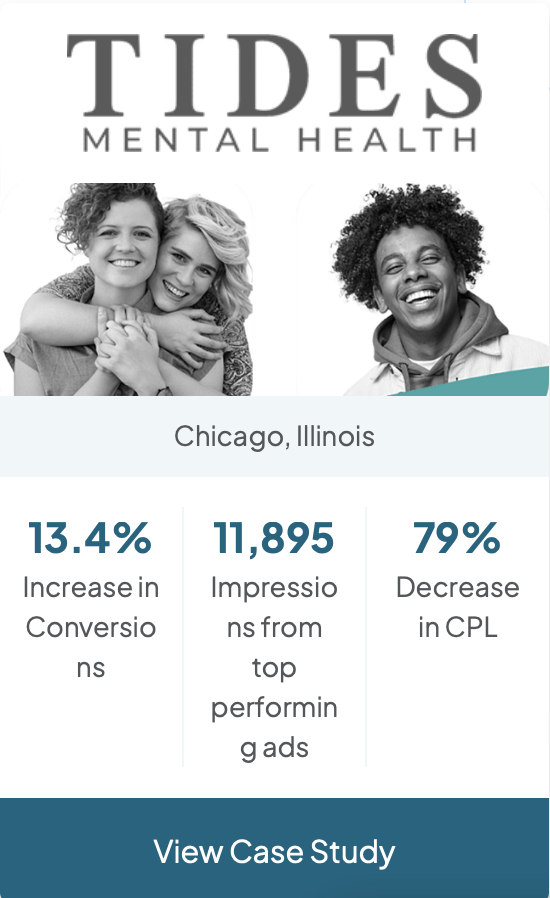
  • Tides Mental Health: Diverse families represented in photos, easy-to-find services, and a calming color palette. Multiple calls to action and an insurance link in a promintent spot, make the site welcoming and practical for all users.

Why it works: These sites make visitors feel safe, understood, and empowered to take the next step—exactly what you want in a mental health context.

Home Services Key UX/UI Priorities and Examples:

  • Prominent contact info and “Book Now” buttons for urgent needs.
  • Clear service icons and sticky navigation for easy browsing.
  • Customer reviews and interactive maps to build credibility and transparency.
  • Southern Home Services: Contact information is always visible, with a “Contact Us” tab, phone number, and sticky “connect with us” bar. Users can reach out instantly, no matter where they are on the site.
  • United Home Services: Clear, concise calls to action (“Schedule an Appointment,” “Request a Free Quote”), sticky chat feature, and interactive service area maps.

Why it works: When your water heater bursts, you don’t want to hunt for a phone number. These sites make it easy to get help fast, building trust and driving conversions.

Tourism Key UX/UI Priorities and Examples:

  • Stunning, immersive visuals (photos, videos, interactive maps) to spark wanderlust.
  • Simple, intuitive booking flows.
  • Multilingual content and accessibility for global audiences.
  • Alaska Luxury Tours: Inspires with amazing imagery of Alaska pulls in the user and helps them dream, immersive and stunning drone videos, and bold CTAs make planning a breeze.
  • Snorkel Alaska: Gorgeous imagery, interactive maps, and clear planning tools help users dream and book with confidence. The site avoids clutter, focusing on what matters most to travelers.

Why it works: These sites turn curiosity into bookings by making the journey from inspiration to action seamless and delightful.

How UX/UI and Brand Messaging Work Together

Your brand isn’t just your logo or tagline—it’s the sum of every interaction people have with your business. When your UX/UI and brand messaging are in sync, magic happens:

  • Trust is built: Consistent visuals and tone reassure visitors they’re in the right place.
  • Recognition grows: Unique design elements (colors, fonts, messaging) make your brand memorable.
  • Sales increase: A seamless, on-brand experience reduces friction and boosts conversions.
  • Loyalty deepens: Authentic, user-centered design creates emotional connections that last.

Pro tip: Every touchpoint—from your homepage to your contact form—should reinforce your brand’s promise and personality.

Achieving Effective UX/UI Design

Best Practices: How to Nail UX/UI for Your Small Business

  • Start with user research: Understand your audience’s needs, pain points, and motivations.
  • Prioritize accessibility: Make your site usable for everyone, regardless of ability.
  • Keep it simple: Clear navigation, readable fonts, and intuitive layouts win every time.
  • Use on-brand visuals: Colors, images, and icons should reflect your brand values and story.
  • Test and iterate: Usability testing uncovers friction points so you can fix them before they hurt your business.
  • Highlight calls to action: Make it obvious what you want users to do next—don’t make them guess.
  • Show social proof: Reviews, testimonials, and case studies build credibility and trust.

The Bottom Line: Invest in UX/UI, Invest in Growth

Great UX/UI isn’t a “nice-to-have”—it’s a business necessity. It’s how you turn website visitors into leads, leads into customers, and customers into raving fans. It’s how you communicate your brand’s values, build trust, and stand out in a crowded market.

If your website isn’t delivering the results you want—or if you’re ready to take your brand to the next level—it’s time to invest in a better digital experience.

At Beacon Media + Marketing, we specialize in crafting and upgrading websites that convert—combining strategic UX/UI design with powerful brand messaging. Whether you’re in mental health, home services, tourism, or another industry, our team knows how to create digital experiences that drive real business growth.

Let’s make your website your strongest asset. If you’re ready to increase conversions, build authenticity, and grow your business through exceptional UX/UI design, we’d love to chat! Click here to reach out.

In the world of behavioral health, it’s not enough to simply stand out. You need to connect with your audience in a meaningful way. No matter what service you’re offering, people will always choose to go with the organization they connect with. Authenticity in digital marketing and marketing consistency are key to building trust and loyalty with your patients, and can have a significant impact on your behavioral health revenue. By focusing on branding for growth, mental health practices can create a strong, reliable brand presence that resonates with their audience. Today, we’ll explore how building brand authority through transparency, personal stories, and consistent interactions can help you build a trusted and recognizable resource in your community.

Consistency in healthcare branding is essential for patient recognition and trust—patients are more likely to choose a healthcare provider whose branding is cohesive across all touchpoints

The Power of Authenticity in Behavioral Health Branding

Authenticity is the bedrock of effective branding in behavioral health. Clients are not just looking for a service; they are seeking trust and understanding. In an industry where personal connections and empathy are paramount, authenticity in digital marketing can be the deciding factor in a client choosing your practice. When patients perceive a brand as genuine and transparent, they are more likely to form a deep, lasting connection. This connection is crucial in mental health services, where trust and credibility are essential for clients to feel safe and supported.

Being open about your treatment methods and the qualifications of your team is a powerful way to build trust. By clearly communicating the types of therapy offered, the qualifications and experience of your therapists, and the outcomes people can expect, you can help to alleviate any doubts or concerns a potential client might have. This level of openness can help potential clients and family members feel more informed and confident about their decision to seek help. Also, it attracts people who value honesty and reliability. It also makes your practice distinct from other clinics, helping it stand out in a busy marketplace.

Personal anecdotes from therapists on social media can help to create a more relatable and engaging brand. When you share your own experiences, challenges, and insights, you humanize the practice and build a connection with potential clients. These stories can be shared in a variety of formats, including blog posts, social media updates, or short videos. By showcasing the real people behind the practice, you can foster a sense of community and belonging, which is particularly important in behavioral health. Clients are more likely to choose a practice where they feel understood and where the therapists seem approachable and genuine.

Brand authenticity is a statistically significant factor in willingness to attend therapy, as shown in studies linking authenticity with brand trust and psychological safety

Maintaining a consistent, authentic presence across different platforms is essential to building a brand that clients can trust. Whether through social media, email, or your website, a unified voice and message will reinforce the genuine nature of your practice. This consistency will ensure that clients receive the same experience, no matter where they engage with your brand. It will also help you to create a strong, cohesive identity, which is key to reaching the people who need your services. By being present and responsive across platforms, you can build a brand that is robust and reliable, resonating with your target audience.

More than ever, genuine, concise videos featuring therapists and practice leaders can significantly boost organic traffic and inquiries. Videos are a compelling way to share information and establish trust, allowing potential clients to connect with your therapists on a more personal level. These videos can range from introducing your practice and its core values to addressing common mental health concerns and offering self-care advice. By creating content that is both informative and empathetic, you can attract clients who are seeking a practice that prioritizes their well-being. This strategy not only elevates your brand for growth but also makes your practice more approachable and attractive to a wider audience.

Crafting a Consistent Brand Message Across all Platforms

Crafting a consistent brand message is like weaving a tapestry. Every thread needs to align to form a coherent and compelling pattern. In the realm of behavioral health, where trust and credibility are paramount, a unified brand presence can make all the difference. Consistency in logos, colors, and fonts is more than a matter of aesthetics. It strengthens your brand identity and ensures that your clients recognize and trust your services, no matter where they encounter you—be it on social media, your website, or in print materials.

Regularly auditing your content is essential to maintaining a cohesive brand voice and visual style. This process involves reviewing all your marketing materials, from blog posts to social media updates, to ensure they align with your core values and messaging. By doing so, you can identify any discrepancies and make necessary adjustments, reinforcing the marketing consistency that is crucial for building a strong brand. A consistent brand message not only enhances recognition but also helps in establishing a reliable and trustworthy image.

The use of Customer Relationship Management (CRM) tools can greatly improve your ability to track brand interactions and maintain consistent communication. These tools can help you track client engagement across multiple channels and provide insights into their behaviors and preferences. By using this information, you can create more relevant and consistent communication that will help you build stronger relationships with your clients and the community. For example, if a client has shown interest in a specific service through their online interactions, a CRM can help you ensure that your follow-up communications are related to that service, which can help you build your brand as an expert and show your commitment to their well-being.

Most consistent brands achieve 28% higher business effects, including sales, profit, and market share gains, compared to inconsistent competitors

Educational webinars and videos are powerful tools for reinforcing your brand’s expertise and consistency. They offer a platform to share valuable information and insights, positioning your brand as a thought leader in the behavioral health space. By consistently producing high-quality, educational content, you can build a loyal audience that trusts your brand and its offerings. Clients who see your brand as a reliable source of information are more likely to choose your services when they need them, driving long-term growth and success.

Build Trust and Credibility Through Consistent Branding

Building brand authority is a path that, when walked thoughfully and with intention, can transform a mental health practice into a beacon of reliability and expertise. In the realm of behavioral health, where trust is foundational, establishing a strong brand presence is not just a marketing strategy but a vital aspect of client care. One of the most effective ways to achieve this is through expert-led content. When mental health professionals share their knowledge and insights through blogs, articles, and social media posts, they position themselves as credible sources of information. This content should be approachable, well-researched, evidence-based, and free from jargon, making it accessible and valuable to your audience. By consistently providing high-quality, expert-led content, a brand can foster a sense of trust and reliability among its clients and potential clients.

Brands with high authority see increased referral rates

Consistency in all communications is another crucial element in building brand authority. Whether it’s through your website, social media, email newsletters, or in-person interactions, every touchpoint should reinforce the brand’s expertise and reliability. This means maintaining a consistent tone, style, and message that aligns with your brand values and mission. For instance, if your brand emphasizes empathy and support, all your communications should reflect these qualities. Consistent messaging helps clients recognize and remember your brand, which is essential for building long-term trust and credibility. It also ensures that your brand is perceived as a reliable and consistent source of mental health support, which can be particularly important in a field where clients are often seeking stability and reassurance.

Teaming up with industry leaders can significantly boost your brand’s credibility and visibility. By partnering with esteemed mental health professionals, organizations, or influencers, you gain a powerful endorsement of your brand’s expertise. These collaborations can manifest in various ways, from co-hosting webinars to joint research projects. Each partnership should be meticulously chosen to ensure it aligns with your brand’s values and aspirations. By connecting with respected figures in the mental health community, you can extend your reach and earn the trust of their followers, thereby expanding your client base. Moreover, these collaborations can offer fresh insights and perspectives that enrich your content and services, further cementing your brand’s authority in the field.

Educational webinars and workshops about helpful mental health habits and actions are another powerful tool for positioning your brand as a knowledgeable and trusted resource. These events not only provide valuable information to your audience but also create a space for interaction and engagement. When clients see that you are willing to invest time and effort into sharing valuable education, it demonstrates your commitment to their well-being. Webinars and workshops can cover a wide range of topics, from stress management techniques to coping strategies for specific mental health conditions. By offering these resources, you can build a community of loyal followers who view your brand as a go-to source for mental health education and support. This, in turn, can lead to increased referrals and a stronger reputation in the industry.

87% of consumers would purchase a product because a company advocated for an issue they cared about, such as mental health—highlighting the power of authentic advocacy

Techniques to Enhance Brand Recall in Mental Health Services

To improve brand recall in mental health services, you need a strategic combination of memorable content and consistent engagement. One of the most effective ways to achieve this is through the use of memorable taglines. A well-crafted tagline can encapsulate your brand’s core message and values, making it easier for patients and potential clients to remember and connect with your service. For instance, a tagline like “Empowering Minds, Transforming Lives” not only resonates with the emotional needs of your audience but also reinforces the mission of your mental health practice. Taglines should be concise, meaningful, and reflective of your brand’s unique identity. They can be prominently displayed on your website, social media profiles, and marketing materials to ensure consistent reinforcement.

Brands with strong recall are more likely to be chosen by consumers when making a purchase, as familiarity reduces uncertainty and speeds up decision-making

The creation of approachable and engaging visual content is a critical strategy for boosting brand recall. Infographics, videos, and images are powerful tools for communicating even the most intricate information in a way that is both palatable and relatable. When crafting visual content, it is essential to ensure that it is in harmony with your brand’s identity and purpose. For instance, the use of warm, welcoming colors and the portrayal of diverse, supportive environments can render your brand more approachable and unforgettable. Consistency across all platforms is key to reinforcing brand recognition. This can be achieved through the development of a brand style guide that delineates specific design elements, such as color palettes, fonts, and image styles, to guarantee that each piece of content mirrors your brand’s unique persona.

Consistency is important when it comes to your brand’s visual identity. It helps create a consistent and recognizable image, which is important for people to remember your brand. On social media, use the same profile picture, bio, and posting style to maintain a uniform look and feel. Your website should have a clear, user-friendly design that reflects your brand’s values and makes it easy for visitors to find the information they need. Patient materials, such as brochures, newsletters, and appointment reminders, should also be branded consistently. This approach ensures that every touchpoint with your audience reinforces your brand’s identity, making it more likely that they will remember and recommend your services.

Engaging with the local community through events, sponsorships, publications, and conferences can significantly boost your brand’s recognition. Participation in community events and sponsorship of local initiatives not only increases your visibility but also builds trust and credibility. For example, hosting a mental health awareness day or sponsoring a local charity can position your brand as a caring and engaged member of the community. Publishing articles or speaking at conferences can also establish your brand as a thought leader in the field. These activities provide opportunities for direct engagement with your audience, making your brand more memorable and fostering a sense of connection and support.

Consumers are more likely to discuss, recommend, and choose brands they recall easily, amplifying word-of-mouth marketing

Teaming up with mental health influencers is a potent approach to extend your brand’s reach and bolster its credibility. These individuals can serve as megaphones for your message, introducing your brand to a wider audience. When choosing influencers, seek those who align with your brand’s values and are genuinely invested in mental health. Collaboration can take the form of co-created content, joint webinars, or featuring them in your marketing efforts. This partnership not only boosts brand recognition but also infuses a much-needed element of authenticity and trust, which are pivotal in the mental health arena. By harnessing the influence of respected voices, you can fortify your brand’s standing and magnify its impact within the community.

How AI can Help with Brand Consistency and Authenticity

AI can be an invaluable tool in maintaining brand consistency and authority, streamlining processes, and personalizing client interactions. AI offers a suite of tools that can help ensure your brand message remains cohesive and resonant across all platforms. One of the key ways AI achieves this is by monitoring and auditing your online marketing messaging. Whether it’s visual content or written copy, AI can swiftly identify inconsistencies and suggest corrections, ensuring that every piece of content aligns with your brand’s voice and values. This automated oversight is invaluable in maintaining marketing consistency, which is crucial for building a strong and reliable brand presence.

Chatbots are another AI-driven solution that can significantly enhance your brand’s authority and trust. Talk Further is a great option for mental and behavioral health clinics. By providing personalized and immediate interactions, chatbots can address client inquiries and concerns around the clock, offering a level of service that would be difficult to achieve with a human team alone. These interactions not only improve customer satisfaction but also reinforce your brand’s commitment to excellence and responsiveness. When clients have positive experiences through these automated conversations, they are more likely to view your brand as a credible and trustworthy source of behavioral health services, further solidifying your position in the market.

Authenticity and transparency are top drivers of brand trust for Gen Z and Millennials, with over 60% of people under 60 expecting companies to be transparent about their values

AI is also a powerful tool for analyzing consumer data, which can help you refine your branding strategies and grow your business. By analyzing large volumes of data, AI can identify trends, preferences, and pain points that may be missed in manual analysis. This deep understanding of your audience can help you tailor your marketing efforts more effectively, improving market fit and engagement. For example, AI can help you understand which types of content are most engaging for your target audience, so you can focus your efforts on those formats and messages. This data-driven approach can help ensure that your brand remains relevant and resonant, driving growth and client retention.

Furthermore, AI tools are adept at monitoring brand mentions across the digital sphere, providing real-time alerts and insights. This is crucial for upholding your brand’s credibility and trust, as it empowers you to swiftly address any negative commentary or misinformation. By taking a proactive stance in managing your brand’s online standing, you can maintain a positive and commanding presence in the behavioral health domain. Monitoring client feedback also affords you the opportunity to glean valuable insights for the continuous refinement of your services and marketing strategies.

Automated analytics tools are another critical component in the AI toolkit for brand growth. These tools can track various metrics related to marketing consistency and provide actionable insights to help you optimize your brand’s performance. By analyzing data from multiple sources, including social media, website traffic, and customer interactions, you can gain a comprehensive view of how consistent your brand message is and where improvements are needed. This data-driven approach enables you to make strategic decisions that drive growth and enhance your brand’s impact in the behavioral health sector.

Optimizing Branded Search to Drive Revenue Growth

Optimizing branded search isn’t just about boosting visibility; it’s about converting interest into action and driving sustainable behavioral health revenue. When patients or potential clients are actively searching for your brand, it indicates a high level of interest and trust. By improving your SEO and GEO (generative engine optimization, which is optimizing for AI search results) with branded keywords and messaging, you can enhance your visibility in search results, making it easier for these individuals to find and engage with your services. This not only attracts more loyal clients but also reinforces the credibility and authority you’ve built over time.

Integrating branded content into your social media platforms is another powerful strategy to boost engagement and revenue. Social media is a dynamic space where you can share valuable insights, patient success stories, and educational content that resonates with your audience. By consistently posting and interacting with your followers, you can create a community that feels connected to your brand. This engagement can lead to increased shares, likes, and comments, which in turn improve your brand’s visibility and attract more organic traffic. As your brand becomes more recognizable, the likelihood of patients choosing your services over competitors increases, contributing to your behavioral health revenue.

76% of consumers prefer buying from brands they trust, even when cheaper alternatives exist—a crucial factor in sensitive sectors like behavioral health

Google Business Profile is a pivotal tool for bolstering your local search presence and cultivating patient confidence. By claiming and refining your GMB listing, you ensure that your practice’s vital details—address, contact number, and operational hours—are easily accessible to searchers. Moreover, the encouragement of satisfied patients to leave reviews can have a profound effect on your local search rankings. Positive testimonials not only elevate your visibility but also serve as social evidence that can sway potential clients towards your services. This local search optimization is a cornerstone of branded search optimization, ensuring that your brand is the primary point of contact for those in your vicinity.

To effectively track the success of your branded search strategies, leverage tools like Google Analytics. Monitoring branded search trends can provide valuable insights into how your brand is perceived and how often it is being sought out by potential clients. By analyzing this data, you can identify areas for improvement and adjust your marketing strategies accordingly. For instance, if you notice a spike in branded searches following a specific social media campaign, you can invest more resources in that channel. Conversely, if certain keywords are underperforming, you can refine your SEO efforts to better align with what your audience is searching for. This data-driven approach ensures that your branding for growth efforts are both efficient and effective, ultimately leading to a stronger brand presence and increased revenue.

In the behavioral health industry, where trust and credibility are everything, optimizing branded search is a strategic investment that pays off. By combining SEO, social media, and local search optimization, you can create a robust online presence that not only attracts new clients but also retains existing ones. This holistic approach to branding for growth is the foundation of a successful and sustainable practice.

Transparency in branding is more than just a buzzword; it’s a powerful strategy that can transform businesses. In today’s market, consumers are more informed and discerning than ever, making transparent branding not just a “nice-to-have” but a necessity. By openly sharing company practices, values, and decision-making processes, your business can build trust with your customers, which in turn can lead to significant revenue growth. Reformation, a sustainable fashion brand, publishes detailed information about the environment and social effects of its products. This has not only made customers more loyal, but it has also set them apart in a crowded industry. In this article, we’ll explore how transparent branding can make a real difference in your business, from enhancing trust to boosting the bottom line.

Defining transparent branding: Beyond the buzzword

To truly understand transparent branding, we need to look deeper, to the heart of the matter. Transparent and authentic brands mean more than just sharing information; they also foster trust and credibility. You must think in terms of building a relationship with your audience based on consistency, honesty, and integrity. By doing so, your business can foster a deeper connection with your customers, creating a sense of trust and authenticity that is increasingly valued in today’s market.

A prime example of a brand that has mastered the art of transparency is Reformation, a sustainable fashion brand. Reformation doesn’t just talk about sustainability; they walk the talk by publishing detailed information about the environmental and social impact of their products. Their website offers insights into the sourcing and supply chain, breaking down the materials used, the factories where their clothes are made, and even the carbon footprint of each item. This level of openness is a core part of their brand identity, and it resonates deeply with consumers who are becoming more conscious of their purchasing decisions. By being transparent, Reformation has not only attracted a loyal customer base but has also set a new standard for what it means to be a responsible brand in the fashion industry.

94% of consumers are more likely to be loyal to a brand that offers complete transparency.

Transparency in business is not just about outward marketing strategies; it is a commitment to honesty and integrity that should be reflected in all aspects of a company. Zappos, the online shoe and clothing retailer, is a great example of a company that has built its reputation on transparency. Their leadership practices, such as sharing company goals, challenges, and even internal communications, have been shown to increase employee trust. This trust then leads to better customer service, as employees who feel valued and informed are more likely to go the extra mile for their customers. Zappos’ approach shows us that trust is a powerful currency in the business world, and that being open can lead to significant improvements in employee morale and customer satisfaction.

A further crucial area where brands can wield significant influence is in the realm of supply chain transparency. Take TOMS, with its renowned “One for One” program, as an example. By being forthright about their production processes and the social impact of their enterprise, TOMS has garnered a loyal following. Sharing narratives of the communities they uplift and the stringent measures they take for ethical manufacturing, TOMS has elevated consumer confidence and allegiance. In a landscape where consumers are increasingly selective about the brands they endorse, supply chain transparency can be the defining element that propels a company ahead of its rivals.

85% of people say a business’ history of being transparent makes them more likely to give it a second chance after a bad experience

Unfortunately, issues do come up, and you risk the potential of a customer having a negative experience. Research has shown that 85% of people are more likely to give a business a second chance after a bad experience if the company has a history of being transparent. When a brand is transparent, it builds a reservoir of goodwill that can help mitigate the fallout from mistakes or negative experiences. Transparency in our branding is not just a word. It is a plan that can make a brand more resilient and help customers stay loyal.

The trust factor: How transparency builds customer loyalty

Today’s consumers are more discerning than ever about the companies they support, and transparency in every aspect of your business can make a big difference. When you’re open about where your materials come from, you’re not only showing a commitment to ethical practices, but also giving your customers the peace of mind that comes with knowing they’re making responsible choices. This level of honesty can create a strong emotional connection, leading to a more loyal customer base.

Open dialogue about company values is another essential aspect of trust-building. When a brand clearly communicates its mission, vision, and values, it invites consumers to connect their own principles with the brand.This connection is potent, transforming a mere transaction into a profound and meaningful relationship. For example, a company that champions sustainability and equitable labor can draw in customers who share these values, creating a community of kindred spirits. This community, in turn, becomes a robust support system for the brand, fueling repeat business and positive referrals.

Consistent communication about your company’s performance and the challenges you face can help build trust by showing that you are committed to being honest and accountable. Sharing your successes and your failures can help you earn credibility and show that you are transparent in all of your business practices. This transparency can also help create a sense of shared purpose, where your customers feel like they are part of your company’s journey and are more invested in your success. Buffer, a social media management platform, is known for its extreme transparency. The company shares everything from its product roadmap to the breakdown of every dollar it spends on charity, employee perks, and even individual employee salaries. This level of openness has enabled Buffer to stand out in the tech industry, fostering trust and loyalty among its customers and employees. Buffer attributes much of its success to its culture of transparency, which has helped its customers feel more connected to the company and confident in its values and operations.

The integrity of your product reviews and the transparency of your customer interactions are vital. By welcoming and showcasing both positive and negative feedback, you demonstrate a commitment to growth and improvement. This level of authenticity is a magnet for genuine engagement and community building. Customers are more inclined to trust a brand that is open about its shortcomings and actively working to address them, rather than one that only touts its strengths. By nurturing this open dialogue, you can cultivate a loyal customer base that feels truly valued and heard.

Revenue boost: The financial gains of being open

What many businesses may not realize is that transparency can also lead to significant financial benefits, enhancing revenue in unexpected ways. One of the most immediate and tangible benefits of transparent pricing policies is the reduction in consumer skepticism. When customers understand exactly what they are paying for and why, they are more likely to make a purchase. This clarity not only builds trust but also simplifies the buying process, making it more appealing to potential customers. In a market where consumers are increasingly wary of hidden fees and misleading pricing, being upfront can set a brand apart and drive more sales.

Brands recognized for ethical transparency can enjoy a 20% higher customer retention rate compared to those that do not embrace clear communication.

Open sourcing product development is another powerful strategy that can accelerate innovation and user engagement, both of which can have a positive business impact. By inviting customers and the broader community to contribute ideas and feedback, businesses can tap into a wealth of creativity and diverse perspectives. This not only speeds up the development process but also ensures that the final product meets the needs and expectations of its users. The result is a more robust and well-received product that can attract a larger customer base and generate higher revenue.

73% of consumers are willing to pay more for products that guarantee total transparency

Open and transparent communication about service limitations, updates, and outages is critical to maintaining customer satisfaction. When businesses are open about these issues, they can reduce customer frustration and churn. Satisfied customers are less likely to leave and more likely to purchase additional services, which can significantly boost revenue. For example, a company that proactively communicates about planned maintenance or unexpected outages can turn a potential negative experience into an opportunity to demonstrate reliability and care. This level of transparency helps to build a partnership between the business and its customers, leading to stronger, more loyal relationships. When customers see that their suggestions are taken seriously and implemented, they feel valued and are more likely to remain loyal and make repeat purchases. This ongoing engagement and satisfaction can turn one-time buyers into long-term advocates, driving consistent revenue and growth.

Case studies: Real-world examples of transparency in action

Let’s take a look at some real-world examples that demonstrate the power of transparent branding. One such brand is 1775 Coffee, which has embraced transparency as a core value. With a commitment to sharing the origins of its coffee beans, the names and locations of its partner farms, and detailed accounts of the roasting process, 1775 Coffee provides customers with a clear view of its supply chain. This openness helps consumers understand the journey from crop to cup and the effort invested in sourcing high-quality, ethically traded beans. By demystifying the steps behind its product offerings, 1775 Coffee builds trust and loyalty among its customers, encouraging repeat purchases and supporting the brand’s reputation for integrity and quality. This transparent approach not only aligns with modern consumer expectations but also fosters a sense of connection between coffee drinkers and the producers behind each bag, contributing to the company’s growth and customer satisfaction.

63% of consumers prefer to buy from brands that clearly communicate their ethical practices.

Warby Parker, a company that sells eyewear, is another example of a brand that has benefited from being transparent. The company is known for being upfront about the costs associated with its supply chain. Warby Parker has been able to break down the costs of making and delivering its products, which has helped consumers understand the value they are getting. This has led to an increase in trust and loyalty among its customers. In fact, Warby Parker’s commitment to transparency has helped the company grow its revenue. This is because people are more likely to support a brand that they believe is honest and fair.

Front, a customer communication platform, takes transparency to another level by focusing on internal processes. The company shares a significant amount of information with its employees, including a public roadmap and fundraising decks. This approach reduces internal politics and fosters a culture of openness, where everyone feels aligned and informed. The result is a more cohesive and motivated team, which in turn can lead to better customer service and a stronger business impact. By being transparent both externally and internally, Front has created a model that other companies can learn from, showing that transparency is not just a marketing tactic but a core value that can drive success in multiple dimensions.

Strategies for implementing transparent branding in your business

Having recognized the merits, let’s delve into actionable strategies for incorporating transparent branding within your business. One highly effective method is to divulge comprehensive information about your supply chain. Brands such as Chobani have set a commendable standard by being forthcoming about their ingredients, procurement, and manufacturing processes. In doing so, they cultivate a heightened level of trust with their clientele, who value the assurance of what they consume. This transparency not only fosters customer loyalty but also sets your brand apart in a competitive landscape.

A critical part of this is being open about your successes and failures. In the digital age, consumers are looking for brands that are authentic and honest. By sharing your achievements and your missteps, along with the lessons you’ve learned and the changes you’ve made, you can make your brand more human. This can have a big impact on your business, as it can help you build a more authentic connection with your audience. Customers are more likely to support a brand that they see as real and relatable, which can lead to increased loyalty and, ultimately, higher revenue.

89% of people say a business can regain their trust if it admits to a mistake and is transparent about the steps it will take to resolve the issue

Straightforward and transparent pricing is key to building trust with your customers. No one likes to feel blindsided by hidden fees or unexpected charges. By being upfront with your pricing, you can create a more positive and trustworthy customer experience. This can lead to fewer customer complaints, higher satisfaction, more repeat business, and positive word-of-mouth.

Consistency is key when it comes to your messaging across all channels. Whether it’s your website, social media, marketing, or customer service, make sure your brand voice, visual identity, and messaging are consistent and recognizable. Consistency helps customers recognize and trust your brand, making it easier for them to engage with you and feel confident in their interactions. This consistent approach also helps in building a strong brand identity that stands out in the market.

Moreover, the development and promotion of a clear mission and values statement can greatly amplify your brand’s influence. By defining your company’s core beliefs and ensuring they are consistently reflected in all your communications and operations, you can create a powerful connection with your customers. When your audience sees that your brand’s values resonate with their own, they are more likely to forge a lasting bond. This bond is not only built on trust but also has the potential to attract others who share these values, turning them into loyal brand advocates.

By integrating these strategies, you can create a truly transparent and trustworthy brand that resonates with your customers and drives sustainable growth. The journey to transparent branding is ongoing, but the rewards are well worth the effort.

Part 2: Leveraging Authenticity for Growth and Customer Loyalty

With your brand’s core values and story in place, the next step is turning authenticity into action. Part 2 explores how to infuse your marketing, operations, and customer interactions with genuine purpose. You’ll learn how transparent practices, authentic engagement, and measuring real-world impact can transform your business into a trusted and beloved brand.


Leveraging Authentic Branding in Small Business Marketing

By incorporating authentic branding into every facet of your marketing strategy, you can create a narrative that truly speaks to your audience. Authenticity is not just a trendy term; it is a potent force that can forge enduring connections with your customers. When your brand’s principles and convictions mirror those of your audience, it engenders trust and a sense of kinship. This resonance is pivotal, transforming your brand from a mere corporate entity into a companion in your customer’s journey. Customers are more likely to be loyal to a brand that they believe understands and upholds their values.

In a world where bots and algorithms reign supreme, using social media to inject some humanity into your brand is a game-changing move. Don’t miss out on this golden opportunity to show off your wit and personality! By sharing behind-the-scenes content, you can give your audience a peek into the real people and processes that make your brand what it is. This transparency can take many forms, from employee spotlights and office tours to candid moments during product development. Such content not only humanizes your brand but also builds a deeper connection with your audience. When customers see the faces and stories behind the brand, they are more likely to feel a personal connection, which can translate into increased engagement and loyalty.

88% of consumers are more likely to support a brand they perceive as authentic

Case studies are a powerful way to illustrate the impact of authentic branding. By sharing stories of how you’ve helped current clients achieve their goals and create positive change, you can build credibility and trust. For example, if you’ve helped a client grow their customer base by focusing on community values, highlight that success. Case studies provide tangible proof of your brand’s commitment to authenticity and can inspire potential customers to see the value in partnering with you. They also serve as a reminder that your brand is motivated by more than just profit; it is committed to making a real difference.

Tides Mental Health Case Study
A Beacon Case Study

Engaging with community issues is another vital aspect of authentic marketing. By demonstrating genuine care and support for the issues that matter to your audience, you can enhance your brand’s appeal. This doesn’t mean jumping on every trend or cause; it means identifying the issues that are most relevant to your brand and your customers and taking meaningful action. Whether it’s helping local charities and sports teams, supporting healthy eating, or promoting mental health awareness, your efforts should be sincere and consistent. Customers are increasingly looking for brands that stand for something beyond just selling products or services. When they see that you genuinely care about the community, they are more likely to support you and become advocates for your brand.

The long-term impact of positive branding on sales and retention cannot be overstated. While the benefits of authentic marketing may not be immediate, they are profound and lasting. By playing the long game, you can build a brand that customers trust and want to be part of. This trust translates into higher customer retention rates and increased sales because customers who feel a deep connection to your brand are more likely to make repeat purchases and recommend your brand to others. Authenticity in marketing is not just a strategy; it’s a commitment to building a brand that stands the test of time.

Building Trust Through Transparent Business Practices

Through transparent practices, brands can build a fortress of trust that stands tall against the ever-changing tides of consumer skepticism. In today’s market, where consumers are more discerning and values-driven than ever, the way a company operates behind the scenes can make or break its reputation. One of the most effective ways to demonstrate authentic branding is by being open about your supply chain. When you share detailed information about where and how your products are made, you not only highlight your commitment to ethical sourcing but also foster a deeper connection with your customers. This transparency can lead to increased customer loyalty, as consumers are more likely to support brands that align with their personal values of sustainability and fairness.

A strong local example of authentic branding is Snorkel Alaska, which demonstrates authentic branding by sharing its roots as Alaska’s first snorkeling tour, founded by SCUBA expert Fred Drake. Committed to safety, environmental respect, and personalized service, the company shifted to intimate, guest-focused excursions after the pandemic. Their transparent storytelling, skilled team, and award-winning service reflect a genuine passion for Alaska’s marine world and create lasting trust with travelers.

Regular updates on company challenges are another powerful tool in the transparency arsenal. It’s easy for brands to present a polished, perfect image, but doing so can come across as inauthentic. By sharing the ups and downs of your business journey, you show vulnerability and honesty, which are crucial components of building trust. For example, if your company is facing a supply chain disruption, instead of hiding it, communicate the issue openly and explain the steps you are taking to resolve it. This approach not only keeps your customers informed but also allows them to feel like they are part of your community, supporting you through tough times. Such transparency can strengthen your brand’s reputation and contribute to company growth by turning potential negatives into opportunities for deeper engagement and loyalty.

Employee narratives shared on social media are a powerful tool to humanize your brand and cultivate trust. When your clientele can connect a face and a voice to the products or services you offer, a more personal and relatable bond is formed. Encourage your team to share their professional and personal experiences on your social platforms. This could be as simple as a behind-the-scenes look at their workday, or a story of how they’ve triumphed over challenges or contributed to the company’s success. By doing so, you transform your brand into a more approachable and reliable entity, which is particularly advantageous for small business owners aiming to foster a dedicated customer base.

Moreover, maintaining open feedback channels is crucial. Your customers need to know their opinions are valued and that they can influence your brand. Whether through social media, email, or your website, make it easy for them to share their thoughts. Listen actively and respond thoughtfully, showing that their feedback is taken seriously. This two-way communication not only helps you improve, but also builds a community of engaged, loyal customers who feel heard and valued.

Authentic Customer Interactions That Drive Loyalty

Engaging in authentic customer interactions is more than just good business; it’s the key to fostering long-term loyalty. When customers feel genuinely heard and valued, they are more likely to return and recommend your brand to others. One of the most powerful ways to achieve this is by responding to customer feedback openly and honestly. Whether the feedback is positive or negative, showing a genuine commitment to improvement can significantly enhance your brand’s reputation. For example, if a customer points out a flaw in your product or service, acknowledge their concern, thank them for their feedback, and outline the steps you are taking to address the issue. This transparent approach not only builds trust but also demonstrates that your brand is dedicated to excellence.

Customer stories and testimonials are another valuable tool in your authentic engagement arsenal. Highlighting real-world impacts of your brand can create a deeper emotional connection with your audience. Share stories of how your products or services have positively affected your customers’ lives. These narratives can be featured on your website, social media platforms, and marketing materials. They serve to humanize your brand and provide relatable experiences that potential customers can identify with. For example, a small company could showcase a review from a nearby business owner who successfully introduced a product using their offerings, highlighting the individualized attention and assistance they received throughout the process.

Community Engagement Strategies for Genuine Brand Connection

Participating in community events is a great way to build local connections and customer loyalty. By getting involved in or sponsoring events that are important to your community, you can show that your brand is more than just a business; it’s a member of the community. This could include anything from attending farmers markets, to holding workshops, to supporting local charities. These activities can help you get in front of your customers and create opportunities for them to interact with your brand in a meaningful way. For example, a small business that holds a free monthly cooking class at a local community center can build a loyal following of regular attendees who feel a personal connection to the brand.

A fantastic example of this in Northern Nevada is Urban Roots. This Reno-based nonprofit and local brand focuses on sustainable agriculture education. Urban Roots is transparent about its mission, engages the community through hands-on programs, and partners with other local businesses (like Greater Nevada Credit Union, which I mentioned in part 1 of this series) to promote healthy, ethical practices.

Training your staff in authentic communication is crucial for maintaining a consistent and trustworthy brand image. Employees are often the face of your company, and their interactions with customers can make or break the brand experience. Ensure that your team is equipped to communicate with sincerity and empathy. This might involve workshops on active listening, conflict resolution, and personalized service. When customers interact with well-trained staff, they are more likely to feel valued and understood, leading to a positive brand experience. For instance, a customer service representative who takes the time to listen to a customer’s concerns and offers a personalized solution can turn a negative experience into a positive one, reinforcing the brand’s commitment to authentic customer interactions.

Measuring the Impact of Authentic Branding on Business Growth

It is essential to gain insights in order to improve and strengthen the relationship between your brand and its target audience. When a brand stays true to its values and communicates transparently, it fosters a deep sense of loyalty among its customers. This loyalty translates into repeat business and referrals, which are vital for sustained growth. Customers who feel a genuine connection to a brand are more likely to return for future purchases and recommend it to their friends and family, creating a positive feedback loop that drives sales and expands the customer base.

Transparency is also a key component in building trust, which is the foundation of any successful business. Trust is not just a concept; it has real-world implications. Brands that are forthcoming about their operations, supply chains, and decision-making processes often see an uptick in positive online reviews and ratings. These reviews can significantly sway potential customers, making them more likely to choose your brand over others. Additionally, customers who are engaged and feel that their interactions with your brand are genuine are more likely to share their positive experiences on social media and other platforms. This organic sharing can greatly increase your brand’s visibility, attracting new customers and solidifying your market position.

Authenticity in branding is more than just a marketing strategy; it aligns with the core values of your business, attracting like-minded customers and employees. When your brand’s values resonate with your audience, it creates a strong emotional bond that goes beyond mere transactions. This alignment can lead to increased customer retention and a more dedicated workforce, both of which are essential for long-term company growth. Measurable growth from authentic branding includes not only increased sales but also a larger market share. As your brand becomes more trusted and respected, it can command a greater portion of the market, outpacing competitors who may lack the same level of authenticity.

Wild Alaskan Company stands out for its commitment to sustainably caught seafood and transparent storytelling. The brand uses packaging and inserts to showcase the fishing areas where their seafood is sourced and highlights their family heritage and brand story. Their authentic communication and focus on quality help build trust and loyalty with customers

In the realm of small business, where resources and budgets are often constrained, the influence of authentic branding is all the more profound. By directing your efforts towards forging real connections and upholding transparent practices, you can cultivate a loyal customer base and a robust reputation, setting you apart in a competitive landscape. Ultimately, the path to authentic branding is about fashioning a brand that endures, one that both customers and employees take pride in. This dedication to authenticity is the cornerstone upon which enduring success is constructed.

Authentic branding is more than a marketing tactic—it’s a long-term commitment to building trust, loyalty, and a strong reputation. By weaving authenticity into your marketing, operations, and customer engagement, you create a brand that customers and employees are proud to support. The result is a resilient business that stands out, grows sustainably, and endures for years to come.

Part 1: The Power of Authentic Branding for Small Businesses

In today’s digital world, where consumers are constantly inundated with marketing messages, standing out is a challenge—especially for small businesses. The key to cutting through this noise isn’t just a clever slogan or a striking logo, but something far more enduring: authentic branding. This first part explores why authenticity matters, how it can transform your business, and the foundational steps to uncovering and aligning your core values for lasting customer loyalty.


In the digital age, where consumers are bombarded with countless messages daily, the strength of a brand often hinges on a single, irreplaceable element: authentic branding. For small businesses, this means more than just a catchy slogan or a polished logo; it’s about genuinely connecting with your audience and fostering a sense of trust and loyalty. Companies like Tillamock have shown us that sharing a company growth story rooted in real values can transform a startup into a household name. By being open and consistent, small and medium businesses like yours can create a strong, well-known brand identity that appeals to customers who share your beliefs.

The power of authenticity in branding

In today’s market, the ability to connect on a genuine level is more crucial than ever. Brands that authentically communicate their mission and values not only resonate with their audience but also foster deeper customer connections. These connections are the foundation of loyalty and repeat business, which are essential for long-term company growth.

One of my all-time favorite brands, Tillamook County Creamery Association stands as a testament to the power of authentic branding and purpose-driven business. From its beginnings in 1909, the company’

Tillamook Story
Tillamook puts a lot of effort into focusing on their story, as seen in this screenshot from their website. See https://www.tillamook.com/our-story for more.

s mission has been clear: to craft delicious dairy products using only the highest quality ingredients, while steadfastly upholding values of stewardship and community. By openly committing to sustainability, responsible sourcing, and social impact, Tillamook has cultivated a deeply loyal consumer base. The brand’s dedication to doing things “the right way”—never cutting corners, investing in local communities, and prioritizing environmental stewardship—sets it apart in a crowded marketplace and fosters a strong emotional connection with customers. This sense of trust and shared values is what inspires repeat purchases and passionate advocacy for Tillamook, ensuring its legacy endures for generations.

Consistency is key. This is especially true when it comes to your brand’s messaging. Whether you’re posting on social media, sending out email marketing campaigns, or greeting customers in your store, your message should be consistent. This will help to reinforce your brand’s values and mission, making it easier for customers to remember, recognize, and refer you. And, the more consistent you are, the more likely you are to be recommended by word of mouth, which is the best form of marketing.

94% of shoppers are loyal to companies that operate with transparency

Authenticity is also a powerful magnet for like-minded customers. When your brand is genuine about its identity and values, it naturally attracts people who share those beliefs. This shared connection can foster a community around the brand, where customers feel a deep sense of belonging and loyalty. For example, the LEGO Group commitment to creativity and learning has inspired a global community of builders who see the brand as more than just toys, but as a way to express themselves and connect with others. Such a community can be a formidable asset, not only bolstering the brand but also acting as a megaphone through positive reviews and social media endorsements. In this way, authenticity is the cornerstone of a brand that transcends mere products and services, becoming an integral part of the customer’s identity and lifestyle.

Identifying your brand values

To harness the power of authenticity, you must first peel back the layers and identify the core values that define your brand. These values serve as your compass, guiding every business decision and interaction. They are the foundation upon which authentic branding is built, ensuring that your brand remains true to its essence and resonates with your audience on a deeper level.

Take Greater Nevada Credit Union in Northern Nevada, for example. The credit union’s commitment to environmental sustainability is not just a marketing strategy; it is a fundamental part of its identity. This dedication influences a wide range of initiatives, from encouraging members to switch to digital statements to supporting local environmental organizations through charitable giving. Greater Nevada actively promotes responsible resource management by backing community cleanups, conservation efforts, and environmental education. Through partnerships with groups like Urban Roots and Keep Truckee Meadows Beautiful, GNCU demonstrates its authentic commitment to sustainability. This genuine approach has strengthened its brand and fostered a loyal member base that shares these values.

32% of businesses report that maintaining consistent messaging led to revenue increases surpassing 20%

Reflecting on your business origins and mission can provide valuable insights into your unique brand values. Consider why you started your business in the first place. What was the driving force behind your entrepreneurial journey? Was it a passion for innovation, a commitment to community, or a desire to solve a specific problem? These initial motivations often hold the key to your brand’s core values. By revisiting your roots and the mission statement you crafted at the beginning, you can uncover the values that have been guiding your business all along.

It’s essential to clearly articulate your vision, purpose, and values on your website and consistently reinforce them across your various social media channels. This is Beacon’s Core Mission + Values.

Beacon's Mission Vission

Engaging your employees in value discussions is another essential step in identifying your brand values. Your team members are the heartbeat of your organization, and their insights can reveal authentic strengths that you might not have considered. Organize workshops, surveys, or other opportunities where your employees can share their thoughts on what they believe the company stands for. Encourage open and honest conversations, and listen carefully to the recurring themes that emerge. These discussions can help you articulate your values more clearly and ensure that they are aligned with the perspectives of those who represent your brand every day.

Aligning brand authenticity with business goals

Aligning these values with business goals is not just a strategy—it’s a necessity if you want to stand out in a crowded market. When a small business clearly communicates its mission and values, it creates a consistent brand message that resonates with its target audience. This consistency is crucial because it helps build a strong and recognizable brand identity. For instance, if your small business prides itself on a strong community connection, every aspect of your operations—from hosting local events to engaging with customers on social media—should reflect this commitment. This alignment ensures that your customers see the business as approachable and genuinely invested in their well-being, which is essential for long-term success.

62% of consumers are attracted to companies that exhibit ethical values and authenticity

Openness in communication about your business processes is another key element of authentic branding. By sharing how products are made, services are delivered, and decisions are reached, a small business can enhance its credibility and deepen its relationship with customers. For example, take a clothing brand like Octopus Ink in Anchorage, Alaska, which creates clothing from eco-conscious materials with a strong emphasis on environmental responsibility and artistic expression. Their garments, featuring original hand-drawn designs, are crafted to minimize environmental impact and celebrate Alaska’s natural beauty. This level of transparency not only builds trust but also turns customers into advocates who are more likely to spread positive word-of-mouth.

The power of an authentic brand story cannot be overstated. In a marketplace teeming with options, your narrative can be the game-changer. By sharing your journey, the obstacles you’ve overcome, and your successes, you’re not just offering a product or service—you’re extending an opportunity for connection, relationship, and community. This humanizes your brand, making it more than just a name or a logo. It becomes a story that your customers resonate with. These stories can also shine a spotlight on what makes your business unique and why it’s a cut above the rest. For example, a local bakery could share the tale of its humble beginnings in a home kitchen, blossoming into a beloved community fixture. Such narratives don’t just boost your visibility—they forge an emotional bond with your customers, driving both repeat business and loyalty.

Authentic branding is the cornerstone of building trust, loyalty, and a lasting reputation for your small business. By identifying your core values, aligning them with your business goals, and sharing your unique story, you lay the groundwork for meaningful connections with your audience. In Part 2, we’ll dive deeper into how to leverage authenticity in your marketing, foster transparent practices, and create genuine customer interactions that drive growth and retention.


Personal branding is more than just a buzzword; it’s a powerful tool for professional growth and recognition in today’s digital landscape. As a business owner, you might not have considered yourself a brand before, but understanding and shaping your personal brand can be a game-changer. Whether you’re a seasoned entrepreneur or just starting out, the way you present yourself and your values can significantly influence how others perceive your business. This isn’t about being salesy or fake; it’s about clarifying and communicating your unique identity and expertise. In this article, we’ll explore how to craft a personal brand strategy that resonates with your audience and how to effectively use platforms like LinkedIn to build and maintain a strong, authentic presence.

Understanding the essence of personal branding

To truly understand the essence of personal branding, it’s important to recognize that it encompasses not only what you do, but who you are and how you want to be perceived. Personal branding is about creating a consistent and authentic image that reflects your unique qualities, skills, and values. It goes beyond a simple logo or a catchy tagline; it’s about establishing a deep connection with the people you want to connect with. For instance, Gary Vaynerchuk, a well-known entrepreneur and internet personality, has built a formidable personal brand by offering no-nonsense advice and practical insights. His straightforward approach and genuine passion for helping others succeed have made him a memorable and influential figure in the business world. While I don’t agree with everything he says, I do appreciate that he often calls out things that others are afraid to say, that is part of his personal brand along with keeping things short and to the point. When I hear his name I always think of him as the brutally honest, “keep is simple” guy. That is personal branding…what do people think of when they hear your name or see your photo.

Authenticity is the bedrock of a compelling personal brand. By sharing your story and values, you differentiate yourself and cultivate trust with your audience. Brené Brown, a respected researcher and author, has exemplified the power of vulnerability and authenticity in personal branding. Through her open discussions on courage, vulnerability, and shame, she has not only established a robust personal brand but has also motivated countless individuals to embrace their own vulnerabilities. This level of transparency and integrity deeply resonates with people, rendering her message more impactful and her brand more relatable. There are many others who also live and walk out amazing personal brands. Here are some of my favorites that I look to their material to provide inspiration, information, how-tos, or just encouragement.

Identifying your niche is another critical step in developing a strong personal brand. It’s essential to pinpoint the specific problem you solve better than anyone else. For example, a digital marketer who specializes in small business growth can build a targeted audience by focusing on the unique challenges and opportunities that small businesses face. By positioning yourself as an expert in a particular area, you can attract a dedicated following of people who value your insights and expertise. This specialization not only helps you stand out in a crowded market but also ensures that your message is relevant and valuable to those who need it most.

As you set out to establish your personal brand, consider these fundamental aspects.

  • What sets you apart?
  • How can you authentically communicate your narrative and principles?
  • What specific issue can you resolve more effectively than others?

The truth is that addressing these questions will lead you to a personal brand strategy that is both impactful and successful. This strategy will become the guiding light for all your future personal branding endeavors, ensuring that each step you take is in harmony with your fundamental identity and principles.

70% of employers say a personal brand is more important than a resume or CV.
This highlights how hiring decisions are increasingly valuing a person’s digital presence and personal reputation over traditional credentials.

Crafting your unique value proposition

Creating your unique value proposition is the key to a successful personal brand. It will help you stand out from the crowd and clarify your professional goals. In a world where everyone seems to be vying for attention, it’s crucial to identify what makes you stand out. This could be your specialized industry insights, a unique approach to customer service, or a particular skill set that you have honed over the years. For example, if you are a mental health professional, perhaps you have a talent for creating engaging online workshops that not only boost client engagement but also foster meaningful connections and support mental well-being. Whatever it is, identifying your unique strengths is the first step in building a compelling value proposition.

Once you have a clear understanding of what sets you apart, the next step is to define your target audience. Who benefits most from your expertise and values? Are you targeting small business owners, tech startups, or perhaps a specific niche within a larger industry? Understanding your audience is essential because it allows you to tailor your message to their needs and pain points. This alignment ensures that your value proposition resonates deeply, making it more likely that your audience will connect with your personal brand and see you as the go-to expert in your field.

Articulating your value proposition with clarity and brevity is paramount, particularly on platforms such as LinkedIn. Utilize authentic client success narratives to demonstrate how you’ve propelled others towards their objectives. For example, if you’re a consultant, spotlight a case study where your guidance resulted in a significant revenue upturn for a client. These anecdotes not only showcase your proficiency but also foster trust and credibility. Remember that your value proposition should be easy to understand and memorable, enabling your audience to swiftly grasp the distinct value you provide. I highly recommend leveraging AI to help you craft your value proposition, especially if you need help getting started. You can supply ChatGPT, Perplexity or other with case studies, your online reviews, and your website, and use a prompt like this: “Reference the resources I’ve provided and ask me as many questions as you need, one at a time, until you have enough information to craft a value proposition for me.”

Consistency is paramount in establishing recognition and trust. Your messaging must be harmonized across all platforms to reflect your business objectives. Whether you’re penning a blog post, crafting a video, or participating in a LinkedIn discussion, your value proposition should be a steadfast, consistent thread woven through all your communications. This steadfastness fortifies your brand and facilitates recognition and recall for your audience.

Moreover, anticipate the need to adjust your value proposition in response to market shifts and feedback. The business environment is in a state of constant flux, and strategies that succeed today may falter tomorrow. Regularly engage with your audience, solicit their feedback, and remain vigilant of market trends. This will ensure your value proposition remains pertinent and compelling over time.

Building authenticity in your brand message

Authenticity is the key to your brand message. It ensures that your audience connects with the real you, not just a polished version. One of the most effective ways to achieve this is by sharing personal stories. These narratives provide a window into your experiences, challenges, and successes, allowing your audience to relate to you on a deeper level. For instance, if you’re a business consultant, sharing a story about a time you faced a significant setback and how you overcame it can humanize your brand and make your advice more relatable. Personal stories not only add a human touch but also help in building a stronger, more loyal community around your personal brand.

This is a post I wrote a while back that is a good example of something personal you can share. This post got more than twice the reactions, 4x the impressions, and 3x the number of comments my other posts get.

pesonal post from LinkedIn

Consistency in language and tone is also key to building authenticity. Your audience should be able to recognize your voice across all platforms, whether they’re reading your blog, watching your videos, or following your social media posts. This consistency helps build trust, as it shows that you are reliable and true to yourself. Using genuine, straightforward language also helps you avoid sounding overly salesy or inauthentic. This is especially important in the digital age, where people are quick to spot and dismiss inauthentic content. By being consistent, you reinforce the trust that your audience has in your personal brand marketing.

Demonstrating your expertise through practical, real-world advice and case studies is another powerful way to build authenticity. Instead of just talking about your qualifications, show your audience how your knowledge has made a tangible difference. For mental health professionals, you could share case studies that illustrate the methods you’ve employed and the outcomes you’ve achieved (Always staying HIPAA compliant, of course). This not only showcases your skills but also provides value to your audience, positioning you as a trusted authority in your field. Engaging with your community by responding to comments and messages is equally important. It shows that you value your audience and are willing to invest time in building relationships. Regular interaction can lead to a more engaged and loyal following, which is essential for the long-term success of your personal brand.

67% of Americans would spend more money on products and services from companies whose founders’ personal brand aligns with their own values.

Finally, spotlighting your unique journey is a pivotal differentiator in a competitive landscape. Everyone has a story, and your path to the present is likely exceptional. Whether you began as an entrepreneur, climbed the corporate ladder, or made a significant career pivot, the sharing of these details can help your audience view you as a relatable and credible source of insight. This distinct journey is what sets your personal brand apart and can serve as inspiration for others on a similar path. By being open about your journey, you forge a deeper bond with your audience and establish a brand that is truly genuine.

Leveraging LinkedIn for Personal Branding Success

With its professional network and vast opportunities, LinkedIn is an indispensable platform for anyone serious about leveraging their personal brand for career success. The first step in this journey is to optimize your profile to ensure it stands out. A professional photo is crucial; it should be clear, well-lit, and reflect the image you want to project. Your headline, which appears under your name, is your elevator pitch. Make it compelling by highlighting your unique value proposition and what sets you apart from others in your field. This is your chance to grab attention and make a lasting impression on potential connections, clients, and employers.

Sharing industry insights and personal stories is another powerful way to build credibility and trust with your network. When you post content that demonstrates your expertise and shares your experiences, you position yourself as a knowledgeable and relatable professional. For example, if you’re a home services professional, share an article about the newest trends in heating and air conditioning. Or, write a post about a successful project you did and the feedback you got from your clients. Personal stories can humanize your brand and make you more approachable. They can also provide a glimpse into your values and work ethic, which are essential aspects of your personal brand strategy. By consistently sharing valuable content, you keep your audience engaged and informed, fostering a deeper connection with your network.

Engagement is the key to increasing your visibility and establishing yourself as a thought leader on LinkedIn. Actively participate in discussions by commenting on posts, sharing relevant articles, and offering thoughtful insights. When you engage with others’ content, you not only show that you are an active member of the community but also that you value the contributions of your peers. This can lead to meaningful interactions and potentially open doors to new opportunities.

Keeping your LinkedIn status updated and sharing posts that reflect your personal brand is a must to keep your audience engaged. Whether it’s a quick status update about a recent win, a longer post about a project you’re working on, or a share of an interesting article, consistency is key. Your posts should reflect your brand’s voice and values, and they should provide value to your network. This could mean sharing tips, asking for feedback, or even celebrating the successes of others. By maintaining an active and consistent presence, you ensure that you remain top of mind for your connections and continue to build a strong, reliable personal brand.

Measuring the impact of your personal brand

Measuring the impact of your personal brand can provide valuable insights, helping you to refine your personal brand strategy and maximize your influence. One of the most effective ways to gauge the success of your personal brand is by tracking engagement metrics on social media. Many social media management platforms like Sprout Social, Agorapulse, Hootsuite, and Buffer offer tracking when you use them to post across the various social media tools. They offer a wealth of data that can help you understand how your content is performing. Pay close attention to the number of likes, comments, and shares on your posts. These metrics indicate how well your message is resonating with your audience and can help you identify which types of content are most effective.

Another key metric to keep an eye on is the number of direct messages you receive. These can be a treasure trove of networking opportunities and potential client inquiries. When you get a direct message, make sure to respond in a timely and professional manner. These conversations can lead to valuable connections and collaborations, and if you start to notice an uptick in messages from potential clients, it’s a good sign that your personal branding efforts on LinkedIn are working.

77% of consumers are more likely to buy from a company when its CEO uses social media.

Media mentions and speaking invitations are powerful indicators of brand authority. When you are mentioned in industry publications or invited to speak at conferences, it means that you are being recognized as a thought leader in your field. These opportunities not only boost your visibility but also provide valuable platforms to share your expertise and further establish your brand.

Moreover, the feedback loop with your connections is key to honing your brand message. Encourage them to weigh in on your content, posts, and overall presence. Use their insights to make informed adjustments to your personal brand strategy. This ongoing process of refinement ensures that your brand remains relevant and continues to resonate with your target audience.

By consistently tracking these metrics and using the insights gained to refine your approach, you can build a strong and impactful personal brand that opens doors to new opportunities and strengthens your professional standing.

In today’s competitive business world, the key to success goes beyond just financial performance. It’s about creating an engaging, vibrant, productive, and positive work environment that attracts top talent, drives innovation, and encourages employee happiness. In this article, we’ll explore the key elements of a meaningful and motivational workplace. We’ll discuss the importance of having a clear company purpose, the power of shared values, and the role of open communication. We’ll also cover some tips on creating a sense of community, belonging, and recognition that will help take your company to the next level.

Why it’s important to know your why

At the heart of a strong company culture is a deep understanding of your organization’s “why.” This concept goes beyond just making money and gets to the very core of your company’s reason for being. It’s about defining the fundamental purpose of your business and the shared values that will help guide your team. When you take the time to understand these things, you can build a strong and vibrant company culture that will resonate with both your employees and your customers. 

The best place to start in clarifying your “why” is to ask yourself why you started the business in the first place. What is your why? Sometimes, your why comes from something you are against. This sounds strong, but it is true. The reason you started your company or organization could have been to provide better customer service or to take care of an underserved market, but it could also be because you saw an opportunity to right a wrong. Maybe a competitor was charging too much in the industry, or you believed someone in the market was taking advantage of clients. There can be many reasons you started your business, and if you really think about it, almost no one says they started a business to make money. There are lots of easier ways to just make money than starting your own company. Most of us started our companies or organizations to help people with problems. 

Defining your company’s purpose and values is the first step in creating a strong company culture. When you define your company’s purpose and values, you have a guiding compass for your team to follow. This helps align everyone’s efforts and actions to a common vision. It also provides a clear path for decision-making. When everyone in your company knows what your purpose and values are, they can make decisions that are consistent with those principles and long-term goals. When employees understand the “why” behind their work, they feel a greater sense of meaning and purpose.

A well-defined company’s purpose and set of values also act as a powerful magnet, attracting like-minded individuals who believe in your mission. These individuals are not just employees; they are passionate contributors who share your vision and want to make a difference. By effectively communicating your company’s “why” to potential employees, you can build a team of highly motivated and engaged individuals who are committed to your organization’s success.

Unleashing the power of shared values

Shared values are the foundation of a strong, vibrant company culture. They are the guiding principles that define your company’s identity and provide the framework for your employees’ actions. When shared values are effectively communicated and reinforced in fun and positive ways, they can unite a group of individuals and transform them into a cohesive team with a common purpose.

To fully leverage the power of shared values, it’s critical that you, as a leader, consistently model and reinforce those values through your actions and decisions. This will create a ripple effect throughout the organization, inspiring employees to align their own behavior with the company’s values. Encouraging open dialogue and providing opportunities for employees to contribute their ideas and perspectives will further enhance the sense of shared ownership and commitment to the company’s values.

Recognizing and celebrating employees who consistently walk out the company’s values is a powerful way to reinforce desired behaviors and strengthen the company culture. When employees see their colleagues being acknowledged and rewarded for living the company’s values, it reinforces the importance of those values and motivates others to follow suit. This creates a positive cycle of reinforcement, where employees are inspired to embody the company’s values, leading to a more engaged and productive workforce.

By fostering a company culture that is grounded in shared values, organizations can enhance employee happiness and satisfaction, leading to increased productivity and improved business performance. A strong company culture also serves as a magnet for top talent, attracting individuals who are drawn to the organization’s values and mission. Ultimately, shared values are the key to building a company culture that drives success and fosters a sense of purpose and belonging among employees.

Fostering open and honest communication and feedback

Fostering open and honest communication and feedback plays a pivotal role in cultivating a winning company culture. When employees feel comfortable expressing their ideas, opinions, and concerns, it creates an atmosphere of trust, respect, and psychological safety. This, in turn, enhances employee engagement, creativity, and overall job satisfaction.

Establishing clear channels for communication is paramount. This includes regular check-ins, one-on-one meetings, team huddles, and open forums where employees can voice their thoughts without fear of judgment. Active listening is just as important as providing opportunities to speak. Encouraging employees to express themselves without interruption and truly hearing their perspectives demonstrates a genuine interest in their well-being and growth. Organizational values should emphasize the importance of open and honest communication, setting the tone for respectful interactions at all levels of the organization.

As a leader, you need to model the behavior you want to see in your employees. When you are transparent, approachable, and open to feedback, you create an environment where open communication can thrive. Addressing conflicts promptly and constructively, rather than letting them fester, will further build a foundation of trust and collaboration. 

Equally important is the provision of professional growth opportunities. When employees feel invested, they are more likely to be engaged and motivated and to contribute their best ideas. This not only benefits the individual but also fosters a culture of growth and innovation throughout the company.

By nurturing a culture of open and transparent communication, companies create an environment where employees feel valued, respected, and heard. This, in turn, leads to increased employee satisfaction, improved decision-making, and a stronger sense of camaraderie. Ultimately, it contributes to building a company culture that attracts and retains top talent, driving business success, and enhancing employee happiness.

Building a sense of community and belonging

Building a sense of community and belonging is the foundation of a strong, winning company culture. When employees feel connected to their colleagues and the organization as a whole, they are more engaged and satisfied in their work. It is a basic human need to be part of something bigger than ourselves. So, it is vital to help employees see the bigger picture and understand how what they get to do on a daily basis matters. There are several strategies that can help create a cohesive, productive, and creative, work environment that fosters camaraderie and a shared sense of identity among employees.

Encouraging informal gatherings, such as team-building activities, social events, and regular catch-ups, provides opportunities for employees to interact beyond their immediate work responsibilities. These interactions help break down silos, foster cross-functional collaboration, and create a sense of camaraderie. If your team is remote or hybrid, it is even more important that you invest the time to come up with creative ways to help the team feel connected. 

Implementing mentorship programs that pair experienced employees with newer hires not only facilitates knowledge transfer but also creates a support system that enhances a sense of belonging.

Cross-functional collaboration is another key element in building company culture. Encouraging employees from different departments to collaborate on projects promotes a shared understanding of the organization’s goals and objectives. When employees know that their work is important to the team’s success, they feel more connected to the company.

Recognizing and celebrating milestones and achievements as a team further reinforces the sense of community and belonging. Acknowledging individual contributions and team successes fosters a positive work environment and motivates employees to strive for excellence. Celebrating these milestones together creates a shared sense of accomplishment and strengthens employee bonds.

By using these strategies, companies can create a strong sense of community and belonging. This helps employees feel happy, engaged, and successful. A vibrant company culture emphasizing community and belonging fosters a positive work environment where employees feel valued, connected, and motivated to excel. Investing in building company culture yields tangible benefits for both employees and the organization, leading to increased productivity, creativity, and a winning company culture.

Recognizing and rewarding achievement

Building a company culture that values and rewards achievement is a key component of creating a motivated and thriving workforce. By establishing a clear system of recognition and rewards that are tied to the company’s values and goals, you can help employees feel a sense of purpose and belonging.

A culture of recognition starts with acknowledging and celebrating the accomplishments of individuals and teams, no matter how big or small. This can be done in various ways, such as regular team meetings, company-wide events, or informal shout-outs. When employees feel appreciated, they are more likely to be engaged and motivated to go above and beyond. Employee satisfaction and organizational values become key drivers of your company’s success.

In addition to verbal recognition, tangible rewards are a key factor in motivating team members. Bonuses, promotions, travel incentives, extra time off, and additional benefits are all effective ways to recognize outstanding contributions. These rewards not only serve as financial incentives but also demonstrate the company’s commitment to valuing and investing in its employees.

Moreover, the opportunity to demonstrate their skills and expertise is crucial in creating a culture of success. This can be achieved through various platforms such as internal presentations, workshops, or project showcases. When employees can share their knowledge and skills, they feel a sense of achievement and are more likely to be innovative and engaged in their work.

Finally, promoting peer-to-peer recognition and gratitude is a potent way to cultivate a supportive and collaborative work atmosphere. A culture where colleagues acknowledge and celebrate each other’s accomplishments strengthens the team and fosters a sense of togetherness. This can be facilitated through simple acts such as sending thank-you notes, offering verbal commendations, or instituting an employee recognition initiative.

By implementing these strategies, organizations can cultivate a culture that values and rewards achievement, leading to increased employee happiness, motivation, and overall success. A winning company culture is one where employees feel appreciated, motivated, and inspired to excel, ultimately contributing to the long-term success and prosperity of the organization.

Building a strong, cohesive team requires mutual trust and open communication. As a leader, you play a pivotal role in fostering this environment. One of the most effective ways to achieve this is by embracing honesty, even when it’s painful, hard, or embarrassing. In this article, we’ll explore the significance of honesty in leadership and how it can transform your team dynamics. We will delve into the power of vulnerability, discuss real-life examples of honesty with your team, and address the challenges and exceptions to honesty. With that said, let’s embark on this journey of self-awareness and integrity, unlocking the potential for a truly remarkable team.

How to build trust with your team

Establishing trust within your team is crucial for cultivating a positive work environment and encouraging collaboration. As leaders, our conduct and actions are pivotal in this process. Here are some practical tips to help you build trust:

  • Be forthright and open about your thoughts, emotions, and decisions. Transparency is the bedrock of trust. Tractifully, share your reflections with your team and be candid about your objectives and the reasons behind them. This will cultivate a culture of authenticity and encourage your team to reciprocate in kind. It’s amazing how powerful it is for your team to understand your why.
  • Keep your word. Trust is earned through consistently fulfilling your promises. Even in the face of adversity, make sure you follow through. If, by chance, you cannot keep a commitment, be forthright and transparent about the reasons.
  • Acknowledge your missteps and own up to your actions. We all err, but accountability fortifies trust. Show the strength to admit when you’re wrong and take ownership. This reflects humility and integrity, which are the cornerstones of trust-building.
  • Be consistent and even-handed in your interactions with team members. Show that you value fairness and consistency. Bias and special treatment can undermine trust. Base your decisions on the employee’s merit and your company values, making sure everyone is accountable to the same high standards.
  • Respect the privacy of your team members. Trust also means respecting the privacy of your team members. Keep confidential information confidential, and don’t share personal details without their consent. Respecting privacy builds a sense of security and trust among team members.

By following these guidelines and consistently embodying honesty and integrity, you can lay the groundwork for a robust trust relationship with your team. Trust is the bedrock of a successful team, fostering effective collaboration, open communication, and a work environment that is positive and productive.

Why vulnerability is powerful

Being vulnerable with your team doesn’t mean oversharing or revealing deeply personal information that makes you uncomfortable. It’s about acknowledging your limitations, admitting your mistakes, and expressing your emotions in a way that humanizes you and makes you more relatable to your team. When you show vulnerability, you’re not only demonstrating that you’re human, but you’re also creating a safe space for your team to be open and honest with you. This can lead to stronger trust, better communication, and a more positive work environment overall. 

The power of vulnerability lies in its ability to demonstrate your courage to be authentic and your trust in your team to reciprocate. It enables you to connect on a deeper level, fostering empathy and understanding, which, in turn, cultivates stronger, more supportive relationships. Honest leadership transcends mere truth-telling; it’s about creating an environment where everyone feels empowered to bring their true selves to the table.

Moreover, vulnerability can be a catalyst for stronger connections within your team. By opening up, you set the stage for others to do the same, fostering a spirit of unity and trust. This, in turn, can lead to a more collaborative, creative, and innovative environment, as team members are emboldened to share their ideas and take calculated risks.

Furthermore, vulnerability is a potent leadership tool. By being open about your own missteps and the lessons you’ve learned from them, you set a powerful precedent for your team. You show them that it’s not the mistake that matters but the willingness to grow from it. This fosters a culture of continuous improvement and personal development among your team members.

Vulnerability is not a sign of weakness but a demonstration of strength and courage. By being open with your team, you show that you trust them to support you and that you are secure in your own abilities. This can help to build a strong foundation of integrity and create a positive work environment where everyone feels valued and respected.

Examples of being honest with your team

Being honest as a leader means more than just sharing the good news and successes. It also means being open about challenges and vulnerabilities. Here are a few examples of how to practice honesty as a leader:

  • Sharing personal experiences: Being open about your own mistakes, failures, and challenges humanizes you and encourages team members to be more authentic and comfortable with their own imperfections. This fosters a culture of vulnerability and trust within the team.
  • Acknowledging areas for improvement: Regularly assess your performance and openly discuss areas where you need to grow or improve. This demonstrates self-awareness and a commitment to personal development, inspiring your team to do the same.
  • Actively seek feedback: Encourage your team members to provide honest, regular feedback about your leadership style, decisions, and areas for improvement. This shows that you value their input and are open to constructive criticism.
  • Apologize when necessary: We all make mistakes. The important thing is to own up to them. When you mess up, be quick to say you’re sorry and take responsibility for your actions. This will build trust and show your team that you’re accountable for your decisions.
  • Leading by example: Your actions are more powerful than your words. By consistently embodying integrity and honesty, your team is more likely to follow your lead. Honest and integral leadership is contagious and can have a profound impact on the culture and performance of the entire team.

By being honest, even when it is difficult, you create an environment where trust, vulnerability, and open communication can flourish. This, in turn, creates a positive work environment and allows your team to work together effectively and reach their full potential. Remember, to lead your team from the back, you must first be willing to show them your human side.

Why honesty is not always easy

Just because the benefits of honesty are clear, it doesn’t mean being honest is always easy. For example:

  • Being honest can sometimes lead to conflict and tension, especially when addressing sensitive issues or delivering difficult feedback. 
  • Admitting mistakes or failures can be challenging, as it requires acknowledging one’s own shortcomings and potentially facing criticism or judgment. 
  • Honesty also involves a level of vulnerability, as it exposes our weaknesses and imperfections to others.
  • Being truthful can cause a fear of repercussions. 
  • The truth might spark uncomfortable discussions, strain relationships, or even lead to professional setbacks. 
  • Honesty can be inconvenient or time-consuming, as it often demands thoughtful reflection and articulate communication to ensure the message is conveyed appropriately.

As difficult as it can be, especially at times, honesty is a cornerstone of effective leadership. By being honest, you demonstrate your integrity and set a powerful example of authenticity and transparency for those around you. Honesty fosters a positive culture where open communication is the norm and your team members feel valued and respected. Embracing honesty, even when it’s challenging, is a critical step in building a successful team and creating an environment of trust, collaboration, and leading from behind.

When to keep things confidential

There are times when maintaining confidentiality is essential to protect your team, your organization, and individuals’ privacy. Here are some instances where leaders should keep information confidential:

  • Sensitive Information: Certain information, such as financial data, trade secrets, or upcoming product launches, should remain confidential to prevent unauthorized access or potential harm to the company’s competitive advantage.
  • Personal Information: Respecting the privacy of your team is paramount. Personal information, such as medical conditions, family matters, or financial situations, should only be shared with an individual’s consent. Being an honest leader means respecting your team as individuals and protecting their privacy.
  • Upcoming Announcements: Information that is not yet ready to be shared publicly, such as upcoming promotions, organizational changes, or financial results, should remain confidential until the appropriate time for disclosure. Premature release of such information could lead to confusion, speculation, or even harm the company’s reputation.
  • Reputation Protection: Confidentiality is key to safeguarding the reputation of your team and the company. Revealing negative or sensitive information about colleagues or the organization without the right context or permission can be detrimental to relationships and trust.

By understanding when to keep information confidential, leaders demonstrate integrity in leadership and uphold the best interests of the team and the company. Maintaining confidentiality fosters a culture of trust, professionalism, and mutual respect, allowing teams to thrive and collaborate effectively. Leading your team from the back sometimes means knowing when to keep certain matters private for the greater good.