Healthcare

Chart The Waters

Explore insights on SEO, AI, and digital marketing strategies designed to help your business grow, stay visible, and adapt in a constantly evolving online landscape.
Beacon_Icon_resouse

Your friendly (or not so friendly) competing orthodontics practice recently launched a video commercial on social media and everybody’s talking about it.

You’ve been watching as, week after week, they share more video and get more likes, comments, reactions…and business.

You know that the use of video media is skyrocketing and marketers are recommending increased video production to keep up, but you don’t know how to make that happen.

Is this you?

If so, we’re glad you’re here, because this blog was written for you.

Our goal today is to give you some practical tips for ramping up video production at your orthodontics practice.

We’ll talk about a tool called content repurposing, how to make video a part of your practice culture, and we’ll even give you some video formats you can use right now!

Enjoy!

1. Use Content Repurposing for Massive Video Production

Okay, so what is content repurposing and how will it help you ramp up video production at your orthodontics practice?

Content repurposing is a method of starting with one piece of video content and editing it to create many videos to use throughout your marketing.

Content repurposing is a method of starting with one piece of video content and editing it to create many videos to use throughout your marketing.

It is a very effective way to increase your video production without the added expense.

For example, say you filmed a commercial for your orthodontics practice.

Maybe your commercial focused on a couple of different aspects of your orthodontics practice, such as the advanced technology you use and your family-friendly atmosphere.

You can take the fundamental pieces of that video–the audio, A-roll (primary footage), and B-roll (secondary footage)–and take them apart to make several shorter videos with different focuses, for instance, one video each on technology and atmosphere.

Content repurposing makes your video production stretch as far as it can!

Learn From the Best at Video Production and Content Repurposing

Someone who excels at video production and content repurposing is Gary Vee.

If you’ve never heard of him before, he’s a famous entrepreneur and marketing professional who has practically built some of his businesses using content repurposing.

What Gary Vee does is he has his staff film him as often as they can and then he turns around and multiplies those videos by 10.

It’s called the “Gary Vee Content Model” and it takes one long video and repurposes it into 30 different content formats including videos, gifs, podcasts, blogs, social media posts, and more.

Take a look at his content model on SlideShare.

The example Gary Vee gives in his SlideShare is of a keynote he repurposed to generate over 35 million views.

For a video production that cost him very little (he was probably paid to speak), Gary Vee created thousands of dollars in marketing value through content repurposing.

Content Repurposing Saves Your Orthodontics Practice Money

By this point, you have probably picked up on a theme.

Ramping up video production at your orthodontics practice doesn’t have to be a costly ordeal.

Content repurposing is one of the scrappiest ways to produce lots of video and it is great for small orthodontics practices or for those who have small marketing budgets.

In fact, all the ideas we are sharing today carry this theme.

Let’s talk about other ways to increase your video production without spending a dime!

2. Make Video Production Part of Your Orthodontics Practice Culture

Have you ever considered the video talent you have working at your orthodontics practice?

Your staff could be the #1 source of video content for your marketing! Especially those who have customer service skills and experience.

And no, they don’t need fancy videography equipment to make it happen.

The iPhone is becoming more and more advanced. At this point, many photographers and videographers consider iPhone photos and videos passable for marketing material. In fact, iPhone video often comes across as more authentic because it is more casual.

Encourage your staff to start filming and see what happens.

Just Pick Up the Camera at Your Orthodontics Practice

Another example of someone who excels at video production is Allen Gannet.

Like Gary Vee, Allen is an entrepreneur and marketing professional, albeit not as famous. He is, however, a reasonably popular LinkedIn influencer, in part because of his skill with iPhone video.

Through a fun video series called #AllenAsks, Allen just picks up his iPhone video camera and asks famous business people questions that everybody would like to ask them.

It’s just about the easiest thing a person could do, but it’s wildly successful, and it’s something you could do at your orthodontics practice (although you should probably choose different people to interview).

Allen regularly gets thousands to tens of thousands of views on his videos. Imagine getting that much attention with a 30-second video recorded by one of your orthodontics staff on a Tuesday afternoon!

You may not get the level of viewership Allen receives right away, but he is an excellent example of what’s possible with iPhone video.

Make Video Production As Easy As Possible for Your Staff

Now you’re probably thinking to yourself, “There’s no way I can get my orthodontics team to do this…”

It can be challenging to get buy-in from your staff, especially for something as talent-driven as video production.

One of the ways you can tackle this is by writing scripts for your team in advance and by providing them with everything they need for their first filming, including equipment and instructions.

This makes video production as easy as possible for them and empowers them to be the best they can be on the camera.

If they have a good experience the first time they try, chances are they’ll want to do it again!

Show Your Orthodontics Staff What You Want Them to Do

To make sure your orthodontics team is producing the style of video you’re looking for, you may want to set the tone by filming yourself first.

Showing is always more powerful than telling! Not only will this show your staff what you want, it will also show them that you are not afraid of video and they shouldn’t be either.

3. Try Some New Video Production Formats

Okay, we’ve talked about how content repurposing stretches your video content, we’ve shared just how easy video production can be with the advent of the iPhone, and we’ve discussed ways to make video part of your orthodontics practice culture.

One thing we haven’t covered yet is what kinds of videos you could actually be producing!

Take a look at some of these ideas and see what might click for you and your orthodontics team.

Try Every Video Production Format You Can Think Of

Something our team (Beacon!) has been doing is creating video for just about every kind of marketing we use.

That means video for our website, our blogs, our social media, and more. And we’ve been getting everyone on our staff involved!

Here’s an example of a recent video our Social Media Specialist Luke Pahlau filmed as an introduction for one of our social media blogs (on iPhone no less).

We encourage you to think broadly about how you could be using video at your orthodontics practice.

The blog we filmed this video for currently ranks #1 on Google for the search “social media for med spas” and it regularly brings us new web traffic and leads.

Video production works!

Pull Patients Aside at Your Orthodontics Practice and Film

Remember Allen Gannet from before?

He found great success by simply pulling people aside and asking them one question only.

You can imitate this video format at your orthodontics practice!

Instead of business professionals, plan to interview your orthodontics patients (with their permission of course), your vendors, your staff, people from non-profits you support in your local community, or simply everyday people from around town.

Come up with a relevant, open-ended question to ask them that you think other people would be interested in hearing the answer to, such as, “Why do you love living in our city?”

You have a great opportunity to position your orthodontics clinic as one that provides value to the people you serve beyond orthodontics!

In the case of your staff, you may ask an educational question about your services that you think people are asking, like, “What alternatives are there to traditional wire-and-bracket braces?”

Work with the Video Content You Already Have

After reading this headline, you might be thinking, “But I don’t have any video content. That’s why I’m reading this blog!”

You may have more to work with than you realize.

Whenever you instruct a patient on how to care for their orthodontic appliance, that’s something you could be filming for others to benefit from.

If your orthodontics practice participates in local, community events, turn the video camera on! This is something you could be filming too.

Finally, if you are already writing blogs for your patients, you could film your staff repeating the information shared in the blog.

Look for the value you are already providing to the people you serve and find ways to create video content from it.

That video content can then be broken down and repurposed!

At Beacon, we have lots of awesome conversations with our clients and other people in the local business and non-profit community.

We recently turned those conversations into a video series on YouTube called “LIVE Conversations.”

https://youtu.be/YI7BnYYWrjg

Besides being just fun these videos have seriously improved our YouTube presence!

Just Turn on the Video Camera

Ultimately, our best advice for increased video production is to just turn on the camera!

What the best video producers excel at is finding ordinary moments that other people could benefit from.

An easy start to a video like this is, “Hey guys, I was just talking with so-and-so and I feel like this is something you could benefit from too.”

Wouldn’t that hook you into listening, at least for the first couple seconds?

We hope this blog has helped you think broader about video production for your orthodontics practice.

We also hope it has inspired some “right now” practical ideas!

Video production does not have to be as big and scary as some marketers make it out to be.

You can ramp up video production at your orthodontics practice no matter your budget, skills, and technology.

If you are interested in working with a marketing agency to brainstorm some ideas and get you started with some high-quality video production, we would love to talk.

You can schedule a free consultation with us now based on your availability.

We look forward to hearing from you!

Happy filming!
“The biggest mistake I see, is that people tend to give up…SEO (blogging) is a lifestyle, it’s a practice, it’s not a transaction…You just gotta keep going, you’re building your castle, you’re building your moat, it’s going to take time.”

– Sarah Bird, CEO of Moz

Ready to start blogging for your medical spa but not sure how to do it right?

Producing “content for content’s sake” is never a good idea.

It is better to start off on the right foot and blog well than to blog at all.

We have put together a comprehensive list of our best 1) reasons to blog, 2) philosophies of blogging, and 3) practices for blogging right.

So buckle up and enjoy the journey that is great blogging with us!

“The Why” Behind Blogging for Your Medical Spa

Why should you be blogging for your medical spa in the first place?

To state it simply: good blogging works.

Take a look at these case studies to see what we mean.

Case Study: Beacon Blog

In 2018, we (Beacon) decided that we enjoyed working with clients in the functional medicine industry, and that we would like to work with more.

What did we do to bring in more functional medicine clients?

We started blogging!

We addressed topics like social media marketing, website design, and other services from the perspective of a functional medicine practice.

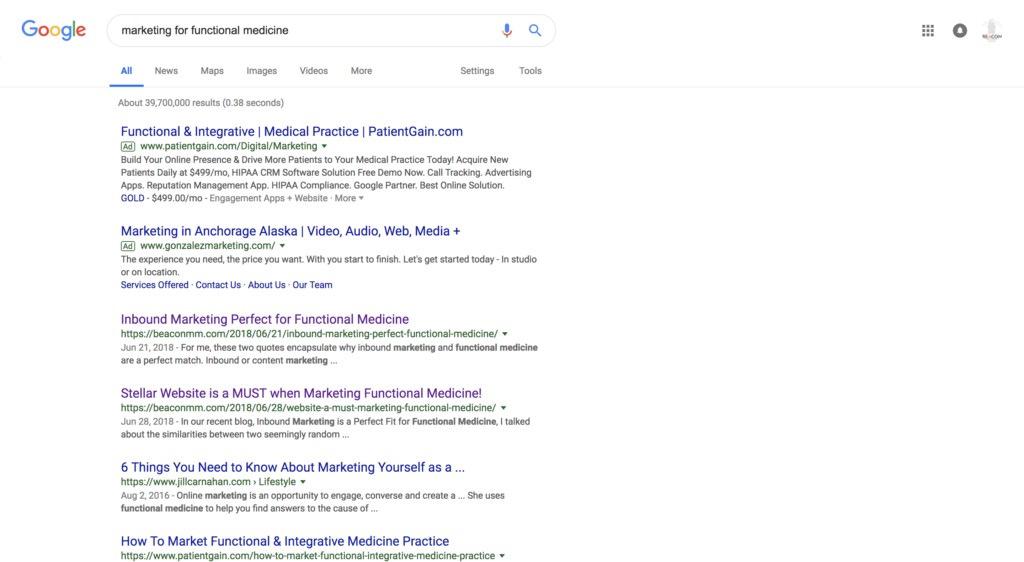
In a matter of months, our blogs were ranking in the first two spots on the Google results page for the search, “marketing for functional medicine:”

Should I Blog for My Orthodontics Practice?

These blogs translate to many functional medicine sales leads for us!

Using tracking software, we are able to see how internet users come in through our blogs then make a step toward working with us by either filling out one of our contact forms or chatting with us through our chatbot.

Blogging can help you achieve very specific goals for your medical spa.

Case Study: Mandanas Dental Blog

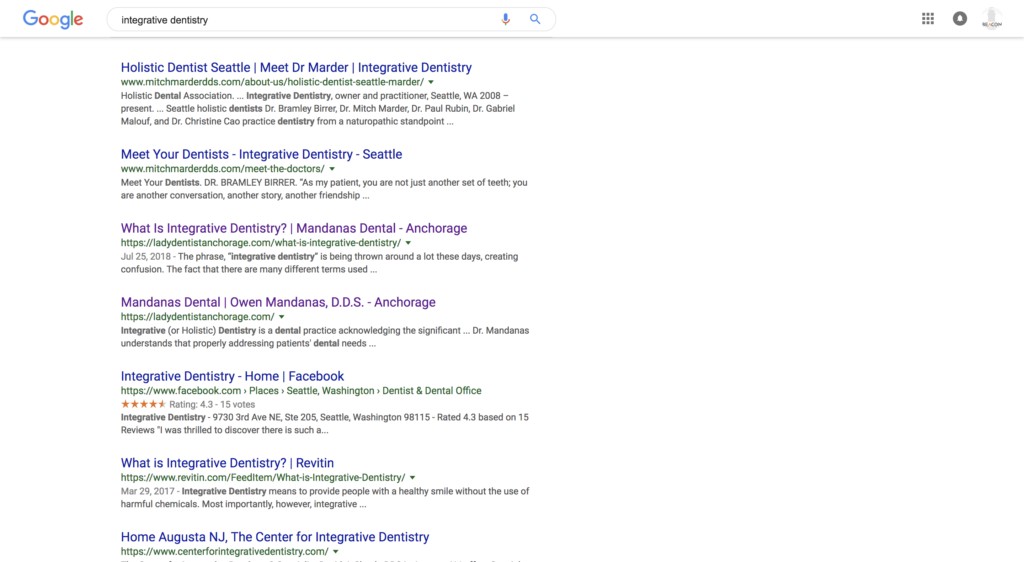
In 2017, our client Mandanas Dental decided that she wanted to pursue integrative dentistry.

We were ecstatic!

Although general dentistry is a very competitive market in her location, integrative dentistry had yet to take much root in the area or online.

We got to work, blogging on popular topics and questions surrounding the integrative dentistry industry.

Once again, we were able to see results (first page of Google) within a matter of months:

Should I Blog for My Orthodontics Practice?

In two years, we have 100x-ed her traffic, from just under 60 visitors per month to well over 6,000.

Dr. Mandanas’s schedule is booked at maximum capacity pretty much all year long.

Blogging can help you take your medical spa in a new direction or solidify your presence in a particular market.

3 Proven Blogging Philosophies for Your Medical Spa

How do you make this blogging magic work for your medical spa?

There are a few things you should understand about why great blogging works the way it does before we dive into best practices.

Take a look at some of the top, time-tested blogging philosophies below.

1. The Inbound Blogging Method

Blogging is just one facet of a comprehensive marketing philosophy called “inbound marketing.”

The principle behind inbound marketing sounds something like this:

If you put yourself where people spend their time and provide value to them on their own terms, they will start coming to you (inbound).

Let’s break down this working definition for better understanding.

“…where people spend their time…”

Where do people spend most of their time today?

Easy answer: the internet.

Google is the most popular search engine in the world, accounting for 3.5 billion of our internet searches every day.

We spend our time online, and we do it on Google.

Let’s take a look at the next major point in our working definition.

“…provide value to them on their own terms…”

What is valuable to the people who are on Google?

Finding the online resources they are looking for.

Many Google searches come in the form of a question.

Although there are many ways to do great inbound marketing, of the best is to answer popular questions with helpful, comprehensive blogs.

In fact, this is another one of our best blogging philosophies!

2. Answer Questions for Medical Spa Prospects

How do you know what your medical spa prospects are asking?

You do your research.

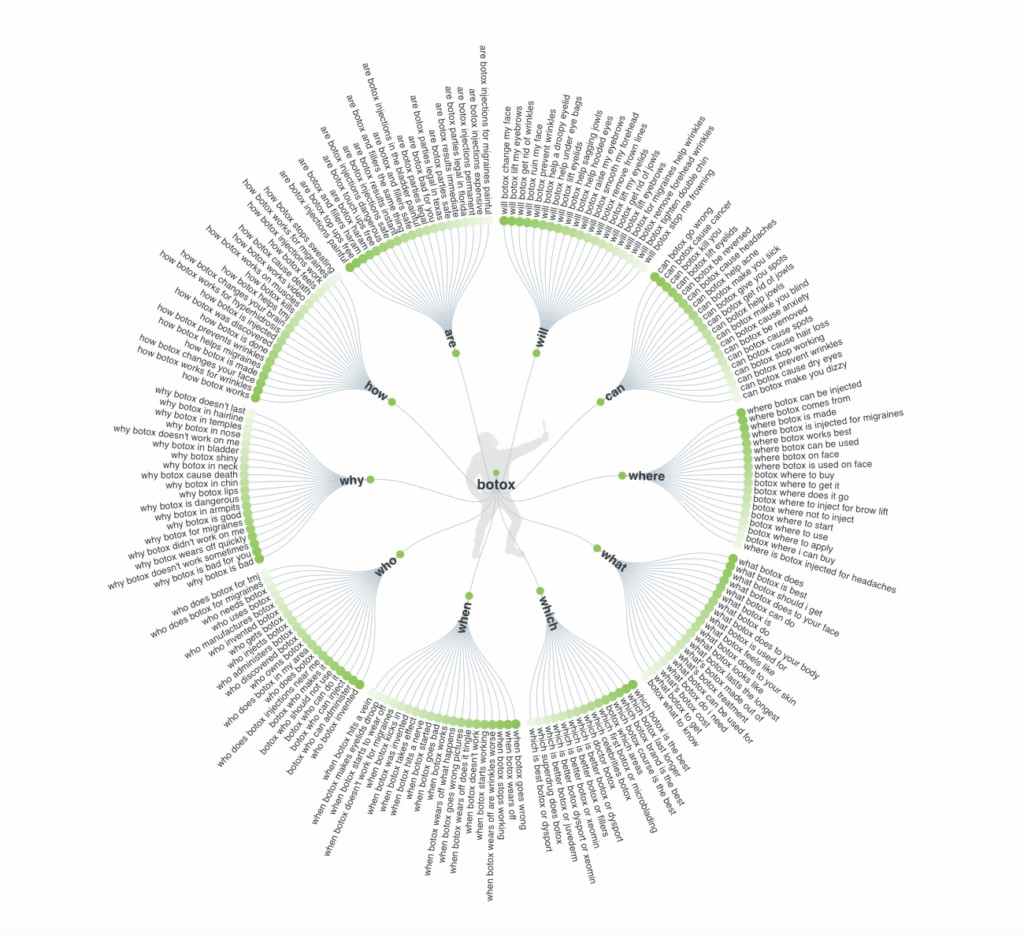
A great tool for finding popular searcher questions is Answer the Public.

Using this tool, you can enter a topic like, “Botox” and receive a list of all the top questions searched by internet users.

Take a look:

What Is the Best Way to Blog for My Medical Spa?

This list may be a little hard to read, zoomed out as far as it is so you can see the whole thing, but it includes questions like:

  • Where can Botox be injected?
  • What does Botox do to your skin?
  • Can Botox be reversed?

Do you have answers to these questions? Great! You have the content you need for a great blog for your medical spa.

Let’s discuss one, final, important blogging philosophy before we get into more technical best practices.

3. Waterfall Blogging for Medical Spas

This is probably the most important piece of advice we can give you in this entire blog today…

Waterfall your blog.

What on earth does that mean?

It means create a structure with your blogs that makes it easy for internet users and Google to “flow” through them and understand what they are all about.

It is the practice of writing blogs for each of your services and linking them together as they relate to one another.

Waterfall blogging also goes by another name, “content clustering.”

Let’s consider an example.

Here is what the waterfall blog/content cluster that YOU ARE CURRENTLY IN looks like:

In a good waterfall blogging strategy, we take all of these sub-blogs that talk about the various aspects of digital marketing and we link them back to the main, digital marketing blog in the text where they are discussed.

If you visit the main “digital marketing for medical spas” blog and look for headers/hyperlinks that pertain to the sub-topics listed, you will see what we are talking about.

We may also link some of the sub-blogs to each other if the topics cross over.

This tells Google that these blogs are related, boosting their authority and rank.

It gives users an easy navigation path for more reading.

But enough with blogging philosophies–lets dig into the practical steps you can take to make this work for your medical spa.

Best Practices for Medical Spa Blogging

At first, you might think that great blogging boils down to “finding your voice” and writing in an engaging style.

You would be sorely mistaken.

Although style is important, arguably more important is making sure you have all of your technical blogging ducks in a row.

Getting the technical aspects of blogging right is what will get your blogs to rank.

If your blogs do not rank, no one will get to read your writing in the first place, no matter how eloquent.

Practice I: Choose Niche Blog Topics in the Medical Spa Industry

What was the common thread between the two case studies we mentioned at the beginning of this blog?

A niche.

For Beacon, we did not write about “digital marketing,” but “digital marketing for functional medicine.”

For Mandanas, we did not write about “dentistry,” but “integrative dentistry.”

There is a big difference.

The first terms are very general–in searches, they pull up results for these services across the nation and around the world.

You do not want to be competing with the nation, much less the world. You will not succeed.

By narrowing our topics down to a particular niche–like an industry, a location, or an approach–we have a better chance of making the first page of Google.

Find the niche that is most relevant to your medical spa and use it!

Practice II: Make Use of Blog Header Technology

In most content management systems (CMS), which is the software system you use to publish blogs to your website, you have the option to classify headers as “H1,” “H2,” “H3,” etc.

For example, “Practice II: Make Use of Blog Header Technology” is classified as a “Heading 3” tag.

These tags help Google know what your blog is about and how it is organized, boosting your rank–so use them!

Your title is automatically classified as “H1,” so make use of “H2” and “H3” tags as you write.

Another technology you should be using when writing your title and headers is CoSchedule’s Headline Analyzer.

This tool will tell you how your headline’s score against successful headlines across the internet.

When writing your title, aim for a score at or above 70 in this helpful software.

Practice III: Write Keyword Optimized Blog Content

We haven’t talked about it directly yet, but many of these best practices are important for the search engine optimization (SEO) of your blogs.

Search engine optimization (SEO) is formatting your blog in the best possible way for Google to crawl, assess the authority of, and rank.

A big, big part of optimizing your blog is selecting the keyword or keywords for which you want to rank.

For instance, if you were answering the question, “Where can Botox be injected?” your keywords would be “Botox” and possibly “injections.”

These keywords should be in your title, headers, metadata (which we will talk about next), and of course, the blog content.

If you are good about staying on-topic, the keywords you have chosen should flow naturally throughout your text.

If they do not, consider inserting them in places where they would make sense.

Having your keywords in all of these places reinforces what your blog is about to Google as well as to your readers.

Practice IV: Set Custom Blog Metadata

“Metadata” may look like a scary word but most content management systems make it very approachable.

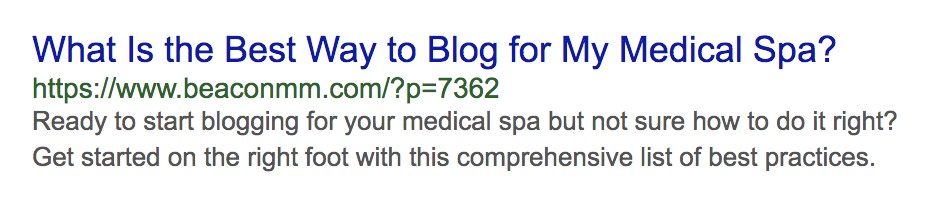
Your system should have a form containing fields for you to set your blog title, URL, and description.

This is the information that populates on the Google results page:

What Is the Best Way to Blog for My Medical Spa?

There should also be a place to set a feature image for your blog and a location to enter your target keywords if you have SEO tools installed.

Do not leave this information up to the content management system to decide.

Set this data yourself to make sure it is accurate and looks great!

Practice V:  Develop a Consistent Blog Schedule

Last but not least, make a plan to blog regularly!

When you blog on a regular basis–once per month, twice per month, or once per week–you tell Google that you are relevant and happening, committed to writing content about your “cluster,” consistently.

You should plan on writing 400-600 words for a non-competitive topic space, 600-1,000 words for a moderately competitive topic space, and 1,500-2,000 for a very competitive topic space.

If you are following all of these best practices, you should see results in 6-9 months!

Many clients have seen results in as few as three.

Note: Don’t forget to include a call-to-action (CTA) at the end of your every blog! This is a statement that gives your visitors their next move, such as, “Are you interested in our services? Call us now at (123) 456-7890!” CTAs make working with you as easy and approachable as possible.

How do you feel?

That was a lot of information to cover in a short time!

We hope you feel equipped to launch the best blog in the medical spa industry.

If you do not have the time to put in the work or you would like more expert advice on blogging for the medical spa industry, you can schedule a consultation with us at no charge to you!

We would love to help you start seeing the results that great blogging can bring.

https://www.youtube.com/watch?v=fRIwoyPBUV4&list=PLpbaGJihu8fP1DJyXqpXBctAgZDDnbG8s&index=6

Originally published by Beacon Media + MarketingUpdated and revised by Jeremiah Blanchard, Digital Marketing Copywriter on 07/12/23

Are you considering launching a Google advertising campaign for your medical spa? That’s a fantastic idea!

Let’s explain why we’re so enthusiastic about it:

Google, being the most widely used search engine globally, boasts a staggering 4.3 billion users and commands an impressive market share of 92.24 percent as of 2023.

In simple terms, if you want to reach your target audience exactly where they’re searching online, Google is undoubtedly the best platform to utilize. And we can’t wait for you to witness the immense power of Google advertising!

However, before you dive in, there are a few essential aspects you should be aware of. While Google ads are a great way to get your brand noticed and increase your consumer base, being clued in on the way Google operates is the first step toward developing and understanding your advertising campaign.

Here, we’ll dive into what Google advertising entails, how it operates (including the algorithm and associated costs), and most importantly, what steps you can take to ensure the success of your medical spa campaign.

Are you ready to learn how Google ads can help you reach the right audience? Contact us at Beacon Media + Marketing today for a free consultation.

  1. What Is Google Advertising?

No matter if you’re in the medical spa industry or any other, we all relate to common experiences. So, let’s illustrate a common process with a real-life example.

Have you ever had a conversation with a family member or friend about something, such as the college your sister is attending or the product your mom uses, only to find that very topic appearing in an advertisement on a website you visit the next day?

It can be a bit freaky, right?

This occurrence is likely due to being targeted by a Google display ad that utilizes a technique called “remarketing.” Google employs this tool to place ads on various websites throughout your browsing experience, tailoring them based on your interests and the websites you frequent.

As a medical spa, Google ads will give you access to similar tools.

Now, let’s dive into the two types of Google advertisements.

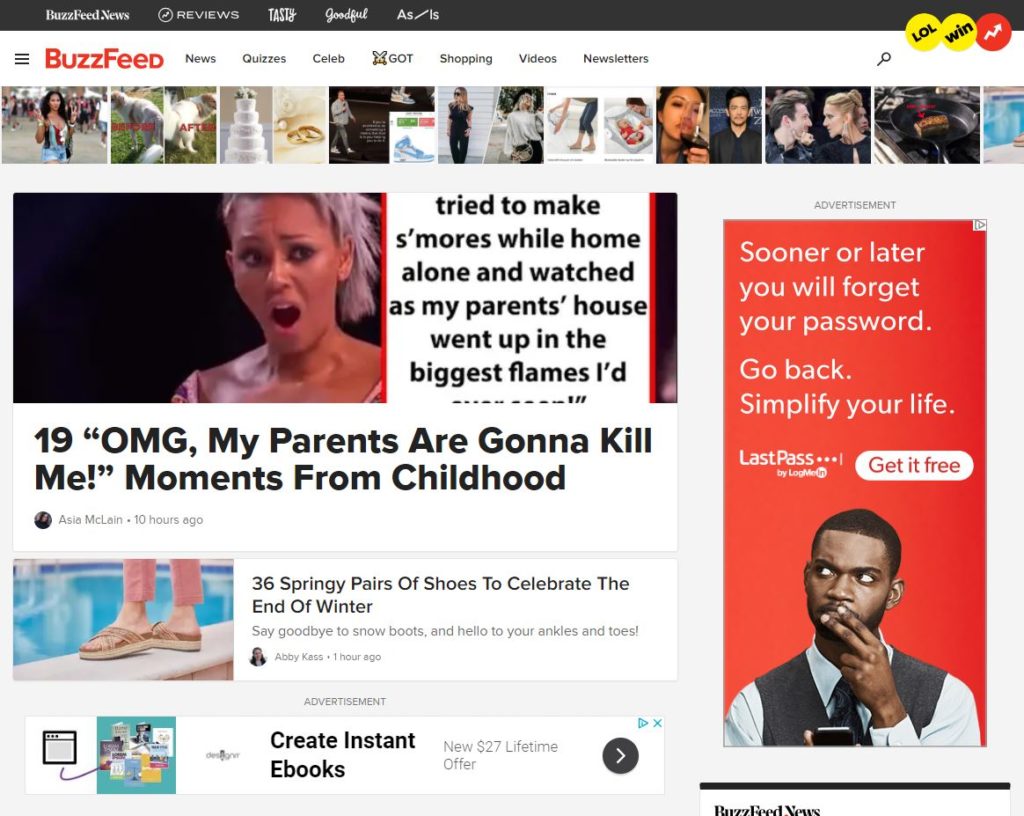
The first type is Google display ads, as mentioned earlier, which resemble the LastPass ad displayed below.

Source: BuzzFeed

These can be identified by the grey “ADVERTISEMENT” text that hovers over the top.

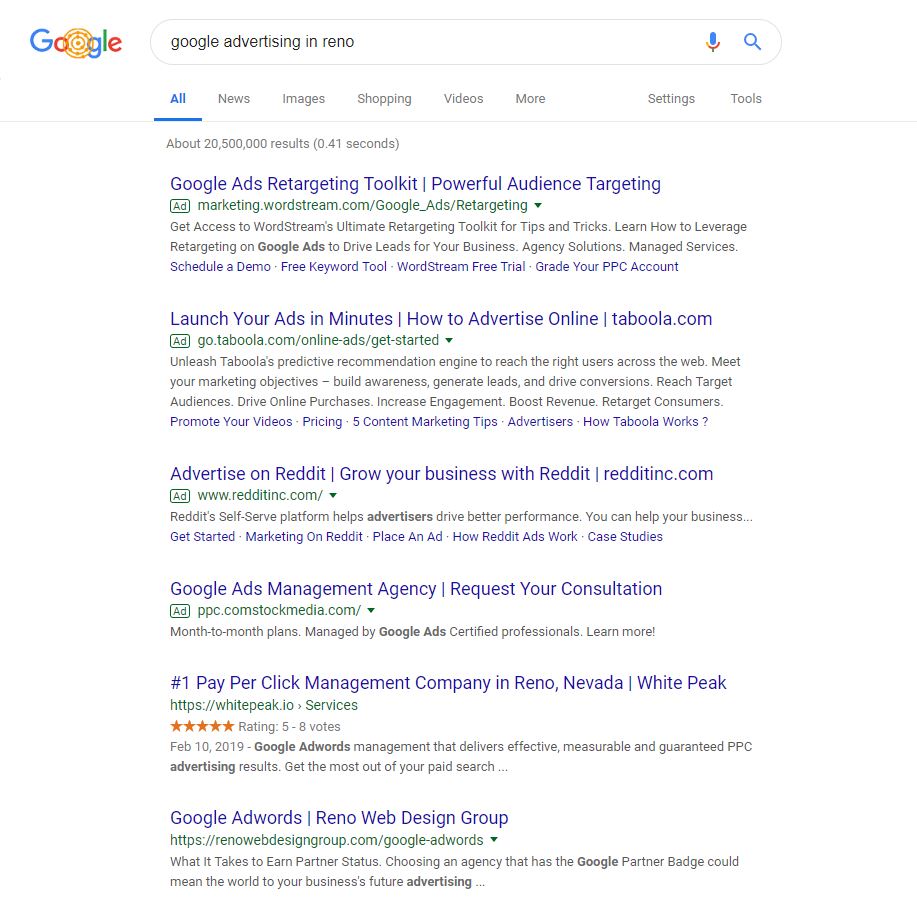
The second are the Google search ads, which display at the top of the Google results page as you can see below:

Source: Google

A Google search ad can be easily recognized by the small, green “Ad” label displayed next to the URL beneath the page title.

When you click on one of these ads, the business behind them incurs a charge. This payment model is commonly referred to as “pay-per-click” or “PPC” in the marketing industry.

Below the paid advertisements, you will find the section we commonly refer to as “organic” results.

At Beacon, we recommend that our clients running med spa Google ads also use a strategic mix of paid ads and tactics to achieve rank organically.

In addition, there are a few critical aspects you should be aware of regarding the two distinct types of Google advertisements.

Google search ads consist of three essential elements: a headline, a URL, and a description. In contrast, Google display ads provide a greater level of flexibility.

For med spas, when it comes to Google display ads, you have the opportunity to utilize up to sixteen unique combinations of logos, graphics, headlines, and descriptions! This allows for a wider range of creative options to capture the attention of your target audience.

  1. How Does Google Advertising Work?
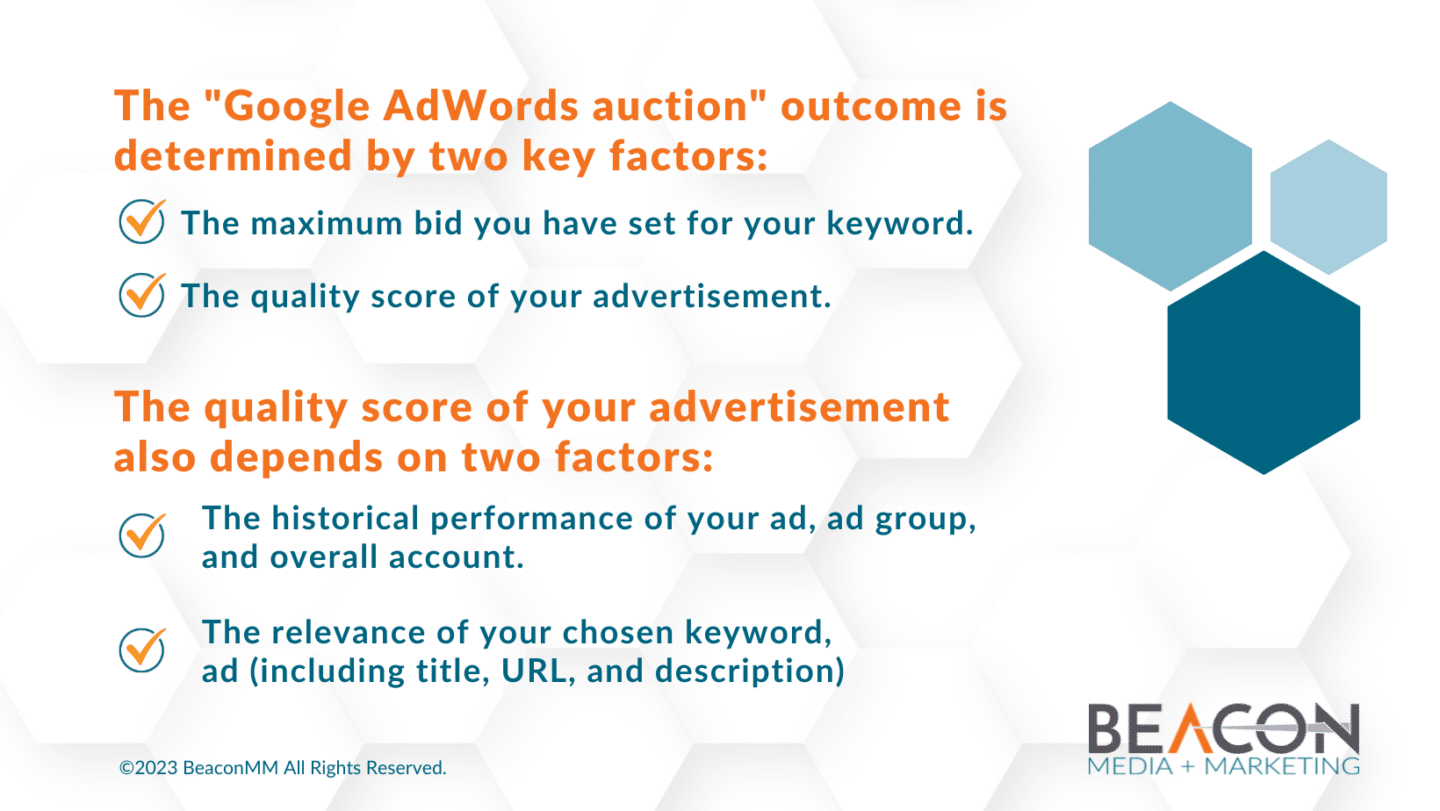
google ad words infographic

To be effective in Google advertising for medical spas, you will want a solid understanding of the Google advertising algorithm, bidding structure, and cost.

All of this is managed through a program called Google AdWords, which you will want to create an account with when you are ready to get started.

The Google Advertising Algorithm

Google’s operations are truly remarkable. And it’s truly astonishing how swiftly and seamlessly everything unfolds when performing a search.

From the perspective of Google advertising when running Google ads, within that split second, Google takes stock of all the ad accounts that contain the relevant keywords or phrases utilized in the search.

Let’s say your medical spa aims to rank for the search query “botox near me.”

When someone searches for “Where can I get botox in my location?”, your ad account will be included in Google’s inventory. But how do you communicate to Google the keywords and phrases you wish to rank for?

You do so by bidding a monetary amount that you are willing to pay if someone clicks on your ad (remember, it’s pay-per-click!).

For this reason, many marketers refer to this process as the “Google AdWords auction.” And the outcome of this auction is determined by two key factors:

  1. The maximum bid you have set for your keyword.
  2. The quality score of your advertisement.

Pay close attention to that last point. As a profit-driven entity, Google places great importance on delivering a high-quality search experience to its users, and this includes the advertisements displayed!

Satisfied Google users translate into increased market share and greater revenue for Google. And this is a crucial aspect to keep in mind as you craft your Google ads for medical spas. Thus, the quality score of your advertisement itself also depends on two factors:

  1. The historical performance of your ad, ad group, and overall account.
  2. The relevance of your chosen keyword, ad (including title, URL, and description), and landing page to the search query and to each other.

In addition, two terms you may not be familiar with are “ad group” and “landing page.”

An ad group refers to the collection of keywords you are targeting with your ad.

Your landing page is the specific page to which your ad directs users — a page where they “land” after clicking on your ad. Clever, isn’t it?

Both the ad you write and the landing page you link to should incorporate your chosen keyword and maintain a focused approach on the relevant topic. And all these factors culminate in the following equation that determines the final rank of your ad on the search results page:

CPC Bid x Quality Score = Ad Rank

On the Google display ad front, the auction process differs slightly.

For display ads, maximum bids are established at the ad group level, rather than for individual keywords.

Moreover, you have the option to bid based on impressions, which represents the number of times your ad is displayed to users.

This bidding method is commonly known as “cost-per-impression” or “CPM” bidding.

Remember: “As a company that wants to make money like everybody else, Google values delivering a quality search experience to its users, which includes your advertisements! Happy Google users = more market share = more money for Google. This is an important thing to remember as you write your ads.

How Much Google Advertising Will Cost Your Medical Spa

As mentioned, when you run Google ads, you will be charged every time someone clicks on one of your medical spa’s Google advertisements.

The equation to determine the cost-per-click (CPC) is as follows:

Next Highest Ad Rank / Quality Score + $0.01 = CPC*

If you did well with ratios and statistics in school, you will realize that the higher the quality score of your ad is, the lower your cost will be. And this reinforces Google’s commitment to quality.

*Note: The cost-per-click will never go above your maximum set bid.

  1. Can Google Advertising Grow My Medical Spa?

Having a great position in search engine results is one thing, but Google advertising can absolutely grow your medical spa!

However, we must emphasize that success is not guaranteed, unfortunately. This is because various factors, such as the level of competition within the medical spa industry in your specific area, can significantly impact the performance of your Google ads.

Certain industries and locations tend to have higher levels of competition than others, and the choice of search terms also plays a pivotal role.

To illustrate this point, let’s take an example from Beacon’s headquarters in Anchorage, where the cost-per-click in the legal industry has soared to as much as $50!

Given the absence of substantial profit margins, it would be unwise to allocate such a significant budget for every click through your Google ad, particularly when you consider that a click represents a lead rather than a confirmed customer (at least for the time being). It is crucial to note that these results may vary in your specific location.

Correspondingly, the bid figures we observe tend to be relatively high, indicating a high level of competition within the medical spa industry and widespread adoption of Google advertising within the community.

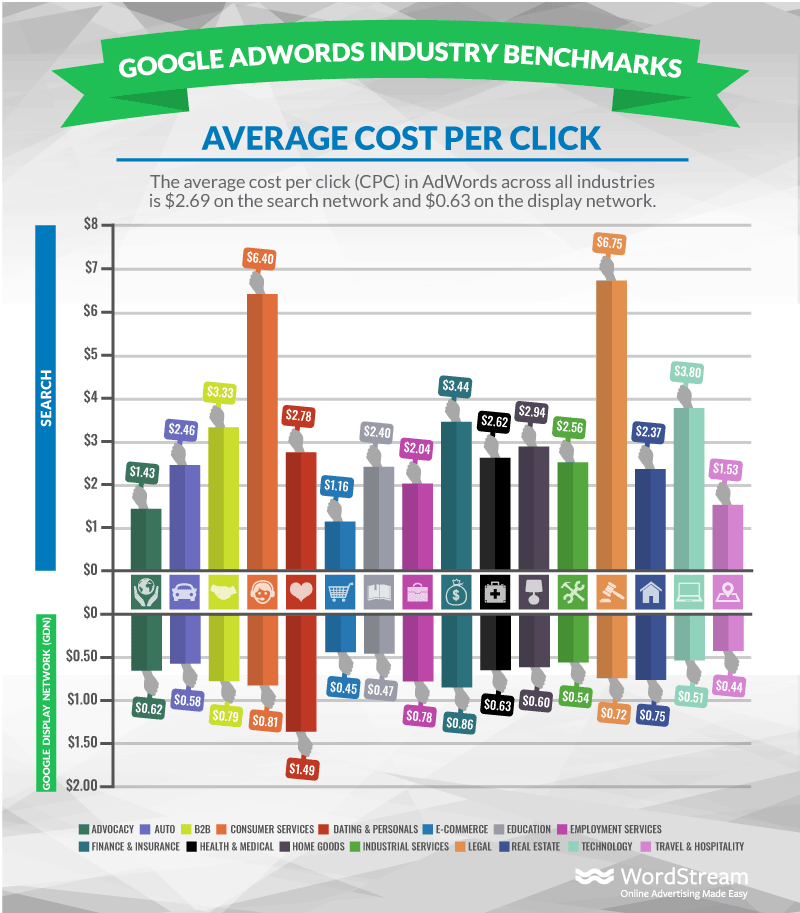
How do we come to this conclusion, you may wonder, apart from the “high” and “medium” markers on these results?

Because we rely on industry benchmarks to gain insights into the landscape and dynamics of the field.

Source: WordStream (at the date of this blog post)

Let’s examine the “Health & Medical” industry as a whole to gain insights. The average cost-per-click in this industry stands at $2.62, which is lower than the lower end of the bid range in our findings.

Don’t let the moderate competitiveness of the medical spa industry discourage you. Creating high-quality, relevant ads that generate valuable leads can make a significant difference for your marketing campaign.

At Beacon, our Google team consistently achieves below-average cost-per-click for our clients, resulting in substantial cost savings.

Curious about our approach? For each service we advertise, we allocate a budget of at least $300 per month, often more. This corresponds to our recommended minimum cost-per-click budget for each keyword across 1-3 ad groups.

We always strive to target niche keywords that have lower competition but effectively capture internet users searching for specific services. As an example, at Beacon headquarters in Anchorage, we focus on marketing for a holistic dentist. Instead of targeting broad terms like “family dentistry,” we prioritize “holistic dentistry” as it offers lower competition and is easier to capture. The results we’ve achieved for this client have been truly remarkable.

Our team prioritizes the creation of quality, relevant ads, and landing pages to generate leads so you can reach potential customers. And few things contribute as significantly to the success of a Google advertising campaign as this approach. Crafting clear, concise, and compelling ads that lead users to the appropriate pages with relevant keywords is paramount.

Are you feeling prepared to launch your first Google advertising campaign for your medical spa?

We hope this article serves as a valuable resource as you embark on this endeavor!

For all medical spa owners, if you feel overwhelmed or lack the time to handle Google advertising for your medical spa, we would be delighted to offer our Google advertising services to you. Our team holds Google Partner certification and stays abreast of the latest developments in Google advertising to deliver the best possible results for our clients.

Are you interested in amping up Google ads for your medical spa? Please reach out to Beacon Media + Marketing to schedule a complimentary consultation.

The medical industry can be saturated with competition, making it difficult to stand out. Facebook is an effective marketing platform however, your company’s page may get lost in all of its clutter. Cut through all of the noise and reach your audience by creating Targeted Facebook ads.

We can narrow down what type of patient the ad will target by focusing on the following four categories.

1. Location Targeting: A patient can be reached by the geographic area in which they live in or are just physically located. This can include the country, city, state or zip code. Using their location, the ad would drive them to your nearby office by offering coupons or discounts.

2. Demographic Targeting: This category can be narrowed down into criteria such as; education, career, financial, relationship status, ethnic background, political affiliations, life events and more.

3. Interest Targeting: You can select and audience based on which pages the Facebook user likes, pages they are interacting with, the events they attend, and their Facebook apps.

4. Behavior Targeting: This is determined by the user’s online and offline habits. Useful information such as: where they travel, their purchasing behaviors, and their digital activity, can help to pinpoint a particular prospective customer.

All of these different categories can be found within Facebook’s Audience Insights. Importing your customer’s email address and phone numbers will help to create your custom audience. The tool can create your company’s ideal target audience. The Audience Insight can also be used to produce insight reports on your competitors and top performers; this information can help to create different effective target audiences.

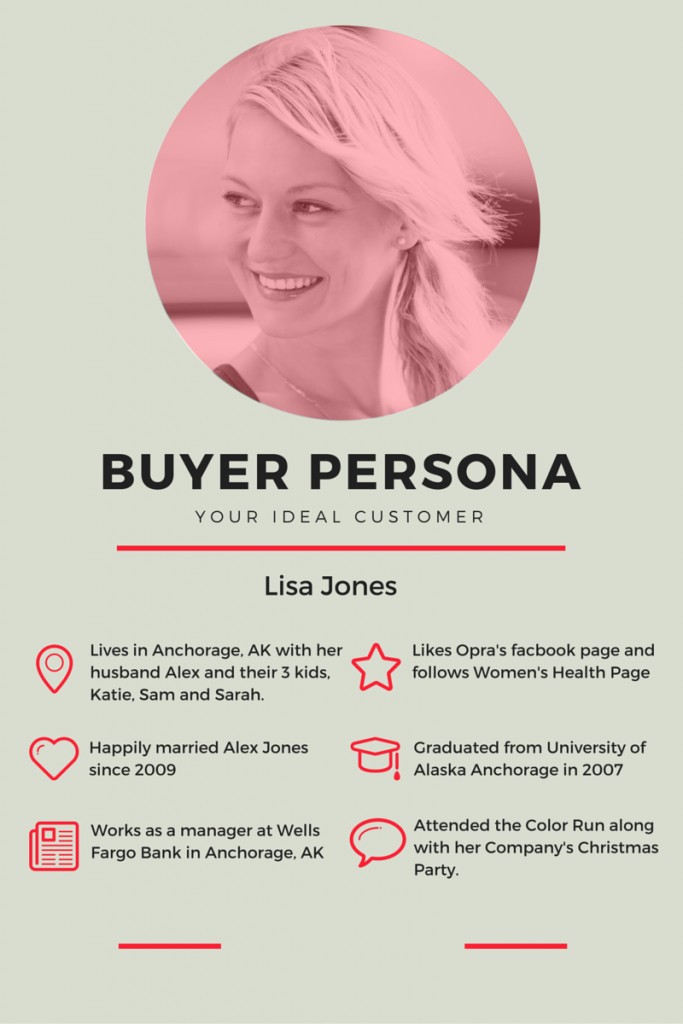
They key is to create a buyer persona for your ideal customer. A buyer persona could include: their career, where they live, if they own a home, relationship status, and if they are a parent.

Buyer persona (1)

Create multiple targeting ads using a few personas and monitor its progress. You are sure to see positive results for your Medical Practice, along with standing out among the competition, with the use of these ads.

What is a landing page and how can it benefit your medical practice’s website?

You may have a beautifully crafted website that contains valuable content and educational blogs; however, it is easy for visitors to get lost in all the noise. Creating landing pages is the best way to avoid visitors bouncing off of your website. You want to keep visitors’ on your site, exploring the services your clinic offers.

There are two main types of landing pages:

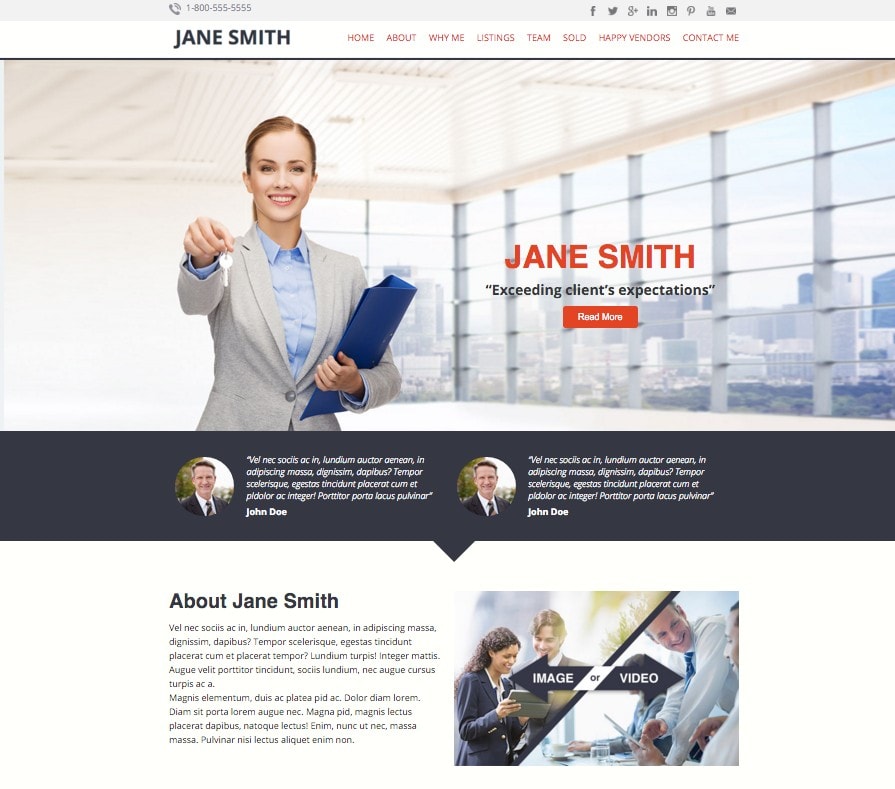
1) Click Through Landing Pages: The purpose of this page is to encourage visitors to click through to another page. A common example is a product or service page that provides information to the visitor that can lead them to towards making a purchase. The next page would be a shopping cart or registration page. Having the landing page, a step before the shopping cart, increases conversions by providing information that helps the visitor make an informed decision.

Screen Shot 2015-12-02 at 1.28.36 PM

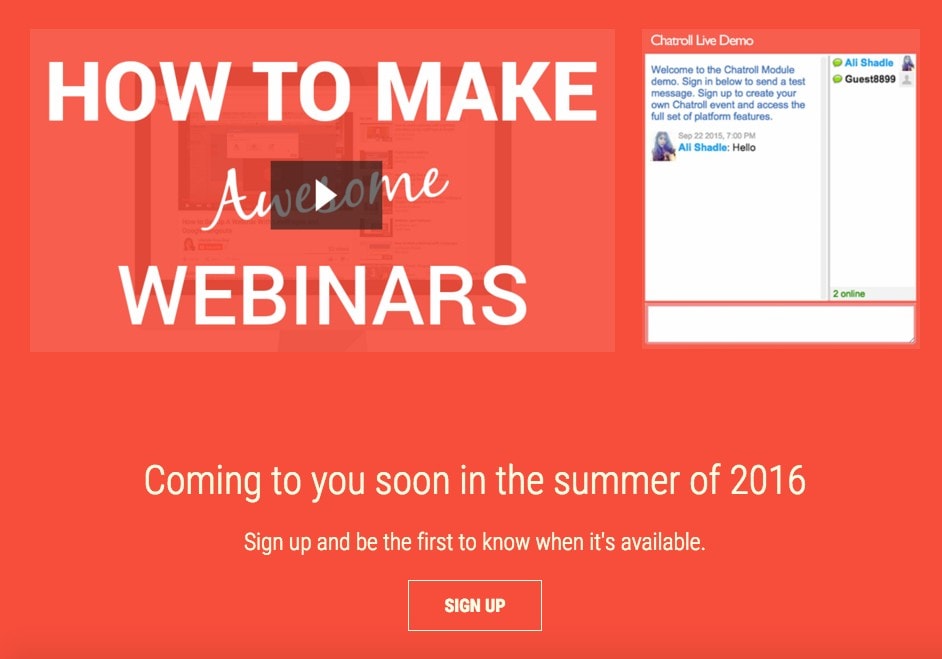
2) Lead Generation Landing Pages: These pages are used to capture useful visitor information. The form can be as simple as asking for their name and email address. From there you can create a connection via email to continue future marketing. The forms are strategically tailored to gain personal data without damaging the conversion rates.

Screen Shot 2015-12-02 at 1.35.46 PM


What are the benefits?

The visitors can find the landing pages through a Pay Per Click ad on Google, a Facebook ad, or a sponsored/promoted post, leaning them to your site. The addition of these product/service pages will not only create a better user experience for your visitors but will also increase the conversion rates for your products or services, nothing but a “win-win” for both parties.

At Beacon we work with a variety of medical clinics to develop landing pages that help convert leads and increase calls to your offices. Give us a call at 907-563-6008 or email us at [email protected] and we’ll chat.

As an Inbound Marketing Agency, we are often asked if inbound marketing works for medical practices and physicians. It is generally known that consumers have embraced the internet as a place to research products and services before making a buying decision. Think about the last important purchase you have made. Did your research start on Google? If you’re like most people, it certainly did.

Health Care Information on the Internet

An obvious question now would be: Do consumers use the internet to research health related problems and specific physicians or surgeons or procedures?  The answer is an astounding YES. Perhaps you have seen the stats that prove this point but they are worth repeating:

  1. 80% of internet users seek online health information
  2. 59% of U.S. adults look online for health information

Without question, most people are searching online for information about their doctors, their conditions, and their care.

How Medical Practices Can Benefit From This Shift?

In a sentence, go where the people are- connect with them, engage them and delight them. Inbound marketing is the practice of getting yourself or your business found online when prospects are searching, getting more people to your website and then converting them into customers. This is in contrast to traditional marketing, which includes tactics like magazine and television ads as well as telemarketing.

Inbound marketing is the practice of getting yourself or your business found online when prospects are searching, getting more people to your website and then converting them into customers.

The Four Core Services of Inbound Marketing

Inbound marketing for medical practices is not one specific action but a cohesive system of proven, effective tactics that work together and become greater than the individual pieces.

  1. Building traffic to your website via blogging, SEO and social media
  2. Converting this traffic into leads by providing premium content offers
  3. Converting leads into customers with lead nurturing, lead scoring and email marketing
  4. Measuring and analyzing every step to see what’s working and improve on what is not.

Bottom line? Inbound marketing works. When implemented correctly, you’ll start to see results and new faces and families come through the door. In what ways have you seen inbound marketing practices affect your business?