Bing

See Our Blogs

Explore insights on SEO, AI, and digital marketing strategies designed to help your business grow, stay visible, and adapt in a constantly evolving online landscape.

Beacon_Icon_resouse

Google rolled out their Authorship program a few years back, but it seems a bit slow to catch on with mainstream businesses. This is really too bad considering some of the great ranking benefits with Google.

What is Google Authorship you ask? It is a way to connect the blogs you write and publish online to your Google+ account. Personally, I believe it is yet another way Google is trying to get us to use Google+ since it pretty much bombed after they launched it. But the important thing is that increasingly connecting the two is figuring into Google’s search algorithm!

As a business professional, you have taken valuable time to craft and post a blog on your company’s website. Congrats! You’re ahead of the game! So, what happens if someone plagiarizes your hard work? Google makes the case that if you have signed up for their Authorship program, then your original article will show up before the stolen one since you have already established yourself as the author!

Another interesting feature is that you can add a face to your work with Google Authorship. After you have signed up and Google verifies your work, your Google+ image will be proudly displayed beside the search results. We all know that search results with images grab people’s eyes and have higher click rates. This in turn can lead to more traffic back to your site, which is a big part of any content marketing strategy. It seems like a great win-win situation.

Connecting everything is very simple and only takes about five minutes. You can follow this link directly to the Google+ page to get started. Click Here.

I just recently signed up, and am keeping an eye on the ranking for my blogs to see if they increase. If you do decide to connect with Google Authorship, let me know what you think of it. I would really enjoy hearing your thoughts.
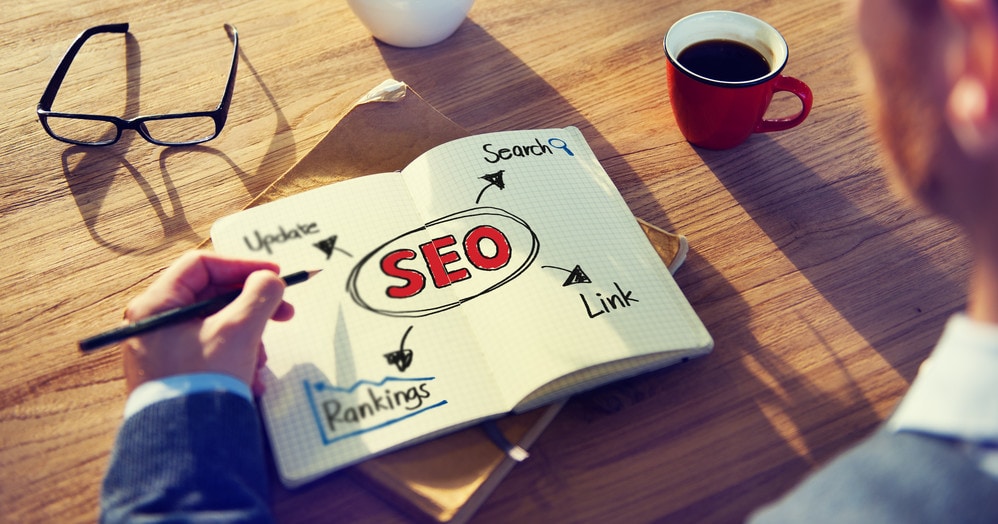

There is an old saying “nothing is as constant as change,” and this is perhaps never more true than with SEO (Search Engine Optimization). Google is constant adjusting and improving their highly secretive SEO algorithm to improve the transparency of the user online experience. Then you have the other four top search engines working to keep up with Google and give users a reason to switch: Bing, Yahoo, Ask, and AOL. But considering Google has 900,000,000 (estimated) unique visitors per month and it’s closest competitor, Bing, has 165,000,000, we are going to focus on Google first.

There are big changes afoot in the world of SEO, and have been for several years. It is no longer just a “simple” case of paying for link-building and not having to worry about quality content if your website was overly optimized on the backend. As with social media, most of this change centers around the end user. Now content is king, so it is more important than ever to have dynamic content. This way people want to “backlink” from their website to material on your website. There are some pretty specific ways you can go about doing this, and one company Raka Creative calls it the Inbound Marketing Trifecta. The way they summarize this is fantastic, so I’m not going to reinvent the wheel. Instead I’m going to recognize them as thought leaders in this and put a “backlink”.

Keep these three things in mind when strategizing your SEO:

Dynamic Content

Make sure the story of your buyers is driving the content you are creating and publishing, both on your website and in your blogs. Claim Google Authorship to build trust and thought leader status.

Social Signals

Engage consistently in a conversational and meaningful way with clients, buyers, and other experts in your industry.

Clean Linking

It is important to reach out to vendors, clients, and colleagues and offer to link their quality material on your website and other social media outlets.

Implementing these three areas on a consistent basis strategically positions your website to dominate organic searches in your market. Organic SEO will continue to bring you leads long after the material is posted, unlike paid SEO that will cut off the leads at the same time the payments stop.

So, take some time and identify the keywords you believe people could use to search for you, and weave them into your content, engage on social media, and practice clean linking. These three will be a rock solid foundation for your ongoing, lead-producing, organic SEO strategy.